Koh Phayam - Ranong
Koh Phayam is a lightly developed island off Ranong on Thailand’s northern Andaman coast. Its narrow lanes, long western beaches, cashew orchards and small-scale bungalow accommodation make it a good base for a quiet island stay, while the main pier links it to Ranong by speedboat and slower wooden ferry.
The island is explored mainly by motorbike, motorbike taxi, bicycle or on foot. There are no conventional roads for public car traffic, and distances that appear short on a map can involve winding concrete lanes, rougher side tracks and limited lighting after dark. Ao Yai and Ao Khao Kwai are the main beach areas, while the pier village on the east coast has the greatest concentration of everyday services.

Island Character and Coastal Landscape

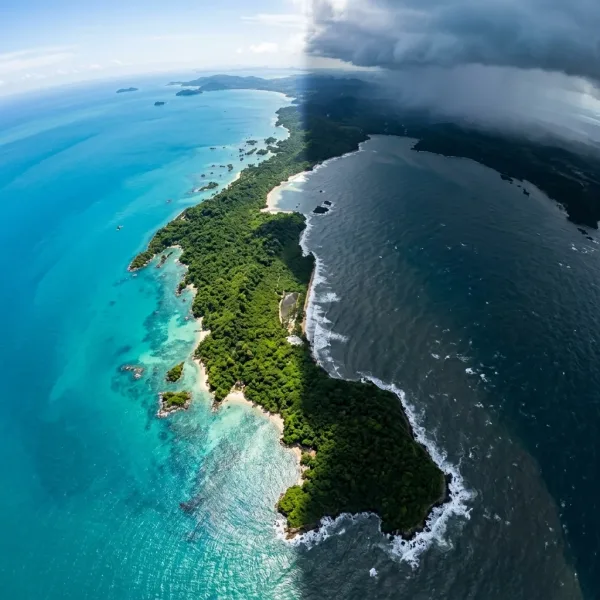
Koh Phayam’s landscape combines forest, mangroves, cashew and rubber cultivation, small settlements and beaches facing different parts of the Andaman Sea. The main concrete lanes cross the island from the pier and branch towards its bays. Motorbikes dominate local transport, but bicycles are practical for confident riders who are prepared for heat, hills and uneven side roads.
Ao Yai occupies much of the south-west coast. It is the island’s longest beach and has the broadest choice of beachfront bungalows, restaurants and places offering surfboard hire. Its west-facing position gives it open sunset views, but waves, currents and beach conditions vary with the season and daily weather.
Ao Khao Kwai, commonly called Buffalo Bay, curves around the north-western side of the island. Its northern and southern sections have different settings and are separated by headlands and rocky features. Hin Talu, a naturally pierced coastal rock, is one of the area’s recognisable landmarks. Smaller beaches lie around the northern coast, while the eastern side is more sheltered and includes mangrove-fringed water near the pier and resort areas.
Cashew nuts are one of Koh Phayam’s best-known crops. Trees and drying nuts can be seen around the island during the harvest period, and locally grown cashews are widely sold. The island remains a lived-in farming and fishing community, so use the lanes considerately and avoid treating cultivated land as a public footpath.
Beaches, Wat Koh Phayam and Hippie Bar
Wat Koh Phayam stands close to the main pier on the east coast. Its distinctive over-water structure is reached by a walkway and is one of the first landmarks visible around the arrival area. Dress respectfully, keep noise down and follow any signs or instructions when visiting the temple grounds.
Ao Yai is the most convenient choice for travellers who want a long beach, sunsets and a wider spread of simple accommodation and food. Ao Khao Kwai has two main beach sections and a more enclosed shape, with mangroves and rocky features around parts of the bay. Ao Kwang Peeb on the north coast is smaller and more secluded, with fewer services and a longer journey from the pier.
Hippie Bar stands at Ao Khao Kwai and is built from salvaged and driftwood-like timber in a multi-level, ship-shaped design. It is both a bar and one of Koh Phayam’s most photographed structures. Opening patterns can change with the season, so check locally before making a special journey.
Tides materially affect several beaches. A bay that provides easy swimming at one stage of the tide may become shallow or expose rocks and mud at another. Ask your accommodation about the day’s tide and sea conditions, and treat locally posted warnings seriously. The western coast is more exposed during unsettled weather.
Plan your Thailand diving or snorkelling trip with our UK guide covering Andaman and Gulf seasons, liveaboards, Koh Tao courses, costs, and marine park rules.
Food, Cashews and Eating Areas

The pier village, the central cross-island lanes, Ao Yai and Ao Khao Kwai contain most of Koh Phayam’s restaurants and cafés. Choices range from simple rice and noodle dishes to seafood, southern Thai cooking, vegetarian food, coffee and international dishes. Locally grown cashews appear as snacks and ingredients, while seafood availability depends on the catch and season.
The pier area is useful for meals on arrival or before a boat departure. Beach areas are better for unhurried evening dining, although opening hours can be informal and some kitchens close during quieter months. Smaller properties may serve only their own guests or require advance notice. Carry cash for meals and do not rely on every restaurant accepting cards or app-based payments.
Simple Thai dishes commonly cost about 80–150 THB (approximately £2–£3.50), while seafood, imported ingredients and more elaborate café meals can cost considerably more. These are planning ranges rather than fixed menu prices; check the menu and any seafood price by weight before ordering.
Where to Stay

Accommodation ranges from basic fan bungalows to air-conditioned rooms, pool resorts and larger villas. Location matters as much as room category because the island has no public car transport and journeys after dark are along narrow, often unlit lanes.
Ao Yai has the widest beach and a substantial choice of bungalow-style accommodation. It suits visitors who want to stay close to the west coast and do not mind a longer ride from the pier. Ao Khao Kwai is convenient for Buffalo Bay, Hin Talu and Hippie Bar. The east and north-east coasts are closer to the pier and include quieter resort settings, though their beaches and tidal conditions differ from Ao Yai.
Facilities vary sharply. Check whether the room has air conditioning or a fan, hot water, reliable Wi-Fi, mosquito screens, a private bathroom and continuous electricity. A listing that describes itself as beachfront may sit behind vegetation or on a tidal inlet, so inspect the map and recent room photographs.
Current booking-platform samples show basic rooms and bungalows from roughly 500–1,200 THB (approximately £11–£27) per night, comfortable mid-range rooms commonly around 1,200–3,000 THB (approximately £27–£67), and larger resort villas from around 4,000 THB (approximately £90), rising substantially for premium room types and peak dates. Rates vary by season, occupancy, taxes and cancellation terms. Confirm the complete current price before payment.
| Stay Area | Typical Accommodation | Practical Character |
|---|---|---|
| Ao Yai | Beach bungalows, guesthouses and small resorts | Long west-coast beach, sunsets and the broadest beachside choice |
| Ao Khao Kwai | Bungalows and small resorts | Access to Buffalo Bay, Hin Talu and Hippie Bar |
| Pier and east coast | Guesthouses, cottages and resorts | Convenient for arrivals, local services and early departures |
| North-east coast | Small resorts and private-beach properties | Quieter setting with a longer journey to west-coast beaches |
Book early for the main dry-season months and public-holiday periods. In the wetter part of the year, confirm that the property, its restaurant and the boat connection you need will be operating.
Activities and Wildlife
Koh Phayam’s principal activities are beach time, exploring by motorbike or bicycle, kayaking, surfing when conditions allow, and watching wildlife around forest edges and mangroves. Oriental pied hornbills are regularly associated with the island and can often be seen or heard around wooded areas. Observe birds from a distance and do not feed wildlife.
Surfing is centred on Ao Yai, where boards and lessons may be available during the more suitable wave season. Conditions are not consistent, and beginners should ask a local operator about currents, wind and the safest part of the beach before entering the water. Kayaks may be available through accommodation or beach operators for sheltered-water exploration; tides can determine which mangrove channels and shorelines are accessible.
Boat outings are advertised locally, but destinations, prices and feasibility depend on sea conditions and demand. Confirm exactly what a trip includes, particularly national-park fees, meals, snorkelling equipment, insurance and transfers. Koh Phayam is not a practical launch point for assuming a fixed daily excursion to distant islands without checking current operations.
Getting There and Getting Around

Koh Phayam is reached by boat from Ranong. Current scheduled speedboat services use Ranong Municipality Pier and other operator-specific piers, with a typical crossing of about 40–45 minutes. Ferry Advice currently lists three daily speedboats in each direction at 350 THB (approximately £8) per adult, while other booking systems show additional services and different bundled fares. Slower wooden boats take around two hours and are generally cheaper.
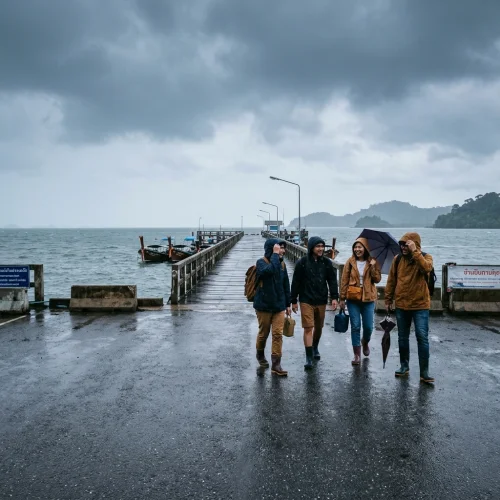
Boat timetables, departure piers and fares vary between operators and seasons. Check the named pier on the ticket and reconfirm the service before travel. Allow a generous margin between a flight or bus arrival and the final boat, particularly in wet or windy weather. The last practical connection can leave well before evening.
Ranong Airport is the nearest airport. Current schedules show direct Thai AirAsia service between Bangkok Don Mueang and Ranong, but frequency and fares can change. Long-distance buses also connect Bangkok with Ranong. From the airport or bus terminal, arrange a taxi, shared transfer or operator pickup to the correct boat pier rather than asking simply for “Ranong Pier”.
At Koh Phayam’s main pier, motorbike taxis meet arrivals and many operators rent scooters. Agree the fare before setting off and tell the driver the exact accommodation, as property names can be similar. Scooter hire is commonly advertised from about 150–250 THB (approximately £3.50–£5.50) per day, depending on season and vehicle. Check the tyres, brakes, lights, fuel level, damage record, helmet and insurance terms before accepting it. Riders need the appropriate licence and travel-insurance cover.
Costs and Budgeting
Koh Phayam can suit different budgets, but transport, electricity, location and season create large variations. Basic fan accommodation and local meals keep costs down. Air conditioning, beachfront position, imported food, private transfers and organised excursions raise the daily total.
| Item | Useful Planning Range | Notes |
|---|---|---|
| Basic room or bungalow | 500–1,200 THB (approximately £11–£27) nightly | Facilities and electricity arrangements vary |
| Mid-range room | 1,200–3,000 THB (approximately £27–£67) nightly | Check taxes, breakfast and cancellation terms |
| Simple Thai meal | 80–150 THB (approximately £2–£3.50) | Seafood and international dishes usually cost more |
| Speedboat from Ranong | Around 350 THB (approximately £8) one way | Some online tickets include transfers or booking fees |
| Scooter hire | About 150–250 THB (approximately £3.50–£5.50) daily | Fuel, deposit and insurance terms may be separate |
Cash is important on the island. Bring enough Thai baht for accommodation balances, meals, transport and an emergency reserve, while keeping it secured in more than one place. Card acceptance is inconsistent and payment systems can be affected by connectivity. Confirm current prices before travel or payment.
Choosing the Right Part of Koh Phayam
Choose Ao Yai for a long west-facing beach, sunsets and the island’s main surfing area. Ao Khao Kwai provides easier access to Buffalo Bay, Hin Talu and Hippie Bar. The pier and east coast work well for short stays, early boats and access to practical services. Northern beaches offer more seclusion but require extra planning for food and transport.
The island rewards travellers who are comfortable with simple infrastructure and independent movement. Anyone who does not wish to ride a scooter should select accommodation carefully, ask about motorbike-taxi availability and budget for repeated transfers. Families should consider road safety, child helmets, beach conditions and the distance to medical care before choosing an isolated property.
What to Know Before You Go

Electricity, mobile coverage and Wi-Fi depend on the property and location. Some accommodation has continuous power, while simpler bungalows may operate electricity during set hours or rely partly on solar power. Ask directly if you need overnight air conditioning, refrigeration, medical equipment or dependable connectivity.
Koh Phayam has a local health-promoting centre and small-scale medical provision. Serious illness or injury may require transfer to Ranong, and bad weather can affect boat movement. Carry suitable travel insurance, necessary prescription medicine and a basic first-aid kit. Thailand’s medical emergency number is 1669.
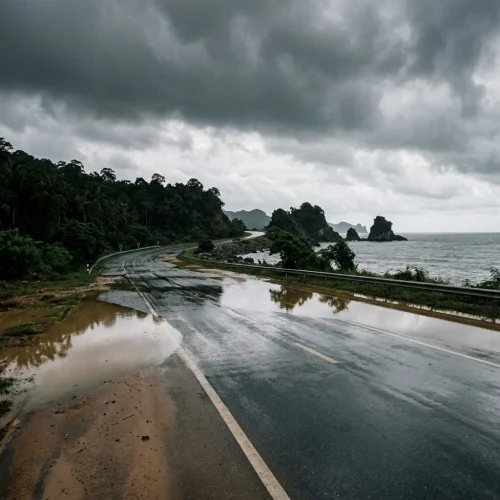
Ranong has a long rainy season, and sea conditions can disrupt boats. Many visitors favour roughly November to April for drier weather and a wider choice of open visitor businesses, but calm seas and sunshine are never guaranteed. Some accommodation and restaurants close or reduce operations during quieter wet-season months; the island does not shut completely on a single fixed date.
Practical Tips

Carry a torch after dark.
Lighting is limited on many lanes, and sand, potholes, animals and parked motorbikes can be difficult to see.
Wear a properly fitted helmet.
The island’s short journeys still involve narrow concrete lanes, bends and loose material at road edges.
Bring sufficient cash.
Do not plan your stay around finding a working cash machine or universal card acceptance on the island.
Reconfirm the return boat.
Ask the operator about the departure time, pier and weather status, especially when connecting with a flight or long-distance bus.
Check electricity before booking.
Ask for the precise hours and whether air conditioning, fans, charging sockets and Wi-Fi remain available throughout the night.
Use insect repellent.
Mosquitoes and biting insects can be troublesome, particularly around vegetation and at dawn or dusk.
Protect the island environment.
Refill water where possible, reduce single-use plastic, keep litter with you and avoid disturbing mangroves or wildlife.
Quick Reference Table
| Item | Detail | Notes |
|---|---|---|
| Location Name | Koh Phayam | Island in Mueang Ranong District |
| Province | Ranong | Northern Andaman coast of Thailand |
| Region | Southern Thailand | Offshore from Ranong town |
| Mainland Gateway | Ranong | Boat services leave from operator-specific piers |
| Nearest Airport | Ranong Airport (UNN) | Check current Bangkok Don Mueang schedules |
| Boat Journey | About 40–45 minutes by speedboat | Slower wooden boats take around two hours |
| Typical Visit Duration | 3–7 days | Depends on transport and preferred pace |
| Main Visitor Season | Approximately November to April | Wetter months bring reduced services and rougher-sea risk |
| Currency | Thai baht (THB) | Carry sufficient cash and an emergency reserve |
| Language | Thai | English is used at many visitor businesses |
| Primary Transport | Motorbike, motorbike taxi, bicycle and walking | Conventional public car transport is absent |
| Main Areas | Ao Yai, Ao Khao Kwai, pier and east coast | Each has different beach, service and transport trade-offs |
| Notable Landmarks | Wat Koh Phayam, Hin Talu and Hippie Bar | Check tides and seasonal opening patterns |
FAQ: Koh Phayam - Ranong
What kind of island is Koh Phayam?
How do visitors get around Koh Phayam?
What is an important local crop on Koh Phayam?
What should visitors know when visiting Wat Koh Phayam?
How do tides affect beaches on Koh Phayam?
Why is it important to bring sufficient cash to Koh Phayam?
What should travellers consider when planning boat connections to Koh Phayam?
How reliable is electricity and connectivity on Koh Phayam?
What medical facilities are available on Koh Phayam?
Why should I carry a torch after dark on Koh Phayam?
Reviewed by the Thailand Guide Editorial Team • Last reviewed: 21 August 2026
This page is provided for general information only. While we aim for accuracy, details can change — please verify anything important independently before relying on it.