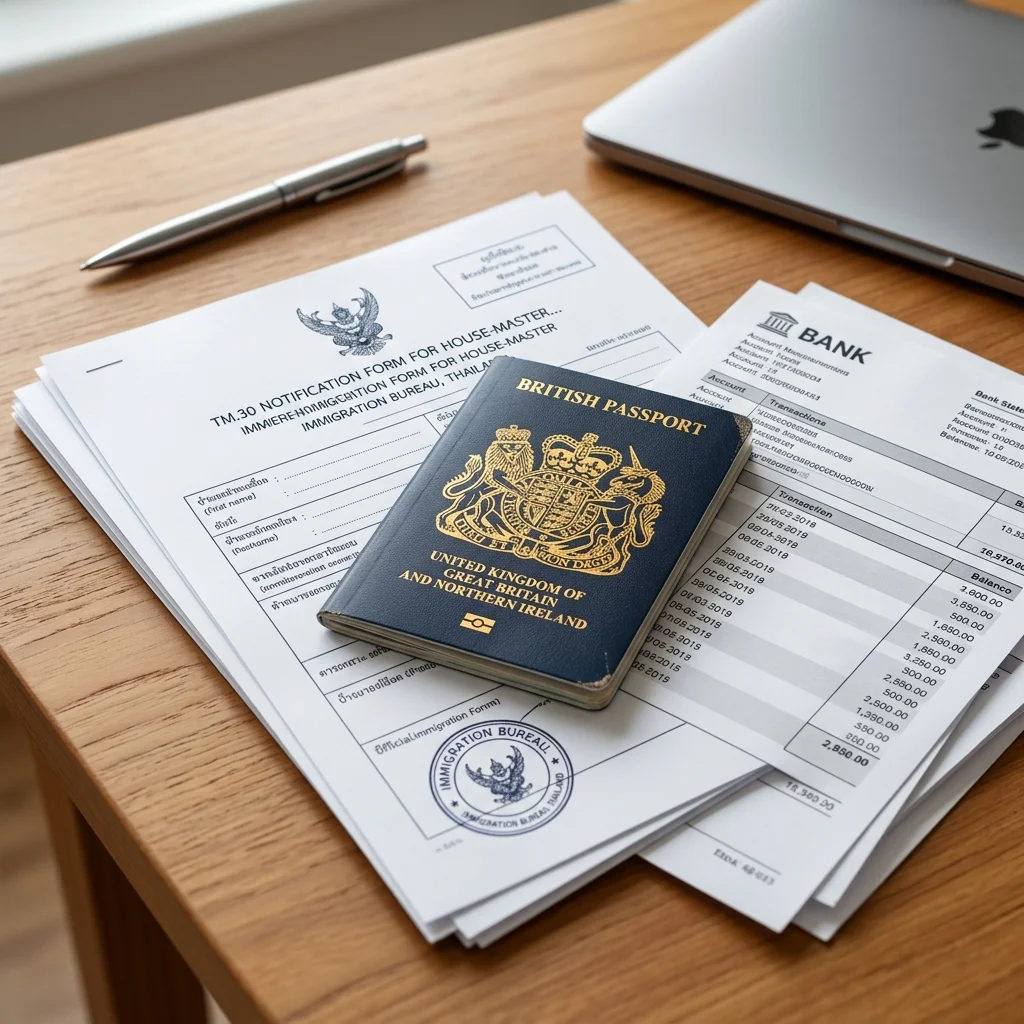
UK Pension when relocated to Thailand

Retiring to Thailand as a UK national means accepting that your State Pension will be permanently frozen at the exact rate it was when you left the country. While the lower cost of living often offsets this initial loss, the lack of annual triple lock increases creates a compounding financial deficit that requires aggressive long-term planning to survive.
This guide explains exactly how relocating to Thailand impacts your UK retirement income, covering both State Pension rules and private drawdown options. You will learn the mechanics of the frozen pension policy, how to manage currency fluctuations between GBP and THB, and the tax implications under the UK-Thailand Double Taxation Treaty. It is essential reading for British nationals actively calculating their retirement budgets, but not intended as formal financial advice for complex corporate pension structures.

The Reality of the UK State Pension Freeze
The UK government does not hold a reciprocal social security agreement with Thailand, meaning your State Pension will not increase annually under the triple lock. The day you register your Thai address with the Department for Work and Pensions, your pension rate is permanently locked. If you retire in 2024 receiving the full new State Pension of £221.20 per week, you will still receive exactly £221.20 per week in 2044. Over a twenty-year retirement, assuming an average historical triple lock increase of four percent annually, this freeze equates to a cumulative loss of tens of thousands of pounds compared to remaining in the UK. Many retirees fail to model this compounding loss into their long-term budgets, assuming Thailand's lower living costs will indefinitely absorb the deficit. Inflation in Thailand, particularly in the private healthcare sector and imported goods markets, will steadily erode your fixed purchasing power over time. You must offset this frozen income by drawing heavier on private investments or SIPPs in your later years. Always calculate your retirement survival using a flat State Pension figure against an assumed three percent annual Thai inflation rate.
Discover how many British expats live in Thailand (41,000+) and where they cluster. Learn where to live, how to meet people, and how to avoid the transient exp…
Claiming Your State Pension from Thailand
Sponsored
You can easily claim your UK State Pension while living in Thailand, but you must actively choose how and where the money is paid. The International Pension Centre handles all overseas claims, and you must contact them directly to supply your Thai address and payment preferences. You have the option to receive payments directly into a Thai bank account in Baht, or into a UK bank account in Sterling. If you choose a Thai bank, the government uses a global banking partner to convert the funds, often resulting in less competitive exchange rates than independent specialist brokers provide. Payments can be scheduled every four or thirteen weeks. Most British retirees choose to have their pension paid into their UK account, allowing them to control when and how they transfer the money to Thailand. This method protects you from forced conversions during temporary dips in the Sterling to Baht exchange rate. Setting up a Thai bank account requires a Non-Immigrant O or O-A visa, a residency certificate from immigration, and your passport. Maintain your UK high-street bank account to retain absolute control over your pension conversion timing.
| Payment Destination | Currency Received | Exchange Rate Control | Best Use Case |
|---|---|---|---|
| UK Bank Account | GBP | High (You choose when to transfer) | Retirees who want to monitor rates and use specialist foreign exchange brokers. |
| Thai Bank Account | THB | Low (Converted automatically by DWP partner) | Retirees who want automated monthly income without managing manual transfers. |
| Virtual Multi-Currency Account | GBP / THB | Medium (You control conversion within the app) | Expats who travel frequently between the UK and Thailand and need both currencies. |
| International Offshore Account | GBP | High (Funds sit offshore until needed) | High-net-worth retirees managing complex tax residency statuses. |
Private Pensions SIPPs and Defined Benefit Schemes

Managing private pensions from Thailand requires careful structuring to ensure you do not breach UK financial regulations while living abroad. Most UK pension providers allow you to maintain an existing Self-Invested Personal Pension or defined benefit scheme after you relocate. However, many UK platforms will restrict you from making new contributions or opening new accounts once you are classified as a non-resident. If you plan to use flexible drawdown, you must confirm that your specific provider supports payouts to overseas residents, as strict compliance rules force some expats to transfer their pots to international SIPPs. Transferring a defined benefit scheme into a flexible arrangement before moving is highly complex and requires mandatory UK financial advice if the transfer value exceeds £30,000.
Many British expats use a Qualifying Recognised Overseas Pension Scheme (QROPS) to move their funds out of the UK tax net, though this triggers rigorous compliance checks and potential lifetime allowance charges depending on when you enact the transfer. A QROPS must appear on HMRC's official list of recognised schemes at the time of transfer, since using an unrecognised scheme can trigger an unauthorised payment charge of up to 55% of the transferred value. This route isn't right for everyone — smaller pension pots often don't justify the setup and ongoing management fees a QROPS carries, and anyone considering one should get advice from a UK-regulated financial adviser who holds the specific pension transfer qualification before proceeding.
Taxation Under the UK-Thailand Double Taxation Treaty
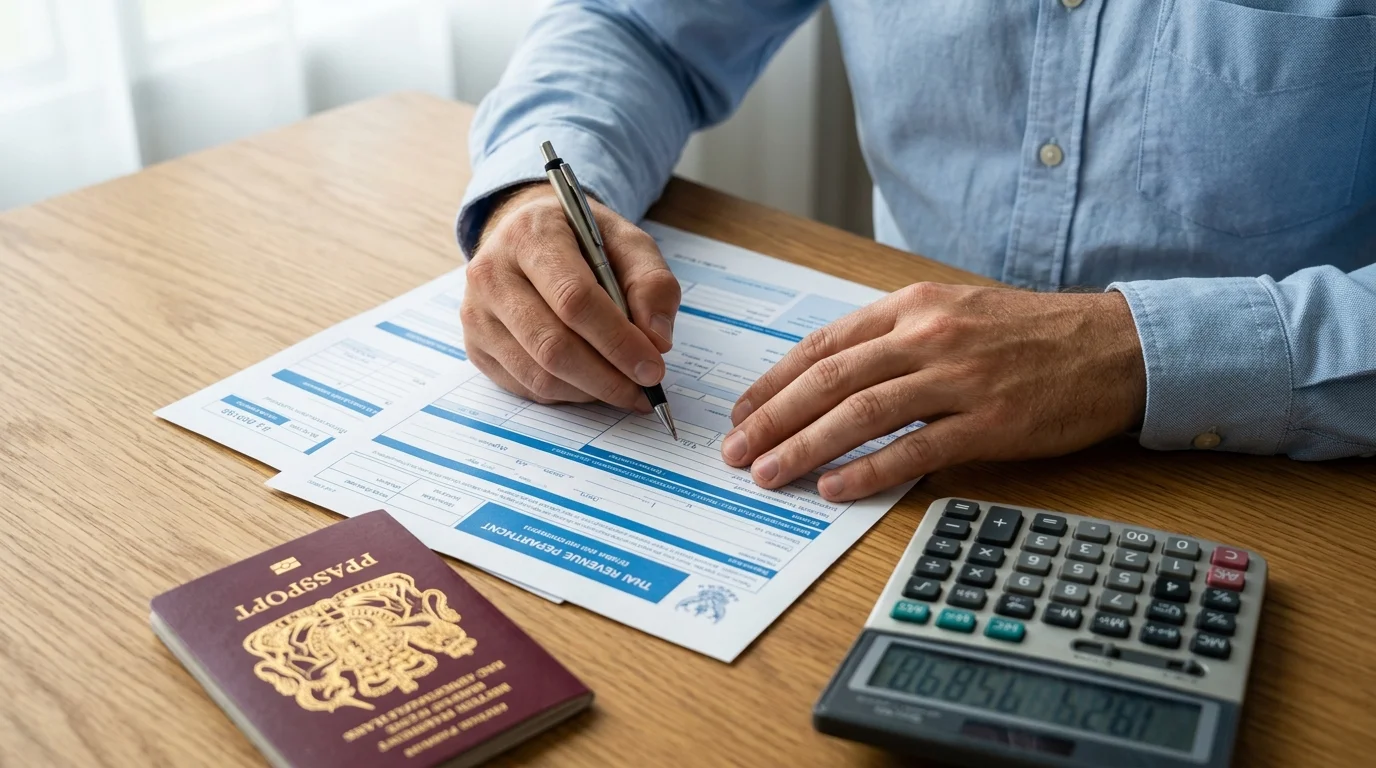
The UK and Thailand operate a Double Taxation Agreement that dictates where your pension income is taxed, preventing you from paying tax twice on the same money. Under the current treaty, UK State Pensions and private occupational pensions are generally taxable only in Thailand if you are a Thai tax resident. You become a Thai tax resident by spending 180 days or more in the country during a calendar year. Historically, Thailand only taxed foreign income if it was remitted into the country in the same year it was earned. Recent changes by the Thai Revenue Department mean that from 2024 onwards, any assessable foreign income brought into Thailand is subject to Thai personal income tax, regardless of when it was earned. UK government service pensions, such as those from the military, police, or civil service, remain taxable exclusively in the UK and are exempt from Thai taxation. To claim relief from UK tax on your private pensions, you must apply for an NT tax code from HMRC using form DT-Individual. Engage a Thai tax accountant during your first year to ensure you declare remitted pension income correctly under the new rules.
This treaty relief does not extend to inheritance tax, which follows entirely separate UK and Thai rules — see our full guide to inheritance tax in Thailand.
Managing Currency Transfers and Fluctuations
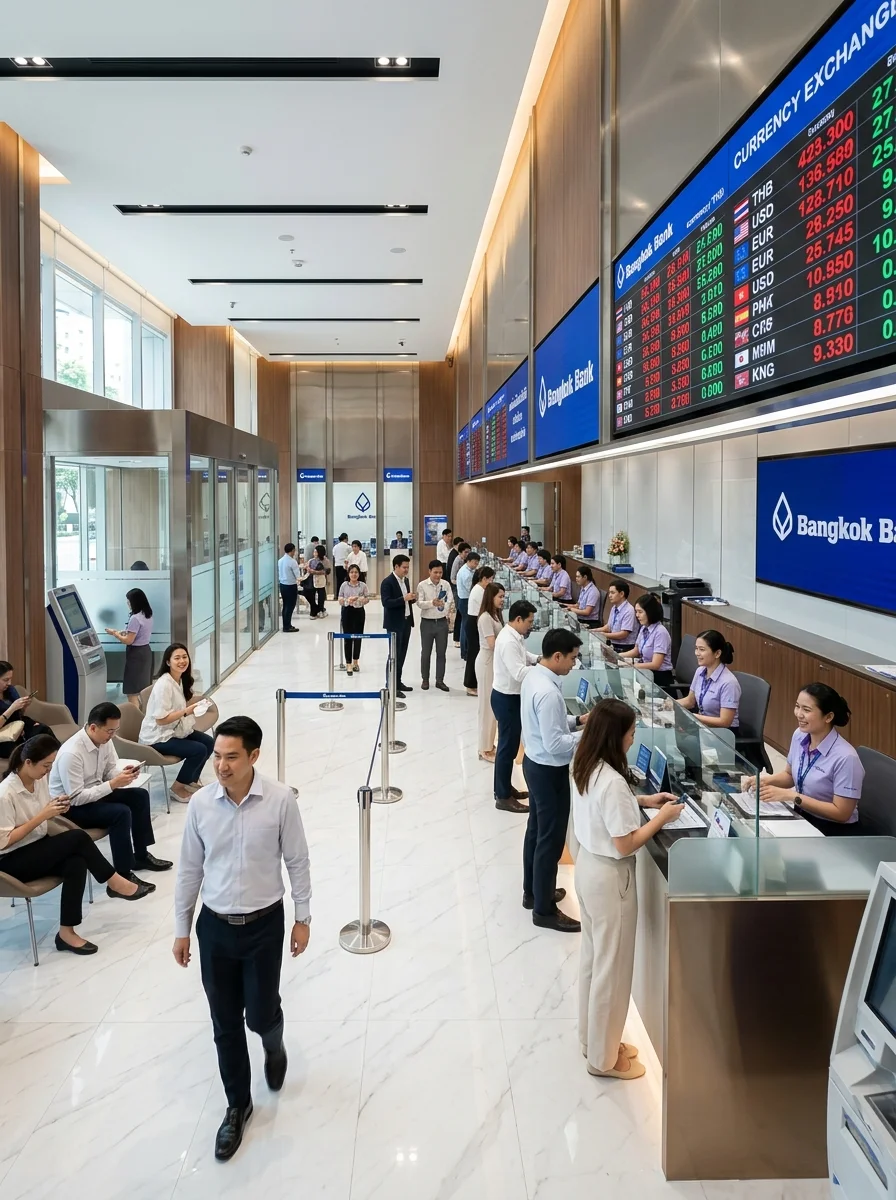
Relying on a fixed Sterling income while paying for your life in Thai Baht exposes your retirement budget to significant currency risk. A fluctuation of just five Baht to the Pound can drastically alter your monthly spending power overnight. For example, a £2,000 monthly pension transfer yields 88,000 THB at a rate of 44 THB to the GBP, but drops to 80,000 THB if the rate falls to 40. Over a year, that 8,000 THB monthly deficit equals 96,000 THB (£2,181), which easily covers several months of utility bills, groceries, and local transport. Using high-street banks for monthly transfers introduces poor exchange rates and high swift fees, eating further into your capital. Specialist foreign exchange brokers offer forward contracts, allowing you to lock in a favourable exchange rate for up to two years, providing absolute certainty for your core living expenses. Alternatively, regular automated transfers through modern financial applications provide mid-market rates with transparent, low fees. Segregate your budget by keeping emergency funds in GBP and only transferring your required monthly living allowance when the rate is advantageous.
Costs and Budgeting
Relocating your retirement to Thailand requires a precise understanding of monthly outgoings to ensure your frozen UK pension can cover your lifestyle. While living costs are significantly lower than in the UK, healthcare and imported goods quickly inflate a careless budget. Renting a modern one-bedroom apartment in a desirable expat area like Chiang Mai or Hua Hin costs around 15,000 THB (£340), whereas central Bangkok demands 25,000 THB (£568). Utilities, including high-speed internet and heavy air-conditioning use, average 3,500 THB (£79). Local food markets and street vendors keep grocery costs low, but purchasing familiar British brands will push your monthly food bill to 12,000 THB (£272). Comprehensive international health insurance is a non-negotiable expense for retirees, costing approximately 6,000 THB (£136) monthly depending on age and pre-existing conditions. Annual retirement visa extensions and reporting requirements add an ongoing monthly equivalent cost of 1,000 THB (£22).
| Item | Monthly Cost (THB) | Monthly Cost (GBP approx) | Notes |
|---|---|---|---|
| Rent (1-Bed Apartment) | 15,000 - 25,000 | 340 - 568 | Varies heavily between Chiang Mai and central Bangkok. |
| Utilities & Internet | 3,500 | 79 | Assumes regular air-conditioning use and fiber broadband. |
| Groceries | 8,000 - 12,000 | 181 - 272 | Higher end assumes purchasing imported UK food brands. |
| Health Insurance | 6,000 - 10,000 | 136 - 227 | Escalates significantly for applicants over 65 years old. |
| Transport | 3,000 | 68 | Covers BTS/MRT passes in Bangkok or scooter fuel elsewhere. |
| Visa Maintenance | 1,000 | 22 | Averaged monthly cost for annual extensions and agent fees. |
Common Mistakes and How to Avoid Them

Failing to factor the frozen State Pension into a twenty-year budget is the most common financial error British retirees make in Thailand. This oversight leads to a severe shortfall in later life when Thai healthcare costs peak and purchasing power has halved due to inflation. Build a financial model that assumes a flat State Pension figure against a three percent annual increase in Thai living costs, relying on private SIPPs to bridge the future gap.
Transferring pensions directly via the Department for Work and Pensions into a Thai bank account subjects your income to poor institutional exchange rates. This results in losing hundreds of pounds annually to hidden conversion margins and international receiving fees. Maintain a UK bank account to receive your pension in Sterling, then use a specialist currency broker to transfer funds to Thailand at the mid-market rate.
Ignoring the 2024 Thai Revenue Department tax changes regarding remitted foreign income exposes retirees to unexpected tax liabilities. Bringing un-taxed private pension income into Thailand without proper declaration can result in audits, fines, and retrospective tax bills. Apply for an NT tax code from HMRC and consult a Thai tax advisor to structure your remittances efficiently under the new rules.
Waiting until after relocation to consolidate or manage defined benefit pensions severely limits your financial options. UK financial advisors are strictly restricted from giving advice to non-residents, making it nearly impossible to execute complex pension transfers once you live in Thailand. Complete all major pension restructuring, SIPP setups, and defined benefit transfer evaluations at least six months before boarding your flight to Bangkok.
Practical Tips for Managing Pensions in Thailand

Register for a Government Gateway account before leaving the UK. This digital access is essential for checking your National Insurance record, forecasting your State Pension, and updating your address with HMRC without making expensive international phone calls.
Retain a UK residential address via a trusted family member or a virtual mailbox service. Many UK high-street banks and pension providers will freeze or close your accounts if you cannot provide a valid domestic correspondence address.
Apply for your Non-Immigrant O-A or O retirement visa using the deposit method rather than the monthly income method if your pension is subject to currency volatility. Holding 800,000 THB in a Thai bank account provides absolute certainty for your visa renewal, whereas a fluctuating GBP pension might drop below the 65,000 THB monthly requirement on the day of your application.
Obtain a Thai tax identification number as soon as you establish residency. You will need this number to process any dual taxation relief forms with HMRC and to legally file your annual Thai tax return for remitted pension income.
Set up a forward contract with a currency broker to lock in your exchange rate for major upcoming expenses like a apartment lease or healthcare premium. This protects your Sterling pension capital from sudden drops in the Baht exchange rate during periods of UK political or economic instability.
Keep comprehensive records of all funds transferred into Thailand, distinguishing clearly between capital savings and newly drawn pension income. The Thai Revenue Department treats capital savings accumulated before you became a tax resident differently from current-year pension income, and you need the paper trail to prove the source of funds.
Quick Reference Table
| Item | Detail | Notes |
|---|---|---|
| Primary Visa Route | Non-Immigrant O or O-A (Retirement) | Requires applicants to be aged 50 or over. |
| Financial Requirement | 800,000 THB deposit OR 65,000 THB monthly income | Deposit must be in a Thai bank account for two months prior to application. |
| State Pension Status | Frozen | No annual triple lock increases once residing in Thailand. |
| Double Taxation Treaty | Yes (UK-Thailand DTA) | Prevents paying tax twice on the same pension income. |
| Thai Tax Rule (2024) | Foreign income taxed upon remittance | Applies to all assessable income brought into Thailand by tax residents. |
| Government Pensions | Taxed only in the UK | Military, police, and civil service pensions are exempt from Thai tax. |
| Healthcare | Private insurance mandatory for O-A visa | Costs scale heavily with age; highly recommended for all retirees. |
| Average Monthly Cost | 45,000 - 65,000 THB (£1,022 - £1,477) | Varies based on location, healthcare needs, and lifestyle choices. |