Best Time to Visit Thailand
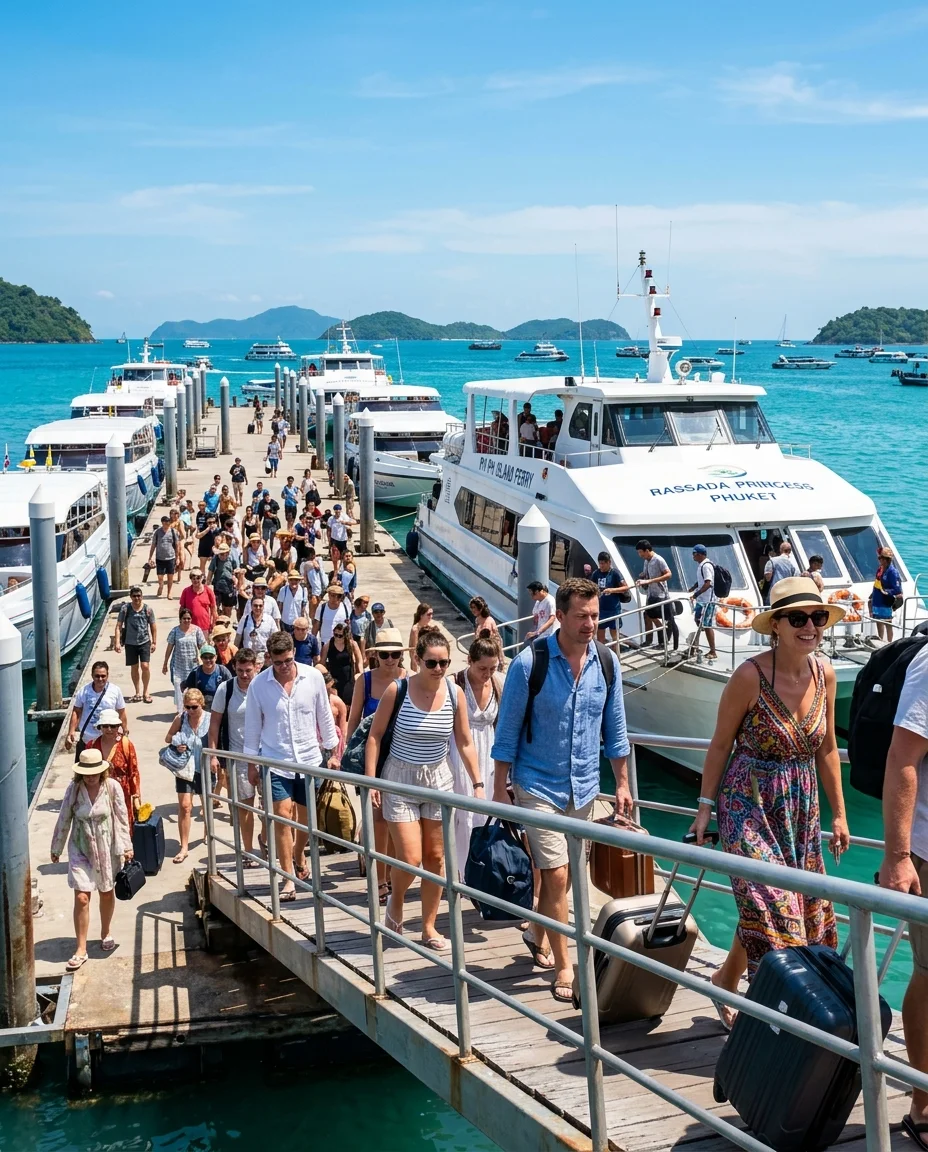
Stepping off a flight in November means trading the bleak British drizzle for 30-degree heat, but arriving in September could mean wading knee-deep through flooded Bangkok streets. Nailing the right month to land dictates everything from which coast you can swim off to how much you pay for a beer.
This guide breaks down Thailand's complex weather systems so you can time your flights and plot your route without getting rained out or overcharged. You will learn how the monsoon affects the Andaman and Gulf coasts at different times, exactly when the northern burning season makes Chiang Mai unbreathable, and which months offer the best balance of low prices and manageable conditions. Use this to finalise your dates and choose the right region for your itinerary.

Understanding Thailand's Three Distinct Seasons
Thailand operates on a three-season cycle that directly dictates flight prices from Heathrow and hotel availability on the ground. The cool and dry season runs from November to February, bringing stable sunshine and temperatures hovering around 28 to 32 degrees Celsius, making it the most popular and expensive window for UK arrivals. The hot season kicks in aggressively from March to May, pushing the mercury well past 35 degrees with intense humidity that makes city walking exhausting. Finally, the rainy or monsoon season stretches from June to October, delivering heavy, predictable afternoon downpours rather than continuous all-day rain. During the cool season peak, you will pay a massive premium; a standard double room in a mid-range Bangkok hotel might jump from 1,500 THB (£33) in September to 3,500 THB (£77) in December. Crowds swell at major sites like the Grand Palace, and domestic flights on Thai Vietjet or AirAsia require booking weeks ahead. In contrast, the hot and rainy seasons thin out the tourist herds significantly, dropping accommodation costs by up to 50 percent. Your budget and tolerance for extreme heat or sudden downpours should dictate which of these three windows you target.
Long-stay apartments in Thailand: two-month deposits, serviced-vs-standard leases, utility billing, and rent compared across Bangkok, Chiang Mai, Phuket and Pa…
The Coastline Divide: Andaman Sea vs Gulf of Thailand
Sponsored
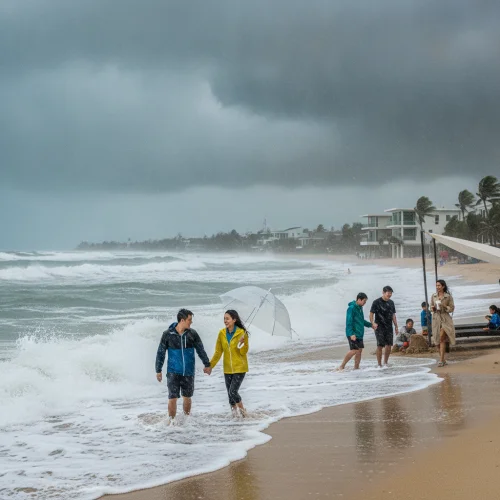
The biggest trip-ruining error is assuming the whole southern coast experiences monsoon weather at the same time. Thailand’s two coastlines operate on entirely different weather schedules, which means you can find sunshine almost year-round if you pick the right side. The Andaman Coast, encompassing Phuket, Krabi, Khao Lak, and Koh Lanta, gets hit hard by the southwest monsoon from May to October. During these months, the sea becomes rough, ferries to smaller islands stop running, and swimming is often prohibited due to dangerous rip currents. The Gulf of Thailand, which includes Koh Samui, Koh Phangan, and Koh Tao, sits protected from this system and remains relatively dry and sunny through July and August. However, the Gulf gets its own brutal monsoon much later, with torrential rains peaking in November and early December just as the Andaman side is clearing up. If you are restricted to the UK summer school holidays, the Gulf islands are your only sensible beach option. Always cross-reference your travel dates with the specific coastline you plan to visit to avoid washed-out beach days.
| Coastline Region | Best Weather Months | Worst Weather Months | Practical Impact |
|---|---|---|---|
| Andaman (Phuket, Krabi, Lanta) | December to April | June to October | Rough seas, cancelled ferries, cheap hotels in summer |
| Gulf (Samui, Phangan, Tao) | February to September | October to early December | UK summer holiday friendly, heavy late-year floods |
| Eastern Seaboard (Pattaya, Koh Chang) | November to April | June to October | High humidity in summer, mainland beaches stay accessible |
| Southern Deep South (Trang, Satun) | December to March | May to November | Very limited island transport during deep monsoon |
Northern Thailand and the Smoky Season Reality
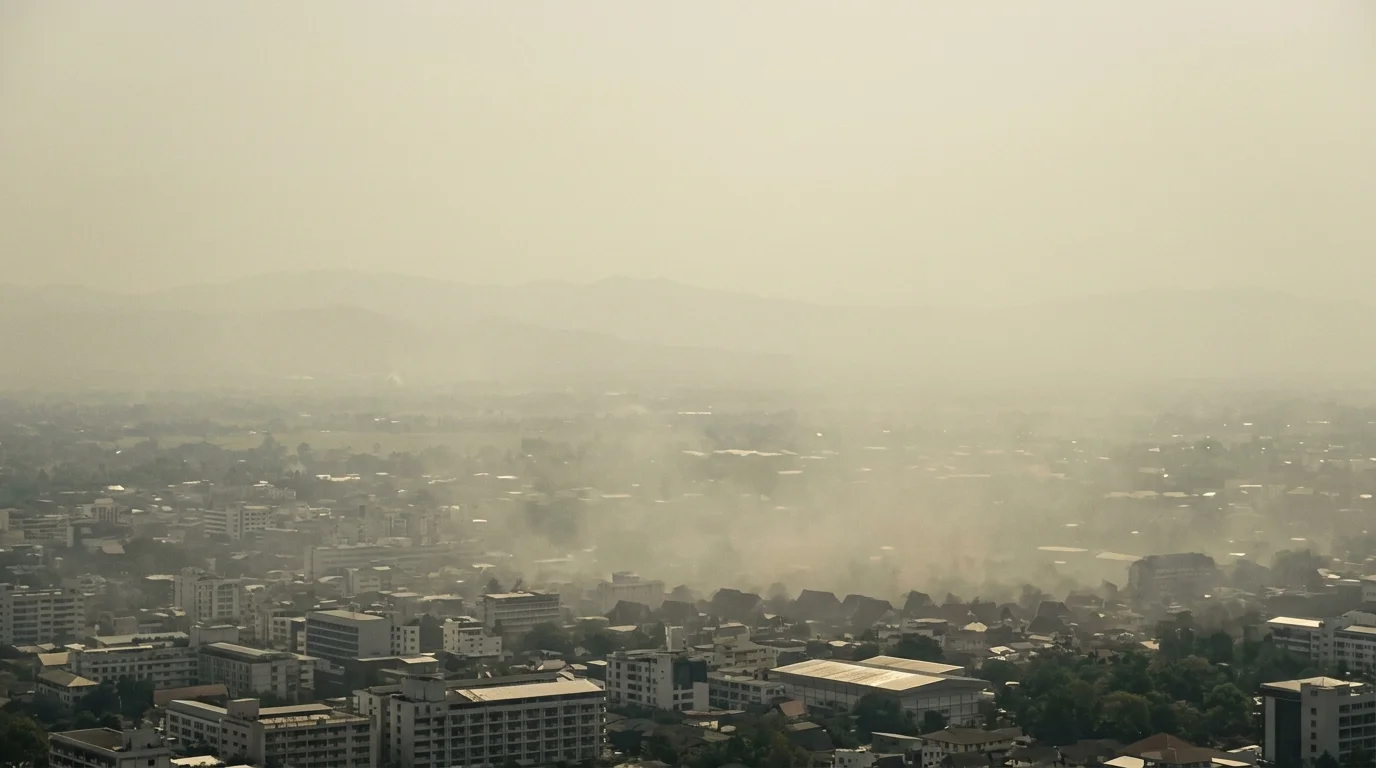
Northern Thailand requires careful timing to avoid the annual agricultural burning season that severely pollutes the air. Between late February and mid-April, farmers across northern Thailand and neighbouring Myanmar burn crop residue to prepare for the next planting cycle. This creates a thick blanket of smog over Chiang Mai, Chiang Rai, and Pai, frequently pushing the Air Quality Index (AQI) well past 200 into hazardous territory. During this period, visibility disappears, outdoor activities become dangerous for your lungs, and many expats temporarily leave the region. Conversely, the north shines from November to January. Temperatures drop significantly at night, sometimes hitting 10 degrees Celsius in the mountains around Mae Hong Son, meaning you will actually need a jumper or light jacket. The rainy season up north, from June to October, is highly lush and green, making it excellent for trekking and visiting waterfalls, though mudslides can occasionally block rural mountain roads. If you want to hike the Mae Hong Son loop, the post-monsoon greenery of November is optimal. Never book a northern itinerary in March unless you are prepared to spend your trip indoors with air purifiers.
Month-by-Month Timing and Strategy
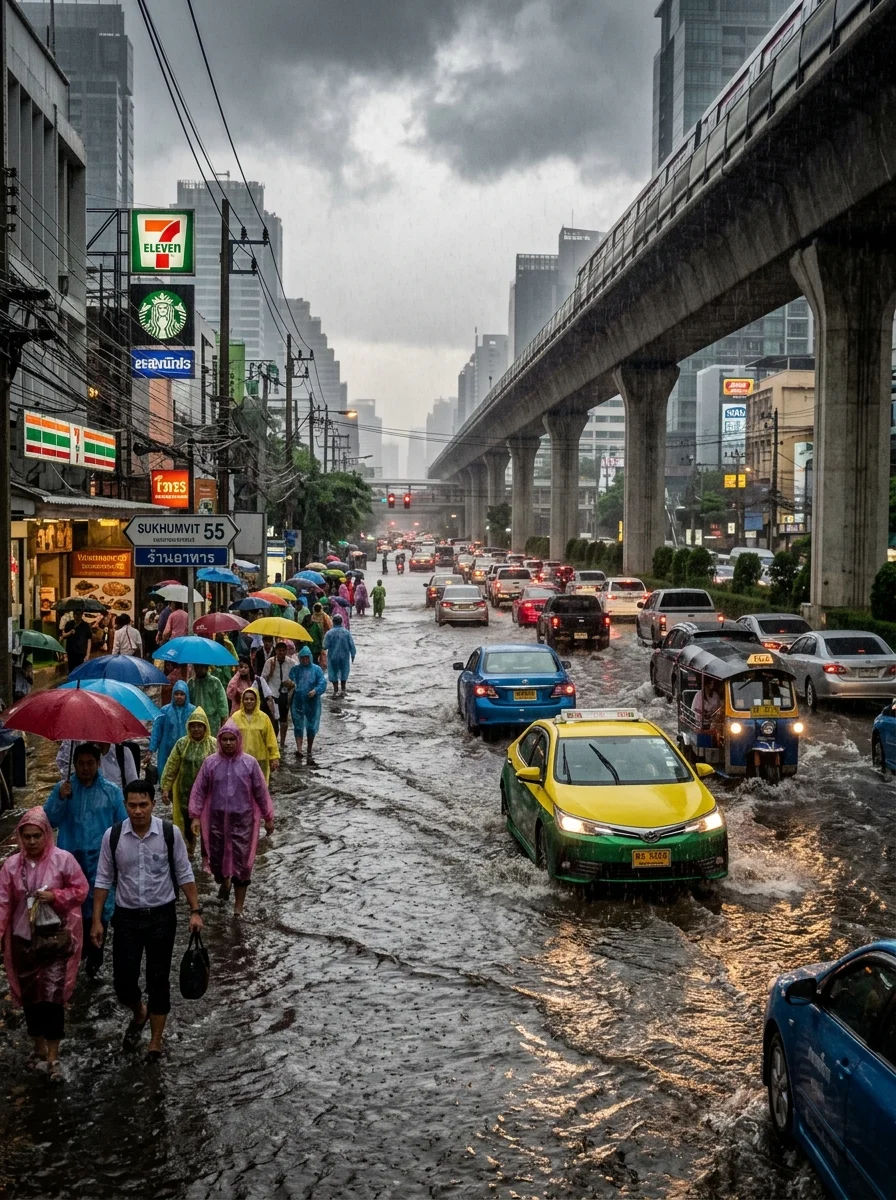
Breaking the year down by month reveals the shoulder seasons where you can balance decent weather with lower costs. January and February offer peak conditions nationwide, but expect maximum crowds and premium flight prices from the UK. March and April see temperatures spike, culminating in the Songkran water festival in mid-April, which effectively shuts down normal transport and business for a week. May is a transition month where the heat breaks into the first major thunderstorms, offering excellent hotel deals before the UK summer rush. June, July, and August mean heavy rain on the Andaman coast but solid beach weather in the Gulf, making Koh Samui a prime target for British families. September is generally the wettest month countrywide, prone to localised flooding in Bangkok, making it the cheapest but riskiest time to fly. October sees the north and Bangkok drying out while the south remains unpredictable. November marks the start of the high season, offering crisp weather in the north and clear skies on the Andaman coast, though the Gulf remains battered by late storms. Target the shoulder months of late May or November to get the best compromise between your bank balance and your tan.
The Honest Reality of Travelling in the Monsoon
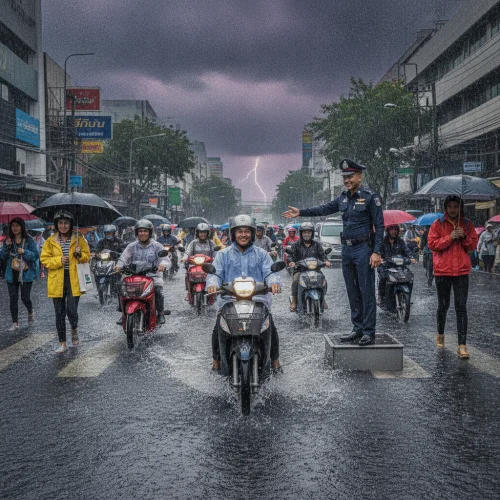
Visiting during the rainy season is entirely viable if you adjust your expectations and stick to mainland infrastructure. The monsoon rarely means non-stop rain; it typically involves a massive, sky-clearing downpour for two hours in the late afternoon, followed by intense humidity. The real issue is not getting wet, but the logistical knock-on effects. Island hopping becomes highly restricted as speedboat operators cancel services on choppy waters, particularly around Koh Lipe or the Similan Islands, which close completely from May to October. You must also factor in delayed domestic flights, as severe thunderstorms frequently halt operations at Don Mueang and Suvarnabhumi airports. However, the financial upside is undeniable. Luxury resorts in Khao Lak that charge 8,000 THB (£177) in January often drop to 3,000 THB (£66) in August. If you base yourself in Bangkok, Hua Hin, or Chiang Mai, where transport relies on trains and paved roads rather than small boats, the rain is little more than a temporary inconvenience that cools the air. Pack a lightweight waterproof layer, assume your afternoon plans will change, and take advantage of the heavily discounted five-star hotels.
Costs and Budgeting
Timing your trip dictates your daily spend just as much as your travel style. During the December to February peak, flight prices from the UK soar, and Thai hotels drop their promotional rates. A standard mid-range budget of 2,500 THB (£55) a day might only cover a basic fan room and street food in high season, whereas the same money in September buys a modern air-conditioned hotel and restaurant meals. Budget travellers should target the May to October window to stretch their pounds, though island hoppers must factor in the cost of larger, weather-resistant ferries rather than cheap longtail boats. Premium travellers will find that luxury villa prices fluctuate wildly by season, often dropping by half during the monsoon.
| Travel Style & Season | Estimated Daily Cost (THB) | Estimated Daily Cost (GBP) | Notes |
|---|---|---|---|
| Budget (Low Season) | 1,200 - 1,800 THB | £26 - £40 | Hostels, street food, local buses |
| Budget (High Season) | 2,000 - 2,800 THB | £44 - £62 | Basic guesthouses, occasional taxi, ferries |
| Mid-Range (Low Season) | 3,000 - 4,500 THB | £66 - £100 | 4-star hotels, domestic flights, restaurants |
| Mid-Range (High Season) | 4,500 - 6,500 THB | £100 - £144 | Pre-booked coastal resorts, guided tours |
| Premium (Year Round) | 10,000+ THB | £220+ | 5-star villas, private transfers, fine dining |
Common Mistakes Timing Your Thailand Trip
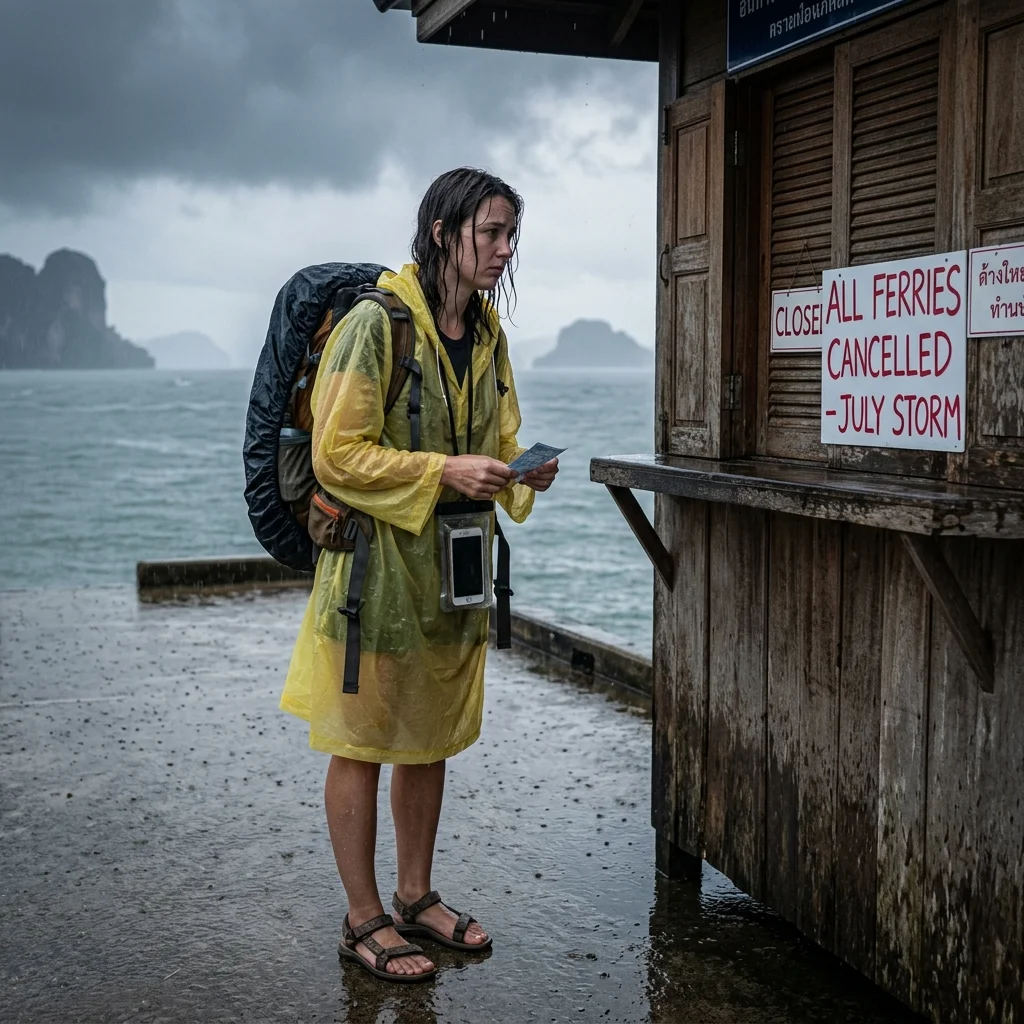
Assuming the south is universally sunny in July.
Many UK travellers book Phuket for their summer holidays, only to face red-flagged beaches and relentless downpours.
Check the dual-coast weather system and book the Gulf islands instead for July and August trips.
Ignoring the northern burning season.
Arriving in Chiang Mai in March will expose you to hazardous air pollution that ruins views and triggers respiratory issues.
Schedule northern itineraries for November to January, or fly directly to the southern islands if travelling in March or April.
Booking tight connections during the monsoon.
Thunderstorms frequently cause holding patterns and delayed landings at Bangkok's airports between June and October.
Leave at least four hours between your international arrival and any separate domestic flight on a low-cost carrier.
Travelling during Songkran if you hate crowds.
The mid-April water festival brings the entire country to a standstill, making standard sightseeing and dry transit completely impossible.
If you do not want to participate in a multi-day water fight, stay within your resort grounds or avoid April entirely.
Essential Tips for Managing Thailand's Weather
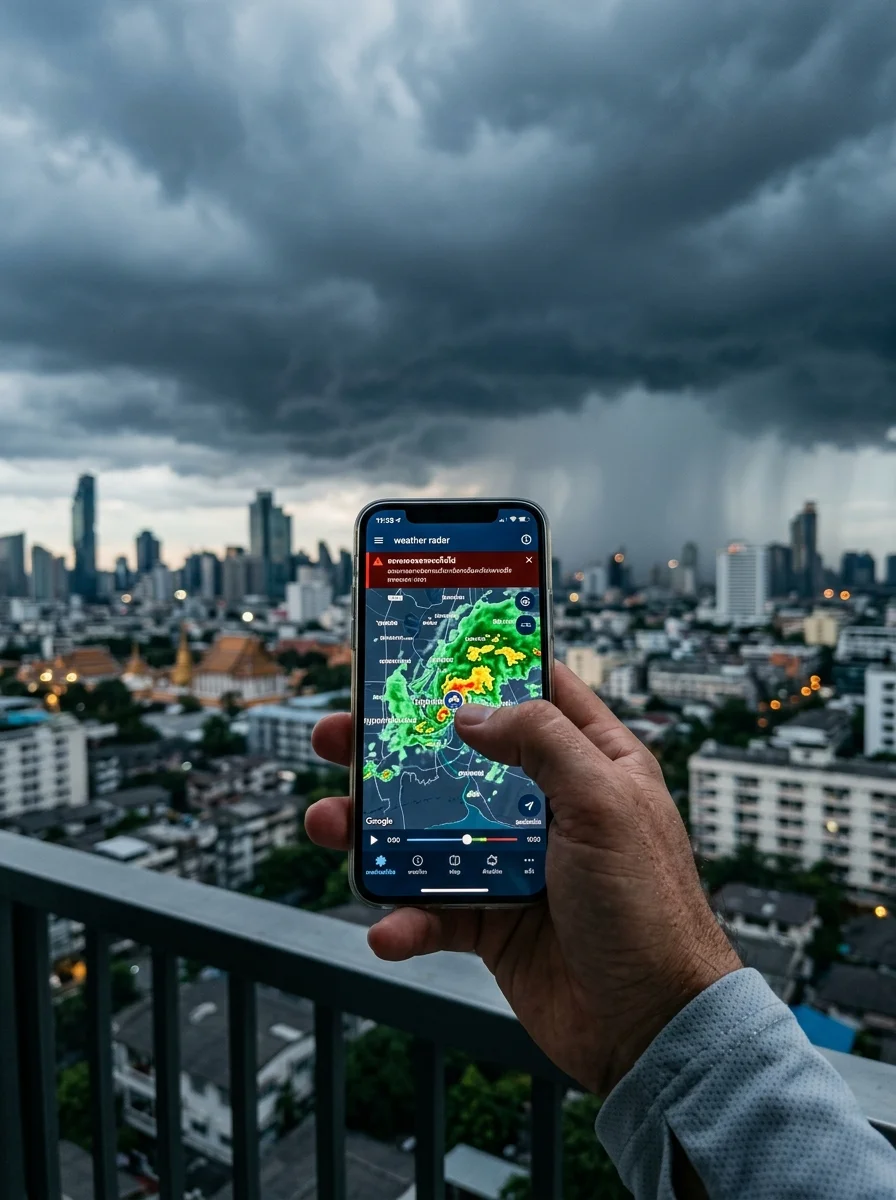
Download the Thai Meteorological Department app.
Local radar data is far more accurate for predicting incoming monsoon downpours than generic global weather apps on your phone.
Pack slip-on waterproof footwear.
Puddles in Bangkok can hide uneven pavements and street debris, making trainers a soggy, unhygienic liability during the wet season.
Carry a dry bag for electronics.
Sudden boat spray or unexpected downpours can ruin a passport or phone before you have time to find cover.
Book domestic flights early for high season.
Routes to Chiang Mai and Phuket from December to February sell out quickly, pushing last-minute prices up to 4,000 THB (£88).
Embrace the shopping malls in April.
When the hot season pushes midday temperatures to 38 degrees, use Bangkok's heavily air-conditioned transit systems and mega-malls to survive the peak heat.
Check national park closure dates.
Marine parks like the Similan and Surin islands close entirely from mid-May to mid-October for reef recovery and safety.
Carry a light jumper for northern winters.
Early morning bus rides and mountain treks in December are genuinely cold, dropping to temperatures you would expect in a British autumn.
At-a-Glance Weather and Season Guide
| Region or Condition | Best Months to Visit | Notes |
|---|---|---|
| Bangkok & Central | November to February | Lowest humidity, cool evenings, peak flight prices |
| Andaman Coast | December to April | Phuket, Krabi, Lipe. Calm seas, high hotel rates |
| Gulf Coast | February to September | Samui, Phangan, Tao. Good for UK summer holidays |
| Northern Thailand | November to January | Crisp mountain air, completely avoids the smog |
| Cheapest Flight Window | September to October | Highest risk of heavy rain and localised flooding |
| Worst Air Quality | March to April (North) | Chiang Mai becomes hazardous due to crop burning |
| National Park Closures | May to October | Many marine parks shut completely for the monsoon season |