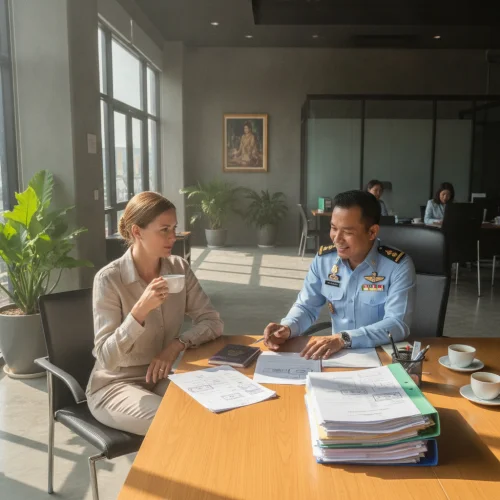
Non-Immigrant Education Visa

The Thailand Non-Immigrant ED visa allows UK nationals to reside in Thailand while pursuing an accredited educational course. Qualifying programmes include university degree studies, licensed private language schools, and certified martial arts training. Applied for in advance through the official Thai e-Visa system, the visa is granted as a single-entry permission of stay for an initial 90 days, which can then be extended in-country at provincial immigration offices for the duration of the course.
Thai immigration authorities actively enforce study requirements. Enrolling in an educational institution solely to obtain residence without regular attendance carries severe penalties, including refused extensions, immediate visa revocation, and potential entry bans.
This guide details the complete process for UK citizens, covering institutional acceptance, ministry certification, the online visa application, and in-country administrative duties such as mandatory 90-day address reporting. Maintaining legal status throughout your stay requires enrolling with a fully authorised school, attending all scheduled weekly classes, and meeting immigration extension criteria on schedule.

Qualifying Institutions and Courses
To qualify for a Non-Immigrant ED visa, you must enrol in an educational establishment officially recognised and certified by the Thai Ministry of Education or an approved statutory governing body, such as the Sports Authority of Thailand. Higher education degree programmes at accredited public and private Thai universities represent the primary formal route, encompassing undergraduate, master's, and doctoral studies. Beyond universities, the visa framework accommodates approved non-formal education and vocational training. Permitted subjects include licensed Thai language schools, certified Muay Thai training camps, culinary arts academies, traditional Thai massage and medical schools, registered scuba diving centres, and accredited yoga teacher training institutes.
Qualifying courses must follow a structured, in-person curriculum of meaningful duration. Short courses lasting under three months are ineligible for education visa sponsorship; students attending shorter programmes enter Thailand using standard tourist permissions instead. Informal study arrangements also fail immigration criteria. Private home tutors, unregistered fitness gyms, casual drop-in classes, and remote or online-only courses cannot sponsor an education visa. Thai immigration authorities require proof that the provider holds an active operational licence from the Ministry of Education—typically through the Office of the Private Education Commission—or the relevant sports authority, explicitly authorising foreign student enrolment.
Eligible courses must maintain defined weekly study loads. For private language and cultural schools, immigration regulations require full-time commitment, typically scheduled as 8 to 15 classroom hours per week to satisfy the standard threshold of at least 100 study hours across every 90-day extension period. Vocational programmes and martial arts camps enforce comparable physical training timetables. Accredited institutions must maintain official attendance registers and signed training logs, which are submitted to provincial immigration offices during periodic extension assessments. Falling below mandatory attendance thresholds will lead to extension refusal and visa cancellation.
Before committing funds or paying non-refundable deposits, confirm that your chosen provider holds valid government accreditation and will issue the formal ministry endorsement paperwork required for your visa application.
| Course Type | Minimum Weekly Hours | Average Annual Cost (THB) | MOE Accreditation Required |
|---|---|---|---|
| University Degree | Full-time schedule | 120,000+ | Yes |
| Thai Language School | 8 to 15 hours | 35,000 - 50,000 | Yes |
| Muay Thai Camp | 10 to 15 hours | 60,000 - 90,000 | Yes (or Sports Authority) |
| Yoga Teacher Training | 10 to 15 hours | 70,000 - 100,000 | Yes |
The Letter of Acceptance and Government Approval
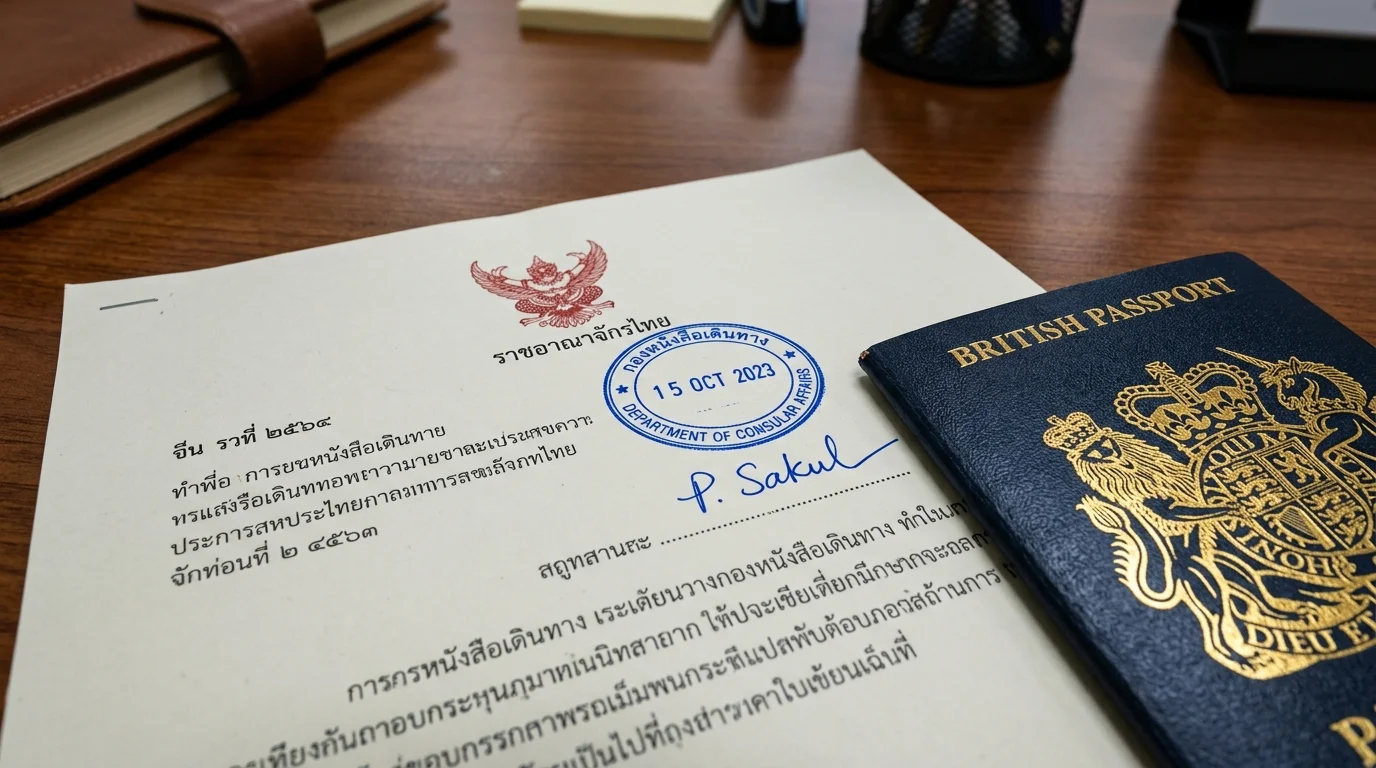
Securing a Thai Education visa requires two foundational documents from Thailand before you can submit an online application: a formal letter of acceptance from your chosen institution and an official approval letter from the relevant government authority. Once you enrol and pay your course fees, the school compiles your application file and submits it to the Ministry of Education. For Muay Thai camps and martial arts academies, the school submits the documentation to the Sports Authority of Thailand.
This government endorsement confirms the institution's legal standing and authorises your participation in the designated study programme. Processing this official approval within Thailand typically takes several weeks, depending on the province, the local education office, and seasonal administrative caseloads.
You cannot complete your application on the official Thai e-Visa portal until your school provides digital copies of both documents. Alongside the formal acceptance letter, the school must include a copy of the authorised signatory's signed Thai national identification card or passport. The government endorsement letter confirms your approved study schedule and programme length, which underpins your visa validity and future stay extensions at provincial immigration offices. Because clearance times within Thai government departments can fluctuate, avoid booking non-refundable flights until your institution confirms that the relevant authority has formally approved your study request and issued the complete paperwork pack.
Complete UK guide to Thailand entry health rules, mandatory vaccinations, visa medical certificates, and statutory health insurance minimums.
The E-Visa Application Process in the UK
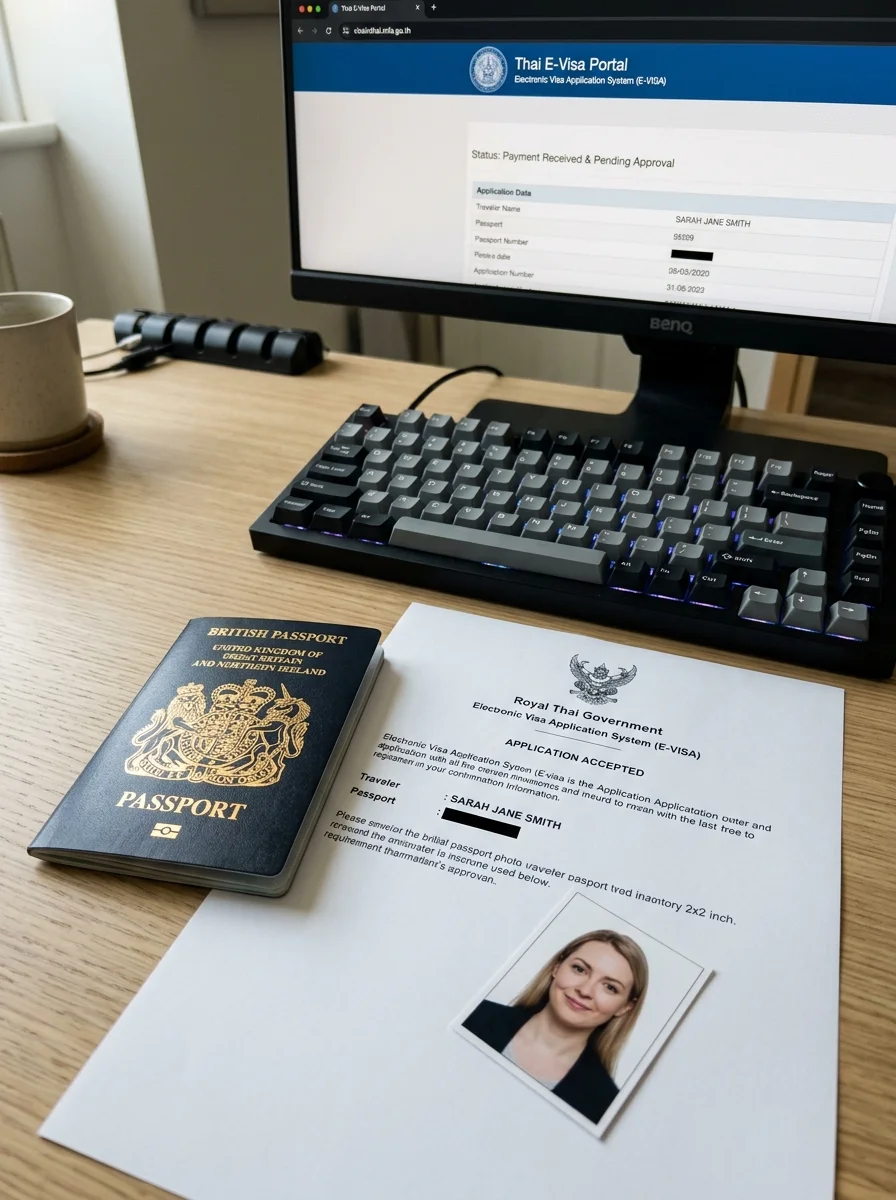
UK nationals applying for a single-entry Non-Immigrant ED visa must lodge their application online through Thailand's electronic visa system prior to departure. The Royal Thai Embassy in London no longer accepts in-person appointments or postal submissions; all paperwork is handled digitally. Applicants must be resident in the UK or Ireland when applying to the London mission. The procedure involves creating an account, choosing London as the processing post, submitting your travel schedule and course details, and paying the non-refundable consular fee online.
Every supporting document must be uploaded as a PDF, JPG, or JPEG file under 3 megabytes. Screenshots and password-protected files are rejected. You must provide a clear scan of your passport biodata page with at least six months of validity remaining from your date of entry. You also need a passport-style digital photograph taken within the preceding six months against a plain white background, without glasses or headwear. Proof of UK residence is mandatory, such as a recent council tax bill, utility bill, or bank statement displaying your full name and address.
Course documentation requires an official letter of acceptance signed by an authorised school representative, along with a copy of that signatory's Thai identification card or passport. Language schools, private training institutes, and non-degree programmes must also supply an official endorsement letter issued by the Ministry of Education or relevant governing authority. Alongside academic paperwork, you must upload recent bank statements demonstrating sufficient funds. Check your name spelling and passport number carefully before paying; the embassy cannot amend records post-payment, and clerical mistakes cause outright rejection without a fee refund.
The London embassy advises submitting your application at least 15 working days before travel, with standard processing taking 5 to 15 working days. Any unreadable scan or missing item prompts consular staff to request amendments, halting review until resolved. Once approved, the embassy issues an electronic visa confirmation document by email. This single-entry visa remains valid for 90 days from issuance, requiring entry into Thailand within that window. Border officers grant an initial stay of up to 90 days upon arrival. Carry a printed copy of the confirmation document to present at airline check-in and Thai immigration.
| Document Required | Format | Key Requirement | Common Rejection Reason |
|---|---|---|---|
| Passport Biodata Page | PDF, JPG, or JPEG | Valid for at least 6 months from travel date; under 3 MB | Blurry scan, cropped borders, or glare |
| Applicant Photograph | JPG or JPEG | Taken within past 6 months against plain white background | Glasses, headwear, or outdated photograph |
| Education Approval Document | School acceptance letter with signatory ID and ministry endorsement | Submitting an unapproved school letter alone | |
| Financial Evidence | Recent bank statements showing applicant name and UK address | Statement missing applicant name or UK address |
The 90-Day Initial Stay and Multiple Extensions
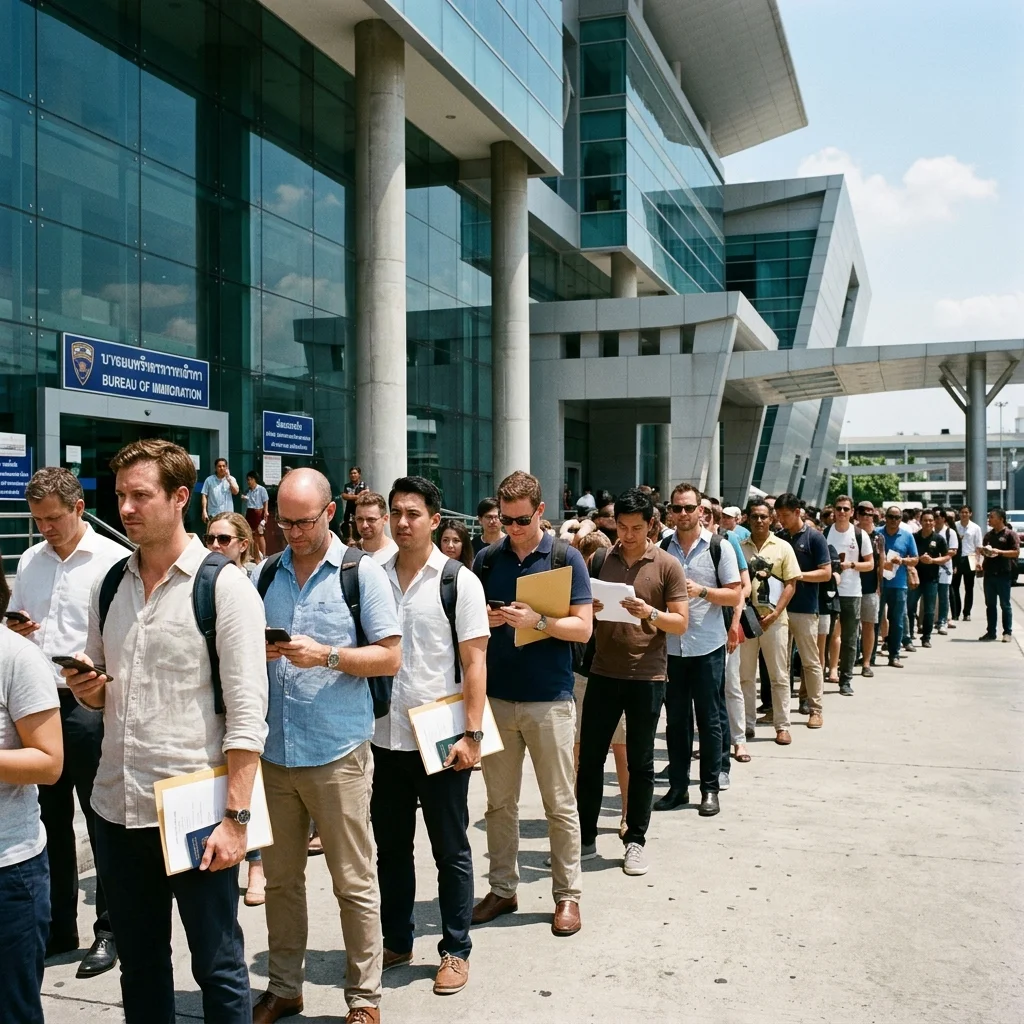
An initial education visa issued before arrival grants an entry permission stamp valid for up to 90 days from the date of passing through Thai border control. Staying in Thailand beyond this initial window requires visiting the immigration office responsible for your registered residential area to secure an extension of stay before the permitted-until date stamped in your passport.
The duration of each extension depends on the type of educational institution. For non-formal private schools, such as language academies and Thai boxing training centres, immigration regulations permit extensions in increments of up to 90 days. A full one-year course therefore involves three successive extension applications, with total cumulative stay on this route capped at one year from your initial date of entry into Thailand. By contrast, students enrolled on formal degree courses at accredited universities are eligible for extensions granted for up to one full academic year at a time.
Submitting an extension application requires presenting your original passport, signed photocopies of the relevant photo and entry stamp pages, a completed standard immigration extension application form, and a recent passport-sized photograph. The school must provide a formal supporting letter alongside certified attendance records verifying that course requirements are being met. You must also supply proof of registered residential accommodation in the local immigration office's jurisdiction. Each extension application carries a statutory government fee of 1,900 THB (approximately £42).
Most immigration offices accept extension applications up to 30 days before an existing permission stamp expires. Arranging paperwork with your educational provider two to three weeks before the expiry date leaves sufficient margin to submit the file comfortably and avoid an overstay. Once approved, the immigration officer affixes a new extension stamp directly into your passport, setting your subsequent departure or renewal deadline.
The 90-Day Address Reporting Requirement
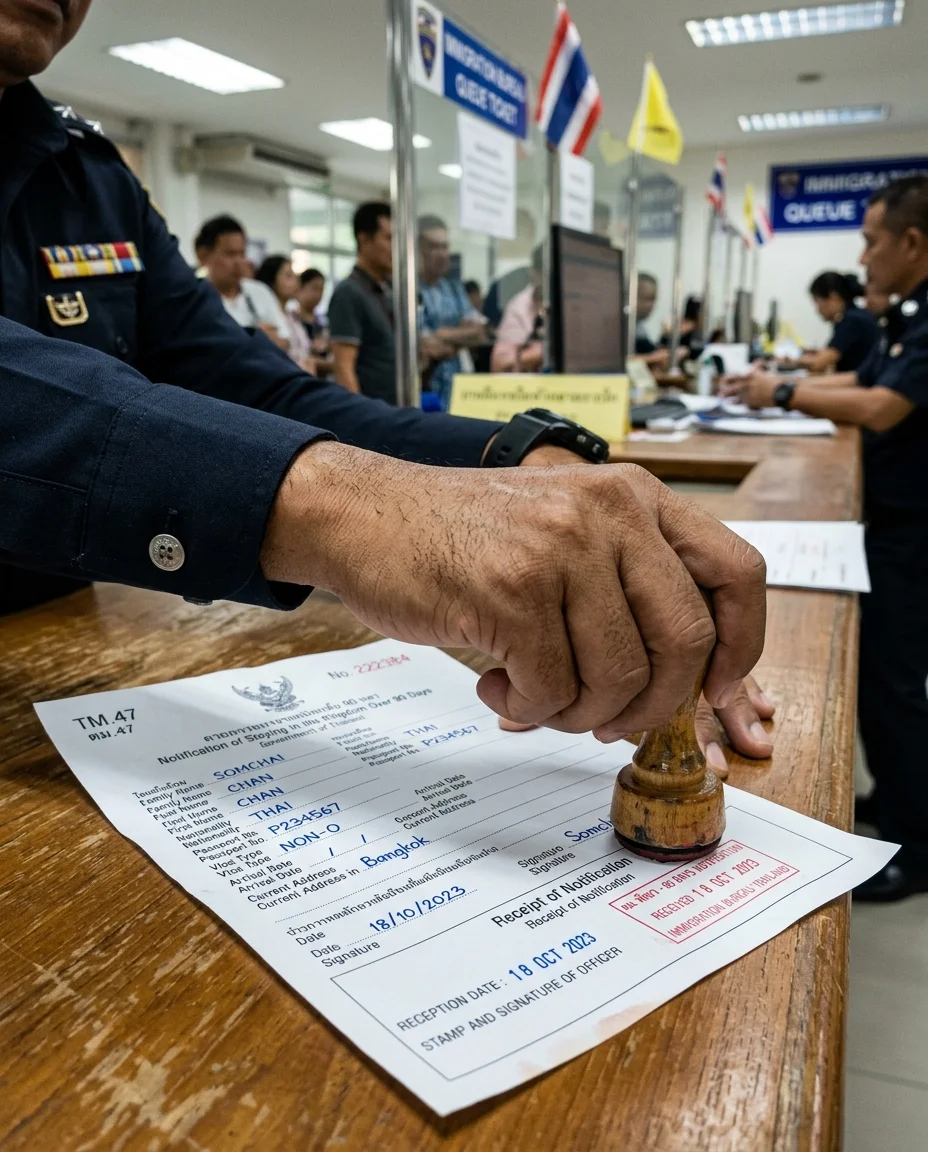
All foreign nationals remaining in Thailand for more than 90 consecutive days on an Education visa must formally confirm their residential address with the Immigration Bureau. This routine obligation, known as 90-day address reporting, is separate from your permission of stay extensions and carries no official processing fee.
You can submit your notification in person at your local provincial immigration office, authorise a representative or school liaison to attend on your behalf, post your documents by registered mail, or file online through the official Thai Immigration digital portal. When attending in person, the reporting window opens 15 days before your scheduled due date and closes 7 days after it. Online filings must be lodged during the 15 days leading up to your deadline, as the digital system rejects late reports. If submitting by registered post, mail your completed notification form, passport copies, and a stamped return envelope at least 15 days before your due date.
Leaving Thailand at any point during the cycle resets your continuous stay count. Your next 90-day reporting period begins on the day you re-enter the country.
Missing your reporting deadline incurs a standard 2,000 THB fine (around £45) when settled voluntarily at an immigration office. If authorities identify an unfiled report during an inspection or an arrest, the statutory penalty under the Immigration Act increases up to 5,000 THB (around £115), alongside an additional daily fine of 200 THB (around £4.50) until resolved. Once processed, immigration issues a paper receipt slip confirming your next deadline, which you should keep stapled in your passport alongside your visa stamps.
Immigration Scrutiny and the Reality of Visa Abuse
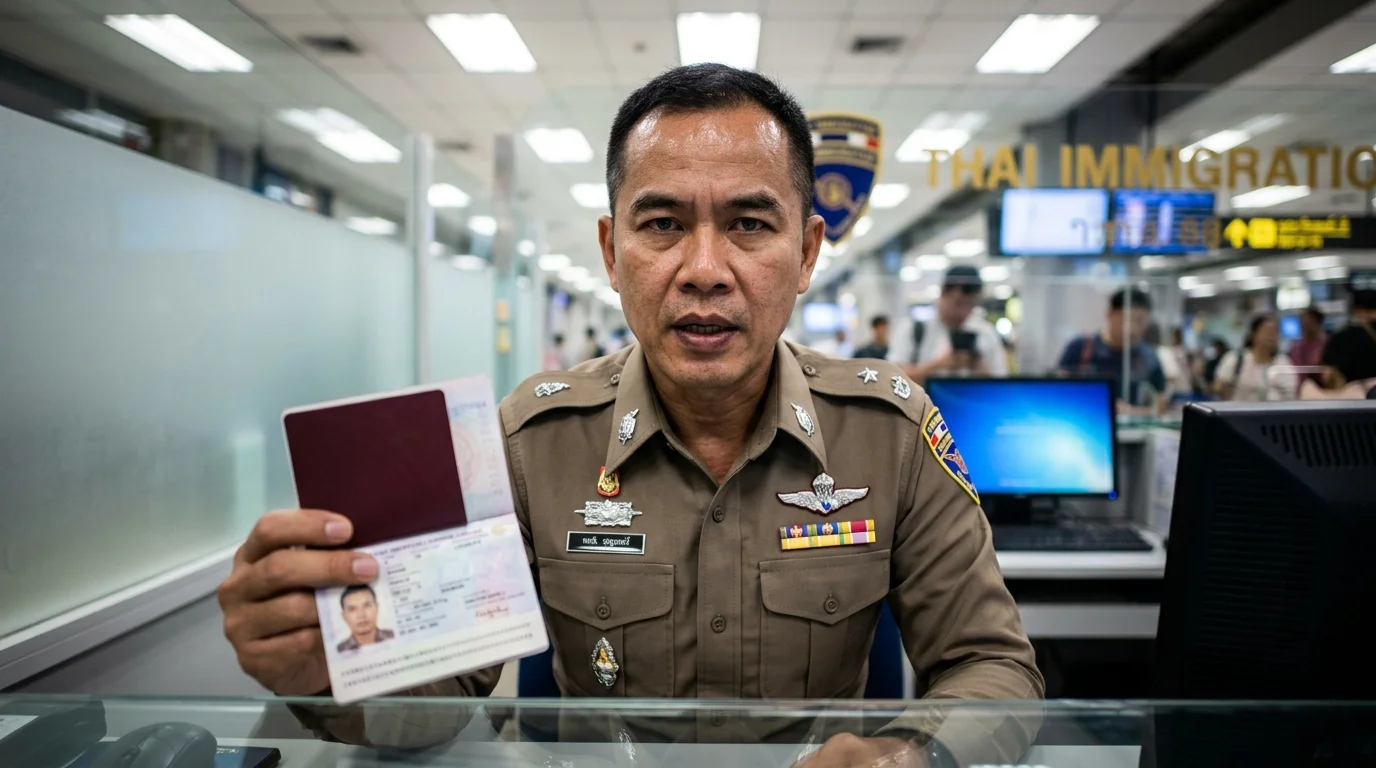
Thai immigration authorities actively monitor the Education visa route to prevent its misuse as a backdoor for prolonged residency. Past enforcement crackdowns targeted ghost enrolments, where individuals paid tuition fees to complicit or unaccredited schools without attending lessons. Integrated reporting systems between immigration offices and education authorities now track student attendance systematically, making non-attendance an immediate legal risk.
Immigration officers regularly assess whether applicants are genuine students during in-person extension appointments. If you are enrolled on a Thai language programme, an officer may conduct your extension interview in basic Thai. You can expect everyday questions about your name, where you live, or what you like to eat to verify that your comprehension matches your duration of study. Failing to demonstrate basic progress or conversational ability can lead to a refusal or a drastically shortened extension giving you only days to leave the country.
Students taking physical training courses, such as Muay Thai or traditional massage, face comparable scrutiny. Officers often require detailed training logs, dated photographs of you in class, and signed letters from head instructors confirming regular participation before granting an extension of stay. Schools and training camps also undergo regular government inspections. If an institution loses its official accreditation or is caught falsifying attendance records, the student visas attached to it are cancelled immediately. The Education visa exists solely for active learning, and maintaining documented attendance is non-negotiable throughout your stay in Thailand.
Costs and Budgeting

Budgeting for a Thai Education Visa requires accounting for official government charges alongside course tuition fees. Official visa and immigration fees are established by Thai authorities, with initial application fees paid in pound sterling in the UK and in-country extension fees charged in Thai baht inside Thailand. Exchange rate movements may cause minor variation in sterling equivalents over time.
Applying for an initial single-entry Non-Immigrant ED visa via the official Thai e-Visa portal from the UK costs £60. This grants an initial 90-day permission of stay upon arrival in Thailand. To remain in the country for the duration of a long-term study programme, you must extend your stay periodically at a provincial immigration office. Each 90-day extension carries a statutory fee of 1,900 THB (approximately £42), payable in cash at the immigration counter. Over a standard one-year study programme requiring three separate in-country extensions, extension fees total 5,700 THB (around £126).
Tuition fees constitute the primary variable expense for international students. Fees depend heavily on the subject matter, location, and type of institution. Standard one-year Thai language courses at accredited private language schools generally range from 35,000 THB to 60,000 THB. Full-time university degree programmes and intensive long-term Muay Thai training packages frequently range from 100,000 THB to 120,000 THB or more annually. Most educational institutions require tuition fees to be paid in full before issuing formal acceptance paperwork and Ministry of Education endorsement documents.
Students planning to travel outside Thailand during course breaks must factor in re-entry permit fees. Departing Thailand without a valid re-entry permit automatically invalidates your permission of stay, requiring you to reapply for a visa from outside the country. A single re-entry permit costs 1,000 THB (roughly £22), whereas a multiple re-entry permit costs 3,800 THB (roughly £84). In addition, applicants should maintain liquid financial reserves in a bank account, as immigration officers may inspect financial evidence or proof of adequate living funds during in-person extension applications.
| Expense | Cost (THB) | Cost (£) | Notes |
|---|---|---|---|
| Embassy e-Visa Fee | — | 60 | Paid online during initial UK application |
| Annual Course Tuition | 35,000–120,000+ | 770–2,640+ | Varies by institution type and programme |
| 90-Day Extension Fee | 1,900 | 42 | Paid per extension in cash at Thai immigration |
| Single Re-Entry Permit | 1,000 | 22 | Optional; required before departing Thailand |
Common Mistakes and How to Avoid Them
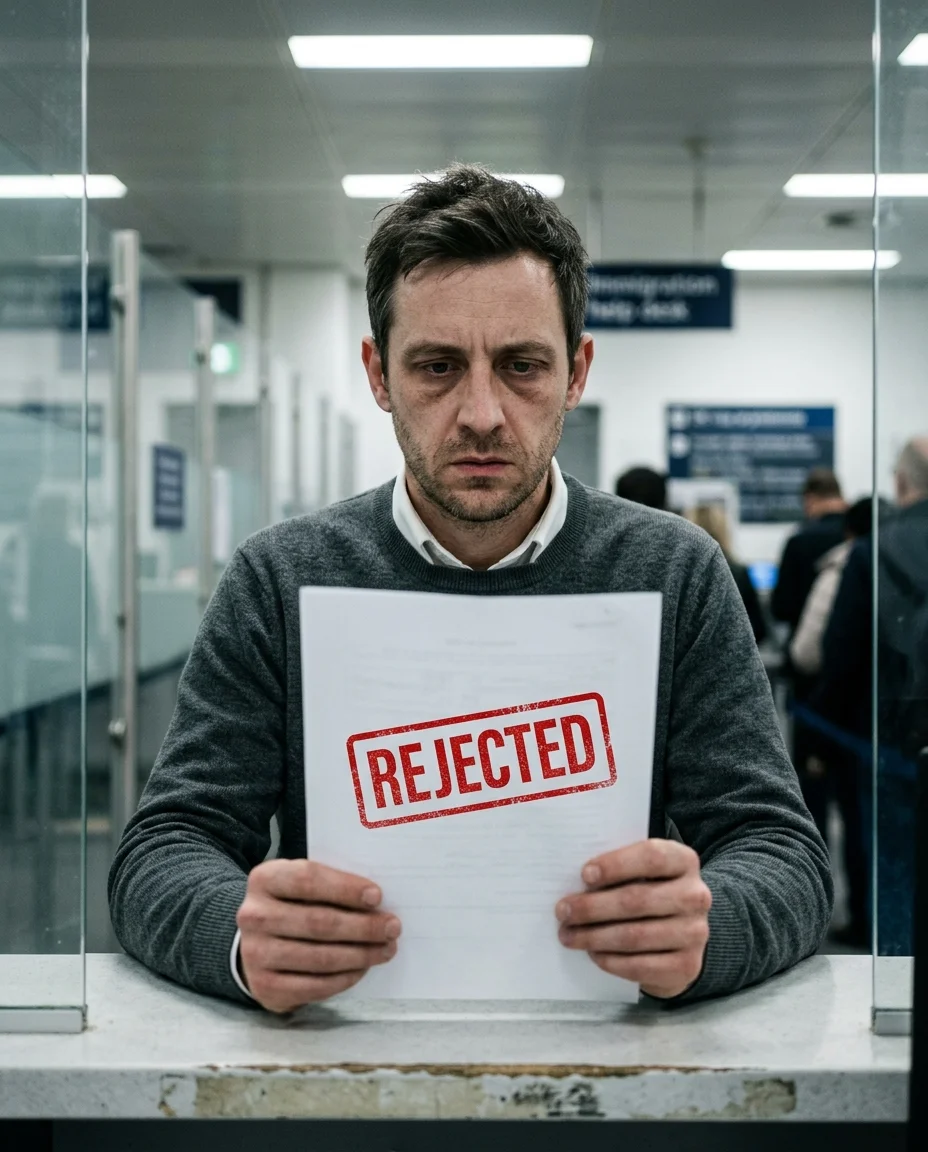
Leaving Thailand without securing a re-entry permit is one of the most immediate ways to invalidate an Education visa. Any single-entry visa or subsequent in-country extension of stay depends on unbroken physical residence. Crossing an international border without an active re-entry permit cancels your permission to stay on departure, forcing you to leave and reapply for a new visa from scratch outside the country. When planning travel outside Thailand during a period of study, obtain either a single-entry or multiple-entry re-entry permit from a local provincial immigration office or at an international airport permit desk before passing outbound passport control.
Confusing the mandatory ninety-day address report with a visa extension is another frequent error. Submitting a residential address notification confirms your physical location in Thailand to the authorities; it confers no legal right to remain and does not adjust your permission expiry date. Visa extensions and address reports operate on distinct schedules, require different official paperwork, and carry separate legal duties. Assuming an address receipt acts as a stay extension leads directly to overstaying, which incurs daily financial penalties and jeopardises your immigration standing.
Selecting an institution that fails to maintain valid government accreditation or regulatory compliance can disrupt your studies without warning. Thai immigration authorities actively inspect private language schools, vocational training centres, and physical discipline academies. If an establishment loses its Ministry of Education authorisation or fails to submit required institutional reports, immigration officers will reject pending and future stay extension applications. Confirm that a school holds active government accreditation and proper clearance before paying fees or commencing classes.
Ignoring mandatory attendance schedules and class participation rules also risks your legal status. Institutions providing non-degree courses must track student attendance continuously and submit logs to immigration authorities. Falling below expected attendance levels prevents the school from issuing the required supporting documentation for your next extension, which can result in truncated extension periods or outright visa cancellation.
Practical Tips

Keep a dedicated physical and digital file of every document connected to your studies. Carry copies and originals of your passport biographical page, your current entry stamp, your education ministry approval letter, your formal enrolment contract, and any fee receipts whenever dealing with immigration officials. Routine extension appointments and spot checks at educational institutions require immediate access to these papers.
Dress respectfully when visiting government buildings. Thai civil service culture expects modest, tidy clothing from visitors. Wear attire that covers your shoulders and knees, such as a collared shirt with tailored trousers or a knee-length skirt. Avoid shorts, sleeveless tops, and beachwear, as immigration staff can refuse entry or service to improperly dressed applicants.
Open a Thai bank account once your initial stay is active. Major commercial banks typically permit student account openings upon presentation of your valid passport, your student visa stamp, proof of address, and a formal introduction letter from your registered school or university. Having a local account with mobile banking access allows you to pay rent, settle tuition instalments, and handle daily transactions via local QR code payments without foreign exchange fees on British debit cards.
Record evidence of your attendance and academic progression. Immigration officers periodically verify genuine study by reviewing coursework, checking class records, or asking basic conversational questions during extension interviews. Retaining photos of yourself participating in practical training or classroom sessions provides supportive evidence if an officer reviews your enrolment history.
Check your passport expiry date before starting your course. An initial visa application requires at least six months of remaining validity, but holding a passport valid for your entire course prevents administrative disruption. Renewing a British passport from Thailand requires an online application through His Majesty's Passport Office and couriering your current passport abroad, followed by an in-person visit to provincial immigration to transfer your active visa stamps into the replacement document.
Work closely with your school's visa administration staff. Experienced coordinators understand the document preferences of your local immigration desk and can review paperwork before application deadlines.
DISCLAIMER: Visa rules and fees are subject to change. Always verify current requirements with the official Thai Immigration Bureau at immigration.go.th or the Royal Thai Embassy before applying.
Quick Reference Table
| Item | Detail | Notes |
|---|---|---|
| Visa Type | Non-Immigrant ED Visa | Single-entry visa applied for online before departure |
| Initial Stay | Up to 90 days | Entry stamp granted upon arrival in Thailand |
| E-Visa Application Fee | £60 | Non-refundable fee paid online via the UK e-Visa portal |
| Extension Fee | 1,900 THB (approx. £42) | Paid in cash per extension at provincial immigration |
| Non-Formal Course Extensions | 90-day increments | Language schools and martial arts; capped at 1 year total stay |
| University Extensions | Up to 1 academic year | Available for accredited degree study programmes |
| Minimum Study Load | 8 to 15 hours per week | Must complete at least 100 study hours per 90-day period |
| Processing Time | 5 to 15 working days | Submit online at least 15 working days prior to travel |
| 90-Day Address Reporting | Mandatory for continuous stays over 90 days | Free notification; 2,000 THB fine for late submission |
| Re-Entry Permits | 1,000 THB (single) / 3,800 THB (multiple) | Required before leaving Thailand to keep visa active |
| Official Source | Official Thai E-Visa Portal | thaievisa.go.th |
| Official Source | Royal Thai Embassy London | london.thaiembassy.org |
| Official Source | Thai Immigration Bureau | immigration.go.th |
FAQ: Thailand Education Visa (ED) Guide for UK Nationals
What is a Thailand Non-Immigrant ED visa?
What happens if I don't attend classes on a Thai Education Visa?
What types of courses qualify for a Thailand Education Visa?
Are short courses or online programs eligible for a Thailand Education Visa?
What is the minimum weekly study requirement for a Thailand Education Visa?
When should I book flights for my study program in Thailand?
How do UK nationals apply for a Thailand Education Visa?
What is the difference between 90-day address reporting and a visa extension in Thailand?
What happens if I leave Thailand without a re-entry permit on an Education Visa?
How do Thai immigration officers verify genuine study for Education Visa extensions?
Reviewed by the Thailand Guide Editorial Team • Last reviewed: 20 October 2026
This page provides general information only and is not financial, legal, or immigration advice. Always verify current rules with official Thai government sources or a qualified professional before making decisions.