Vaccines & Health
Getting bitten by an unvaccinated stray dog in Pai or contracting dengue fever from a mosquito in Koh Lanta can instantly derail your holiday and cost thousands of pounds in medical bills. Preparing your immune system at least eight weeks before you fly from the UK ensures you do not face these preventable health crises.
This guide details the essential travel vaccinations, NHS access routes, and disease prevention strategies you need for a safe trip to Thailand. You will learn which jabs are legally required, which ones are highly recommended for specific itineraries, and how to navigate prescription medication rules. Armed with this practical medical advice, you can confidently book your clinical appointments and pack the correct preventative healthcare supplies.

Required vs Recommended Vaccinations
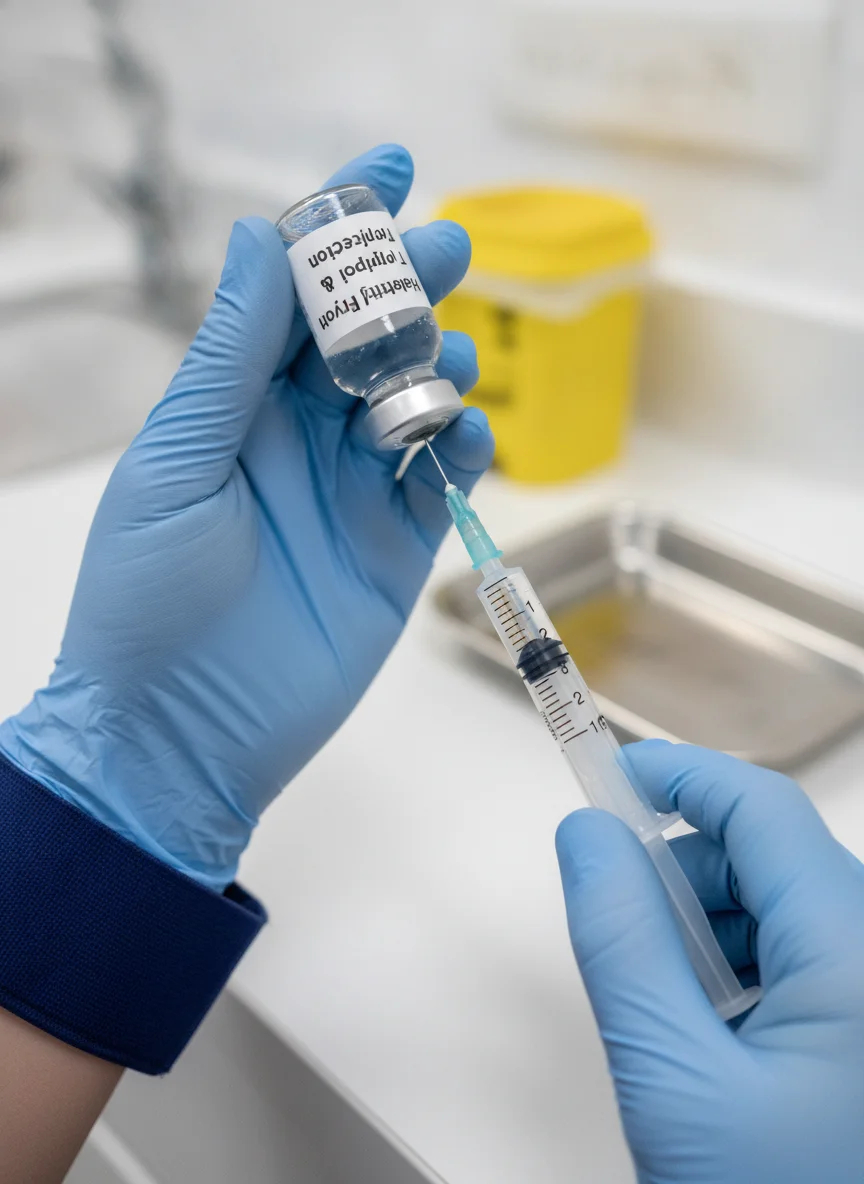
While Thailand has no mandatory vaccination requirements for British citizens arriving directly from the UK, several highly recommended immunisations protect against food- and water-borne pathogens. If you are transiting through or arriving from a yellow fever-endemic country in Africa or South America, you must legally present an International Certificate of Vaccination upon arrival. For standard UK travellers, NHS and TravelHealthPro strongly advise getting vaccinated against Hepatitis A and Typhoid before departure. Tetanus, diphtheria, and polio boosters should also be up to date, as these routine UK immunisations provide a critical baseline of protection. Depending on your specific travel style, you may also need to consider supplementary courses. Hepatitis B is recommended if you plan to get medical treatment, tattoos, or body piercings while abroad. Japanese Encephalitis is advised for those spending extended periods in rural agricultural areas, particularly near rice paddies where Culex mosquitoes breed. Plan these vaccines carefully based on whether you will remain in urban tourist hubs or venture deep into the provinces. Check your childhood vaccination records first to identify which routine boosters you are missing before booking travel-specific jabs.
Learn exactly how to buy a SIM card in Thailand. Compare AIS, DTAC, and True Move, discover standard vs tourist plans, and keep your UK number active.
| Vaccine | Target Disease | Recommendation Level | Schedule/Doses |
|---|---|---|---|
| Hepatitis A | Food and water contamination | Highly recommended for all travellers | Single dose, booster at 6-12 months |
| Typhoid | Food and water contamination | Highly recommended for most travellers | Single injection or oral capsules |
| Tetanus/Diphtheria/Polio | Environmental pathogens | Routine booster check recommended | Single booster dose if over 10 years old |
| Japanese Encephalitis | Vector-borne viral infection | High-risk rural stays only | Two doses spread over 28 days |
Navigating NHS and Private Clinics in the UK
Accessing travel vaccinations in the UK requires a strategic mix of free NHS services and paid private travel clinics to manage costs and timing effectively. Some essential travel vaccines are provided completely free of charge on the NHS because they protect against diseases that could be brought back into the UK. Your GP surgery can often administer Hepatitis A, Typhoid, and the combined Tetanus/Diphtheria/Polio booster without charging you a penny. However, other critical travel vaccinations must be sourced and paid for privately. Rabies, Japanese Encephalitis, and Hepatitis B fall into this private category, with prices varying significantly between providers. High-street pharmacies like Boots, Superdrug, or independent travel health clinics charge around £50 to £90 per dose for rabies. Because several of these private vaccines require two or three doses spread over a month, your total bill can scale up rapidly. You must book a travel health risk assessment with your GP practice at least eight weeks before your departure date. This timeline ensures you can complete the multi-dose schedules before your feet touch Thai soil. Request your vaccination history from your GP surgery early so you only pay private clinics for the specific boosters you actually need.
Mosquito-Borne Diseases: Malaria and Dengue Risks
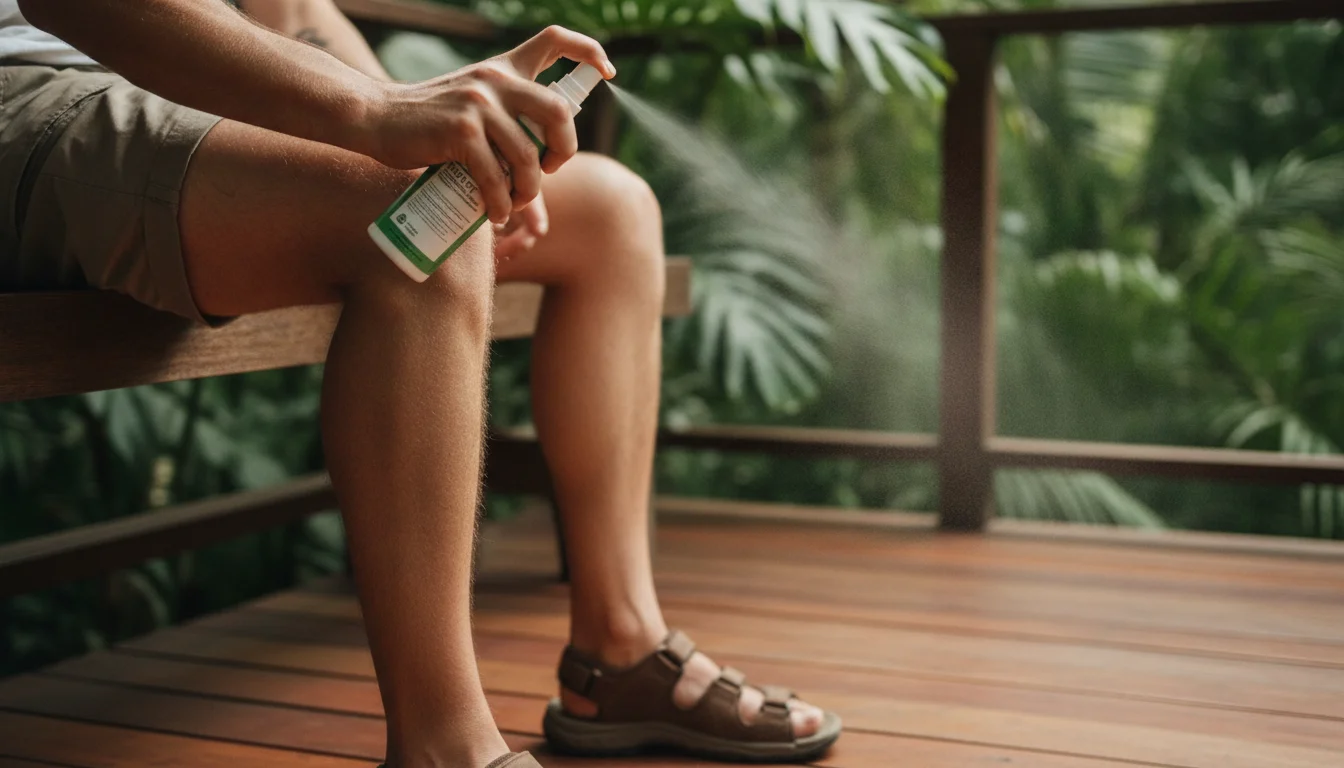
Malaria and dengue fever represent distinct mosquito-borne risks in Thailand, with prevention relying heavily on physical protection rather than routine pills or vaccines. Malaria risk is highly localized and generally negligible in major urban centres such as Bangkok, Chiang Mai city, Pattaya, Phuket, and the popular holiday islands of Koh Samui and Koh Phangan. You only need anti-malarial chemoprophylaxis, such as Atovaquone/Proguanil (Malarone) or Doxycycline, if you are trekking along forested border zones near Myanmar, Cambodia, or Laos. Dengue fever, conversely, is a widespread nationwide threat transmitted by day-biting Aedes mosquitoes in both rural provinces and major concrete cities. Because there is currently no widely available dengue vaccine for short-term UK tourists, bite prevention is your primary line of defence. Apply insect repellents containing 30% to 50% DEET or Icaridin regularly, particularly during peak biting hours at dawn and dusk. Wear loose-fitting, long-sleeved clothing and trousers treated with permethrin when dining outdoors. Ensure your accommodation has intact window screens or functioning air conditioning to keep vectors outside. Focus your budget on high-quality insect repellents and lightweight long clothing rather than expensive anti-malarial tablets unless you are heading to remote border jungles.
| Disease | High-Risk Areas | Transmission Vector | Primary Prevention Method |
|---|---|---|---|
| Malaria | Forested borders with Myanmar/Cambodia | Night-biting Anopheles mosquito | Chemoprophylaxis pills and bed nets |
| Dengue Fever | Countrywide (urban and rural) | Day-biting Aedes mosquito | DEET repellent and skin coverage |
| Zika Virus | Scattered rural outbreaks | Day-biting Aedes mosquito | Bite avoidance and barrier methods |
| Chikungunya | Southern provinces | Day-biting Aedes mosquito | Active repellent and net protection |
Prescription Medication and Customs Regulations
Bringing your prescribed medical treatments into Thailand requires careful adherence to strict narcotics control laws to avoid severe legal penalties at the border. Thailand enforces exceptionally strict laws regarding the importation of medications containing controlled substances, particularly psychotropics, strong painkillers, and ADHD treatments like Methylphenidate (Ritalin). You are legally permitted to bring up to a 30-day supply of most personal prescription medications, provided they are in their original pharmacy packaging clearly showing your name. However, category 2 narcotics or psychotropic substances require an online permit application from the Thai Food and Drug Administration at least two weeks before your departure. Always carry a signed letter from your UK GP or specialist stating your diagnosis, exact dosage, and the total quantity prescribed. Never carry loose pills in unlabelled pill organizers, as customs officials at Bangkok's Suvarnabhumi Airport can confiscate unidentifiable medications immediately. If you run out of essential medicine, visit a reputable local pharmacy or international hospital rather than buying from unlicensed street stalls. Verify the legal status of your specific prescription drugs with the Royal Thai Embassy website before packing them in your hand luggage.
Seasonal Air Pollution and Environmental Health
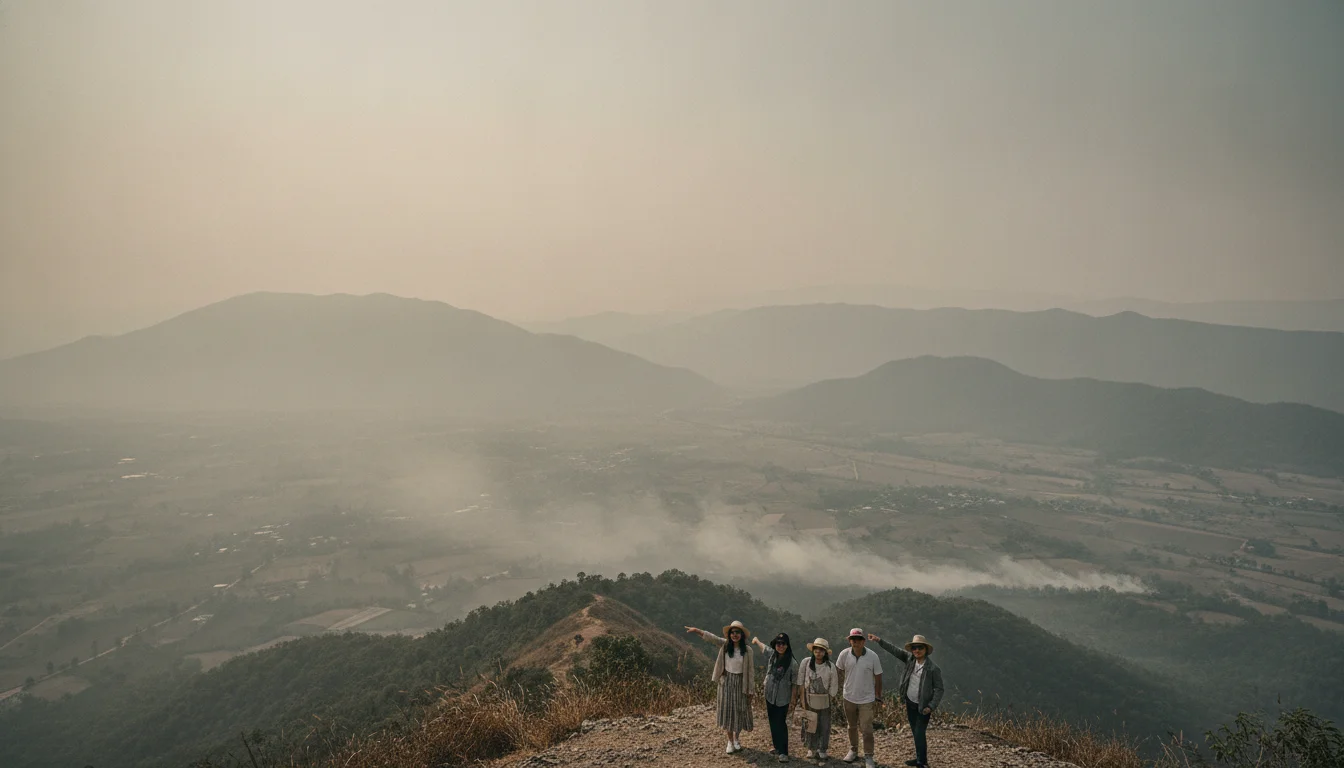
Managing your environmental health exposure in Thailand is crucial, especially when traveling during the peak agricultural burning seasons in northern and central regions. Seasonal air pollution, predominantly PM2.5 particulate matter, is a significant health concern in northern Thailand, particularly Chiang Mai, and the capital, Bangkok, between January and April. Local farmers clear fields through agricultural burning, creating a thick haze that traps pollutants close to the ground. Vulnerable travellers with asthma, respiratory conditions, or cardiovascular disease should monitor the Air Quality Index (AQI) daily using online tracking platforms. If the AQI exceeds 150, limit strenuous outdoor activities and wear an airtight N95 or FFP2 respirator mask. Additionally, food hygiene requires active mindfulness to prevent debilitating cases of gastroenteritis, commonly referred to as "Bangkok belly." Stick to busy street food stalls where raw ingredients are cooked at high heat in front of you, and avoid drinking untreated tap water. Carrying a small personal medical kit with oral rehydration salts, loperamide, and sanitising hand gel ensures you can manage mild stomach upsets without needing hospitalisation. Plan your travels to the southern islands during the spring months if you have pre-existing lung or heart conditions to avoid northern pollution peaks.
Costs and Budgeting
Budgeting for travel health preparation depends heavily on your planned activities and what your GP provides for free. While basic vaccines like Hepatitis A and Typhoid cost nothing on the NHS, private clinics in the UK charge substantial fees for specialised courses. A full three-dose course of Rabies vaccines typically costs around £150 to £270, while Japanese Encephalitis requires two doses totaling approximately £180 to £240. If you require emergency treatment in Thailand, a consultation at a premium private hospital like Bangkok Hospital or Bumrungrad International Hospital starts around 1,500 THB (£34) to 3,500 THB (£80), excluding medication and laboratory tests. Purchasing quality insect repellents containing DEET in the UK or at local Thai pharmacies like Boots Thailand will cost around 150 THB (£3.40) to 350 THB (£8) per bottle. Ensuring you have these funds allocated prevents unexpected medical debts during your holiday.
| Option | Cost (THB) | Cost (GBP approx) | Notes |
|---|---|---|---|
| NHS Core Vaccines | 0 THB | £0 | Covers Hep A, Typhoid, Tetanus booster. |
| Private Rabies Course | 6,600 to 11,900 THB | £150 to £270 | Three doses required at private UK clinics. |
| Private Japanese Encephalitis Course | 7,900 to 10,600 THB | £180 to £240 | Two doses required for rural risk profiles. |
| Premium Private Hospital Consultation | 1,500 to 3,500 THB | £34 to £80 | Initial fee for emergency medical triage. |
| High-Quality DEET Insect Repellent | 150 to 350 THB | £3.40 to £8 | Per bottle of spray from Boots Thailand. |
Common Mistakes and How to Avoid Them
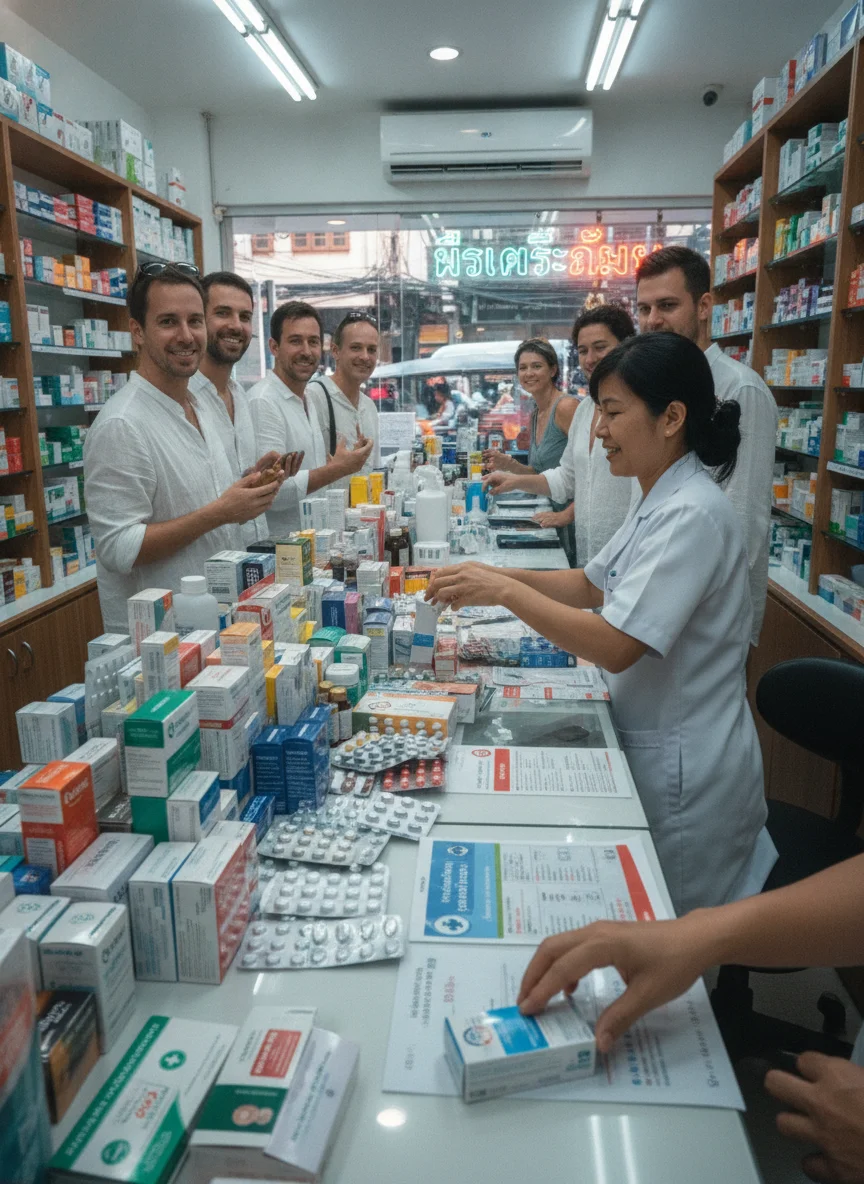
Assuming pre-travel rabies jabs make you immune is a dangerous error. This mistake leads travellers to skip urgent hospital treatments, which is fatal once symptoms manifest. Always seek professional care for boosters after any animal contact. Leaving travel clinical consultations until your final departure week is another major blunder. This delay prevents you from completing vital multi-dose vaccine schedules. Book your appointment eight weeks before flying. Carrying restricted ADHD or strong pain medications without legal permits is highly risky. This oversight can result in arrest or immediate drug confiscation at airport customs. Check rules with the Thai Embassy and carry a doctor's letter. Relying on organic citronella sprays to prevent dengue is ineffective. These natural repellents fail to ward off aggressive day-biting vectors. Pack heavy-duty DEET or Icaridin formulas instead.
Practical Tips
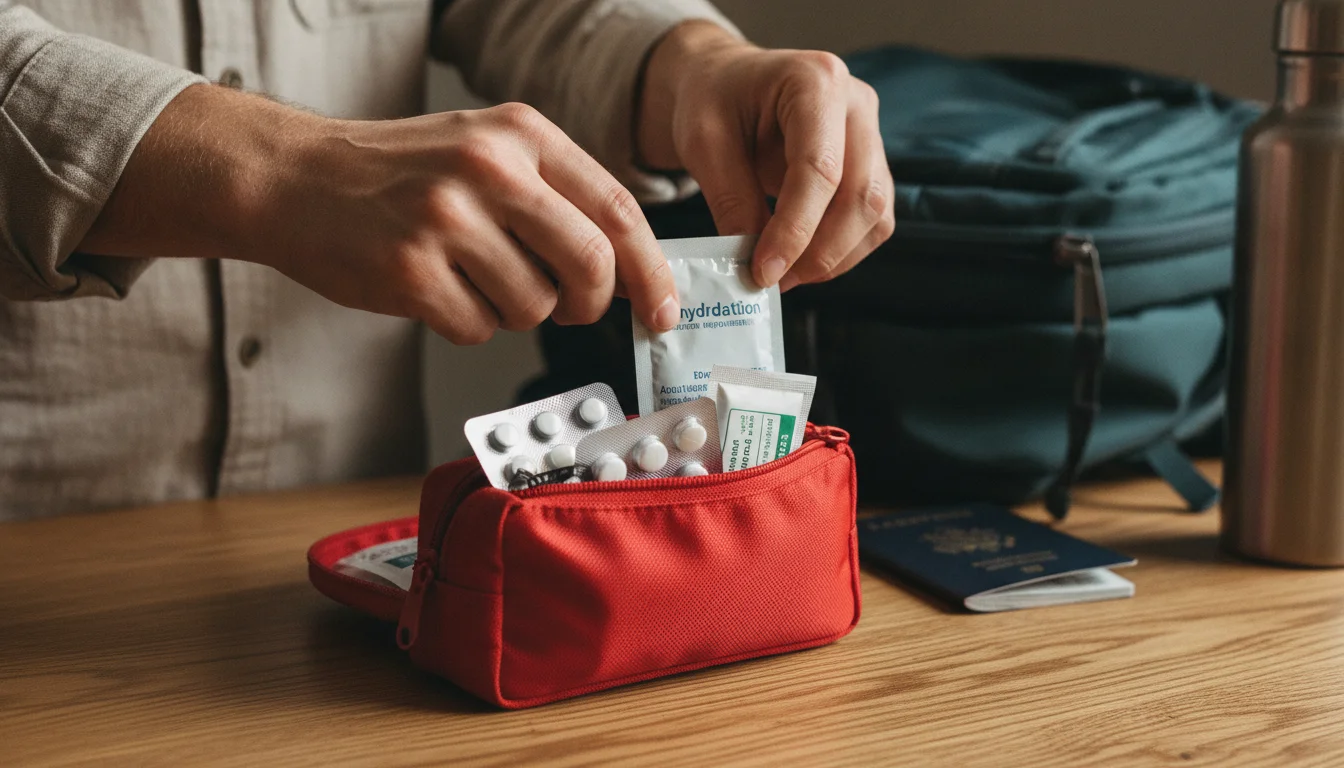
Pack a reliable supply of oral rehydration salts in your day pack. Dehydration from traveller's diarrhoea occurs rapidly in Thailand's tropical climate and clean drinking water alone cannot restore lost electrolytes.
Download the AirVisual app to track seasonal air quality indices before travelling. High levels of PM2.5 particulate pollution plague Bangkok and Chiang Mai from January to April, requiring vulnerable travellers to wear N95 masks outdoors.
Keep all prescription medication in its original pharmacy packaging with the printed label visible. Customs officers must be able to match your passport name directly to the dispensed clinical label to verify ownership.
Avoid drinking tap water or using ice made from untreated water sources in rural villages. While ice in major tourist resorts is generally safe and factory-made, remote areas often use crushed blocks that can host water-borne bacteria.
Carry a digital photo of your vaccination certificate on your mobile phone. Having immediate proof of your immunisation status helps doctors make faster treatment decisions if you are admitted to an emergency clinic.
Apply your sunscreen first and wait fifteen minutes before applying insect repellent. This sequence prevents the sunscreen from diluting the active ingredients in your DEET spray, keeping both layers fully effective.
Purchase a basic sterile medical kit containing needles and syringes if you are visiting remote islands. In an emergency, rural clinics may have limited resources, and having your own sterile equipment guarantees safe treatment.
SafetyWing covers Thailand medical costs from £1.50/day — sort it before you fly.
Quick Reference Table
| Item | Detail | Notes |
|---|---|---|
| Recommended Prep Time | 6 to 8 weeks before flying | Allows time for multi-dose vaccine schedules. |
| Mandatory Vaccines | None (unless from yellow fever zone) | Certificate required if transiting endemic countries. |
| Free NHS Vaccines | Hep A, Typhoid, Tetanus booster | Consult your GP clinic for availability. |
| Private Clinic Vaccines | Rabies, Japanese Encephalitis, Hep B | Cost varies from £50 to £90 per dose. |
| Malaria High-Risk Zones | Forested border areas | Negligible risk in Bangkok, Chiang Mai, and Phuket. |
| Dengue Prevention | 30% to 50% DEET or Icaridin sprays | No widely available vaccine for short-term UK tourists. |
| Rabies First-Aid | Flush wound for 15 minutes with soap | Seek immediate professional medical care. |
| Prescription Drug Rule | Max 30-day supply in original boxes | Must carry doctor's letter; some drugs require permits. |
| Pollution Season | January to April (PM2.5 spike) | Affects Bangkok and the northern provinces. |