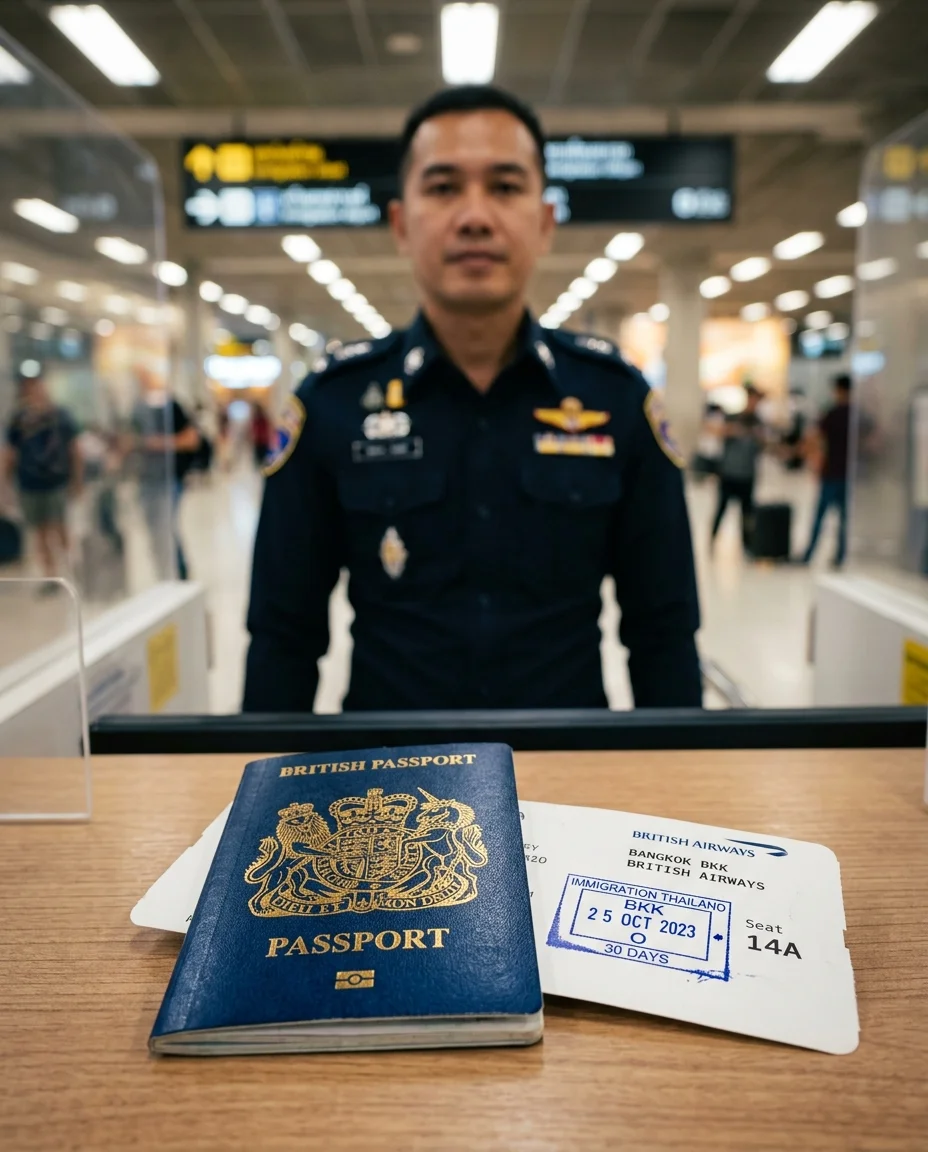
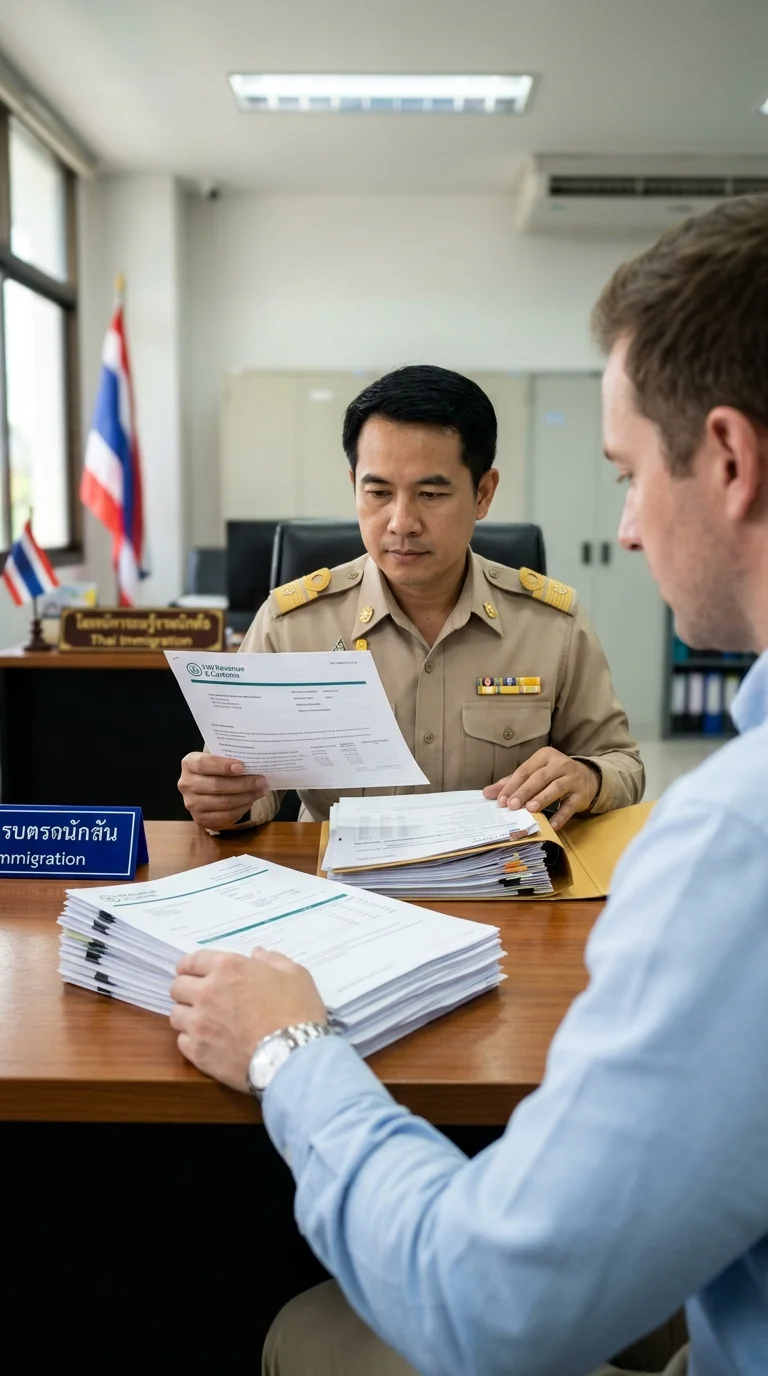
Thailand Visa Border Crossings
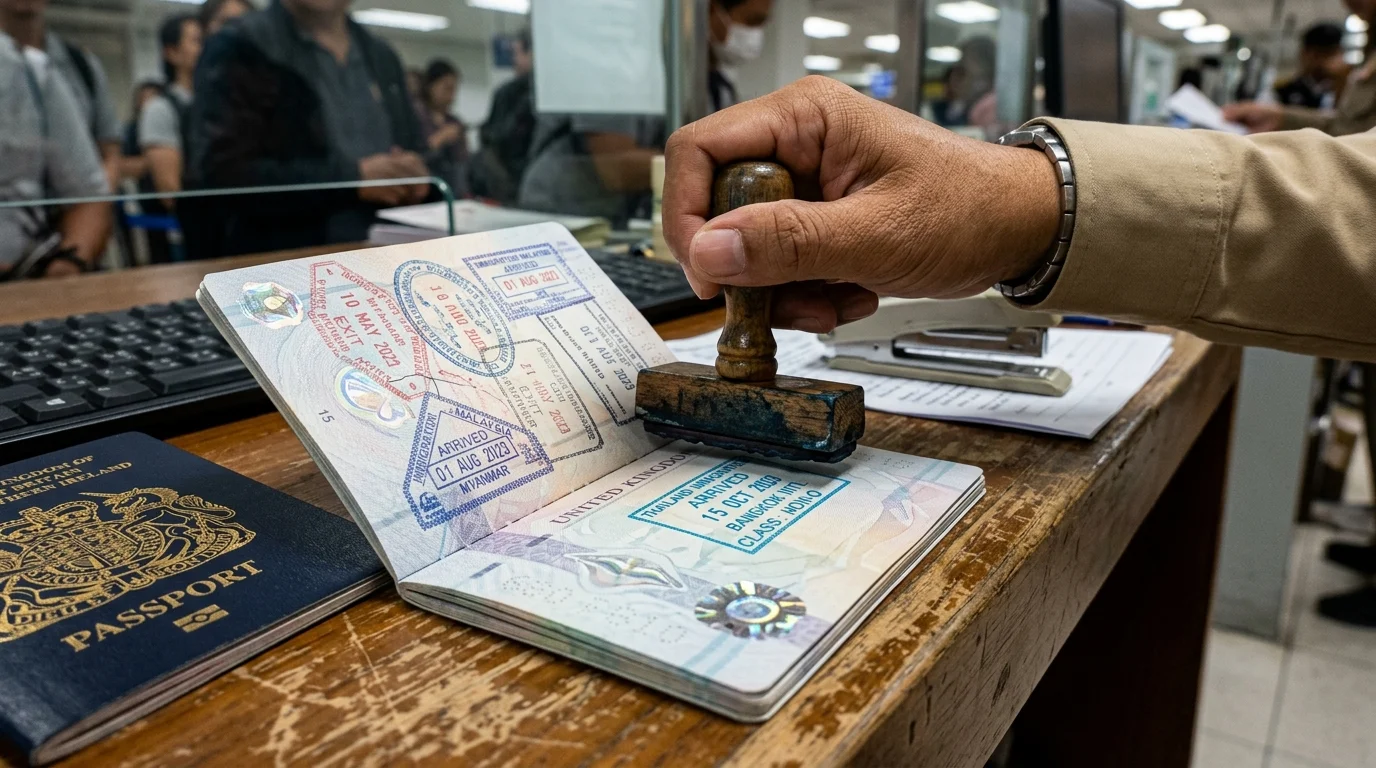
UK nationals entering Thailand via a land border on a visa exemption currently receive a 60-day stay, but Thai immigration strictly limits these overland entries to two per calendar year. Attempting a third land crossing without a valid pre-approved visa will result in an immediate denial of entry and a potentially complex return journey.
This page details the exact mechanics of crossing Thailand’s land borders for immigration purposes, covering the main routes to Cambodia, Laos, Myanmar, and Malaysia. It will help you calculate realistic journey times, prepare the correct documentation, and understand how border officials assess frequent crossers. This guide is strictly for UK passport holders planning overland visa runs or border bounces to extend their tourist stay. It is not for individuals seeking permanent residency or long-term employment visas.

Visa Runs Versus Border Runs
Understanding the distinct difference between a border run and a visa run is the first step in managing your legal stay in Thailand. A border run, often called a border bounce, involves leaving Thailand and immediately returning to activate a new 60-day visa exemption. UK passport holders are legally entitled to do this at a land border, but only twice between January 1st and December 31st. A visa run, conversely, requires leaving Thailand to visit a Thai embassy or consulate in a neighbouring country, such as Vientiane in Laos or Penang in Malaysia, to apply for a formal tourist or non-immigrant visa. This process takes at least two working days because you must submit your passport, pay the consular fee of usually 1,500 THB (£33), and return the following afternoon to collect it. Border runs are purely logistical exercises completed in a single day, while visa runs are formal application processes requiring overnight accommodation. Misunderstanding which process you actually need often leads to wasted travel expenses and severe immigration complications.
Learn how UK nationals over 50 can secure the Thailand Retirement Visa (OA). Master the financial rules, document legalisation, and application process today.
Always track your calendar year land entries to ensure you have not exhausted your two permitted border bounces before booking transport.
| Feature | Border Run (Bounce) | Visa Run |
|---|---|---|
| Primary Purpose | Activate a new 60-day visa exemption | Obtain a formal Thai visa from an embassy |
| Duration | Completed in a single day | Requires at least one overnight stay |
| Frequency Limit | Strictly two per calendar year | Limited by embassy discretion and visa history |
| Pre-approval | None required | Requires formal application and processing time |
The Main Land Borders Used by UK Nationals
Sponsored
Choosing the correct border crossing depends entirely on your location in Thailand and whether you need a quick bounce or a full embassy visit. From Bangkok, the most common route is to Poipet in Cambodia, accessible via a four-hour minivan ride from Ekkamai or Mo Chit bus terminals. For those based in Chiang Mai, the Mae Sai border crossing into Tachileik, Myanmar, is the primary choice, requiring a five-hour drive north. Expats in the south, particularly Phuket or Krabi, typically utilise the Sadao border into Malaysia, which takes roughly six hours by road. If you need a formal visa rather than an exemption stamp, the Nong Khai crossing into Laos is heavily trafficked because it sits just 20 kilometres from the Thai Embassy in Vientiane. Journey times can fluctuate wildly based on weather, military checkpoints, and border congestion, making rigid schedules difficult to maintain. Selecting a crossing close to a major Thai embassy provides a safety net if immigration officers refuse a simple border bounce.
Select your border based on your proximity to a Thai consulate, not just the shortest driving distance, in case you are denied a visa exemption.
| Border Crossing | Neighbouring Country | Nearest Major Thai Hub | Typical Driving Time |
|---|---|---|---|
| Poipet | Cambodia | Bangkok | 4 to 5 hours |
| Nong Khai | Laos | Udon Thani / Bangkok | 1 hour from Udon Thani |
| Mae Sai | Myanmar | Chiang Mai / Chiang Rai | 4 to 5 hours from Chiang Mai |
| Sadao | Malaysia | Phuket / Hat Yai | 6 to 7 hours from Phuket |
The Border Crossing Process Explained
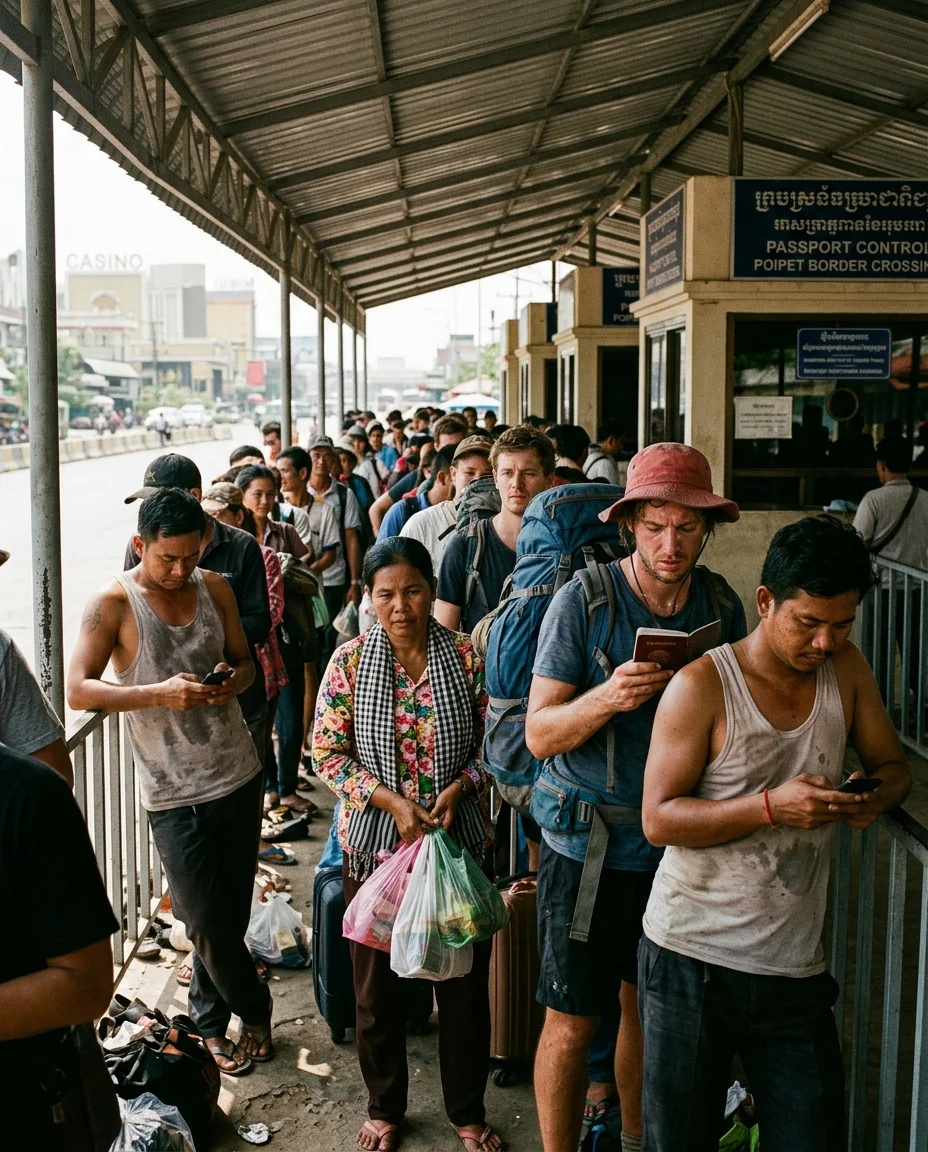
Executing a border crossing involves a specific sequence of exit and entry procedures that you must follow meticulously. Upon arriving at the Thai side of the border, you will queue at the departure immigration booth to receive your Thai exit stamp. You then walk across the physical border zone, often referred to as no-man's-land, to the neighbouring country's arrival checkpoint. Here, you must typically purchase a visa on arrival, such as the Cambodian tourist visa which costs roughly 1,500 THB (£33) or $30 USD, before receiving their entry stamp. Once legally admitted into the neighbouring country, you immediately join the departure queue to secure an exit stamp. You then walk back across the border zone to the Thai arrival checkpoint, present your passport, and request your new 60-day visa exemption. The physical walking distance between checkpoints varies from 100 metres at Mae Sai to nearly a kilometre at Poipet. Failing to secure the neighbouring country's entry and exit stamps completely invalidates your return to Thailand.
Carry crisp, unmarked US dollars for neighbouring country visas, as border officials frequently reject damaged or folded notes.
| Crossing Step | Action Required | Typical Waiting Time |
|---|---|---|
| Thai Exit | Present passport and depart Thailand | 15 to 45 minutes |
| Foreign Entry | Purchase visa on arrival and enter neighbouring country | 30 to 60 minutes |
| Foreign Exit | Stamp out of the neighbouring country | 15 to 30 minutes |
| Thai Entry | Present documents and re-enter Thailand | 30 to 90 minutes |
Immigration Attitudes and Sustainability
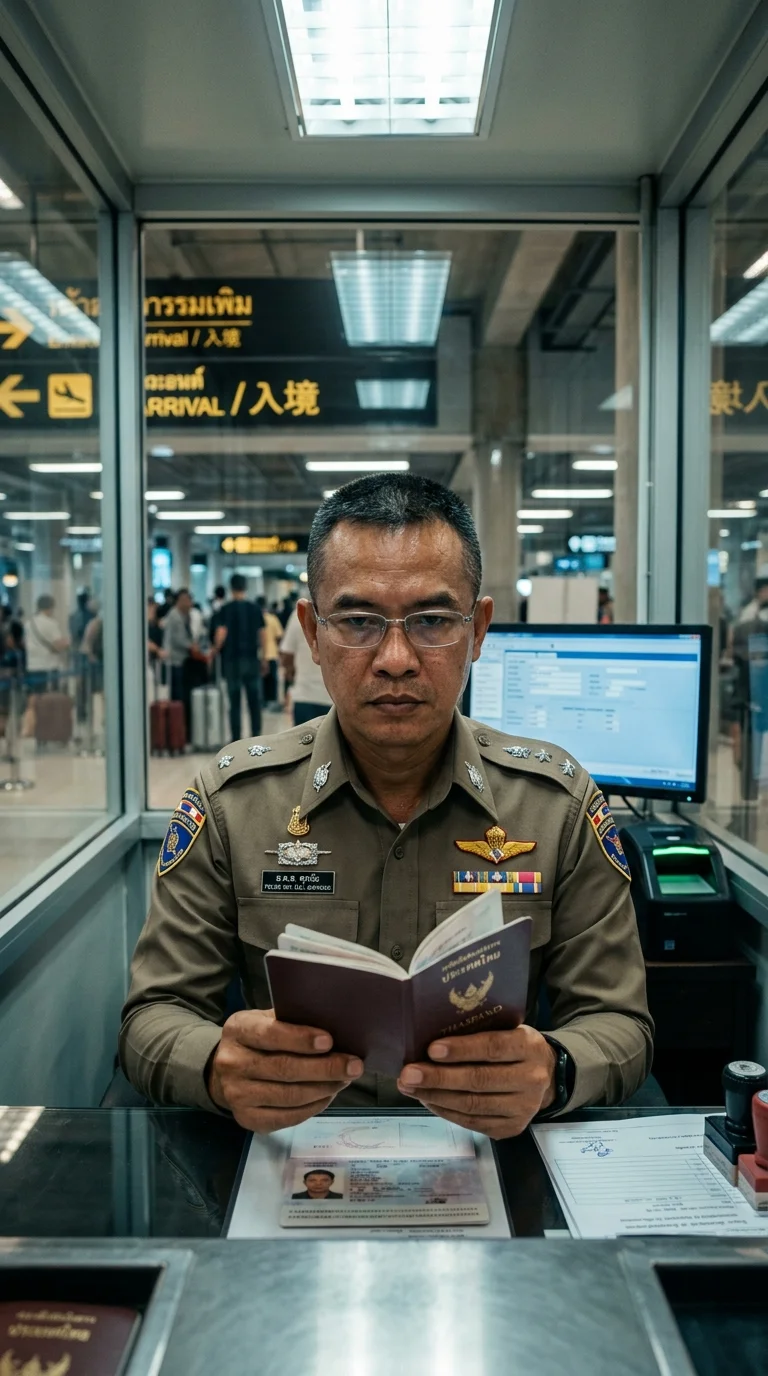
Thai immigration views frequent border runs with increasing suspicion, treating them as an indicator of illegal employment or undocumented long-term residency. While the law permits two overland visa exemptions per calendar year, officers retain absolute discretion to deny entry if they believe you are exploiting the system. If your passport shows back-to-back exemption stamps, extension stamps, or a history of spending more than 180 days in Thailand within a single year, you will face intense questioning. Officers at strict crossings like Poipet regularly demand to see proof of onward travel within 60 days, a confirmed hotel booking, and physical cash amounting to 20,000 THB (£445). Relying on border runs as a multi-year residency strategy is highly unsustainable and almost guarantees an eventual denial of entry. Once you receive a denial stamp at a land border, returning via an airport becomes significantly more difficult, as the rejection is permanently logged in the immigration database. Transitioning to a proper long-term visa is the only secure method for remaining in the country.
If you are questioned about your frequent visits, politely explain your tourism itinerary and immediately offer to show your financial proof and outbound flight.
| Traveller Profile | Immigration View | Likely Outcome at Border |
|---|---|---|
| First overland entry of the year | Normal tourist activity | Routine processing and entry granted |
| Second overland entry, brief stay | Acceptable tourist activity | Routine processing, possible minor questioning |
| Back-to-back entries, long history | Highly suspicious | Intense questioning, proof of funds demanded |
| Third overland entry attempt | Illegal under current rules | Immediate denial of entry |
Essential Documents to Carry
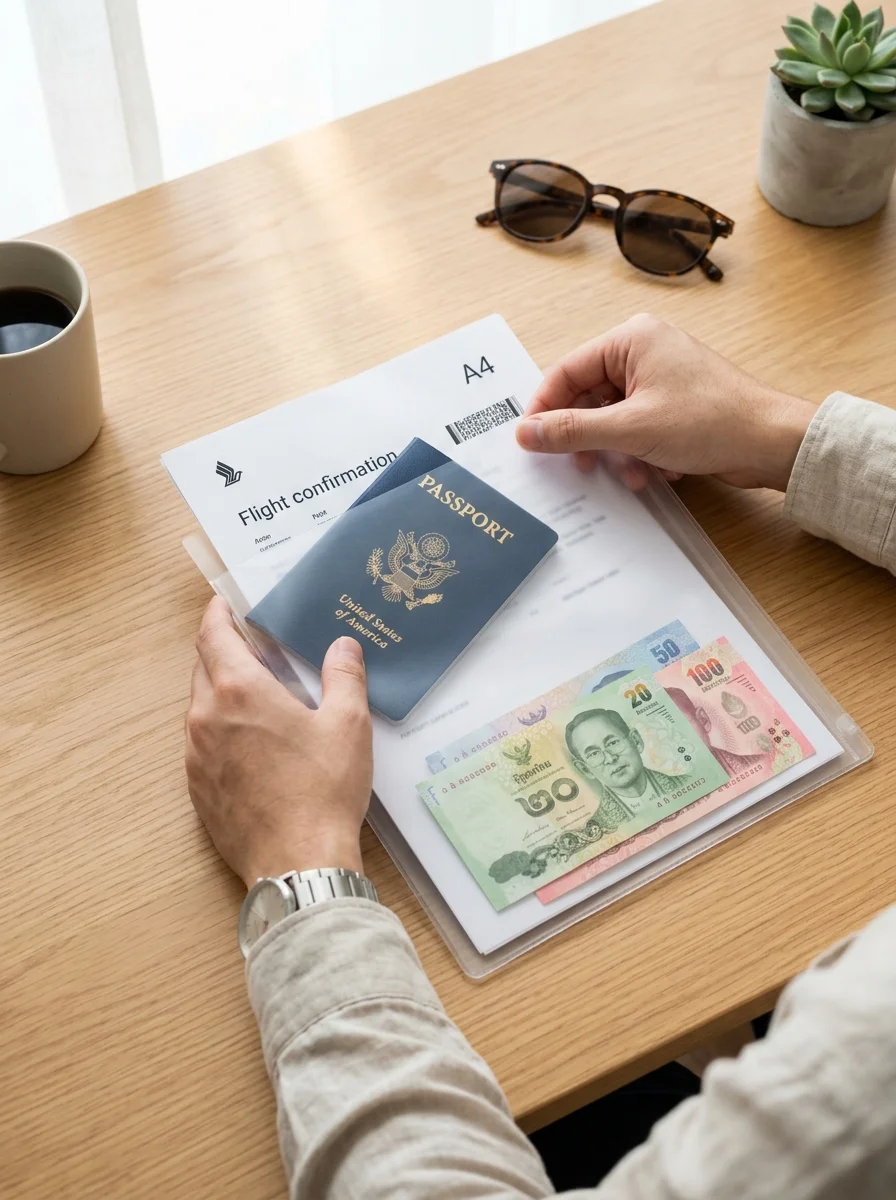
Arriving at a land border without the correct supporting documentation gives immigration officers immediate grounds to refuse your re-entry. Your UK passport must have at least six months of validity remaining and a minimum of two completely blank pages for the necessary stamps and visas. You must carry a printed copy of an onward travel ticket proving you will leave Thailand within your 60-day exemption period, as digital copies on a phone are frequently rejected. Financial proof is strictly enforced at land borders; you must carry 20,000 THB (£445) or the equivalent in major foreign currency in physical cash. Bank statements, credit cards, and screenshots of mobile banking applications do not satisfy this requirement under any circumstances. You should also bring two recent passport-sized photographs, as these are mandatory for securing visas on arrival in countries like Cambodia and Laos. Organising these documents in a clear plastic folder speeds up your processing time and presents you as a prepared, legitimate tourist.
Withdraw your 20,000 THB cash requirement from an ATM well before leaving your home city, as border town cash machines frequently run empty.
| Document Type | Specific Requirement | Consequence of Missing Document |
|---|---|---|
| UK Passport | 6 months validity, 2 blank pages | Total denial of exit or entry |
| Financial Proof | 20,000 THB in physical cash | High risk of entry denial |
| Onward Ticket | Printed confirmation leaving within 60 days | High risk of entry denial |
| Photographs | Two recent passport-sized photos | Delays or extra fees for foreign visas |
Organised Border Run Agencies Versus Independent Travel
Deciding whether to hire a dedicated border run agency or coordinate the journey yourself dictates the overall cost and stress of the day. Organised minibus tours operate from major expat hubs like Bangkok, Pattaya, and Phuket, departing as early as 5:00 AM to beat commercial traffic. These agencies charge a premium, typically between 2,500 and 3,500 THB (£55 to £78), but this fee usually covers your return transport, the neighbouring country’s visa fee, and lunch. Crucially, established agents have working relationships with border officials, which can accelerate the queuing process and resolve minor document discrepancies. Independent travel is considerably cheaper, allowing you to take government buses or public minivans for a fraction of the cost. However, travelling independently means you must navigate the chaotic border zones alone, negotiate your own visa on arrival, and manage aggressive local touts who target confused tourists. If you are attempting a crossing at notoriously difficult borders like Poipet, an agency provides a valuable layer of security.
Book an organised agency for your first border run to observe the exact mechanics of the crossing before attempting it independently.
| Travel Method | Cost Range (THB) | Convenience Level | Best Suited For |
|---|---|---|---|
| Organised Agency | 2,500 to 3,500 | High | First-time crossers and nervous travellers |
| Independent Minivan | 800 to 1,500 | Medium | Experienced expats on a strict budget |
| Private Taxi | 4,000 to 6,000 | High | Families or groups prioritising comfort |
Costs and Budgeting
Funding a border run involves far more than just the cost of transport, and underestimating the total expense is a frequent oversight. If you use an organised border run agency from a major city, expect to pay between 2,500 and 3,500 THB (£55 to £78) for a comprehensive package. Independent travel reduces transport costs, but you must still pay for the neighbouring country's visa on arrival, which usually costs $30 USD or roughly 1,500 THB (£33). You must also account for small, unavoidable expenses like departure taxes, passport photocopies, and food during a journey that can easily exceed 12 hours. Attempting a full visa run to an embassy adds the cost of overnight accommodation and the official consular fee of 1,500 THB (£33) for a single-entry tourist visa.
| Item | Cost (THB) | Cost (GBP approx) | Notes |
|---|---|---|---|
| Organised Agency Minibus | 2,500 - 3,500 | £55 - £78 | Often includes foreign visa fee |
| Independent Bus Return | 500 - 800 | £11 - £17 | Transport only from major cities |
| Foreign Visa on Arrival | 1,500 | £33 | Usually payable in USD or THB |
| Consular Fee (Visa Run) | 1,500 | £33 | Paid at the Thai embassy if applying for a visa |
| Food and Incidentals | 300 - 500 | £6 - £11 | Meals and water during a long travel day |
Common Mistakes and How to Avoid Them
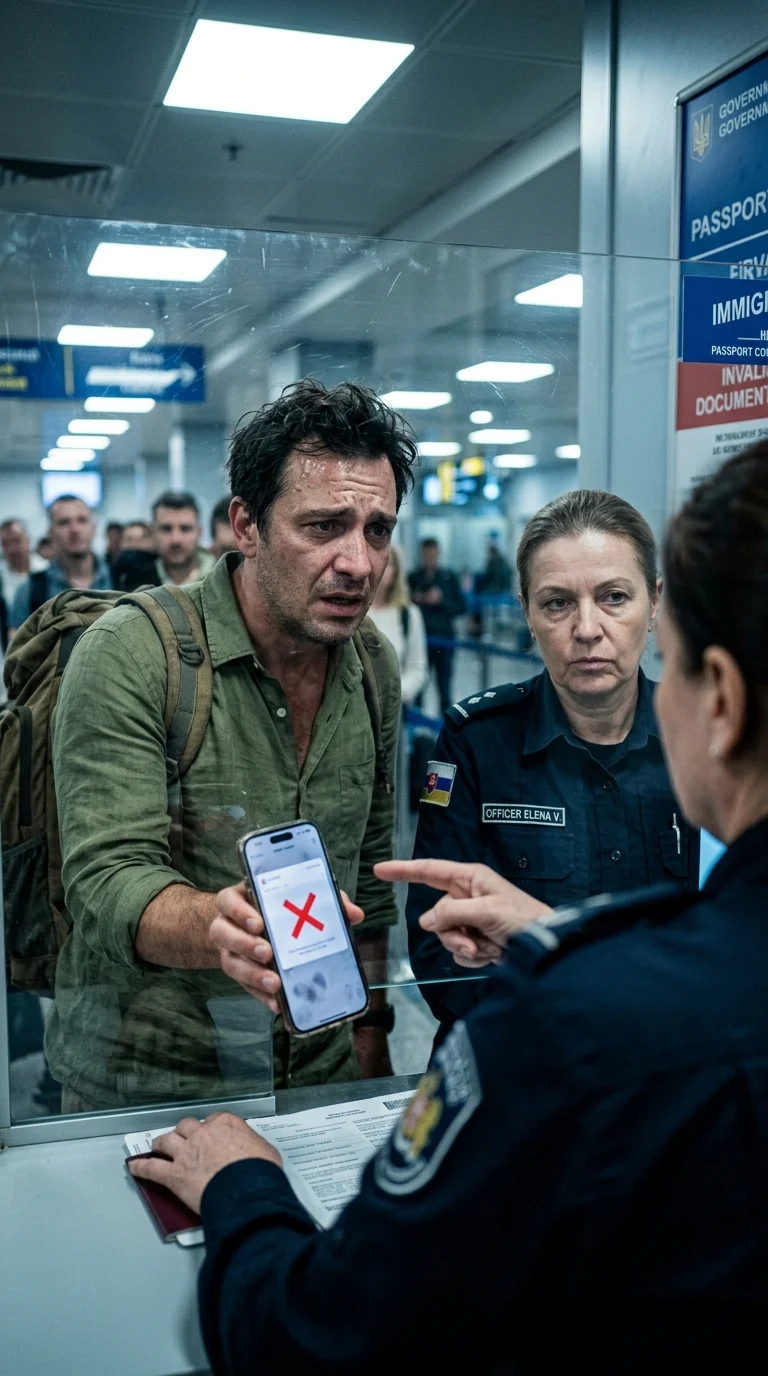
Failing to carry physical cash for financial proof. Immigration officers will deny your entry if you attempt to show a bank balance on your phone instead of the required 20,000 THB in physical notes. Withdraw the exact amount in Thai Baht or GBP before you begin your journey to the border.
Miscalculating the two-per-year land border rule. Arriving for a third overland visa exemption in a calendar year results in immediate rejection and being stranded in the neighbouring country. Review your passport stamps carefully and count your land entries from January 1st before booking any transport.
Relying on digital onward flight tickets. Presenting an outbound flight confirmation on a mobile screen often leads to refusal because border officials require paperwork they can physically review. Print a hard copy of your verifiable outbound ticket before leaving your hotel or apartment.
Attempting a border run with less than six months of passport validity. Both the neighbouring country and Thai immigration will reject your passport, leaving you unable to cross or return. Renew your UK passport well in advance of your planned travel date if it is approaching the expiry window.
Practical Tips
Dress respectfully in long trousers and a collared shirt for your border crossing. Immigration officers form immediate impressions, and looking like a neat, affluent tourist reduces the likelihood of intense questioning.
Use an organised border run agency if it is your first time navigating a land crossing. These companies know the exact procedures, handle the neighbouring country visa paperwork, and provide a buffer against common logistical delays.
Avoid crossing borders on weekends or Thai public holidays whenever possible. Land checkpoints become overwhelmed with returning migrant workers and local tourists, which can easily double your waiting time.
Carry a blue or black ink pen in your hand luggage. You will need to fill out arrival cards for the neighbouring country, and communal pens at border desks are frequently missing or broken.
Check the specific opening hours of your chosen border checkpoint before departing. Arriving after the border closes means you must pay for unplanned local accommodation and restart the process the following morning.
Keep your old passports if they contain valid Thai visas or long-term extension stamps. Proving a history of proper, legal visa compliance can help satisfy an officer who is suspicious of a sudden border bounce.
[DISCLAIMER: Visa rules and fees are subject to change. Always verify current requirements with the official Thai Immigration Bureau at immigration.go.th or the Royal Thai Embassy before applying.]
Quick Reference Table
| Item | Detail | Notes |
|---|---|---|
| Visa Type | Visa Exemption (Border Bounce) | 60 days granted upon entry |
| Eligibility | UK Passport Holders | Must have 6 months passport validity |
| Frequency Limit | Two land entries per calendar year | Strictly enforced at all borders |
| Financial Proof | 20,000 THB cash | Must be physical currency, not bank statements |
| Onward Travel | Required within 60 days | Must be a printed, verifiable ticket |
| Processing Time | Single day | Usually takes 1 to 3 hours at the border |
| Extension Options | Can be extended once for 30 days | Costs 1,900 THB at a local immigration office |
| Typical Cost | 2,500 to 3,500 THB | Total cost using an organised border agency |