Digital Nomad Guide to Thailand
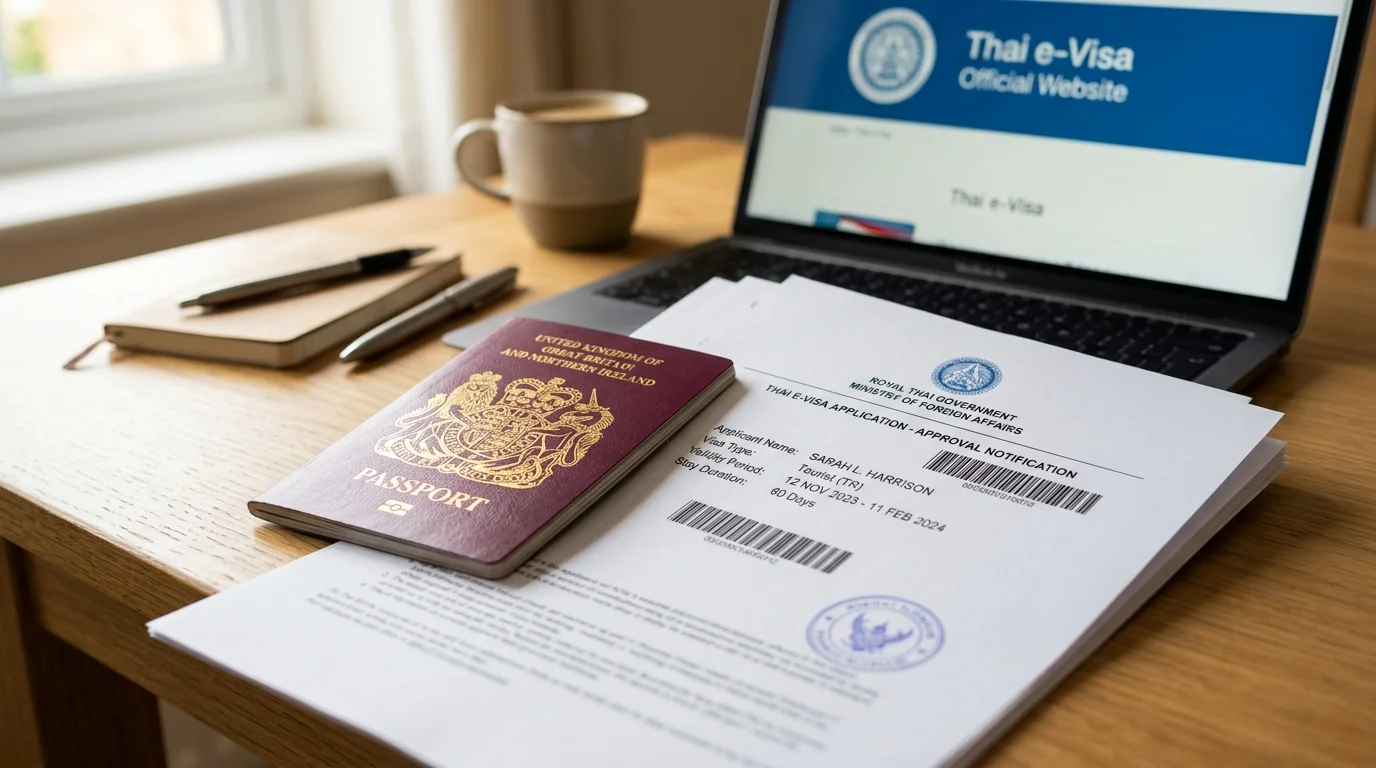
The introduction of the Destination Thailand Visa (DTV) fundamentally changed remote work prospects for UK nationals, offering a five-year multiple-entry permit for a 10,000 THB (£220) fee and a 500,000 THB (£11,000) savings requirement. This legal framework replaces the outdated cycle of tourist visa runs, allowing you to establish a stable, tax-efficient base in Southeast Asia.
This guide maps out the complete relocation journey for UK remote workers, from securing your visa and choosing a base city to setting up your finances and finding reliable co-working infrastructure. It provides the foundational knowledge required to plan a compliant, long-term move. This content is for employed remote workers and freelancers earning outside Thailand; it is not for individuals seeking local employment or traditional retirement visas.

Securing Your Legal Right to Work Remotely
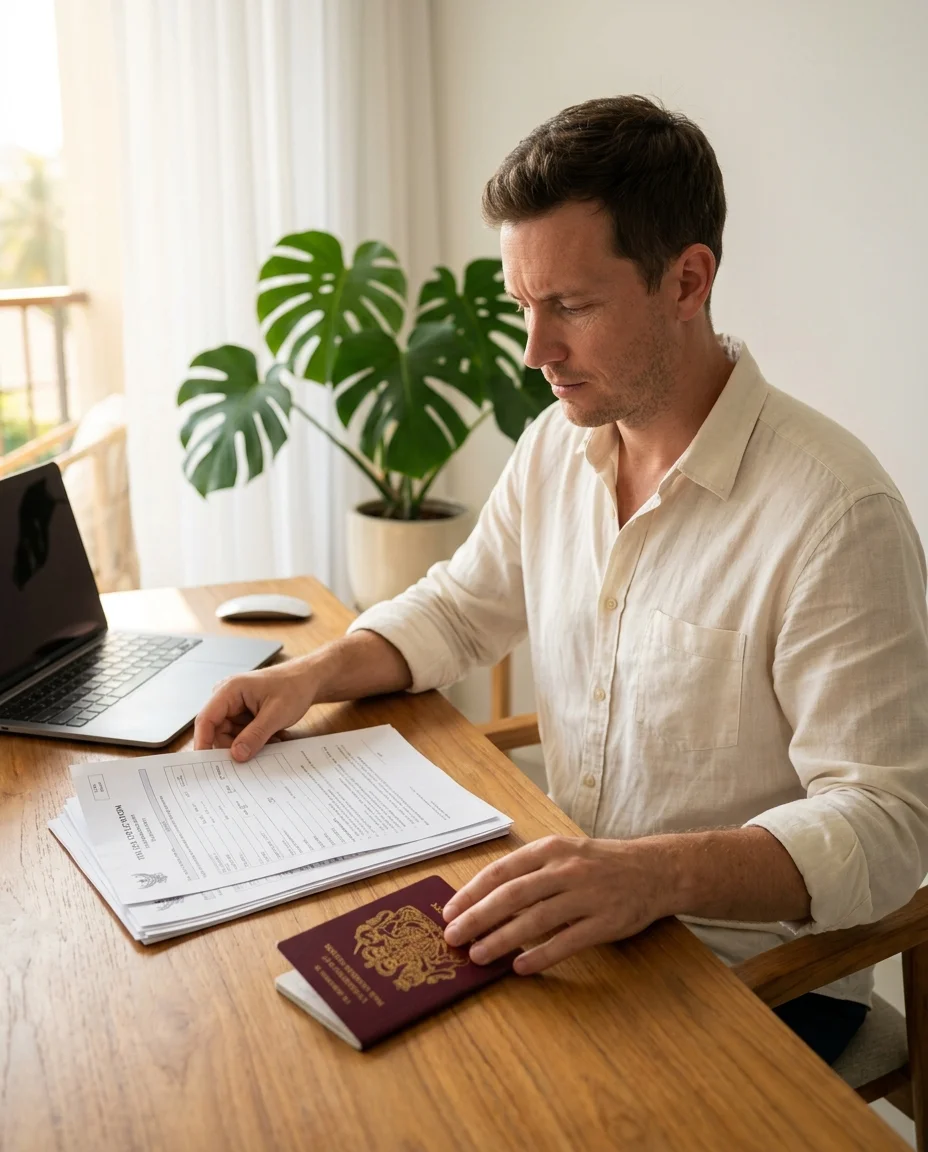
Securing the correct visa is the foundational step that determines your legal status and tax obligations in Thailand. The Destination Thailand Visa (DTV) is the primary route for UK remote workers, granting a five-year visa with multiple entries and allowing stays of up to 180 days per entry. To qualify, you must prove you are employed by a company outside Thailand or operate as a freelancer with an established international client base. The financial threshold requires holding 500,000 THB (£11,000) in a bank account at the time of application, alongside the 10,000 THB (£220) embassy processing fee. Applications are processed online through the Thai e-Visa portal before you leave the UK. Processing typically takes two to four weeks. Once in the country, you must track your 180-day limit closely. You can extend this once per entry at a local immigration office for an additional 1,900 THB (£42), or leave and re-enter the country. Operating on tourist visas or visa exemptions while working remotely is illegal and increasingly scrutinised at border checkpoints. Prepare your employment contracts, bank statements, and company letters well in advance to ensure a smooth DTV application process.
Learn how UK digital nomads can open a Thai bank account on a DTV visa, manage GBP to THB currency transfers, and avoid high ATM fees while living abroad.
| Visa Route | Duration | Key Requirement | Application Location |
|---|---|---|---|
| Destination Thailand Visa (DTV) | 5 Years (180 days per entry) | 500,000 THB (£11,000) savings | Online from the UK |
| Long-Term Resident (LTR) | 10 Years | $80k USD annual income | Online or in Thailand |
| Tourist Visa (TR) | 60 Days | Flight out of Thailand | Online from the UK |
| Visa Exemption | 60 Days | Valid UK Passport | On arrival |
Choosing Your Base City and Co-working Infrastructure
Sponsored
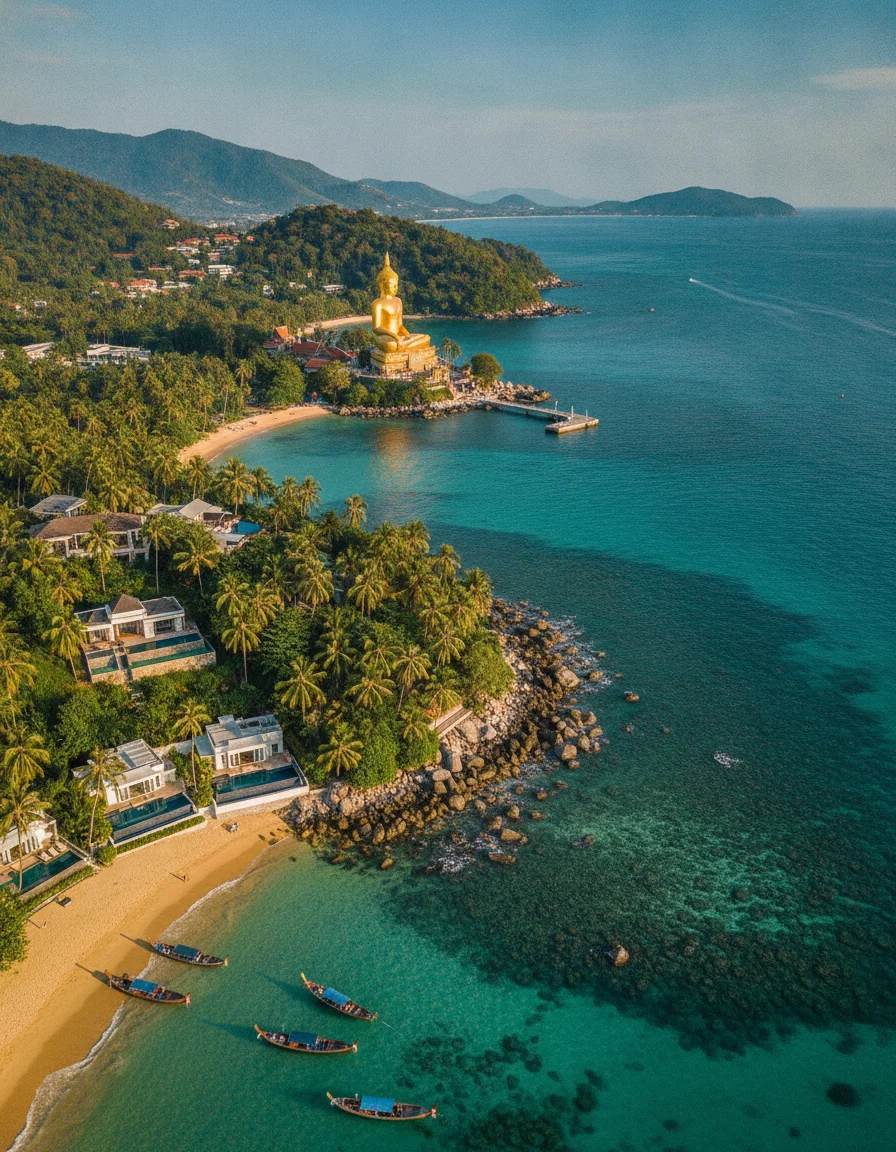
Your choice of location dictates your daily routine, internet reliability, and overall cost of living. Chiang Mai remains the global capital for digital nomads, offering dense co-working infrastructure and a lower cost of living. However, the burning season from February to April severely reduces air quality, forcing many to relocate temporarily. Bangkok provides a highly corporate, metropolitan environment with fibre-optic internet as standard. Major hubs like True Digital Park cater specifically to tech professionals and remote teams. Coastal locations like Phuket and Koh Samui offer an island lifestyle but come with a 30% to 50% premium on rent and a more fragmented remote work community. Internet connectivity is generally excellent across all major hubs. The 5G network is widely available, and home fibre packages offer 1Gbps speeds for approximately 600 THB (£13) per month. You must consider the proximity to international airports if your work requires frequent travel. Domestic flights from the islands can add significant time and cost to your journey. Select your base city based on your specific professional requirements, factoring in seasonal weather patterns and proximity to reliable co-working spaces.
| City Base | Monthly Rent Estimate (THB) | Internet Reliability | Remote Community Vibe |
|---|---|---|---|
| Bangkok | 20,000 - 45,000 THB | Excellent (Fibre standard) | Corporate, fast-paced |
| Chiang Mai | 12,000 - 25,000 THB | Very Good | Dense, creative, seasonal |
| Phuket | 25,000 - 60,000 THB | Good | High-end, transient |
| Koh Samui | 20,000 - 50,000 THB | Good | Relaxed, lifestyle-focused |
Finding Long-Term Accommodation
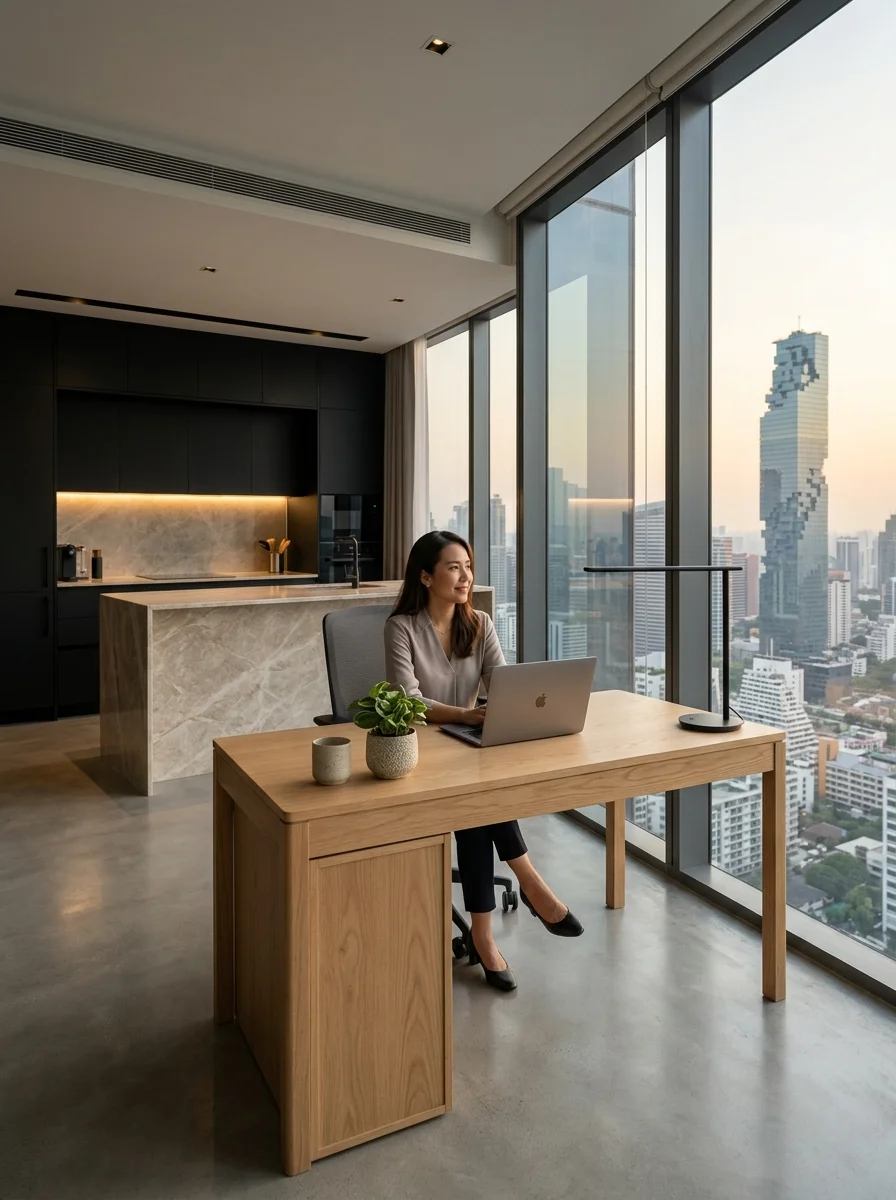
Securing an apartment in Thailand operates on a much faster timeline than the UK rental market. You should not sign a long-term lease before arriving; instead, book temporary accommodation for your first two weeks and view properties in person. The standard lease term is 12 months, though six-month contracts are negotiable at a slightly higher monthly rate. Apartments are the most popular choice for remote workers, typically offering gym and pool facilities, 24-hour security, and dedicated juristic offices to handle maintenance. In Bangkok, a modern one-bedroom apartment near a BTS Skytrain station ranges from 15,000 THB to 25,000 THB (£330 to £550) per month. Chiang Mai offers larger spaces or houses for 10,000 THB to 18,000 THB (£220 to £395) monthly. Move-in costs usually require a two-month security deposit plus the first month's rent paid in advance. When viewing properties, verify the internet provider options and check for nearby construction sites. Construction noise is common and can severely disrupt remote meetings. Always inspect a apartment in person to test the mobile signal, check desk space, and confirm actual noise levels before signing a lease.
| Property Type | Lease Term | Typical Deposit | Best Suited For |
|---|---|---|---|
| Serviced Apartment | 1 to 6 months | 1 month | New arrivals, short stays |
| High-rise Apartment | 6 to 12 months | 2 months | Solo workers, couples |
| Townhouse / Villa | 12 months+ | 2 months | Families, long-term expats |
| Co-living Space | Weekly / Monthly | Minimal | Networking, solo nomads |
Banking, Currency Exchange, and Managing Finances
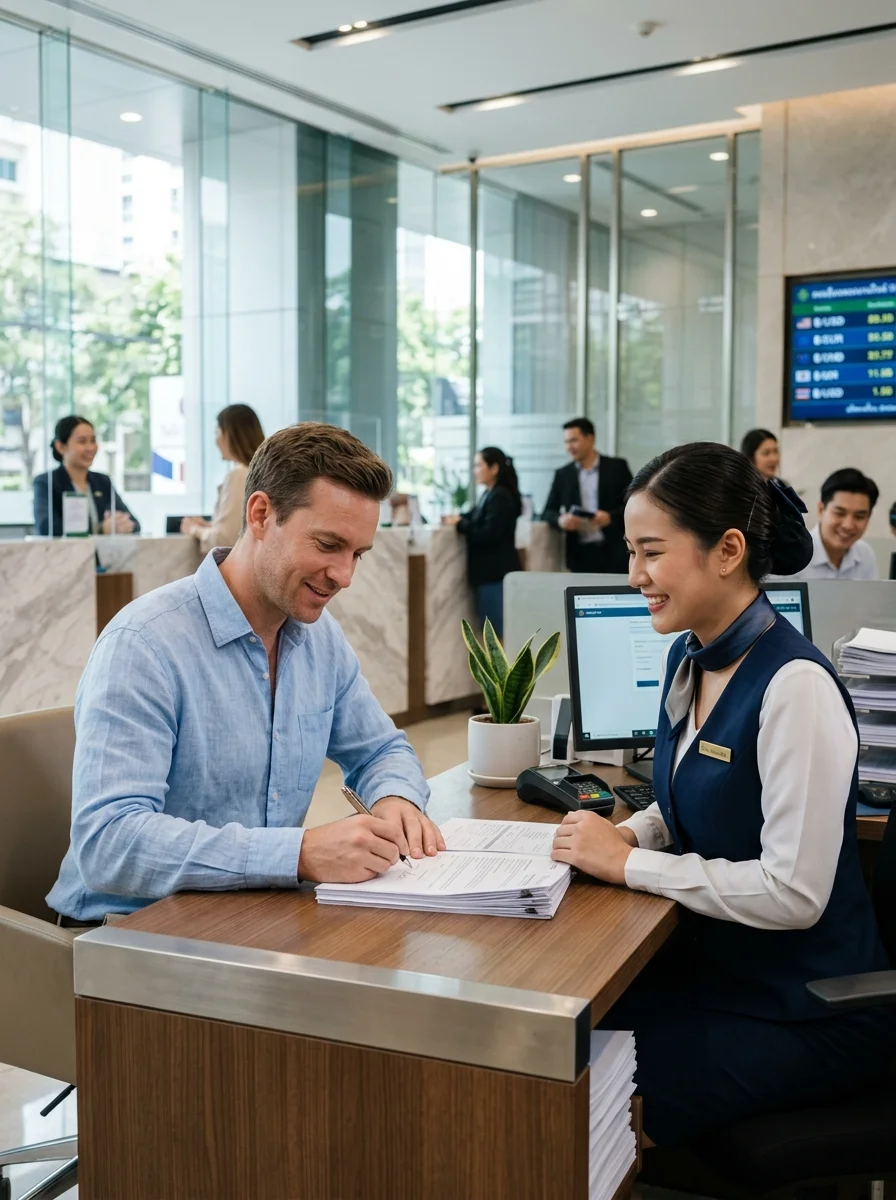
Managing your income effectively requires a strategy to minimise punitive foreign exchange fees and ATM withdrawal charges. UK debit cards incur a standard 220 THB (£4.80) fee per withdrawal at Thai ATMs, which accumulates rapidly if you rely on cash. Opening a local bank account as a remote worker on a DTV is possible but requires specific documentation. You will typically need a residency certificate from your embassy or local immigration office, your passport, and your rental agreement. Bangkok Bank and Kasikornbank are generally the most accommodating to foreign nationals. Once your local account is active, you can use international transfer services to move your GBP income into THB at mid-market exchange rates. Thailand is rapidly moving towards a cashless society. The PromptPay QR code system is used for everything from street food stalls to utility bills. Setting up this system via your Thai banking application is essential for daily transactions. Open a local bank account as soon as you secure a long-term lease to access the PromptPay network and eliminate international ATM fees.
Navigating Healthcare and Medical Insurance
Healthcare provision is a critical factor when relocating, as UK nationals lose access to free NHS treatments once they become non-residents. Thailand operates a dual-track healthcare system comprising public hospitals and premium private facilities. As a remote worker on a DTV, you will not be paying into the Thai social security system. This means you must rely entirely on private healthcare or out-of-pocket payments. Private hospitals in Bangkok offer exceptional standards of care with English-speaking specialists, but costs accumulate rapidly for serious conditions. A standard consultation costs around 1,500 THB to 2,500 THB (£33 to £55). Emergency surgery can easily exceed 500,000 THB (£11,000). Securing comprehensive international health insurance before you arrive is an absolute necessity. Look for policies that cover inpatient care, emergency evacuation, and outpatient consultations. Ensure they specifically validate long-term residency in Southeast Asia. Do not rely on standard UK travel insurance, as these policies become void once you exceed their maximum trip duration limits. Purchase a dedicated expat health insurance policy covering private inpatient care before you cancel your UK health coverage.
| Healthcare Option | Cost Expectation | Waiting Times | English Spoken |
|---|---|---|---|
| Premium Private Hospital | Very High | Minimal | Excellent |
| Mid-tier Private Hospital | Moderate | Short | Good |
| Public Hospital | Low | Long | Variable |
| International Clinic | High | Minimal | Excellent |
Costs and Budgeting
Establishing a realistic budget is crucial for sustaining a long-term remote working lifestyle in Thailand. While basic living costs are significantly lower than in the UK, maintaining a western standard of living with imported groceries and frequent air-conditioned transport will inflate your monthly expenditure. A comfortable, mid-range lifestyle in a major hub like Bangkok requires a monthly budget of between 50,000 THB and 80,000 THB (£1,100 to £1,760). This covers a modern one-bedroom apartment, high-speed internet, comprehensive health insurance, and a mix of local and international dining. Utilities are relatively cheap, though heavy reliance on air conditioning can push electricity bills up to 2,500 THB (£55) per month. You must also account for annual costs, such as visa extension fees and comprehensive health insurance premiums.
| Item | Monthly Cost (THB) | Monthly Cost (GBP approx) | Notes |
|---|---|---|---|
| Rent (1-bed apartment) | 15,000 - 25,000 THB | £330 - £550 | Varies heavily by city and proximity to transit |
| Utilities (Water, Elec) | 1,500 - 3,000 THB | £33 - £66 | Air conditioning is the primary expense |
| Internet & Mobile | 900 - 1,200 THB | £20 - £26 | Home fibre and unlimited 5G data plan |
| Food & Groceries | 12,000 - 20,000 THB | £265 - £440 | Mix of street food, cooking, and western dining |
| Transport | 2,000 - 4,000 THB | £44 - £88 | BTS/MRT passes and occasional Grab rides |
| Health Insurance | 3,000 - 6,000 THB | £66 - £132 | Comprehensive international expat policy |
| Co-working Space | 3,500 - 6,000 THB | £77 - £132 | Hot desk membership in a modern facility |
Common Mistakes and How to Avoid Them
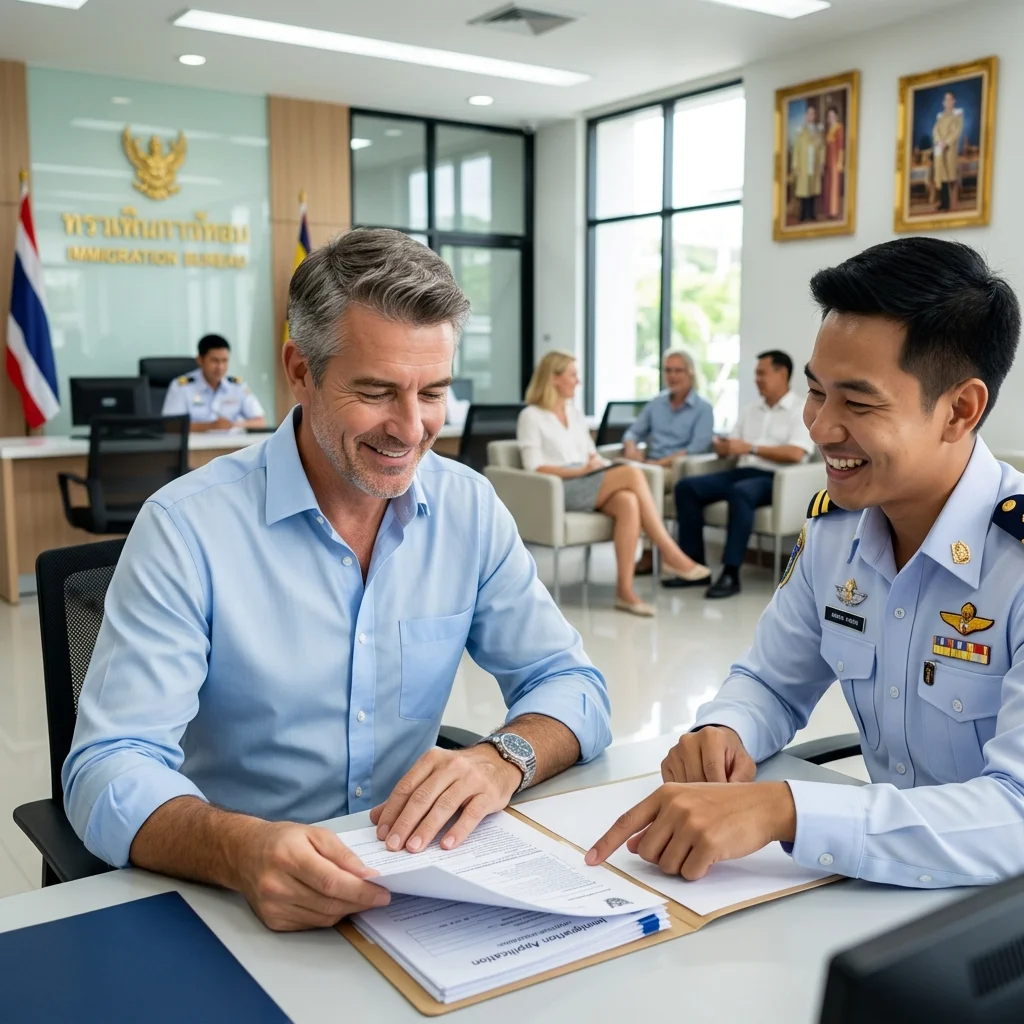
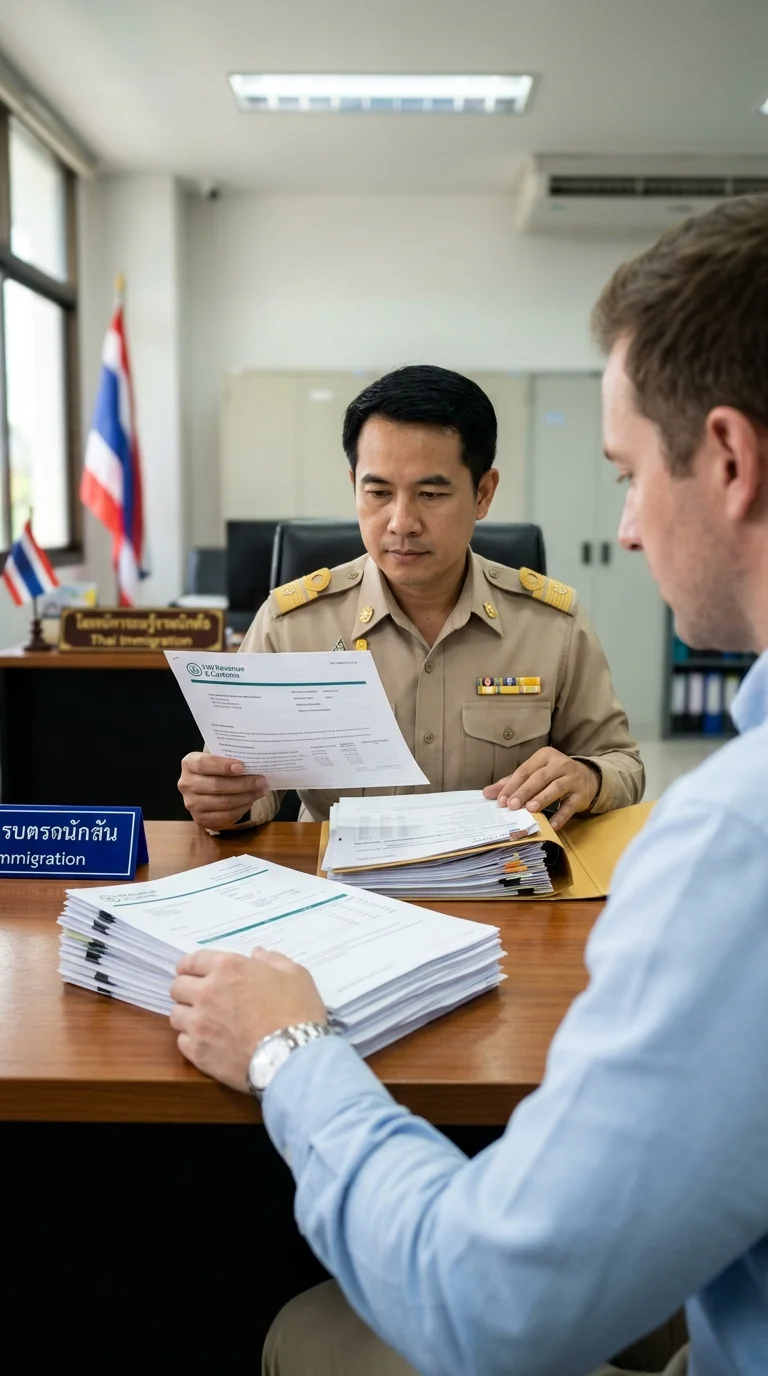
Relying on tourist visa runs instead of securing a long-term permit is a critical error. Immigration officers frequently deny entry to individuals showing back-to-back tourist entries, leaving you stranded. Apply for the Destination Thailand Visa before leaving the UK to secure your legal status.
Failing to secure comprehensive international health insurance exposes you to immense financial risk. A major accident can result in medical bills exceeding a million baht since foreigners pay entirely out-of-pocket. Purchase a policy covering long-term stays and motorcycle accidents before your arrival.
Signing a 12-month lease without viewing the property at different times leads to poor living conditions. Hidden issues like construction noise or bad mobile reception make remote work impossible. Rent a short-term apartment initially to conduct thorough in-person inspections.
Ignoring the 90-day reporting requirement is a costly administrative oversight. Failing to notify immigration of your address results in a 2,000 THB (£44) fine and potential renewal complications. Set a calendar reminder to complete this process online before the deadline.
Practical Tips

Buy a local SIM card at the airport upon arrival and register it using your UK passport. You will need a Thai phone number immediately to use ride-hailing applications like Grab and to contact letting agents.
Join local Facebook groups specific to your chosen Thai city. These communities serve as the fastest way to buy second-hand monitors, find reliable visa agents, and source personal recommendations for medical clinics.
Obtain a TM30 receipt from your landlord within 24 hours of moving into your permanent accommodation. This document proves your residential address and is a strict legal requirement for opening a bank account.
Bring an unlocked dual-SIM smartphone from the UK. This allows you to keep your UK number active for banking authentication texts while using your Thai SIM for local 5G data.
Download the Line messaging application before you board your flight to Southeast Asia. This platform is the primary communication method in Thailand, used for everything from contacting landlords to ordering groceries.
Retain your UK bank accounts and use a travel card like Monzo for your initial weeks. Having a backup UK card is essential in case your primary card is swallowed by a Thai ATM.
Invest in a high-quality VPN service before leaving the UK. This ensures you can still access UK banking services that geographically block connections originating from foreign IP addresses.
Quick Reference Table
| Item | Detail | Notes |
|---|---|---|
| Primary Visa Route | Destination Thailand Visa (DTV) | 5-year validity, multiple entry |
| Financial Requirement | 500,000 THB (£11,000) | Must be held in a bank account at application |
| Average Monthly Cost | 50,000 - 80,000 THB (£1,100 - £1,760) | Based on a comfortable, western lifestyle |
| Standard Lease Term | 12 Months | Requires a 2-month security deposit |
| Healthcare Requirement | Private Health Insurance | Public system charges foreigners out-of-pocket |
| Top Cities for Nomads | Bangkok, Chiang Mai, Phuket | Chiang Mai has seasonal air quality issues |
| Primary App | Line | Essential for all local communication |
| Payment System | PromptPay (QR Code) | Requires a local Thai bank account |