Relocating on a Retirement Visa

Securing a Non-Immigrant OA retirement visa for Thailand requires proving an ongoing monthly income of 65,000 THB (£1,400) or holding a lump sum of 800,000 THB (£17,300) in a Thai bank account. The application process dictates your exact relocation timeline, taking approximately six to eight weeks when initiated via the Thai Embassy in London.
This page details the exact financial, medical, and administrative requirements for UK nationals applying for a Thai Retirement Visa. You will learn how to navigate the strict bank deposit seasoning rules, understand mandatory health insurance minimums, and manage your 90-day reporting obligations. This guide is specifically for retirees aged 50 and over seeking long-term residency. It is not for digital nomads, younger expats, or those planning to work, as employment is strictly prohibited.

Visa Qualification and Application Routes
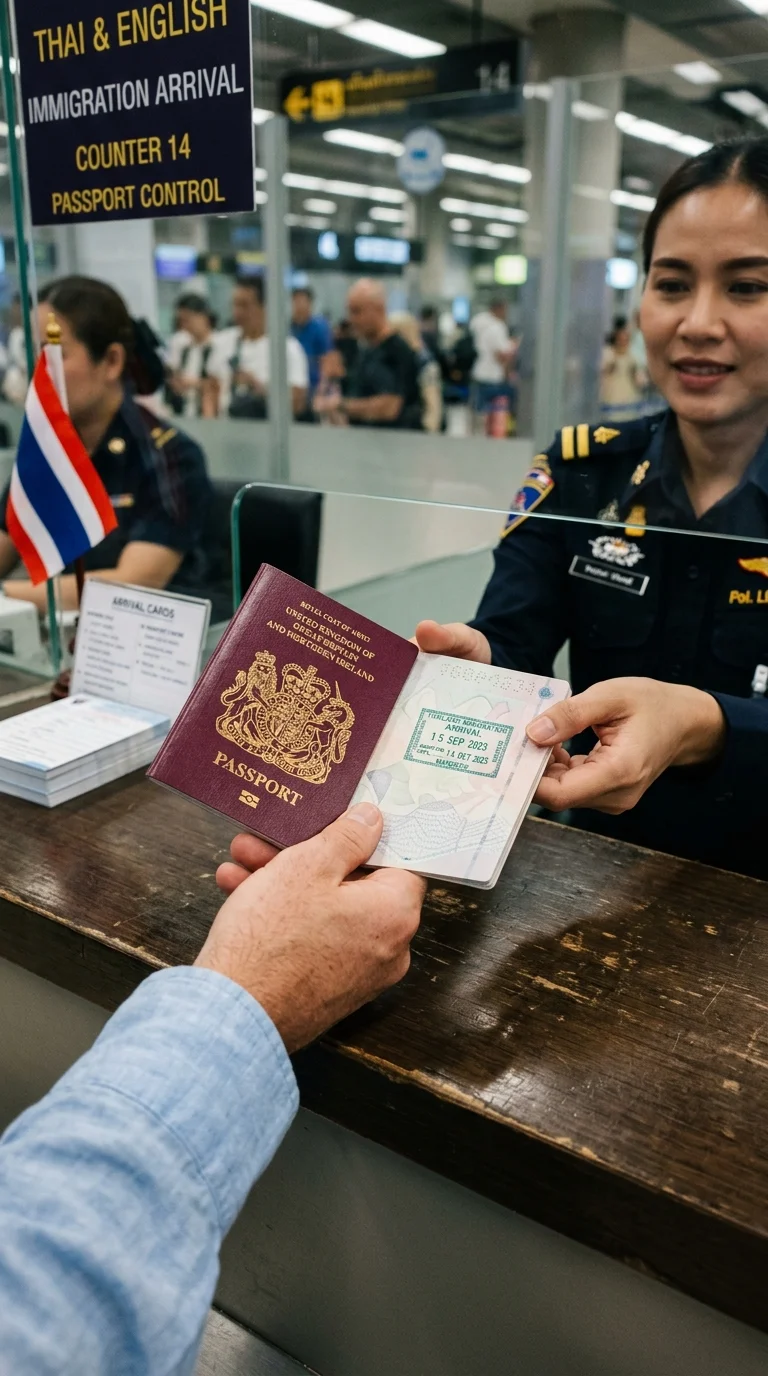
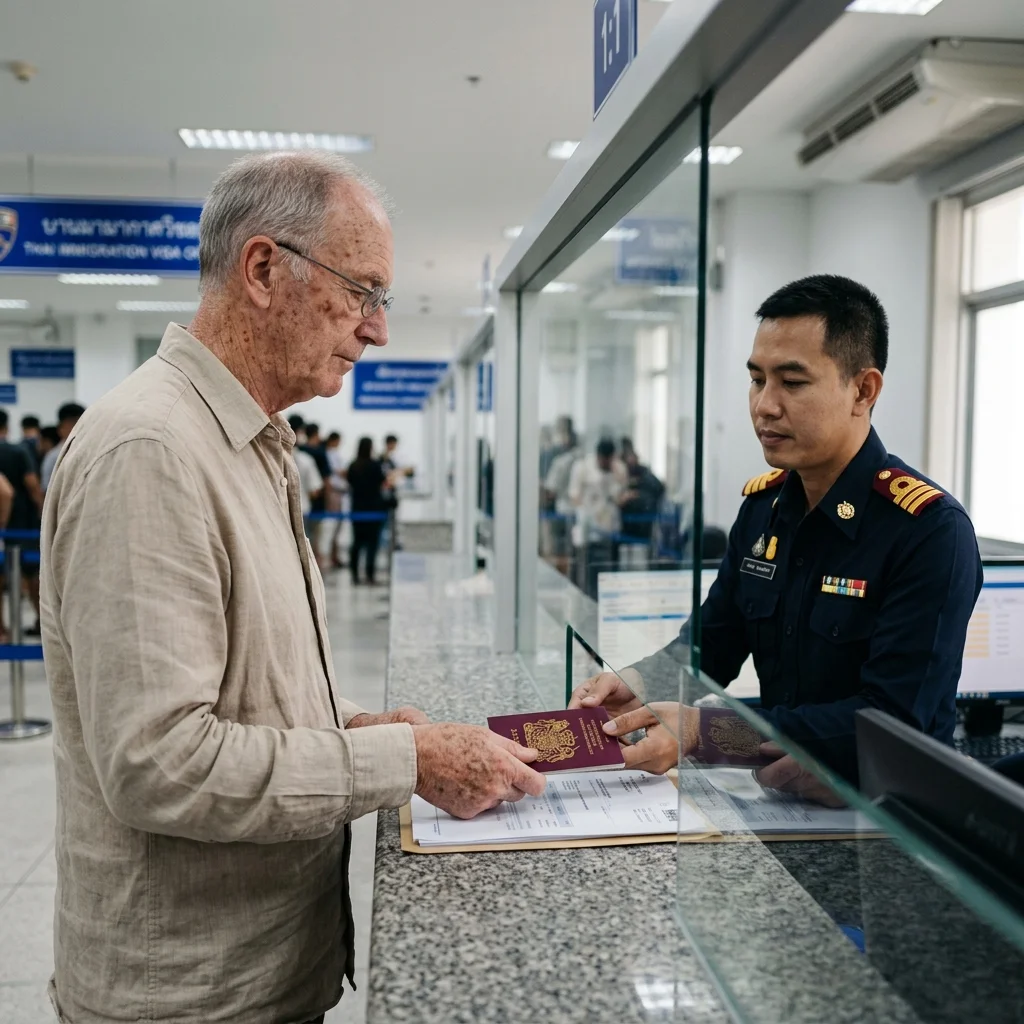
The Non-Immigrant OA visa forms the legal foundation for retiring in Thailand, available exclusively to applicants aged 50 or over on the day of submission. UK nationals have two primary pathways to secure this status. You can apply directly through the Thai Embassy in London via the official e-Visa system, or enter Thailand on a standard 60-day tourist exemption and convert your status locally. Applying from the UK requires submitting your passport, financial proof, and background checks digitally. This method generally processes within four to six weeks. Entering as a tourist and converting in-country bypasses the need for a UK police check. However, this route requires opening a Thai bank account and transferring funds while on a short-term entry stamp. This can be highly stressful because Thai banks increasingly refuse to open accounts for tourists without a long-term visa. Immigration offices in popular retirement hubs process thousands of these conversions annually using the TM87 form. They demand absolute precision in your paperwork and require at least 15 days remaining on your entry stamp. Converting in-country forces you to manage tight deadlines before your initial tourist stamp expires. Choose the route that aligns best with your timeline and tolerance for administrative pressure.
Plan your retirement in Thailand with our complete guide for UK nationals. Explore visa requirements, monthly living costs, healthcare, and pension rules.
| Application Route | UK Embassy e-Visa | In-Country Conversion |
|---|---|---|
| Processing Time | 4 to 6 weeks | 3 to 4 weeks |
| Key Advantage | Arrive in Thailand with your long-stay status already secured. | Bypasses the need for an ACRO criminal background check. |
| Major Drawback | Requires a formal UK police background check and UK medical certificate. | Requires navigating Thai bank account setup on a short-term tourist stamp. |
Financial Requirements and the Seasoning Rule
Sponsored

Proving your financial stability is the most heavily scrutinised aspect of the Thai retirement visa process. You must choose between two distinct financial maintenance routes. The first is demonstrating a minimum monthly pension or income of 65,000 THB (£1,400) landing consistently in a Thai bank account. The second option requires holding a lump sum deposit of 800,000 THB (£17,300) in a domestic Thai bank. If you opt for the lump sum method, you are legally bound by the strict "seasoning rule". This mandate dictates that the full 800,000 THB must clear into your Thai account at least two months before your initial application. For subsequent annual renewals, this money must sit untouched for three months prior to application. It must also remain above the threshold for three months after approval. Immigration officers will verify your bank passbook line by line. They also require a formal guarantee letter from your Thai bank branch manager dated on the exact day of your application. Joint accounts are frequently rejected by immigration officers, so you must hold the funds in an individual account in your name only. If your balance drops to 799,999 THB during the mandated seasoning period, your visa extension will be denied immediately. Maintaining absolute control over this specific account is non-negotiable for long-term residents.
| Financial Route | Monthly Income | Lump Sum Deposit |
|---|---|---|
| Minimum Requirement | 65,000 THB (£1,400) per month | 800,000 THB (£17,300) total |
| Required Documentation | 12 months of domestic bank statements showing international transfers. | Updated bank passbook and a branch manager guarantee letter. |
| Best Suited For | Retirees with a strong, consistent monthly private or state pension. | Expats using savings who want to avoid monthly transfer paperwork. |
Mandatory Documentation and Health Insurance

Compiling the correct supporting documentation is critical, as Thai immigration routinely rejects applications for minor discrepancies in dates or missing official stamps. Applicants using the Non-Immigrant OA route from the UK must provide a clear criminal background check from the ACRO Criminal Records Office. This certificate must be issued within three months of the application date. You also need a specific medical certificate from a UK doctor. This document must confirm you do not suffer from leprosy, tuberculosis, drug addiction, elephantiasis, or third-stage syphilis. Furthermore, the OA visa mandates adequate health insurance for the entire duration of your stay. The current legal minimum coverage dictates an outpatient benefit of at least 40,000 THB (£860) and an inpatient benefit of 400,000 THB (£8,650). These figures are dangerously low for actual private medical care in Thailand. Policies must be purchased from an approved provider listed by the Thai General Insurance Association. Alternatively, you can use an equivalent foreign policy that explicitly states it meets Thai immigration requirements. Without an active, qualifying insurance certificate, your visa will not be issued or renewed. Always secure comprehensive medical cover that realistically matches private hospital costs in locations like Bangkok or Pattaya.
| Insurance Type | Thai Basic Minimum | Comprehensive International |
|---|---|---|
| Typical Monthly Premium (THB) | 2,500 - 4,000 THB | 8,000 - 15,000 THB |
| Immigration Compliant | Yes, meets the legal baseline for the OA visa. | Yes, if accompanied by the correct foreign insurance certificate. |
| Coverage Reality | Highly insufficient for major surgeries or serious illnesses. | Provides realistic coverage for top-tier private hospitals in Thailand. |
The Annual Renewal and 90-Day Reporting Cycle
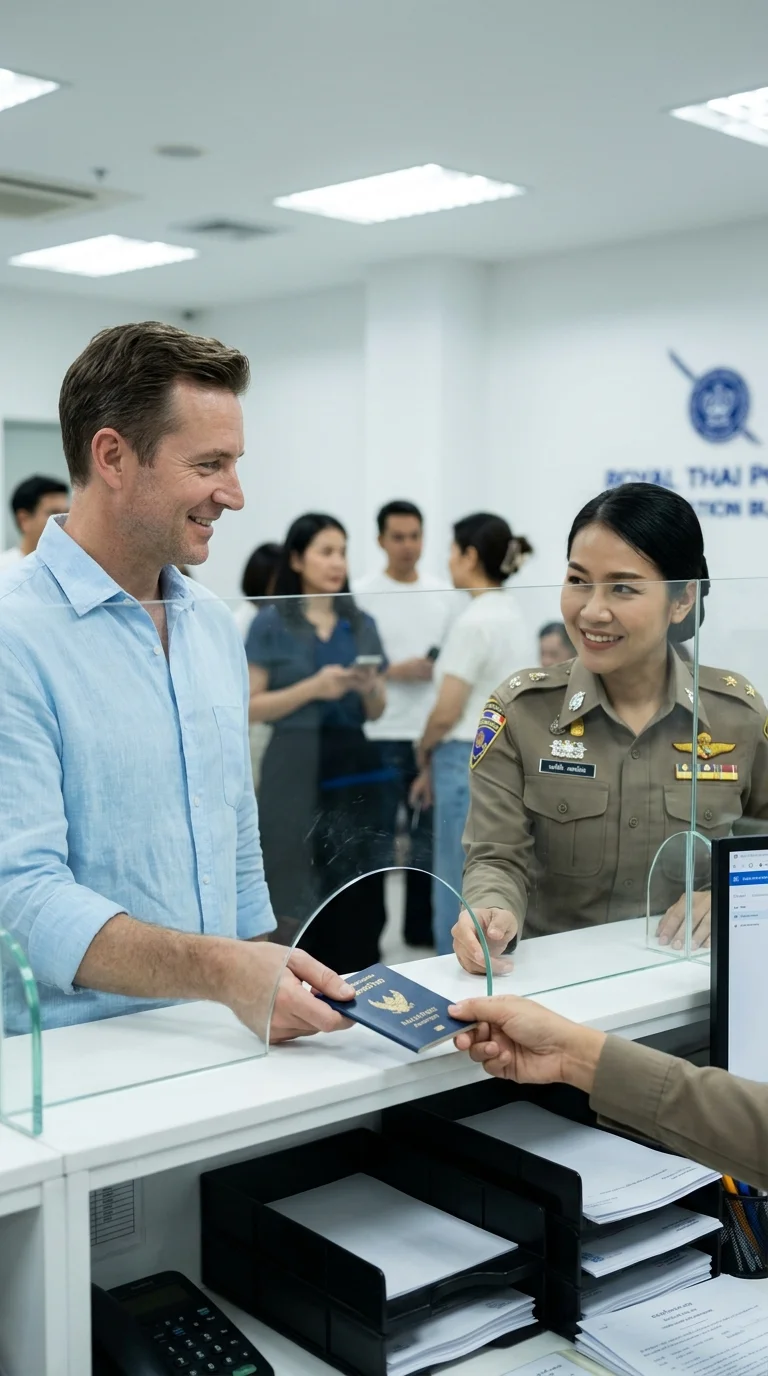
Securing your initial retirement visa is merely the beginning of an ongoing administrative relationship with Thai Immigration. Your visa grants permission to stay for one year, requiring an annual extension application using form TM7. You must submit this extension request at your local immigration office within the final 30 days of your current visa's validity. Alongside the annual renewal, you are legally required to confirm your residential address every 90 days. This 90-day reporting obligation is entirely separate from your visa extension. It must be completed continuously, either in person, via a registered agent, or through the official Thai Immigration online portal. The online system frequently experiences technical downtime. You should always be prepared to visit your local office with a completed TM47 form just in case. Failing to report your address results in an immediate fine of 2,000 THB (£43). This penalty increases to 5,000 THB (£108) if you are arrested for any other reason while non-compliant. Mark both your visa expiry date and your 90-day reporting windows clearly on your calendar to avoid unnecessary fines.
Accommodation and Setting Up Your Thai Base
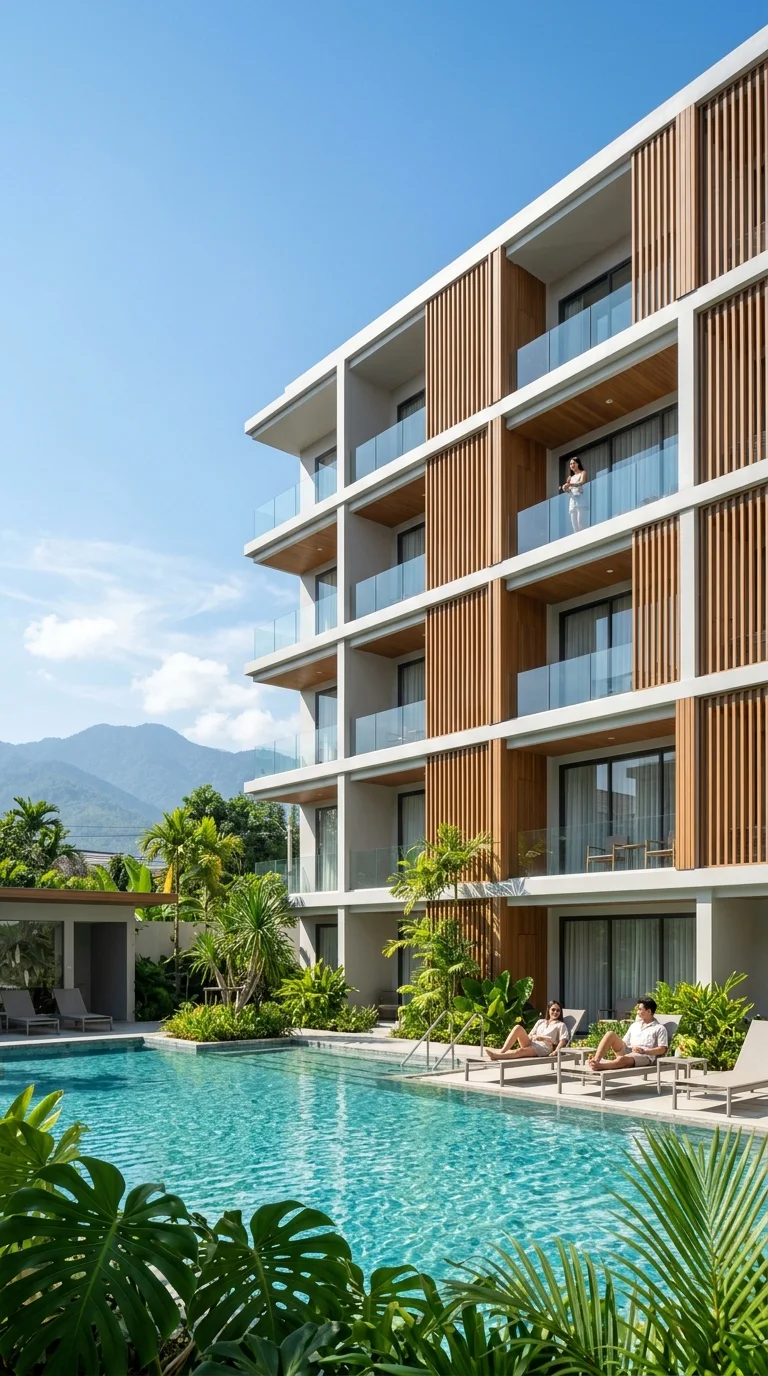
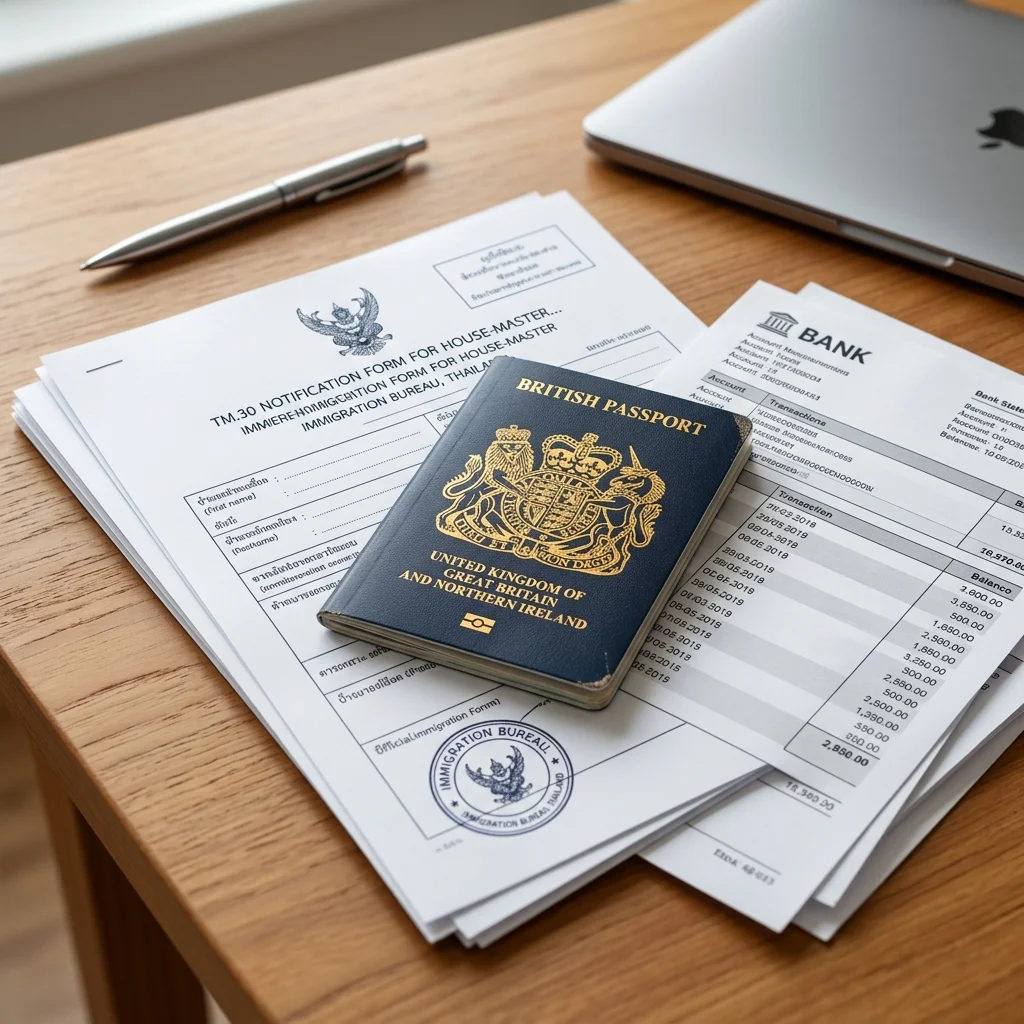
Finding a long-term rental requires understanding the local leasing market, as you will need a formal rental contract to satisfy immigration address requirements. Most landlords in popular expat hubs require a standard 12-month lease. This is typically secured with a security deposit equivalent to two months of rent plus the first month paid in advance. A comfortable one-bedroom apartment in Chiang Mai averages 15,000 THB (£325) per month. A similar property in central Bangkok or Phuket will cost upwards of 25,000 THB (£540). When signing a lease, ensure the landlord agrees to file a TM30 form on your behalf. The TM30 is a strict legal requirement where the property owner must notify immigration of a foreigner residing at their address within 24 hours of arrival. Without the official TM30 receipt stapled into your passport, immigration officers will refuse to process your 90-day reports. Always insist on seeing the physical title deed and the owner's ID card before transferring any deposit money. Never sign a lease with a landlord who refuses to register your presence with the local authorities.
| Location | Average Rent 1-Bed (THB) | Lifestyle Vibe | Immigration Office Accessibility |
|---|---|---|---|
| Chiang Mai | 12,000 - 18,000 THB | Relaxed, culturally rich, cooler mountain climate. | Very accessible, large dedicated expat processing queues. |
| Bangkok | 20,000 - 35,000 THB | Fast-paced, highly connected, premium medical care. | Requires travelling to the large Chaeng Watthana complex. |
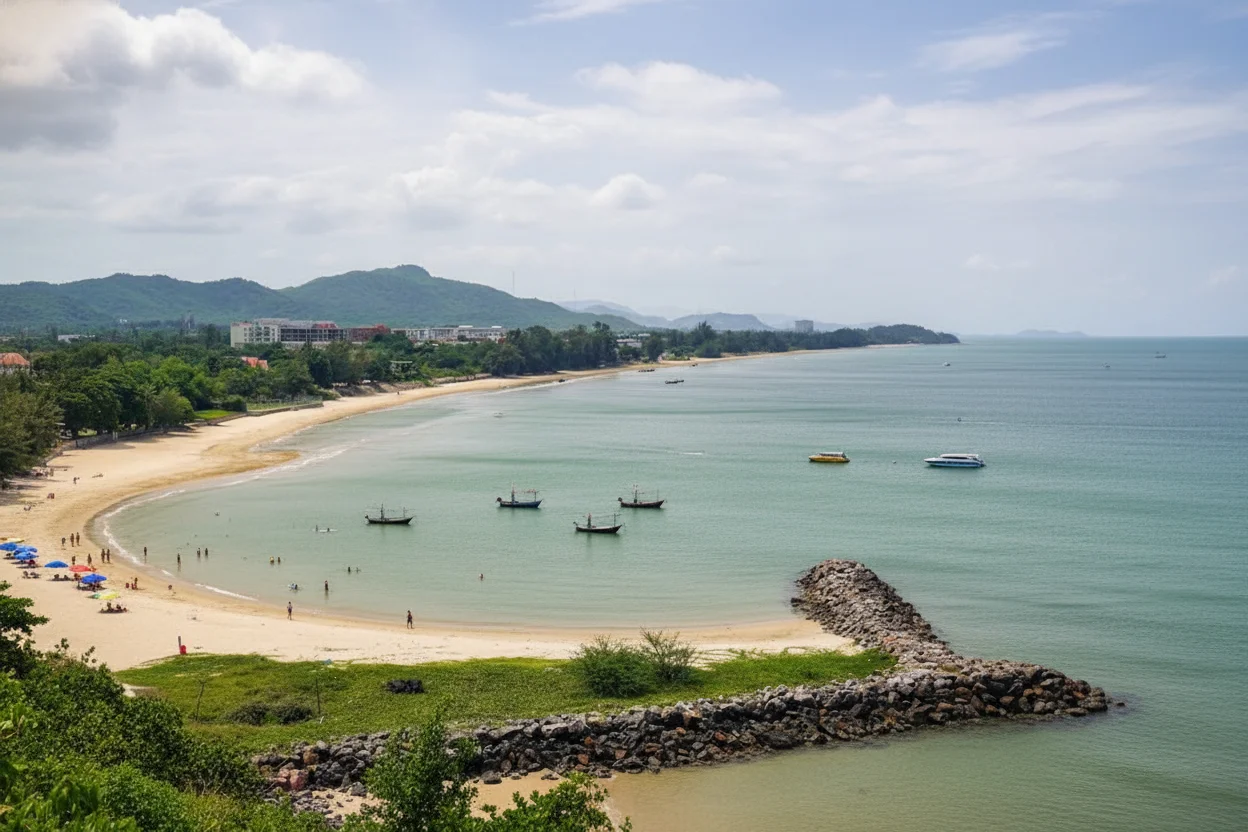
| Hua Hin | 15,000 - 22,000 THB | Coastal, quiet, heavily populated by older UK retirees. | Highly accessible central office accustomed to UK expats. |
Costs and Budgeting
Retiring in Thailand offers excellent value, but accurately forecasting your monthly expenditure ensures you never risk dropping below the financial requirements of your visa. While local street food and public transport remain highly affordable, maintaining a Western standard of living increases costs significantly. Renting a modern apartment, running air conditioning daily, and shopping for imported groceries at supermarkets will push your budget higher. Healthcare is a crucial ongoing expense. While minor clinic visits cost around 1,000 THB (£21), comprehensive health insurance premiums rise sharply for expats over 60. You must also account for annual visa extension fees of 1,900 THB (£41) and the cost of multiple-entry permits if you plan to travel regionally. A realistic baseline budget for a single retiree living comfortably in a location like Hua Hin or Chiang Mai ranges from 50,000 to 70,000 THB per month. Understanding these outgoings helps preserve your mandatory bank balances.
| Item | Monthly Cost (THB) | Monthly Cost (GBP approx) | Notes |
|---|---|---|---|
| Rent (1-Bed Apartment) | 15,000 - 25,000 THB | £325 - £540 | Varies heavily by city and proximity to public transport. |
| Utilities (Electric, Water, Internet) | 3,000 - 5,000 THB | £65 - £108 | Air conditioning usage drives the majority of the electricity bill. |
| Groceries and Dining Out | 15,000 - 20,000 THB | £325 - £430 | Assumes a mix of local markets and imported Western goods. |
| Health Insurance Premium | 8,000 - 15,000 THB | £170 - £325 | Highly dependent on age and pre-existing conditions. |
| Transport | 3,000 - 6,000 THB | £65 - £130 | Covers local taxis, BTS/MRT passes, or scooter fuel. |
Common Mistakes and How to Avoid Them
Mismanaging the bank seasoning period. Expats often withdraw funds from their 800,000 THB deposit too soon after their visa is granted, breaching the maintenance rule. Keep your retirement fund in a dedicated, untouched account and use a separate account for daily expenses.
Ignoring the TM30 reporting requirement. Returning from a weekend trip without ensuring your landlord files a new TM30 form leaves your immigration file incomplete. Remind your landlord to submit the TM30 and demand the receipt slip for your passport.
Underestimating health insurance premiums. Retirees frequently budget for initial insurance costs but fail to account for steep premium hikes that occur as they age. Secure a policy with a guaranteed lifetime renewal clause from a reputable provider early.
Letting the 90-day report slip. Forgetting to file your address report leads to unnecessary fines and a black mark on your immigration record. Set an alarm on your phone for two weeks before the due date and submit the TM47 form immediately.
Practical Tips

Open two separate Thai bank accounts immediately upon arrival. Use one exclusively to hold your 800,000 THB visa deposit so you never accidentally drop below the mandatory threshold.
Register for the Thai Immigration online portal as soon as you have your first extension. This system allows you to file your 90-day reports from home, saving you a full day of queuing at local government offices.
Carry a photocopy of your passport and visa stamp at all times. Thai law requires foreigners to carry identification, but losing your physical passport creates a massive administrative headache with immigration.
Use a specialised currency transfer service rather than high street banks when moving your pension. Providers offer the mid-market exchange rate, saving you hundreds of pounds annually on transfer fees.
Join local expat social media groups for your specific city before you arrive. These communities provide real-time updates on which local immigration officers are currently demanding specific extra paperwork.
Keep every single bank slip and ATM receipt when transferring money into Thailand. Immigration officers often ask for a complete paper trail proving your income originated from overseas rather than domestic employment.
Set up a local mobile contract using your passport and rental contract. A post-paid plan ensures you always have data access to show your digital documents or translate conversations at government offices.
Move abroad with confidence — get a free Thailand relocation plan from expat specialists.
Quick Reference Table
| Item | Detail | Notes |
|---|---|---|
| Visa Route | Non-Immigrant OA (Retirement) | Must be aged 50 or over on the day of application. |
| Minimum Income | 65,000 THB (£1,400) monthly | Funds must originate from overseas and clear into a Thai bank. |
| Minimum Savings | 800,000 THB (£17,300) lump sum | Must sit untouched in a Thai bank account to meet seasoning rules. |
| Average Monthly Cost | 50,000 - 70,000 THB (£1,080 - £1,500) | Covers a comfortable Western lifestyle including health insurance. |
| Typical Lease Terms | 12 months minimum | Requires a two-month deposit plus one month paid upfront. |
| Healthcare Options | Private health insurance mandatory | Must meet specific inpatient and outpatient financial minimums. |
| Best Areas for Expats | Chiang Mai, Hua Hin, Pattaya, Phuket | High concentration of English-speaking medical and legal services. |
| Language Considerations | Thai language not legally required | Basic phrases are highly recommended for dealing with landlords. |
| Reporting Duties | Every 90 days | Can be done online, by post, or in person at immigration. |