Moving to Thailand from the UK
Securing a long-term visa for Thailand from the UK requires a minimum bank balance of up to £17,700 for options like retirement, meaning financial preparation must begin months before departure. Failing to align your relocation timeline with these strict financial checks can delay your moving plans indefinitely.
This guide outlines the exact operational steps required for UK citizens moving to Thailand, covering visa selection, shipping logistics, and your first month of administrative setup. It is designed for remote workers, retirees, and professionals who have committed to relocating and need a practical checklist to execute their move. It does not cover casual tourism or short-term backpacking trips.

Choosing Your Visa Route

Selecting the correct visa determines your legal stability, your taxation status, and whether you can legally open a local bank account. Do not rely on visa-exempt entries. To transition from the UK, you must apply for a visa before leaving, as short-term options will complicate your long-term setup. Retirees aged 50 and over often choose the Non-Immigrant O-A visa, which requires a deposit of 800,000 THB (£17,700) in a Thai bank or a proven monthly income of 65,000 THB (£1,440). This is a strict requirement. For remote workers and digital nomads, the newly introduced Destination Thailand Visa (DTV) allows a five-year stay with multiple entries, requiring proof of 500,000 THB (£11,000) in liquid assets. If you secure employment with a Thai company, they must sponsor your Non-Immigrant B visa and subsequent work permit, establishing a minimum monthly salary threshold of 50,000 THB (£1,100) for UK nationals. Each route has distinct document requirements. These include UK police clearance certificates and medical checks, which require legalization by the Foreign, Commonwealth & Development Office (FCDO) before submission. The application takes up to six weeks. Do not book flights until your visa is issued.
Plan your move to Thailand with our comprehensive UK expat guide. Discover visa routes, living costs, accommodation tips, and how to set up banking and healthc…
Assess your financial eligibility early to ensure you can meet the strict deposit timelines required by your chosen visa class.
What to Pack and How to Ship Your Belongings
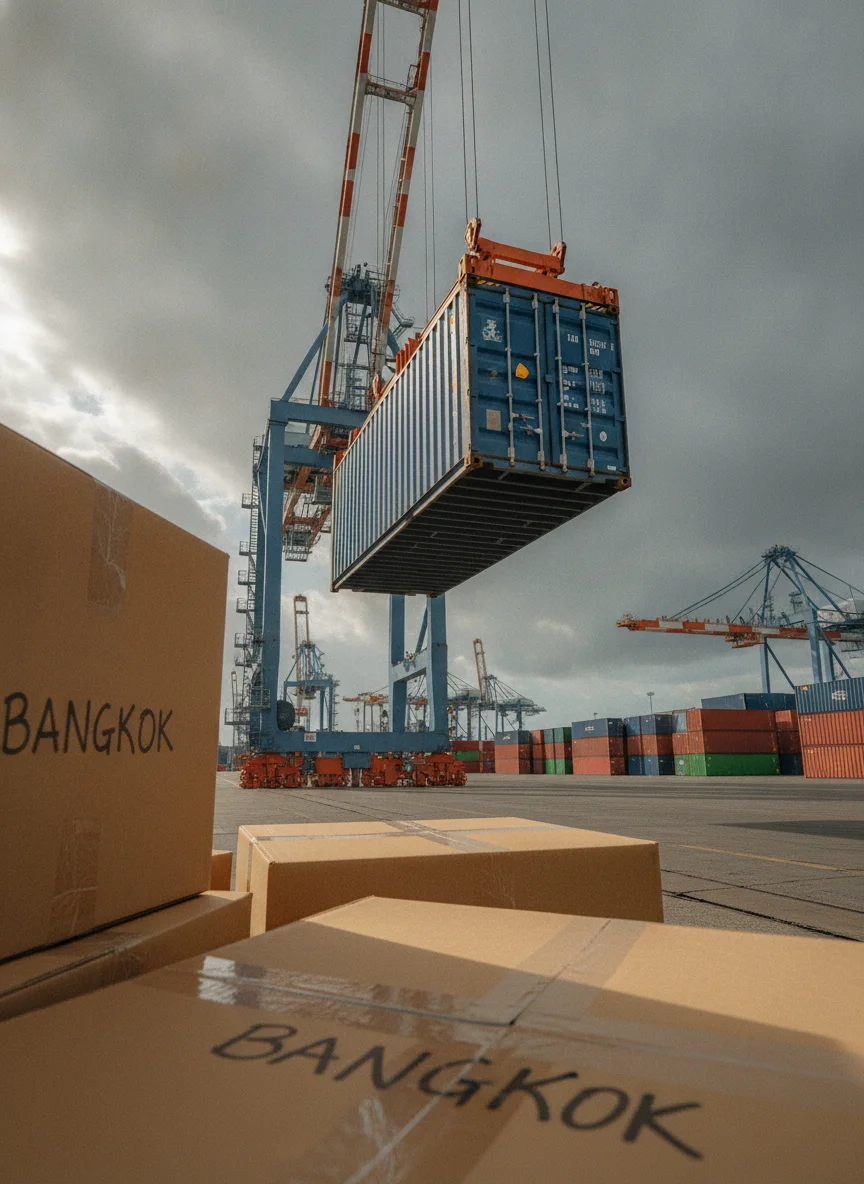
Shipping household goods to Thailand can incur high import duties unless you possess a valid work permit or retirement visa that qualifies you for a duty-free concession. Evaluate your options carefully. Transporting your entire life across continents is rarely cost-effective, so you must decide what to bring versus what to purchase locally. Thailand has a highly accessible retail market. High-quality furniture and electronics are widely available at lower prices than in the UK. Electrical appliances from the UK will work in Thailand as both countries use 220-240V, but you will need plug adapters. Standard shipping of a 20-foot container from the UK to Bangkok costs between 135,000 THB (£3,000) and 225,000 THB (£5,000). This process takes up to eight weeks. If you do not qualify for duty-free status, Thai customs may levy duties ranging from 10% to 30% on your used items, plus a 7% Value Added Tax (VAT). Most successful expats travel light. They carry only personal effects, essential electronics, and sentimental items in their accompanied baggage. Importing pets from the UK involves strict quarantine clearances and import permits issued by the Bangkok Animal Quarantine Station at Suvarnabhumi Airport.
Sell your large furniture items in the UK and buy replacements locally to avoid excessive customs duties and shipping fees.
| Shipping Option | Typical Cost (THB / GBP) | Processing Time | Best Suited For |
|---|---|---|---|
| Accompanied Baggage | 2,250 - 9,000 THB (£50 - £200) per extra bag | Immediate | Clothes, personal electronics, and immediate essentials |
| Air Freight | 22,500 - 45,000 THB (£500 - £1,000) for 50kg | 5 - 10 days | Valuable documents, delicate equipment, and urgent personal effects |
| Shared Container (LCL) | 45,000 - 90,000 THB (£1,000 - £2,000) | 6 - 8 weeks | Books, specialized kitchenware, and sentimental items |
| Full Container (FCL) | 135,000 - 225,000 THB (£3,000 - £5,000) | 6 - 8 weeks | Complete household moves for those with duty-free exemptions |
Arrival Logistics and TM30 Registration

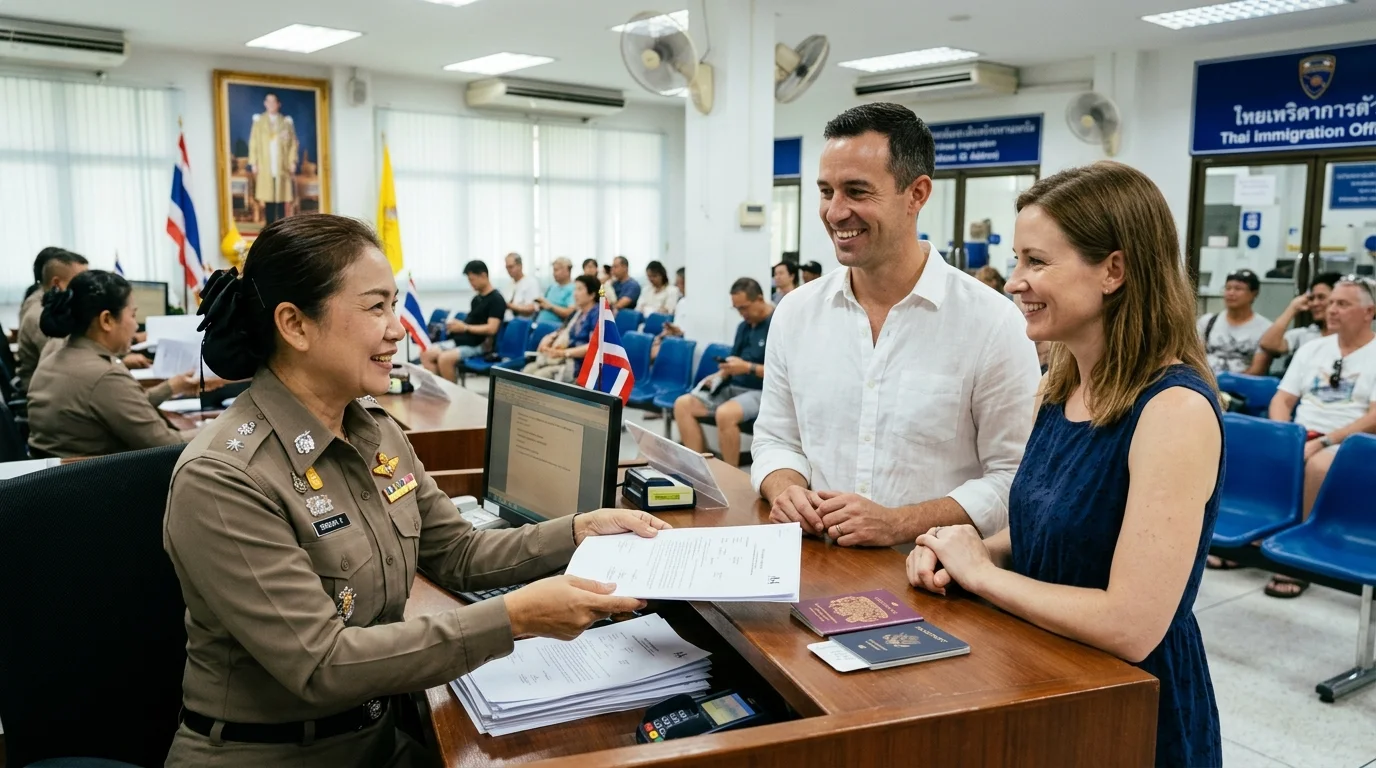
Your immediate priority upon landing is ensuring your landlord files a TM30 address notification within 24 hours of your arrival. This is a legal requirement. The TM30 is a mandatory report that notifies the Thai Immigration Department of where foreign nationals are staying. If you check into a hotel, the management handles this automatically. Private rentals require landlord action. You must obtain a physical copy of this registration from your landlord, as you will need the TM30 receipt for every administrative task that follows. This includes opening bank accounts, obtaining a Thai driving license, and extending your visa. Keep your arrival documents safe. Upon landing, ensure you receive the correct entry stamp in your passport. Renting a temporary apartment for your first two weeks allows you to inspect potential neighborhoods and secure a long-term contract in person. Do not sign a long-term lease without physically inspecting the unit, checking the water pressure, and testing the air conditioning. Landlords submit this report online, and failure to comply can result in fines during visa extensions.
Request your physical TM30 receipt from your landlord immediately upon moving in, as you cannot proceed with local administration without it.
Practical Setup: Banking, SIM Cards, and Utilities
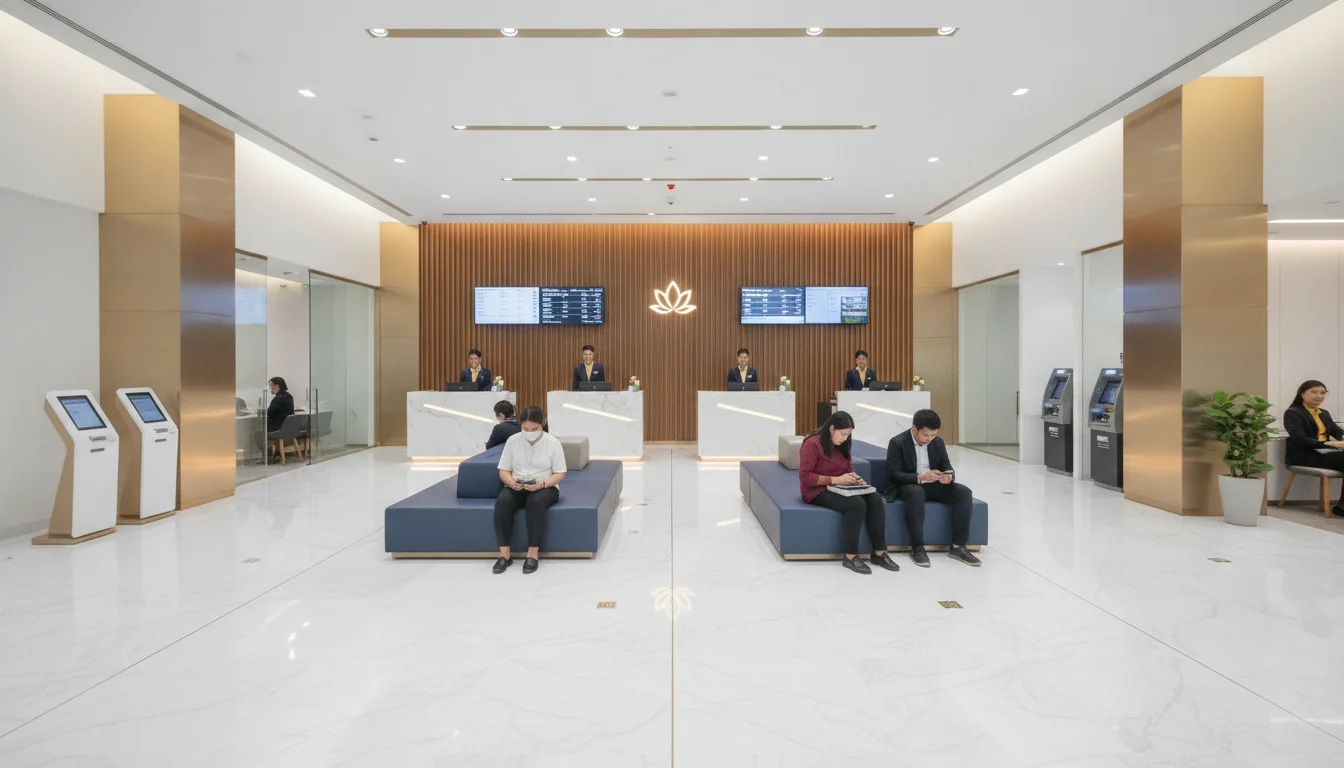
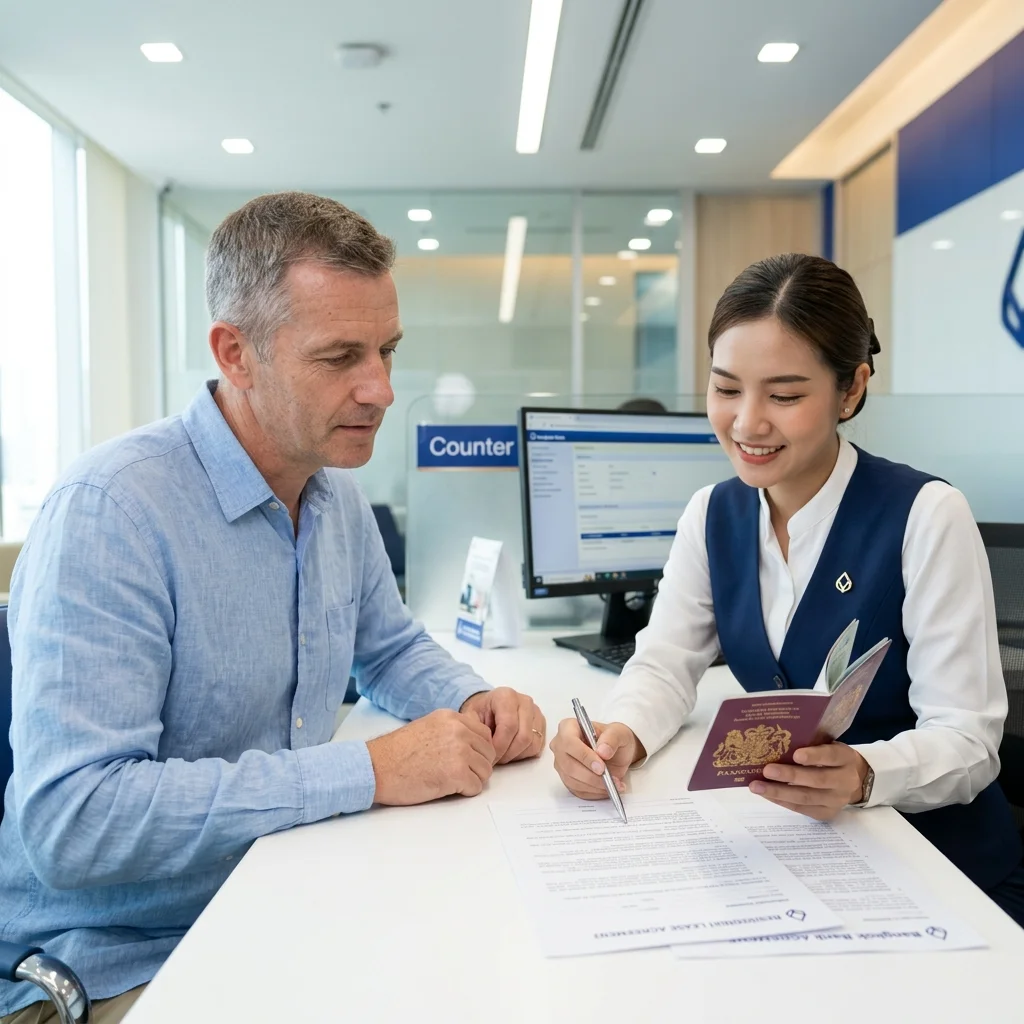
Setting up your financial and digital infrastructure during your first week avoids expensive foreign transaction fees and keeps you connected. Local banking is crucial. Opening a Thai bank account can be challenging for UK nationals on short-term visas, but it is direct once you have a long-term visa, a lease, and your TM30. Bangkok Bank and Kasikornbank are generally the most accommodating to British citizens. They often require a minimum initial deposit of 500 THB (£11) and a small annual debit card fee. For mobile connectivity, buy a physical SIM or eSIM at the airport from AIS or TrueMove. Do not buy long-term plans there. Visit a major branch in a shopping mall to transition to a monthly contract, which costs around 450 to 900 THB (£10 to £20) for unlimited 5G data. Managing utilities is highly digitized. You can pay your electricity and water bills directly through your Thai banking app using QR codes. This eliminates the 220 THB (£5) fee charged by Thai ATMs for using international cards.
Secure a registered lease of at least six months to satisfy the strict documentation requirements of major Thai retail banks.
Accessing Healthcare and International Insurance
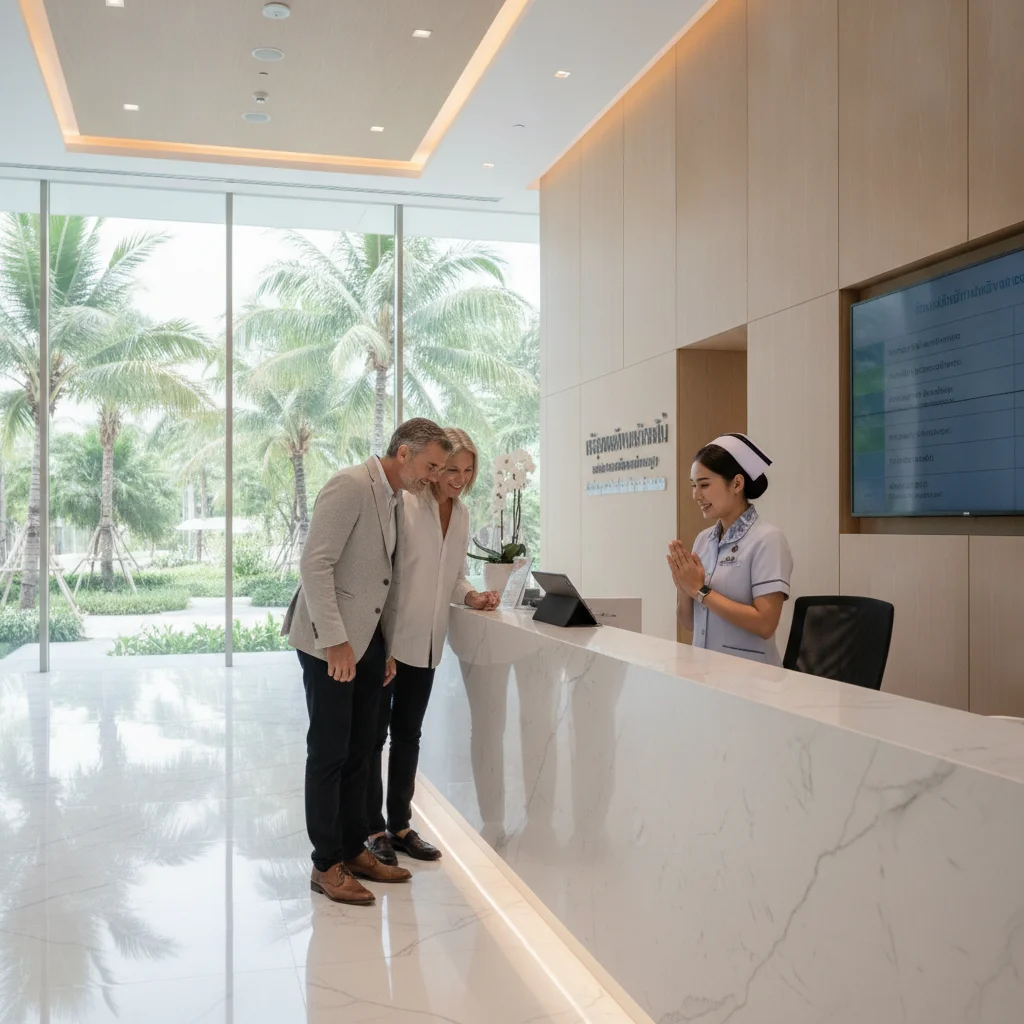
Securing private health insurance is an absolute necessity for UK expats as you cannot access subsidized Thai state medical care. Do not neglect this. Thai public hospitals provide high-quality medical services but are often severely congested and require cash payments upfront from non-citizens. Private hospitals in Thailand, particularly in Bangkok and Chiang Mai, offer exceptional diagnostic facilities and fluent English-speaking doctors, but treatment costs are high. An emergency surgery or unexpected inpatient stay can easily exceed 450,000 THB (£10,000). This makes private cover vital. When applying for long-term retirement visas, the Thai government mandates specific minimum health insurance coverage levels, which must be verified via an approved insurer. Purchase an international expat policy while still in the UK or immediately upon arrival. This guarantees coverage for medical evacuation if you relocate to remote island regions. Most local insurers offer tailor-made packages for expats starting around 45,000 THB (£1,000) per year for basic inpatient care. Rates scale upward based on your age and pre-existing medical conditions.
Purchase a comprehensive expat health insurance policy before your departure to satisfy visa requirements and protect against sudden medical expenses.
The Departure to First Month Timeline

A structured timeline spanning the sixty days before your departure and your first thirty days in Thailand prevents critical regulatory lapses. Preparation must begin early. Your planning should start in the UK at least eight weeks before your scheduled departure date. This window allows ample time to gather medical certificates, apply for your visa, and obtain FCDO legalizations for your documents. You should also notify HMRC of your departure using form P85 to manage your UK tax status. Do not delay this task. Once you arrive in Thailand, your first fortnight must be dedicated to administrative tasks that require physical visits, such as condo viewings and bank setup. By week three, you should register your residence at the local immigration office and apply for a Thai driving license. By the end of your first month, your administrative loop should be closed. This leaves you free to focus on adjusting to your new professional or retirement routine.
Stick to a rigid weekly checklist during your transition period to avoid rushing through mandatory administrative appointments.
| Timeline Phase | Key Actions Required | Relevant Authorities / Entities | Estimated Costs (THB / GBP) |
|---|---|---|---|
| 60 Days Before | Secure visa, request UK police checks, notify HMRC | Royal Thai Embassy, FCDO, HMRC | 13,500 THB (£300) visa & admin fees |
| 30 Days Before | Book flights, arrange temporary lodging, pack | Airlines, booking platforms | 27,000 - 45,000 THB (£600 - £1,000) flight |
| Week 1 in Thailand | File TM30, view condos, buy local SIM card | Landlord, mobile operators | 900 THB (£20) for SIM and transport |
| Week 2 in Thailand | Sign long-term lease, open Thai bank account | Estate agents, local bank branch | 2-month deposit + 1-month rent |
| Week 3 - 4 in Thailand | Apply for Thai driving license, register utilities | Department of Land Transport | 1,350 THB (£30) for licensing |
Costs and Budgeting
Living comfortably in Thailand is highly achievable on a UK pension or remote salary, but costs vary dramatically between regions. Location dictates your budget. Bangkok and Phuket represent the upper end of the price spectrum, while Chiang Mai and regional hubs like Khon Kaen offer a significantly lower cost of entry. A single person renting a modern one-bedroom condominium in central Bangkok should budget around 15,000 to 25,000 THB (£330 to £550) per month for rent. Utilities typically add another 3,000 to 5,000 THB (£66 to £110) monthly. Dining out at local markets is extremely economical. Imported British comfort foods and western-style dining will quickly inflate your grocery bills. Additionally, you must allocate funds for comprehensive private health insurance, as UK citizens do not receive free medical care in Thailand.
| Item | Monthly Cost (THB) | Monthly Cost (GBP approx) | Notes |
|---|---|---|---|
| One-Bedroom Condo Rent | 18,000 THB | £400 | Central location, modern development with pool |
| Electricity & Water | 3,500 THB | £78 | Heavily dependent on air conditioning usage |
| Fiber Internet & Mobile | 1,200 THB | £27 | 1 Gbps home connection and unlimited 5G mobile |
| Groceries (Mixed Local/Import) | 10,000 THB | £220 | Shopping at local markets and western supermarkets |
| Dining Out & Leisure | 8,000 THB | £178 | Mix of street food and mid-range restaurants |
| Private Health Insurance | 4,500 THB | £100 | Inpatient and outpatient cover with local provider |
| Local Transport | 2,500 THB | £55 | BTS/MRT trains, motorcycle taxis, and occasional ride-hails |
Common Mistakes and How to Avoid Them

Using informal visa runs to maintain residency. This leads to abrupt entry denials at the border as immigration officials actively restrict tourist-entry abuse. Secure a legitimate long-term visa before arriving.
Paying deposits without verifying landlord ownership. You risk losing funds to scammers who do not hold the legal title (Chanote) to the property. Demand to see the title deed and owner’s ID before transferring money.
Driving on an expired International Driving Permit. Your UK-issued IDP is only recognized for ninety days, after which your medical insurance becomes entirely void in an accident. Apply for a Thai license at the Department of Land Transport quickly.
Leaving the UK without notifying HMRC. You could remain subject to double taxation or unnecessary UK tax liabilities. Submit Form P85 immediately upon your physical relocation.
Practical Tips
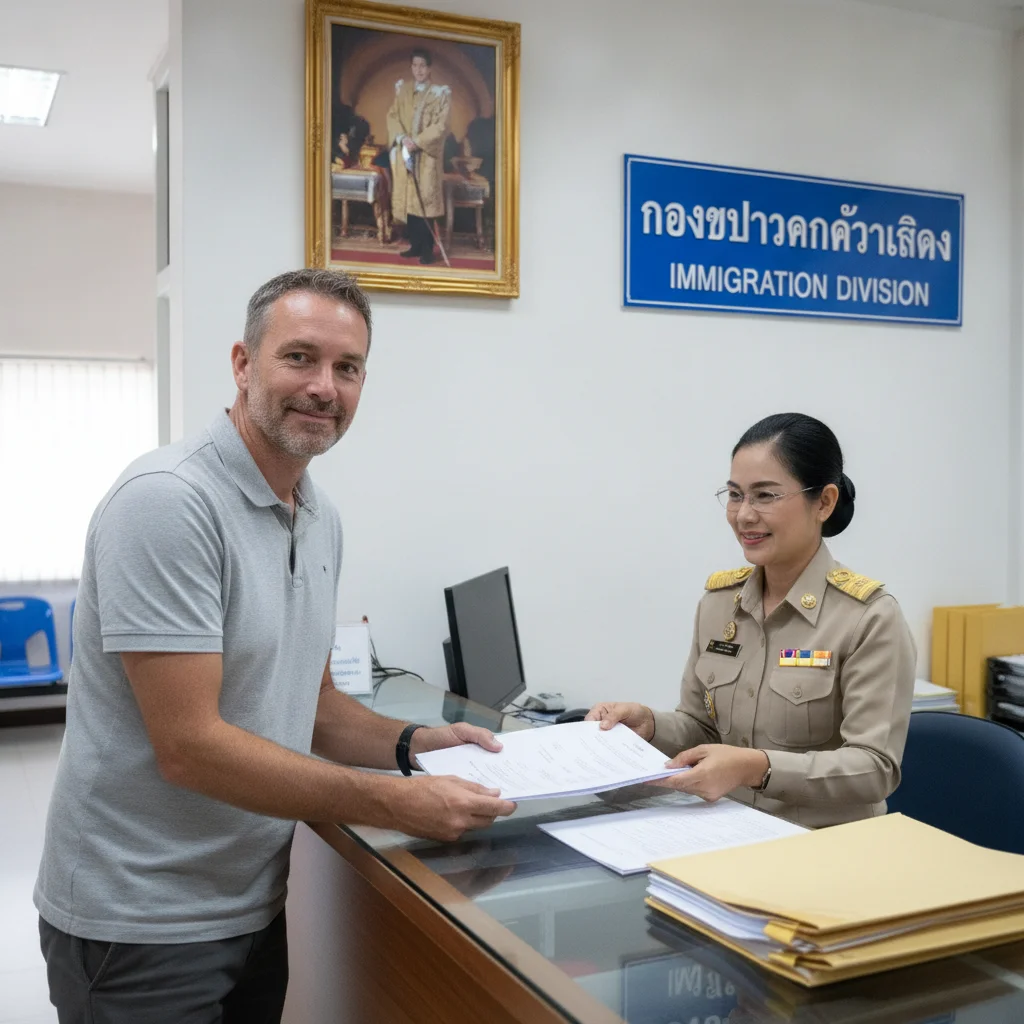
Apply for an International Driving Permit (IDP) 1926 version from a UK Post Office before you depart. This specific version is required by Thai authorities for legal driving and license conversion.
Request a printed NHS vaccination record and complete medical history from your UK GP. Local doctors in Thailand will require these records to assess your health insurance pre-existing conditions.
Download the Line messaging app onto your smartphone and set up an account. This is the primary communication channel for Thai landlords, businesses, and service providers.
Carry physical passport-sized photos with both blue and white backgrounds when visiting government offices. Different Thai administrative departments enforce highly specific background color rules for visa and permit applications.
Set up a multi-currency account like Wise before leaving the UK. This allows you to transfer Sterling directly into Thai Baht with minimal fees and competitive exchange rates.
Buy a high-quality surge protector for your expensive home office electronics. Thai power grids are prone to sudden voltage fluctuations and seasonal lightning strikes that can destroy devices.
Keep your UK mobile number active on a cheap pay-as-you-go eSIM plan. You will still need to receive security SMS codes from your UK banks and government portals.
Quick Reference Table
| Item | Detail | Notes |
|---|---|---|
| Primary Visa Options | Retirement (O-A), DTV, Work Permit, Elite | Must be applied for from the UK or converted under strict rules |
| Financial Requirements | 500k THB (£11k) for DTV; 800k THB (£17.7k) for Retirement | Must be held in verified bank accounts or proven via official income |
| Average Monthly Cost | 40,000 - 80,000 THB (£900 - £1,800) | Varies highly based on your location and lifestyle choices |
| Typical Lease Terms | 12 months standard; 6 months negotiable | Requires a 2-month deposit and 1-month rent upfront |
| Healthcare Options | Private local/international insurance | Public healthcare is generally not accessible to non-working expats |
| Best Areas for Expats | Bangkok, Chiang Mai, Phuket, Pattaya, Hua Hin | Bangkok for careers; Chiang Mai and coastal areas for lifestyle |
| Language Considerations | English common in cities; Thai required for administration | Learning basic Thai numbers and directions is essential for daily life |