Guide to Buying Property for UK Nationals
Thai property law does not recognise the concept of a beneficial owner behind a nominee structure, meaning any attempt by a UK national to buy land using a Thai citizen as a front is illegal and legally unenforceable. If the relationship breaks down or the Thai nominee passes away, you have zero claim to the property or the funds used to purchase it.
This guide details the legal frameworks and structural risks of buying property in Thailand as a UK national. It covers vital title searches, illegal ownership structures, long-term leases, and what to strike from a developer’s sale agreement. This is for serious buyers preparing to instruct legal representation, rather than casual tourists wondering if they can buy a holiday villa. It will help you hire an independent solicitor and structure your purchase securely within Thai law.

Ownership Routes and Legal Structures
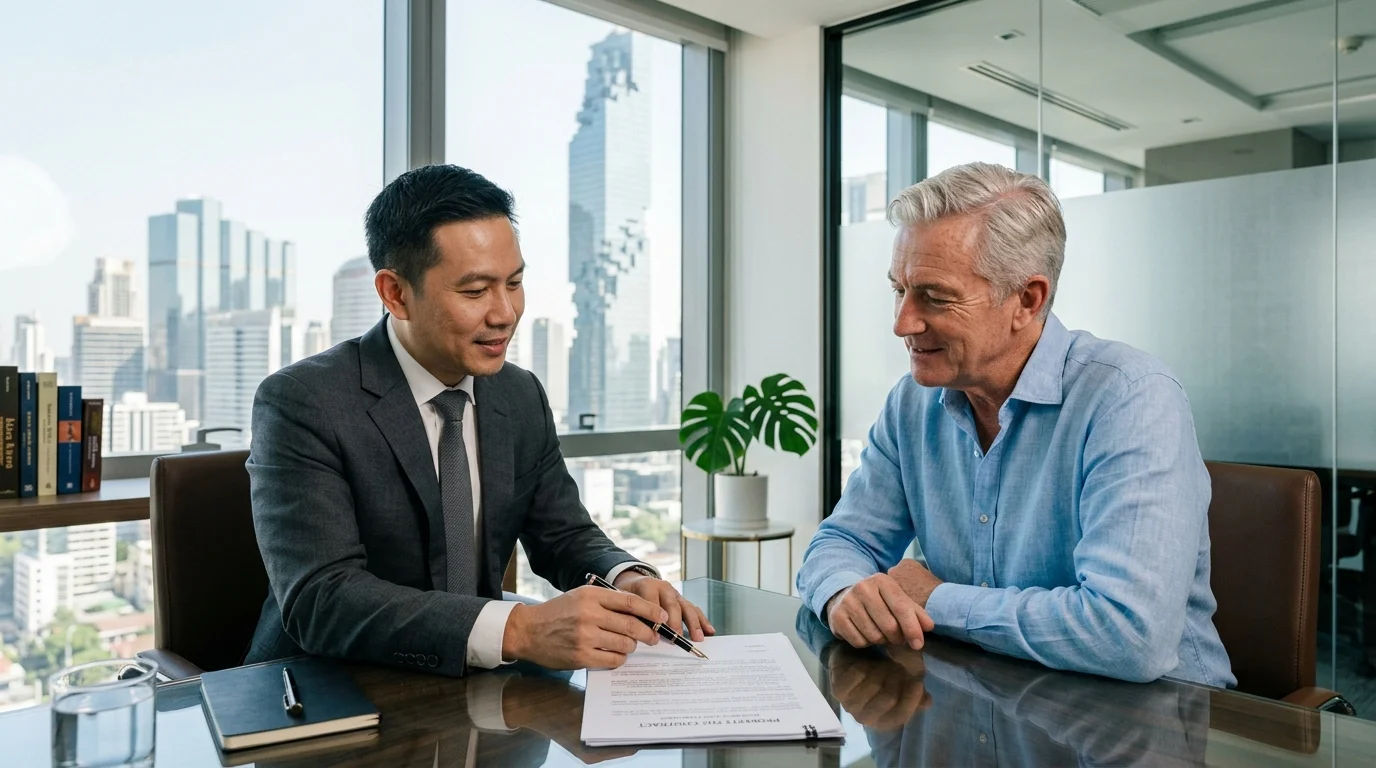
UK buyers cannot own land freehold in Thailand, meaning you must choose between a registered leasehold structure or buying a freehold apartment unit. Thai property law differs fundamentally from UK conveyancing. There is no standard statutory protection for buyers, making your choice of legal structure critical. Foreigners can legally own a apartment freehold provided no more than 49% of the building’s total floor area is foreign-owned. If you want a villa, you must lease the land. A registered lease at the Land Department provides a maximum legal term of 30 years. While developers often promise renewals up to 90 years through separate contracts, Thai courts only recognise and enforce the initial 30-year term. Never use a Thai nominee to circumvent land ownership laws. The Thai government actively investigates companies with foreign shareholders holding land. If you use a Thai citizen as a proxy shareholder with no genuine financial stake, the Land Department will force the sale of the asset and you face prosecution. Another legitimate alternative is a usufruct, granting you the legal right to use a property for your lifetime, though this is generally only approved between family members.
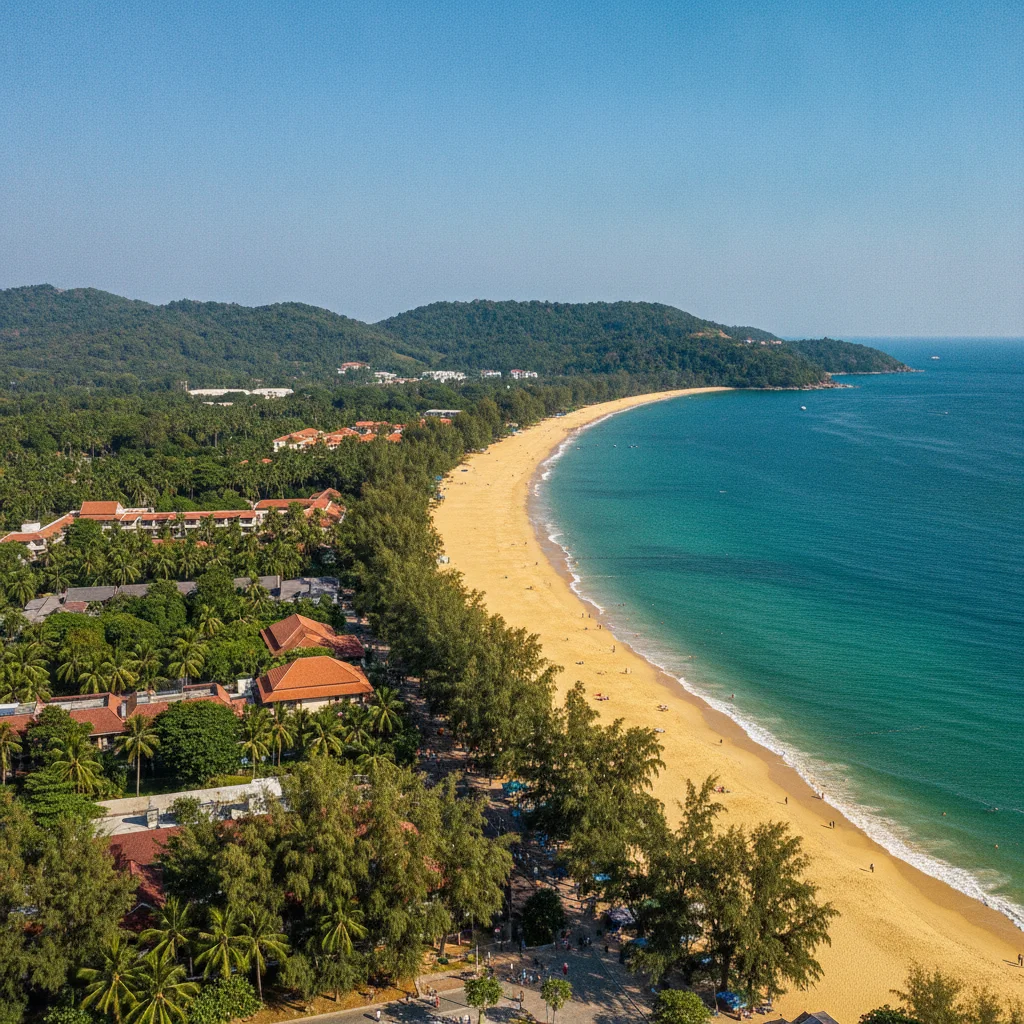
Learn how UK nationals can buy property in Pattaya safely. Discover realistic prices, foreign ownership laws, rental yields, and how to avoid oversupply risks.
Beyond usufruct, Thai law recognises several other limited real rights UK buyers should know about. A right of superficies grants ownership of a structure built on someone else's land — useful if you plan to build a house on leased land rather than buy an existing unit. A servitude registers a permanent right of way or access over a neighbouring plot, commonly used where a property has no direct road frontage. Sap-Ing-Sith is a broader statutory property right introduced to give long-term security similar to leasehold, registrable for up to 30 years and renewable. A right of habitation grants a named individual the right to live in a property for life or a fixed term without owning it — often used to provide for a surviving spouse or family member. As with usufruct, all of these structures should be registered at the Land Department and reviewed by a Thai property lawyer before signing.
Always verify the legal limits of your chosen ownership route before transferring any reservation deposit.
| Ownership Route | Foreigner Eligibility | Legal Term | Security Level |
|---|---|---|---|
| apartment Freehold | Yes (up to 49% of building) | Perpetual | High (Full title deed in your name) |
| Land Leasehold | Yes | 30 years legally registered | Medium (Requires renewal negotiation) |
| Nominee Company | No (Illegal practice) | None | Zero (Asset can be seized by state) |
| Usufruct | Yes (Usually family only) | Lifetime of grantee | High (Registered on the title deed) |
The Sale and Purchase Agreement
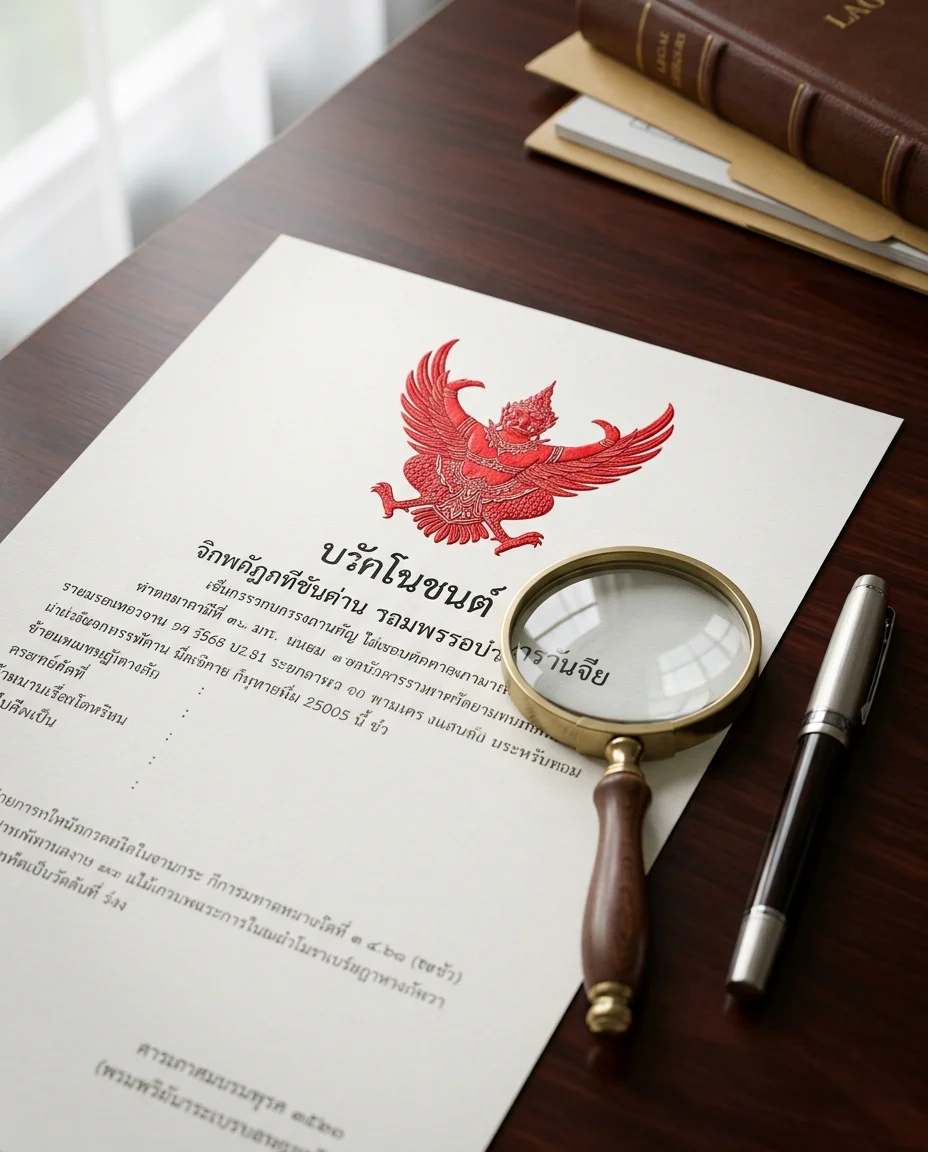
The Sale and Purchase Agreement in Thailand is heavily weighted in favour of the seller or developer unless negotiated by an independent Thai solicitor. Never use the lawyer recommended by the developer or the property agent. Their primary duty is to close the sale for their client, not to protect your deposit. A standard developer agreement will often omit critical penalty clauses for delayed completion. This allows them to hold your funds indefinitely without consequence. You must instruct your solicitor to insert a definitive handover date alongside a daily penalty rate—usually 0.01% to 0.1% of the purchase price—if the developer fails to deliver. Reject any clause that allows the developer to substitute building materials without your written consent. This loophole frequently leads to substandard finishes. Additionally, the agreement must clearly state who pays the transfer fees and taxes at the Land Department. By law, the 2% transfer fee is usually split equally, but developers often try to pass the entire tax burden onto foreign buyers. Ensure the contract includes an exit clause allowing you to reclaim your deposit if the property fails environmental assessment or title searches. Your solicitor must review every clause of the contract before you sign or transfer funds.
A comprehensive title search at the local Land Department is the only way to confirm the seller has the legal right to transfer the property to you. Thailand uses a tiered system of land titles. You should only ever purchase or lease property built on a Nor Sor 4 Jor, commonly known as a Chanote. This is a full freehold title deed with boundaries accurately surveyed and marked by GPS pegs. Lower-tier titles, such as the Nor Sor 3 Gor, confirm possession rights but lack precise boundary measurements. This frequently leads to boundary disputes with neighbours. Your independent solicitor must conduct a physical search of the Chanote at the Land Department to uncover any registered encumbrances. This search will reveal if the property is currently mortgaged to a Thai bank, subject to an existing lease, or burdened by a usufruct. Crucially, the search must also verify the seller's identity against the registered owner on the back of the title deed. Fraudulent sales by relatives or tenants are a known risk in the market. If buying off-plan, the search must confirm the developer actually owns the land and holds the necessary building permits. Do not proceed with any property transaction until a formal title report confirms a clear and unencumbered Chanote.
Off-Plan Purchases and Developer Risks

Buying off-plan property in Thailand exposes you to significant risks regarding developer insolvency and severe completion delays. Thailand lacks the mandatory statutory deposit protection schemes common in the UK. If a developer goes bankrupt mid-construction, your stage payments are generally lost as unsecured debt. To mitigate this, your solicitor must conduct thorough due diligence on the developer’s corporate history. They need to check registered capital and the track record of completed projects. You must negotiate the payment schedule so that funds are released strictly against verified construction milestones, rather than arbitrary calendar dates. A typical safe structure involves paying a 25% to 30% deposit upon signing. Subsequent payments are then tied to the completion of the foundation, structural framework, and roof, leaving at least 5% to 10% to be paid only after a successful snagging inspection. Ensure the contract stipulates that the developer must hold Environmental Impact Assessment (EIA) approval before construction begins. Many developers start selling before this approval is granted. If it is subsequently denied, the project cannot legally proceed and you will face a lengthy battle to recover your funds. Always tie your payment schedule to physical construction progress to protect your capital.
Financing and International Fund Transfers
UK buyers cannot typically secure a local mortgage from a Thai bank, meaning you must finance your purchase through cash transfers or international lenders. Thai banks heavily restrict lending to foreigners. They usually require a long-term work permit and years of local tax history, and even then, loan-to-value ratios rarely exceed 50%. Most UK nationals finance their property via equity release in the UK or by transferring cash savings. When transferring funds to buy a freehold apartment, Thai law dictates that the money must originate from outside Thailand and enter the country in a foreign currency, typically GBP. The receiving Thai bank will convert the funds into Thai Baht and issue a Foreign Exchange Transaction Form (FETF) for any transfer exceeding USD 50,000 (approximately £39,500). The Land Department requires this certificate to prove the funds comply with the apartmentminium Act. If you transfer funds directly in Baht using a standard UK banking app, no FETF will be issued. Consequently, you will not be able to register the title deed in your name. Always instruct your broker to send GBP and include specific transfer remarks stating the exact apartment name and unit number to guarantee compliance.
Recourse and Dispute Resolution
Navigating a property dispute in Thailand requires filing a civil case through the Thai court system, which is a lengthy, expensive, and entirely Thai-language process. If a transaction goes wrong—whether through developer breach of contract, severe construction defects, or title fraud—your initial recourse is to issue a formal legal notice drafted by your solicitor. This letter of demand often resolves minor disputes without court intervention. For serious breaches, such as a developer failing to complete an off-plan apartment, you can file a case with the Consumer Protection Board (CPB). The CPB offers a mediation service that is faster and cheaper than civil litigation. However, their enforcement powers are limited if the developer is genuinely insolvent. If mediation fails, you must pursue civil litigation. Legal fees for court action typically start around THB 150,000 (£3,330) and cases can take two to five years to resolve. Because Thai courts do not typically award punitive damages or full legal costs to the winning party, litigation should always be viewed as a last resort. Your strongest protection is investing heavily in upfront due diligence and a watertight contract to prevent disputes before they occur.
Costs and Fees
Budgeting for transaction costs is crucial, as taxes and fees can add up to 6.3% to your purchase price. The Land Department levies a transfer fee of 2% of the registered appraisal value. If the seller has owned the property for less than five years, a Specific Business Tax (SBT) of 3.3% applies; otherwise, a Stamp Duty of 0.5% is charged. Withholding tax is calculated on a progressive scale, typically between 1% and 3%. While law dictates the 2% transfer fee is split equally, developers often push buyers to pay all taxes. Independent legal fees for due diligence and contract review typically range from THB 50,000 to THB 100,000 (£1,110 to £2,220). Property agent commissions are paid entirely by the seller. Ongoing costs include communal maintenance fees, ranging from THB 40 to THB 100 (£0.88 to £2.22) per square metre monthly, and an annual property tax of 0.02% to 0.3%.
| Cost Item | Rate or Amount | Paid By | Notes |
|---|---|---|---|
| Transfer Fee | 2% of appraisal value | Split 50/50 by law | Developers often try to make buyers pay 100% |
| Specific Business Tax | 3.3% of sale price | Seller | Applies if owned for less than 5 years |
| Stamp Duty | 0.5% of sale price | Seller | Applies if owned for more than 5 years |
| Withholding Tax | 1% to 3% | Seller | Calculated progressively based on appraisal |
| Legal Fees | THB 50k to 100k | Buyer | Essential for contract review and due diligence |
Common Mistakes and How to Avoid Them
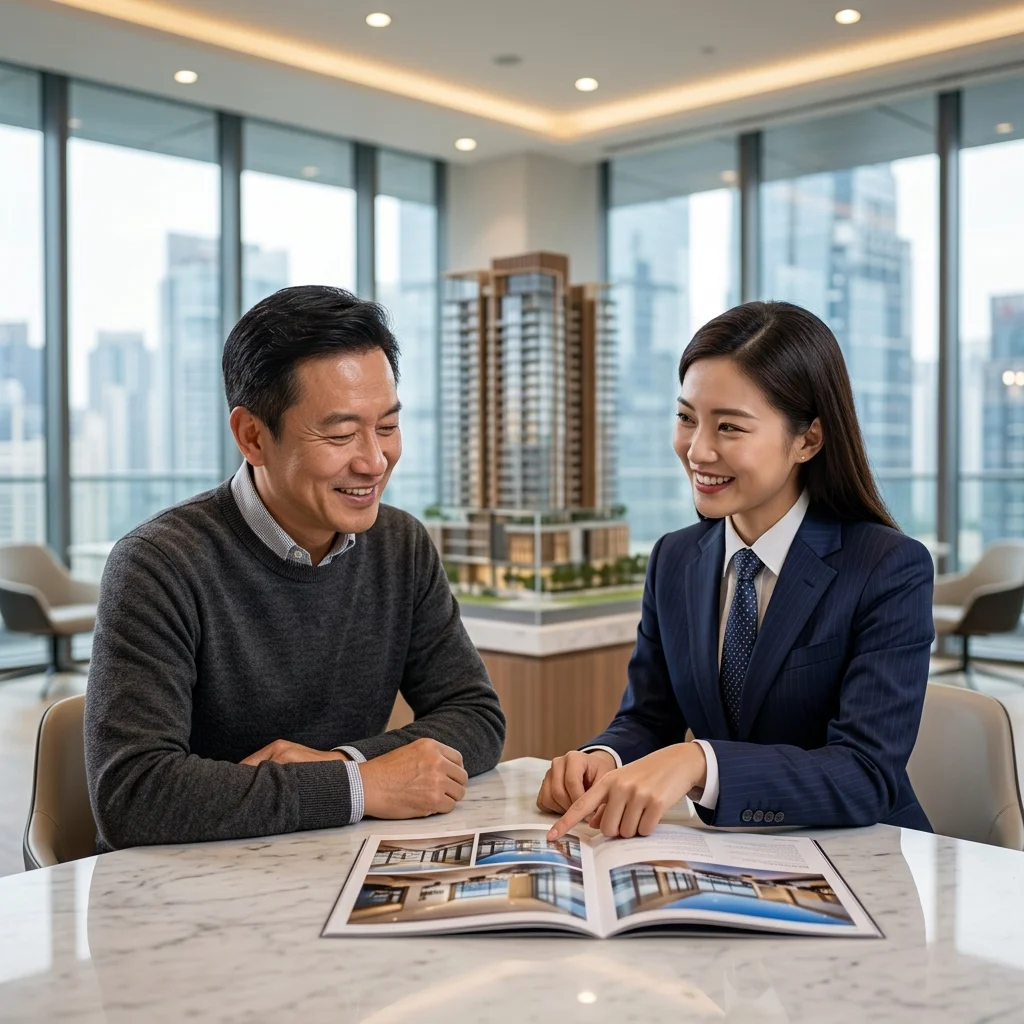
Skipping independent legal representation. Relying on a developer’s solicitor leaves you entirely vulnerable. These contracts are drafted to protect the seller’s financial interests rather than your deposit. Always hire an independent Thai lawyer to review every document before signing.
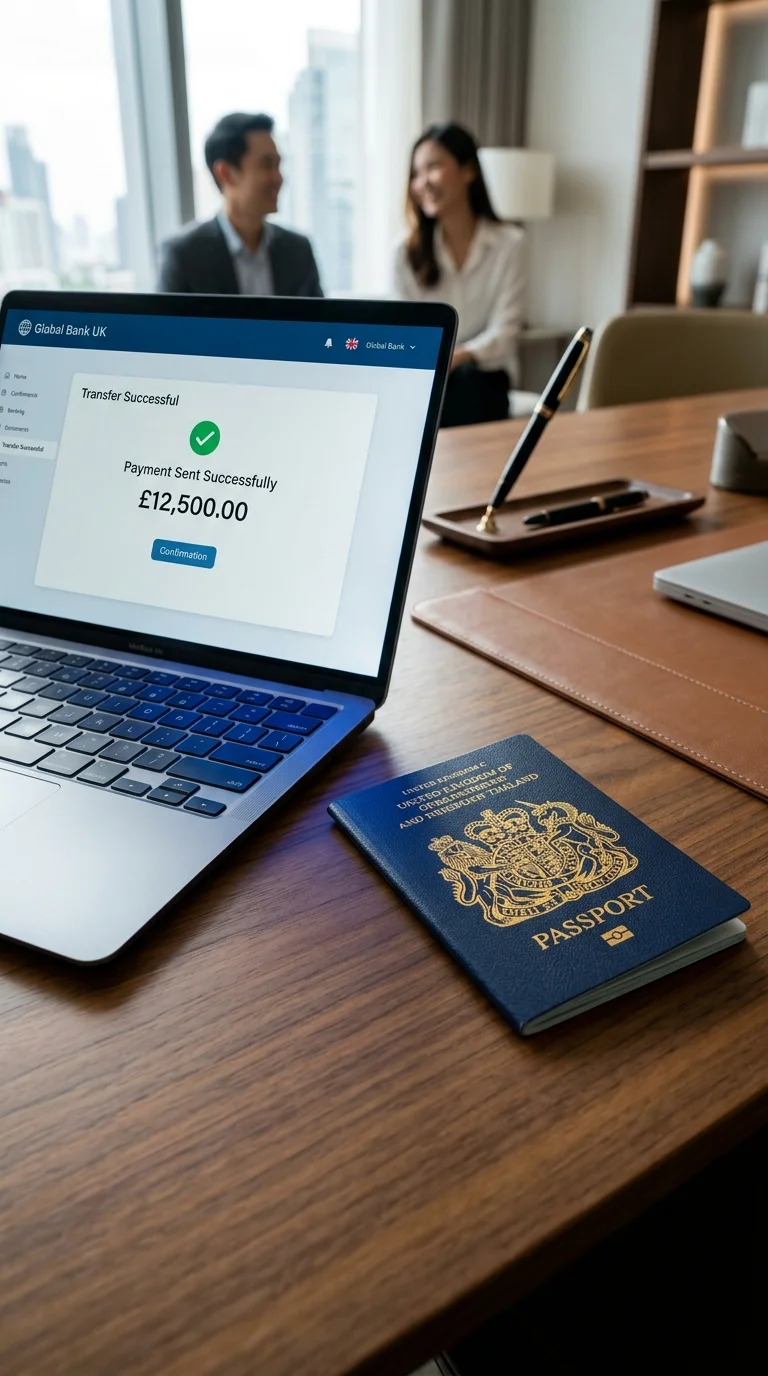
Transferring funds incorrectly. If you cannot prove your funds originated from overseas, the Land Department will refuse to register a freehold apartment in your name. Ensure your UK bank explicitly states "for apartment purchase" on the wire transfer.
Accepting a 90-year lease promise. Developers market 90-year leases as three 30-year terms, but Thai law only legally enforces the first 30 years. Treat any lease renewal beyond 30 years as an unsecured contractual promise.
Failing to verify the Chanote title. Buying property on a lesser title deed means you risk purchasing land with no formal ownership rights. Instruct your lawyer to confirm the property sits on a full Chanote title with surveyed boundaries.
Practical Tips
Demand an English translation of the Sale and Purchase Agreement. Thai courts only recognise Thai language contracts, so you must ensure the English translation accurately reflects every legal obligation.
Check the foreign quota status before buying a resale apartment. If the building has already reached its 49% foreign ownership limit, the Land Department will reject your freehold transfer.
Use a regulated currency specialist rather than a high street bank. Favourable exchange rates on large GBP to THB transfers will save you thousands, provided the specialist can still issue the required FETF documentation.
Inspect the property with a professional snagging company before final payment. Once you sign the handover documents, forcing a developer to fix structural defects or poor finishes becomes incredibly difficult.
Request a breakdown of the sinking fund and maintenance fees. apartments require a one-off sinking fund payment upon purchase for major future repairs, which you must budget for alongside monthly upkeep.
Verify the developer’s Environmental Impact Assessment (EIA) approval. If you buy off-plan before the EIA is granted and it gets rejected, the project cannot be built and your deposit is at risk.
Ensure your spouse provides written consent if you are married. Thai law requires written consent from your legal spouse for property transactions to prevent future marital property disputes.
Protect your purchase — get a free consultation with a licensed Thai property lawyer before you sign anything.
Quick Reference Table
| Item | Detail | Notes |
|---|---|---|
| Foreign Freehold Route | apartments only | Up to 49% of building total floor area |
| Land Ownership Route | Registered Leasehold | Maximum legal term of 30 years |
| Recommended Title Deed | Chanote (Nor Sor 4 Jor) | Full freehold with GPS surveyed boundaries |
| Nominee Structures | Illegal | Using a Thai proxy can lead to asset seizure |
| Typical Purchase Costs | 1% to 6.3% | Depends heavily on negotiation of the 2% transfer fee |
| Fund Transfer Requirement | Foreign currency from overseas | Essential for obtaining the FETF certificate |
| Legal Representation | Highly Recommended | No statutory buyer protection exists in Thailand |
| Dispute Timescales | 2 to 5 years | Civil litigation is slow and expensive |