Phraya Nakhon Cave - Prachuap Khiri Khan
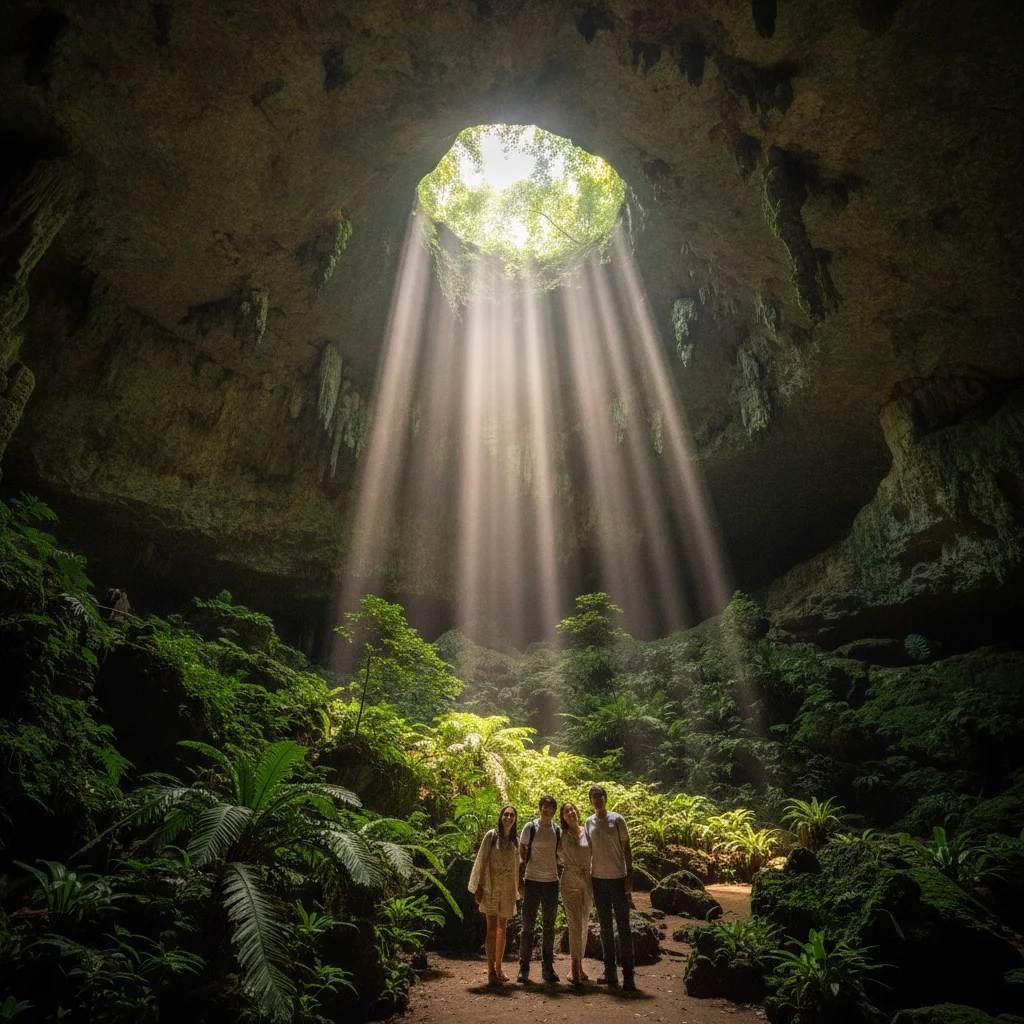
The historic Kuha Karuhas Pavilion sits inside a massive limestone chamber, built in 1890 for King Chulalongkorn (Rama V). This royal sanctuary achieves its legendary glow for only a brief window each morning when sunlight penetrates the collapsed roof of the cavern.
Located inside Khao Sam Roi Yot National Park in Prachuap Khiri Khan province, Phraya Nakhon Cave is an iconic Buddhist site and natural monument managed by the Department of National Parks, Wildlife and Plant Conservation. It sits in the upper mid-tier of Thailand's adventure attractions, requiring physical effort to reach but offering profound rewards for visitors. This remote cavern specifically appeals to active travellers, keen photographers, and those interested in Thai royal history who want to experience a highly revered site far from the country's mass-tourism coastal resorts.

Khao Sam Roi Yot National Park Setting
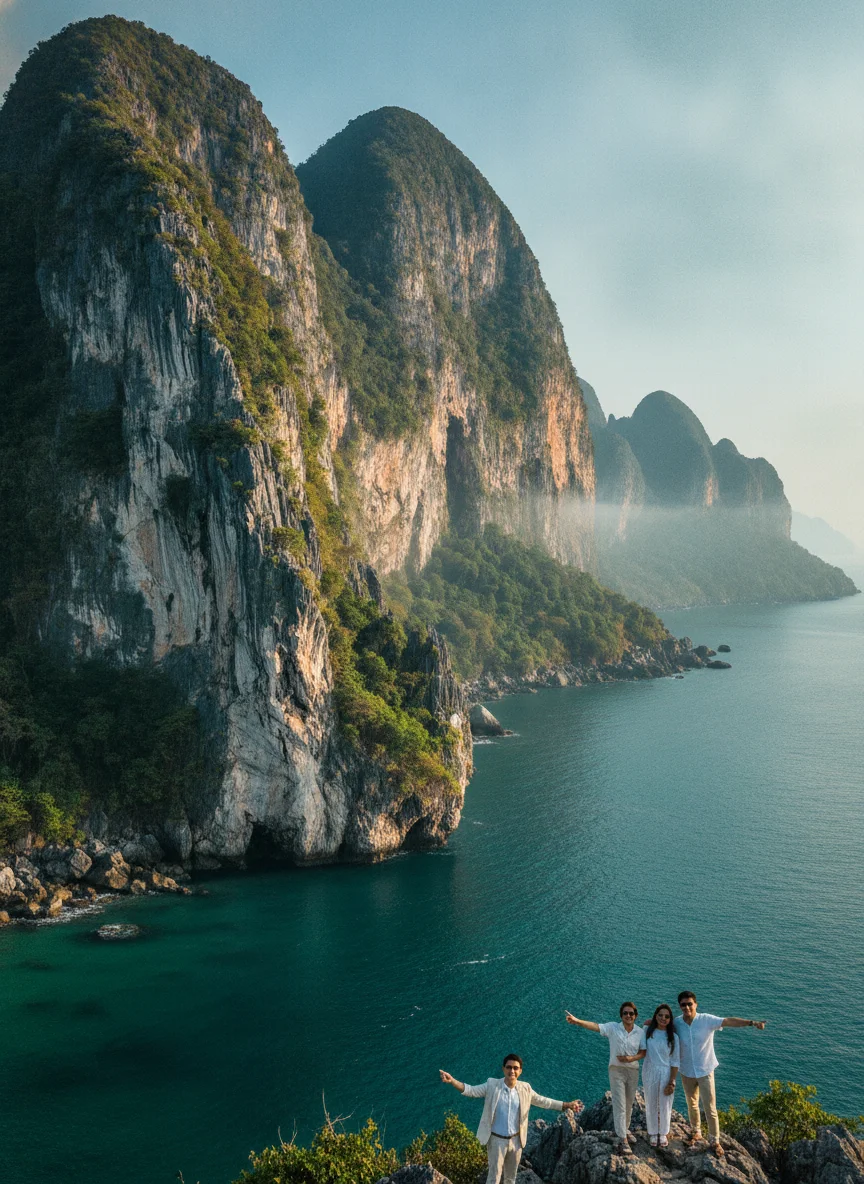
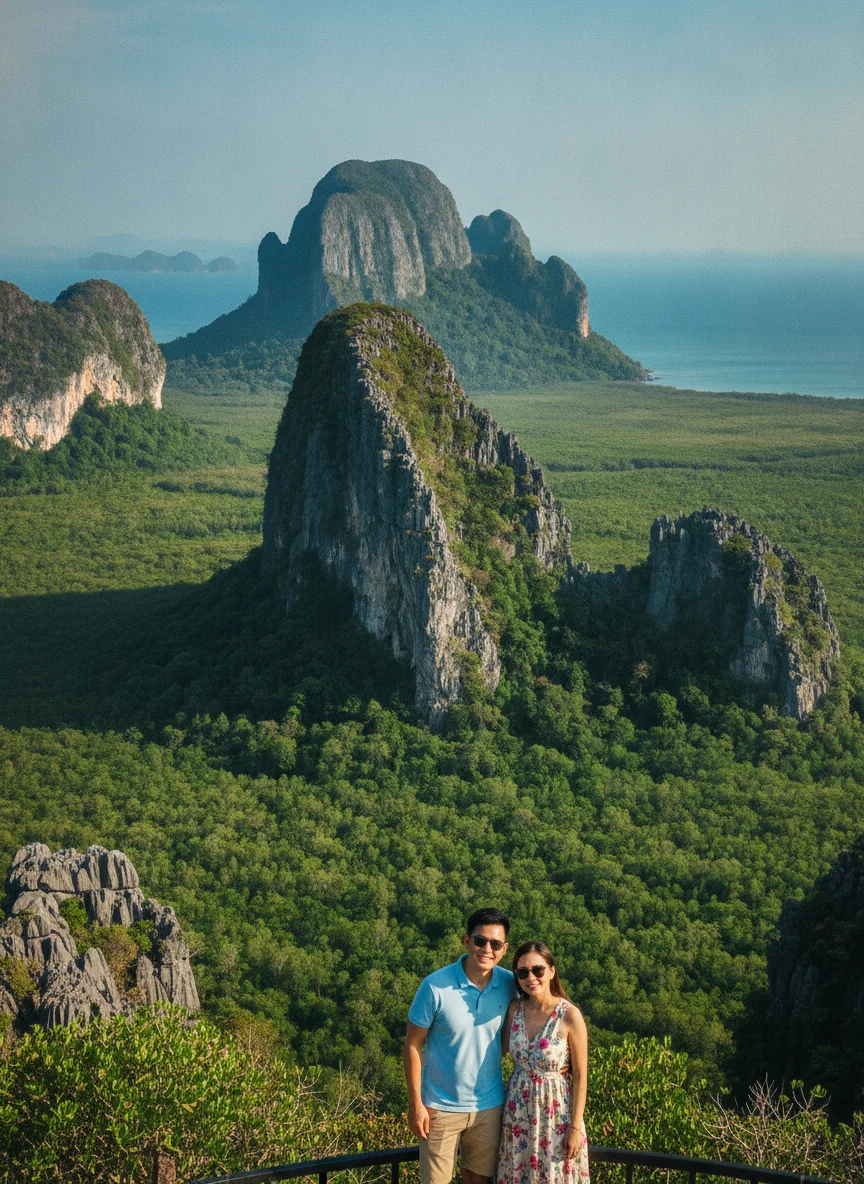
The defining physical characteristic of Phraya Nakhon Cave is its position within the dramatic limestone karst landscape of Khao Sam Roi Yot National Park. This park encompasses 98 square kilometres of marine areas, freshwater marshes, and towering limestone peaks that rise abruptly from the shoreline. The name of the park translates to "The Mountain of Three Hundred Peaks," which perfectly describes the jagged horizon you encounter upon arrival. This dramatic topography isolates the cave, making it accessible only by water or by climbing over a steep coastal headland. The surrounding dry evergreen forest clings to the porous limestone, providing a habitat for rare dusky langurs and crab-eating macaques. You will walk through a landscape shaped by millions of years of marine erosion, where brackish water channels meet sandy beaches. This coastal wilderness isolates the cavern from the coastal developments of nearby Hua Hin, preserving a sense of wild isolation.
Move like a local in Hua Hin with this guide. Find bus prices from 300 THB and learn the secrets of the green songthaew loop for just 15 THB.
Takeaway: The coastal karst geography means your visit is as much an outdoor wilderness expedition as it is a cultural pilgrimage.
The Kuha Karuhas Pavilion and Cavern Architecture
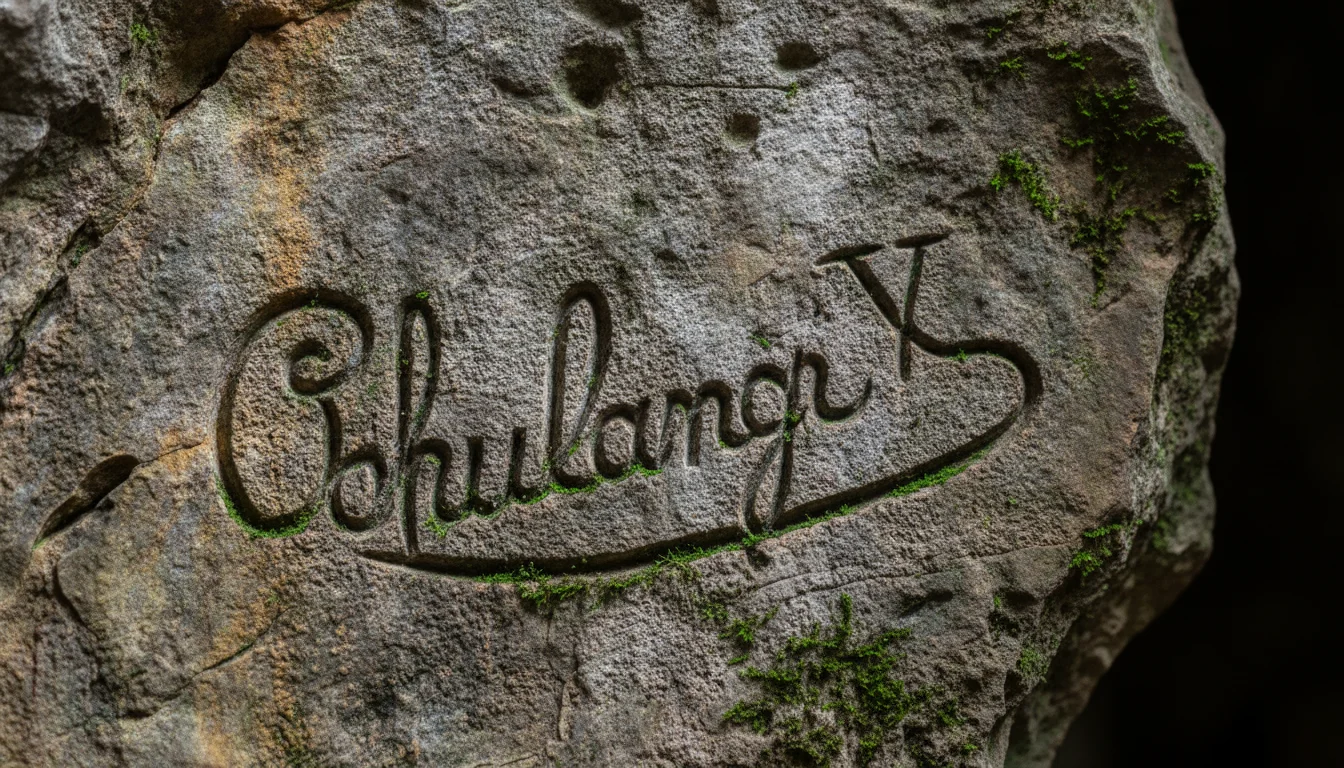
The crown jewel of the cavern is the historic Kuha Karuhas Pavilion, built inside the chamber to commemorate the royal visit of King Chulalongkorn in 1890. This four-gabled wooden pavilion was constructed in Bangkok, disassembled, transported down the coast, and meticulously rebuilt inside the main cavern. It sits on a raised earthen hillock, surrounded by wild vegetation that thrives on the moisture and light pouring from the collapsed ceiling above. The structure itself features gold leaf accents, traditional red-tiled roofing, and refined Thai architectural details that contrast sharply with the raw, grey limestone walls. This cavern consists of two primary chambers, both created by the collapse of their upper roofs, which allows massive shafts of natural light to illuminate the interior. The chamber walls are coated with ancient mineral deposits, green algae, and flowstone formations built up over centuries of water filtration. Historic signatures of King Rama V and King Rama VII are carved directly onto the rocky walls nearby, marking their historical pilgrimages to this subterranean sanctuary.
Takeaway: Seeing this delicate royal pavilion illuminated by a single column of light inside a massive rock chamber is an architectural spectacle unmatched anywhere else in Southeast Asia.
The Hiking Route and Practical Ascent
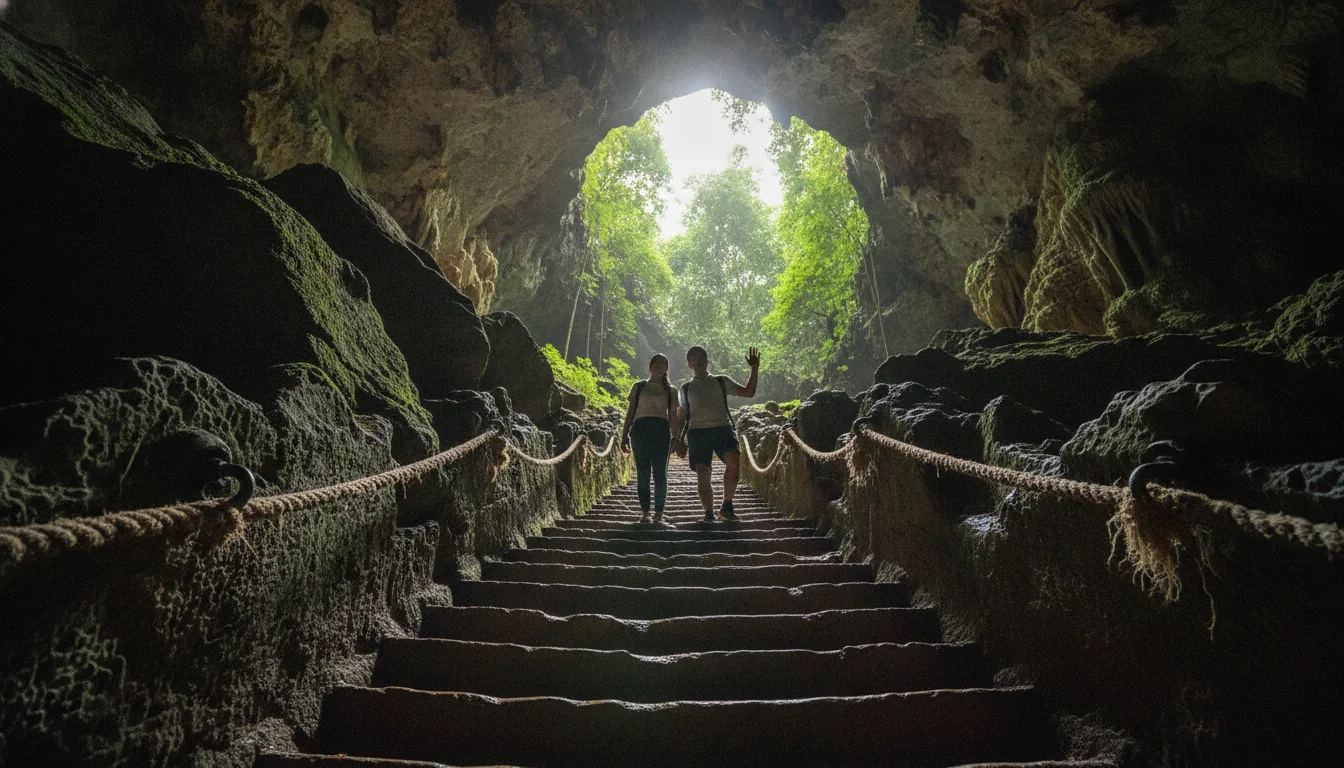
Reaching Phraya Nakhon Cave requires a demanding, two-stage trek that tests your physical stamina and footing. The journey begins at Laem Sala Beach, where you must tackle a steep, 430-metre limestone staircase that ascends straight up the mountainside. The path consists of uneven, hand-carved stone steps, loose gravel, and exposed tree roots that require constant concentration. Wooden handrails and ropes are installed along the most precarious sections, but the humidity of the coastal jungle makes the climb physically taxing. Along the route, a mid-way rest point provides scenic views of the Gulf of Thailand, allowing you to catch your breath. Once you reach the top of the pass, the trail descends into the first sinkhole, where the air temperature drops noticeably and the vegetation changes to shade-loving ferns. You then cross a natural rock bridge known as the "death bridge" before descending into the main cavern containing the pavilion.
Takeaway: Wear sturdy, closed-toe hiking shoes with excellent grip, as the damp limestone steps can become highly slippery underfoot.
Comparing Prachuap Khiri Khan Caves
While Prachuap Khiri Khan province contains several notable caverns, Phraya Nakhon stands apart due to its royal heritage and open-roof architecture. Nearby alternatives like Kaeo Cave and Sai Cave, also located within Khao Sam Roi Yot National Park, offer very different experiences. Sai Cave requires a steep climb to access a dark, unlit cavern filled with stalactites and stalagmites where you must carry a rented kerosene lamp to navigate. Kaeo Cave is a challenging, claustrophobic crawl through narrow rock chambers that requires a guide and headlamps to avoid getting lost in the pitch black. In contrast, Phraya Nakhon Cave is naturally illuminated for much of the day and features a manicured, culturally significant interior rather than raw, dark passageways. The presence of the Kuha Karuhas Pavilion elevates it from a purely geological attraction to a highly revered historical monument. This makes Phraya Nakhon far more suitable for general travellers and photographers, whereas Sai and Kaeo cater to dedicated spelunkers.
Takeaway: Choose Phraya Nakhon for its combination of historical majesty and natural light, but opt for Sai or Kaeo if you prefer a raw, dark caving experience.
Comparative Features of Local Caves
Understanding the structural and accessibility differences between the region's main caves helps you plan your itinerary effectively. The following table compares the primary caves within Prachuap Khiri Khan province to help you select the right excursion.
| Cave Name | Elevation / Hike Difficulty | Key Feature | Required Equipment |
|---|---|---|---|
| Phraya Nakhon Cave | Challenging (430m climb) | Royal Pavilion & Light Shafts | Sturdy shoes, water |
| Sai Cave | Demanding (280m steep climb) | Stalactite chambers & bats | Kerosene lamp (rent at base) |
| Kaeo Cave | Highly Strenuous (technical) | Narrow passages & quartz crystals | Headlamp, experienced guide |
| Phra Non Cave | Easy (flat access) | Reclining Buddha image | Respectful clothing |
This comparison shows that Phraya Nakhon requires moderate physical effort but provides the most rewarding visual and cultural experience.
Takeaway: Phraya Nakhon offers the perfect balance of challenging adventure and spectacular visual reward compared to its darker neighbours.
Location and Getting There
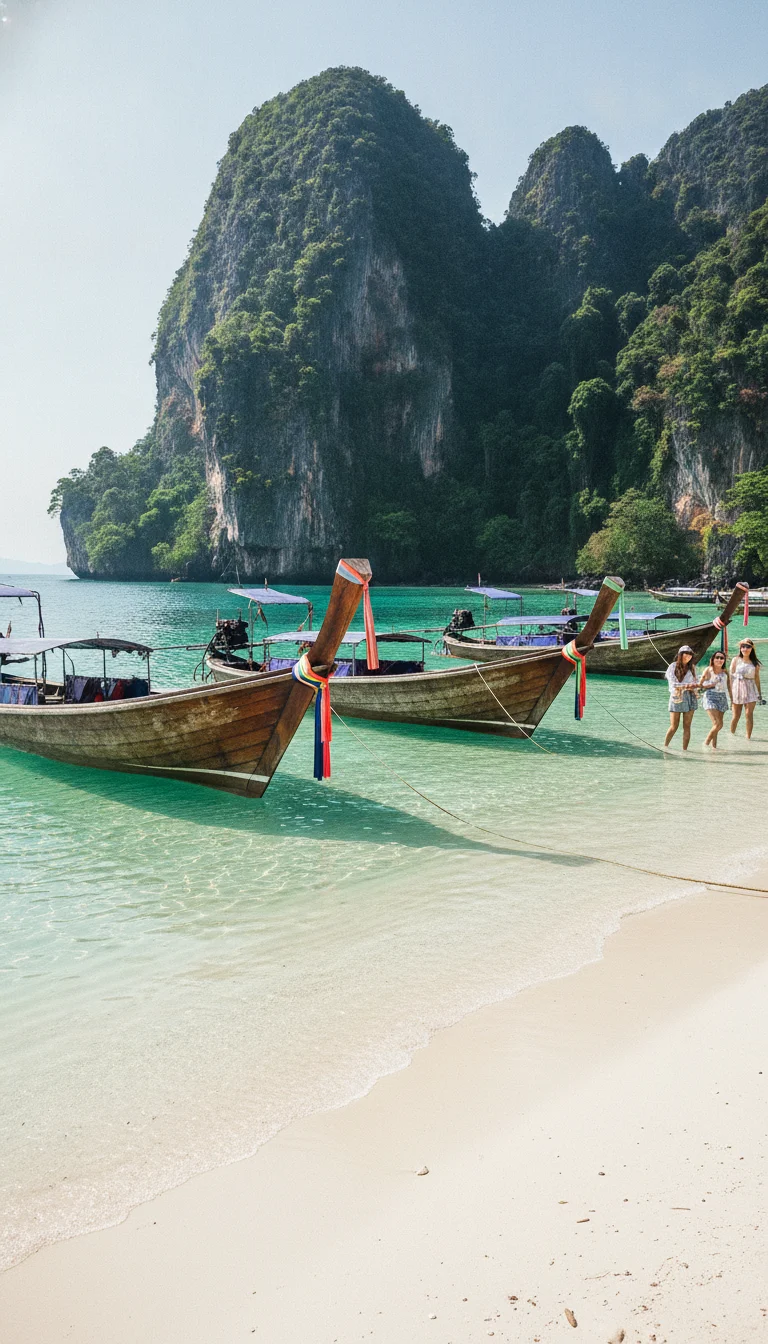
Phraya Nakhon Cave is located in Sam Roi Yot District of Prachuap Khiri Khan Province, roughly 45 kilometres south of the resort town of Hua Hin. To reach the cave from Bangkok, you can take a train or private taxi to Hua Hin, which takes about three to four hours. From Hua Hin, you must travel to Bang Pu Village, the main access point for the cave. A private taxi from Hua Hin to Bang Pu Village costs approximately 1,200 THB to 1,500 THB (£27 to £34) return. Once at Bang Pu Village, you have two options to reach Laem Sala Beach, where the cave trail begins. You can hike over a steep coastal hill for 30 minutes, or hire a traditional longtail boat for 400 THB (£9) return, which carries up to six passengers and takes just ten minutes.
Costs and Booking
Visiting Phraya Nakhon Cave is highly affordable, but you must factor in national park fees and optional transport costs. Because the cave sits inside Khao Sam Roi Yot National Park, all international visitors must purchase a park entry ticket. This ticket costs 200 THB (£4.50) for adults and 100 THB (£2.25) for children, which also grants access to other park attractions on the same day. Hiring a local guide at the base of the trail is optional but highly recommended to learn about the history; guides charge around 200 THB to 300 THB (£4.50 to £6.75) per group. There are no seasonal price hikes, but the national park is most comfortable to visit during the dry cool season from November to February. Ensure you carry cash in Thai Baht, as card payments are not accepted at the park ticket booths or by boat operators.
| Option | Cost (THB) | Cost (GBP approx) | Notes |
|---|---|---|---|
| National Park Entrance Fee (Adult) | 200 THB | £4.50 | Valid for all park sites on the same day |
| National Park Entrance Fee (Child) | 100 THB | £2.25 | For children aged 3 to 14 years |
| Return Longtail Boat Transfer | 400 THB | £9.00 | Per boat (seats up to 6 people) |
| Local Cavern Guide | 300 THB | £6.75 | Highly recommended for historical context |
Who It Suits Best
This attraction is perfectly suited for active travellers, nature enthusiasts, and photographers who can handle a demanding climb in humid conditions. The physical nature of the trek makes it unsuitable for those with mobility issues, respiratory problems, or very young children in strollers. It is highly rewarding for history buffs who appreciate authentic Thai heritage, as well as landscape photographers chasing the morning light shafts. If you prefer air-conditioned comfort and easy roadside access, this challenging coastal hike will not suit your travel style.
What to Know Before You Book
Timing is absolutely critical if you want to see the famous light beam illuminate the Kuha Karuhas Pavilion. You must aim to arrive inside the chamber between 10:00 and 11:30, as this is when the sun aligns perfectly with the ceiling sinkhole. High tides can prevent longtail boats from operating safely around the headland from Bang Pu Village. When this happens, you will be forced to hike the extra, highly strenuous coastal hill path both ways. Footwear choice will directly impact your safety and comfort on the steep, wet limestone stairs. Avoid wearing flip-flops or sandals, as they lack the necessary grip for the slippery and uneven stone surfaces. Wildlife encounters are common along the forest trail, particularly dusky langurs. Keep all food sealed inside your backpack to prevent these wild monkeys from attempting to steal your belongings.
Practical Tips
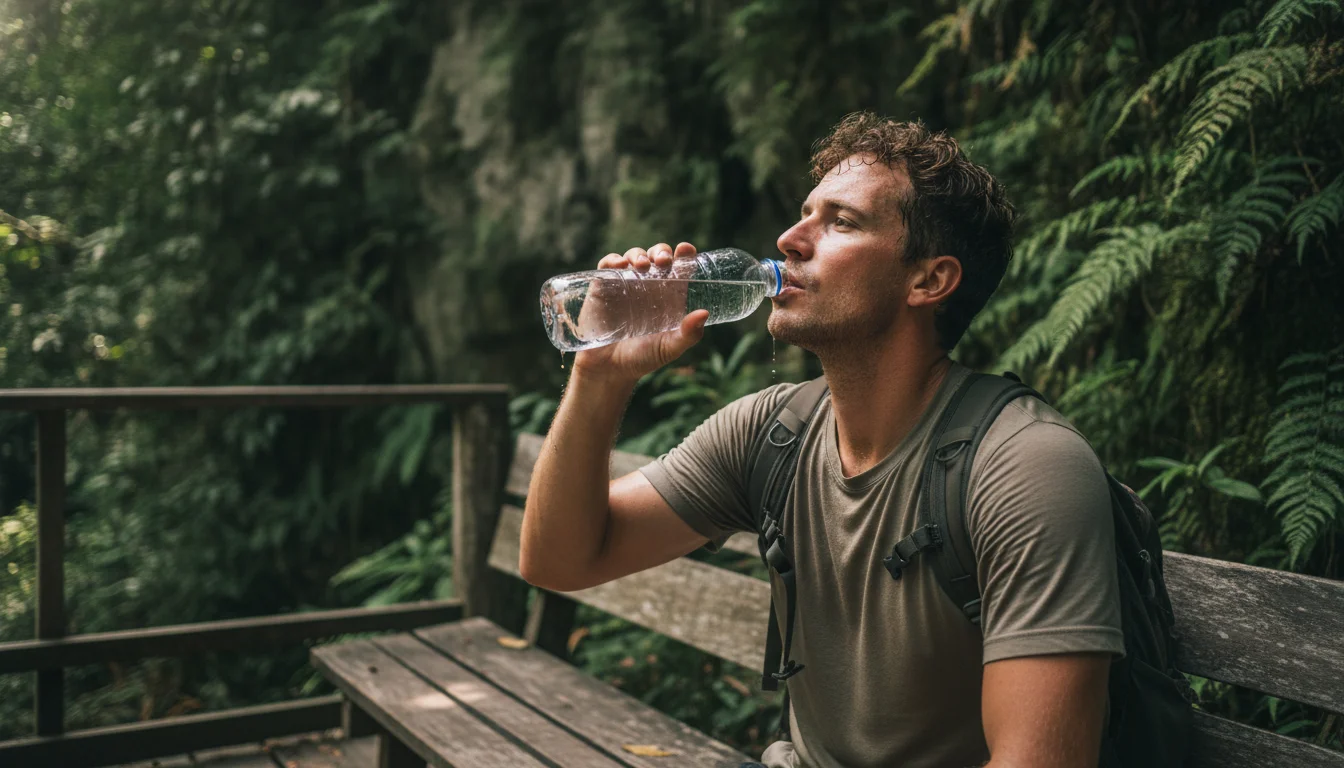
Pack plenty of drinking water before you leave Bang Pu Village. There are no kiosks or water sellers once you begin the climb from Laem Sala Beach.
Arrive early at the national park entrance. Starting your trek by 08:30 allows you to complete the steepest climb before the midday heat peak.
Apply high-strength insect repellent before starting the hike. The damp, shaded forest environment around the cave entrance attracts a high volume of mosquitoes.
Bring a wide-angle lens for your camera equipment. The massive scale of the cavern chambers and the pavilion requires a wide field of view to capture effectively.
Dress in layers that breathe easily in high humidity. You will sweat heavily during the ascent, but the cave interior can feel surprisingly cool and breezy.
Carry a small flashlight or headlamp in your daypack. While the main chambers are illuminated by natural light, the access tunnels and side recesses are completely dark.
Avoid visiting immediately after heavy monsoon rains. The limestone stairs become exceptionally treacherous when wet, and the trail may be closed for safety.
Respect the sacred nature of the site at all times. Do not touch or climb on the delicate wooden pavilion, as it is a deeply revered historical monument.
Quick Reference Table
| Item | Detail | Notes |
|---|---|---|
| Property Name | Phraya Nakhon Cave | Located in Khao Sam Roi Yot National Park |
| Location | Sam Roi Yot, Prachuap Khiri Khan | 45km south of Hua Hin |
| Property Type | Buddhist Temple and Cultural Attraction | Natural cavern with a royal pavilion |
| Category | National Park and Historical Monument | Protected public site |
| Main Feature | Kuha Karuhas Pavilion | Built in 1890 by King Rama V |
| Opening Hours | 08:00 to 15:00 daily | Best visited between 10:00 and 11:30 |
| Access Options | Boat transfer or coastal hike | Boat costs 400 THB (£9) return |
| Hike Distance | 430 metres steep ascent | Requires high physical fitness |
| Park Entrance Fee | 200 THB (£4.50) for adults | Paid in cash at the national park office |
| Nearest Airport | Hua Hin Airport (HHQ) | Domestic flights only; Bangkok (BKK) is nearest international |
| Nearest Beach | Laem Sala Beach | Located directly at the base of the cave trail |
| Booking Platform | GetYourGuide | Recommended for guided day tours |