Elephant Nature Park - Chiang Mai
Founded by conservationist Saengduean 'Lek' Chailert, named a TIME Magazine 'Hero of Asia', Elephant Nature Park is a pioneering ethical sanctuary in Chiang Mai’s Mae Taeng valley. Set across approximately 250 acres, the reserve currently provides a lifelong home to more than 100 rescued Asian elephants alongside hundreds of other rescued animals.
Run by the Save Elephant Foundation, the sanctuary led Thailand’s 'saddle off' movement by eliminating elephant riding, performances, and tourist bathing in favour of an observation-only model. Visitors observe herds roaming, socialising, foraging, and bathing in the river on their own terms, backed by on-site veterinary hospital facilities.
The park is suited to travellers seeking genuine animal welfare rather than interactive tourist encounters. Visitor fees and donations directly fund ongoing rescue operations, specialised medical treatments, and the permanent care of elephants saved from the logging trade, trekking camps, and street begging across Thailand and neighbouring regions.

The Rescue and Rehabilitation Mission
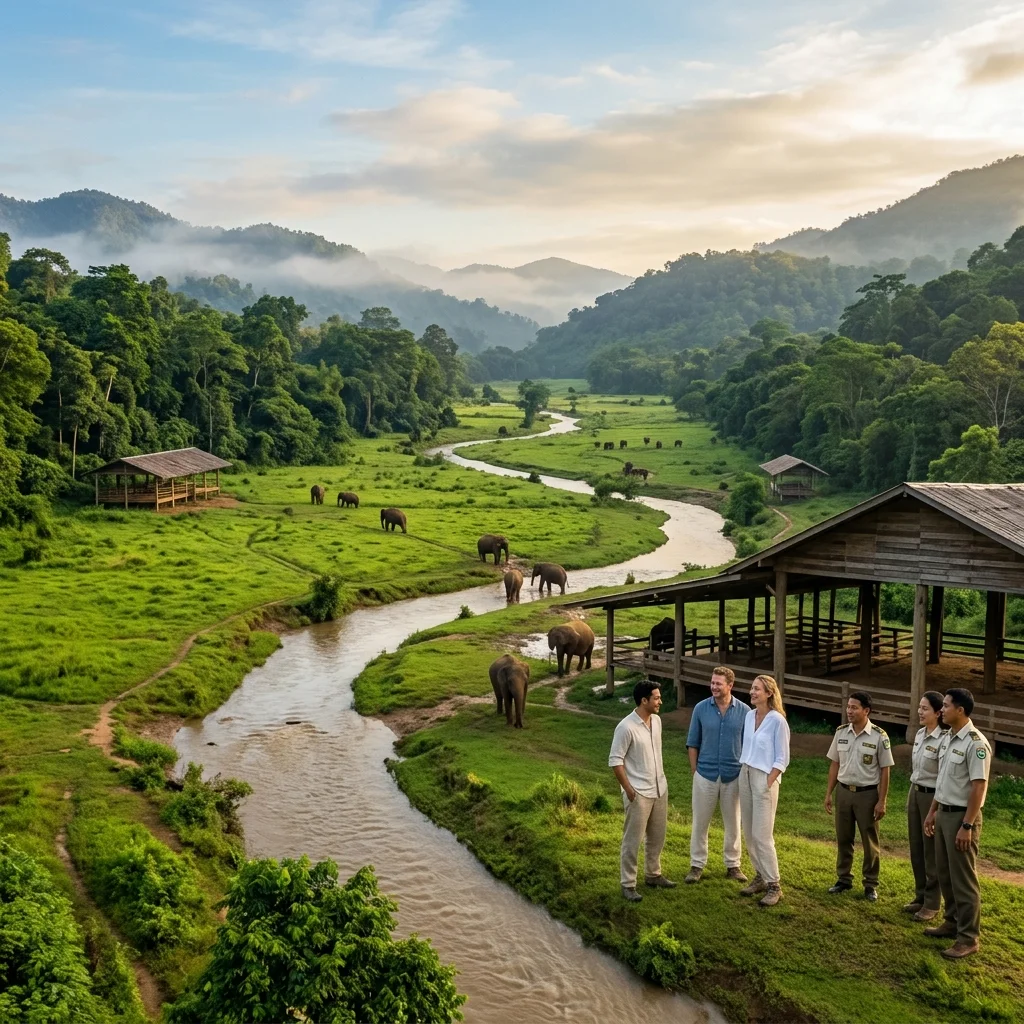
Elephant Nature Park operates primarily as a permanent rescue and rehabilitation sanctuary for distressed elephants, established during the 1990s by Thai conservationist Sangduen "Lek" Chailert. The facility was founded in response to the severe physical exploitation of captive elephants across Southeast Asia, particularly within illegal logging operations, street begging, circuses, and commercial trekking camps.
Rather than using animals for entertainment, the park provides a permanent retirement home where elephants live without chains, bullhooks, or saddles. The sanctuary follows a hands-off welfare model that allows resident herds to socialise, roam, forage, and bathe in the Mae Taeng River according to their natural instincts, free from direct human handling or scheduled performances.
A substantial proportion of the elephants arrive with complex, long-term trauma. Common physical conditions treated at the park include fractured limbs, dislocated hips from forced breeding or logging accidents, spinal damage caused by heavy tourist riding benches, and blindness resulting from slingshot injuries or untreated infections. To manage these chronic issues, the park runs an on-site veterinary clinic staffed by full-time veterinary professionals who deliver daily wound care, hydrotherapy, and specialist dietary support.
Visitor entry fees directly fund this intensive medical programme alongside the substantial daily food supplies required to feed the herd. By visiting the sanctuary, travellers provide financial support to a working rescue operation that continues to promote higher standards for captive animal welfare throughout Thailand.
Day Visits and Observation Programmes
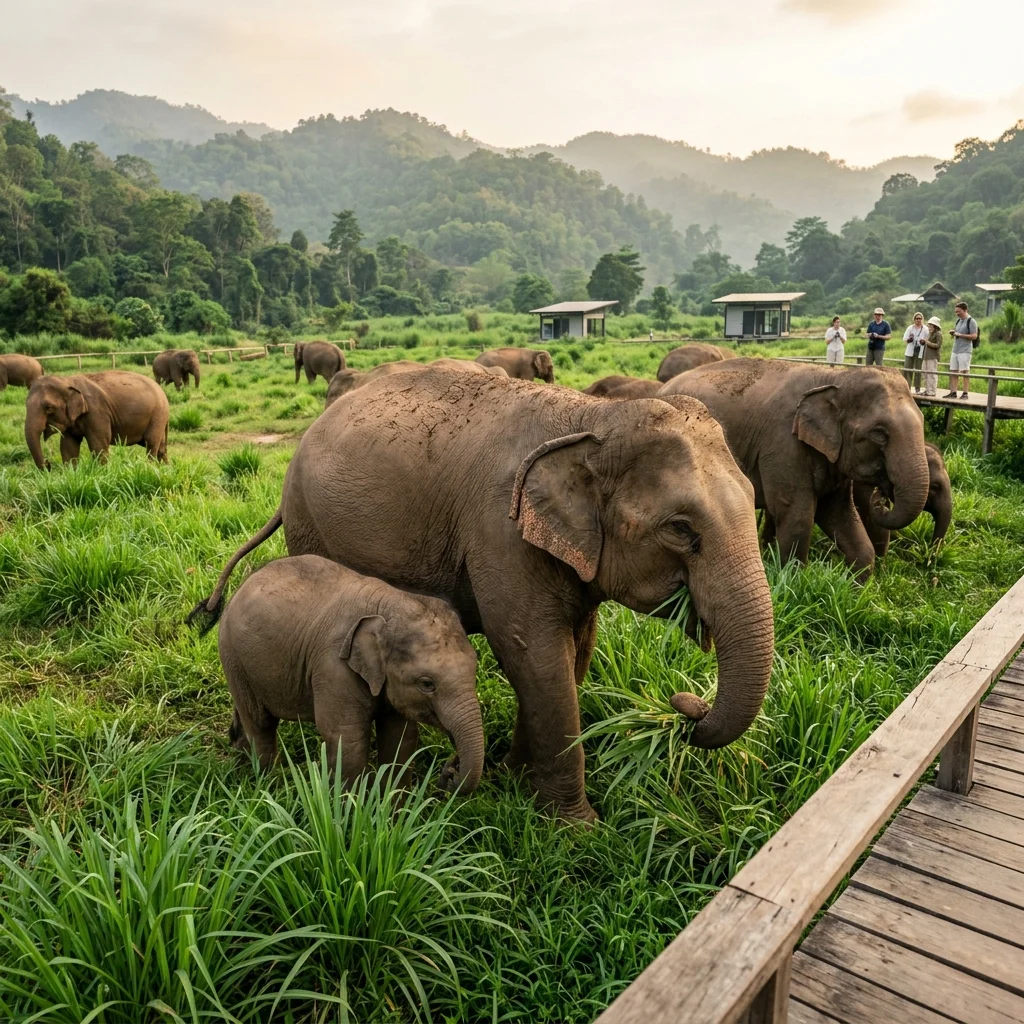
A standard day visit focuses on passive observation and education rather than hands-on contact. Visitors begin with a structured orientation briefing covering Asian elephant behaviour, herd dynamics, and sanctuary rules before heading out into the valley. Small guided groups walk along designated trails with knowledgeable staff who provide background on individual elephants and their rescue histories. Elevated wooden walkways—known as the SkyWalk—enable visitors to watch the herds foraging and socialising from above without encroaching on the animals' personal space.
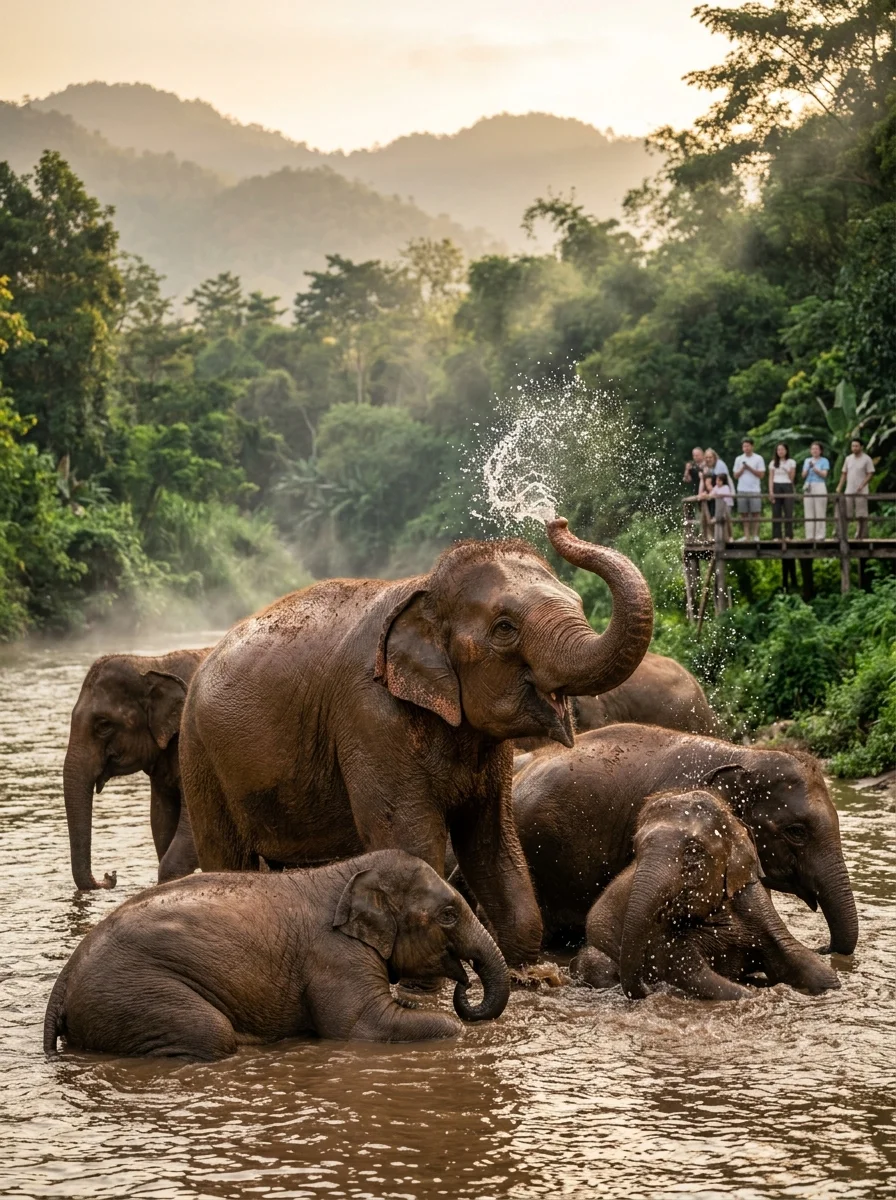
In 2018, Elephant Nature Park ended all visitor bathing activities to minimise stress and safeguard the elephants' natural skin-care routines. Rather than entering the river, guests observe from the riverbank as the herds bathe, splash, and coat themselves in protective mud at their own discretion. Visitors also learn about sanctuary nutrition, and select itineraries feature hands-on food preparation, such as mashing bananas, cooked rice, and dietary supplements for elderly residents with dental issues. All day programmes include a generous plant-based vegetarian buffet lunch served in the central pavilion, in keeping with the sanctuary's welfare philosophy.
| Programme | Schedule | Inclusions | Details |
|---|---|---|---|
| Single Day Visit | Full Day (approx. 08:00–17:00) | Guided walk, SkyWalk observation, vegetarian buffet lunch, return transport | Comprehensive full-day itinerary covering multiple herds across the grounds. |
| Half Day Morning | Morning (approx. 08:00–14:00) | Guided walk, SkyWalk viewing, vegetarian buffet lunch, return transport | Suited to travellers with afternoon flights or travel commitments. |
| Half Day Afternoon | Afternoon (approx. 12:30–18:00) | Vegetarian buffet lunch, guided walk, river observation, return transport | Coincides with late afternoon herd movement and river bathing. |
| Care Project | Full Day (approx. 08:00–17:00) | Food preparation, guided valley walk, vegetarian lunch, return transport | Focuses on specialised nutrition and dietary care for elderly elephants. |
Master Chiang Mai with our expert guide. Get local prices for red trucks, 1,200 THB flights from Bangkok, and essential advice for first-time UK visitors.
Overnight Stays and Accommodation
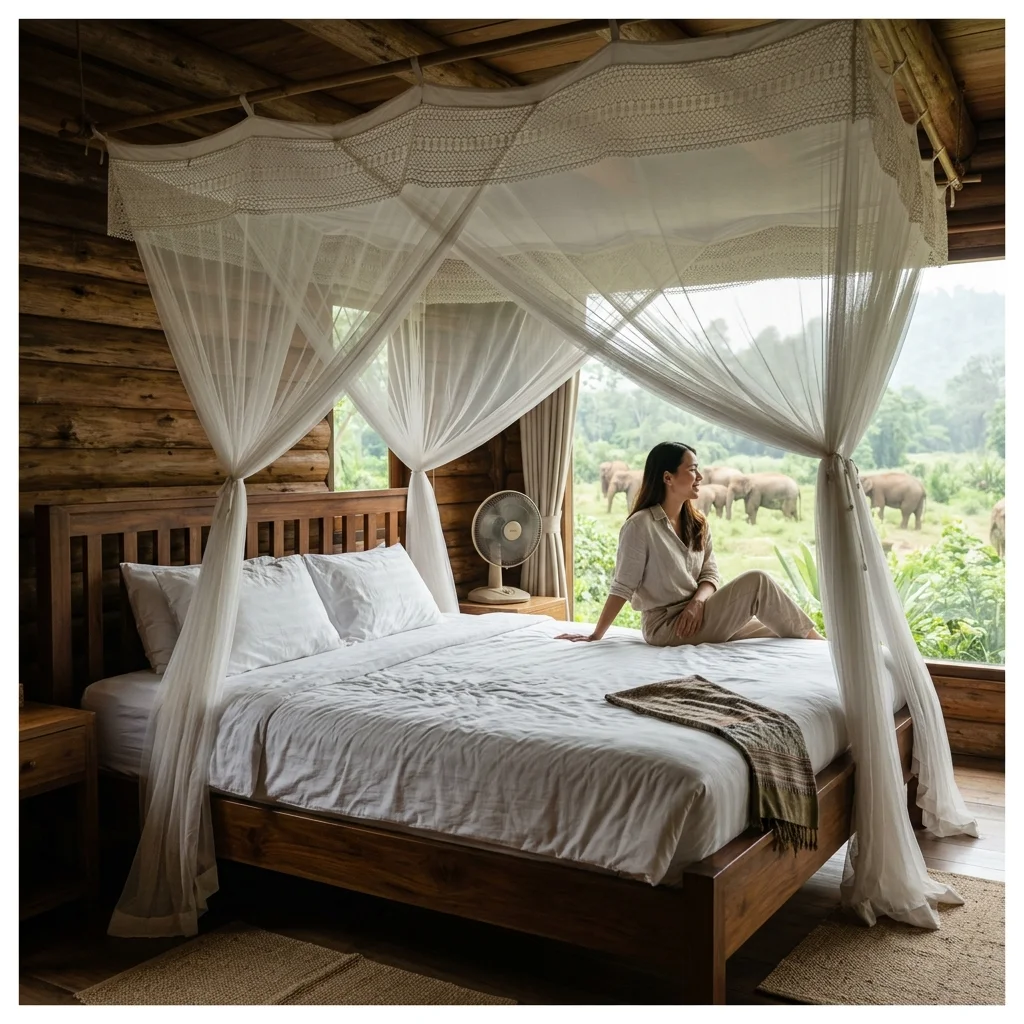
An overnight stay allows visitors to experience Elephant Nature Park well beyond the limits of a standard day tour. The sanctuary provides rustic on-site accommodation consisting of traditional Thai-style wooden cabins and raised bamboo huts. These fan-cooled lodgings are deliberately simple, furnished with mosquito nets, private balconies, and en-suite bathrooms with hot-water showers. Rooms lack televisions and air conditioning, relying instead on ceiling fans and the cooler evening mountain air of the Mae Taeng Valley. Single travellers booking individually are typically paired in a twin room with a guest of the same gender unless a private room is arranged in advance.
Once day visitors depart in the mid-afternoon, the grounds become remarkably quiet. Guests can relax on their private balconies or the central observation platforms to watch the resident herds settle into their nighttime shelters. The evening routine centres on a communal plant-based buffet dinner in the open-air dining hall, followed by conservation documentary screenings or informal talks from veterinary staff detailing recent rescue missions. Overnight visitors then wake to the early morning sounds of elephants rumbling and foraging across the grounds before the next day's visitor groups arrive.
The Elephants and Their Individual Stories
Every elephant residing at Elephant Nature Park carries an individual history, meticulously recorded from its previous working life across illegal logging, street begging, tourist trekking camps, or circus shows. Sanctuary guides share these personal backgrounds during visits, detailing each resident's name, rescue background, past physical trauma, and ongoing behavioural rehabilitation.
Visitors observe elephants bearing permanent physical scars from decades of exploitation. Prominent cases shared on site include Jokia, who was deliberately blinded by her handler after refusing to work following a logging-induced miscarriage, alongside elephants such as Sri Prae and Thai Koon, who survived with severe, permanent foot deformities caused by landmine explosions along the Thai–Myanmar border. Encountering these personal accounts provides vital context on why ethical, hands-off sanctuaries are so necessary.
Within the park grounds, elephants are free to roam and socialise on their own terms, gradually forming matriarchal surrogate herds. Older females frequently adopt the role of dedicated "nannies", shielding and mentoring calves with the fierce protective instincts seen in wild family units. For geriatric elephants whose final molars have ground down, sanctuary staff hand-prepare soft, easily digestible rice balls mixed with tamarind, banana, and nutritional supplements to sustain healthy digestion. Observing these restored social structures and attentive daily care routines illustrates the reality of genuine, lifelong wildlife rehabilitation.
Beyond Elephants: Rescued Dogs and Cats
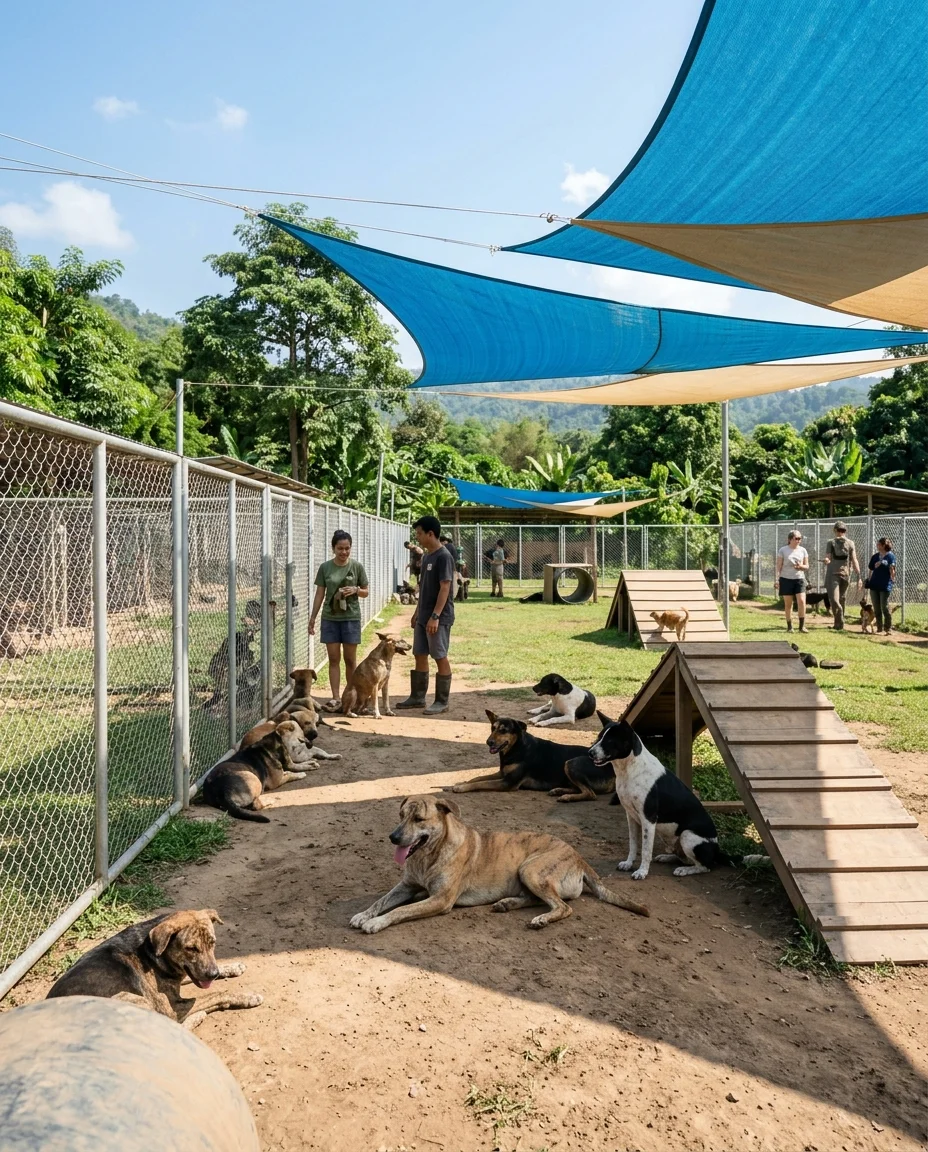
Elephant Nature Park operates as a refuge for far more than its herd of pachyderms. The Mae Taeng sanctuary provides a permanent home for over 2,000 rescued cats and hundreds of dogs, alongside rescued water buffalo and other domestic species. The dedicated Dog Project was established in late 2011, when founder Lek Chailert and volunteers rescued stranded animals from catastrophic flooding in Bangkok and transported them north to Chiang Mai. Since then, the shelter has taken in animals saved from abandonment, traffic accidents, and the illegal meat trade.
Dedicated dog runs and cat enclosures keep the small animals secure from the main elephant grounds. On-site veterinary staff provide medical care, alongside running community sterilisation and vaccination campaigns across the surrounding villages. Day guests can explore Cat Kingdom, an expansive landscaped enclosure fitted with climbing trees, platforms, and sheltered structures where hundreds of friendly cats roam. Visitors can also spend time socialising with or walking dogs from the runs. For travellers wishing to take a rescue pet home, the foundation coordinates international adoptions, assisting with veterinary health clearances, microchipping, and overseas transport logistics to destinations including the UK.
Long-Term Volunteer Programmes
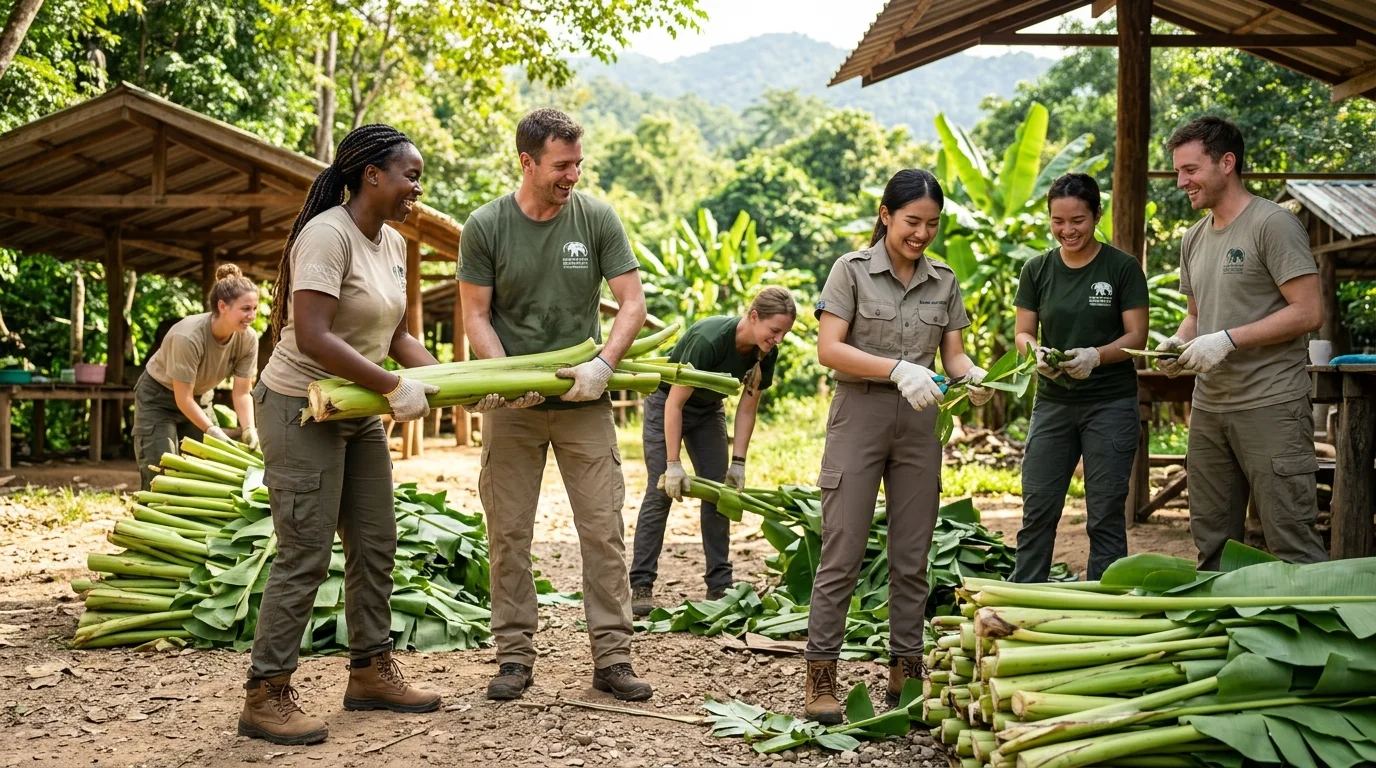
For travellers looking to contribute directly to sanctuary operations, Elephant Nature Park runs structured volunteer placements. The standard placement lasts one week, running from Monday to Sunday, with scheduled transport departing from Chiang Mai.
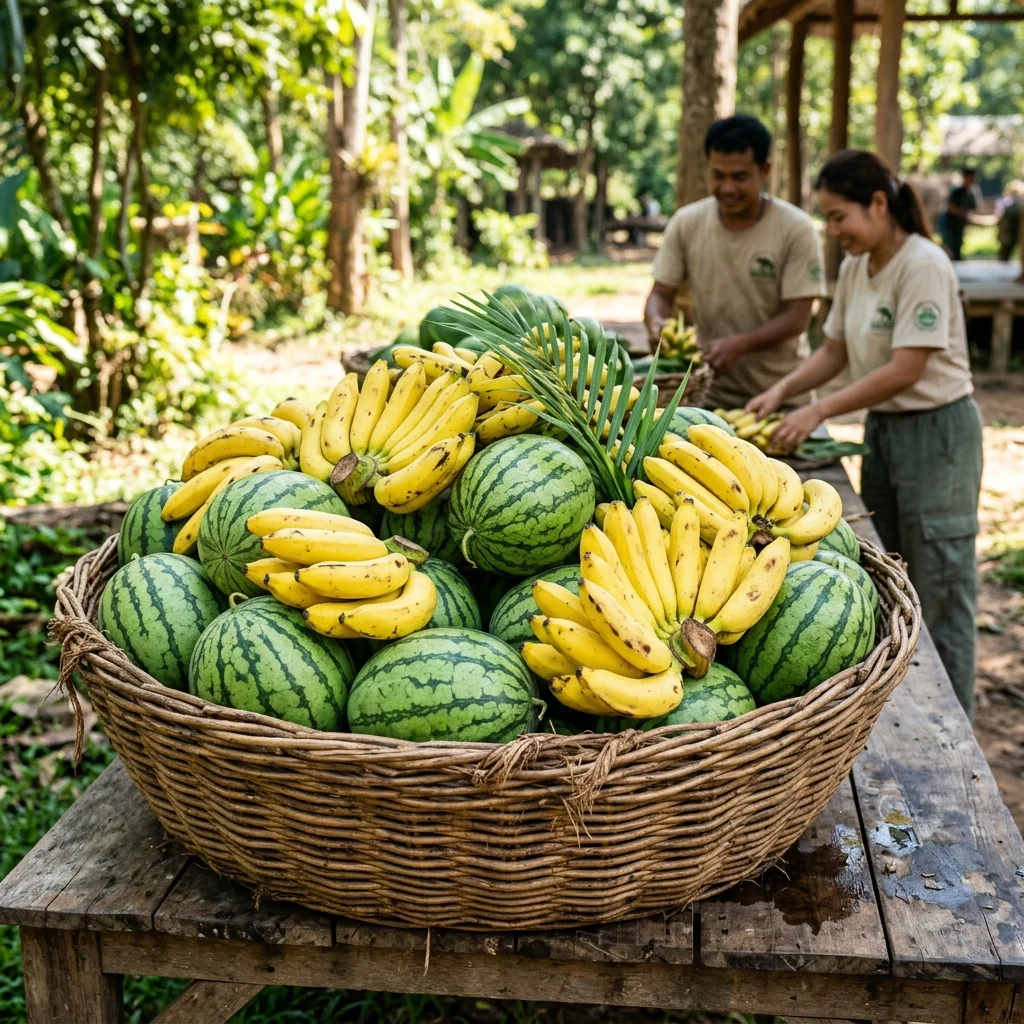
Volunteering is hands-on and physically demanding. In line with the sanctuary's hands-off ethos, this is not an interactive petting experience. Volunteers spend their days handling vital, labour-intensive tasks: unloading supply lorries of watermelons and pumpkins, cutting Napier grass and corn stalks in nearby fields, scrubbing water troughs, and shovelling tonnes of elephant dung across the shelters. An adult elephant eats upwards of 150 kilograms of forage each day, so food preparation—including steaming pumpkin and hand-rolling soft rice balls for elderly or ailing residents—is continuous.
Placements include simple shared on-site accommodation and three daily buffet meals, which are strictly vegetarian and vegan. Beside the main elephant care programme, the sanctuary also offers a dedicated dog rescue placement where volunteers walk dogs, clean enclosures, and assist clinic staff with rehabilitation and socialisation. Joining a weekly programme offers a grounded, unvarnished look at the immense physical graft and logistical coordination required to sustain a large-scale animal haven.
Location and Getting There
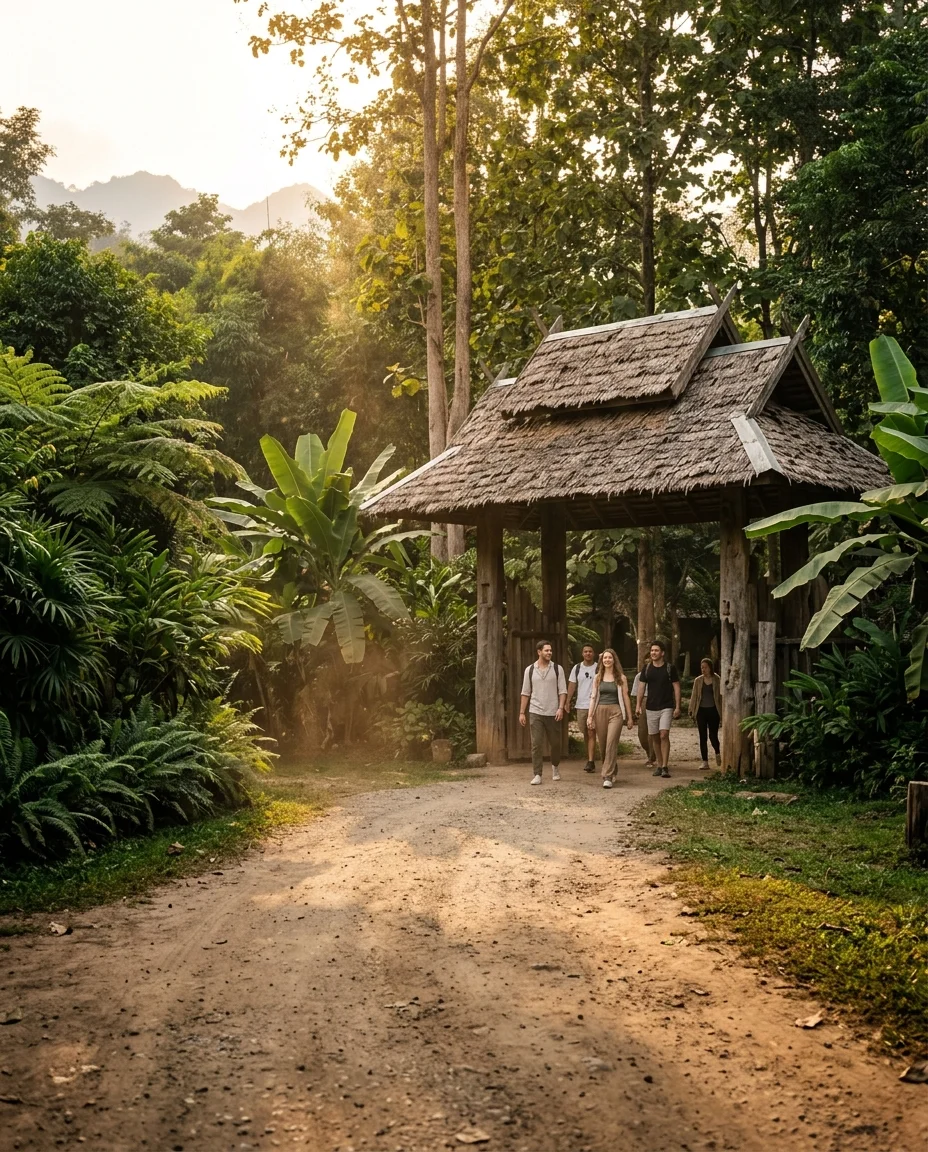
Elephant Nature Park is situated in the Mae Taeng Valley, roughly 60 kilometres north of Chiang Mai city centre. The drive takes around 75 to 90 minutes, heading north out of the city and climbing past farmland into forested hills. Because the sanctuary sits in a rural district, public buses and songthaews do not travel directly to the entrance.
Standard visitor bookings include shared return transfers from Chiang Mai in air-conditioned minivans. Collection runs between 07:30 and 08:30 each morning from hotels within central Chiang Mai, or from the sanctuary's city office on Rachamankha Road in the Old City for guests staying outside the urban pickup zone.
Travellers with their own hire car or motorbike can drive directly to the park. However, you must notify the sanctuary during the online booking process so staff can log your vehicle for on-site parking and gate clearance. Independent walk-in arrivals without a confirmed booking are turned away at the gate. Using the park's organised transport remains the simplest approach, sparing visitors the challenge of navigating unfamiliar rural mountain roads.
Costs and Booking
Visiting an ethical sanctuary costs more than visiting a conventional elephant camp, reflecting the true expenses of responsible animal welfare. Feeding a single adult elephant requires roughly 1,000 THB (£22) per day in fresh vegetation, before factoring in full-time mahout salaries, veterinary staff, medical supplies, and land maintenance. Rather than extracting profit through forced labour or low-welfare tourist tricks, Elephant Nature Park uses visitor revenue directly to fund ongoing animal care, rescue operations, and land acquisition for expanding herds.
At the time of writing, standard single-day visits start around 2,500 to 3,500 THB (£55 to £75) per adult, while overnight stays cost approximately 5,800 THB (£125). Structured seven-day residential programmes typically cost between 12,000 and 15,000 THB (£260 to £325) for elephant care, or from 5,000 THB (£110) for dog rescue placements. All visitor packages include return transport from Chiang Mai city centre, full vegetarian catering, and dedicated guide supervision.
Because the sanctuary caps visitor numbers daily to minimise stress on the herd, spaces sell out quickly. Booking several weeks to months in advance is strongly recommended, especially throughout northern Thailand's peak dry season from November to February. Reservations must be made directly through the official Elephant Nature Park website to avoid reseller markups and ensure your payment goes straight towards conservation work.
| Programme | Cost (THB) | Approx GBP | Details |
|---|---|---|---|
| Single Day Visit | 2,500–3,500 | £55–£75 | Includes return transport, vegetarian buffet lunch, and guided park access |
| Overnight Stay (2D/1N) | 5,800 | £125 | Includes return transport, all meals, cabin accommodation, and two days of park access |
| Elephant Volunteer (7 Days) | 12,000–15,000 | £260–£325 | Includes return transport, shared accommodation, three daily meals, and sanctuary duties |
| Dog Volunteer (7 Days) | 5,000–7,000 | £110–£155 | Includes return transport, shared accommodation, meals, and rescue clinic work |
Who the Sanctuary Suits
Elephant Nature Park suits travellers who value animal welfare and want to observe rescued elephants living in herd structures. It appeals to educational family groups, solo travellers, and wildlife enthusiasts who prefer watching natural behaviours from viewing platforms and walking trails rather than demanding direct contact. The sanctuary is unsuited to anyone seeking elephant rides, trick performances, or close bathing interactions. Visitors expecting luxury resort amenities should also look elsewhere, as the on-site overnight accommodation is intentionally simple, rustic, and integrated with the rural environment.
What to Know Before Booking
The park maintains a strict hands-off policy. Visitors are not permitted to bathe in the river with the elephants or hug them, ensuring the animals can feed, socialise, and bathe without human interference.
Advance online booking is necessary. Because daily visitor numbers are capped to minimise stress on the herds and walk-ins are turned away at the gate, reservations often fill weeks or months ahead during peak travel periods.
All meals served across the property are entirely vegetarian and plant-based. The sanctuary kitchen provides communal buffet dining that excludes meat, reflecting its wider animal welfare ethos.
Ground conditions across the valley consist of dirt trails, grassy fields, and muddy tracks along the riverbank. Sensible, enclosed footwear that can handle mud is far more practical than pristine trainers or open sandals.
Practical Tips
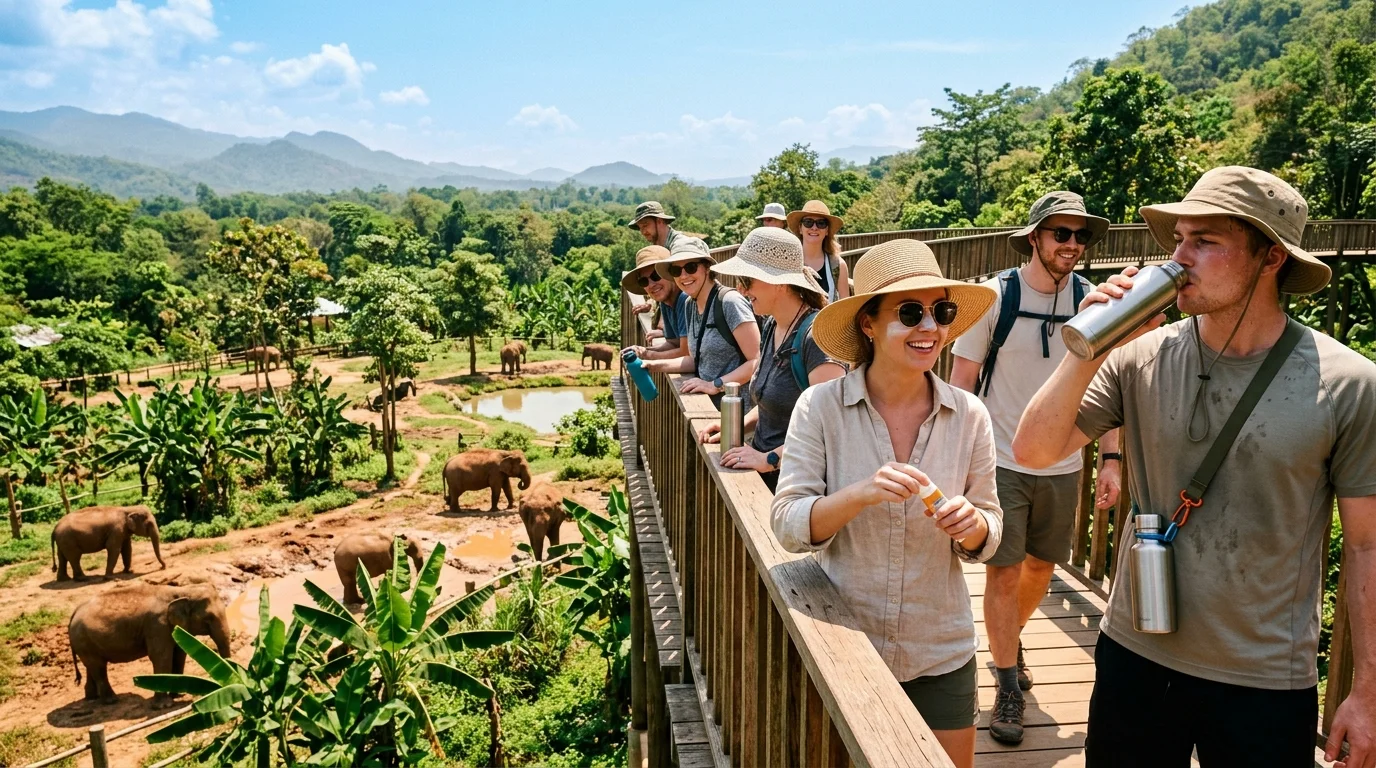
Pack an effective insect repellent, as the sanctuary sits along the Mae Taeng River where mosquitoes are active, particularly towards late afternoon. Sturdy, closed-toe walking shoes or trainers are essential for navigating dusty tracks, gravel paths, and muddy terrain after rain; open sandals leave feet exposed to uneven ground.
Wear lightweight, breathable clothing you do not mind getting dirty. Fine red dust, mud, and crushed foliage easily stain lighter fabrics across a full day outdoors. A compact waterproof jacket or poncho is worth carrying year-round, as mountain weather in Northern Thailand changes quickly and guided observation walks proceed through rain.
Carry a refillable water bottle to use at the filtered drinking water dispensers located around the central visitor pavilion. Single-use plastic bottles are discouraged across the valley.
Bring small-denomination Thai Baht in cash. While main bookings are handled in advance, cash is necessary for the on-site coffee counter, small souvenir purchases, and optional tips for guides and staff.
Listen closely to your assigned guide throughout the visit. Guides monitor herd movements and elephant body language, signalling when to halt or step aside so the animals have clear right of way. Keep your voice at a moderate volume near the herds and night shelters, as sudden loud shouts can startle blind or traumatised residents.
Wash your hands regularly at the facilities provided, particularly after preparing dietary supplements, touching rescue shelter animals in the companion zones, or before heading into the buffet dining area.
Quick Reference Table
| Item | Detail | Notes |
|---|---|---|
| Location | Mae Taeng Valley, approx. 60 km north of Chiang Mai city centre | Around 75–90 minutes by road; return shared minivan transfers included |
| Sanctuary Size & Founder | Approx. 250 acres; founded in the 1990s by Saengduean 'Lek' Chailert | Operated under the Save Elephant Foundation |
| Animal Population | 100+ rescued Asian elephants, 2,000+ cats, hundreds of dogs and water buffalo | Rescued from logging, trekking camps, street begging, and floods |
| Welfare Policy | Strict hands-off, saddle-off observation model | No riding, shows, or river bathing with visitors; viewing via SkyWalk and trails |
| Single Day Visit | 2,500–3,500 THB (£55–£75) per adult | Full day (approx. 08:00–17:00); includes return transport and vegetarian buffet lunch |
| Overnight Stay (2D/1N) | Approx. 5,800 THB (£125) per person | Includes return transport, all meals, and rustic fan-cooled cabin accommodation |
| Volunteer Placements | 7-day programmes (Mon–Sun); 12,000–15,000 THB (£260–£325) for elephants, 5,000–7,000 THB (£110–£155) for dogs | Hands-on physical work; includes shared accommodation and 3 daily meals |
| Catering | 100% vegetarian and vegan buffets | Meat-free dining across all day tours, overnight stays, and volunteer packages |
| Booking Requirement | Advance online booking mandatory | Visitor numbers are strictly capped; walk-ins are turned away at the gate |
FAQ: Elephant Nature Park Chiang Mai Guide - Ethical Sanctuary
What is Elephant Nature Park?
What kind of experience does Elephant Nature Park offer visitors?
Can visitors bathe with elephants at Elephant Nature Park?
How does Elephant Nature Park care for its rescued elephants?
What activities are included in a day visit to Elephant Nature Park?
How do visitors get to Elephant Nature Park from Chiang Mai?
How should visitors book a trip to Elephant Nature Park?
What kind of food is served at Elephant Nature Park?
What kind of footwear should visitors wear at Elephant Nature Park?
Who is Elephant Nature Park suitable for?
Reviewed by the Thailand Guide Editorial Team • Last reviewed: 26 August 2026
This page is provided for general information only. While we aim for accuracy, details can change — please verify anything important independently before relying on it.