Thailand Business Visa
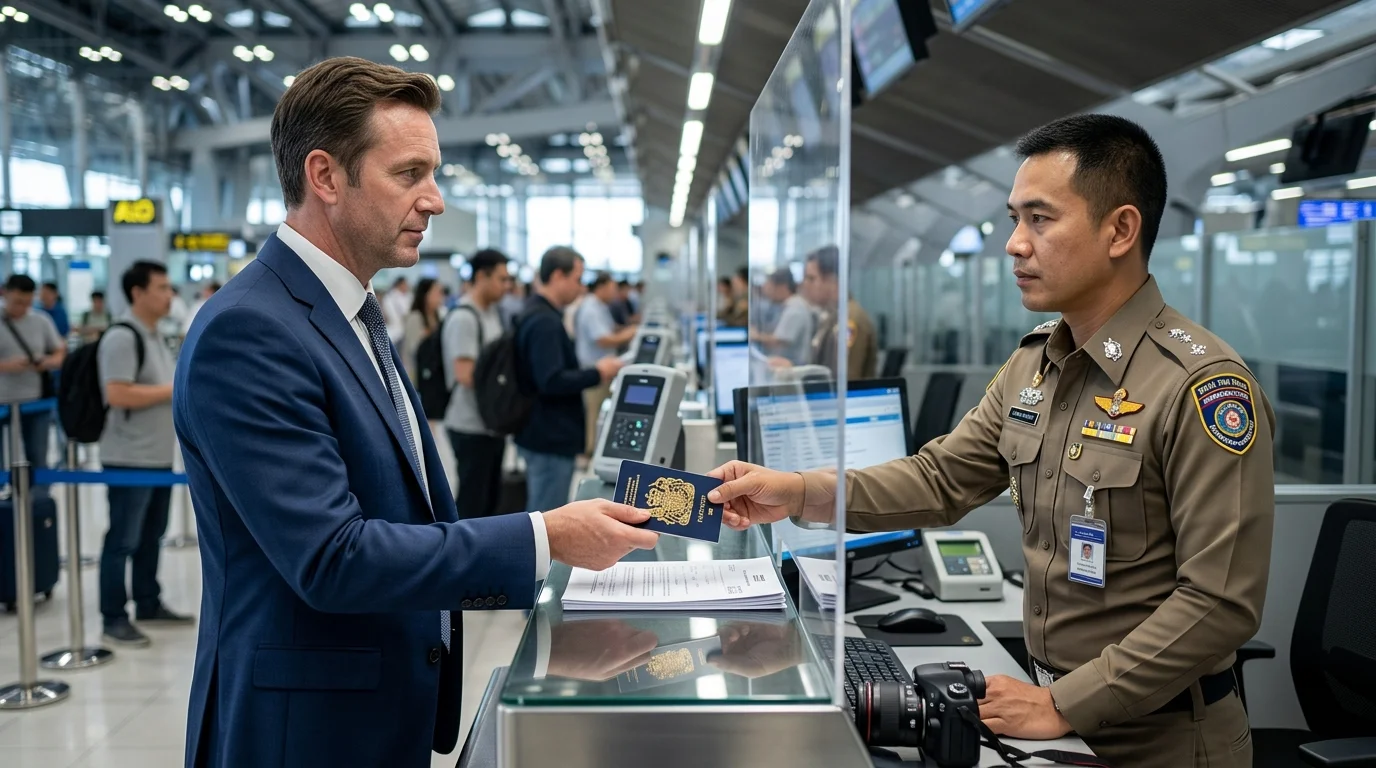
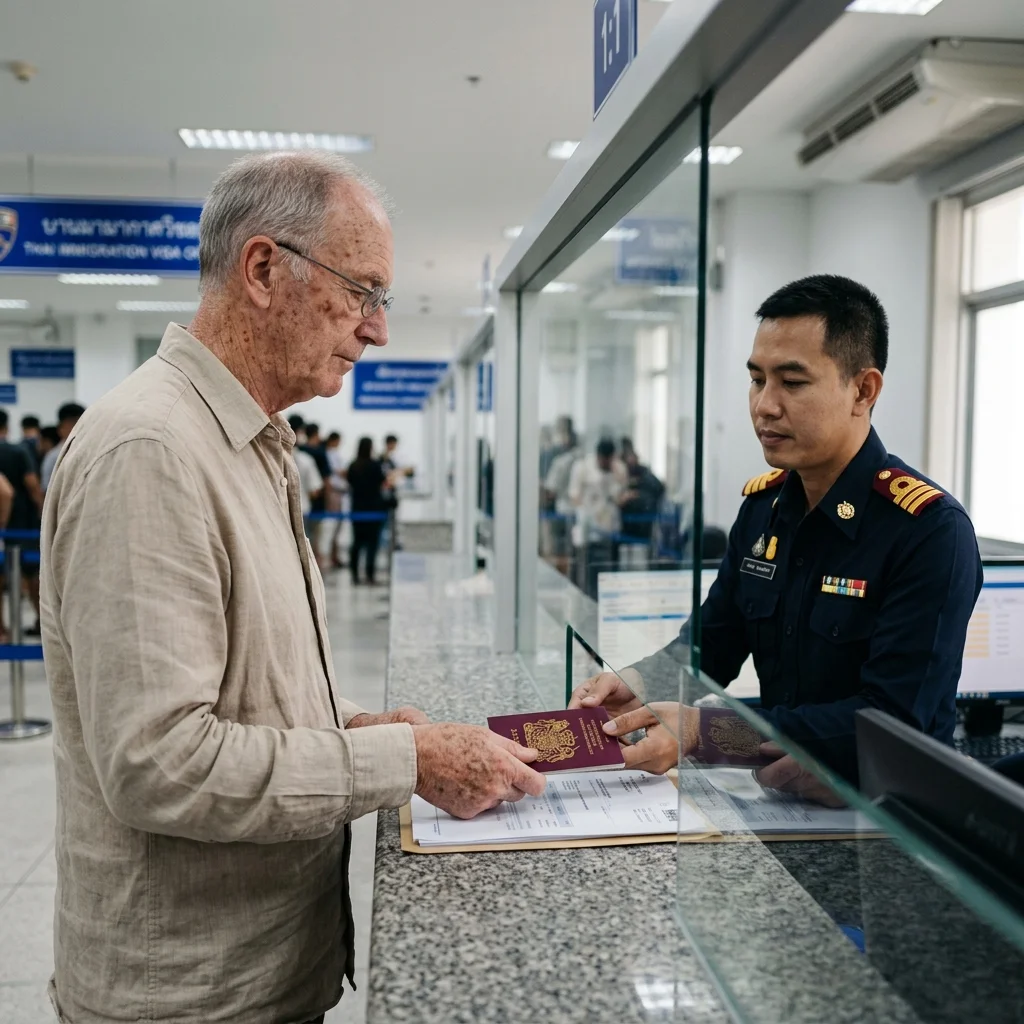
The Non-Immigrant B visa does not grant you the immediate right to work in Thailand; it serves as the essential entry permit required to apply for a Thai work permit. Without securing this specific visa beforehand, UK nationals cannot legally take up employment or sign local contracts.
This page breaks down exactly how UK nationals can secure a Thailand Non-Immigrant B Visa, detailing the strict legal boundaries between business meetings and actual employment. You will learn the exact sequence of obtaining your visa from the Royal Thai Embassy in London, securing your work permit upon arrival, and managing subsequent long-term extensions. This visa is strictly for individuals employed by a Thai company; it is not a legal route for un-sponsored remote workers.

Permitted Activities versus Visa Exemptions
Understanding the strict legal distinction between a brief business meeting and active employment is the foundation of Thai immigration law. Under the standard visa exemption scheme, UK nationals can legally enter Thailand for up to 30 days to attend short corporate meetings, sign contracts, or participate in trade conferences. However, the moment you engage in productive labour, provide hands-on consulting services, or undertake any activity that generates direct income within Thailand, you cross the line into employment. This rule aggressively applies to UK contractors flying in to oversee a short-term software installation or run a staff training workshop. If you perform actual work, you legally require a Non-Immigrant B visa and a subsequent work permit. Remote workers employed by foreign companies often assume they can use a business visa, but the Non-B strictly requires formal sponsorship from a registered Thai corporate entity. Working remotely on a tourist visa or exemption remains technically illegal, though enforcement is highly complex and rarely targets individuals working quietly from their hotel. If you are entering to work for a local entity or oversee operations, you must secure the Non-B before boarding your flight from London.
Need a lawyer in Thailand? Discover when UK expats genuinely need legal help, how to find reputable Thai attorneys, typical costs, and embassy limitations.
Document Requirements and Thai Corporate Sponsorship
Sponsored
Securing this visa requires extensive, precise coordination between you and your prospective Thai employer to compile a highly specific document dossier. The Royal Thai Embassy in London will not process your application without a formal invitation letter from a Thai company, written on official letterhead and signed by an authorised executive director. Your employer must also provide their corporate registration certificates, a recent list of shareholders, and their latest balance sheet or Por Ngor Dor 50 corporate tax return. On your end, you must supply a UK passport valid for at least six months, a passport-sized photograph taken within the last six months, and a recent bank statement showing a minimum balance of 20,000 THB (£450). The most critical document is the WP3 (Letter of Approval) issued by the Ministry of Labour, which your Thai employer must obtain in Bangkok before you apply. Without the WP3 or a Board of Investment (BOI) approval letter, the London embassy will instantly reject your submission. Always ask your Thai HR department to securely email the complete, signed corporate dossier in a compressed format before you begin the online process. Refuse to start the application until you hold every requested file.
The Application Process from the UK
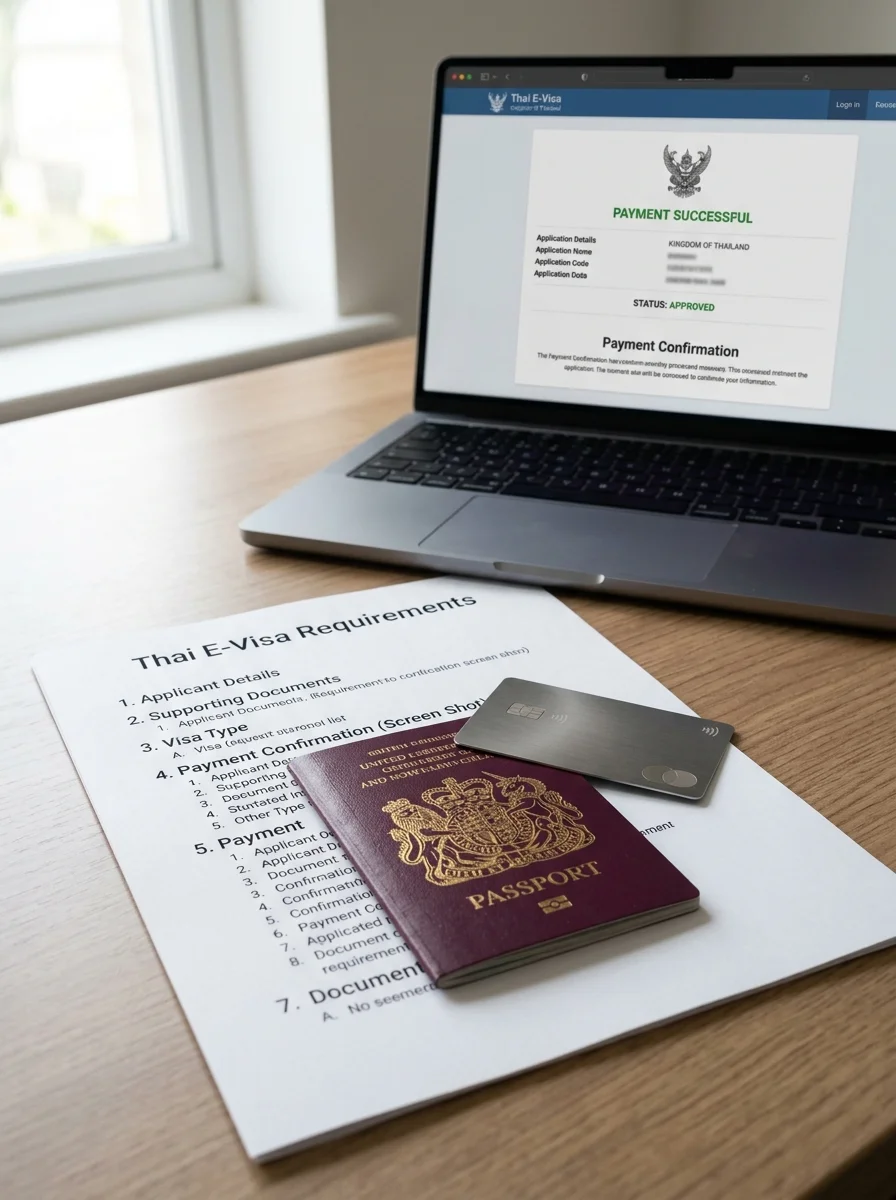
Submitting your application through the official Thai E-Visa system has entirely replaced physical, in-person appointments at the Royal Thai Embassy in London. You must create an account on thaievisa.go.th, carefully upload your supporting documents in PDF or JPEG format, and pay the official fee online. The system is notoriously strict regarding file sizes, requiring every single upload to be under 3MB, which often means heavily compressing lengthy corporate tax documents. You will also need to upload a photograph of yourself holding the photo page of your passport to verify your identity. Processing times currently range from four to fifteen working days, depending largely on the volume of applications and the accuracy of your initial submission. If the embassy requires additional documentation, they will email you, effectively pausing the processing clock until you upload the newly requested files. Once approved, you do not need to mail your physical passport; the embassy issues a digital e-visa which you must print. Ensure you apply at least three weeks before your intended departure date to absorb any unexpected delays in document verification without jeopardising your flight.
| Application Stage | Processing Time | Action Required |
|---|---|---|
| Employer WP3 Application | 7 to 14 working days | Thai company applies at the Ministry of Labour in Thailand. |
| UK E-Visa Submission | 1 to 2 hours | Applicant uploads documents and pays fee on thaievisa.go.th. |
| Embassy Review | 4 to 15 working days | Embassy assesses files; applicant monitors email for requests. |
| Visa Issuance | Immediate upon approval | Applicant prints the digital e-visa document for travel. |
Single Entry, Multiple Entry and Re-Entry Permits
Choosing between a single-entry and multiple-entry Non-Immigrant B visa depends entirely on your immediate travel plans and your employer's corporate status. A single-entry visa costs 2,500 THB (£55), remains valid for 90 days from the date of issue, and permits one 90-day stay in Thailand. This is the standard route for most new employees, as it provides sufficient time to enter the country, finalise the work permit, and apply for a one-year visa extension at a local immigration office. Conversely, a one-year multiple-entry visa costs 6,500 THB (£145) and allows unlimited entries for a full year, with each stay capped at 90 days. However, the London embassy rarely issues multiple-entry Non-B visas unless the applicant is employed by a BOI-promoted company or holds substantial corporate seniority. If you hold a single-entry visa and need to leave Thailand for a brief business trip before your extension is granted, you must purchase a re-entry permit at the airport. Most UK applicants should secure a single-entry visa, obtain their work permit, and arrange multiple-entry privileges at a Thai immigration office later.
Extensions and the Reality of Staying Longer
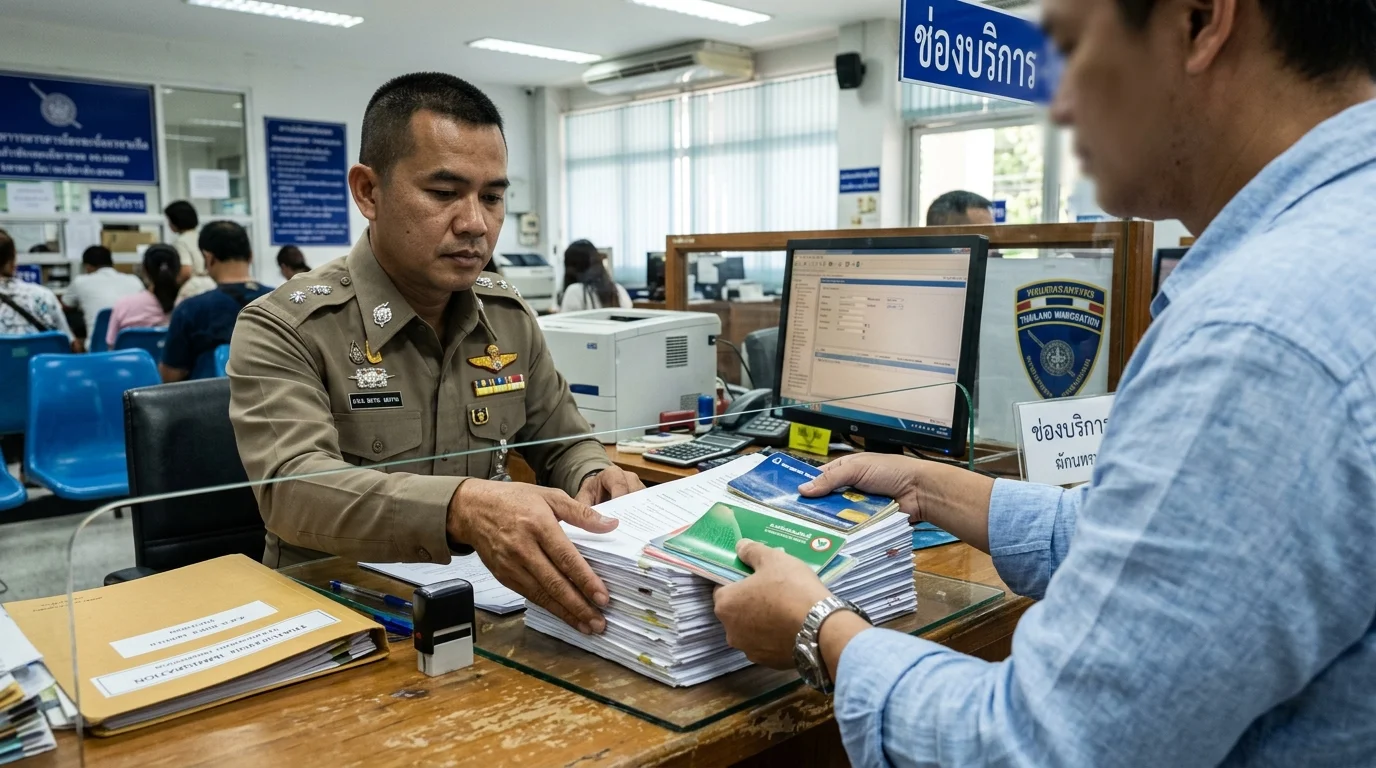
Entering Thailand on a Non-Immigrant B visa is only the first phase of legally working and residing in the Kingdom. Upon arrival, border immigration will stamp your passport with a 90-day permission to stay, starting a strict countdown to secure your work permit. Your employer must immediately finalise your work permit application at the Ministry of Labour or the One Stop Service Centre in Bangkok. Once the blue work permit booklet or digital equivalent is issued, you must visit your local Thai Immigration office before your initial 90 days expire to apply for a one-year extension of stay based on employment. This extension costs 1,900 THB (£42) and requires you to present your new work permit, your employer's updated tax records, and proof of your monthly salary. Thai law mandates a minimum monthly salary threshold of 50,000 THB (£1,100) for UK nationals to qualify for this extension. Following approval, you must report your residential address to immigration every 90 days, either online or in person. Never let your initial 90-day stamp expire while waiting for work permit processing, as overstaying instantly invalidates your visa.
Costs and Budgeting
Budgeting for a Non-Immigrant B visa involves more than just the baseline embassy application fee. The initial single-entry visa costs 2,500 THB (£55), payable online via credit card during the e-visa submission. However, you must also account for document preparation costs in the UK, such as obtaining a formal medical certificate if requested by your employer, or paying for notarised copies of your educational degree. Once in Thailand, the financial responsibility often shifts to your corporate sponsor, though some companies require the employee to cover the work permit application fee of 3,000 THB (£66) and the one-year visa extension fee of 1,900 THB (£42). If you use a visa agency in the UK to manage the complex document uploads and liaison with the embassy, expect to pay an additional service fee ranging from 3,500 THB to 6,500 THB (£75 to £145).
| Item | Cost (THB) | Cost (GBP approx) | Notes |
|---|---|---|---|
| Single-Entry E-Visa Fee | 2,500 THB | £55 | Official fee payable to the Royal Thai Embassy via the portal. |
| Multiple-Entry E-Visa Fee | 6,500 THB | £145 | Requires strict corporate justification; rarely issued to new hires. |
| Visa Agency Service Fee | 4,500 THB | £100 | Optional cost if using a UK-based agent to handle the submission. |
| Annual Visa Extension | 1,900 THB | £42 | Paid at a local Thai Immigration office before the 90-day stamp expires. |
| Work Permit Application | 3,000 THB | £66 | Official Ministry of Labour fee, often covered by the Thai employer. |
Common Mistakes and How to Avoid Them

Applying for a Non-Immigrant B visa with an incomplete corporate document package is the most frequent error UK nationals make. The embassy will immediately reject applications lacking the WP3 approval letter or signed corporate tax returns, resulting in forfeited fees. To avoid this, refuse to submit your e-visa application until your Thai employer provides every single document on the official embassy checklist.
Another severe mistake is assuming the visa itself grants the legal right to commence work. Working before the Ministry of Labour formally issues your physical or digital work permit can lead to arrest, deportation, and a permanent ban from Thailand. Always wait until you hold the completed work permit before commencing any productive corporate duties.
Many applicants also upload uncompressed, massive PDF files to the e-visa portal. The system crashes or outright rejects files over 3MB, causing immense frustration and unnecessary processing delays. Compress all documents using a free online PDF reducer before beginning your upload session.
Finally, applicants frequently enter Thailand and forget to apply for their one-year extension before the initial 90-day stamp expires. Overstaying incurs a 500 THB (£11) daily fine and seriously jeopardises your ongoing employment status. Set a reliable calendar reminder for 30 days before your stamp expires to begin the extension process.
Practical Tips
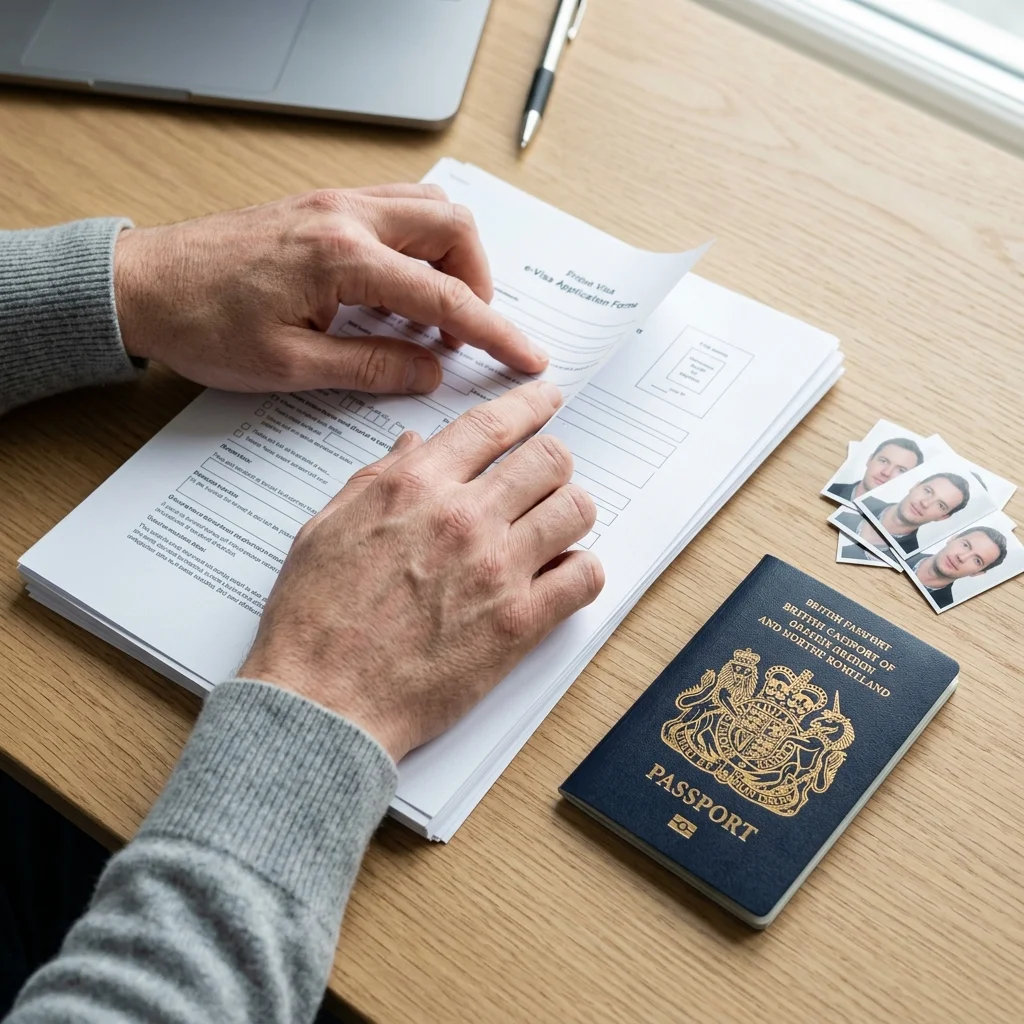
Ensure your passport has at least two blank pages and six months of validity remaining from your intended date of entry. Immigration officers require adequate space for the initial entry stamp and the subsequent one-year extension stamp.
Request that your Thai employer signs every single page of their corporate documents with blue ink and stamps them with the official company seal. The London embassy frequently rejects corporate documents that lack original, authorised signatures on every page.
Print your approved digital e-visa and keep a physical copy inside your passport at all times during travel. Airline staff at Heathrow and immigration officers in Bangkok will demand to see the paper copy before allowing you to proceed.
Carry a printed copy of your Thai employer's invitation letter when passing through Thai immigration. Border officers occasionally ask to see proof of your employment destination before stamping you in.
Do not book non-refundable flights until the e-visa portal officially issues your visa. Processing delays are highly common during Thai national holidays, and the embassy will not expedite your application to meet a flight deadline.
Prepare a separate folder with extra passport photos and copies of your degree certificate for your arrival in Thailand. You will need these immediately to process the work permit and visa extension at local offices.
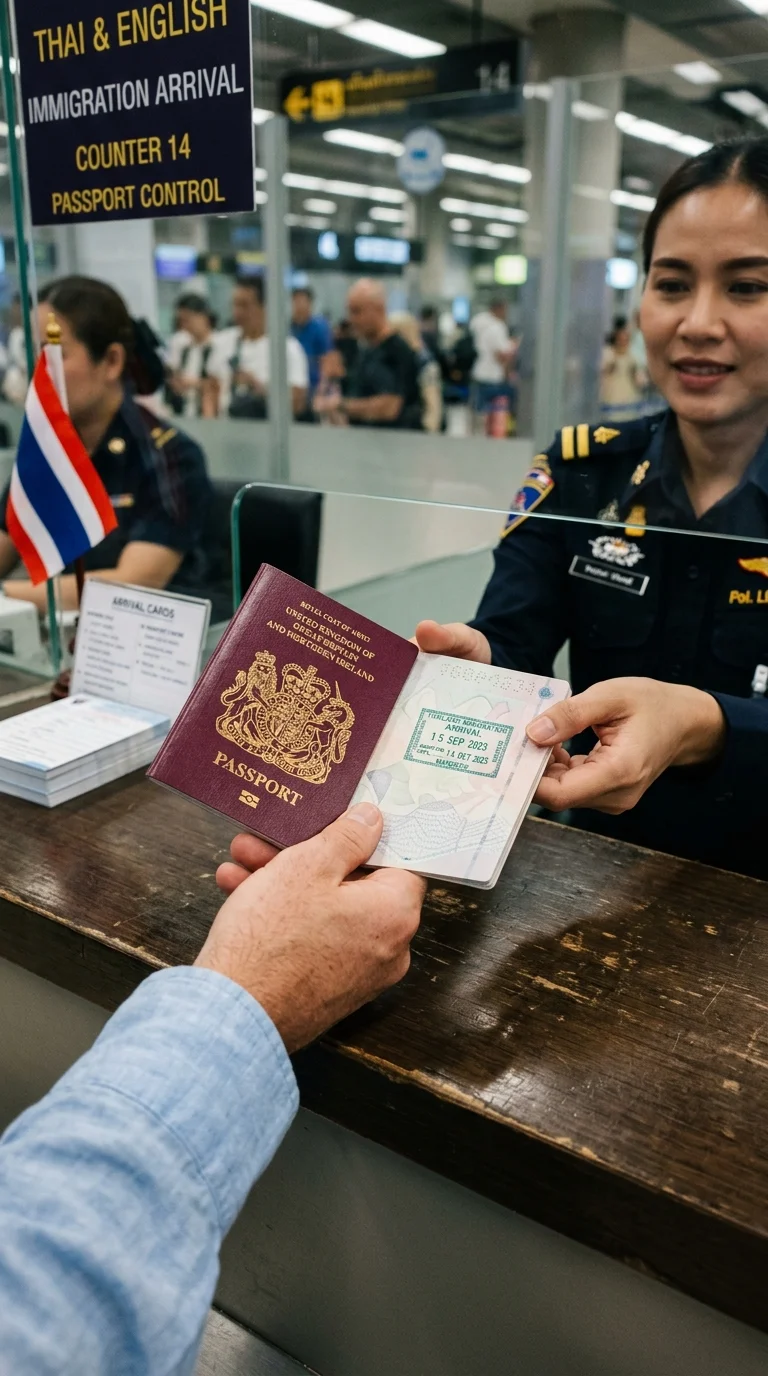
Check your TM6 arrival card equivalent or entry stamp date immediately upon clearing immigration. Mistakes happen, and identifying an incorrect date immediately allows the officer to correct it before you leave the airport.
Apply for a Thai bank account only after you have received your physical work permit. Banks will universally reject your application if you only present a Non-Immigrant B visa without the accompanying permit.
[DISCLAIMER: Visa rules and fees are subject to change. Always verify current requirements with the official Thai Immigration Bureau at immigration.go.th or the Royal Thai Embassy before applying.]
Quick Reference Table
| Item | Detail | Notes |
|---|---|---|
| Visa Type | Non-Immigrant B (Business) | Required for formal employment or long-term business. |
| Eligibility | UK nationals sponsored by a Thai entity | Must hold a formal invitation and WP3 approval letter. |
| Maximum Initial Stay | 90 days | Issued upon arrival at Thai immigration. |
| Application Route | Thai E-Visa Portal | Fully online process; no physical embassy visits required. |
| Official Fee | 2,500 THB (£55) | Covers a single-entry visa valid for 90 days. |
| Processing Time | 4 to 15 working days | Delays occur if documents are incomplete or over 3MB. |
| Extension Options | 1-year extension based on employment | Requires a valid work permit and proof of income. |
| Income Requirement | 50,000 THB (£1,100) per month | Minimum legal salary for UK nationals to secure an extension. |