Pattaya is a major coastal metropolis, a weekend playground for Bangkok, not "Sin City." Explore diverse dining, from street food at 150 THB to luxury, and navigate its distinct neighbourhoods and urban convenience.
About Pattaya
Forget everything you think you know about the "Sin City" label; this is actually a massive, functional coastal metropolis that serves as the primary weekend playground for Bangkok’s middle class.
Sitting 150km southeast of the capital, this city has grown from a quiet fishing village into a high-rise urban hub of over 120,000 registered residents, though the actual population is likely double that. It suits those who want city amenities with a coastline, offering everything from 50-storey luxury apartments to quiet family enclaves in the outskirts.
The beach in the city centre is not suitable for swimming and the water quality often leaves a lot to be desired, but the real draw is the sheer density of infrastructure. You will find better shopping malls and international hospitals here than almost anywhere else in Southeast Asia, making it more of a seaside city than a beach resort.
This guide navigates the distinct neighbourhoods from the rowdy central streets to the refined northern coves, detailing transport costs and practicalities. You will find clear breakdowns of the food scene, accommodation for various budgets, and the logistics of navigating this sprawling coastal strip.
Region
Chonburi, Eastern Gulf
How to get there
Private taxi or public bus from Ekkamai or Suvarnabhumi Airport
Journey time from nearest hub
90 to 120 minutes from Bangkok
Best time to visit
November to February
Budget per day (budget / mid-range / luxury)
£30 / £75 / £200+
Ideal length of stay
3 to 5 days
Best for
Urban convenience, diverse dining, golfing, and island hopping
AREAS & NEIGHBOURHOODS
North Pattaya, specifically the Wong Amat area, is the quietest corner where high-end apartments front a cleaner stretch of sand, perfect for those avoiding the noise of the city centre. Central Pattaya is the frantic heart of the action, defined by the massive Central Festival mall and the densest concentration of bars and shopping. Further south, the area around Walking Street is the legacy nightlife zone that remains loud and crowded until the early hours. Pratumnak Hill sits between the main bay and Jomtien, offering a leafier, more residential feel with elevated views and a slightly more European atmosphere. Jomtien stretches for several kilometres to the south, providing a wider beach and a more relaxed, family-oriented pace that feels distinct from the city centre. Beyond this lies Na Jomtien, where large-scale water parks and upscale seafood restaurants cater to weekenders from the capital. This guide provides a deeper dive into these locations in the full areas and neighbourhoods section.
TOP EXPERIENCES
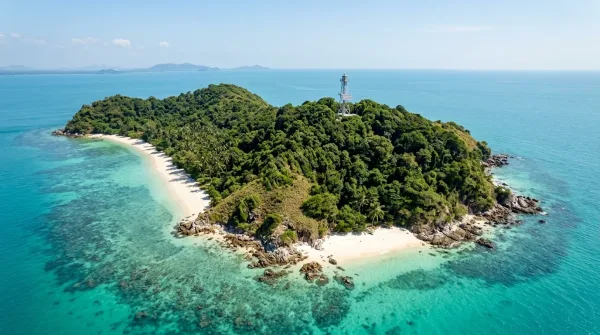
Taking a speedboat from Bali Hai Pier to Koh Larn allows you to find the clear turquoise water that the mainland lacks, specifically at Tien Beach where the crowds are thinner. The Sanctuary of Truth is an immense all-wood structure that serves as a masterclass in Thai craftsmanship, though you must wear a hard hat due to the perpetual construction. Golfers have access to over twenty championship courses within an hour’s drive, offering some of the best-maintained greens in the country. For a different perspective, the Buddha Mountain at Khao Chi Chan features a massive gold-etched image on a limestone cliff that is best visited in the early morning light. Follow the link to the full things to do guide for more details.
GETTING AROUND
The dark blue songthaews, or baht buses, are the lifeblood of the city, running a set loop along Beach Road and Second Road for a flat 10 THB (about 22p) per person. You simply hop on and ring the bell when you want to get off, but ensure you do not ask the driver for a price beforehand or they may treat it as a private charter. For point-to-point travel, the Bolt app is significantly cheaper than Grab, with a cross-town car ride usually costing around 100 THB (£2.20). Avoid the motorbike taxis for long distances as the local traffic is aggressive, and always negotiate a price before the wheels move if you are not using an app.
WHERE TO STAY
Accommodation in this city is incredibly varied, with budget guesthouses in the central sois starting as low as £15 per night for a clean, basic room. Mid-range travellers should look toward the newer hotels along Second Road or Jomtien, where £40 to £60 secures a modern room with a rooftop pool and gym access. For those seeking luxury, the northern Wong Amat area houses high-rise resorts where £120 per night provides private beach access and expansive sea views. Choosing the right area is vital, as staying in the centre means dealing with noise from the bars until 4 AM. Read the full hotels guide for specific recommendations.
FOOD & DRINK
Because of its proximity to the Gulf, seafood is the primary draw, particularly the salt-crusted grilled fish and spicy raw shrimp salad found at the Naklua Fish Market. A local specialty to seek out is the sun-dried squid, often sold by roaming vendors on the beach and grilled to order over charcoal for a chewy, smoky snack. Expect to pay around 150 THB (£3.30) for a substantial street food meal, while a high-end dinner at a beachfront restaurant will cost closer to 1,200 THB (£26). The city is also a hub for authentic international cuisine, ranging from Russian borscht to high-quality Italian wood-fired pizzas.
ESSENTIAL TIPS
Crossing the road here requires a certain level of assertiveness; do not wait for traffic to stop for you, but instead move slowly and predictably so drivers can flow around you. Be aware that many attractions employ a dual-pricing system where foreigners pay significantly more than locals, so it is worth checking prices online before you arrive. If you are sensitive to noise, always check the proximity of your hotel to the nearest open-air music venue, as sound carries easily across the narrow streets. One honest warning: the pavement surfaces are notoriously uneven and often have hidden gaps, so keep your eyes down while walking.
No, Pattaya is a massive, functional coastal metropolis that serves as the primary weekend playground for Bangkok’s middle class. It's a major coastal metropolis with diverse dining and distinct neighbourhoods, not accurately described as "Sin City."
What is the best time to visit Pattaya?
The best time to visit Pattaya is from November to February.
Is the beach in Pattaya city centre suitable for swimming?
The beach in Pattaya city centre is not suitable for swimming, and its water quality often leaves much to be desired. The city's main appeal lies in its dense infrastructure rather than its central beach.
How do I use songthaews (baht buses) in Pattaya?
To use songthaews, simply hop on one running a set loop along Beach Road and Second Road for a flat 10 THB per person. Ring the bell when you want to get off, but avoid asking the driver for a price beforehand, as they might then treat it as a private charter.
What is the best app for point-to-point travel in Pattaya?
For point-to-point travel in Pattaya, the Bolt app is significantly cheaper than Grab. A cross-town car ride typically costs around 100 THB.
How can I avoid noise when choosing a hotel in Pattaya?
If you are sensitive to noise, always check how close your hotel is to any open-air music venues. Sound carries easily across the narrow streets, and staying in the city centre can mean noise from bars until 4 AM.
What kind of food is a specialty in Pattaya?
Due to its proximity to the Gulf, seafood is a primary draw in Pattaya. Specialties include salt-crusted grilled fish and spicy raw shrimp salad, often found at the Naklua Fish Market.
How should I cross the road safely in Pattaya?
Crossing the road in Pattaya requires assertiveness. Do not wait for traffic to stop; instead, move slowly and predictably so drivers can flow around you.
Do attractions in Pattaya have different prices for locals and foreigners?
Yes, many attractions in Pattaya employ a dual-pricing system where foreigners pay significantly more than locals. It is advisable to check prices online before your arrival.
What should I be aware of when walking on pavements in Pattaya?
When walking in Pattaya, be aware that pavement surfaces are notoriously uneven and often have hidden gaps. It's advisable to keep your eyes down to watch your step.
This page is provided for general information only. While we aim for accuracy, details can change — please verify anything important independently before relying on it.
STAY UP TO DATE
Join our community to get the newest Thailand destination
guides, travel advice, and expat resources delivered straight to your inbox.