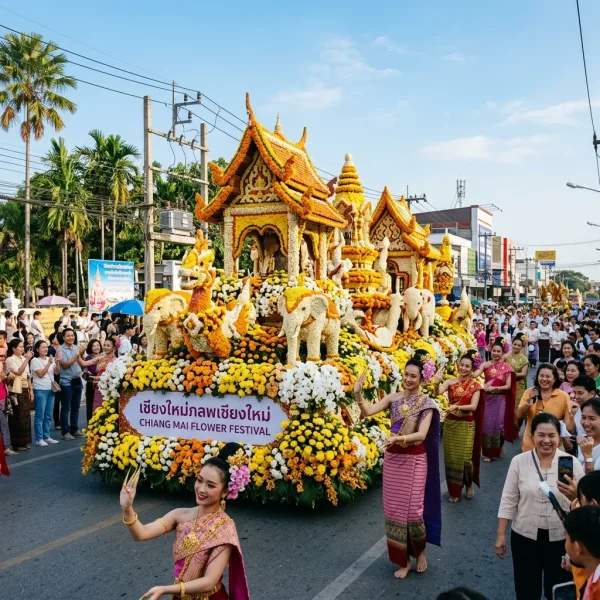
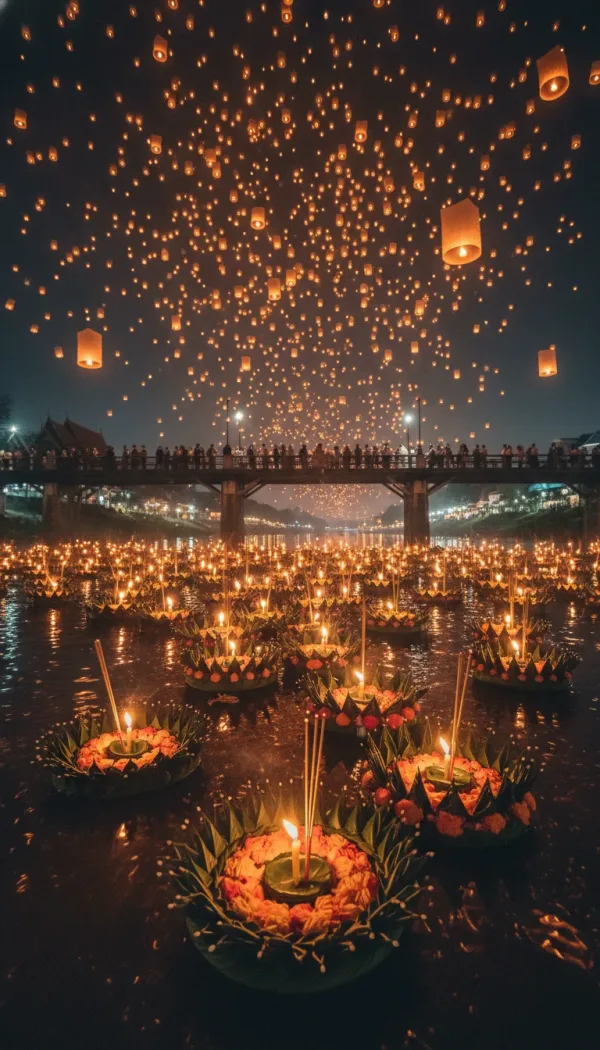
Chiang Mai, 700 kilometres north of Bangkok, blends ancient Lanna culture with modern cafe life. Its 13th-century moat defines the Old City, where khao soi costs around 50 THB.
About Chiang Mai
The cultural capital of the north is quietly undergoing an identity crisis, caught somewhere between its 700-year-old Lanna roots and a relentless influx of digital nomads armed with oat milk cortados.
Sitting 700 kilometres north of Bangkok within a valley of the Himalayan foothills, Chiang Mai city is home to roughly 130,000 residents, though the wider province sprawls across mountains and farmland. It appeals heavily to slow-paced travellers, cafe enthusiasts, and those looking to trade coastal heat for cooler, temple-studded streets.
The infamous burning season from late February to April turns the air toxic and the sky a murky grey, an undeniable reality that many tourism boards conveniently ignore. Yet, if you visit during the monsoon or cool season, you will find a surprisingly manageable urban grid where genuine Northern Thai culture thrives just a street away from the tourist traps.
This guide breaks down exactly how to navigate the ancient moat, decode the street food markets, and figure out which forested mountain trails are actually worth the effort. You will find practical advice on neighbourhood characters, transport costs, and accommodation options to suit everything from a two-week holiday to a six-month sabbatical.
Region
Northern Thailand
How to get there
Direct domestic flights, overnight sleeper train from Bangkok, or long-distance bus
Journey time from nearest hub
1 hour 15 minutes by air from Bangkok; 13 hours by sleeper train
Best time to visit
November to early February
Budget per day (budget / mid-range / luxury)
£25 / £65 / £150+
Ideal length of stay
4 to 7 days
Best for
Cafe culture, temple hopping, mountain excursions, and slow travel
AREAS & NEIGHBOURHOODS
The Old City is the geographical and historical anchor of Chiang Mai, defined by its perfectly square 13th-century moat, ruined brick walls, and a heavy concentration of ancient temples that attract first-time visitors and short-stay holidaymakers. Just to the east, the Riverside area along the Ping River offers a slightly more mature, upscale atmosphere with heritage teak houses converted into high-end restaurants and boutique hotels. To the west of the moat lies Nimmanhaemin, a grid of streets heavily populated by remote workers, aesthetic cafes, and apartment blocks that feels entirely disconnected from traditional Thailand but excels in modern conveniences. South of the centre, the Wua Lai neighbourhood retains a strong silver-making heritage and feels much more like a genuine local community, especially on weekdays before the Saturday walking street takes over. For a deeper dive into which postcode suits your trip, head over to the full areas guide.
TOP EXPERIENCES
Waking up at dawn to witness monks collecting alms at the foot of Doi Suthep offers a more authentic glimpse into local Buddhist practice than elbowing through crowds at the summit temple. Down in the city, skipping the chaotic Sunday Night Market for an early morning trip to Siri Wattana Market reveals a working local economy trading in seasonal mushrooms and fresh curry pastes. Out in the wider province, hiring a driver to navigate the mountainous Samoeng Loop provides a masterclass in northern topography, while spending an afternoon at a strictly no-riding elephant sanctuary allows for responsible wildlife observation. Discover more specific itineraries in the full things to do guide.
GETTING AROUND
The ubiquitous red songthaews function as shared taxis and remain the most traditional way to navigate the city centre, costing a flat rate of 30 THB (£0.65) for short hops, though drivers will occasionally try to overcharge tourists. Ride-hailing apps like Grab and InDrive have completely transformed local transport, offering transparent pricing usually hovering around 80 to 120 THB (£1.75 to £2.60) for a cross-town journey in an air-conditioned car. While renting a scooter for about 250 THB (£5.50) a day provides ultimate freedom for mountain runs, the city traffic is unforgiving and local police frequently set up checkpoints to fine foreigners driving without an International Driving Permit.
WHERE TO STAY
Accommodation here offers some of the best value for money in Southeast Asia. Budget travellers can find incredibly clean, air-conditioned private rooms in the Old City or Santitham for roughly £15 to £25 a night, often run by local families who provide excellent grassroots advice. Mid-range options heavily populate the Nimmanhaemin and Riverside areas, where £50 to £80 secures a spacious boutique room with a swimming pool and high-end design touches. Luxury visitors should look toward the Mae Rim valley or the Ping River banks, where £150 to £300 buys expansive Lanna-style villas with private butler service. Find your ideal base in the full hotels guide.
FOOD & DRINK
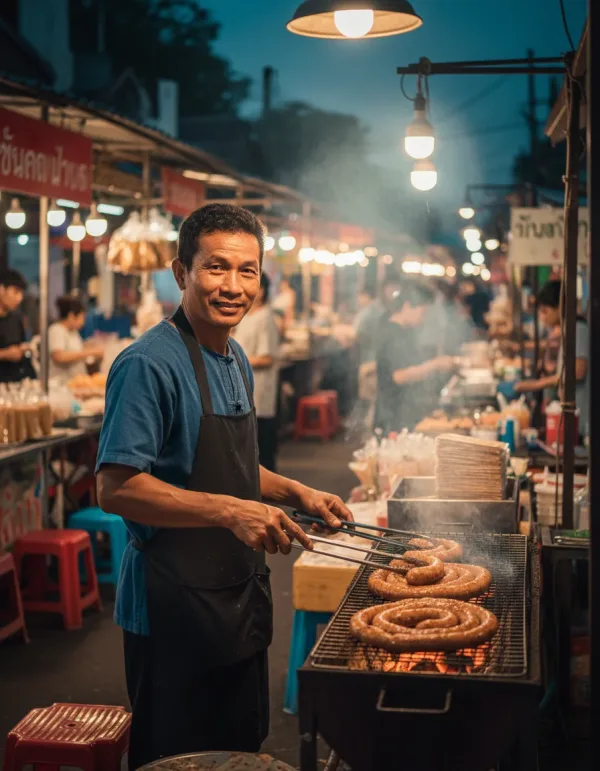
The culinary landscape is defined by complex, earthy Lanna flavours that differ wildly from the sweet and sour profiles of the south. You cannot leave without eating khao soi, a rich coconut curry noodle soup topped with crispy shallots and pickled mustard greens, which will cost you around 50 to 80 THB (£1.10 to £1.75) in a local shophouse. Beyond the famous noodles, seek out sai oua, an intensely herbaceous grilled pork sausage sold by the coil at evening food markets. While the city overflows with exceptional coffee and international brunch spots, the most memorable meals are found sitting on plastic stools eating 40 THB (£0.90) bowls of pork blood soup.
ESSENTIAL TIPS
Bringing a lightweight jacket is entirely necessary if you plan to visit between November and January, as the temperature drop after sunset catches many visitors completely off guard. If you are prone to respiratory issues, you must factor in the severe air pollution that blankets the region from late February to mid-April, often making outdoor activities actively hazardous. When visiting temples, keep a sarong or long trousers in your day bag, as the dress code is strictly enforced and buying cheap elephant pants at every gate quickly becomes tedious. Finally, always carry small denominations of cash, as market vendors rarely have change for a thousand-baht note.
Chiang Mai presents an earthy, spice-heavy Lanna cuisine, distinct from southern Thai flavors. At Siri-wattana Market, locals eat for under 100 THB, experiencing the region's diverse and authentic tastes.
The best time to visit Chiang Mai is during the cool season from November to early February. Visitors should generally avoid travelling between late February and mid-April due to severe air pollution caused by the annual regional burning season.
How many days should you spend in Chiang Mai?
An ideal length of stay in Chiang Mai is between 4 and 7 days. This allows enough time to explore the historical Old City temples, visit local food markets, and take mountain excursions in the wider province.
What are the best areas to stay in Chiang Mai?
First-time visitors and short-stay travellers usually prefer the central Old City for its historic temples and central location. Digital nomads often stay in Nimmanhaemin for its modern cafes and apartments, while the Riverside area offers upscale boutique hotels along the Ping River.
Do you need an International Driving Permit to rent a scooter in Chiang Mai?
While scooter rentals are widely available in Chiang Mai, you should carry an International Driving Permit. Local police frequently set up checkpoints across the city to fine foreign drivers operating vehicles without one.
What is the dress code for visiting temples in Chiang Mai?
Temples in Chiang Mai strictly enforce a respectful dress code requiring covered shoulders and knees. Visitors should carry a sarong or wear long trousers in their day bags to ensure they are dressed appropriately before entering temple grounds.
Does it get cold in Chiang Mai?
Chiang Mai can get unexpectedly cold in the evenings between November and January. Visitors travelling during these months should pack a lightweight jacket, as the temperature drop after sunset often catches tourists off guard.
How do you get around Chiang Mai city centre?
Red songthaews (shared taxis) offer traditional local transport around the city centre for a flat rate of 30 THB for short hops. Alternatively, ride-hailing apps like Grab and InDrive provide air-conditioned cross-town rides typically costing between 80 and 120 THB.
What is khao soi and how much does it cost in Chiang Mai?
Khao soi is a signature Northern Thai dish featuring a rich coconut curry noodle soup topped with crispy shallots and pickled mustard greens. In local Chiang Mai shophouses, a bowl typically costs between 50 and 80 THB.
Should you carry cash when visiting street markets in Chiang Mai?
Yes, you should always carry small denominations of cash when visiting local markets in Chiang Mai. Market vendors rarely have enough small change available to break a 1,000 THB bill.
Are there ethical elephant sanctuaries in Chiang Mai?
Yes, Chiang Mai has responsible wildlife options for travellers wishing to observe elephants ethically. Visitors looking for a responsible experience should select strictly no-riding sanctuaries.
This page is provided for general information only. While we aim for accuracy, details can change — please verify anything important independently before relying on it.
STAY UP TO DATE
Join our community to get the newest Thailand destination
guides, travel advice, and expat resources delivered straight to your inbox.