Chiang Mai trades the coastal salt spray for a crisp, mountain-shadowed air that makes it feel worlds apart from the humid pressure cooker of Bangkok.
You will quickly notice the valley floor traps heat and haze differently than the islands, creating a distinct microclimate where a 15°C morning can swing into a 32°C afternoon. While the glossy brochures ignore the seasonal smoke that settles over the city, locals know it simply as the cue to head higher into the surrounding peaks for a lungful of pine-scented clarity.
The cool season runs from November through February and represents the peak of northern hospitality. During these months, daytime temperatures hover around a perfect 28°C to 30°C, but the mercury can plummet to 13°C or even 10°C once the sun drops behind Doi Suthep. It is the only time of year you will see locals happily wearing woolly hats and North Face jackets, a sight that feels surreal until you are sitting on a plastic stool at a night market feeling a genuine chill. By March, the atmosphere shifts into the hot season, which lingers until May. This period is a physical test of endurance where 40°C is a daily standard and the air feels like it has been baked in a clay oven. You will find yourself planning your entire existence around the 11:00 AM to 4:00 PM window of air-conditioned sanctuary. The rainy season arrives in June and stays through October, bringing a welcome drop in temperature to a more manageable 31°C. The humidity spikes to 80 percent, turning the city into a lush, emerald greenhouse where everything grows at triple speed. While the heat is intense, the frequent clouds act as a natural parasol, making outdoor exploration far more comfortable than the exposed glare of April. A mid-range fan room during the heat will cost about 600 THB or £13.80 per night, but you will likely find the 1,000 THB or £23.00 for air conditioning to be the best money you ever spend.
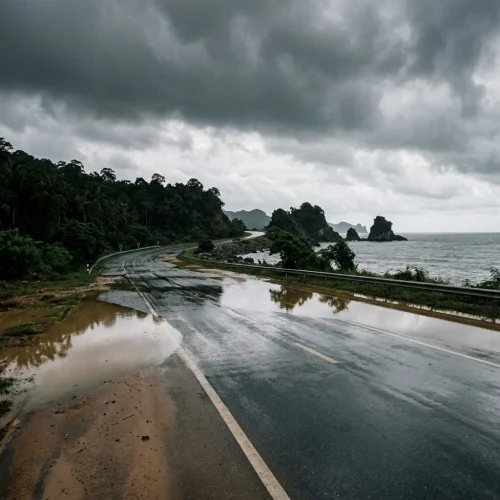
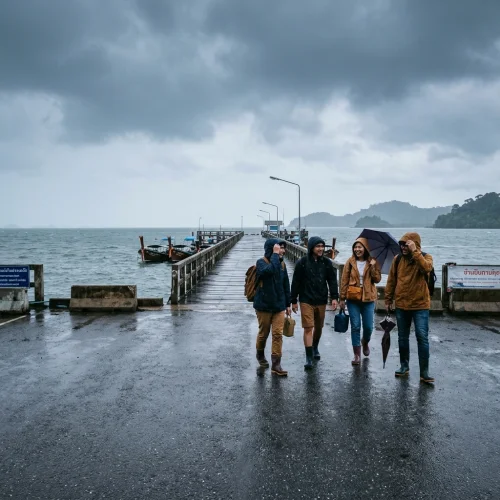
Rain in the north is usually a dramatic, scheduled event rather than the relentless grey drizzle familiar to a UK autumn. Most days, the sky will darken around 3:30 PM, deliver a deafening power-shower for sixty minutes, and then clear up just in time for the sunset markets. September is the month of highest flood risk, as the Ping River can occasionally overtop its banks if the mountain runoff is particularly heavy. You might see some water on the roads near the Night Bazaar, but the city is remarkably efficient at draining away. Scooters become slightly treacherous on oily city asphalt during the first ten minutes of a downpour, so pulling over for a coffee is the standard local move. Transport rarely stops entirely, though a Grab car might surge to 150 THB or £3.45 during a storm compared to its usual 80 THB or £1.85. You can grab a flimsy 7-11 poncho for 50 THB or £1.15 which works in a pinch, but a sturdy, wind-resistant umbrella from a local mall for 350 THB or £8.05 is a much wiser investment for navigating the deluge without looking like a drowned rat.
AIR QUALITY & THE BURNING SEASON
From late February through early April, Chiang Mai experiences the burning season, a byproduct of agricultural cycles and the valley topography. The AQI can frequently climb above 150, creating a dry haze that obscures the mountain views and makes a long-distance run a bad idea. During these specific weeks, the local pharmacy sells high-quality N95 masks for 80 THB or £1.85, and they are essential for motorbike rides. The smartest escape strategy is to use this time to explore the southern islands or simply head up to the high-altitude coffee farms in Mae Wang where the air stays noticeably fresher.
The humidity here is the silent enemy of heavy fabrics, so leave your denim jeans at home unless you enjoy wearing damp cardboard. Linen and high-tech moisture-wicking synthetics are the only way to stay presentable when the UV index hits 11 at midday. Sunscreen is surprisingly expensive locally, with a small bottle of high-SPF cream costing 550 THB or £12.65, so it is one of the few items worth stuffing into your suitcase from the UK. To handle the temple dress code in 35°C heat without melting, buy a pair of lightweight elephant pants at the Warorot Market for 150 THB or £3.45. They are thin enough to breathe but keep your knees covered for respect. Always pack a light hoodie for the cool season evenings or the aggressive air conditioning found in local cinemas and malls.
Your body will lose fluids faster than you realise in the northern heat, often leading to a mid-afternoon slump that feels like a heavy fog. Locals combat this by sipping water constantly and carrying small electrolyte sachets from 7-11 that cost just 10 THB or £0.23 and can save your entire day. Schedule your heavy walking for the early morning or after 5:00 PM to avoid the peak solar radiation. Mosquitoes are most active at dusk, especially near the moat, so a bottle of local lemongrass repellent for 65 THB or £1.50 is your best defense against itchy ankles.
BEST TIME TO VISIT
The Goldilocks window is undeniably November through January, when the sky is a piercing blue and the humidity is at its lowest. However, the secret local favorite is late June. The first rains have washed the dust away, the mountains are impossibly green, and the tourist crowds have thinned out significantly. You might get wet for an hour, but the trade-off is cooler breezes and much better value for your pound.