Phuket offers more than a package-holiday image. In Old Town, generations-old shophouses serve Hokkien mee for just 60 THB, a genuine taste of the island's rich culture.
PHUKET: A VISUAL GUIDE
Thailand’s largest island suffers from a lingering reputation as a package-holiday cliché, but treating it as a single monolith is a rookie mistake.
Tethered to the mainland by the 400-metre Sarasin Bridge, this 543-square-kilometre province is roughly the size of Singapore and operates with the same distinct micro-cultures. It suits everyone from backpackers seeking cheap Chang beers in neon-lit alleys to luxury expats hiding in cliffside villas, provided you pick your postcode carefully.
The truth is that the south-west coast has largely surrendered to mass tourism and inflated prices, leaving much of its original charm buried under concrete resorts. To find the authentic local culture, you have to look east towards the Sino-Portuguese architecture of the Old Town or north to the quieter, rubber-tree-lined beaches.
This guide breaks down the complex geography to help you pinpoint exactly where to base yourself, whether for a two-week holiday or a six-month remote working stint. You will find practical breakdowns of local transport costs, honest hotel assessments across all budgets, and the street food stalls that actually warrant your time.
Region
Andaman Coast (South)
How to get there
Direct international flights to HKT or domestic flights from Bangkok
Journey time from nearest hub
1 hour 25 minutes flight from Bangkok
Best time to visit
Late November to April
Budget per day (budget / mid-range / luxury)
£35 / £80 / £250+
Ideal length of stay
5 to 7 days
Best for
Beaches, diverse dining, infrastructure-heavy island living
AREAS & NEIGHBOURHOODS
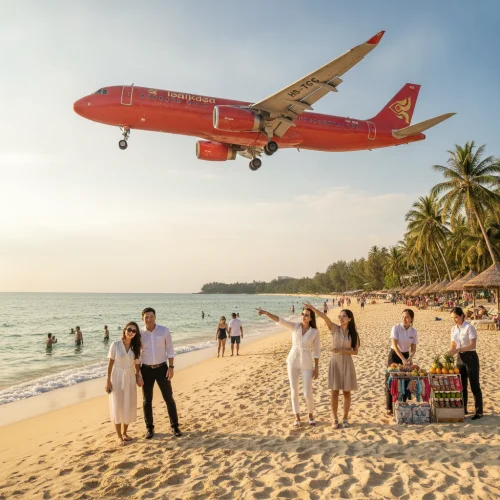
The geography of Phuket dictates your entire experience, making your choice of base critical. Patong remains the chaotic epicentre of the west coast, suited only for those who actively want neon lights, loud bars, and heavy crowds. Just to the south, Kata and Karon offer a slightly dialled-down version of the resort experience, popular with families who want wide sandy strips and English-language menus. For a more sophisticated atmosphere, Bang Tao and the Laguna complex in the northwest attract a well-heeled crowd with high-end beach clubs and imported wine selections. Over on the east coast, Phuket Town is the cultural heavyweight, drawing digital nomads and food enthusiasts to its cafes housed in restored century-old shophouses. Finally, Rawai in the deep south serves as the gritty, Muay Thai-obsessed expat hub, lacking swimming beaches but making up for it with excellent seafood markets. Read the full areas guide to decide exactly where to drop your bags.
TOP EXPERIENCES
Getting out on the water is non-negotiable, but skip the crowded Maya Bay speedboats and charter a traditional longtail from Rawai to the quiet shores of Koh Bon instead. Inland, walking the Sunday Walking Street market in the Old Town offers a genuine look at local artisan crafts, though you should arrive before 5 PM to beat the suffocating crowds. For a cultural fix, the Big Buddha provides excellent 360-degree views of the southern bays, provided you go early enough to avoid the midday heat and the tour bus fleets. Alternatively, spend an afternoon at the Soi Dog Foundation in Mai Khao, a highly ethical animal rescue centre that offers meaningful volunteer tours far removed from the usual tourist traps. Discover more detailed itineraries in the full things to do guide.
GETTING AROUND
Transport here is notoriously frustrating and heavily monopolised by local taxi syndicates. The local bus equivalents, known as songthaews, are cheap at roughly 40 THB (£0.90) for a ride between the beaches and Phuket Town, but they operate on a confusing, slow schedule that stops completely at 6 PM. Ride-hailing apps like Grab and Bolt are your most reliable options, though expect to pay premium rates compared to Bangkok, with a 20-minute journey easily costing 400 THB (£9). Renting a scooter offers total freedom for about 250 THB (£5.50) a day, but only do this if you hold a valid international motorcycle licence and possess genuine riding experience, as the mountain roads and aggressive traffic are unforgiving.
WHERE TO STAY
The Phuket accommodation market caters to every financial bracket, though the west coast always commands a premium. Budget travellers should look toward the Old Town, where excellent, design-led hostels charge around £15 a night and put you within walking distance of the island's most authentic food. Mid-range visitors can find exceptional value in Kamala or Nai Harn, where £60 to £80 secures a spacious boutique room with a pool, away from the worst of the package holiday crowds. At the luxury end, the secluded coves of Surin and Cape Panwa hide private pool villas starting from £300 a night, offering total isolation and dedicated butler services. Explore the complete breakdown of accommodation options in the full hotels guide.
FOOD & DRINK
The local culinary scene is a fiery, complex mix of southern Thai heat and Hokkien Chinese influence, completely distinct from what you find in Bangkok or Chiang Mai. The most interesting dining happens away from the beach resorts, specifically in the Old Town where generations-old shophouses serve bowls of Hokkien mee—thick egg noodles wok-tossed with pork and seafood—for just 60 THB (£1.30). For dinner, head to the eastern local markets to try moo hong, a deeply savoury, slow-braised pork belly stew heavily spiced with black pepper and garlic. A standard sit-down meal at an authentic local restaurant will set you back around 150 THB (£3.40), while the tourist-focused seafood spots in Patong will routinely charge ten times that for inferior quality.
ESSENTIAL TIPS
When planning your daily budget, factor in the high cost of moving around Phuket, as transport will eat into your funds much faster than food or drink. Always carry small denomination baht notes, as local market vendors and songthaew drivers rarely have change for a 1000 THB bill. Tap water is entirely unsafe to drink, but ice in reputable bars and restaurants is government-regulated and perfectly fine. Finally, be highly sceptical of any tour operator offering elephant rides or tiger encounters; these facilities rely on severe animal exploitation, and your money is far better spent supporting certified ethical sanctuaries.
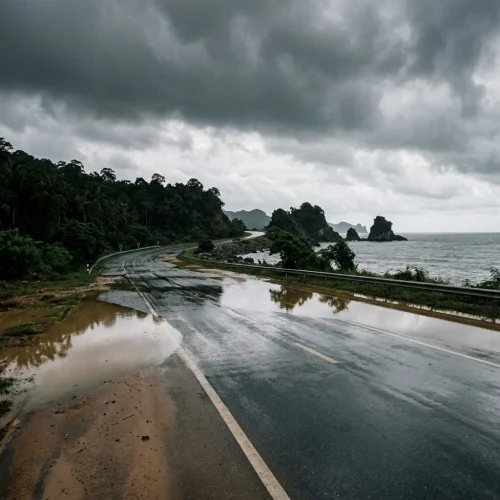
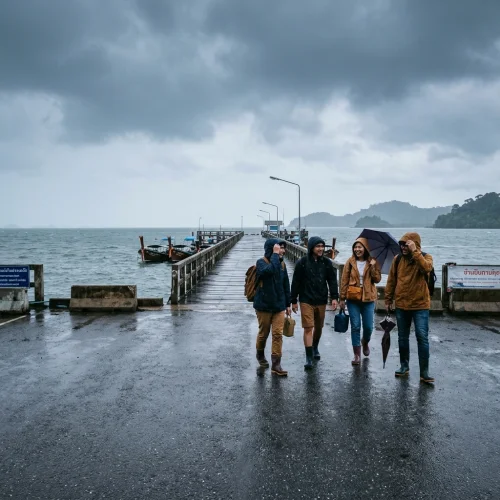
The best time to visit Phuket is from late November to April. During these months, weather conditions are ideal for enjoying the island's beaches, outdoor experiences, and coastal activities.
How many days should you spend in Phuket?
An ideal length of stay in Phuket is 5 to 7 days. This allows enough time to explore the island's distinct micro-cultures, varied beach towns, and local culinary scenes.
Should you rent a scooter to get around Phuket?
Renting a scooter is an option for cheap daily transport, but you should only do so if you possess genuine riding experience and hold a valid international motorcycle licence. Phuket's steep mountain roads and aggressive traffic make scooter driving hazardous for inexperienced riders.
What is a quieter alternative to crowded speedboat tours in Phuket?
Instead of taking crowded speedboat trips to popular spots like Maya Bay, you can charter a traditional longtail boat from Rawai to the quieter shores of Koh Bon. This provides a more peaceful, uncrowded island experience on the water.
Is tap water safe to drink in Phuket?
Tap water in Phuket is entirely unsafe to drink and should be avoided. However, the ice served in reputable bars and restaurants is government-regulated and completely safe for tourists to consume.
Why should travellers carry small cash bills in Phuket?
Travellers should always carry small denomination Thai baht notes because local market vendors and songthaew drivers rarely have change for large bills, such as 1000 THB notes. Managing cash carefully is important since transport across the island can quickly consume a daily budget.
What local dishes are distinct to Phuket?
Phuket's local food features a unique blend of southern Thai spice and Hokkien Chinese influences. Top dishes to try include Hokkien mee, which is a bowl of thick egg noodles wok-tossed with pork and seafood, and moo hong, a slow-braised pork belly stew heavily seasoned with black pepper and garlic.
Where are the best areas to stay in Phuket based on budget?
Budget travellers will find the best value in Phuket Old Town, which offers design-led hostels close to authentic local food. Mid-range visitors can find spacious boutique hotel rooms in Kamala or Nai Harn, while luxury travellers seeking privacy can rent cliffside pool villas in Surin or Cape Panwa.
How do local songthaew buses work in Phuket?
Songthaews offer an affordable way to travel between Phuket Town and major beach destinations, costing around 40 THB per ride. However, they operate on a slow, confusing schedule and cease running entirely after 6 PM.
This page is provided for general information only. While we aim for accuracy, details can change — please verify anything important independently before relying on it.
STAY UP TO DATE
Join our community to get the newest Thailand destination
guides, travel advice, and expat resources delivered straight to your inbox.