Thailand's diverse second-largest island, moves beyond simple package tours. Visitors find excellent coffee and mid-range rooms in Bophut average £60 a night.
About Koh Samui
Dismissing Thailand's second-largest island as nothing more than a packaged holiday trap is a mistake that usually costs independent travellers their perfect trip.
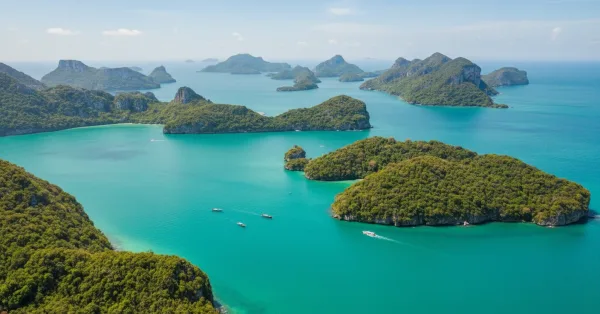
Anchoring the Chumphon Archipelago in the Gulf of Thailand, Koh Samui caters to an incredibly broad church, from backpackers finding their feet to tech billionaires seeking absolute anonymity. A 50-kilometre ring road loops the mountainous interior, neatly dividing the heavily developed east coast from the quieter, agricultural west.
The truth is that you cannot come here expecting untouched isolation, because decades of aggressive development have permanently altered the coastline. However, this maturity means the infrastructure actually works, the coffee is genuinely excellent, and the luxury sector operates at a standard that makes other Thai islands look distinctly amateur.
This guide breaks down exactly how to navigate the island, detailing the distinct neighbourhoods, realistic daily costs, and the transport options that will not leave you entirely at the mercy of the local taxi cartel. You will find practical advice on where to eat, which beaches suit your travel style, and how to structure a trip whether you are dropping in for a fortnight or settling down for a season.
Region
Gulf of Thailand, Surat Thani Province
How to get there
Direct flight from Bangkok or ferry from Surat Thani mainland
Journey time from nearest hub
1 hour 15 minutes by air from Bangkok Suvarnabhumi
Best time to visit
Late December to April
Budget per day (budget / mid-range / luxury)
£40 / £120 / £350+
Ideal length of stay
5 to 7 days
Best for
Accessible luxury, wellness retreats, and first-time Southeast Asia visitors
AREAS & NEIGHBOURHOODS
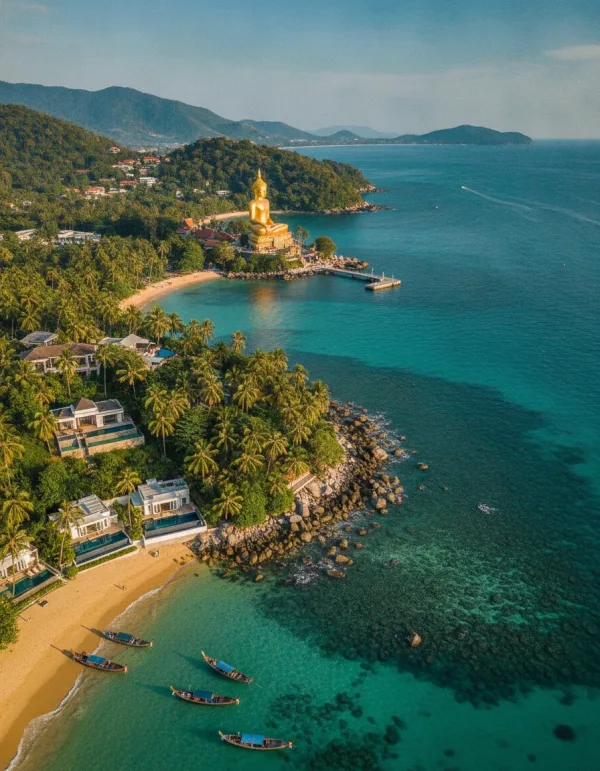
Chaweng dominates the east coast with its sprawling four-kilometre beach and an unapologetic dedication to high-volume tourism. It suits those who want everything on their doorstep, though the constant hum of jet skis and beach clubs is not for everyone. Just south lies Lamai. This area offers a slightly older, more relaxed take on the Chaweng formula with wider sand and excellent local dining tucked down quiet side streets. Head up to the north coast to find Bophut and its Fisherman's Village. Here, the island's Francophone expat community has cultivated a polished strip of boutique shopping and Mediterranean-leaning restaurants. For genuine quiet, the west coast around Lipa Noi remains largely agricultural. It presents shallow, glassy waters and a glimpse of how the island looked twenty years ago. To figure out exactly which stretch of sand fits your itinerary, dive into the comprehensive Koh Samui areas guide.
TOP EXPERIENCES
Renting a scooter to tackle the steep roads up to the Tarnim Magic Garden reveals a wonderfully eccentric collection of stone statues hidden in the cool mountain jungle. Skip the crowded animal shows. Instead, spend a morning at the genuinely ethical Samui Elephant Sanctuary, where observing these rescued animals forage is far more rewarding than riding them. Friday evening is best spent navigating the Bophut night market. It is a sensory overload of sizzling street food and surprisingly decent local craftsmanship. Finally, chartering a traditional longtail boat to the uninhabited southern islands offers the clearest water in the archipelago. Discover the complete breakdown of island activities in the full things to do guide.
GETTING AROUND
Transport here is notoriously monopolised and requires a firm hand. The maroon-and-yellow songthaews act as shared buses circling the main ring road. They cost roughly 50 to 100 THB (£1.10 to £2.20) per trip, provided you agree on the price before climbing into the back. Private taxis rarely use their meters. Drivers routinely demand upwards of 400 THB (£8.80) for a ten-minute drive. The most liberating option is hiring a 125cc scooter for about 250 THB (£5.50) a day. Just remember the coastal roads demand confident riding and a proper helmet. Ride-hailing apps like Grab offer transparent pricing and completely remove the exhaustion of endless haggling.
WHERE TO STAY
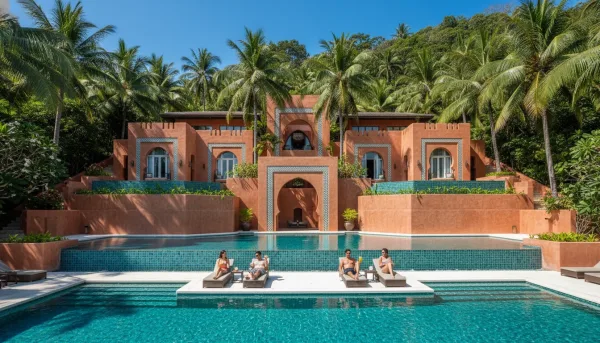
The accommodation landscape caters heavily to the mid-market and upper echelons. Still, backpacker enclaves survive if you know where to look. Budget travellers should head to the fringes of Lamai or Mae Nam, where simple fan-cooled bungalows run for around £20 a night. Mid-range visitors will find excellent value in Bophut. Comfortable boutique rooms here average £60 to £80, often including a decent breakfast and pool access. The luxury tier is concentrated on the secluded headlands of Choeng Mon and Taling Ngam. Cliffside pool villas in these postcodes start at £300 and scale rapidly upwards. Explore all the options in the complete Koh Samui hotels guide.
FOOD & DRINK
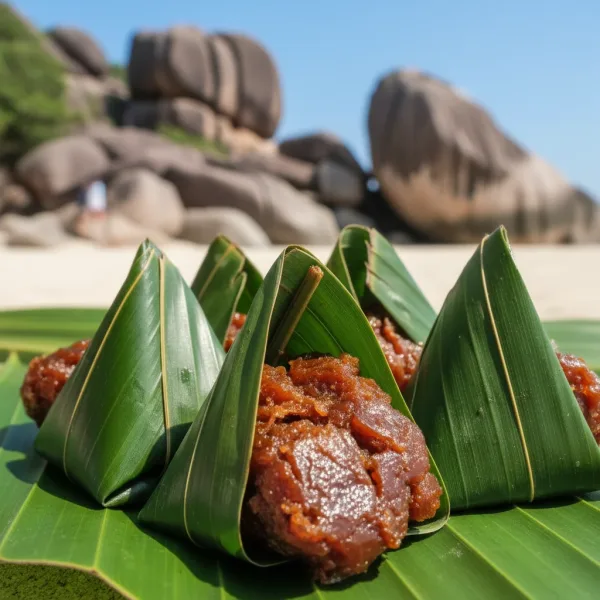
Southern Thai cuisine pulls no punches, and Koh Samui delivers some fiercely spicy local specialties alongside high-end international fare. The culinary signature here is kalamae. It is a sticky, sweet caramelised coconut candy wrapped in palm leaves that you can buy fresh from the stalls near Hin Ta Hin Yai for pennies. For a proper sit-down meal, look for gaeng som, a sour and spicy yellow curry heavily laden with fresh fish and turmeric. Expect to pay around 60 THB (£1.30) for a bowl of noodles at a night market. Alternatively, a two-course dinner at a sharp European bistro in Fisherman's Village will easily set you back £40 per person.
ESSENTIAL TIPS
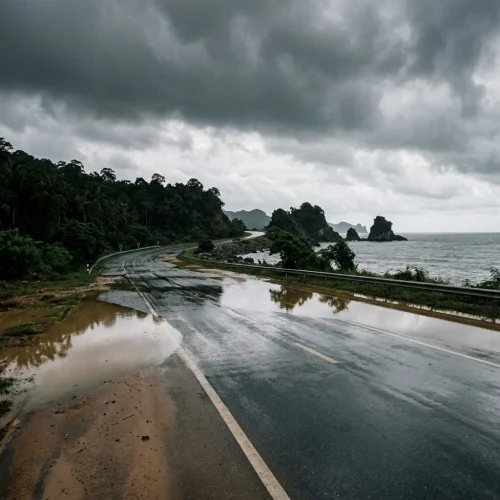
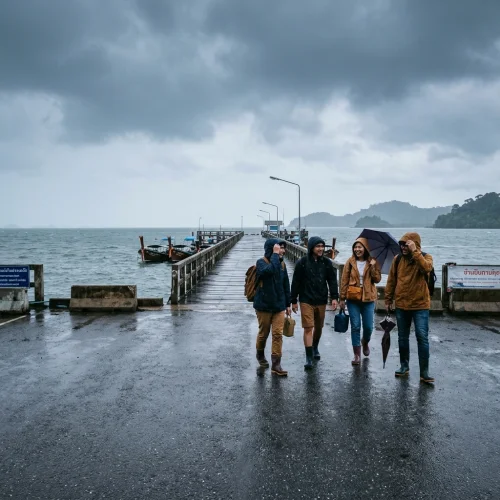
The tap water is entirely undrinkable. However, large filtered water dispensers are dotted outside most convenience stores, allowing you to refill a reusable bottle for just a few baht. When planning your arrival, remember that the island's boutique airport is privately owned. This means direct flights from Bangkok command a premium. You can save cash by flying into Surat Thani on the mainland, though this involves an extra three hours of coach and ferry travel. Finally, the monsoon season here differs from the Andaman coast. November usually brings relentless torrential rain. Time your trip for the drier, clearer months of February and March instead.
The best time to visit Koh Samui is from late December to April, with February and March offering particularly dry and clear weather. Unlike Thailand's Andaman coast, Koh Samui's monsoon season peaks in November, bringing heavy, torrential rain.
How many days should you spend on Koh Samui?
An ideal length of stay on Koh Samui is between 5 and 7 days. This allows sufficient time to explore different coastal areas, visit night markets, and tour the island's interior attractions.
How can you save money when flying from Bangkok to Koh Samui?
Direct flights from Bangkok land at Koh Samui's privately owned airport and command higher ticket prices. To save money, you can fly into Surat Thani on the mainland and take a combined coach and ferry transfer to the island, which adds roughly three hours of total travel time.
Is the tap water safe to drink in Koh Samui?
No, tap water on Koh Samui is entirely undrinkable. However, large filtered water dispensers are stationed outside most convenience stores across the island, allowing travellers to refill reusable bottles for just a few baht.
How do songthaews work in Koh Samui and how much do they cost?
The maroon-and-yellow songthaews act as shared public buses that circle Koh Samui's main ring road. A ride generally costs between 50 and 100 THB (£1.10 to £2.20) per trip, though passengers must agree on the price with the driver before getting in.
Where can you see elephants ethically on Koh Samui?
Travellers seeking an ethical wildlife experience can visit the Samui Elephant Sanctuary. The sanctuary allows visitors to observe rescued elephants foraging naturally in a calm environment, offering an alternative to animal shows and elephant rides.
Which local food specialties should you try in Koh Samui?
A signature local sweet on Koh Samui is kalamae, a sticky, caramelized coconut candy wrapped in palm leaves sold near Hin Ta Hin Yai. For a savory dish, try gaeng som, a sour and spicy southern Thai yellow curry made with fresh fish and turmeric.
Which parts of Koh Samui are best for a quiet stay?
For a peaceful atmosphere away from commercialized areas, the agricultural west coast around Lipa Noi offers shallow, glassy waters and a traditional feel. Quiet budget accommodations can be found in Mae Nam, while high-end seclusion is available on the headlands of Choeng Mon and Taling Ngam.
This page is provided for general information only. While we aim for accuracy, details can change — please verify anything important independently before relying on it.
STAY UP TO DATE
Join our community to get the newest Thailand destination
guides, travel advice, and expat resources delivered straight to your inbox.