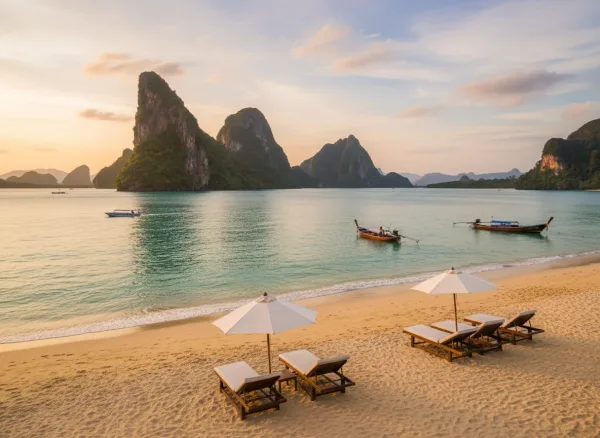
Dramatic limestone cliffs define Krabi, a Thai province with 150 islands. Explore hidden coves by longtail boat, or climb Tonsai Beach for an active adventure.
About Krabi
The sheer limestone cliffs rising straight out of the Andaman Sea are so impossibly vertical they look less like geology and more like theatre sets waiting to be struck.
This province stretches across 4,700 square kilometres of southern Thailand's west coast, incorporating over 150 islands and a jagged mainland interior. It draws a distinct crowd compared to its neighbour across Phang Nga Bay: rock climbers, island-hoppers, and those who prefer their beach days flanked by thick jungle rather than high-end beach clubs.
The famous longtail boats that make those iconic photos so appealing are incredibly loud, running on repurposed car engines that shatter the quiet of remote bays. Yet, this mechanical roar becomes an oddly comforting soundtrack to the trip, a small price to pay for accessing hidden coves where no roads reach.
Whether you are flying in for a fortnight on the sand or plotting a six-month remote working stint, this guide breaks down exactly how to navigate the region. You will find practical breakdowns of transport costs, honest neighbourhood assessments, and detailed food and accommodation strategies to match your budget.
Region
Andaman Coast, Southern Thailand
How to get there
Direct domestic flights to local airport, or overland ferry from Phuket
Journey time from nearest hub
1 hour 20 minutes flight from Bangkok
Best time to visit
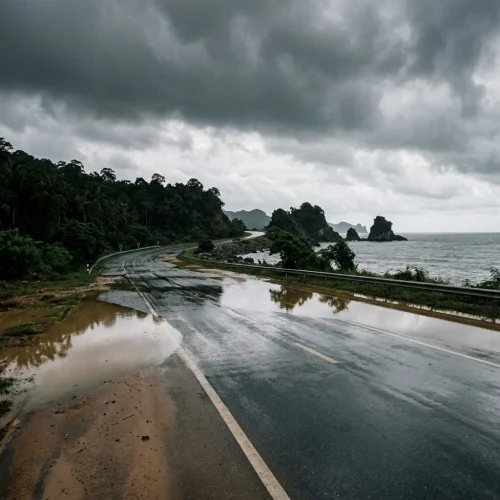
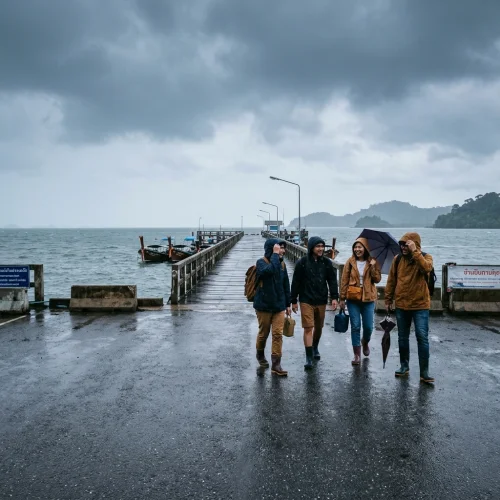
Late November to March
Budget per day (budget / mid-range / luxury)
£35 / £80 / £250+
Ideal length of stay
5 to 7 days
Best for
Active travellers, island-hoppers, and limestone landscape enthusiasts
AREAS & NEIGHBOURHOODS
Krabi is not a single walkable town but a sprawling province of vastly different micro-destinations. Ao Nang acts as the main tourist artery, a busy strip of restaurants, tour operators, and tailors that serves as the most practical launchpad for island excursions, even if it lacks traditional charm. Just around the headland, accessible only by water, lies Railay. This pedestrian-only peninsula is a climber's playground divided into a muddy mangrove east side for budget stays and a pristine west side for luxury resorts. Further northwest, Tubkaek offers quiet isolation with a handful of upscale hotels facing the Hong Islands, perfect for couples wanting to escape the longtail traffic. Inland, Krabi Town remains a working Thai provincial capital with an excellent night market, riverside walkways, and a fraction of the coastal prices. For a deeper dive into which beach or town suits your itinerary, head to the full areas guide.
TOP EXPERIENCES
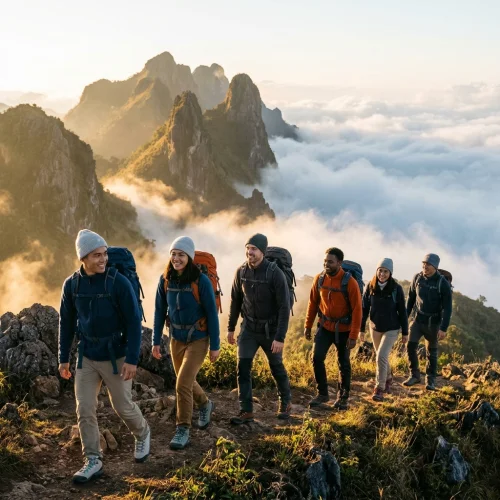
Scaling the 1,260 steps to the Tiger Cave Temple summit demands a ridiculous amount of sweat, but the panoramic view of limestone karsts jutting from the canopy is entirely worth the physical tax. Out on the water, kayaking through the dense mangrove tunnels of Ao Thalane offers a silent alternative to motorised tours, letting you spot monitor lizards and macaques up close. Rock climbing at Tonsai Beach caters to all levels, with local guides patiently belaying novices up deeply pocketed walls. For a low-effort afternoon, soaking in the mineral-rich Klong Thom Hot Springs feels like sitting in nature's own tiered bathhouse. Find all logistical details in the full things to do guide.
GETTING AROUND
Navigating Krabi relies heavily on a mix of roads and water. Shared songthaews act as local buses between the main town and Ao Nang, costing around 50 THB (£1.10) per ride. For island hopping or reaching Railay, the local longtail boat cooperatives have fixed price boards, with a standard hop costing 100 THB (£2.20). Hiring a private longtail for half a day runs closer to 1,500 THB (£33) and is fiercely recommended over joining a crowded group tour. Scooter rental is cheap at 250 THB (£5.50) daily, but the main highway traffic is unforgiving, so only hire one if you hold an international permit.
WHERE TO STAY
Accommodation here splits neatly by geography and budget. Backpackers and remote workers gravitate toward Krabi Town and Tonsai Beach, where fan-cooled bungalows hover around £15 to £25 a night. Mid-range travellers will find the best value in Ao Nang, where £50 to £80 secures a comfortable room with a pool, though you trade sea views for convenience. If you want high-end isolation, the Tubkaek coast and the western edge of Railay deliver exceptional luxury, with boutique pool villas and sprawling resorts starting from £200. Discover the exact properties worth your money in the full hotels guide.
FOOD & DRINK
The food scene here leans heavily into its southern Thai roots, meaning curries are fiercely spicy and seafood is pulled straight from the Andaman. You will find the best cheap eats at the weekend night market in the provincial capital, where 60 THB (£1.30) buys freshly charred squid or intensely sour som tam. Do not leave without trying gaeng som, a thin, turmeric-heavy yellow fish curry that will genuinely test your spice tolerance, usually found in modest local diners. Down on the coastal strips, expect to pay around 300 THB (£6.60) for a standard restaurant meal.
ESSENTIAL TIPS
Bring a dry bag from home, as you will be wading through thigh-high water to board longtail boats on almost every excursion, and dropping your phone in the surf is a miserable way to start a Tuesday. When planning island tours, deliberately ask to leave at 7 AM or after 2 PM; the midday crush of speedboats at the popular bays ruins the atmosphere entirely. Keep an eye on the macaques, as they are aggressive opportunists who will absolutely steal anything shiny left unattended on your towel. Finally, cash remains essential outside major hotels, so keep smaller baht notes handy.
The best time to visit Krabi is from late November to March. Visiting during these months offers the ideal conditions for exploring the province's islands, hidden coves, and beaches.
How much money should I budget per day for a trip to Krabi?
Daily budgets in Krabi vary depending on your style of travel. Budget travellers typically spend around £35 per day, mid-range trips average £80 per day, and high-end luxury stays start at £250 or more per day.
How can I avoid the crowds on island tours in Krabi?
To avoid peak tourist crowds on island tours, schedule your excursions to leave early at 7:00 AM or later in the afternoon after 2:00 PM. Departures during these times allow you to miss the heavy midday rush of speedboats at popular bays.
Is it better to rent a private longtail boat or join a group tour in Krabi?
Hiring a private longtail boat is strongly recommended over joining a crowded group tour. A half-day private charter costs around 1,500 THB (£33) and provides a much better way to access remote coves at your own pace.
Why should I bring a dry bag when visiting Krabi?
A dry bag is necessary because nearly every boat excursion in Krabi requires wading through thigh-high water to board longtail boats. Bringing one helps protect your phone and other electronics from dropping into the surf.
Are the monkeys in Krabi known to steal belongings?
Yes, the macaques in Krabi are aggressive opportunists that will steal unattended items on the beach. Visitors should carefully watch their belongings, especially anything shiny left lying on a towel.
What options are available for getting around Krabi?
Local transport includes shared songthaews operating as buses between Krabi Town and Ao Nang for around 50 THB (£1.10) per ride. Longtail boats handle water trips to places like Railay for roughly 100 THB (£2.20). Daily scooter rentals cost about 250 THB (£5.50), though you should only hire one if you have an international permit due to heavy highway traffic.
What should I expect when climbing to the Tiger Cave Temple in Krabi?
Reaching the Tiger Cave Temple summit requires climbing 1,260 steep steps, which demands significant physical effort and sweat. However, visitors at the top are rewarded with panoramic views of limestone karsts jutting from the jungle canopy.
Where are the best areas to stay in Krabi?
Ao Nang serves as the main tourist hub for practical access and mid-range stays, while Railay offers scenic lodging split between budget-friendly mangroves on the east side and luxury resorts on the west. Backpackers and remote workers often prefer Krabi Town or Tonsai Beach for cheaper accommodations, whereas Tubkaek offers quiet, high-end isolation.
Do I need to carry cash in Krabi?
Yes, cash remains essential outside of major hotels across Krabi. It is best to carry smaller Thai baht notes for local transportation, market stalls, and everyday purchases.
This page is provided for general information only. While we aim for accuracy, details can change — please verify anything important independently before relying on it.
STAY UP TO DATE
Join our community to get the newest Thailand destination
guides, travel advice, and expat resources delivered straight to your inbox.