Stepping off the train into the hazy morning heat feels less like arriving in a typical Thai province and more like unearthing a lost empire that simply forgot to completely disappear.
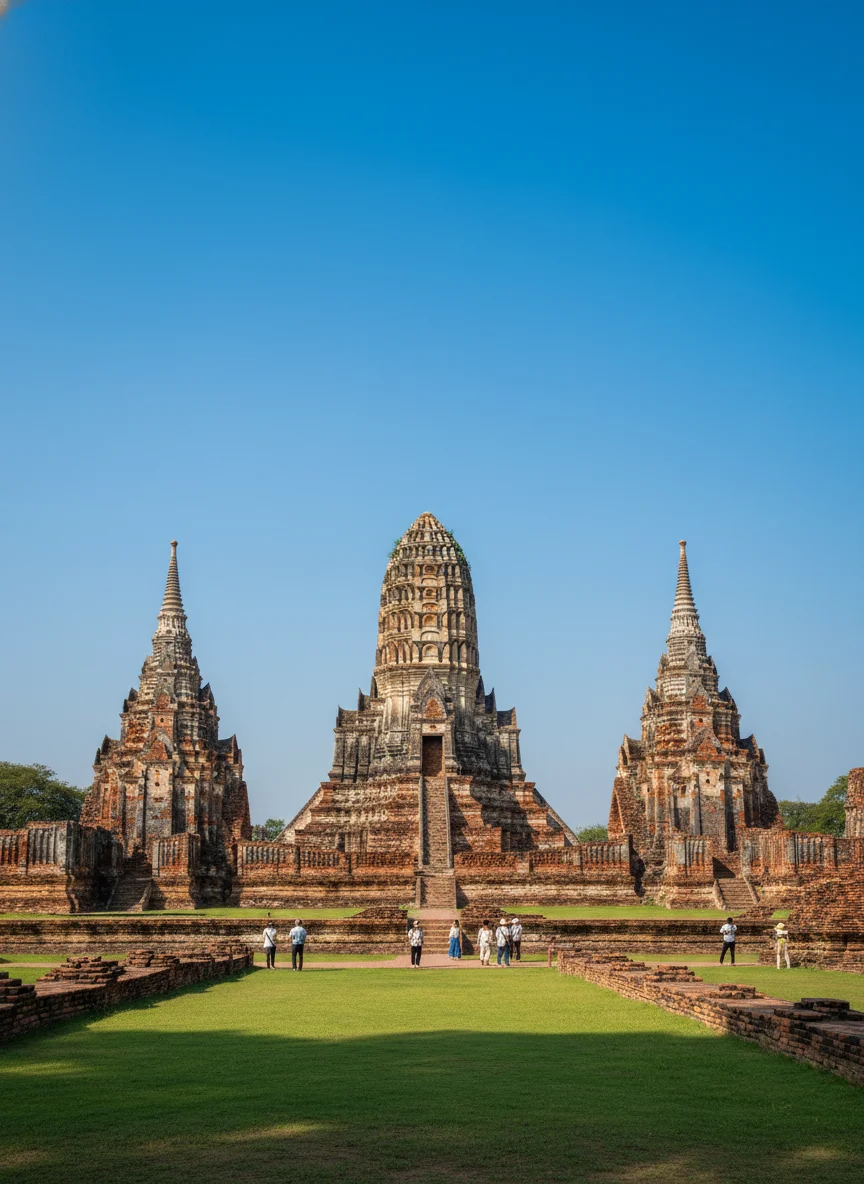
Just 50 miles north of Bangkok, this former capital was once the largest city in the world, home to a million people before its spectacular fall in 1767. Today, it is an incredibly accessible historical park spread across a 15-square-mile island at the confluence of three rivers. It suits architectural enthusiasts, slow-travel photographers, and anyone needing a quiet, contemplative escape from the capital's concrete intensity.
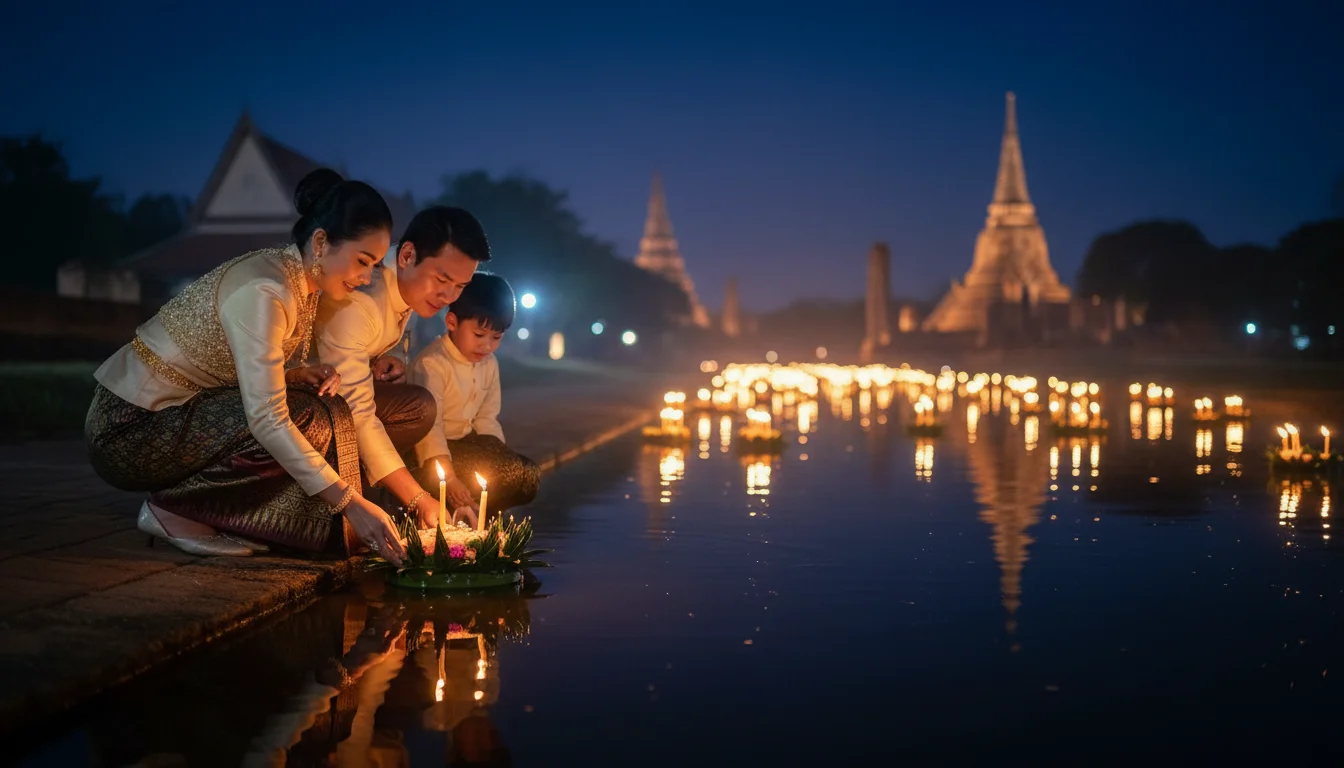
Most visitors treat this as a frantic, sweaty day trip from Bangkok, ticking off three temples before retreating to an air-conditioned minivan. Do not make this mistake. By staying overnight, you get the floodlit ruins entirely to yourself after the tour buses depart, transforming a crowded checklist exercise into a genuinely atmospheric historical retreat.
This guide breaks down the practicalities of navigating the sprawling archaeological zones, from hiring bicycles to finding the best river prawn dinners. You will find everything needed to plan a stay, including transport strategies, realistic budgets, and accommodation options spanning simple guesthouses to boutique riverside hideaways.
How to get there
Train from Krung Thep Aphiwat Central Terminal or minivan from Mo Chit
Journey time from nearest hub
1 to 2 hours from Bangkok
Best time to visit
November to February
Budget per day (budget / mid-range / luxury)
£25 / £60 / £150+
Ideal length of stay
2 days, 1 night
Best for
History buffs, photographers, and slow-paced temple exploration
The historical island forms the core of Ayutthaya, encircled by the Chao Phraya, Pa Sak, and Lopburi rivers. This central zone is heavily defined by its archaeological park, making it ideal for those who want to wake up and immediately cycle among the ruins, though evening entertainment here is virtually nonexistent. Across the river to the east lies the modern town, a functional grid of local markets, transport hubs, and cheaper guesthouses that suits budget-conscious backpackers looking for authentic street food rather than boutique aesthetics. To the south and west of the island, you will find the quieter riverside stretches where premium hotels occupy converted teak barges and former rice mills. These spots appeal to couples wanting a slower pace, offering private balconies where you can watch longtail boats carve through the water at sunset. For a deeper dive into these districts, read the full areas guide.
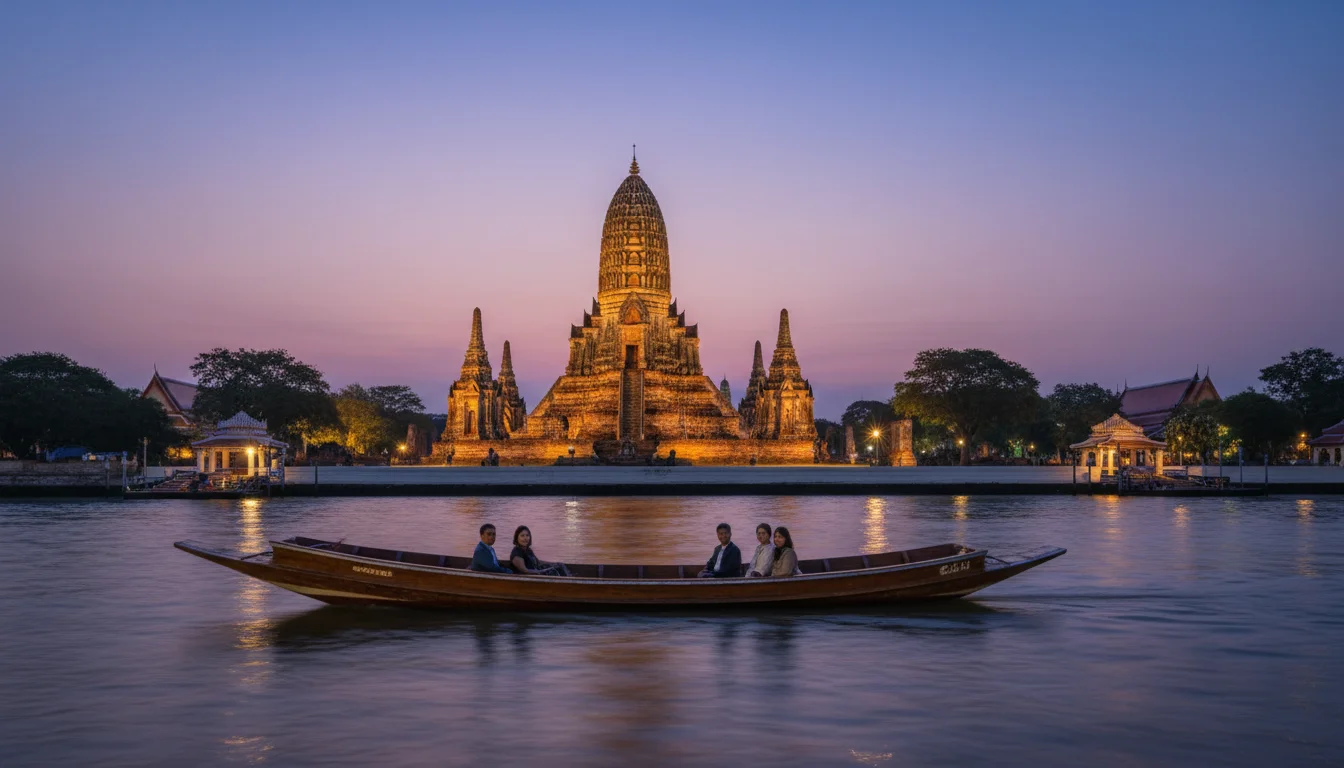
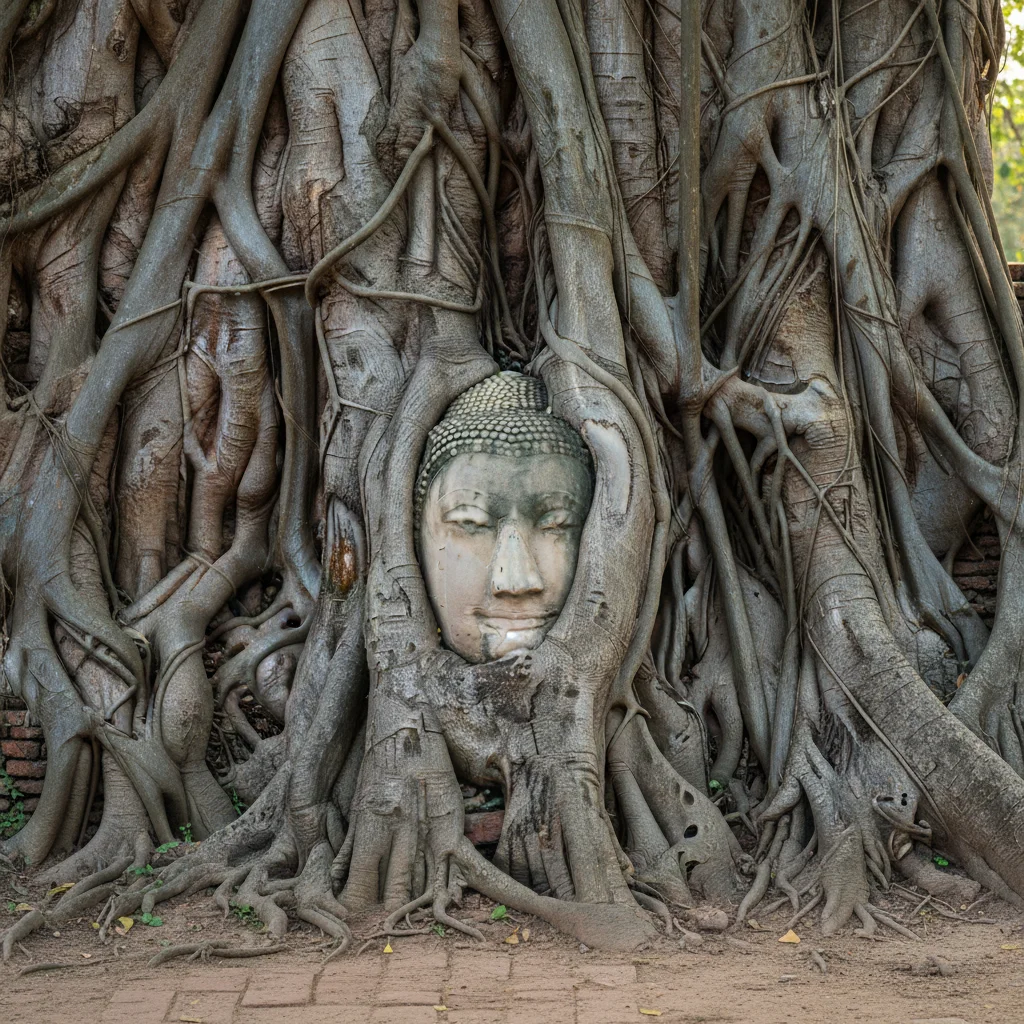
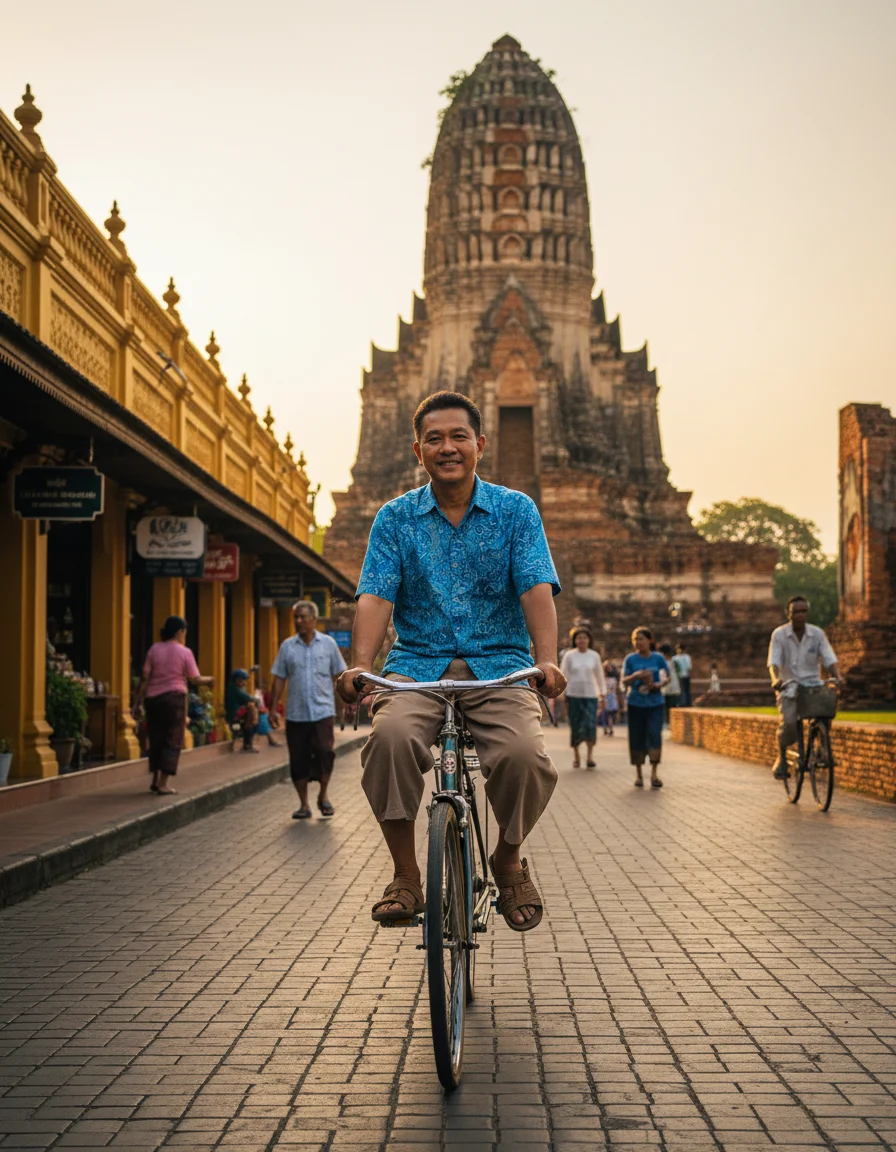
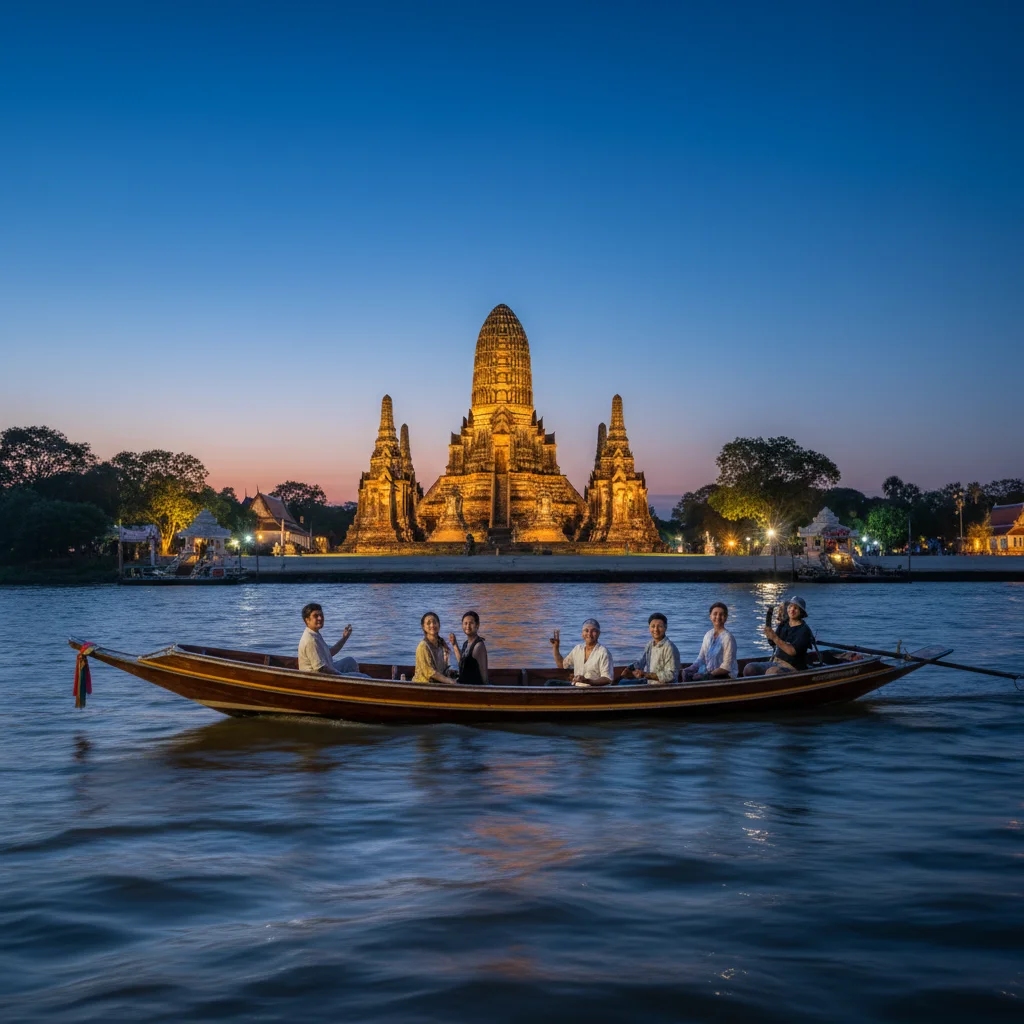
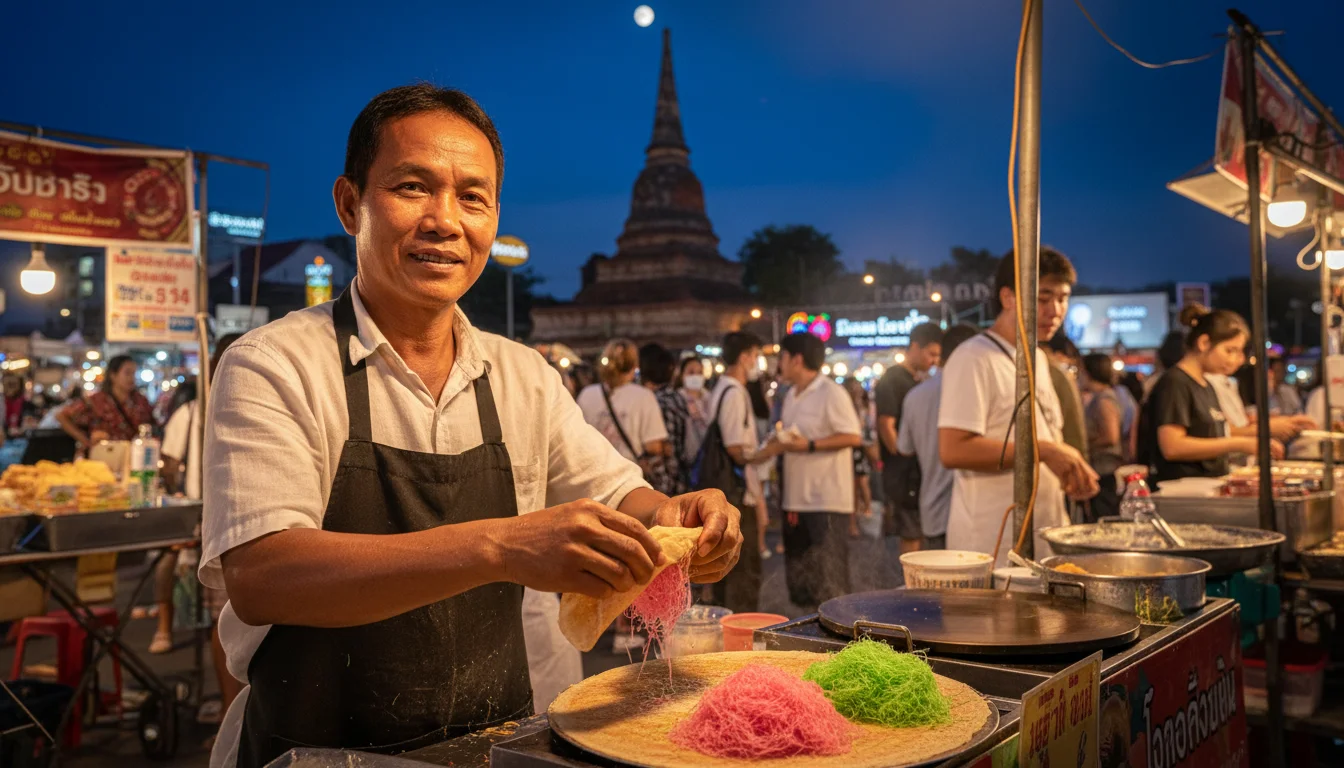
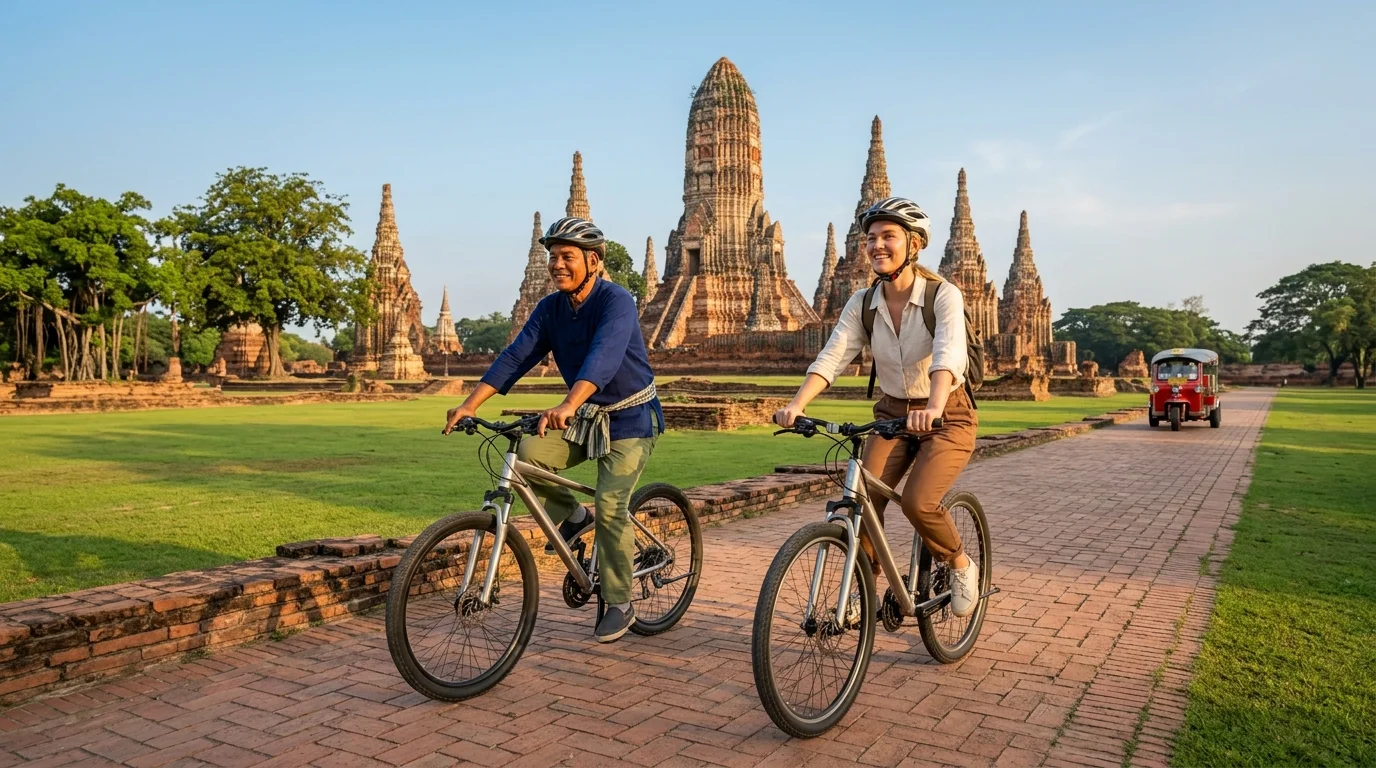
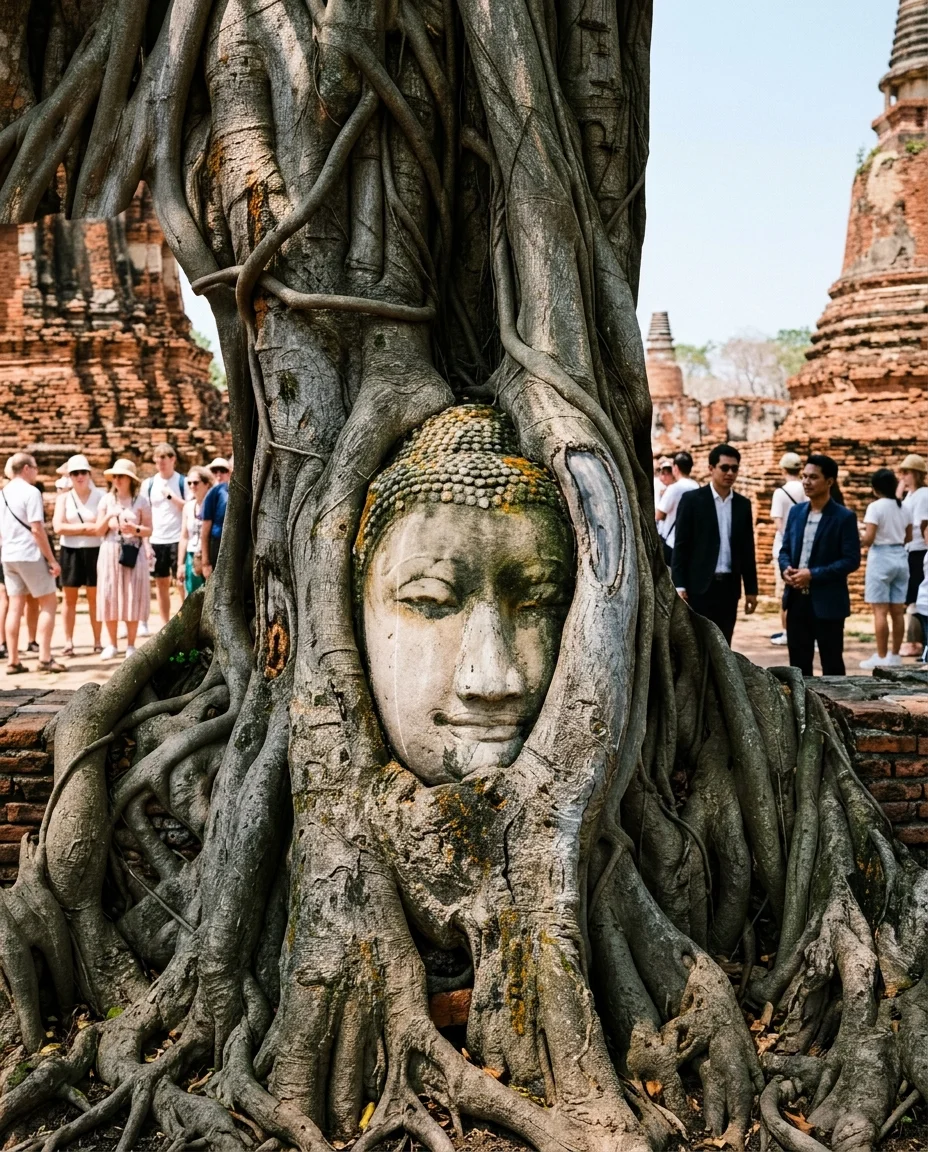
Renting a bicycle at dawn to explore Wat Phra Si Sanphet lets you beat the searing midday heat and the coach crowds, revealing the iconic stupas in soft morning light. Later, charter a private longtail boat to loop around the island at sunset, offering a rare vantage point of Wat Chaiwatthanaram as its brick spires turn deep crimson. Skipping the controversial elephant rides is highly recommended; instead, examine the famous Buddha head swallowed by Bodhi tree roots at Wat Mahathat. End your afternoon buying spun-sugar roti sai mai from the Muslim Quarter. Discover more options in the complete things to do guide.
GETTING AROUND
Navigating the flat terrain of Ayutthaya's historical park is best done by rented bicycle, which costs a mere 50 THB (£1.10) per day and offers total freedom. For longer distances or when the afternoon humidity hits, negotiate a colourful, frog-faced tuk-tuk; expect to pay around 200 THB (£4.50) per hour, but always agree on the price before climbing aboard. Grab operates in the modern town but coverage can be spotty near the outer temples. Walking between major sites is possible but often thoroughly exhausting due to the lack of pavement shade, so keep a bicycle handy.
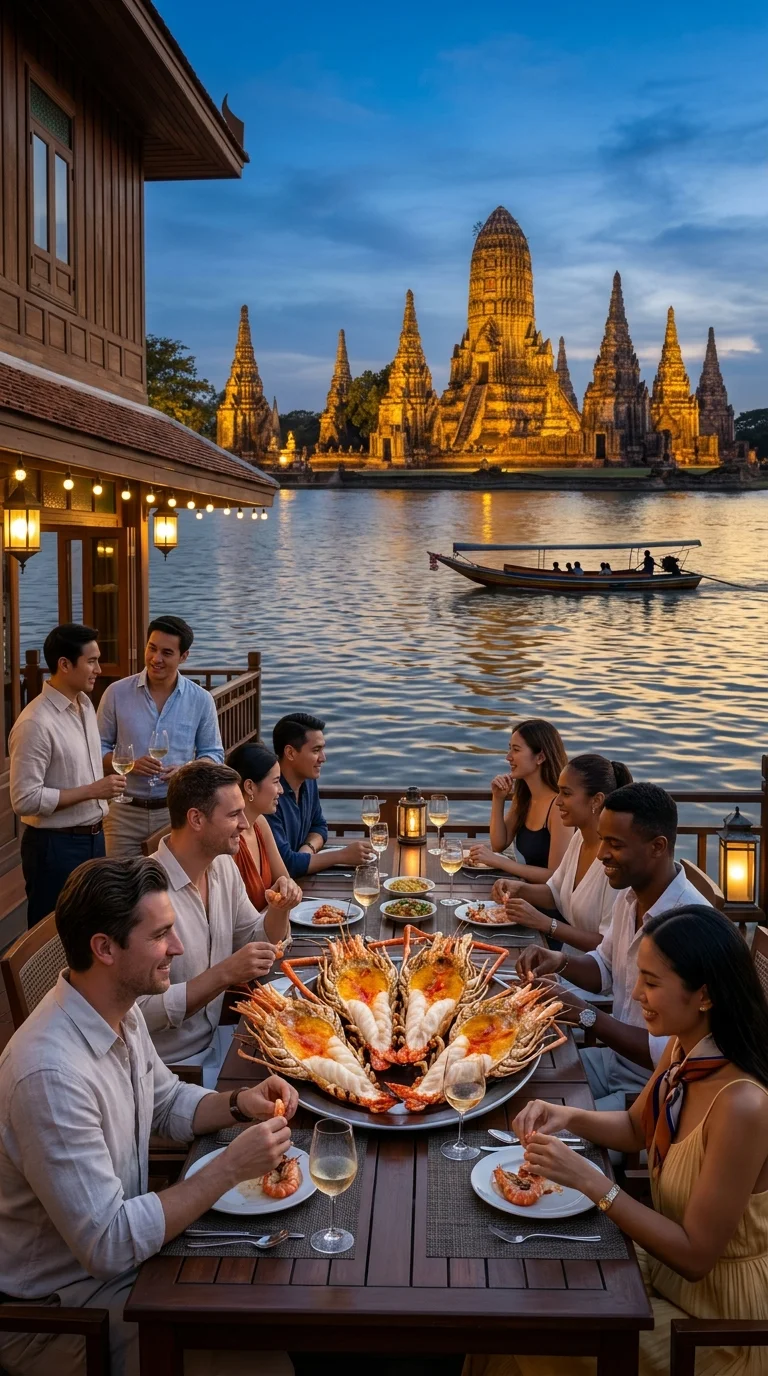
Accommodation is neatly divided by the rivers that encircle the city. Budget travellers should stick to the eastern backpacker street near the night market, where clean, fan-cooled guesthouses run for about £12 a night. Mid-range options sit closer to the historical park boundaries, offering comfortable air-conditioned rooms and small pools for around £45, perfect for a midday cool-down. If you have the budget, luxury in Ayutthaya means booking a boutique teakwood resort on the western riverbanks for upwards of £120, where you can dine on private decks facing floodlit ruins. Find your perfect base in the full hotels guide.
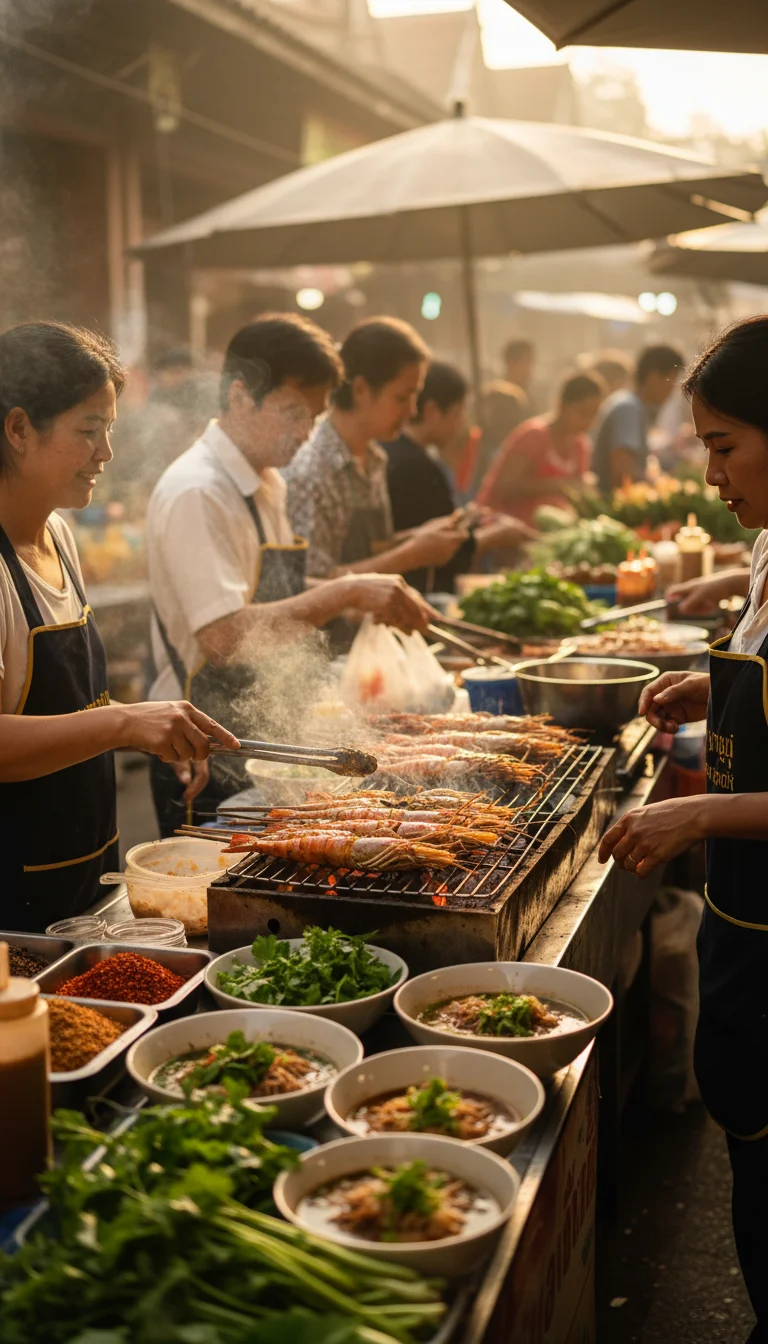
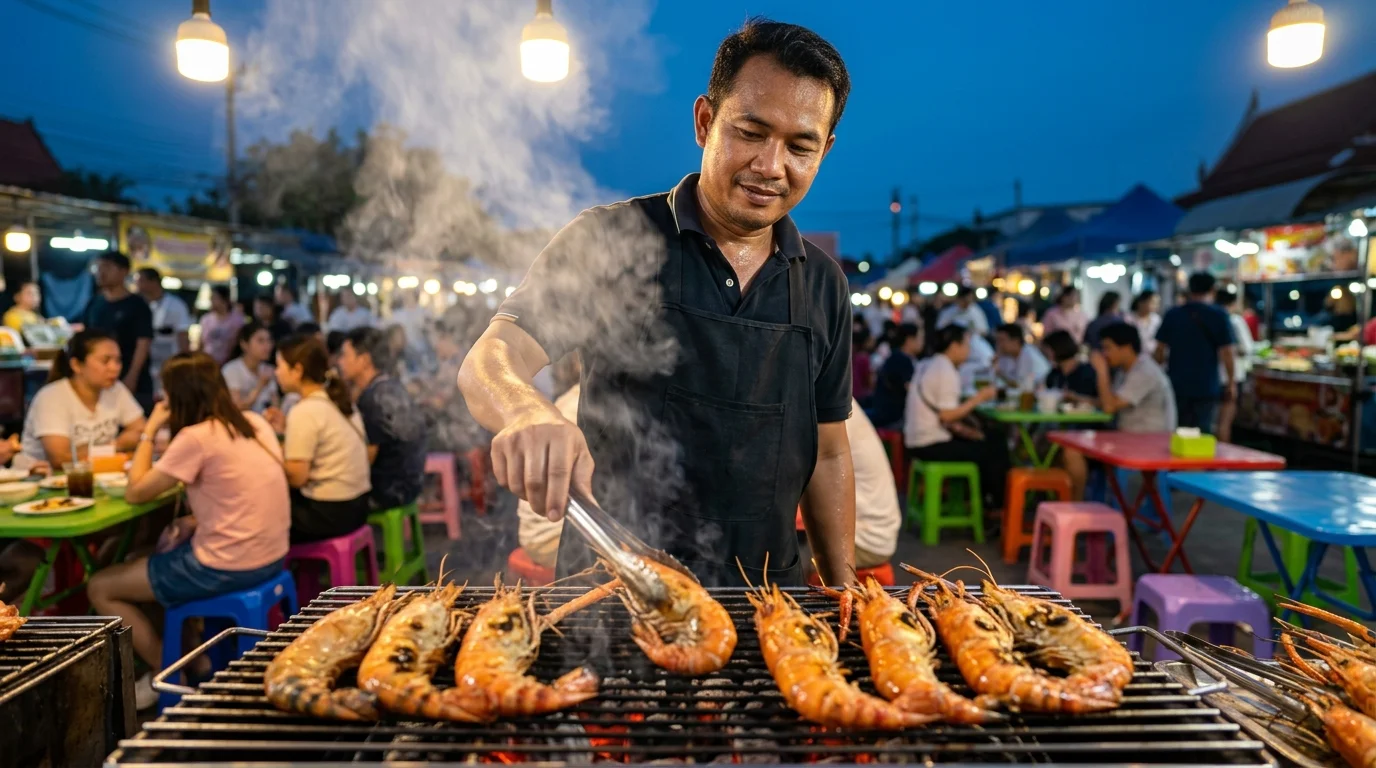
The culinary scene here revolves almost entirely around the rivers. Ayutthaya is famous across Thailand for giant freshwater river prawns, which are split down the middle, grilled over charcoal, and served with a ferociously sour-spicy green seafood dip. You will find the best ones at the waterside restaurants clustered near the central market, though expect to pay premium prices of around 800 THB (£18) for a sizable catch. For everyday eating, the bustling night market on Bang Ian Road serves up exceptional bowls of dark, rich boat noodles for less than a pound.
ESSENTIAL TIPS
Pack slip-on shoes rather than lace-up boots, as you will be taking them off constantly to enter active shrines. The stray dog population around Ayutthaya's outer temples can be intimidating at dusk; simply ignore them and keep cycling steadily, or carry a bamboo cane in your bicycle basket for peace of mind. Dress codes are strictly enforced at the major historical sites, meaning shoulders and knees must be covered regardless of the sweltering temperature. Finally, carry small denomination baht notes, as vendors selling ice-cold water outside the ruins rarely have change for a thousand-baht bill.