Because this former royal capital sits exposed on a flat river island in the central plains, the heat here feels noticeably more radiant and punishing than in Bangkok.
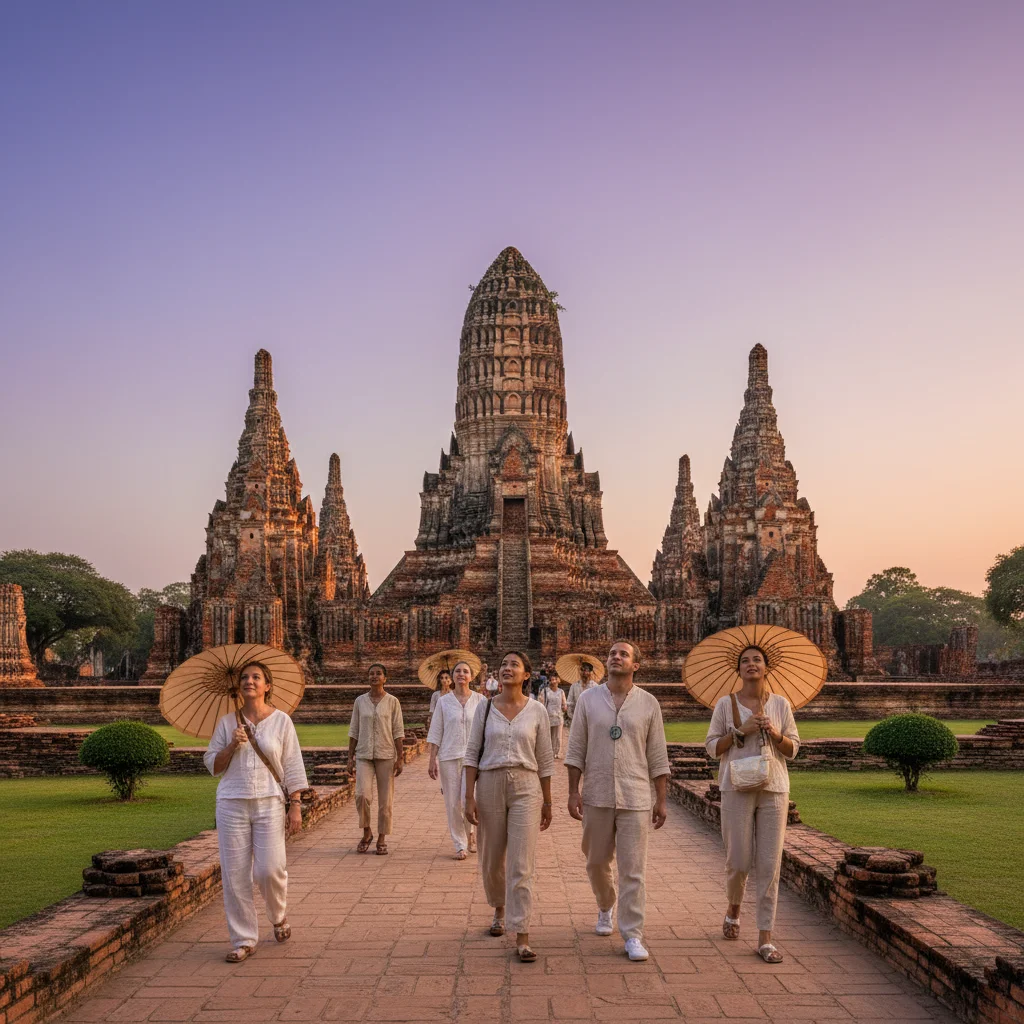
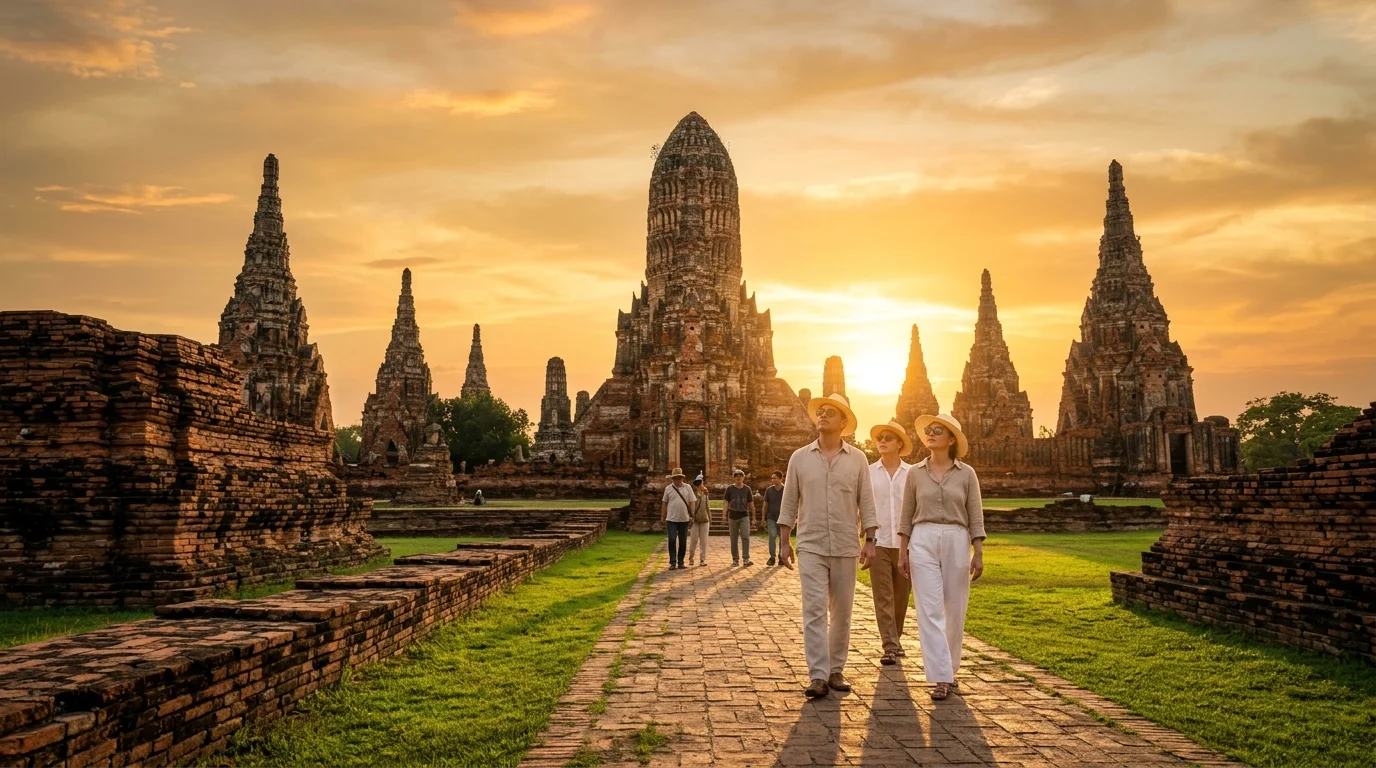
The sheer lack of shade around the ancient brick ruins means you will bake if you time your temple runs poorly. Yet, watching the sunset turn those same 14th-century stupas a burning gold makes every drop of sweat entirely worth it.
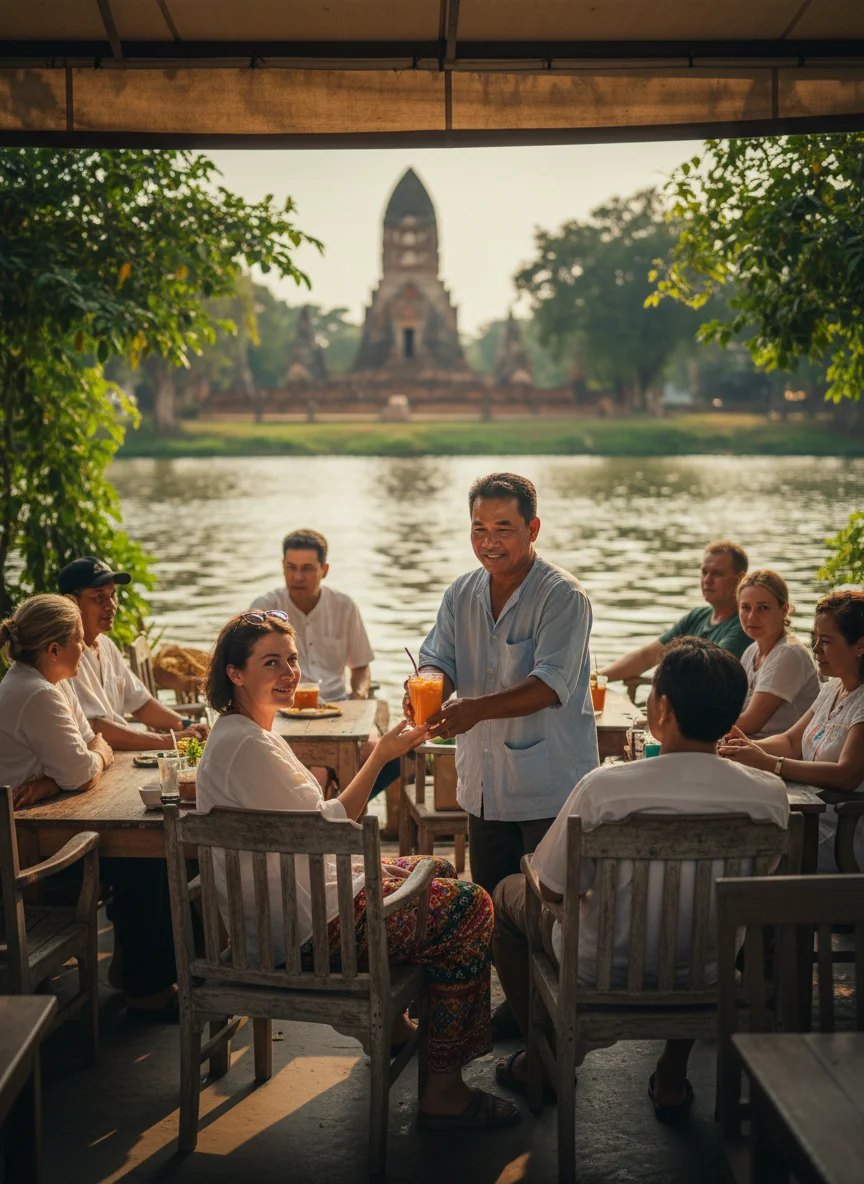
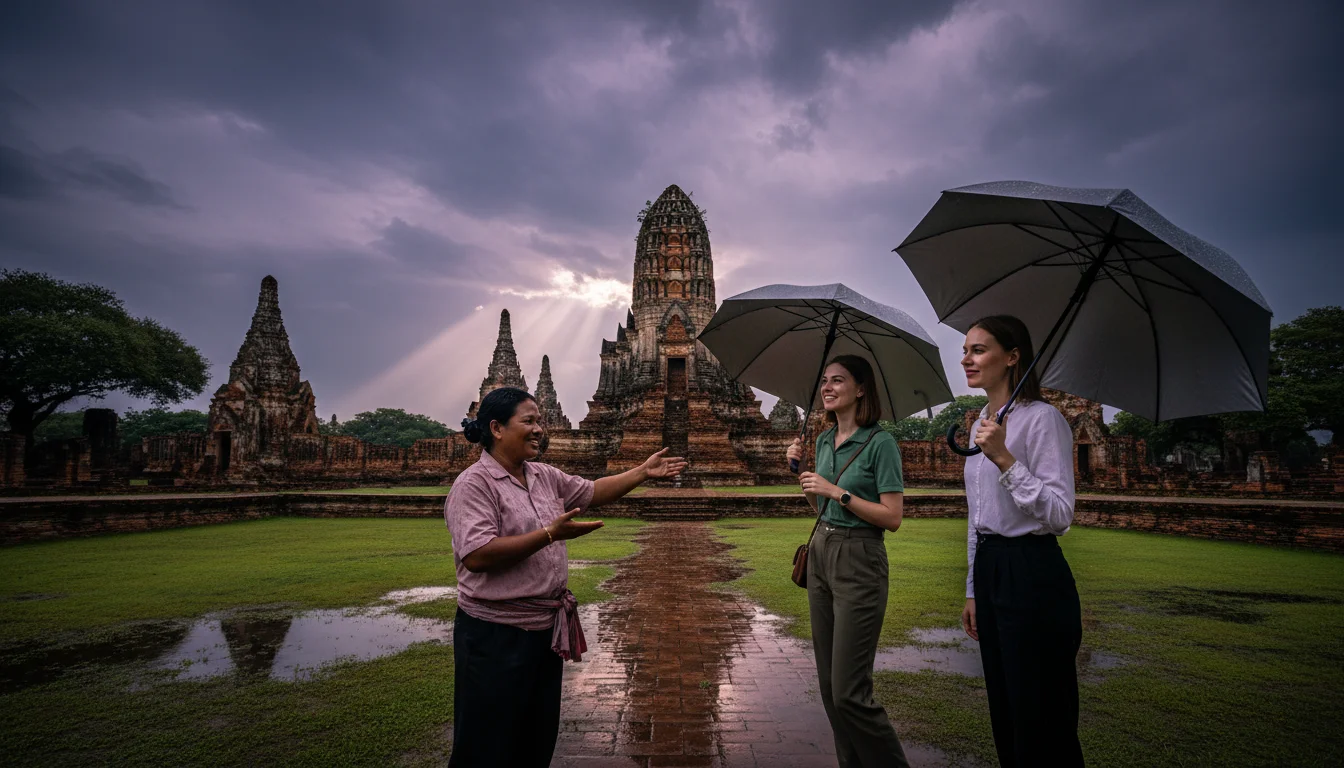
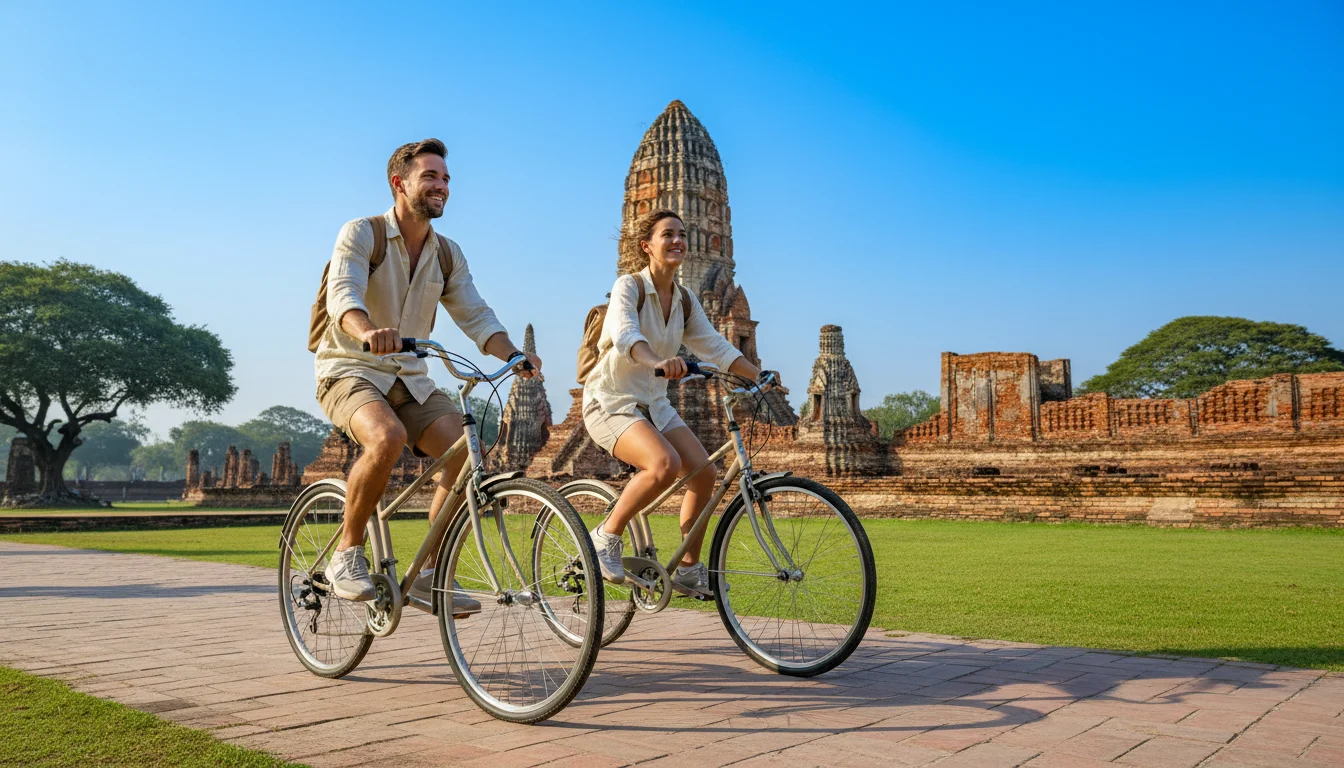
The cool season runs from November to February, though "cool" is a highly relative term. Daytime temperatures hover around a glorious 31°C, dropping to a genuinely pleasant 22°C at night. This is the only time of year you can cycle between the ruins without feeling like you are pedalling through soup. Come March, the hot season kicks in with a vengeance, peaking in April when the mercury routinely smashes 38°C and night-time offers zero relief at 28°C. The April heat isn't just hot; it is a physical weight that presses down on your shoulders the moment you step out of air-conditioning. You simply adapt by exploring at dawn and retreating to a riverside café by 11 AM. The rainy season breaks the humidity in June, stretching through to October. Temperatures drop slightly to a sticky 33°C, but the cloud cover provides highly welcome relief from the blistering central plains sun. The ruins actually look their absolute best during these months, surrounded by aggressively green grass and dramatic, bruised skies.
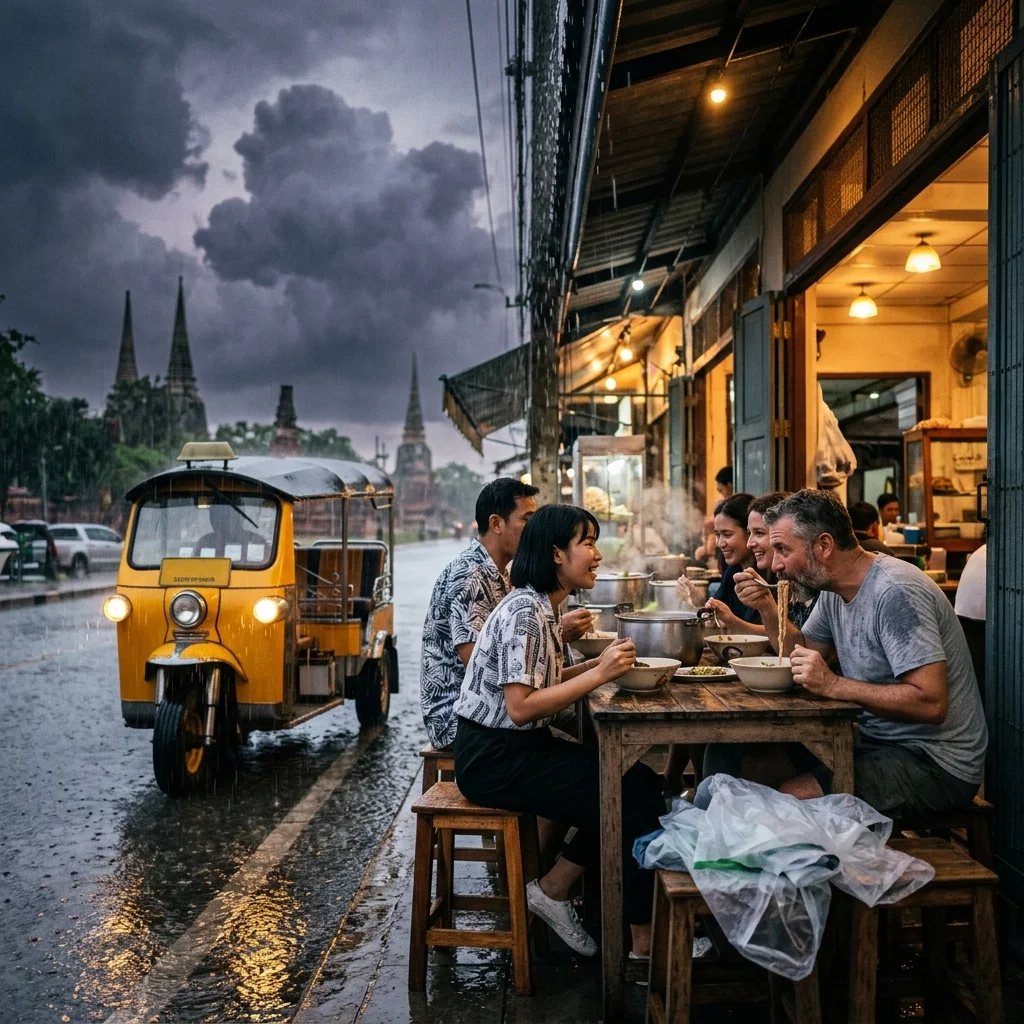
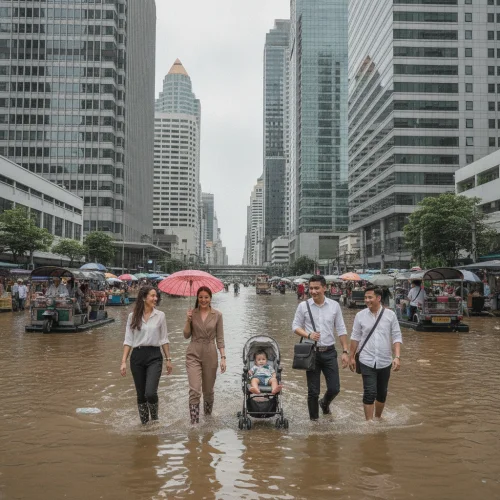
Rain in the central plains rarely manifests as a miserable all-day drizzle. Instead, the monsoon builds into towering black clouds before dumping an absolute ocean of water onto the city, usually around 4 PM, for an intense sixty minutes. September and October are the peak flood risk months. Because the historical park is essentially an island encircled by the Chao Phraya, Pa Sak, and Lopburi rivers, the banks often burst. When this happens, local roads turn into shallow canals and the ubiquitous tuk-tuks might refuse to take you to the outer temples. Embrace the chaos. It is the perfect excuse to sit under a corrugated iron roof eating boat noodles while the storm passes. Do not ruin your holiday by getting soaked to the bone; pop into a 7-11 and grab a flimsy but highly effective plastic poncho for 50 THB / GBP 1.15 rather than wrestling a massive golf umbrella around the crowded night market.
AIR QUALITY
The agricultural burning season heavily impacts the central plains from January through to late March. During these months, the surrounding sugar cane fields go up in smoke, pushing the AQI well past 150 and leaving a distinct campfire smell in the air that stings the eyes. Do not let it cancel your trip. Simply buy a pack of high-quality 3M N95 masks from any local Boots pharmacy for around 85 THB / GBP 1.95 and wear them while in transit. If the smog gets genuinely oppressive, escape indoors to the excellent Chao Sam Phraya National Museum, which has fiercely cold, heavily filtered air-conditioning.
Packing for exposed brick ruins requires a tactical approach to UV management. Leave the heavy denim jeans and unbreathable polyester tops in the UK. They will trap the 80% humidity against your skin and leave you an irritable, chafed mess within twenty minutes. Instead, bring loose, long-sleeved linen shirts and wide-leg cotton trousers. This completely solves the strict temple dress code—which demands covered shoulders and knees—while allowing the slightest breeze to cool your skin in the 35°C heat. Sun protection is completely non-negotiable here. Quality, imported high-SPF sunscreen is notoriously expensive in Thailand, often setting you back 650 THB / GBP 14.95 for a tiny bottle of Nivea or Banana Boat. Buy it in Boots back home and pack it in your checked luggage. Throw in a wide-brimmed hat and polarised sunglasses to cut the aggressive glare bouncing off the ancient stone pathways.
Heat exhaustion is the single biggest threat when climbing these ancient stupas. The humidity drains your energy remarkably fast, so you must adopt the local rhythm: rise at 6:30 AM, explore until late morning, and sleep through the afternoon heat. To replace lost salts, buy a Royal-D electrolyte sachet from 7-11 for just 10 THB / GBP 0.23 and dump it into a cold bottle of water. Because the city is surrounded by rivers and sits on a floodplain, mosquitoes are a relentless dusk reality. Apply a local DEET-based repellent like Sketolene the second the sun begins to dip.
BEST TIME TO VISIT
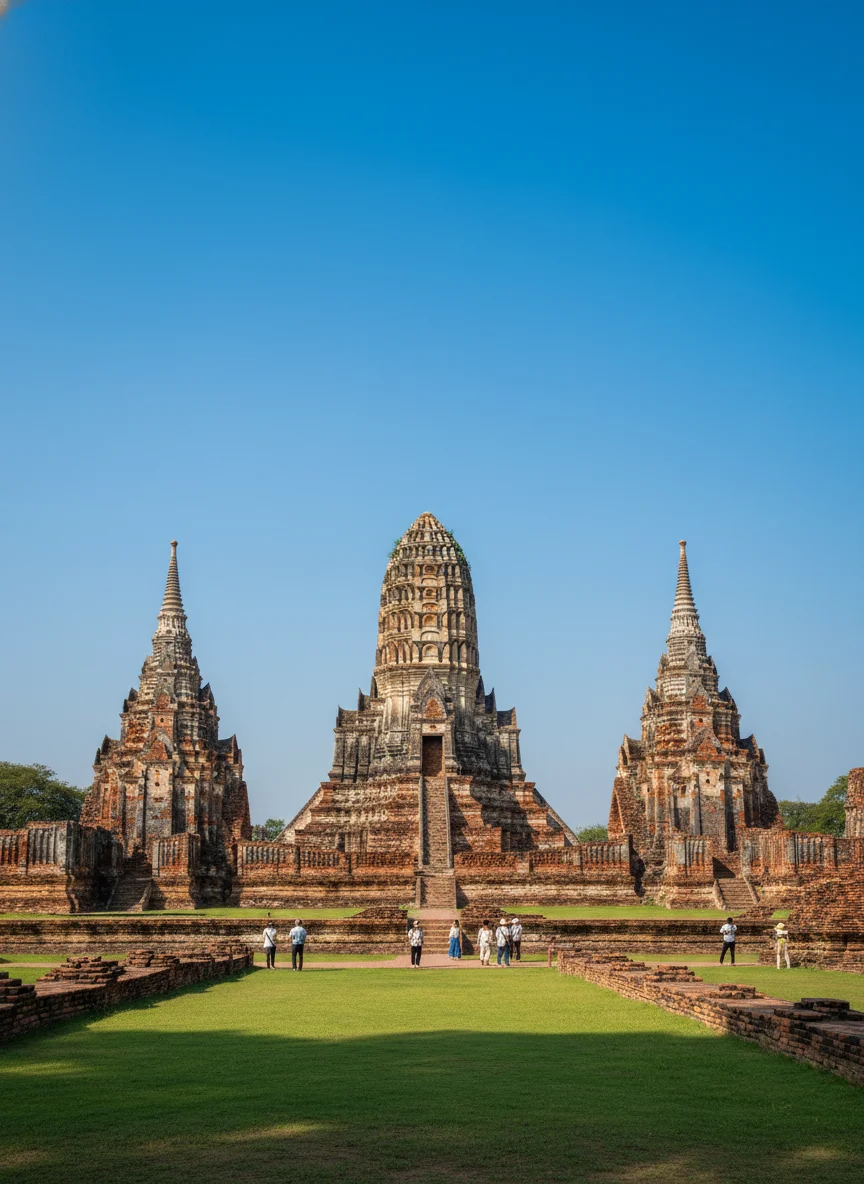
The absolute peak Goldilocks window is December to January, offering bright blue skies, negligible rain, and relatively crisp mornings. However, November is the genuine secret month. The heavy monsoon rains have just washed the smog away, the tourist crowds have not yet peaked, and the rivers are thrillingly high, making a sunset long-tail boat ride around the island spectacular.