Health and Vaccines

UK nationals entering Thailand on a standard visa exemption face no mandatory vaccination requirements, but those applying for long-stay options like the Non-Immigrant O-A must legally prove they hold health insurance covering at least 3,000,000 THB (£66,000). A single emergency hospital admission in Bangkok without adequate coverage can easily exceed 500,000 THB (£11,000), making rigorous entry health preparation a strict financial necessity rather than an optional travel extra.
This page details the exact medical and insurance requirements for UK nationals entering Thailand for short-term travel or permanent relocation. It outlines the specific vaccinations recommended by the NHS, the strict statutory health insurance minimums required for Non-Immigrant O-A and LTR visa applicants, and the physical reality of health screenings at Thai border control. This guide is for anyone planning a trip, applying for a long-stay visa, or needing to navigate the Thai private healthcare system safely. It will help you budget for the correct travel cover, avoid costly immigration rejections, and schedule essential UK clinic appointments before your departure date.

Mandatory and Recommended Vaccinations for UK Travellers
Thailand imposes zero mandatory vaccination requirements on British nationals flying directly from the UK. However, the NHS strongly advises ensuring your primary courses and boosters are up to date before travelling. You should schedule a consultation at a UK travel clinic or pharmacy at least six to eight weeks before your departure date. The baseline recommendations for Thailand include Hepatitis A, Tetanus, and Typhoid, as these diseases present a serious risk through contaminated food and water across the country. If you plan to spend time in rural provinces, work with animals, or stay longer than a month, you must also consider vaccinations for Hepatitis B, Rabies, and Japanese Encephalitis. Rabies is particularly prevalent among the street dog population in Thailand, and a pre-exposure course of three injections in the UK buys you crucial time to seek treatment if you are bitten. Yellow Fever is only mandatory if you have recently transited through or visited a designated risk country in Africa or South America. In that scenario, you must present an International Certificate of Vaccination at the airport Health Control desk. Always carry a physical record of your vaccinations when entering the country to resolve any border queries instantly.
Plan your Thailand border run with exact requirements for UK nationals. Discover the rules, crossing points, costs, and documents needed for overland entry.
| Vaccination Category | Specific Diseases | Requirement Status | Notes |
|---|---|---|---|
| Mandatory | Yellow Fever | Required only if arriving from a risk zone | Must present International Certificate of Vaccination |
| Highly Recommended | Hepatitis A, Tetanus, Typhoid | Advised for all UK travellers | Protects against food and water-borne diseases |
| Optional / Risk-Based | Hepatitis B, Rabies, Japanese Encephalitis | Advised for rural travel or long stays | Pre-exposure rabies course highly recommended |
The Reality of Health Checks at Thai Immigration
Sponsored
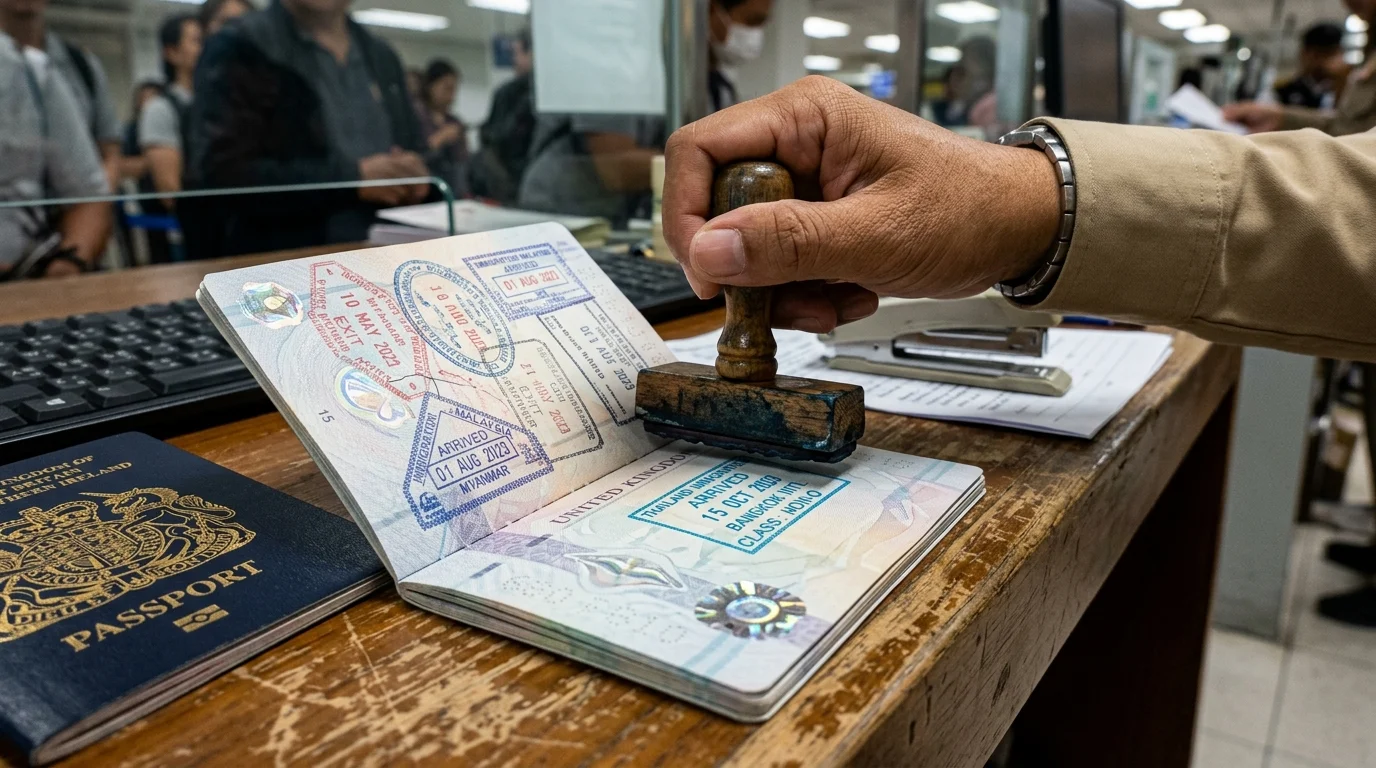
Medical screenings at Thai airports are primarily passive and automated. As you walk towards the immigration halls at Suvarnabhumi or Phuket International Airports, thermal imaging cameras monitor arriving passengers for elevated body temperatures. If you trigger the system with a high fever, health control officers may pull you aside for a basic assessment or request a rapid disease test. You do not need to present a general medical certificate or proof of vaccination to enter Thailand on a standard tourist visa or a visa exemption. The only time immigration officers will actively demand health documentation is if your specific visa category requires it, or if your passport stamps indicate recent travel to a Yellow Fever zone. In the latter scenario, you must visit the Health Control counter before joining the main immigration queue to complete a health declaration form and get your arrival card stamped. Failure to do so results in being sent to the back of the line once you reach the passport desk. Keep your health documents easily accessible alongside your boarding pass to avoid unnecessary delays during the arrivals process.
Medical Certificates for Work Permits and Visas
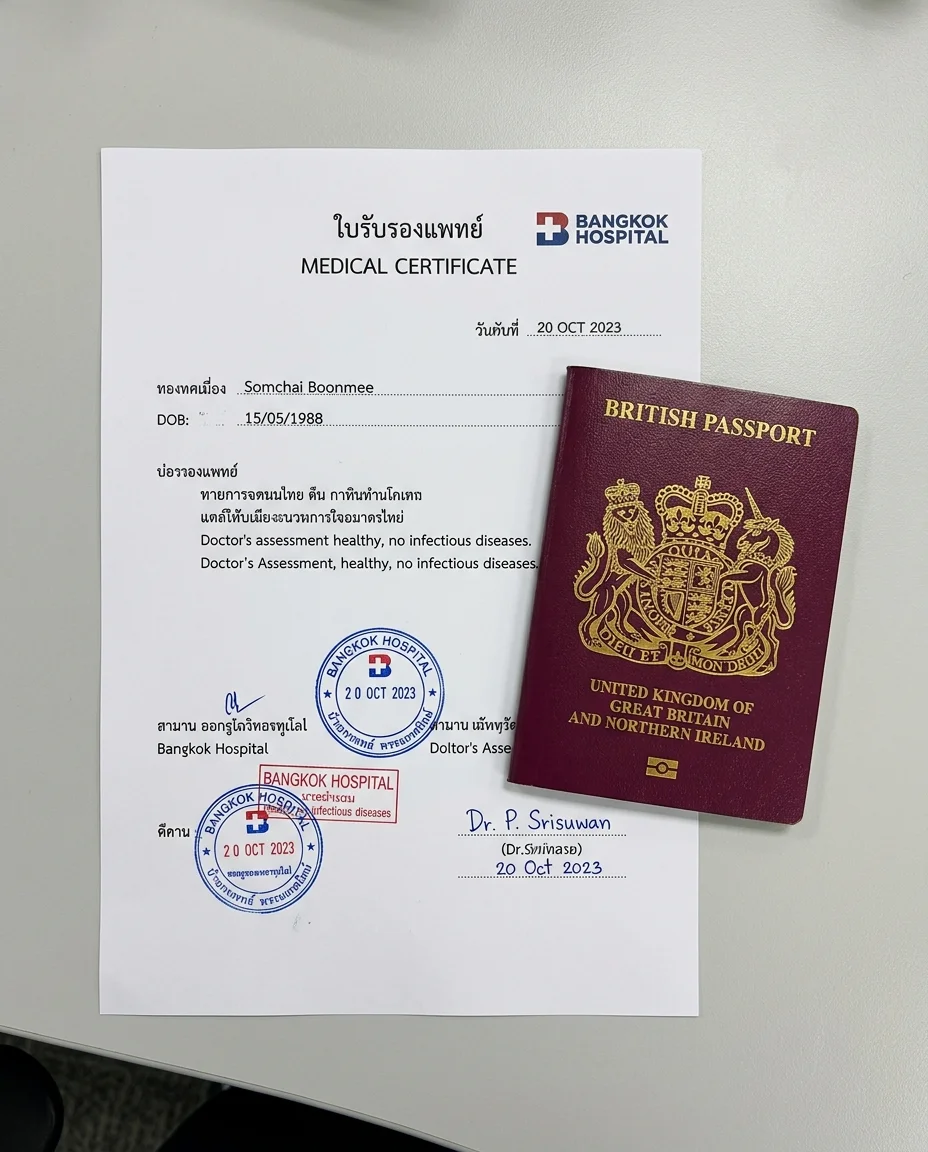
If you are applying for a Non-Immigrant B visa to secure a Thai work permit, or certain long-stay visas like the Non-Immigrant O-X, you must supply a formal medical certificate. Thai immigration and the Ministry of Labour require a very specific document verifying that you are free from six prohibited conditions: leprosy, advanced tuberculosis, drug addiction, chronic alcoholism, elephantiasis, and stage-three syphilis. You cannot simply bring a general letter of good health from your NHS GP in the UK. The medical certificate must be issued by a licensed medical doctor, and for work permits, the examination must take place at a clinic or hospital inside Thailand. The process is entirely routine and involves a brief physical consultation, a blood pressure check, and a blood test to screen for syphilis. You will receive the signed and stamped certificate within an hour of your appointment. A standard clinic charges around 500 THB (£11) for this service, while a premium private hospital may charge up to 1,500 THB (£33). The certificate is strictly valid for only 30 days from the date of issue. You must time your medical examination carefully to ensure the document remains valid on the day you submit your final application to the immigration office.
Health Insurance Requirements by Visa Type
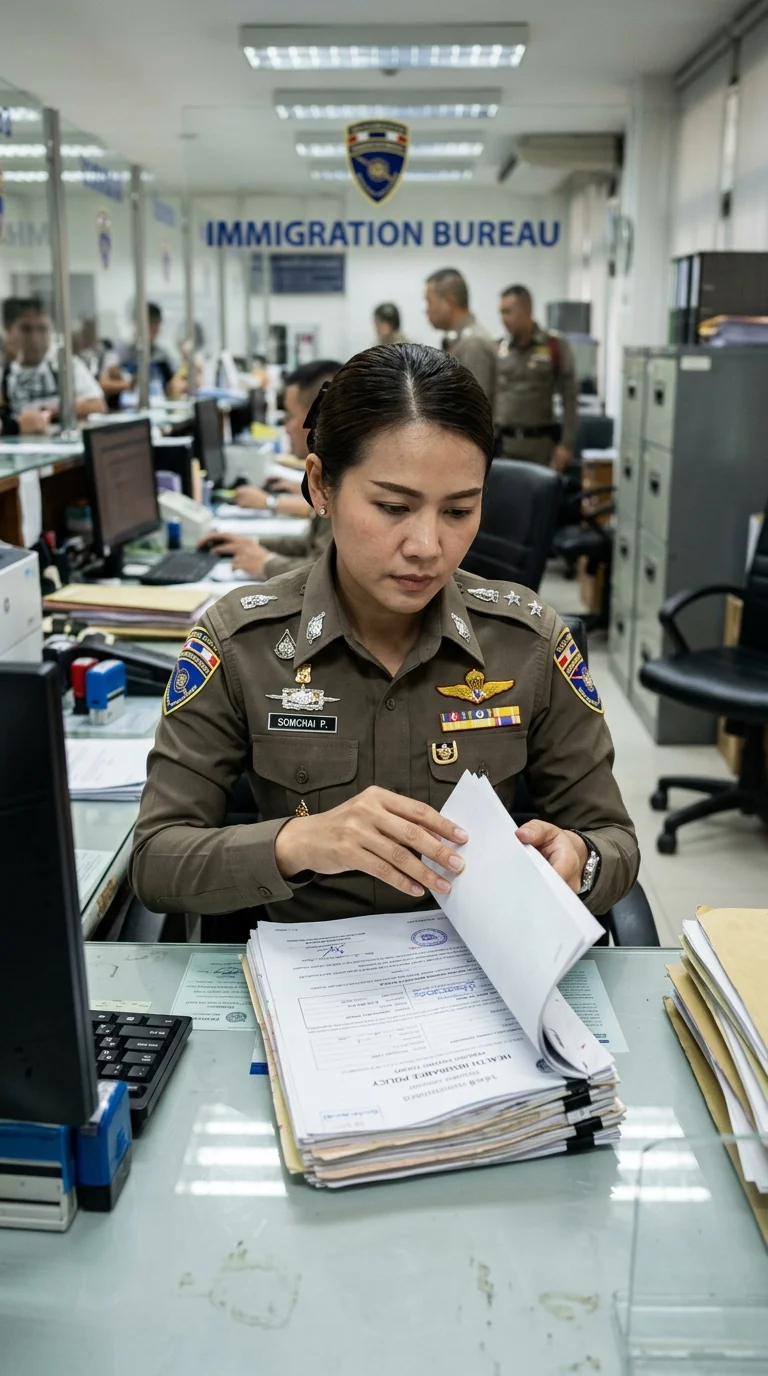
Your visa category dictates exactly what level of health insurance you must hold to enter and remain legally in Thailand. Short-term tourists entering on a 30-day exemption or a 60-day Tourist Visa are not legally required to hold travel insurance, though arriving without it exposes you to catastrophic medical debts. Long-stay applicants face rigid statutory requirements. The Non-Immigrant O-A visa mandates a Thai-approved health insurance policy covering a minimum of 3,000,000 THB (£66,000) for medical expenses, including outpatient and inpatient care. The Long-Term Resident (LTR) visa demands an even higher threshold, requiring health coverage of at least $50,000 USD (approximately 1,800,000 THB or £39,000) or a massive guaranteed deposit in a Thai bank account. The Non-Immigrant O-X visa requires a policy with outpatient coverage of at least 40,000 THB (£880) and inpatient coverage of 400,000 THB (£8,800). When applying for these visas via the Thai e-Visa system, you must upload the official Foreign Insurance Certificate signed by your provider's directors. Secure a policy specifically underwritten to meet Thai immigration criteria to prevent instant application rejection.
| Visa Category | Minimum Insurance Coverage | Acceptable Policy Type | Notes |
|---|---|---|---|
| Tourist Visa / Exemption | None mandatory | Any UK travel insurance | Highly advised to hold emergency medical cover |
| Non-Immigrant O-A | 3,000,000 THB | TGIA-approved policy | Must submit official Foreign Insurance Certificate |
| Non-Immigrant O-X | 400,000 THB Inpatient / 40,000 THB Outpatient | TGIA-approved policy | Specifically targets the 10-year retirement scheme |
| Long-Term Resident (LTR) | $50,000 USD (approx. 1,800,000 THB) | Foreign or Thai policy | Alternative: hold $100,000 USD in a Thai bank |
What to Do If You Arrive Without Adequate Cover
Arriving in Thailand without valid health insurance is a severe financial risk that limits your access to quality private healthcare. If you suffer an accident and hold no travel cover, private hospitals like Bangkok Hospital or Samitivej will demand a significant upfront credit card deposit before admitting you for emergency surgery. Public hospitals will treat you, but you will still be billed for all services, and you must navigate severe overcrowding and language barriers. If you realise you have landed without insurance, you can immediately purchase a post-departure travel policy from specific UK providers like True Traveller, though these often carry a waiting period of up to 48 hours before coverage activates. Alternatively, if you plan to stay long-term, you should immediately contact a local Thai insurance broker to secure a domestic expat health policy. Local providers such as Luma or Pacific Cross offer policies tailored to foreigners that will satisfy future visa extension requirements at the local immigration office. Never assume that the British Embassy will cover your medical bills or fund a medical repatriation flight under any circumstances.
Finding English-Speaking Hospitals in Thailand
Thailand operates a dual-track healthcare system consisting of government-run public hospitals and highly commercialised private facilities. As a UK national, you will almost certainly rely on the private sector, which routinely employs internationally trained, English-speaking doctors. Bangkok, Chiang Mai, and Phuket host numerous Joint Commission International (JCI) accredited hospitals that operate much like luxury hotels. Facilities such as Bumrungrad International Hospital and the Samitivej network provide dedicated international wings, complete with translation services and direct billing departments that liaise directly with UK travel insurance providers. A standard consultation with a specialist at a top-tier private hospital costs between 1,500 THB and 3,000 THB (£33 to £66), excluding diagnostic tests, nursing fees, and medications. Public hospitals charge a fraction of this price, but wait times routinely exceed four hours and English proficiency among nursing staff is extremely limited. Always carry your physical passport and a printed copy of your insurance certificate when visiting any hospital, as registration desks require both before you can see a doctor. Keep the emergency contact number of your insurance provider saved in your phone for immediate billing authorisation.
Costs and Budgeting
Preparing your health requirements for Thailand involves balancing UK clinic fees against mandatory insurance premiums. Routine travel vaccines available free on the NHS, such as Hepatitis A and Typhoid, cost nothing. However, private travel clinics charge for vaccines like Rabies and Japanese Encephalitis, which require multiple doses. Health insurance premiums vary wildly based on your age, pre-existing conditions, and your specific visa type. A standard 30-day UK travel insurance policy costs around £40. Conversely, a mandatory TGIA-approved health insurance policy for a 65-year-old applying for a Non-Immigrant O-A visa typically starts at 40,000 THB (£880) annually and can easily exceed 100,000 THB (£2,200) for comprehensive inpatient and outpatient coverage. You must also budget for a medical certificate if your long-stay visa or work permit requires one, which involves a brief physical examination and blood tests at a Thai clinic.
| Item | Cost (THB) | Cost (GBP approx) | Notes |
|---|---|---|---|
| Hep A / Typhoid Vaccine | 0 THB | £0 | Usually available free via your NHS GP |
| Rabies Vaccine (Course of 3) | 6,800 THB | £150 | Standard private UK travel clinic cost |
| Japanese Encephalitis Vaccine | 9,000 THB | £200 | Standard private UK travel clinic cost |
| Standard Travel Insurance (30 days) | 1,800 THB | £40 | General cover for short-term tourists |
| O-A Visa Insurance Premium (Annual) | 40,000 - 100,000+ THB | £880 - £2,200+ | Varies heavily by applicant age and health status |
| Thai Medical Certificate | 500 - 1,500 THB | £11 - £33 | Required for work permits and specific long-stay visas |
Common Mistakes and How to Avoid Them
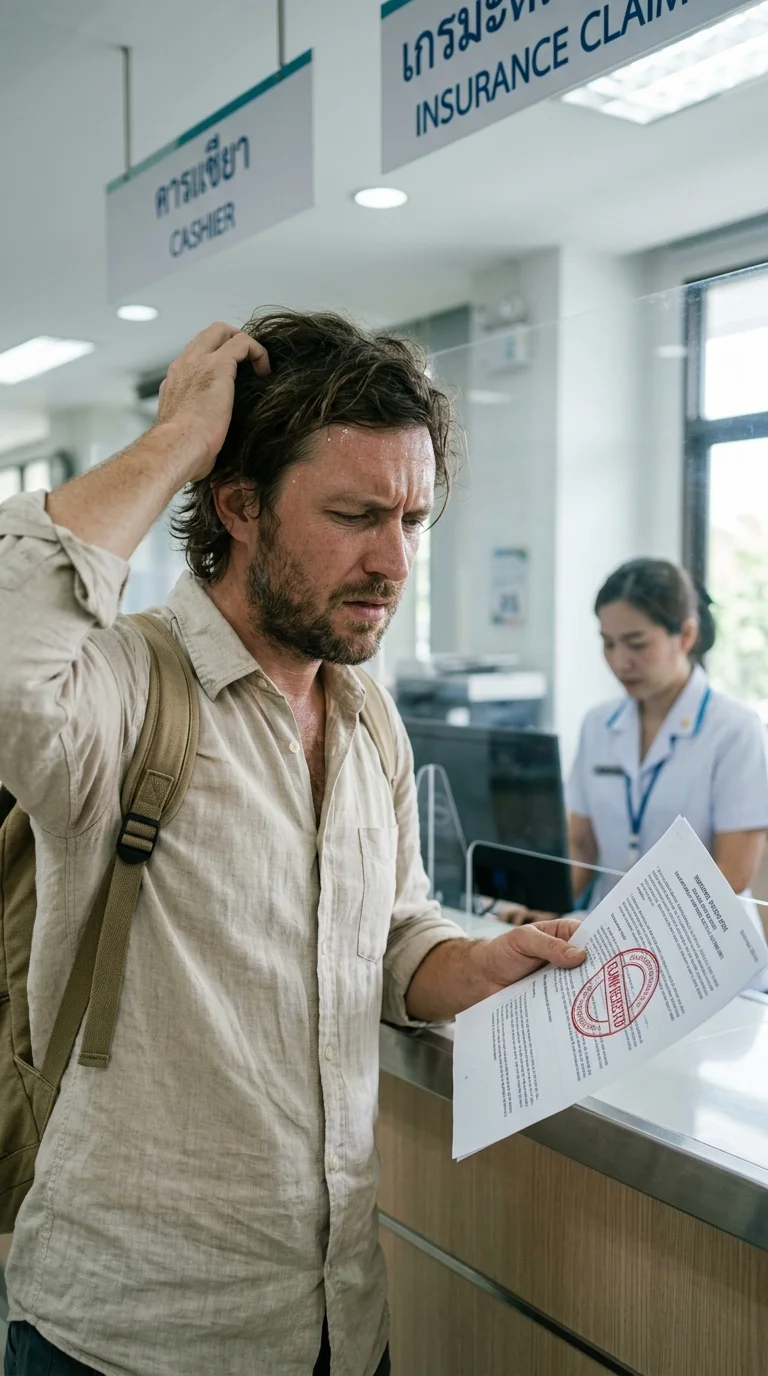
Assuming standard travel insurance covers long-stay visas. UK nationals often have their Non-Immigrant O-A visa rejected because their policy lacks Thai General Insurance Association approval. Buy a compliant policy meeting the 3,000,000 THB threshold to secure the correct certificate.
Riding a scooter without a motorcycle licence. Tourists frequently crash rented mopeds and find their medical claims voided because they lack an International Driving Permit. Ensure you are legally licensed to ride the exact vehicle you rent.
Failing to declare pre-existing conditions. Applicants sometimes hide medical histories to lower premiums, causing cancelled policies when a hospital demands records. Declare all conditions upfront to guarantee your coverage remains valid.
Waiting until arrival for the rabies vaccine. Travellers assume they can get vaccinated easily after a dog bite, but finding human rabies immune globulin locally is difficult. Complete the pre-exposure course in the UK to eliminate this requirement.
Practical Tips

Print three physical copies of your health insurance certificate and policy wording. Thai hospitals and immigration offices strongly prefer paper documents over digital files on a phone screen.
Save your insurance provider's 24-hour emergency assistance number into your phone contacts before boarding your flight. You will need to call them immediately to authorise billing if you are admitted to a hospital.
Carry a basic medical kit containing paracetamol, loperamide, and oral rehydration salts from the UK. Thai pharmacies are excellent, but navigating them while suffering from severe food poisoning is thoroughly unpleasant.
Check the specific exclusions on your travel insurance regarding water sports and alcohol consumption. Claims for injuries sustained while intoxicated or scuba diving without the correct policy add-on will be instantly denied.
Keep your Yellow Fever certificate inside your passport cover if you are arriving from South America or Africa. The Health Control desk will demand to see it before you are allowed anywhere near the immigration queues.
Research the closest JCI-accredited private hospital to your hotel or apartment in Thailand. Knowing exactly where to direct a taxi driver during a medical emergency saves critical minutes.
Request a translated copy of your UK medical records if you have complex ongoing health issues. Thai specialists speak excellent English, but having documented medical history prevents dangerous drug interactions during treatment.
Download the Thai tourist police application or save the 1669 emergency medical hotline to your phone. Public ambulances dispatched via this number provide essential first response, though they will transport you to the nearest public hospital rather than a private facility.
[DISCLAIMER: Visa rules and fees are subject to change. Always verify current requirements with the official Thai Immigration Bureau at immigration.go.th or the Royal Thai Embassy before applying.]
Quick Reference Summary
| Item | Detail | Notes |
|---|---|---|
| Mandatory Vaccinations | Yellow Fever only | Only if arriving from or transiting through a high-risk country |
| Recommended Vaccinations | Hepatitis A, Tetanus, Typhoid | Consult a UK travel clinic 6 to 8 weeks before departure |
| Optional Vaccinations | Hepatitis B, Rabies, Japanese Encephalitis | Advised for rural travel, animal work, or stays exceeding one month |
| Tourist Visa Insurance | Not mandatory | Highly advised to hold comprehensive emergency medical cover |
| Non-O-A Visa Insurance | 3,000,000 THB minimum | Must be approved by the Thai General Insurance Association |
| LTR Visa Insurance | $50,000 USD minimum | Can be substituted with a $100,000 USD Thai bank deposit |
| Medical Checks at Border | Passive thermal scanning | No general medical certificate required for standard tourist entry |
| Private Hospital Costs | 1,500 - 3,000 THB per consult | Excludes medications, nursing fees, and diagnostic tests |