Cost of Living in Thailand

A comfortable expat lifestyle in Thailand requires a minimum monthly budget of around 65,000 THB (£1,450). While your UK pension or remote income stretches significantly further than it does in Britain, unexpected setup fees and healthcare premiums routinely catch new arrivals off guard.
This guide breaks down the realistic cost of living in Thailand across three distinct expat lifestyle tiers. You will learn exactly how to budget for accommodation, food, transport, and utilities in five major expat hubs, alongside the hidden first-year setup costs that impact your bottom line. This information is specifically for UK nationals planning a long-term relocation, retirement, or digital nomad stint. It is not for short-term holidaymakers seeking backpacker budgets or all-inclusive package deals.

The Three Expat Lifestyle Tiers
Your monthly expenditure in Thailand is entirely dictated by how closely you replicate a Western lifestyle. A budget lifestyle of 35,000 THB (£780) to 45,000 THB (£1,000) per month means living similarly to a middle-class Thai national. You will rent a basic studio apartment away from the city centre, eat local street food, and rely heavily on public transport. Moving up to a mid-range budget of 65,000 THB (£1,450) to 85,000 THB (£1,900) unlocks a modern one-bedroom apartment with pool and gym access. This tier allows for regular meals at mid-tier restaurants, comprehensive health insurance, and occasional weekend trips. This is the standard most UK retirees and remote workers target for a comfortable, sustainable life. Finally, a premium expat standard requires 110,000 THB (£2,450) or more each month. At this level, you can afford a spacious detached house or luxury high-rise apartment, regular imported groceries, running a private vehicle, and frequent international dining. You also gain the financial freedom to hire part-time domestic help for cleaning and laundry. Matching your UK income to the right tier prevents rapid savings depletion during your first year. Define your non-negotiable comforts early to determine which of these three financial tiers you must fund.
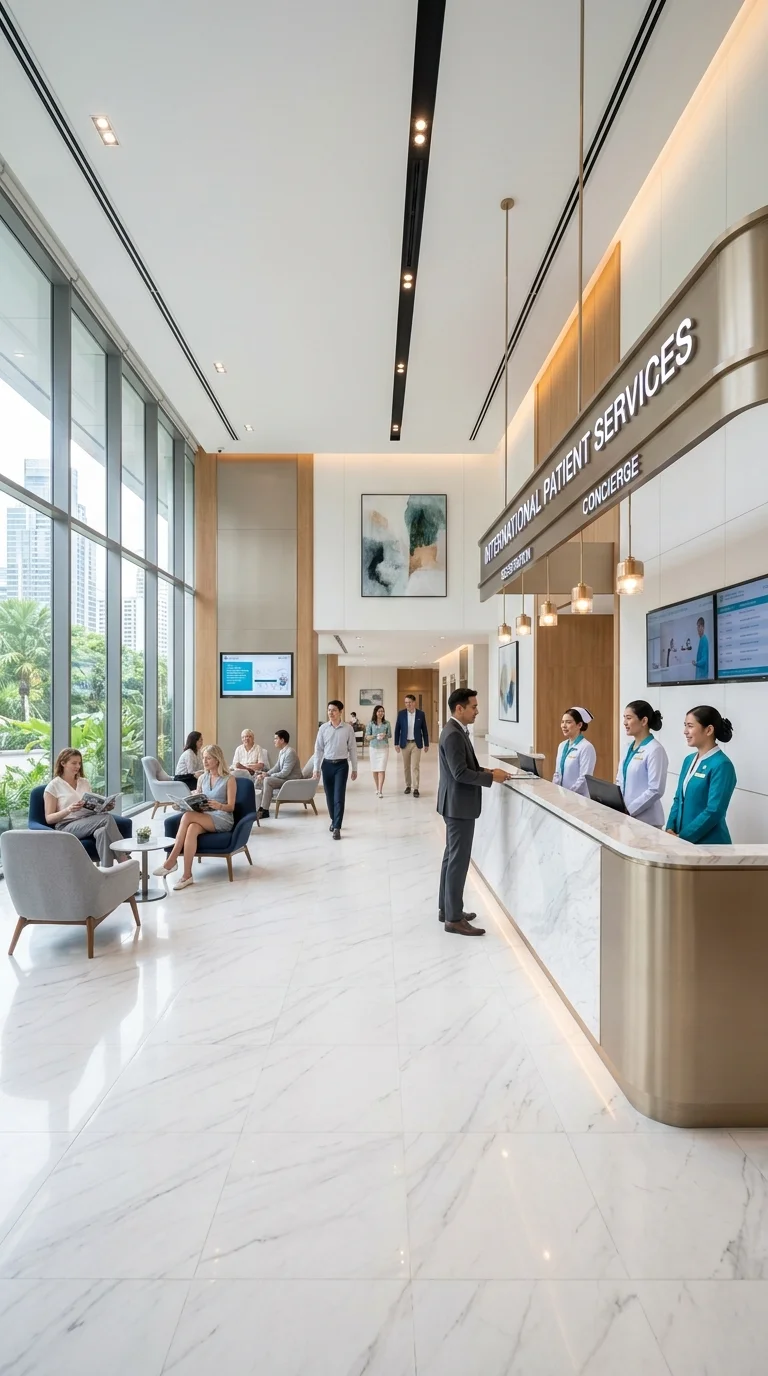
Navigate healthcare in Thailand as a UK expat. Discover private hospital costs, visa insurance rules, and how to access premier medical treatment abroad.
| Tier | Monthly Budget (THB) | Monthly Budget (GBP) | Lifestyle Inclusions |
|---|---|---|---|
| Budget | 35,000 - 45,000 | £780 - £1,000 | Basic studio, local food, public transport |
| Mid-Range | 65,000 - 85,000 | £1,450 - £1,900 | 1-bed apartment, mixed dining, health insurance |
| Premium | 110,000+ | £2,450+ | House or luxury apartment, imported food, car |
Location Cost Comparisons
Sponsored
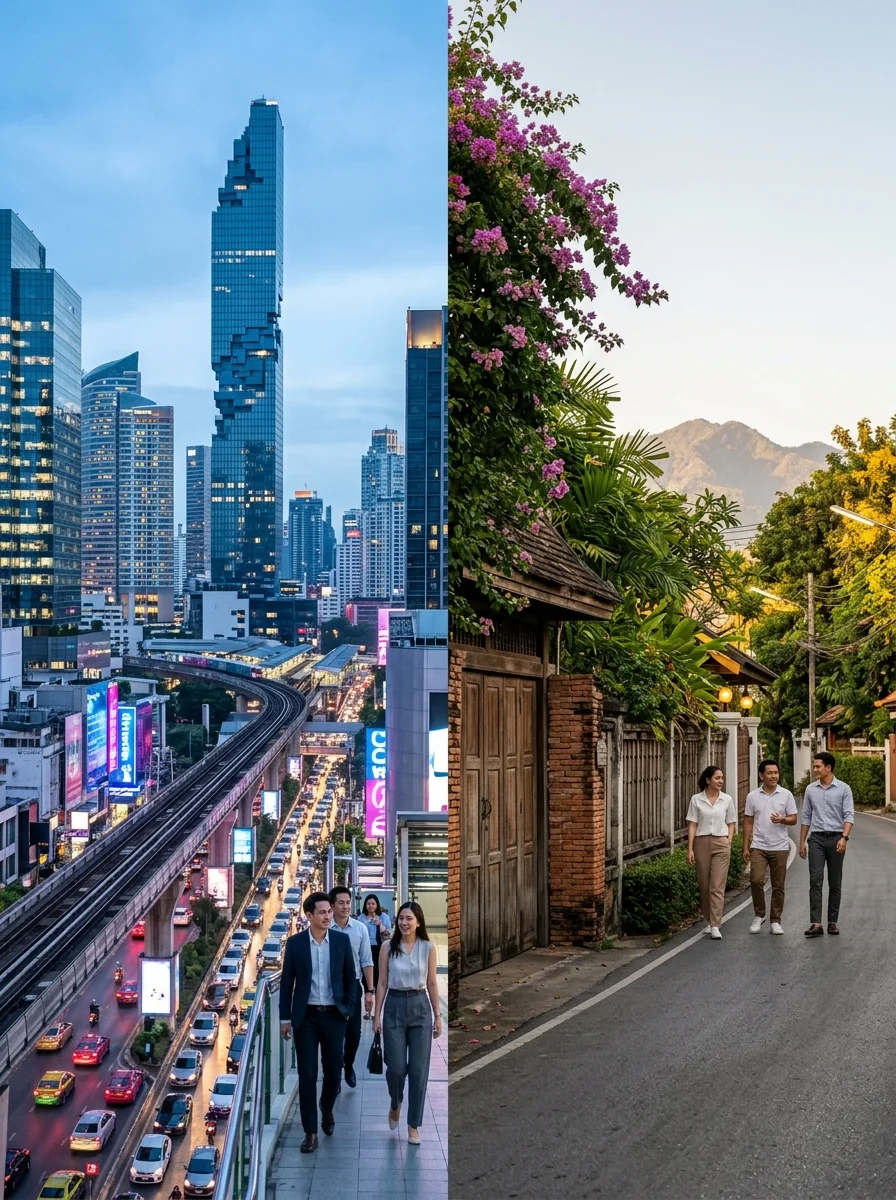
Where you choose to settle in Thailand impacts your housing and entertainment costs by up to forty percent. Bangkok remains the most expensive destination, demanding a premium for proximity to the BTS Skytrain and Western-standard healthcare facilities. A mid-range lifestyle here costs around 85,000 THB (£1,900) monthly, largely driven by high rental prices in central districts like Sukhumvit or Silom. Chiang Mai offers the lowest cost of living among the major expat hubs. You can achieve an excellent standard of living in the north for roughly 55,000 THB (£1,220), benefiting from cheaper dining and affordable housing. The southern islands present a different financial reality altogether. Phuket suffers from inflated pricing across rent, taxis, and groceries due to heavy tourism, pushing a mid-range budget closer to 95,000 THB (£2,100). Pattaya provides a coastal alternative that is significantly cheaper than Phuket, though utility costs often run high due to constant air conditioning use. Hua Hin strikes a middle ground popular with UK retirees, offering lower rents than Bangkok but slightly higher grocery costs than Chiang Mai. Choosing a location outside the capital immediately increases the purchasing power of your pounds. Research regional price variations thoroughly before signing a twelve-month lease in a major tourist hub.
| Location | Mid-Range Rent (THB) | General Cost Level | Target Demographic |
|---|---|---|---|
| Bangkok | 25,000 | High | Working expats, urban retirees |
| Chiang Mai | 12,000 | Low | Digital nomads, budget retirees |
| Phuket | 30,000 | Very High | Premium retirees, families |
| Pattaya | 18,000 | Medium | Single retirees, long-stay tourists |
| Hua Hin | 20,000 | Medium | Older UK retirees, couples |
Accommodation and Utilities
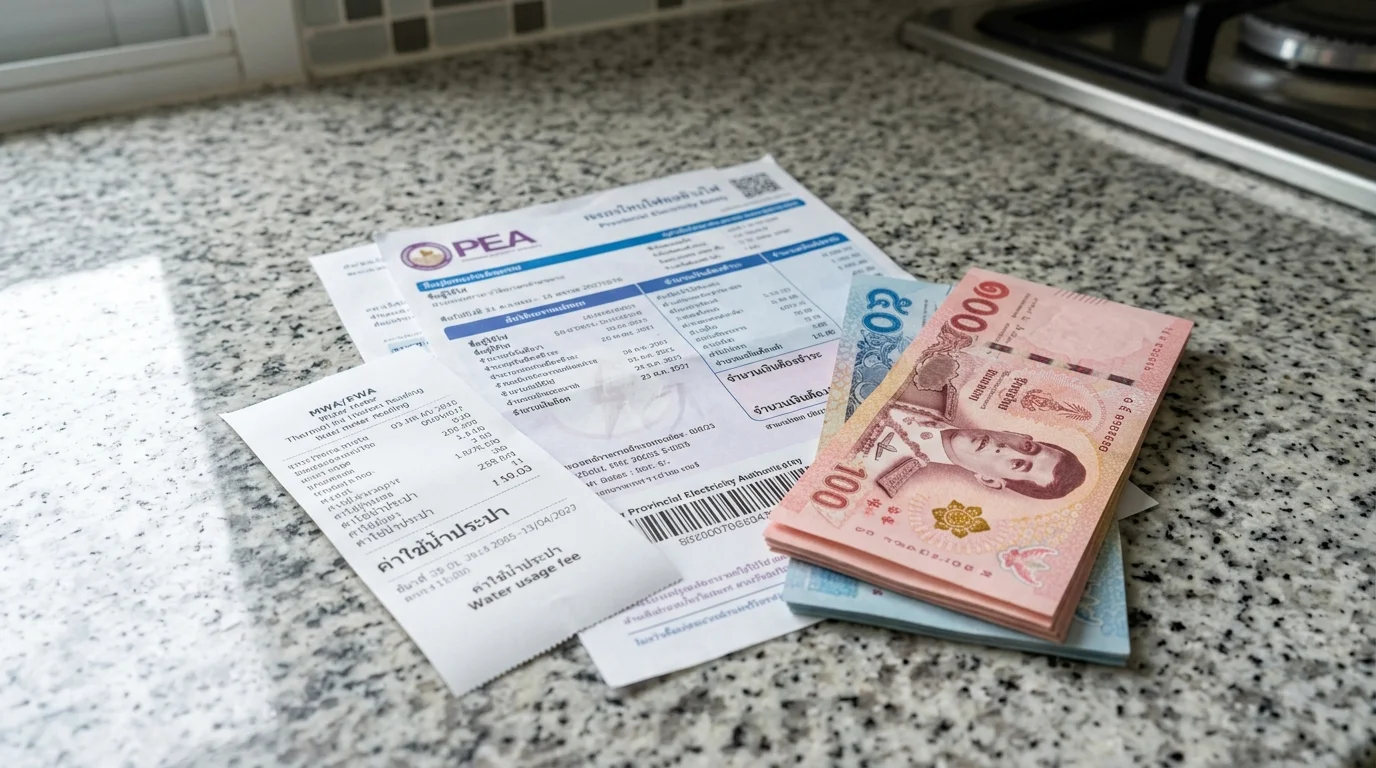
Rent consumes the largest portion of your monthly budget, but utility structures operate differently from the UK. A modern one-bedroom apartment in central Bangkok costs between 18,000 THB (£400) and 25,000 THB (£550) per month. In Chiang Mai, a comparable unit drops to 12,000 THB (£265). Electricity is billed progressively by the government, usually costing 4 to 5 THB per unit. Running air conditioning throughout the night typically results in a monthly bill of 1,500 THB (£33) to 2,500 THB (£55). Water remains incredibly cheap, rarely exceeding 300 THB (£6) each month. High-speed fibre internet is a fraction of British prices. You can secure 1000Mbps packages for just 600 THB (£13) from providers like AIS or True. Mobile phone data plans are equally affordable, offering unlimited 5G data for roughly 800 THB (£17) monthly. Be aware that older apartment buildings often apply a heavy surcharge to electricity rates if you do not pay the government directly. This practice can double your monthly cooling costs during the hot season. Securing a direct-billed property saves you thousands of baht over a standard annual lease. Always verify whether electricity is billed at the official government rate before committing to a rental contract.
| Utility Type | Average Monthly Cost (THB) | Average Monthly Cost (GBP) | Billing Source |
|---|---|---|---|
| Electricity | 1,500 - 2,500 | £33 - £55 | PEA / MEA or Landlord |
| Water | 150 - 300 | £3 - £6 | Government or Building |
| Home Internet | 500 - 800 | £11 - £17 | Direct Provider (AIS/True) |
| Mobile Data | 600 - 1,000 | £13 - £22 | Direct Provider |
Healthcare and Insurance Costs
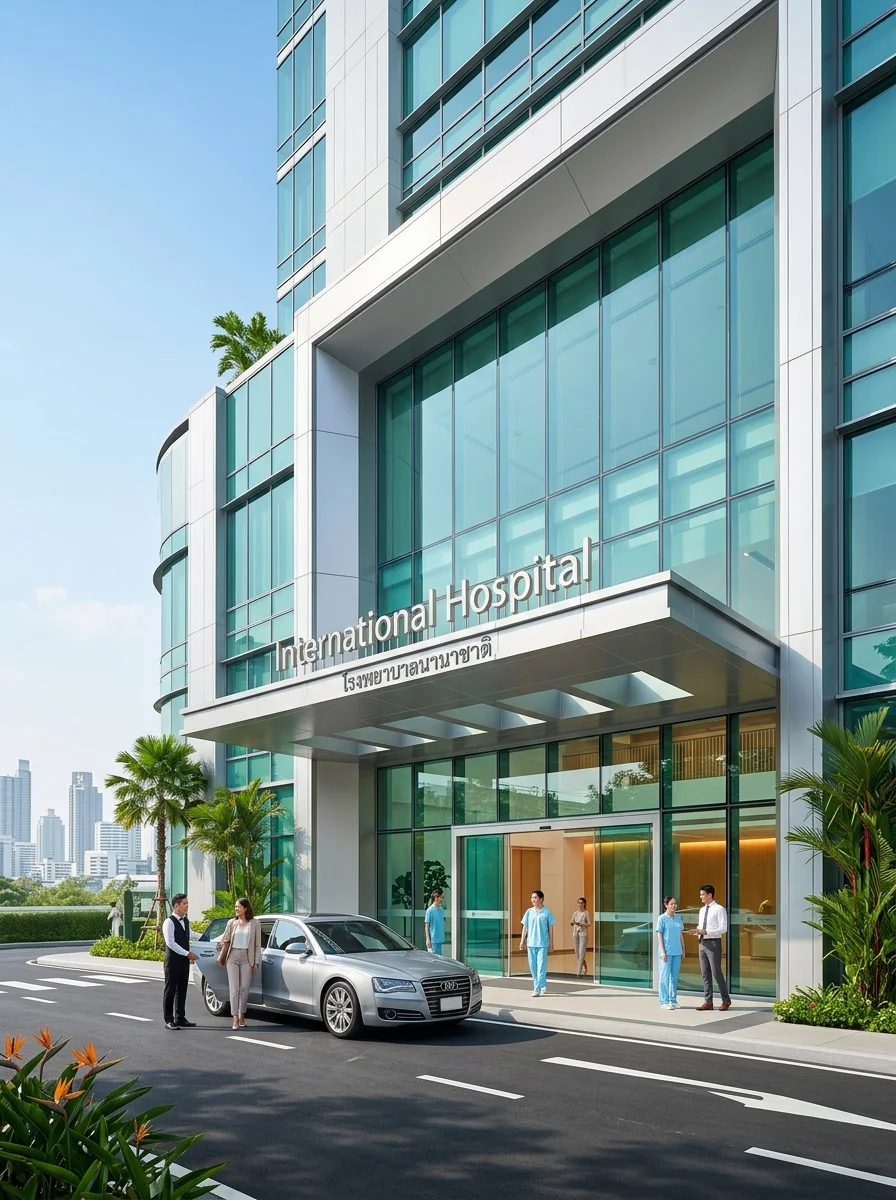
Relying on out-of-pocket payments for healthcare is a massive financial risk that can bankrupt unprepared expats. While minor outpatient visits for a standard infection might only cost 1,500 THB (£33) at a private clinic, serious emergencies are entirely different. A night in a private hospital intensive care unit in Bangkok easily exceeds 100,000 THB (£2,200). UK nationals cannot use the NHS while living in Thailand, and relying on basic travel insurance invalidates your coverage once you become a resident. Comprehensive local health insurance for a healthy 50-year-old costs between 45,000 THB (£1,000) and 80,000 THB (£1,770) annually. Premium international policies from providers like Cigna or Luma push this closer to 120,000 THB (£2,660) per year. These top-tier plans offer higher limits, routine dental care, and global coverage for trips back to Britain. If you are applying for a Non-Immigrant O-A retirement visa, holding specific minimum health insurance coverage is a strict legal requirement. You must present this valid policy certificate at immigration during your annual extension. Factoring this annual premium into your monthly budget is absolutely critical for long-term financial survival. Secure comprehensive inpatient health insurance immediately upon relocation to protect your savings from catastrophic medical emergencies.
| Care Level | Estimated Cost (THB) | Estimated Cost (GBP) | Notes |
|---|---|---|---|
| Minor Outpatient | 1,500 - 3,000 | £33 - £66 | Private clinic consultation and medicine |
| Major Inpatient | 100,000+ | £2,200+ | Per night in a private hospital ICU |
| Local Insurance | 45,000 - 80,000 | £1,000 - £1,770 | Annual premium for healthy 50-year-old |
| Premium Insurance | 120,000+ | £2,660+ | Annual premium with global coverage |
Food, Transport and Entertainment

Your grocery bill will fluctuate wildly depending on your reliance on imported Western brands. Eating local Thai meals at food courts or street vendors costs just 50 THB (£1.10) to 80 THB (£1.75) per plate. However, buying familiar UK items like cheddar cheese, imported wine, or breakfast cereals at Tops or Villa Market will cost double what you pay in Britain. A realistic monthly food budget mixing local produce with occasional Western comforts sits around 15,000 THB (£330). Transport costs similarly depend on your location. The BTS and MRT networks in Bangkok cost roughly 1,500 THB (£33) monthly for regular commuters. Outside the capital, renting a reliable scooter costs 3,000 THB (£66) per month, while leasing a basic car demands 15,000 THB (£330). Entertainment spans from a 100 THB (£2.20) large beer in a local bar to 3,500 THB (£77) for a premium Sunday brunch in a luxury hotel. Domestic travel also factors into the expat lifestyle, with budget flights to the islands costing around 2,500 THB (£55) return. Balancing local experiences with Western luxuries keeps your monthly expenditure predictable. Adopt local eating habits for your daily meals while reserving imported groceries for occasional weekend treats.
Cost of living update (2026): Thailand's inflation has picked up in 2026, running at roughly 2.9–3.4% for the year, mainly due to higher fuel and energy costs. This is a shift from 2025, when prices were flat or falling. Expect the biggest impact on transport, food, and utility bills — the accommodation and lifestyle costs below are still broadly accurate, but budget a little extra for petrol, gas, and imported goods.
| Category | Local Option Cost (THB) | Western Option Cost (THB) | Cost Difference |
|---|---|---|---|
| Daily Dining | 150 - 250 | 800 - 1,500 | 500% higher for Western restaurants |
| Monthly Transport | 1,500 (Public) | 15,000 (Car Lease) | 10x higher for private vehicle |
| Entertainment | 100 (Local Beer) | 400 (Imported Pint) | 4x higher for imported alcohol |
| Groceries | 6,000 (Local Markets) | 20,000 (Imported Goods) | 3x higher for UK brands |
Income Requirements and Visa Financials
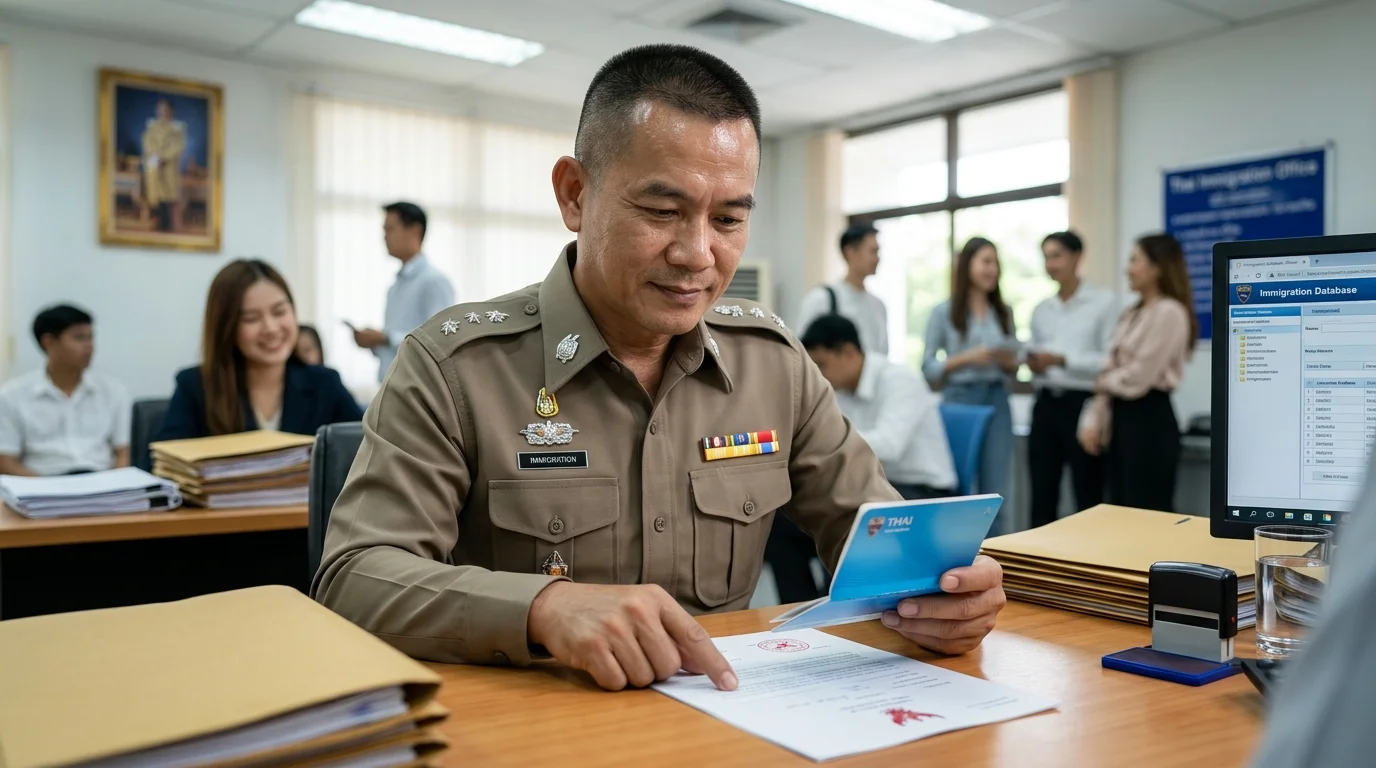
Relocating to Thailand requires more than just a monthly living budget; you must also meet strict financial thresholds to maintain your legal residency. UK nationals retiring in Thailand on a Non-Immigrant O visa must prove they hold 800,000 THB (£17,700) in a Thai bank account for two months prior to their application. Alternatively, you can demonstrate a guaranteed monthly pension income of at least 65,000 THB (£1,450). This official income requirement perfectly aligns with the mid-range lifestyle budget, ensuring you have sufficient funds to live comfortably without working illegally. If you are applying for a marriage visa, the financial barrier is lower. It requires either 400,000 THB (£8,850) in the bank or a 40,000 THB (£885) monthly income. You cannot use investments or property valuations to satisfy these immigration requirements. The funds must be liquid cash in a standard savings account. Failing to maintain these balances throughout the year will result in your visa extension being denied. Structuring your UK pension transfers to meet both your daily living costs and these mandatory immigration thresholds is vital. Ensure your regular income exceeds the official immigration requirements to avoid costly visa agent fees during your annual renewal.
| Visa Type | Minimum Bank Balance (THB) | Minimum Monthly Income (THB) | Required Proof |
|---|---|---|---|
| Retirement (O/O-A) | 800,000 | 65,000 | Thai bank statement or embassy letter |
| Marriage (O) | 400,000 | 40,000 | Thai bank statement or income proof |
| LTR Visa | N/A | $80,000 USD equivalent | Foreign tax returns and payslips |
Costs and Budgeting
Transitioning to life in Thailand involves significant upfront expenses before your regular monthly budget even begins. Securing your long-stay visa requires both official embassy fees and local administrative costs. A standard Non-Immigrant O Visa application costs roughly 2,500 THB (£55) when processed via the Thai Embassy in London. However, many UK retirees and expats use local visa agents in Thailand to handle extensions and complex paperwork. This service adds 15,000 THB (£330) to 25,000 THB (£550) in professional fees. Supporting documents also drain your initial budget. You must pay for notarised bank statements, private medical certificates for certain visa routes, and official passport photos. Furthermore, securing a long-term rental property demands two months of rent as a security deposit plus the first month upfront. You will also need to purchase initial household items like bedding, kitchenware, and small appliances. These combined setup fees easily exceed 100,000 THB (£2,200) during your first few weeks in the country.
| Item | Cost (THB) | Cost (GBP approx) | Notes |
|---|---|---|---|
| Non-Immigrant O Visa Fee | 2,500 | £55 | Official Thai Embassy London fee |
| Visa Agent Extension Fee | 15,000 - 25,000 | £330 - £550 | Optional service for annual renewals |
| Rental Security Deposit | 30,000 - 50,000 | £660 - £1,100 | Two months rent for mid-range apartment |
| Initial Household Setup | 15,000 | £330 | Bedding, kitchenware, small appliances |
| Medical Certificate | 500 - 1,500 | £11 - £33 | Required for specific long-stay visas |
Common Mistakes and How to Avoid Them
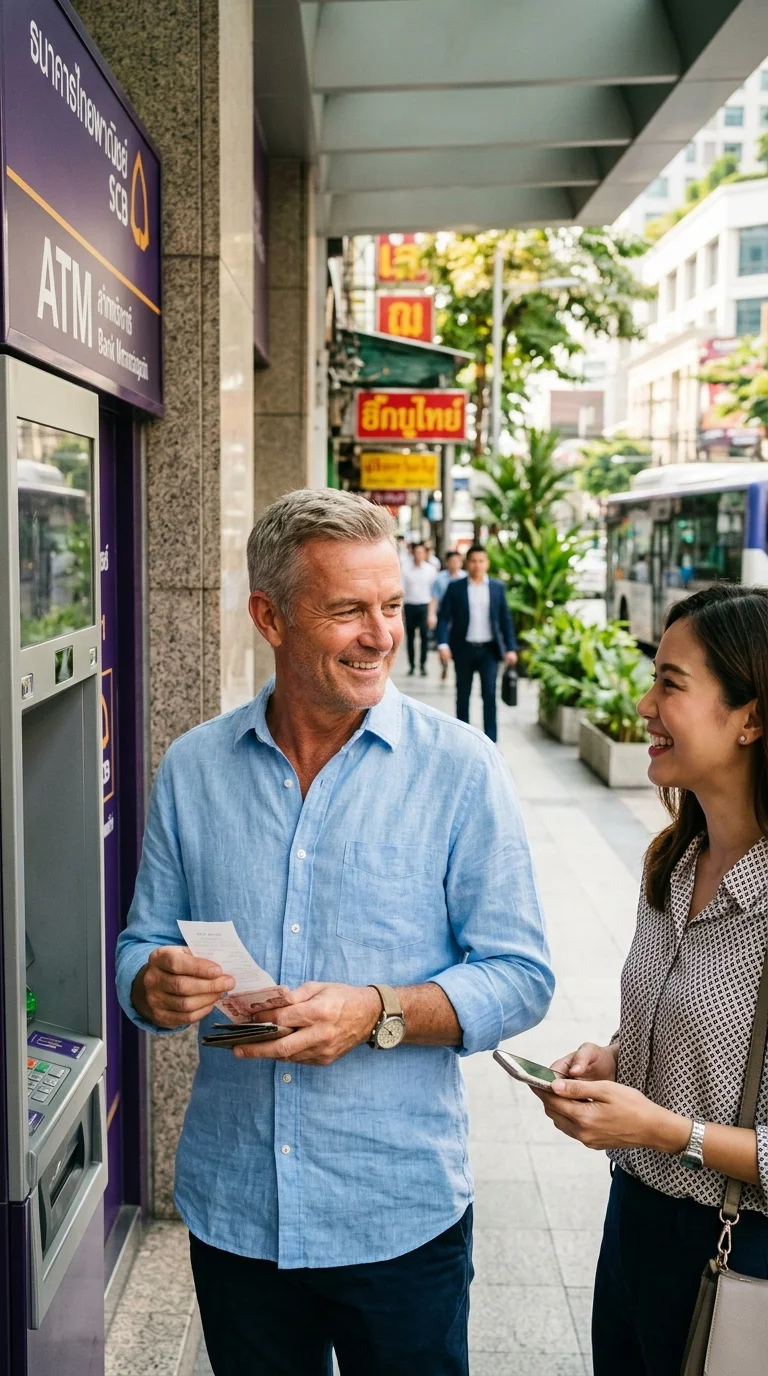
Ignoring exchange rate fluctuations on a fixed UK pension is a critical error. This causes severe budget shortfalls when the Pound weakens against the Baht. Maintain a local cash buffer equivalent to three months of expenses.
Assuming holiday costs translate to long-term living expenses misleads new arrivals. You will quickly drain savings by eating at tourist restaurants and paying daily transport rates. Base your budget on resident data rather than vacation memories.
Overlooking mandatory health insurance requirements for retirement visas leads to immediate rejection. You lose the application fee and face delays while sourcing emergency cover. Purchase a compliant Thai policy before submitting your immigration paperwork.
Paying rent deposits via direct UK bank transfers incurs massive conversion fees. The landlord receives less than expected, causing friction and delayed move-ins. Use a dedicated currency service to send the exact Baht amount.
Practical Tips
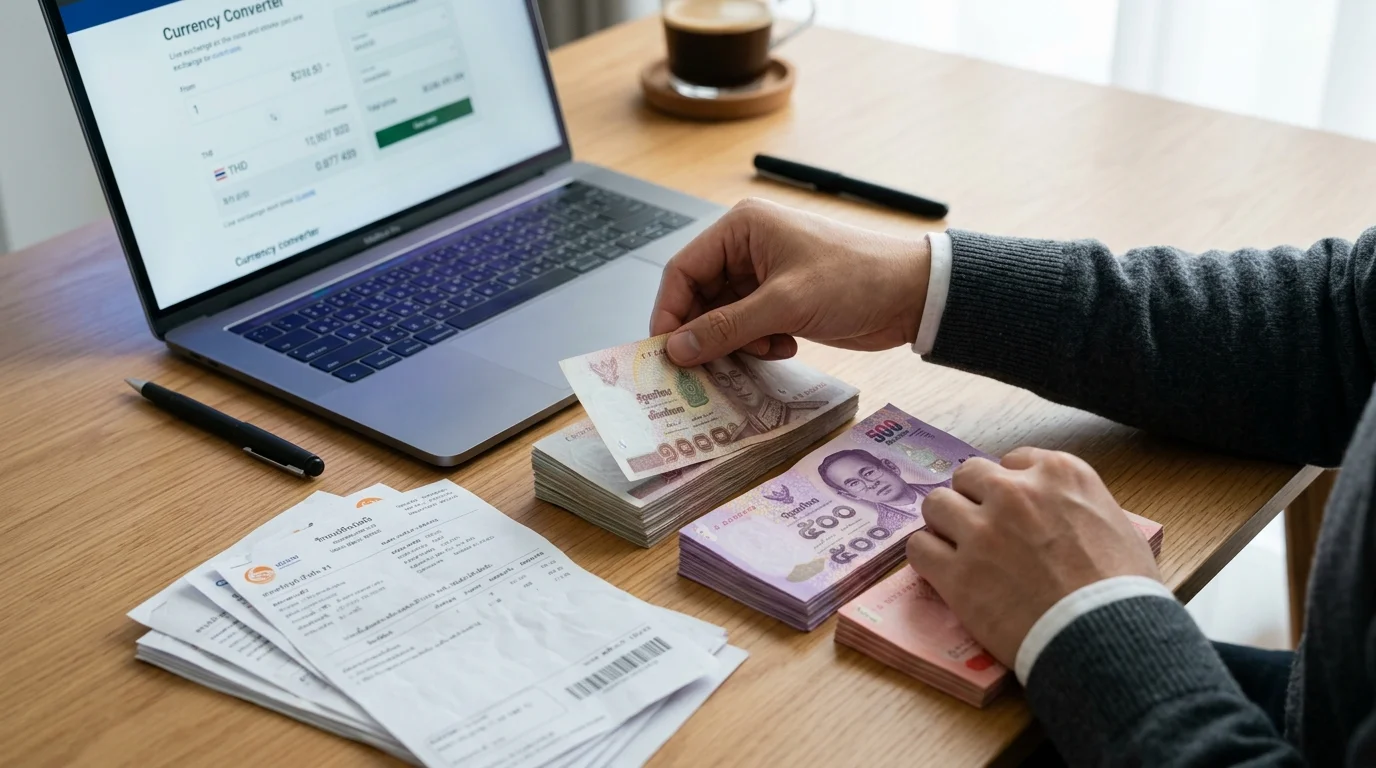
Open a Thai bank account as soon as your long-stay visa allows. This eliminates foreign transaction fees when paying for daily groceries and local transport.
Register with your local British Embassy for official updates on pension rules. UK state pensions are not currently frozen in Thailand, meaning you must plan for fixed income without annual inflation increases.
Negotiate your apartment lease term to secure a lower monthly rental rate. Landlords routinely drop the asking price by ten percent if you commit to a twelve-month contract and pay a larger deposit.
Use local applications like Grab or Bolt instead of hailing street taxis. These apps provide fixed upfront pricing, protecting you from inflated tourist fares and language barriers.
Shop at Makro or local wet markets for your weekly fresh produce. These bulk and local suppliers charge significantly less than Western-style supermarkets targeting the expat demographic.
Retain every official receipt from your visa extensions and immigration check-ins. You will need these paper trails to prove your residency status when setting up local internet or buying a vehicle.
Transfer large sums using specialised FX brokers rather than high street banks. You will secure a much better exchange rate on your GBP, saving hundreds of pounds on property deposits.
Siam Legal provides comprehensive Thai visa assistance from £450 — avoid immigration headaches and ensure your long-term stay is entirely compliant.
[DISCLAIMER: Visa rules and fees are subject to change. Always verify current requirements with the official Thai Immigration Bureau at immigration.go.th or the Royal Thai Embassy before applying.]
Quick Reference Table
| Item | Detail | Notes |
|---|---|---|
| Visa Type | Non-Immigrant O / O-A | Required for long-term residency |
| Financial Eligibility | 800,000 THB (£17,700) or 65,000 THB (£1,450) monthly | Mandatory for retirement extensions |
| Maximum Initial Stay | 90 days to 1 year | Depends on specific visa category |
| Official Extension Fee | 1,900 THB (£42) | Payable annually at local immigration |
| Processing Time | 15 to 30 days | For long-stay visa approvals |
| Average Monthly Budget | 65,000 THB (£1,450) | Mid-range comfortable lifestyle |
| Health Insurance | 3,000,000 THB (£66,600) minimum cover | Legally required for O-A visas |