Water Sports in Thailand
Riding the thermal winds off Pranburi beach lifts you three metres into the air, while below, warm Gulf waters offer a forgiving landing for ambitious kitesurfers. Beyond the calm resort pools, the country's extensive coastline hides a deeply established board and paddle culture driven by reliable seasonal monsoons.
This guide breaks down the reality of engaging in water sports across the Thai coasts and rivers, equipping you to safely plan and book your activities. You will learn where to find the most reliable wind and waves, how to navigate the seasonal monsoon shifts, and what skill levels are required for each discipline. It also covers the stark differences between resort-run activities and independent outfits, essential travel insurance details, and how to avoid well-known rental traps.

Kitesurfing and Windsurfing Hotspots
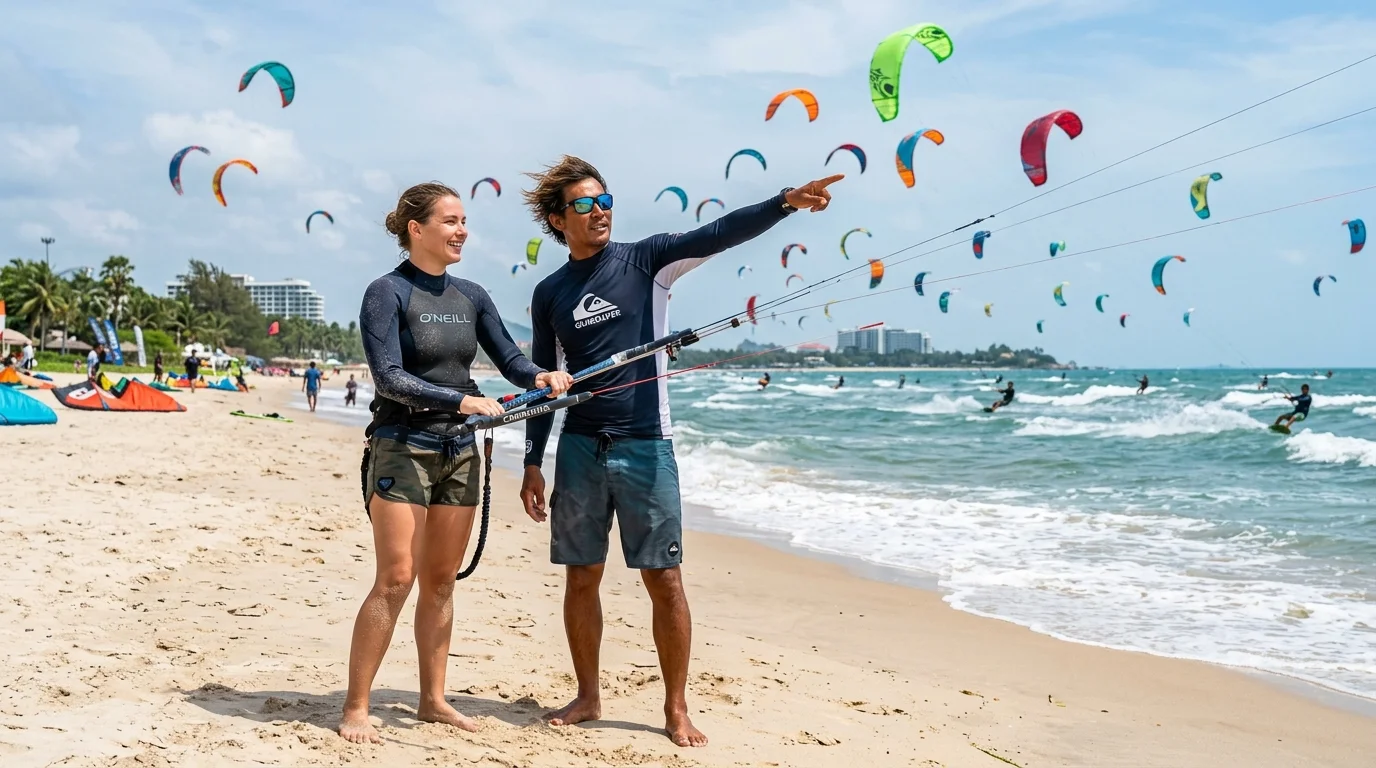
Harnessing the thermal winds of the Gulf coast provides the most consistent conditions for kitesurfing and windsurfing anywhere in Southeast Asia. Hua Hin and its quieter southern neighbour, Pranburi, serve as the undisputed capitals for wind-driven sports from late October through to April, reliably delivering breezes between 12 and 20 knots. The shallow, sandy seabed here creates an exceptionally safe and forgiving environment to learn from scratch, allowing you to stand comfortably while wrestling with the kite controls. International Kiteboarding Organisation (IKO) certified schools operate directly off the main beaches, teaching everything from basic kite control to deep-water starts. You can expect to pay around 4,000 THB (£90) for a comprehensive three-hour beginner discovery lesson, which includes your harness, kite, and board hire, along with close supervision. Further south, Chumphon offers highly comparable wind conditions but entirely lacks the dense tourist crowds of Hua Hin, appealing directly to intermediate riders who want long, uninterrupted stretches of flat water. Windsurfing remains highly accessible over in Pattaya at Jomtien Beach, where traditional rental shacks charge roughly 1,000 THB (£22) per hour for basic rig hire. Always verify that your chosen school uses modern, quick-release safety systems before handing over your deposit.
Discover how to choose, budget, and book the perfect Thai cooking class. Compare Chiang Mai farm tours with Bangkok urban kitchens and master local flavours.
Sea Kayaking and Stand-Up Paddleboarding
Navigating the sheer limestone karsts of the Andaman Sea by paddle reveals a complex coastal environment entirely inaccessible by larger motorised boats. Phuket and Krabi operate as the primary launch points for sea kayaking, specifically targeting the collapsed marine cave systems, locally known as 'hongs', scattered throughout Phang Nga Bay. These tidal lagoons require incredibly precise timing to enter, meaning you must paddle flat on your back through low, dark limestone tunnels just as the tide recedes to reveal isolated interior mangroves teeming with macaques. Stand-up paddleboarding has surged in popularity along the calmer west-coast beaches of Phuket, such as Kata and Kamala, during the dry season from November to April. Complete beginners can easily hire a wide, highly stable foam board for about 300 THB (£7) an hour directly from independent beachfront vendors. For the demanding cave routes, booking an independent eco-operator ensures you get high-quality fibreglass kayaks rather than the heavy, heavily patched plastic tubs used by the budget tour groups. Prioritise early morning paddle sessions to observe the marine wildlife in absolute silence and avoid the heavy afternoon boat traffic that inevitably chops up the bay.
| Activity | Best Location | Best Season | Required Skill Level |
|---|---|---|---|
| Sea Kayaking (Caves) | Phang Nga Bay, Krabi | Nov to Apr | Beginner to Intermediate |
| Stand-Up Paddleboarding | Kata Beach, Phuket | Nov to Apr | Complete Beginner |
| Mangrove Kayaking | Koh Chang, Trat | Oct to May | Complete Beginner |
| Open Ocean Kayaking | Koh Lanta | Dec to Mar | Intermediate |
Wakeboarding Parks and Cable Lakes
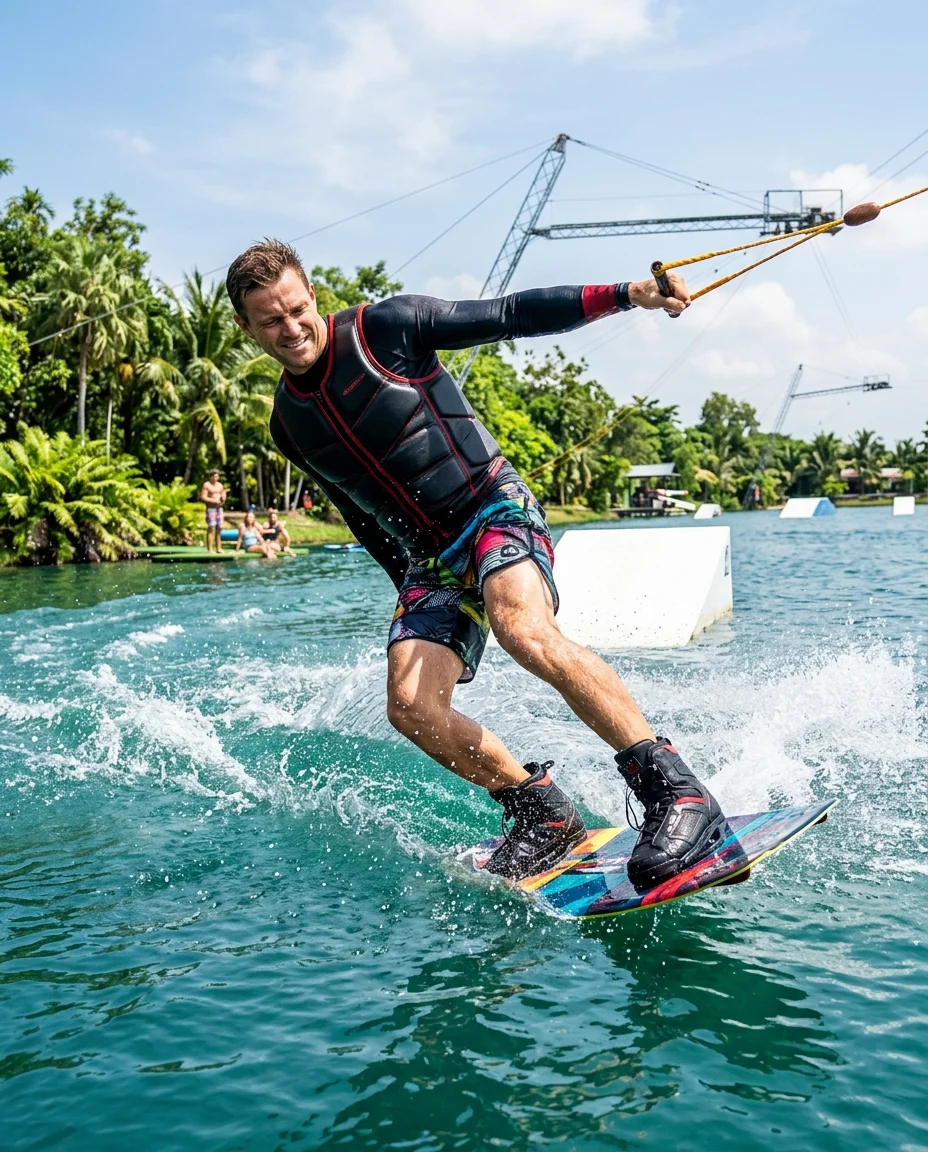
Cable wakeboarding offers a highly controlled, weather-independent alternative to ocean sports that runs reliably year-round across the country. Thailand currently hosts several internationally recognised cable parks, heavily concentrated around Bangkok and Phuket, drawing European professionals out to train during the northern hemisphere winter. Thai Wake Park in Pathum Thani and Anthem Wake Park in Phuket feature full-size, counter-clockwise cable systems equipped with varying obstacles, floating kickers, and challenging sliders. Complete novices start their journey on a separate, slower two-tower straight line cable, where an instructor controls the pulling speed manually to help you master the difficult deep-water start without the pressure of a moving line. A standard two-hour pass at a premium facility typically costs 850 THB (£19), with basic board and helmet hire included, though upgrading to a rigid 'pro' board with proper bindings will add another 400 THB (£9). The freshwater lakes provide a noticeably softer landing than the ocean, but the highly repetitive nature of cable riding demands a surprising amount of core and upper body strength. Bring a long-sleeved rash guard to prevent severe friction burns from the mandatory lifejacket during your inevitable high-speed falls.
White Water Rafting the Interior
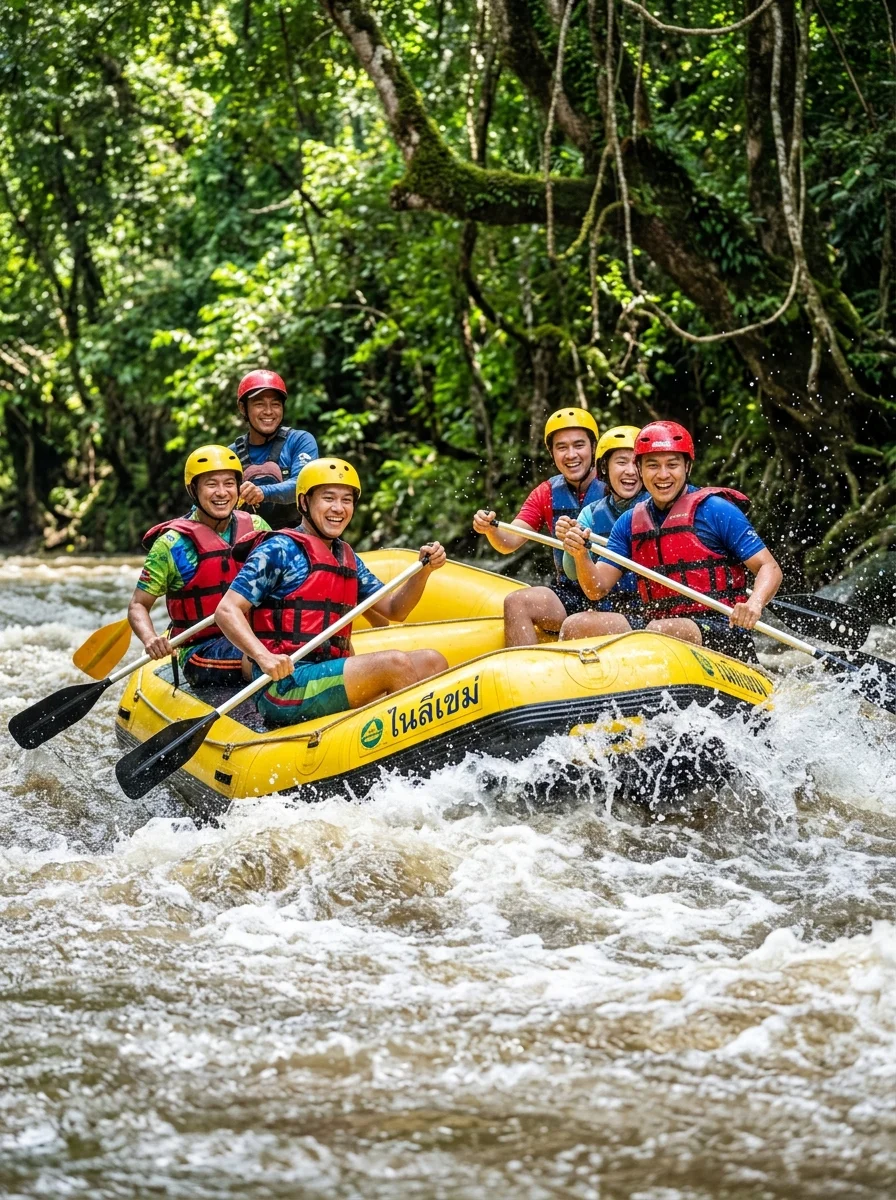
Riding the swollen, fast-flowing rivers of the mountainous north and west delivers severe adrenaline spikes during the peak of the green season. Pai in Mae Hong Son province and Kanchanaburi in the west serve as the premier hubs for white water rafting, with rivers peaking in volume and ferocity between July and October. The Mae Taeng River situated near Chiang Mai offers aggressive Class III and IV rapids, demanding intense physical coordination, rapid paddling, and strict adherence to your river guide's shouted commands over the roaring water. Operators supply heavily padded helmets, highly buoyant life jackets, and paddles, running full-day jungle expeditions that cost approximately 2,500 THB (£55), frequently including a riverside Thai lunch. During the dry season from February to May, water levels drop dramatically across the country, turning raging rapids into sluggish, rocky streams that require far more pushing than paddling, making the experience significantly less thrilling. Safety standards vary wildly among operators in these remote jungle regions, so you must inspect the inflatable rafts for deep abrasions before boarding. Always select a company officially affiliated with the Thai Ecotourism and Adventure Travel Association for verified safety protocols.
Navigating Seasonal Monsoons and Ocean Conditions
Understanding the dual monsoon system operates as the single most critical factor in planning a successful and safe Thai water sports itinerary. The Andaman coast, encompassing Phuket, Krabi, and Khao Lak, experiences its severe southwest monsoon from May to October, bringing aggressive shore breaks, powerful rip currents, and relentless torrential rain. This specific weather pattern makes sea kayaking and paddleboarding highly dangerous, but it briefly creates perfectly surfable waves for experienced shortboarders gathering at Kata Beach. Conversely, the Gulf of Thailand remains relatively sheltered during this exact same period, offering flat, glassy sea conditions perfectly suited for wakeboarding behind a boat and leisurely paddle sports off Koh Samui. When the northeast monsoon finally arrives between November and April, the Andaman sea turns mirror-flat and ideal for deep exploration, while the Gulf coast receives the strong, consistent thermal winds strictly required to power the kitesurfing hubs in Hua Hin. Ignoring the prominent red warning flags planted on tourist beaches during the monsoon transitions frequently results in severe, life-threatening interventions by local rescue teams. Map your desired aquatic activity strictly against the specific coast's dry and windy seasons rather than relying on broad national weather averages.
The Jet Ski Scam and Motorised Rentals
Hiring a jet ski from a beachfront vendor carries a heavily documented, systemic risk of financial extortion that all UK visitors must actively navigate. Across highly populated tourist zones like Patong Beach in Phuket and the main stretches of Pattaya, independent operators frequently rent out poorly maintained machines for a seemingly reasonable 1,500 THB (£33) per half hour. The scam predictably occurs upon your return, when the vendor points to pre-existing scratches hidden on the lower hull, aggressively claims you caused them by hitting a reef, and demands immediate cash compensation reaching upwards of 30,000 THB (£670). They will often summon local intimidation figures or corrupt authorities to surround you, applying intense psychological pressure to prevent you from leaving the beach until you pay. To avoid this distressing situation entirely, only rent motorised equipment directly through your hotel or resort, where operator accountability is strictly tied to your accommodation rather than a transient beach vendor. If you absolutely must rent independently, film a continuous, high-definition video of the entire hull before touching the machine, making sure the vendor's face is clearly visible in the footage. Never surrender your physical passport as a deposit; offer a cash holding instead to maintain total control of your departure.
Where to Book Reliable Water Sports
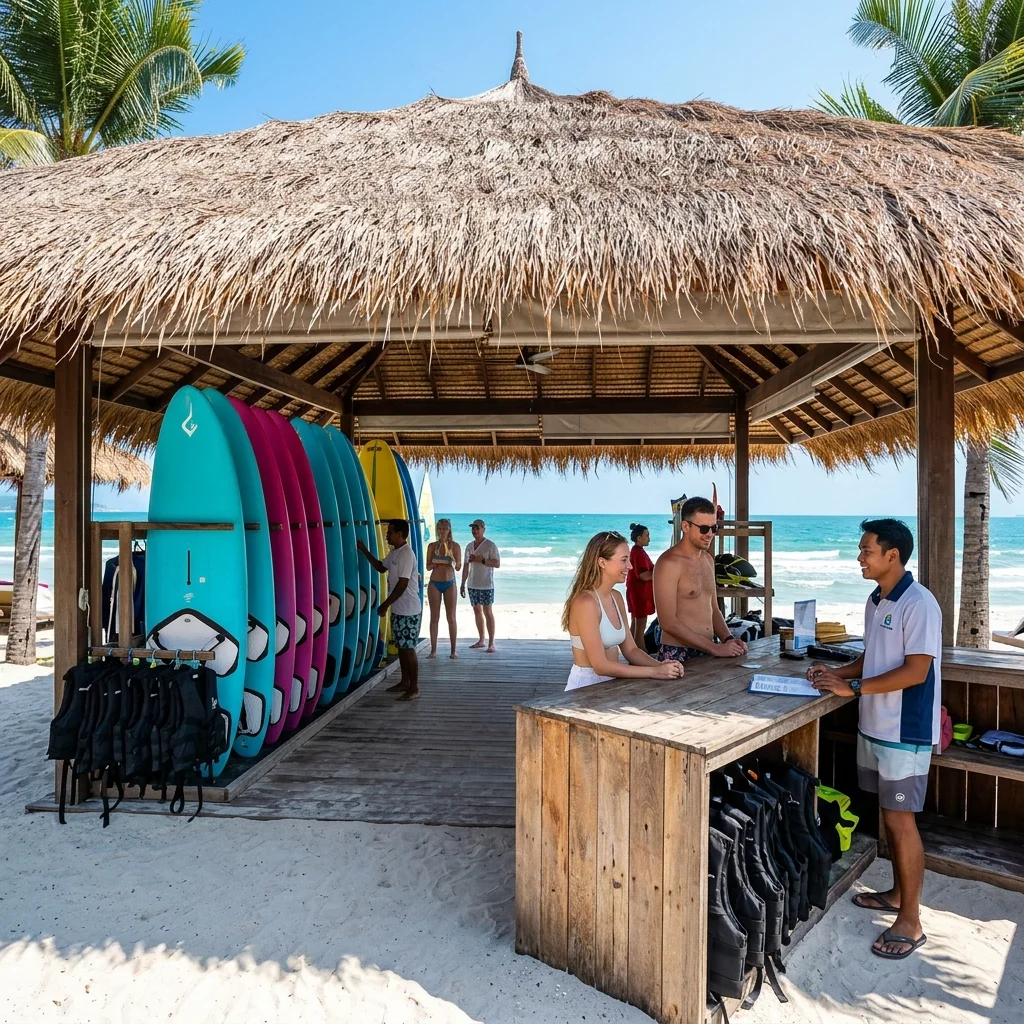
Locating highly reputable, safety-conscious operators dictates the overall quality and security of your time on the water. For kitesurfing, Kite Cable Thailand in Hua Hin provides exceptional IKO-certified training, utilising both the open ocean for advanced riders and a private shallow lake specifically designed for beginners. Down in Phuket, Skyla's Surf & SUP Club at Kamala Beach offers highly professional paddleboard rentals and structured lessons, deliberately avoiding the chaotic, dangerous motorized traffic found further south in Patong. If you want to explore the Phang Nga Bay cave systems, John Gray's Sea Canoe absolutely remains the gold standard, operating out of Phuket with highly trained local guides who understand the complex tidal shifts intimately. Up in the northern mountains, 8Adventures in Chiang Mai runs the most rigorous and internationally compliant white water rafting trips navigating the unpredictable Mae Taeng River. For wakeboarding, Thai Wake Park in Pathum Thani delivers a premium, flawlessly maintained cable system paired with excellent on-site accommodation for multi-day training. For a complete novice wanting a safe, highly supervised introduction to wind sports, head straight to Hua Hin's main beach to engage with the heavily regulated kitesurfing schools.
Costs and Budgeting
Budgeting for water sports heavily depends on whether you require mechanical assistance, expensive safety gear, or extensive one-on-one instruction. Stand-up paddleboarding and basic beach kayaking sit comfortably at the budget end, typically costing around 300 THB (£7) to 500 THB (£11) for an hour of independent, unguided hire. Mid-range activities encompass cable wakeboarding passes and guided sea cave kayaking tours, which range from 850 THB (£19) to 3,000 THB (£66) depending heavily on the duration and the quality of the provided equipment. Premium costs apply strictly to wind-driven sports requiring dedicated private coaching and highly technical gear, with comprehensive multi-day kitesurfing certification courses easily exceeding 12,000 THB (£265). Always carry sufficient physical cash to cover your equipment deposits, as smaller beach vendors and remote river operators rarely possess the infrastructure to accept international credit cards.
| Option | Cost (THB) | Cost (GBP approx) | Notes |
|---|---|---|---|
| SUP / Kayak Hire (1 Hour) | 300 - 500 | £7 - £11 | Basic plastic equipment on public beaches |
| Cable Wakeboarding (2 Hours) | 850 - 1,200 | £19 - £26 | Includes basic helmet and slip-on board |
| White Water Rafting (Full Day) | 2,000 - 3,000 | £44 - £66 | Includes transport, lunch, and safety gear |
| Kitesurfing Lesson (3 Hours) | 4,000 - 5,000 | £88 - £110 | Private instruction with full rig hire |
Essential Preparation for Thai Waters
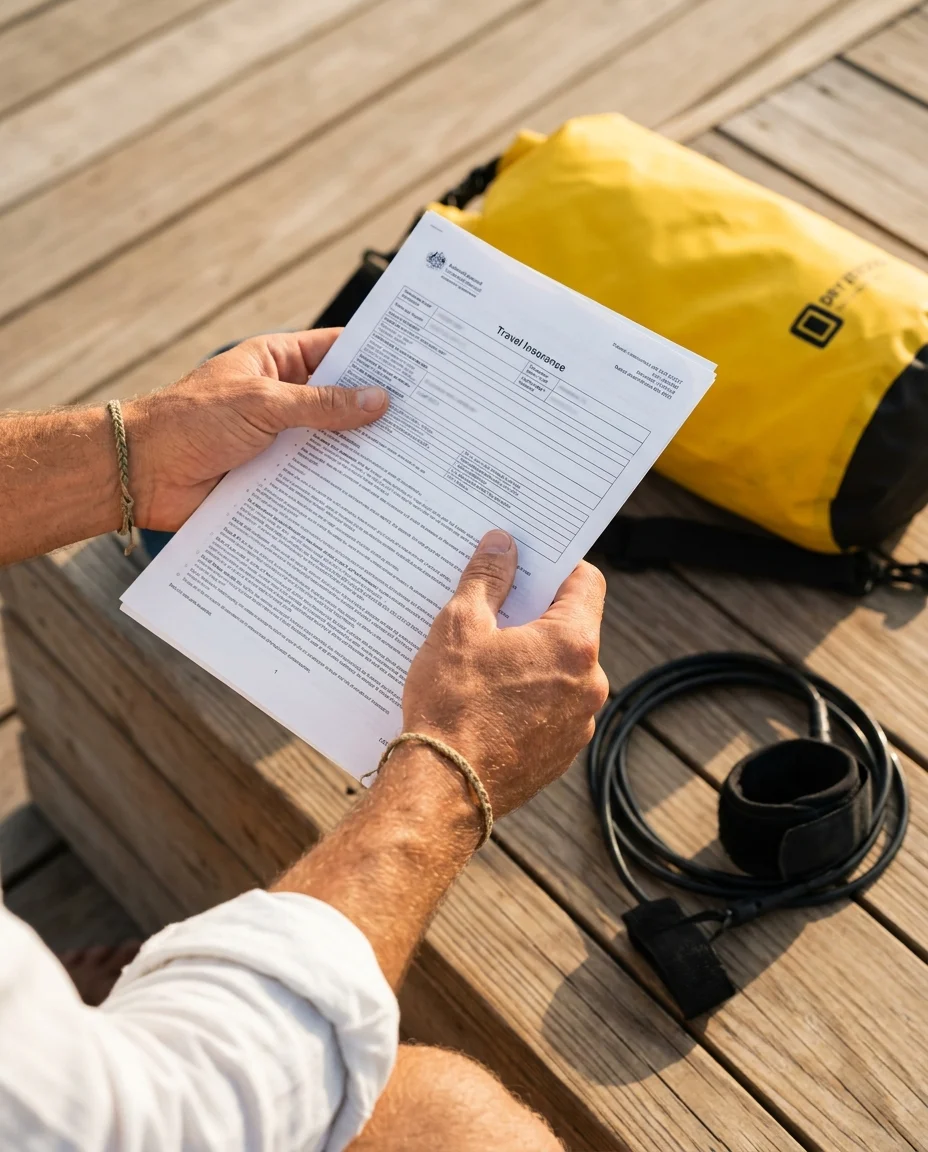
Standard travel insurance policies universally exclude adventure water sports unless you purchase a dedicated extreme sports add-on. Without this specific coverage, a torn ligament on a wakeboard cable will result in you paying thousands of pounds in private Thai medical fees out of pocket. The tropical sun reflects violently off the ocean surface, doubling your UV exposure even on heavily overcast days. You must wear a UV-rated rash guard and apply reef-safe zinc sunscreen to avoid severe burns during a two-hour paddle. Beach warning flags are not suggestions; a red flag means the invisible rip currents are actively lethal. Entering the water during a red flag warning invalidates insurance claims and forces local lifeguards to risk their lives retrieving you. Independent vendors rarely maintain life jackets to international standards. You must physically inspect the buckles and buoyancy foam of any provided flotation device before leaving the beach.
Maximising Your Water Sports Experience
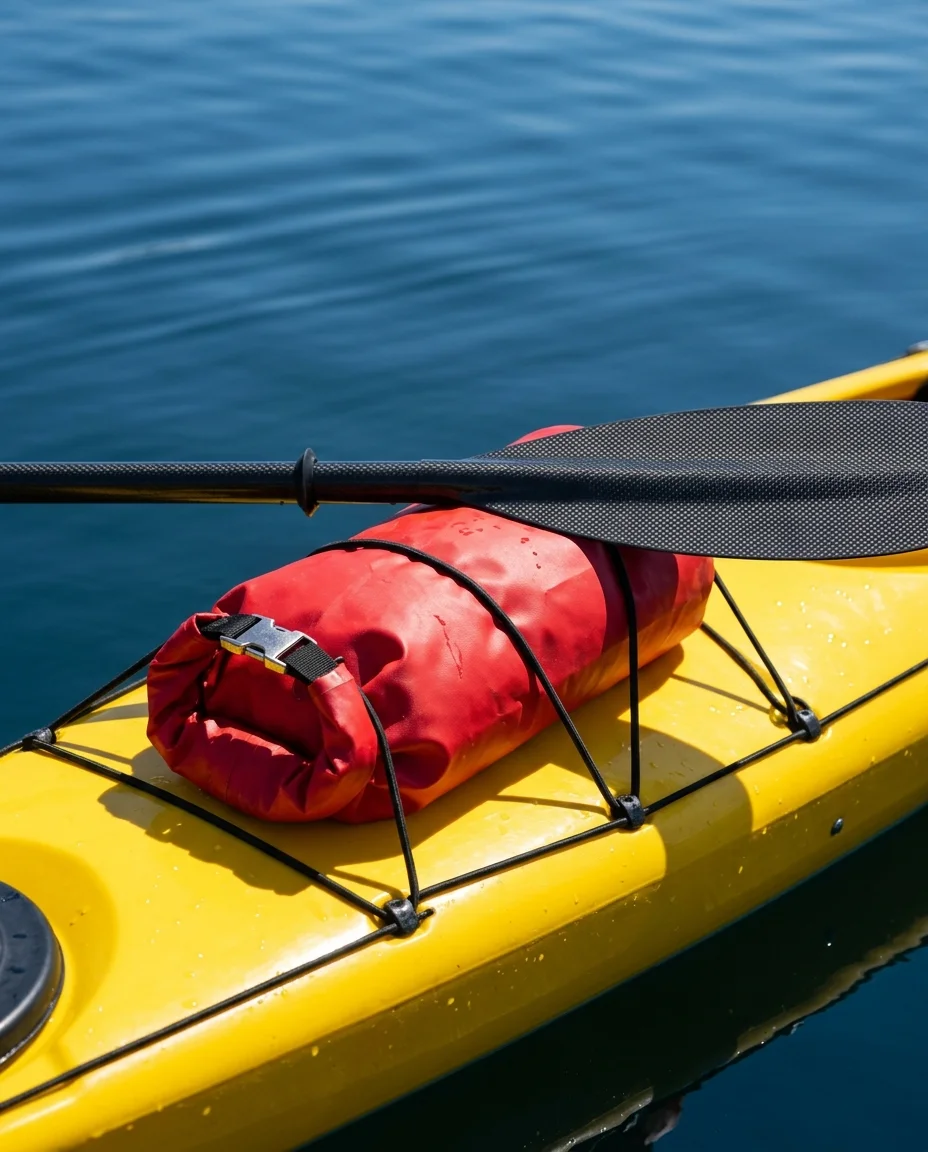
Purchase a heavy-duty, roll-top dry bag before you leave the UK to protect your electronics. Local Thai beach markets sell cheap counterfeit versions that frequently leak and destroy expensive smartphones during a sudden capsize.
Hydrate aggressively with electrolyte powders before starting any intense physical water activity. The combination of severe tropical heat and salty sea spray accelerates your physical dehydration far faster than you will consciously realise.
Wear snug-fitting neoprene water shoes for river rafting and exploring shallow sea caves. Hidden sharp rocks, submerged tree branches, and broken coral reefs will easily slice open unprotected bare feet during water entries.
Schedule high-exertion activities like wakeboarding and windsurfing for the early morning hours. Cable parks and lakes become unbearably hot by midday, and the water surface is generally much smoother before the afternoon winds arrive.
Wash all rented wetsuits and rash guards thoroughly in fresh water if you plan to use them for multiple consecutive days. Stagnant salt water trapped in thick neoprene breeds bacteria rapidly in the Thai humidity, causing severe skin rashes.
Book your multi-day kitesurfing courses for the very beginning of your holiday itinerary. This leaves a comfortable buffer of several days in case the wind drops and your instructor needs to reschedule a session.
Apply a thick layer of lip balm containing high SPF protection before heading out on the water. The constant combination of wind and reflected sunlight will severely blister unprotected lips within just two hours.
Secure your prescription glasses or sunglasses with a floating neoprene head strap. A sudden fall from a wakeboard or a tipping raft will instantly send unsecured eyewear sinking to the bottom of a murky lake or river.
Water Sports Summary
| Item | Detail | Notes |
|---|---|---|
| Best Kitesurfing Season | November to April | Targets the thermal winds in Hua Hin and Pranburi |
| Best Rafting Season | July to October | Coincides with the heavy monsoon rains in the north |
| Sea Kayaking Hub | Phang Nga Bay | Accessible via Phuket or Krabi |
| Average SUP Rental | 300 THB (£7) per hour | Widely available on calm west-coast beaches |
| Insurance Requirement | Extreme Sports Add-on | Standard policies exclude cable parks and white water |
| Jet Ski Warning | High risk of extortion | Film the entire hull before renting |
| Sun Protection | UV Rash Guard & Zinc | Chemical sunscreens are banned in marine parks |
| Safety Certification | IKO for kitesurfing | Ensure instructors hold valid international credentials |