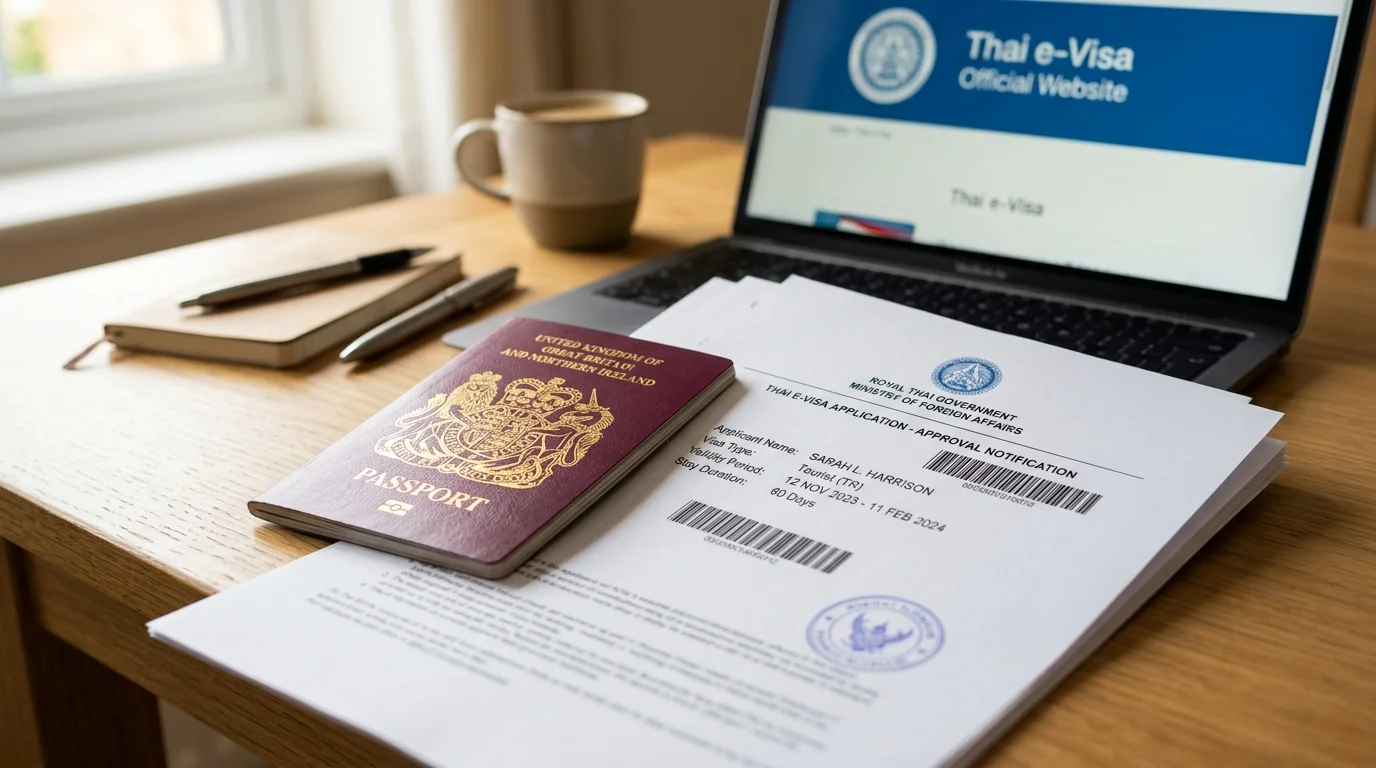
Banking & Taxation in Thailand
The Revenue Department enacted a major tax change on 1 January 2024, meaning UK expats who spend more than 180 days a year in the country must now pay tax on remitted foreign income. Opening a local bank account to manage these remittances requires specific visa categories, with tourist visas now almost universally rejected by major branch managers.
This guide explains exactly how to navigate the local banking system and comply with tax regulations as a UK national. You will learn the document requirements for opening accounts at major institutions, alongside the reality of transferring funds and managing ATM withdrawal limits. It details the 2024 foreign-sourced income tax changes, the UK-Thailand double taxation treaty, and your ongoing HMRC obligations. This page is designed for individuals planning a long-term relocation, rather than short-term holidaymakers seeking temporary financial setups.

Opening a Thai Bank Account and Visa Requirements
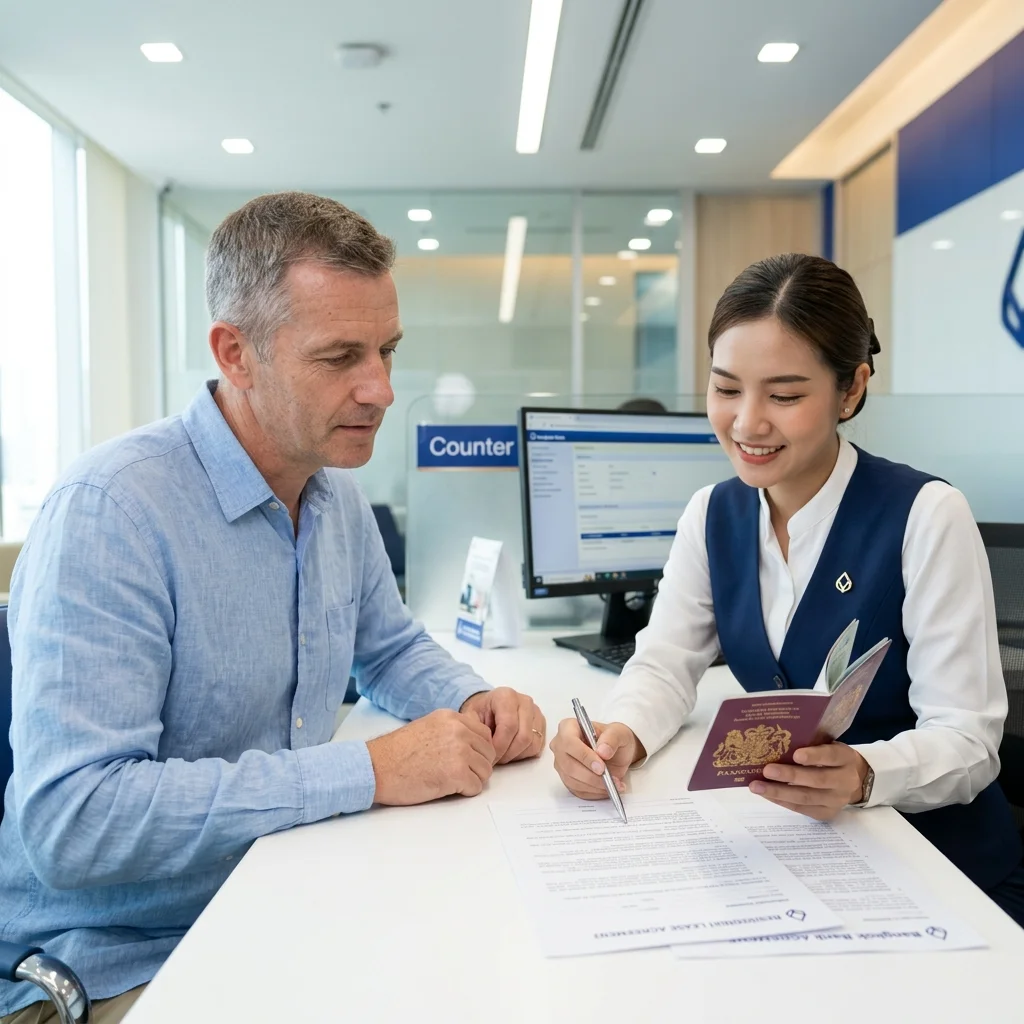
Securing a local bank account is entirely dependent on presenting the correct combination of visa and residency documents. In the past, foreigners could easily open accounts on 30-day visa exemptions, but stringent anti-money laundering laws have ended this practice. Today, you generally need a long-term visa, such as a Non-Immigrant O (Retirement or Marriage), Non-Immigrant B (Working), the Long-Term Resident (LTR) visa, or the Destination Thailand Visa (DTV) to be approved. Along with your passport and valid visa, branch managers demand official proof of address. This typically means a formal lease agreement lasting at least six months, accompanied by a signed copy of your landlord's Thai ID and house registration book (Tabien Baan). Some branches also require a Certificate of Residence issued by your local Immigration office or the British Embassy in Bangkok, which costs around 1,500 THB (£33). You must deposit a minimum initial amount, usually ranging from 500 THB (£11) to 10,000 THB (£220) depending on the branch and account type. Expect to pay a debit card issuance fee of roughly 300 THB (£6) and an annual card maintenance fee of 200 THB (£4). Policies vary wildly even between branches of the same bank located on the same street. Carry a neatly organised folder containing originals and signed blue-ink photocopies of every document to maximise your chances of approval.
Compare Thailand's best digital nomad cities. Discover visa routes, living costs, and co-working spaces to plan your UK relocation. Read our full guide.
Prepare your long-term visa and official proof of address before attempting to open an account, as tourist visa holders face almost certain rejection.
Comparing Thailand's Major Banks for UK Expats
Sponsored
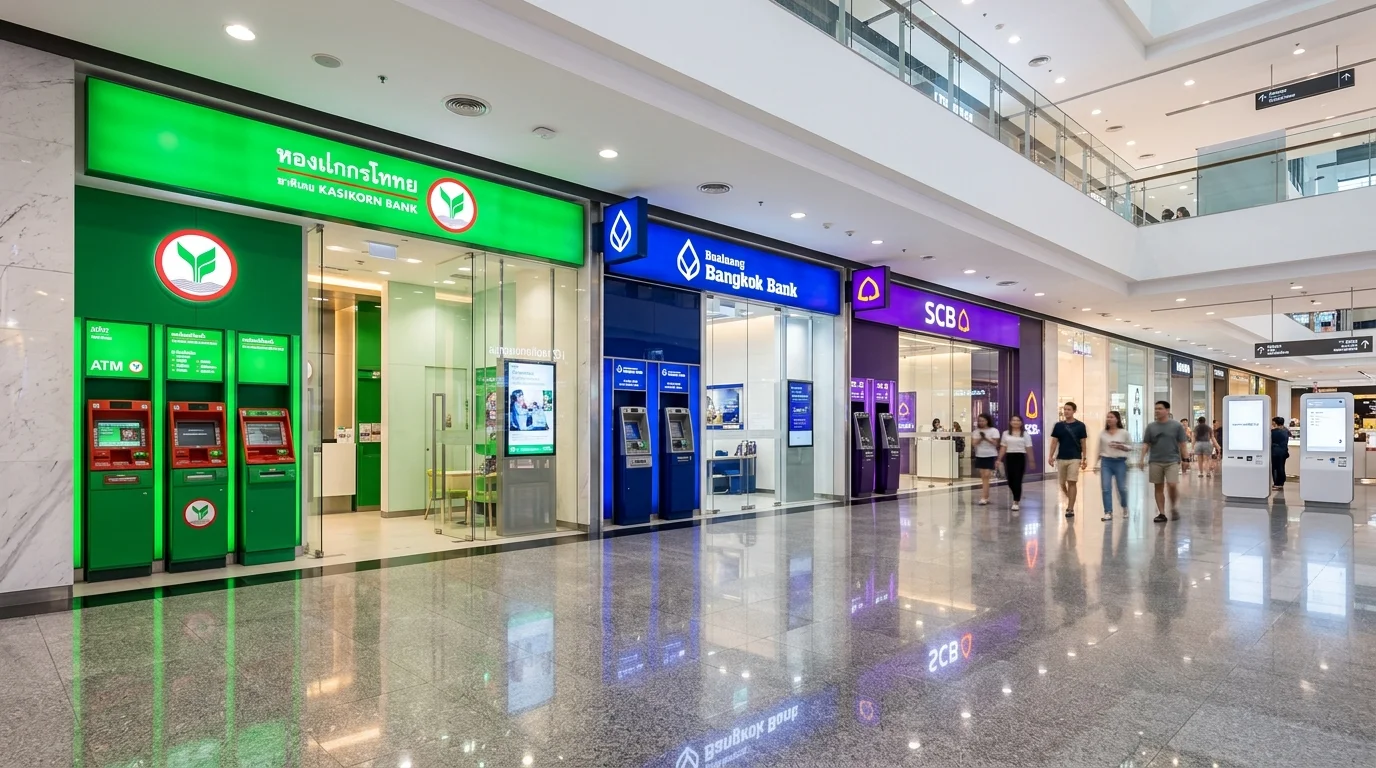
Choosing the right banking institution dictates how easily you can manage daily spending, international transfers, and mobile banking interfaces. The retail sector is dominated by three main consumer banks: Kasikornbank (KBank), Bangkok Bank (BBL), and Siam Commercial Bank (SCB). Bangkok Bank remains the traditional favourite for British retirees because it maintains a physical branch in London. This presence makes direct UK pension transfers easier and actively supports the stringent financial proof required for retirement visa extensions. They frequently issue accounts to foreigners holding Non-Immigrant O visas, provided all paperwork is immaculate. Kasikornbank appeals heavily to working professionals and younger expats due to its highly-rated K-PLUS mobile application. This app offers a comprehensive English interface and highly reliable integration with PromptPay, the national QR code payment system. However, KBank branch managers often demand a work permit before opening an account, making it harder for retirees to access. Siam Commercial Bank sits in the middle, offering strong digital banking and widespread ATM access, though their requirements for foreign applicants fluctuate frequently depending on branch policy. You must physically visit a branch to open your first account. Digital-only onboarding is legally restricted to Thai nationals holding a local ID card. Once established, banking is highly digital, and you will rarely need to visit a teller again.
Open an account with Bangkok Bank for pension transfers and visa compliance, or pursue Kasikornbank if you hold a work permit and want superior mobile banking.
| Bank Name | Best Suited For | Key Advantage for UK Expats | Typical Visa Requirement |
|---|---|---|---|
| Bangkok Bank (BBL) | Retirees and Pensioners | London branch makes UK transfers easier | Non-Immigrant O |
| Kasikornbank (KBank) | Working Expats and DTV holders | Best-in-class mobile app in English | Non-Immigrant B or Work Permit |
| Siam Commercial Bank (SCB) | General Expats | Extensive ATM network across the country | Varies heavily by branch |
International Transfers, ATM Fees, and Daily Limits
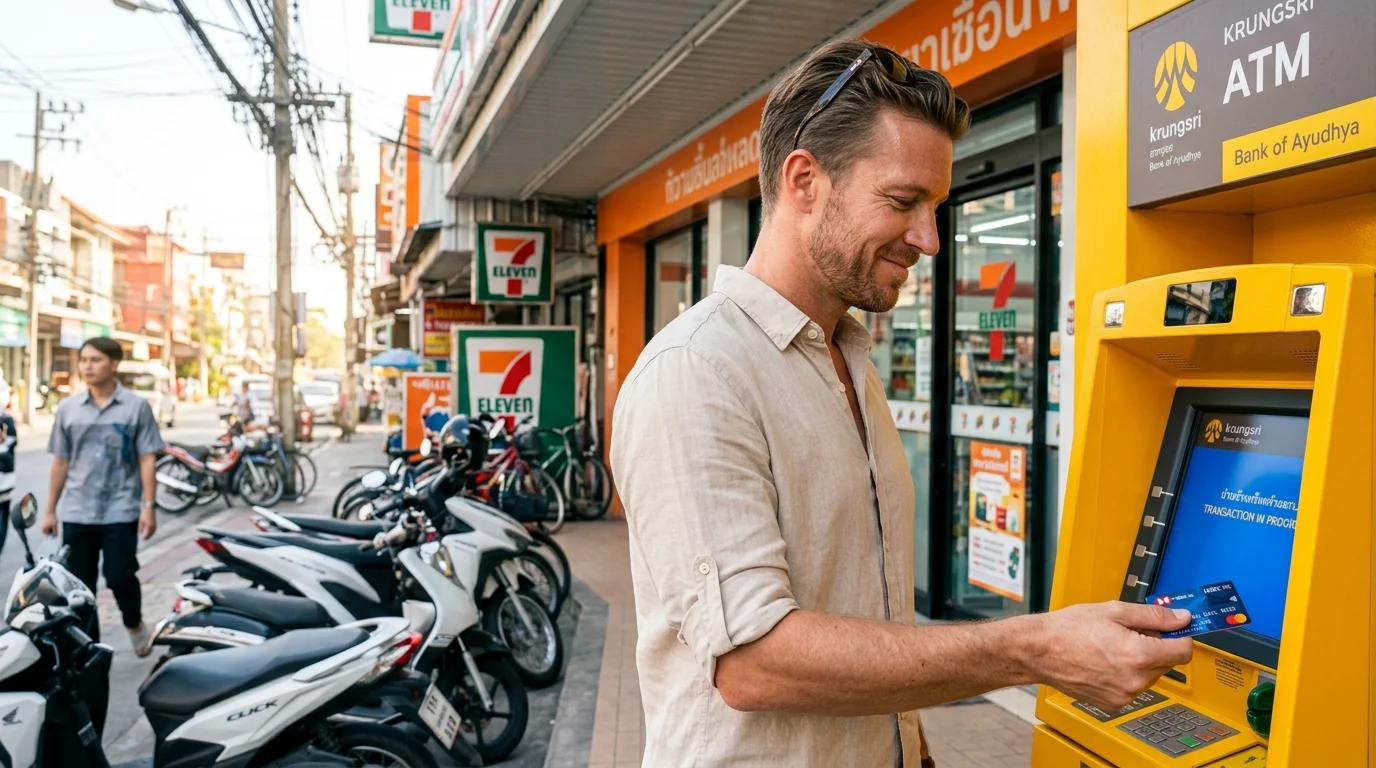
Moving your money from the UK requires careful navigation of exchange rates, intermediary fees, and local withdrawal limits. Traditional SWIFT transfers from a UK high street bank to a Thai account are expensive and slow. They often take up to five working days while incurring unpredictable correspondent bank fees that eat into your capital. Using a specialist currency service like Wise is significantly more efficient for managing your living costs. Wise transfers directly into local accounts via the Bahtnet system, typically clearing within seconds or minutes, while applying the mid-market exchange rate. You can transfer up to 2,000,000 THB (£44,000) per transaction using this specific method. If you rely on a UK debit or credit card at a local ATM, you will be hit with a mandatory 220 THB (£4.80) access fee charged by the machine. This is applied alongside any foreign transaction fees levied by your British bank. To avoid this drain on resources, expats use their local debit cards or scan PromptPay QR codes for daily purchases. Local ATMs dispense a maximum of 20,000 THB to 30,000 THB (£440 to £660) per transaction. Standard daily withdrawal limits are usually capped at 50,000 THB (£1,100), though you can adjust this limit upwards within your mobile banking app if you need to make a large cash purchase.
Never use your UK bank card for daily ATM withdrawals due to the 220 THB local fee, and instead fund a Thai account monthly using a mid-market currency transfer service.
Understanding Thailand's Territorial Tax System and 2024 Rules

The national territorial tax system underwent a fundamental shift regarding foreign-sourced income on 1 January 2024. Historically, UK nationals living here only paid tax on foreign income if it was remitted into the country during the exact same calendar year it was earned. You could hold savings in a UK account, wait until the following tax year, and transfer the funds completely tax-free. The Revenue Department has firmly closed this loophole via departmental orders Paw 161/2566 and Paw 162/2566. Now, if you spend 180 days or more in the country during a calendar year, you are legally considered a tax resident. Any foreign-sourced income brought into the country is subject to personal income tax, regardless of when it was originally earned. This includes private pensions, rental yields, or capital gains. Tax rates are progressive, starting at 5% for income over 150,000 THB (£3,300) and peaking at 35% for amounts exceeding 5,000,000 THB (£110,000). You must obtain a Tax Identification Number (TIN) from your local area revenue office. You will use this to file an annual return by 31 March of the following year. This new rule requires meticulous financial tracking. You must be able to prove to auditors which remittances are pre-existing capital savings, which remain untaxed, versus taxable income.
Track every transfer from the UK meticulously, as any income remitted while you are a tax resident is now subject to the local progressive income tax scale.
The UK-Thailand Double Taxation Treaty and HMRC Declarations
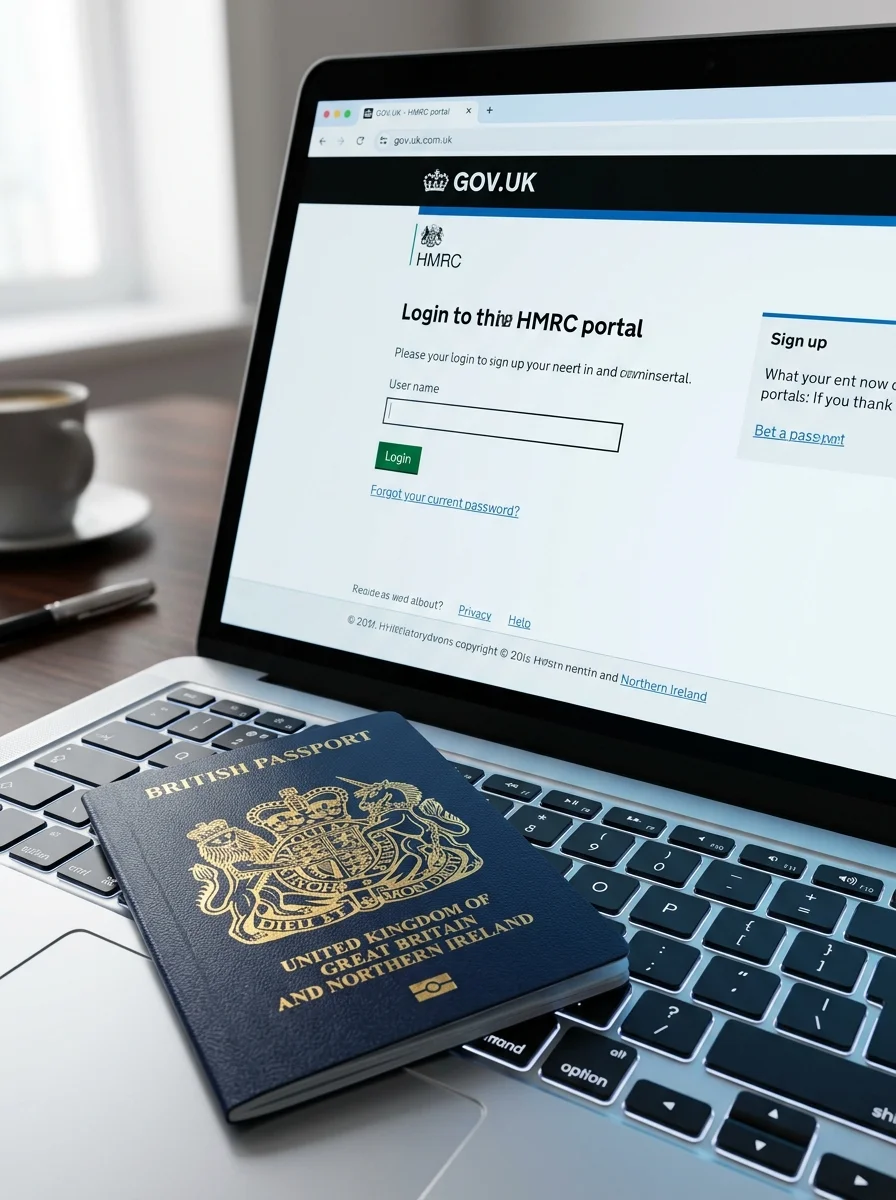
Managing your obligations to both HMRC and the local Revenue Department is essential to prevent paying tax twice on the exact same income. The UK and Thailand hold a comprehensive Double Taxation Agreement (DTA) that dictates which country has the primary right to tax specific revenue streams. For example, UK government pensions remain taxable only in the UK. These specific pensions, paid to former civil servants, military personnel, or police, are completely exempt from local tax even if remitted. Conversely, private pensions and the standard UK State Pension are generally taxable in Thailand if you are a resident there and bring the money into the country. Before leaving Britain, you must submit a P85 form to HMRC. This declares your non-resident status and ensures you are put on the correct tax code moving forward. If you continue to earn UK income, such as rent from a British property, you must still file a UK Self Assessment tax return. You will likely need to register under the Non-Resident Landlord Scheme (NRLS). Any tax paid in the UK on that property income can usually be claimed as a credit against your local tax liability under the DTA provisions.
Submit a P85 form to HMRC before departure and consult a cross-border tax specialist to properly apply the Double Taxation Agreement to your private pensions and property income.
Costs and Budgeting
Establishing your financial base requires a clear understanding of realistic monthly living costs and ongoing bureaucratic expenses. While the country offers excellent overall value, inflation and currency fluctuations can heavily impact a fixed UK pension or salary. Renting a modern one-bedroom apartment in central Bangkok costs significantly more than leasing a spacious house in Chiang Mai or the Isan region. Utilities are generally inexpensive. However, heavy reliance on air conditioning will sharply increase your monthly electricity bill. Groceries vary widely depending on your habits. Buying imported British goods at specialist supermarkets like Villa Market will drain your budget rapidly, whereas shopping at local wet markets keeps food costs negligible. You must also budget for annual visa extensions, mandatory 90-day reporting transport costs, and premium international health insurance. Maintaining a premium bank account may also require leaving a minimum balance of up to 10,000 THB (£220) untouched.
| Item | Monthly Cost (THB) | Monthly Cost (GBP approx) | Notes |
|---|---|---|---|
| Rent (1-bed apartment, city centre) | 15,000 - 25,000 | £330 - £550 | Varies heavily between Bangkok and regional cities |
| Utilities (Electricity, Water, Wi-Fi) | 2,500 - 4,000 | £55 - £88 | Air conditioning usage drives the electricity cost |
| Groceries (Mixed local and Western) | 8,000 - 12,000 | £175 - £265 | Local markets are significantly cheaper than supermarkets |
| Health Insurance | 4,000 - 8,000 | £88 - £175 | Increases with age and pre-existing conditions |
| Transport (BTS/MRT and occasional taxis) | 2,000 - 3,500 | £44 - £77 | Based on daily use of public transit systems |
| Visa Maintenance (Annualised monthly) | 500 - 1,000 | £11 - £22 | Covers extension fees and required document copies |
Common Mistakes and How to Avoid Them
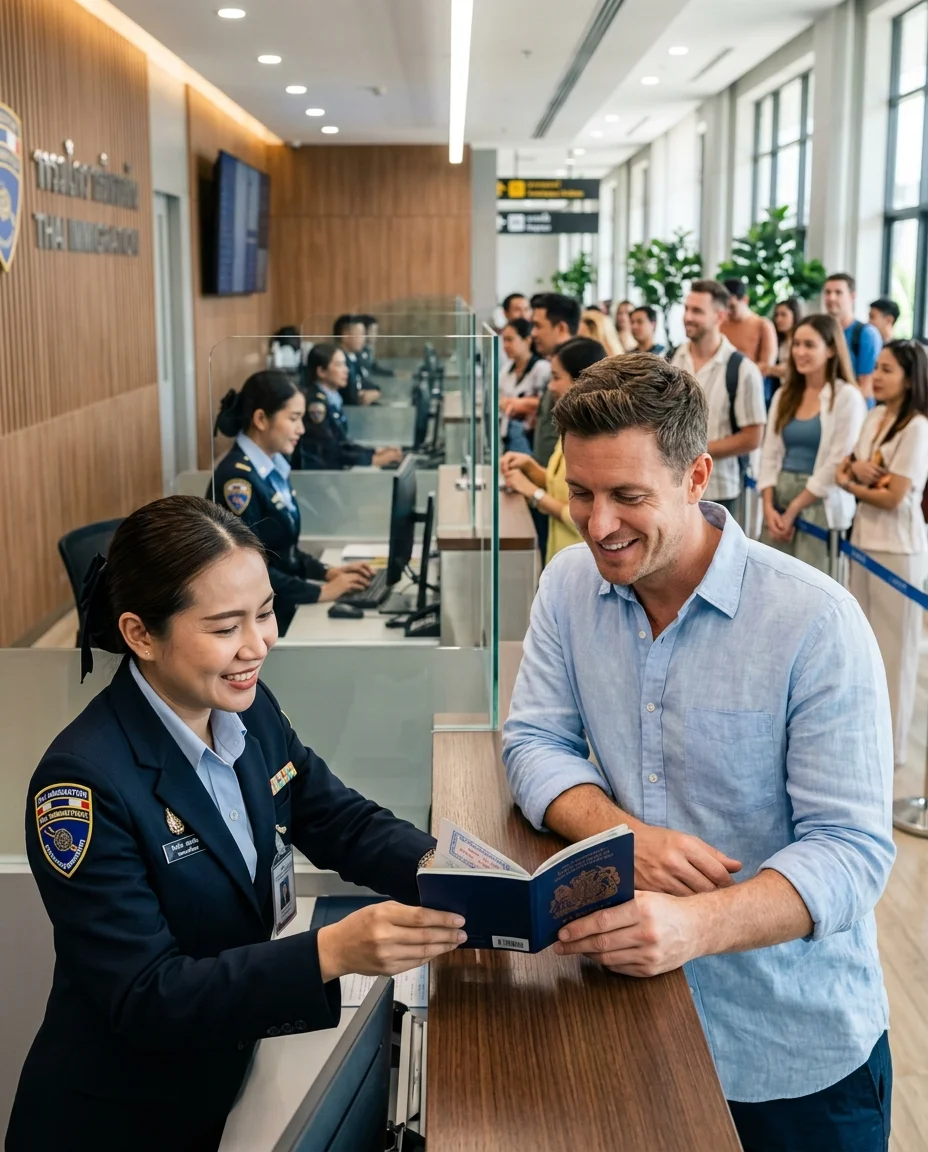
Attempting to open an account on a tourist exemption is a frequent error. Managers will reject your application immediately, leaving you entirely unable to secure local leases or pay utility bills. Enter on a proper Non-Immigrant visa and obtain a Certificate of Residence from Immigration first.
Relying entirely on a UK debit card for daily cash withdrawals destroys your spending power. The 220 THB local machine fee combined with non-sterling transaction charges strips away significant funds over the course of a year. Open a local account rapidly and transfer living costs in bulk using a dedicated currency service.
Ignoring the 2024 foreign-sourced income tax rules leads to severe financial penalties. Assuming your remitted UK pension remains tax-free because it was earned in a previous year is no longer legally sound. Register for a Tax Identification Number and declare all remitted funds annually on a formal return.
Failing to submit a P85 form to HMRC before departing creates highly complex ongoing tax complications. You may continue being taxed as a UK resident, resulting in emergency tax codes and lengthy rebate claims. Notify HMRC of your exact departure date to cleanly establish your non-resident status.
Practical Tips for UK Expats
Always carry crisp, pristine British banknotes if you plan to exchange cash at local currency booths like SuperRich. Tellers will reject any GBP notes that are torn, written on, or even slightly worn at the edges.
Set up a dedicated UK internet bank account before you leave Britain. Monzo or Starling are excellent for receiving HMRC rebates or maintaining direct debits without charging foreign transaction fees when you occasionally need them.
Request a passbook when opening your local bank account and update it regularly at the branch machines. Immigration officers require updated physical passbooks alongside bank letters to verify your funds during annual retirement or marriage visa extensions.
Download the mobile application for your new bank while still inside the branch. The staff must send an initial activation SMS to your local SIM card, which is notoriously difficult to configure yourself later.
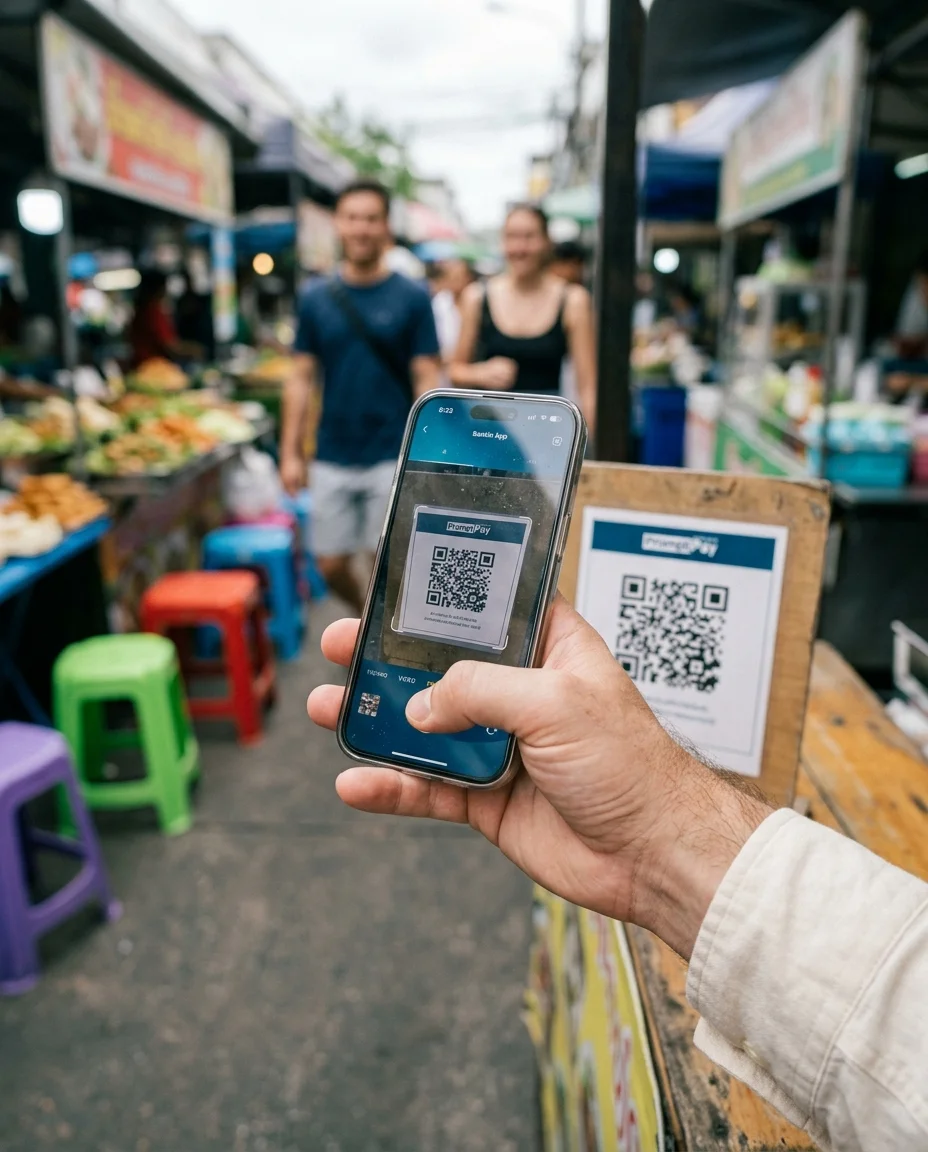
Register for PromptPay immediately using your local phone number or passport number. This system connects directly to your bank account and allows you to pay for everything from street food to utility bills simply by scanning a QR code.
Hire a Thai-speaking tax agent during your first year of residency to navigate the Revenue Department filings. The local tax forms are entirely in Thai, and professional help ensures you correctly apply the UK double taxation treaty exemptions.
Keep your UK mobile number active by moving it to a cheap pay-as-you-go eSIM. You will absolutely need this to receive banking OTPs from your British accounts when authorising international transfers.
Move abroad with confidence — get a free relocation plan from expat specialists.
Quick Reference Summary
| Item | Detail | Notes |
|---|---|---|
| Primary Visa for Banking | Non-Immigrant O, B, LTR, or DTV | Tourist visas are generally rejected |
| Required Documents | Passport, Visa, Lease, Certificate of Residence | Always bring signed blue-ink photocopies |
| Minimum Bank Deposit | 500 THB to 10,000 THB (£11 - £220) | Varies by branch and account tier |
| Local ATM Fee for UK Cards | 220 THB (£4.80) per withdrawal | Avoid by using a local debit card |
| Tax Residency Trigger | 180 days in a calendar year | Tax year runs 1 January to 31 December |
| UK Tax Departure Form | HMRC Form P85 | Submit before leaving the UK |
| Primary Local Payment Method | PromptPay QR Code | Linked to your local bank account via mobile app |
| Best Transfer Method | Wise or similar currency specialist | Clears via Bahtnet at mid-market rates |