Thai Massage in Thailand
Your therapist will likely use their knees, elbows, and body weight to fold you into yoga-like stretches you never knew your joints could achieve. A traditional Thai massage is less about falling asleep to soothing music and entirely about having your energy lines systematically unblocked through deep, rhythmic compression.
This guide explains exactly what to expect from an authentic Thai massage, helping you navigate the physical reality of this ancient healing practice. You will learn the fundamental differences between Western and Thai techniques, how to communicate your pressure limits, and what actually happens during a session. We also cover how to identify legitimate, Ministry of Public Health-licensed clinics across Thailand and avoid unlicensed establishments, ensuring you choose the right style and setting for your budget.
The Roots and Reality of Traditional Thai Massage

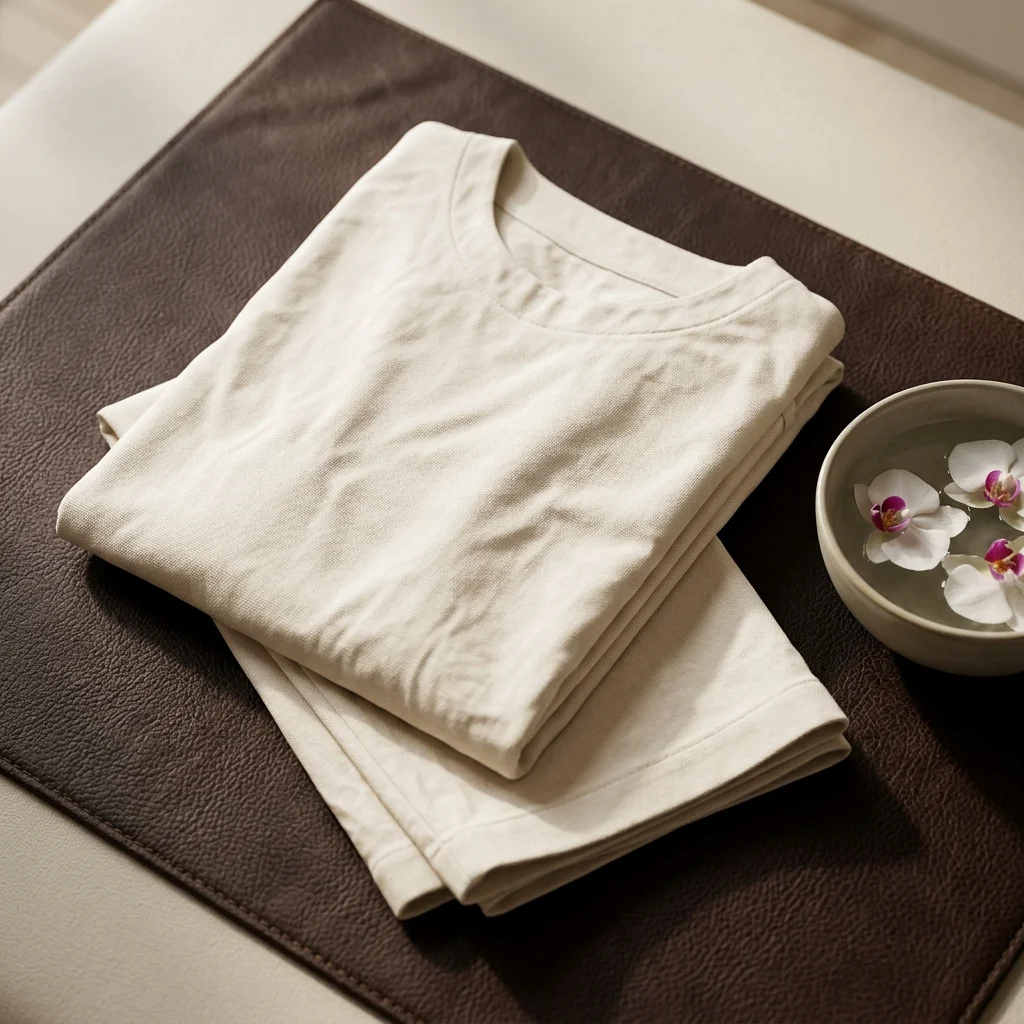
Traditional Thai massage is a vigorous physical therapy deeply rooted in ancient Ayurvedic medicine and Buddhist spiritual practices. Unlike European techniques focused on soft muscle manipulation, this 2,500-year-old system targets the body's 'Sen' energy lines through targeted compression and assisted stretching. You will not undress completely; instead, clinics provide you with a two-piece outfit of loose, lightweight cotton to wear during the treatment. The therapist works on a firm padded mat on the floor rather than an elevated table, allowing them maximum leverage to use their hands, forearms, elbows, knees, and feet. The experience often feels more like a passive yoga session than a standard relaxation treatment, as the practitioner uses their own body weight to manipulate your limbs into deep stretches and complex spinal twists. While the intense pressure point work can feel borderline uncomfortable for unaccustomed British muscles, the physical release that follows is profoundly effective. Monks originally developed these specific techniques in Thai temples to relieve the intense physical strain of prolonged seated meditation. Understanding this highly functional, therapeutic origin helps reset your expectations before you step onto the mat.
Discover authentic Thai cuisine with our complete guide for UK visitors. Learn how to order, navigate spice levels, and find the best street food safely.
How Thai Massage Differs from Western Spa Treatments
The fundamental difference lies in the application of pressure and the entirely dry nature of the traditional technique. If you are used to the gliding, oil-based strokes of a Swedish massage designed to lull you to sleep, a Thai session will feel remarkably interactive and confrontational to your tight muscles. Therapists do not rub or knead the tissue in circular motions. Instead, they lean into specific points along your muscles, holding deep, rhythmic compressions that can briefly restrict blood flow before releasing it to create a warming rush of fresh circulation. You will be manipulated into seated twists, your legs will be pulled upward, and the therapist might even walk on your back if they assess your frame can handle the weight. Western massage isolates specific muscle groups, whereas Thai massage treats the body as an interconnected web, meaning a severe tension headache might be treated by intense pressure applied directly to your foot or calf. It is a highly dynamic process requiring your body to be pliant, your joints to be relaxed, and your breathing to remain steady throughout. Embracing this active, participatory style of bodywork ensures you gain the maximum physical benefit from the session.
| Feature | Traditional Thai Massage | Western (Swedish) Massage |
|---|---|---|
| Treatment Surface | Firm padded mat on the floor | Elevated, padded massage table |
| Clothing | Loose cotton two-piece outfit provided | Undressed to underwear, draped with towels |
| Technique | Compression, stretching, energy lines | Kneading, gliding strokes, muscle isolation |
| Lubrication | Dry (no massage oil or lotion used) | Heavy use of massage oils or creams |
| Physical Sensation | Intense, invigorating, deep point pressure | Soothing, relaxing, superficial to medium pressure |
What Happens During Your First Session
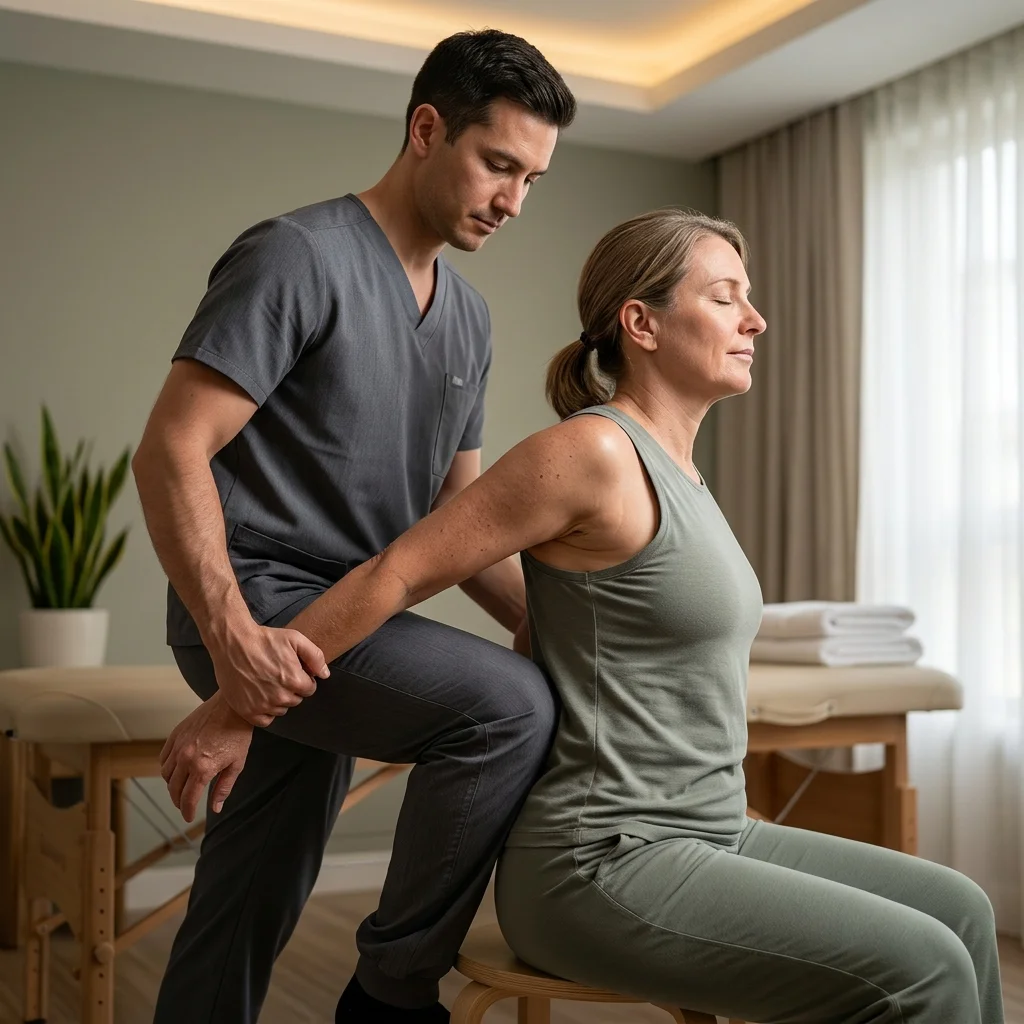
Your session begins the moment you change into the provided cotton pyjamas and lie face up on the floor mat. The therapist will almost always start at your feet, applying rhythmic, heavy compressions to the soles and toes before systematically working their way up your legs. This upward progression follows the traditional belief in pushing stagnant energy towards the core and head. You will experience a series of deep thumb presses along your calves and thighs, which frequently reveals deep-seated tightness you never knew existed. By the time they reach your torso and arms, the therapist will begin incorporating assisted stretches, pulling your limbs into positions that mimic advanced yoga poses. The final twenty minutes usually involves you sitting cross-legged on the mat while the practitioner works intensely on your shoulders, neck, and scalp. This seated segment often finishes with a sharp, satisfying twist of your spine that requires you to interlock your fingers behind your head. Newcomers are often startled by the sudden cracking of joints, but licensed therapists are highly trained to read your body's physical limits. Remember to breathe out slowly during the deepest stretches to help your muscles yield safely to the pressure.
Navigating the Main Massage Styles
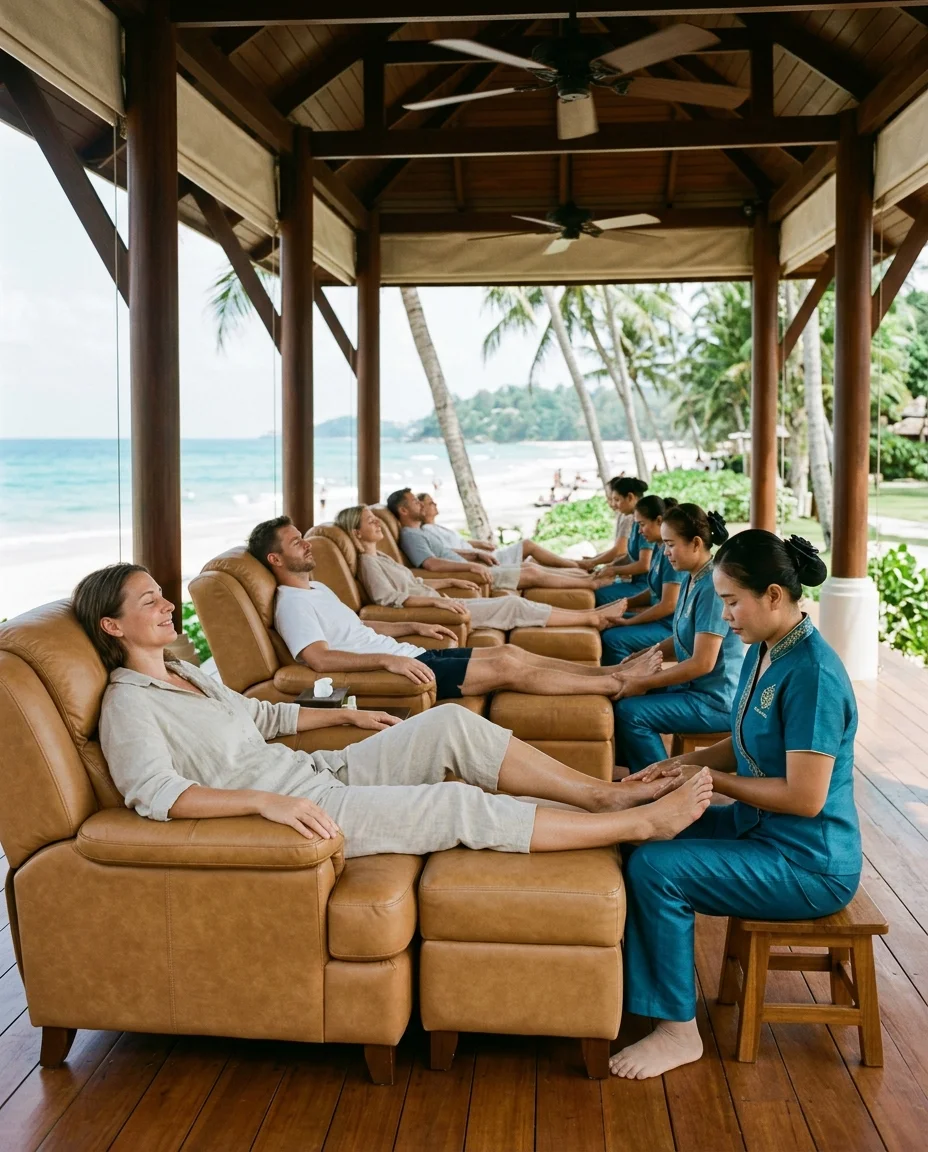
While the traditional dry massage is the cultural cornerstone, licensed clinics across Thailand offer several distinct styles to suit different pain thresholds and preferences. Foot reflexology is the most accessible entry point, typically lasting an hour and involving a wooden stick to stimulate specific internal organs via pressure points on the sole. Thai oil massage bridges the gap between East and West, combining the deep tissue pressure of Thai techniques with the gliding strokes of European massage, though it is usually applied much more firmly than you might expect. Head and shoulder massages are excellent if you have just spent twelve hours on a flight from Heathrow, as they specifically target posture-related tension without the full-body commitment. Herbal compress massage is another highly traditional variant where steamed bundles of lemongrass, turmeric, tamarind, and camphor are pressed forcefully into the muscles to reduce severe inflammation and joint pain. These hot compresses feel incredibly restorative after a long day of navigating crowded city streets or hiking in the northern hills. Knowing these distinct variations allows you to tailor your treatment exactly to how battered your body feels on any given day.
| Style | Best For | Typical Sensation |
|---|---|---|
| Traditional Full-Body Thai | Overall flexibility and deep tension relief | Intense, stretching, dry compression |
| Thai Oil Massage | Muscle soreness and relaxation | Firm pressure, gliding strokes, slippery |
| Foot Reflexology | Tired legs after extensive temple walking | Sharp pinpoint pressure, highly invigorating |
| Head and Shoulders | Jet lag and upper body stiffness | Focused, deep thumb pressure on the back |
| Herbal Compress | Joint pain and severe inflammation | Hot, aromatic, physically soothing |
Identifying Legitimate Clinics and Avoiding Unlicensed Shops
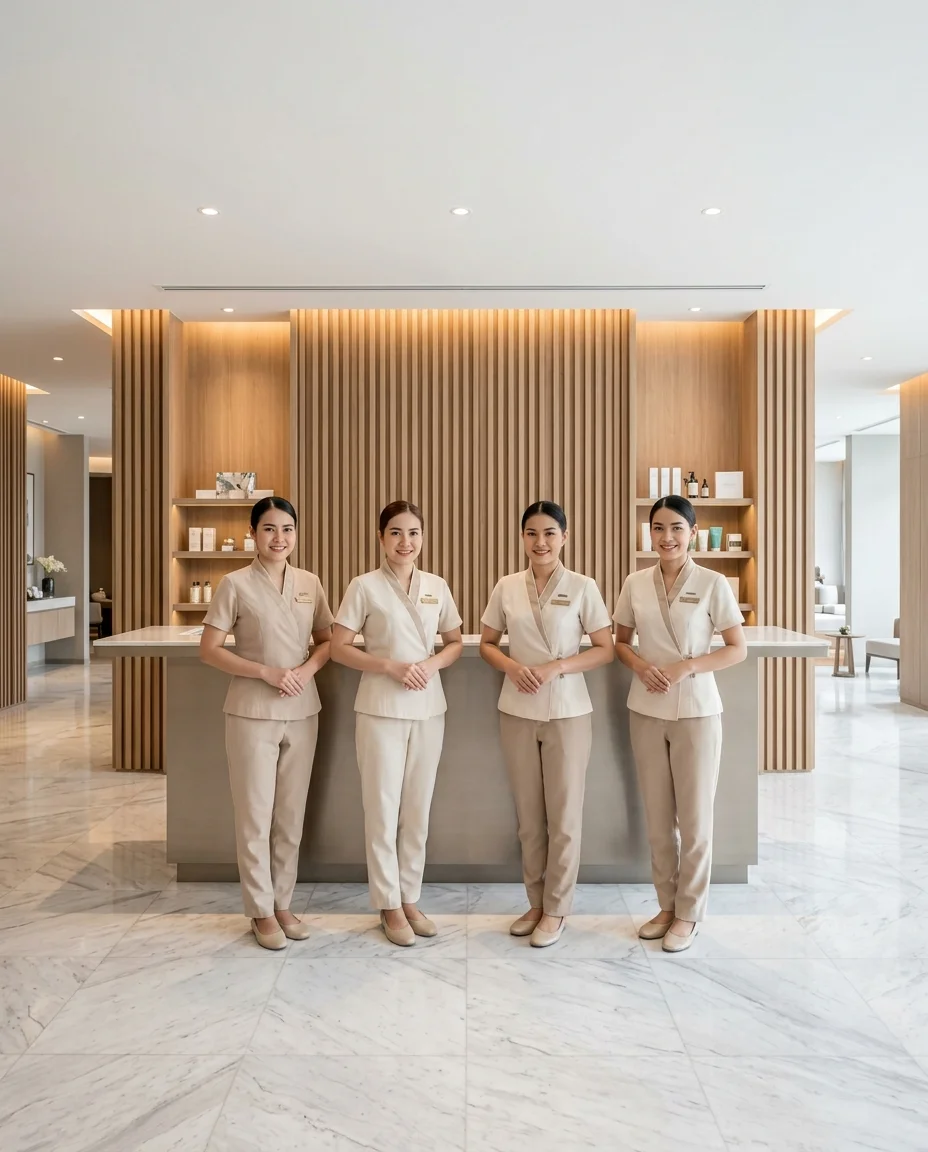
The difference between a clinical therapeutic venue and an unlicensed shop offering illicit services is immediately obvious if you know the visual cues. Legitimate massage establishments in Thailand must be certified by the Ministry of Public Health, and they proudly display their green and white certification plaques on the wall near the reception desk. You will see therapists wearing neat, matching uniforms, often polo shirts or traditional tunics paired with loose trousers. The pricing menu will be clearly printed, professionally presented, and displayed outside on a stand or at the front counter. Inside, the environment will be spotlessly clean, brightly lit, and usually scenting heavily of camphor, lemongrass, or eucalyptus oil. Conversely, unlicensed shops often feature women sitting outside in casual or revealing clothing, actively calling out to passing tourists and trying to physically guide them inside. Their windows are often heavily tinted or obscured by posters, and they rarely display official health ministry certificates of any kind. If a menu offers vague 'special massages' or the staff seem more interested in negotiating a price than explaining their therapeutic techniques, walk away immediately. Sticking to well-reviewed clinics or hospital-affiliated massage schools guarantees you receive a strictly professional, medically grounded treatment.
Communicating Your Pressure Limits and Physical Boundaries
Knowing how to guide your therapist's pressure is the single most important factor in enjoying your treatment. Thai massage therapists use their body weight to apply force, meaning the default pressure is significantly heavier than anything you will encounter in a British spa. You must learn two vital Thai phrases: 'bao bao' means softer, and 'nak nak' means harder. If the therapist presses a point that causes you to wince or hold your breath, you must say 'bao bao' immediately, as they will not automatically lessen the pressure unless instructed. Conversely, if you carry heavy muscle mass and find the treatment too light, requesting 'nak nak' will prompt them to switch from thumb pressure to using their elbows or knees. It is also entirely acceptable to point to specific areas of your body and cross your arms in an 'X' motion to indicate they should avoid that region entirely. Good therapists check in verbally during the first ten minutes, but the responsibility ultimately lies with you to police your own pain threshold. Being vocal and direct ensures your muscles are therapeutically challenged without being pushed into actual physical trauma.
Where to Find Reputable Massage Therapy
Finding a high-quality massage depends largely on your location and budget, but highly reliable options exist across the entire country. In Bangkok, the Wat Pho Thai Traditional Massage School remains the absolute gold standard; located within the temple grounds, it is the actual historical birthplace of the discipline and charges around 420 THB (10 GBP) for an hour. For a mid-range, highly professional experience, the Health Land Spa chain operates massive, hospital-clean facilities across Bangkok and Pattaya, where a two-hour traditional session costs roughly 650 THB (15 GBP). In Chiang Mai, the Women's Massage Centre by Ex-Prisoners offers exceptionally skilled therapeutic treatments while supporting a vital social rehabilitation charity, with hourly rates starting at 300 THB (7 GBP). Down in the islands, casual beach massages are ubiquitous and cheap, but for serious clinical work in Phuket, look for Let's Relax Spa in Patong, which provides a premium, air-conditioned sanctuary away from the intense coastal heat. You should actively avoid the neon-lit strips of Soi Cowboy in Bangkok or Bangla Road in Phuket if you want genuine physical therapy. First-timers should always start at a recognised mid-range chain like Let's Relax or Health Land for a predictable, highly professional introduction.
Costs and Budgeting
Massage therapy in Thailand represents exceptional financial value for UK visitors, though prices vary drastically depending on the specific setting and facilities. Budget street-side shops and open-air beach pavilions typically charge between 200 and 300 THB (4.50 to 7 GBP) for a standard one-hour traditional or foot massage. These venues are perfectly adequate for soothing tired legs but completely lack privacy and air conditioning. Mid-range dedicated spas, which offer private rooms, climate control, and freshly laundered cotton pyjamas, usually charge between 500 and 800 THB (11 to 18 GBP) per hour. Premium hotel spas and luxury wellness retreats in Bangkok or Koh Samui will charge anywhere from 1,500 to 3,000 THB (35 to 70 GBP) for identical physical techniques in far superior surroundings. Tipping is highly customary; leaving 50 to 100 THB directly to your therapist is expected for good service.
| Option | Cost (THB) | Cost (GBP approx) | Notes |
|---|---|---|---|
| Street Shop / Beach Pavilion | 200 - 300 | 4.50 - 7.00 | Basic mats, shared communal space, no air conditioning |
| Wat Pho Temple | 420 - 480 | 10.00 - 11.00 | The traditional standard, open-air pavilion setting |
| Mid-Range Spa Chain | 500 - 800 | 11.00 - 18.00 | Private rooms, air conditioning, highly trained staff |
| Luxury Hotel Spa | 1,500 - 3,000 | 35.00 - 70.00 | Premium oils, extensive facilities, luxury service standards |
Prices also vary noticeably by region, since labour costs and the concentration of tourist-facing clinics differ across the country. The table below breaks down typical hourly rates by location to help you budget more precisely for your specific destination.
| Location | Typical Cost (THB) | Typical Cost (GBP approx) | Notes |
|---|---|---|---|
| Bangkok Street Shop | 200 - 300 | 4.50 - 7.00 | Widely available outside BTS stations and in tourist sois |
| Bangkok Mid-Range Spa | 400 - 650 | 9.00 - 15.00 | Health Land and similar chains, private air-conditioned rooms |
| Chiang Mai | 300 - 450 | 7.00 - 10.00 | Includes the Women's Massage Centre and similar local clinics |
| Phuket | 500 - 800 | 11.00 - 18.00 | Premium chains like Let's Relax command higher prices than the mainland |
| Resort or Luxury Spa (any region) | 1,500 - 3,000 | 35.00 - 70.00 | Identical techniques delivered in five-star surroundings |
What to Know Before You Go
You must communicate your pressure preferences clearly using simple terms like 'bao bao' for soft or 'nak nak' for strong. If you do not speak up when the pressure hurts, the therapist will assume you are comfortable and may accidentally bruise unaccustomed muscles. Always declare any prior injuries, surgeries, or joint issues to the reception staff before the session begins. Thai massage relies heavily on joint manipulation and deep stretching, which can exacerbate existing skeletal problems if the practitioner is unaware. Do not eat a heavy meal within two hours of a traditional Thai massage appointment. The treatment involves deep abdominal pressure and physical contortions that will cause severe discomfort if your stomach is full. Hygiene is paramount in Thai culture, so you should always shower before arriving at the clinic. Arriving sweaty from the street is considered highly disrespectful to the therapist working in close contact with your body.
Practical Tips
Always remove your shoes at the door before entering a massage shop. Stepping inside with your footwear on is a severe cultural faux pas in Thailand and immediately offends the staff. Take off all jewellery and watches before changing into the provided massage clothing. The therapist needs unobstructed access to your wrists and neck, and metal items can scratch you during the dynamic stretches. Leave your underwear on when changing into the cotton pyjamas for a traditional dry massage. The loose clothing provides necessary modesty while allowing the therapist to move your limbs freely. Keep your phone on silent and securely zipped in your bag during the treatment. The communal nature of many massage rooms means a ringing phone ruins the therapeutic environment for everyone else. Breathe rhythmically and do not hold your breath when the therapist applies deep pressure. Tensing your muscles fights the technique and makes the compression feel much more painful than it actually is. Drink plenty of water immediately after your session concludes. The deep tissue work releases lactic acid into your bloodstream, which needs flushing out to prevent next-day soreness. Hand your tip directly to the therapist rather than leaving it at the reception desk. This ensures the person who performed the hard physical labour receives your appreciation entirely. Avoid scheduling a strenuous gym session or long hike immediately after a deep tissue treatment. Your muscles will be temporarily fatigued from the intense manipulation and require a few hours of gentle recovery to reap the full benefits.
Ensure your physical health and recovery are fully protected while travelling through Southeast Asia.
Quick Reference Guide
| Item | Detail | Notes |
|---|---|---|
| Average Duration | 60 to 120 minutes | Two hours is the traditional standard for a full body session |
| Clothing Required | Provided cotton outfit | Keep your own underwear on underneath the pyjamas |
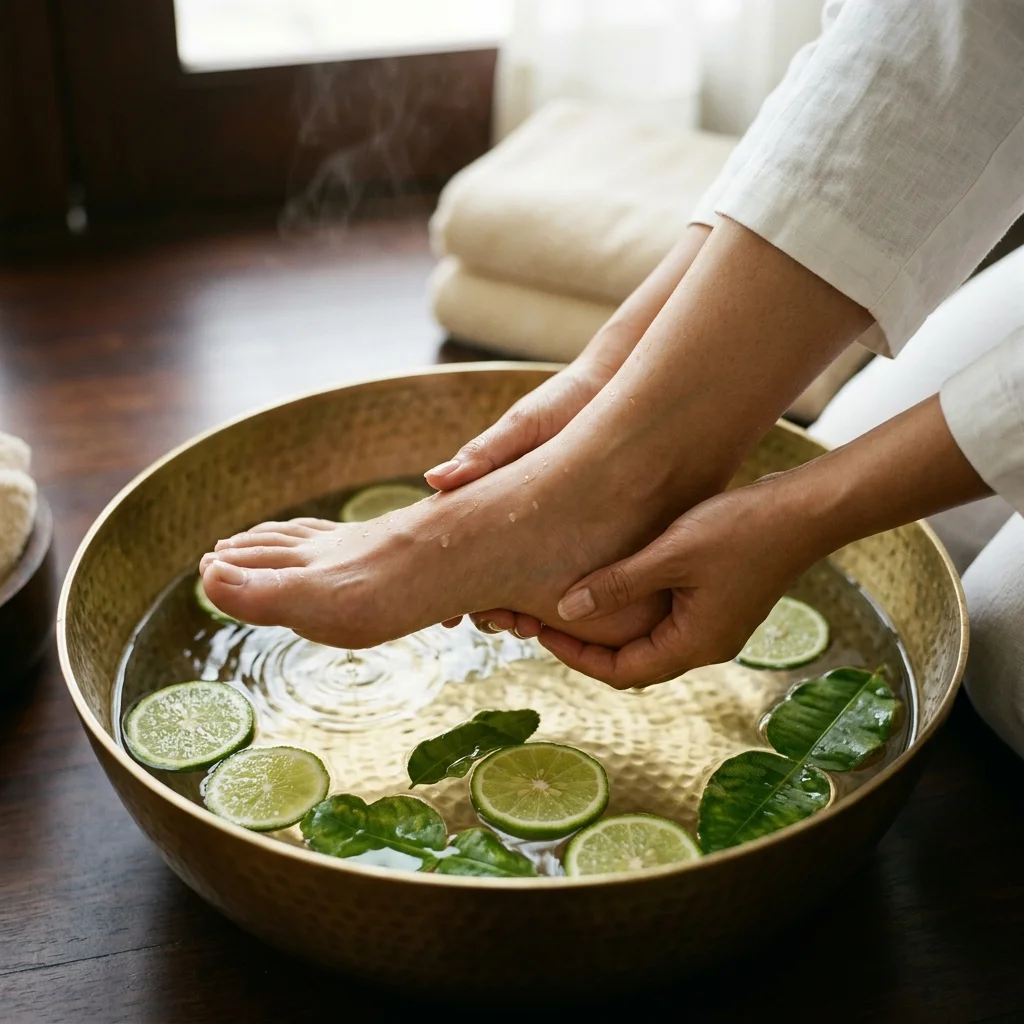
| Pre-treatment | Foot wash | Standard practice at mid-range and premium spas |
| Communication | Speak up immediately | Use 'bao bao' for softer pressure, 'nak nak' for harder |
| Tipping Custom | 50 to 100 THB | Give the cash directly to your therapist after the session |
| Licensing | Ministry of Public Health | Look for the green and white certificate on the reception wall |
| Primary Sensation | Deep pressure and stretching | Not a passive, sleep-inducing relaxation treatment |
| Best Time to Go | Late afternoon or evening | Excellent for unwinding after a long day of walking |