Taxis & Grab in Thailand
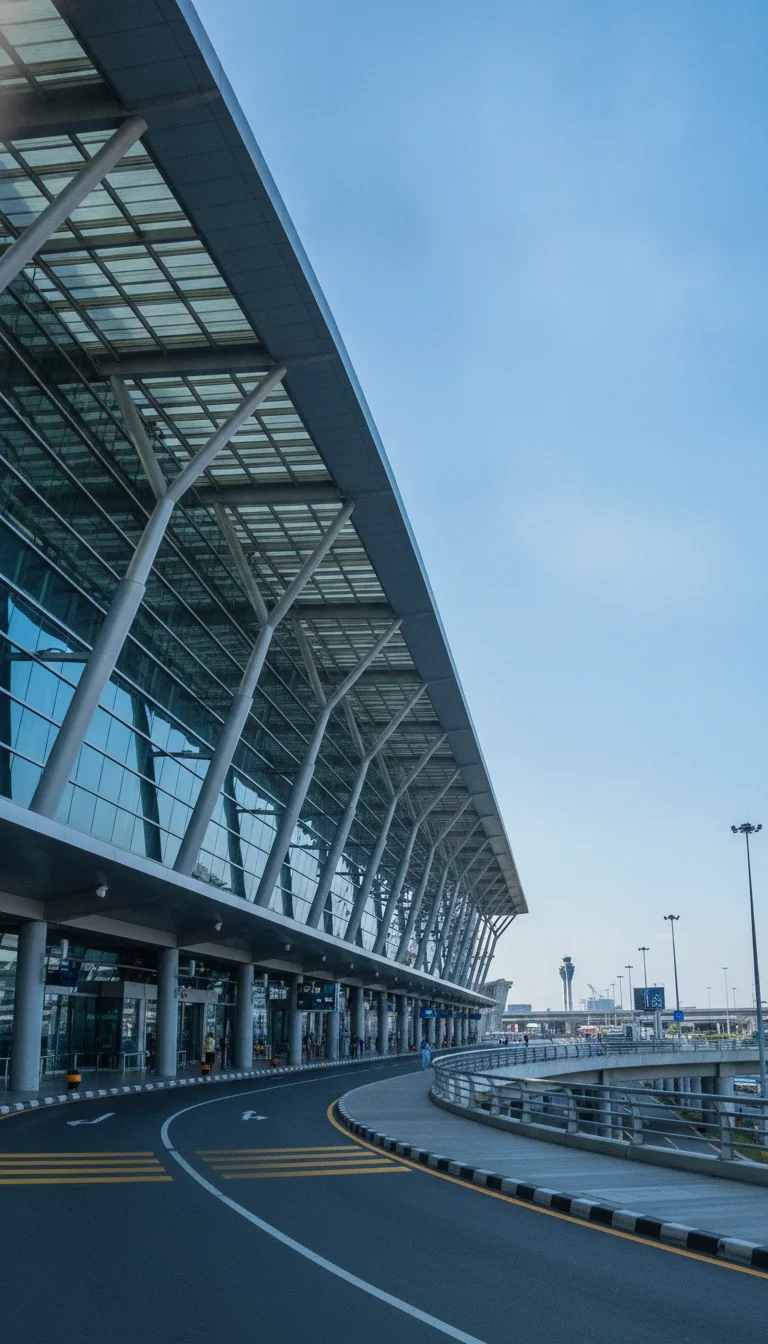
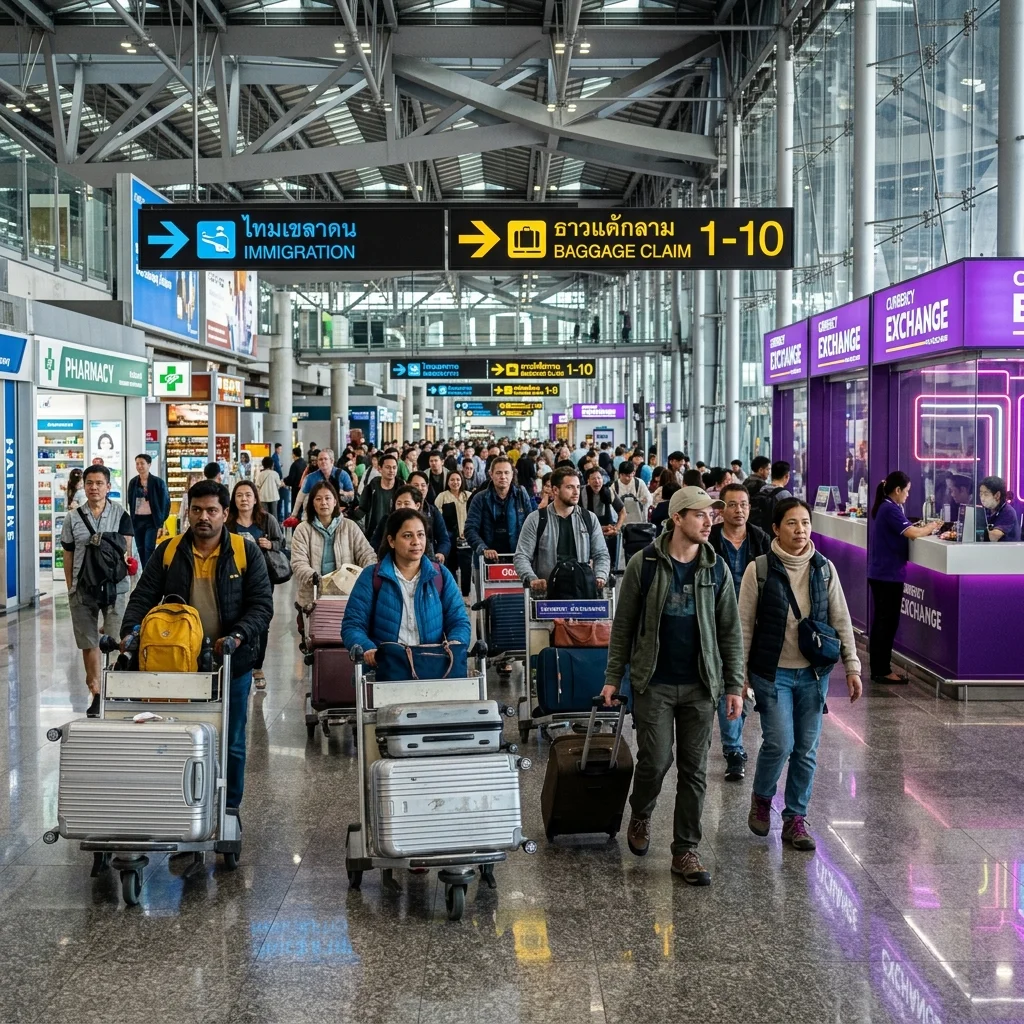
Stepping out of Bangkok’s Suvarnabhumi Airport into 35-degree heat, your first real negotiation is usually with a taxi driver who refuses to turn the meter on. Knowing whether to stand your ground, walk away, or just book a Grab car dictates the tone for your entire trip.
This guide explains exactly how to navigate Thailand’s local transport networks without getting overcharged. You will learn the mechanics of hailing a street taxi, the realities of using the Grab app with a UK bank card, and how regional options like songthaews operate in resort towns. Reading this allows you to choose the most efficient, cost-effective ride from the airport to your hotel and throughout your daily itinerary across Bangkok, Phuket, and Chiang Mai.

Metered Taxis and Airport Ranks
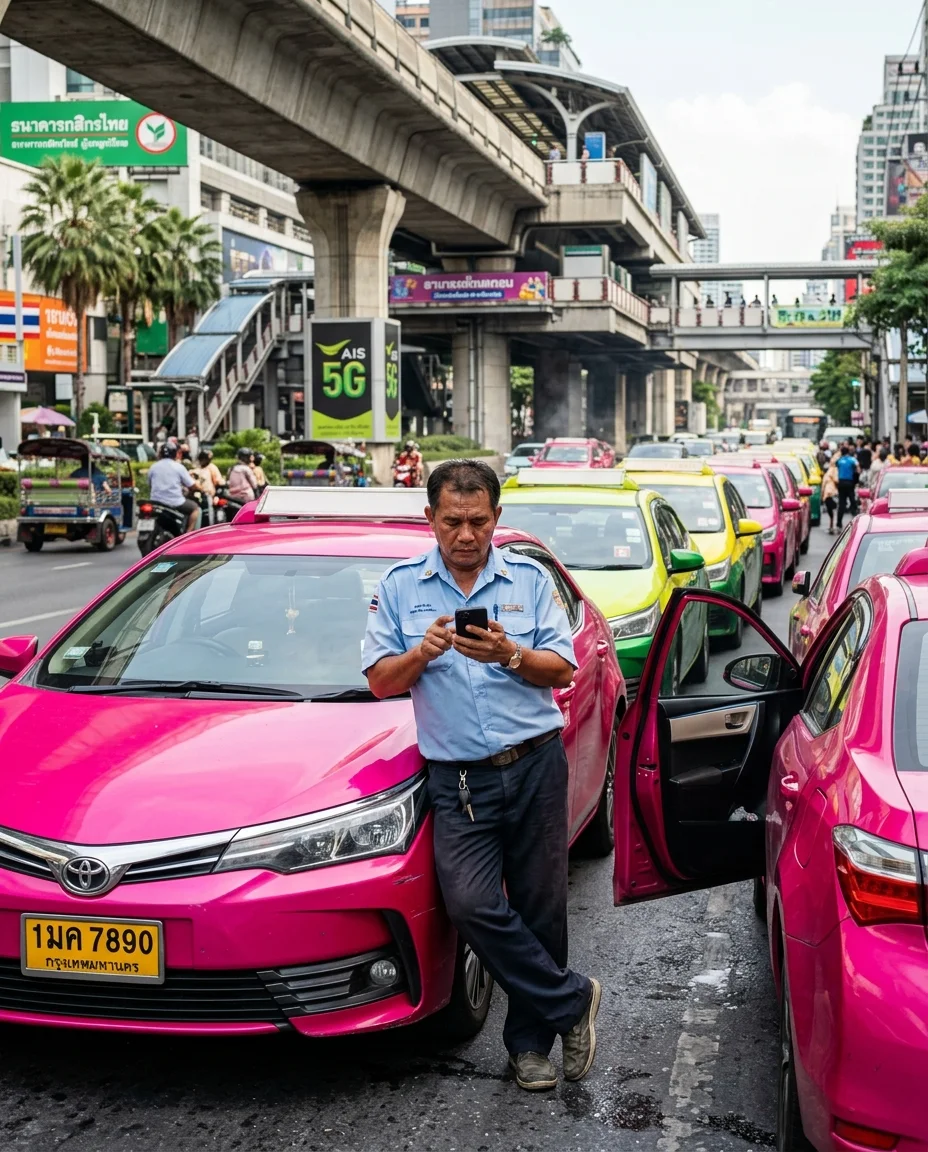
Bangkok’s official taxis are brightly coloured, air-conditioned, and legally required to use a meter, though enforcement varies wildly depending on where you hail them. When you land at Suvarnabhumi (BKK) or Don Mueang (DMK), you must follow the public taxi signs to an automated ticketing kiosk. This machine prints a slip with your driver's bay number and a 50 THB (£1.10) airport surcharge that you pay directly to the driver at the end of your trip. Do not give this slip to the driver, as it contains the official complaint hotline number. Once inside the vehicle, ensure the meter is switched on; it should start at 35 THB (£0.75). If the driver claims the meter is broken or demands a flat fare of 500 THB (£11.10) to central Bangkok, firmly ask them to turn it on or get out. Street taxis hailed while moving are far more likely to use the meter than those parked outside hotels, temples, or shopping malls waiting for tourists. Tollway fees are your responsibility, usually costing an extra 50 THB to 75 THB (£1.10 to £1.65) per toll, which you hand to the driver as you approach the booth. Always hail moving taxis rather than stationary ones to guarantee a metered fare.
Discover how to book the best hotels in Thailand. Learn to avoid hidden fees, find the best regional value, and secure top rates. Plan your stay today.
Choosing Between Grab, Taxis, and Tuk-Tuks
Selecting the right transport depends entirely on your location, your budget, and how much time you are willing to spend in traffic. Grab is Southeast Asia’s equivalent to Uber, offering fixed-price rides booked via an app. It is the most reliable choice for UK visitors because the price is locked in before you travel, removing language barriers and negotiation entirely. Traditional metered taxis are technically cheaper than Grab in Bangkok if the traffic is light and the meter is running, but they become frustrating when drivers refuse your destination. Tuk-tuks are open-air, three-wheeled vehicles that do not use meters. You must negotiate the fare before sitting down, and they almost always cost more than an air-conditioned taxi. Tuk-tuks are best reserved for short, late-night journeys when the roads are clear, or purely for the novelty factor. In areas like Phuket, where a strong taxi syndicate keeps local fares artificially high, Grab remains significantly cheaper and safer than haggling with unmetered street drivers. Use Grab for predictable pricing and route tracking, taxis for cheap daytime hops, and tuk-tuks only for short novelty rides.
| Transport Type | Best Used For | Price Predictability | Comfort Level |
|---|---|---|---|
| Grab | Point-to-point travel, avoiding scams | High (locked in app) | High (air-conditioned) |
| Metered Taxi | Daytime travel in Bangkok | Medium (if meter is used) | High (air-conditioned) |
| Tuk-Tuk | Late-night short trips, novelty | Low (requires haggling) | Low (open air, fumes) |
Setting Up and Using the Grab App
Sponsored
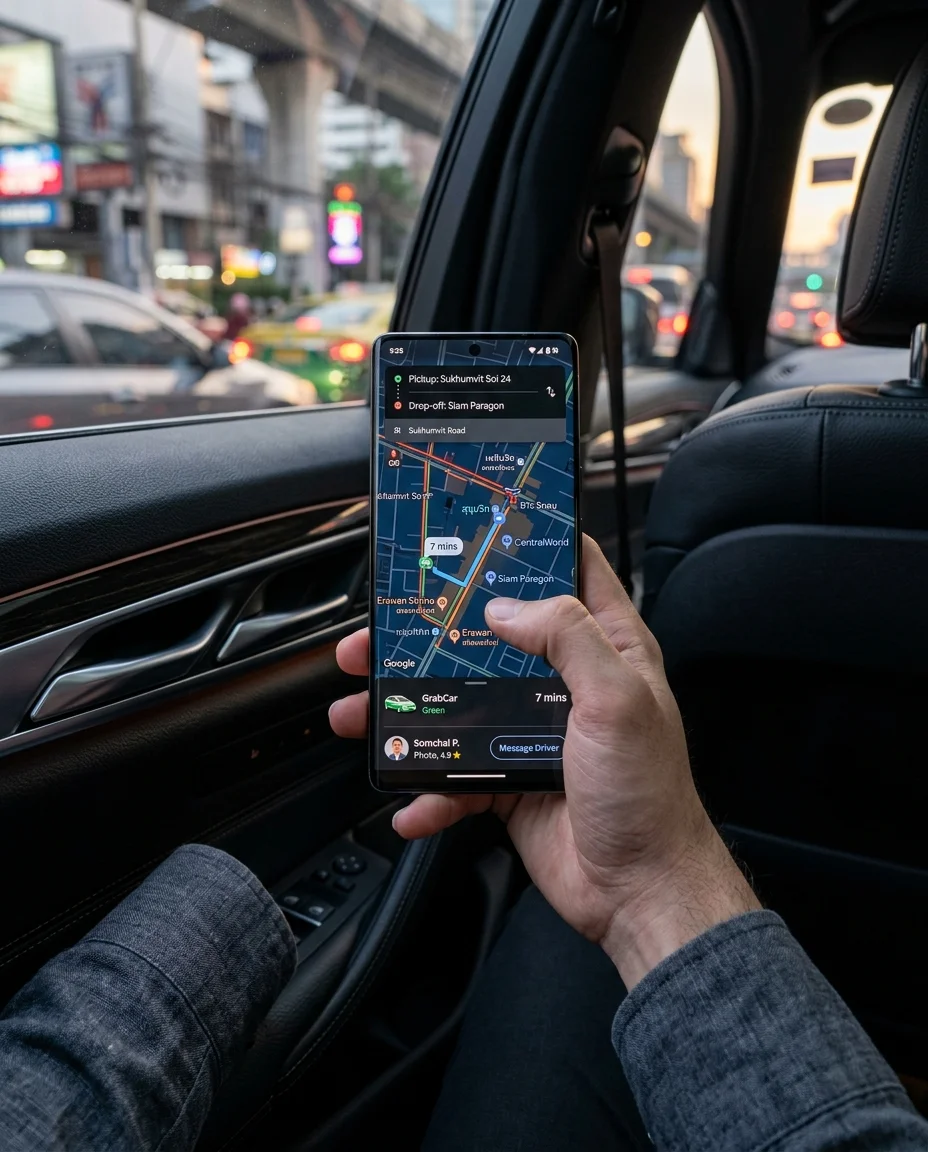
Downloading and configuring the Grab app before you leave the UK ensures you can secure a ride the moment you clear Thai customs. You need an active phone number to register for Grab, so it is easiest to do this with your UK number over Wi-Fi before your flight. Once in Thailand, the app continues to work perfectly even if you swap out your UK SIM for a local Thai SIM card. Link a fee-free UK travel card, like Monzo, Starling, or Revolut, to your Grab account to avoid foreign transaction fees on every ride. Grab offers several vehicle tiers, including JustGrab (finds the nearest taxi or private car), GrabCar (private cars only), and GrabBike (motorcycle taxis). GrabBike is highly efficient for solo travellers navigating gridlocked Bangkok streets, though it requires wearing a shared helmet and a strong stomach for weaving through tight spaces. If you prefer paying in cash, Grab allows you to select cash as your payment method when booking, meaning you hand Thai Baht directly to the driver at drop-off. Link a zero-fee UK bank card to your Grab account before travelling for automated, scam-free payments.
Navigating Regional Pricing and Scams
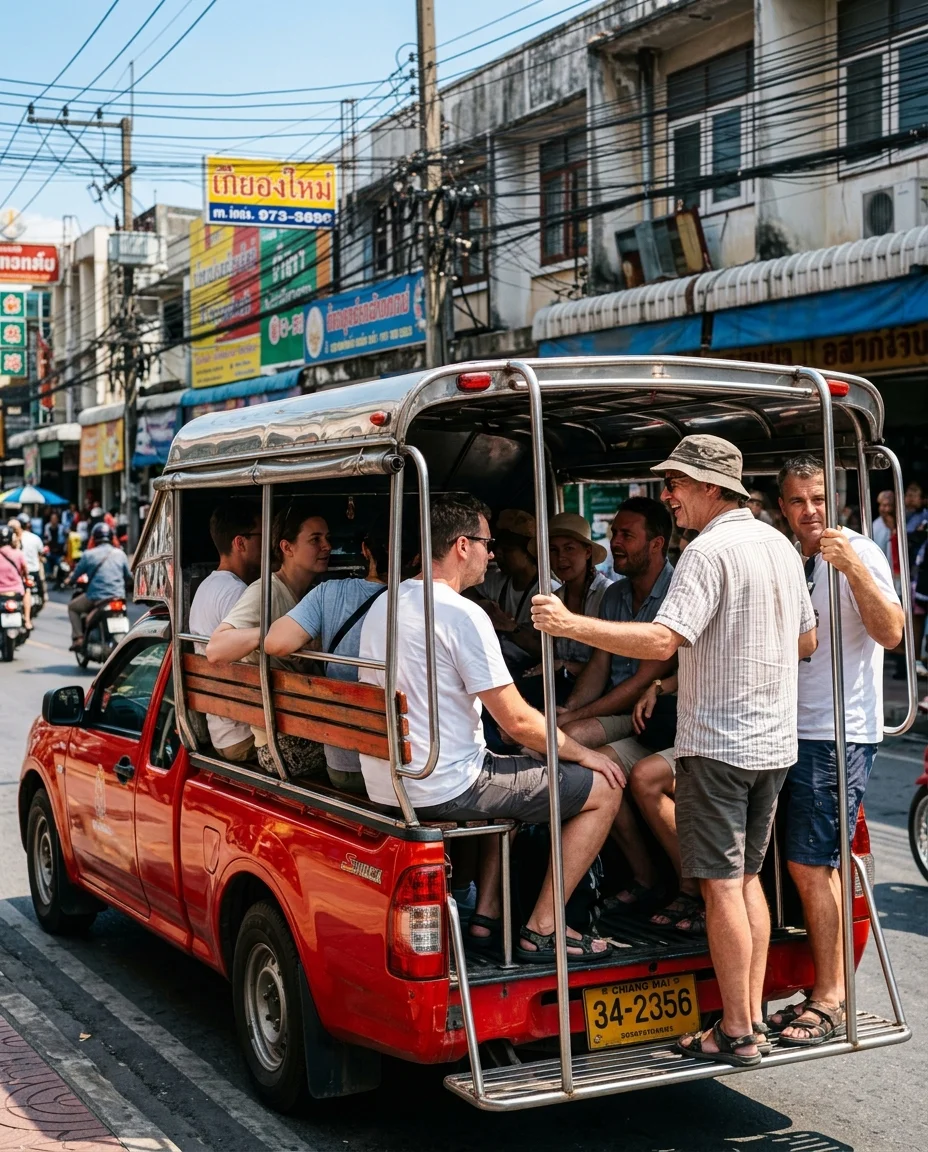
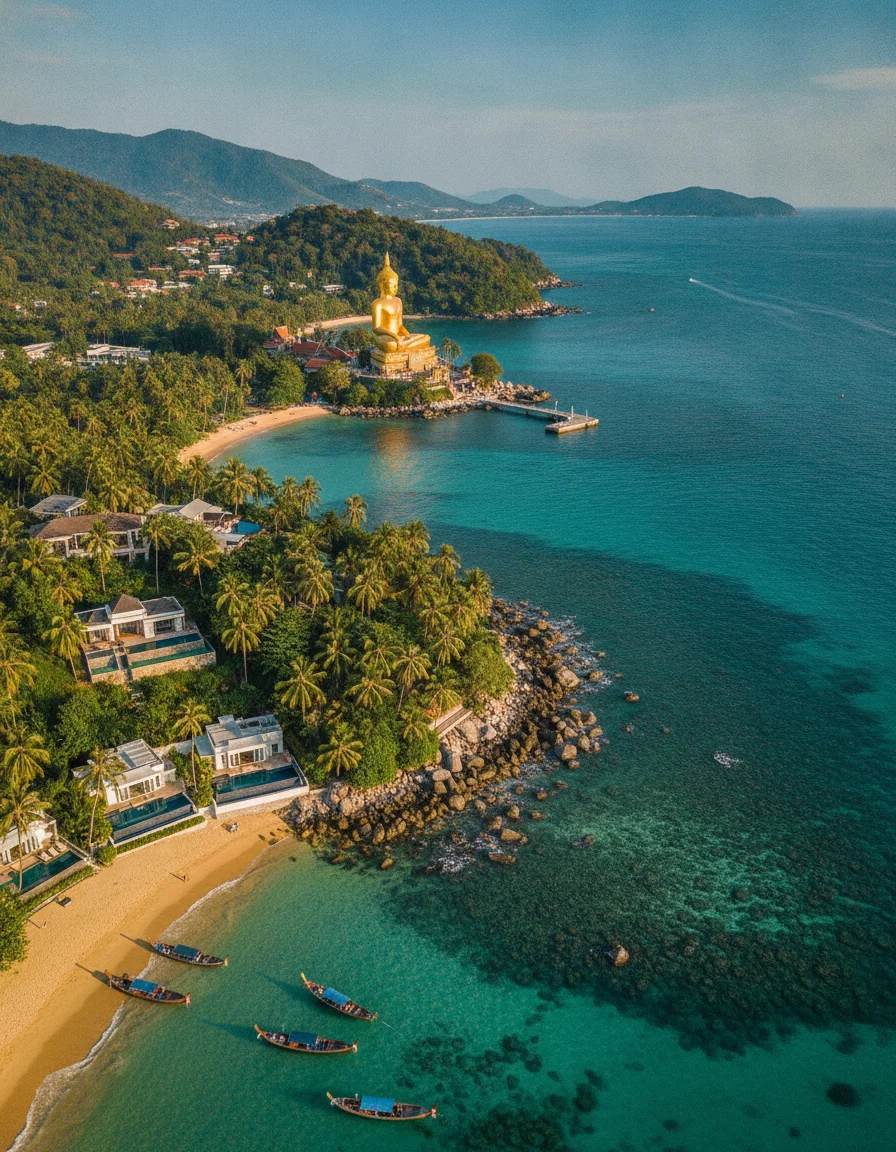
Transport costs and common scams change drastically depending on whether you are in the capital or a coastal resort town. Bangkok is heavily regulated, meaning meter refusal is the primary scam. In Phuket, however, the local taxi mafia controls the island, and metered taxis are virtually non-existent outside the airport. A standard 15-minute journey between Karon and Patong beaches often commands a flat rate of 400 THB (£8.80), regardless of how you book. Chiang Mai operates differently again, relying heavily on red songthaews (converted pickup trucks) for shared transport. The flat rate for a short hop within the Old City moat is 30 THB (£0.65) per person. If you ask a Chiang Mai driver to take you on a private route, they will quote a much higher charter price, often around 150 THB (£3.30). A persistent scam across all regions is the "closed attraction" trick, where a driver claims your destination is shut for a holiday and offers to take you to a specific tailor or gem shop instead. Ignore any driver who tells you a temple or market is closed, and firmly state you want to go to your original destination anyway.
Songthaews and Local Shared Transport
Understanding how to use songthaews unlocks the cheapest method of getting around Thailand’s islands and northern cities. Songthaews are pickup trucks with two benches in the back, operating as shared buses along fixed routes. In places like Pattaya, Hua Hin, and Koh Samui, they constantly circulate the main coastal roads. To use one, simply stand on the side of the road heading in your desired direction and flag it down with a downward wave of your hand. You do not need to speak to the driver. Climb into the back, take a seat, and press the buzzer on the ceiling when you want to get off. Once the vehicle stops, walk to the front passenger window and hand the driver your fare. This usually costs between 10 THB and 50 THB (£0.20 to £1.10) depending on the town and distance. Do not ask the driver "how much" before getting in, as this instantly flags you as a tourist and they may try to charge you a private charter rate of 200 THB (£4.40) or more. Hand the driver the exact local fare through the passenger window after you exit a songthaew to avoid being charged tourist rates.
Costs and Budgeting
Transport costs vary significantly based on your destination and chosen method, but they generally remain a fraction of UK prices. In Bangkok, public transport and metered taxis keep daily travel costs low. A typical budget traveller relying on the BTS Skytrain, MRT, and occasional metered taxi will spend roughly 150 THB to 250 THB (£3.30 to £5.50) per day. Mid-range travellers using Grab for point-to-point convenience should budget 400 THB to 600 THB (£8.80 to £13.30) daily. Premium travellers booking GrabSUV or private airport transfers will spend upwards of 1,000 THB (£22.20) per day. Island travel is inherently more expensive. A single taxi ride in Phuket easily costs 500 THB (£11.10), rapidly inflating your daily transport budget if you move between beaches frequently. Always carry small notes, as drivers rarely have change for a 1,000 THB bill.
| Option | Cost (THB) | Cost (GBP approx) | Notes |
|---|---|---|---|
| Bangkok Metered Taxi (Short Trip) | 60 - 100 THB | £1.30 - £2.20 | Assumes meter is on, light traffic |
| Bangkok GrabCar (Short Trip) | 120 - 200 THB | £2.60 - £4.40 | Surge pricing applies in rain |
| Phuket Taxi/Grab (Beach to Beach) | 400 - 600 THB | £8.80 - £13.30 | Highly inflated local syndicate rates |
| Chiang Mai Songthaew (Shared) | 30 THB | £0.65 | Flat rate within the Old City |
Common Mistakes and How to Avoid Them
Closing the taxi door before confirming the meter is on. This traps you in a high-pressure negotiation for a flat fare while the vehicle is already moving. Lean through the open passenger window to ask for the meter, and only get in once the driver agrees.
Hailing stationary taxis parked outside major tourist spots. These drivers wait specifically for foreign visitors willing to pay extortionate flat rates. Walk fifty metres down the road to flag down a moving taxi that is already in transit.
Paying for Grab rides with a standard UK debit card. High street banks will charge you a non-sterling transaction fee every time you take a short ride. Link a specialist travel card like Revolut or Monzo to your Grab app to eliminate these hidden costs immediately.
Assuming tuk-tuks are the cheapest transport option available. Because they lack meters, drivers quote inflated prices based entirely on your appearance and perceived wealth. Treat tuk-tuks as a novelty experience rather than a viable budget transport method for your daily itinerary.
Practical Tips
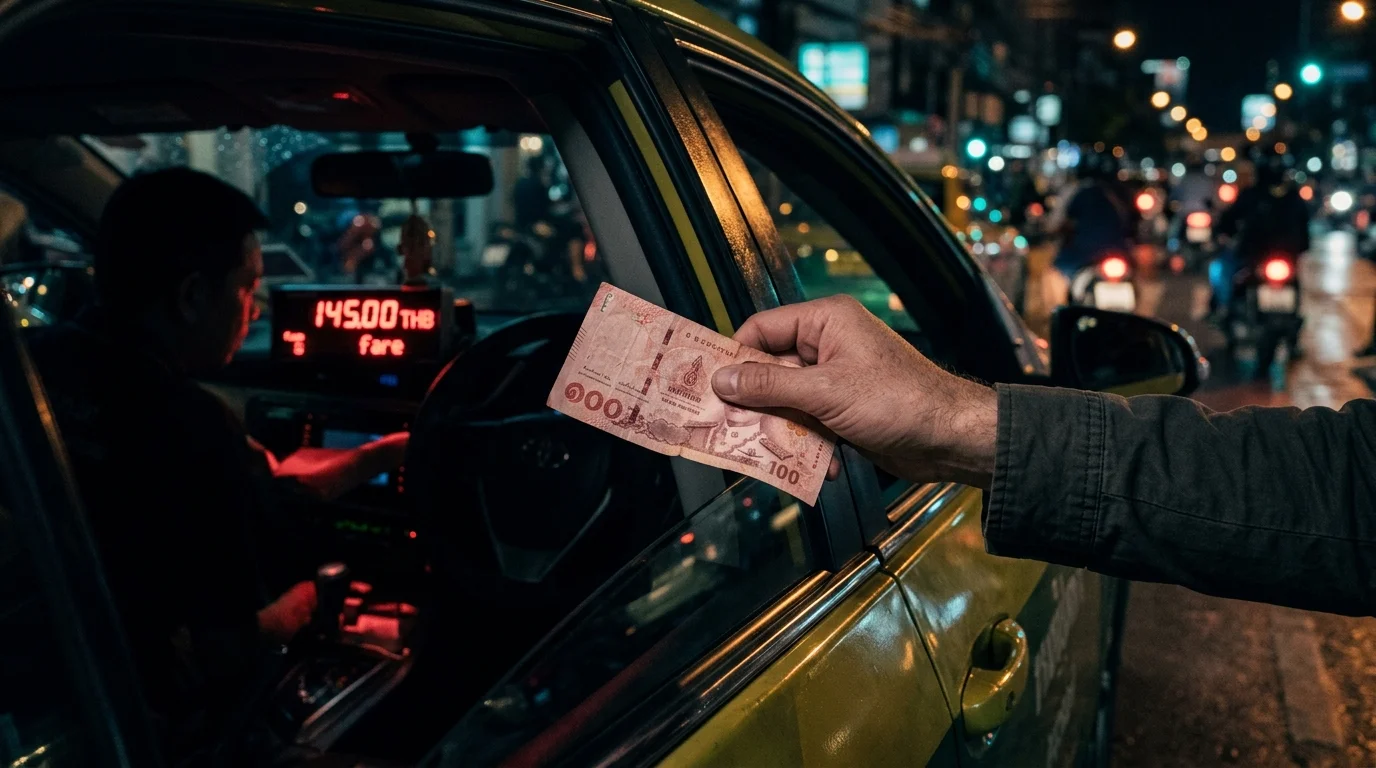
Carry 20, 50, and 100 THB notes for your transport fund. Drivers of taxis, tuk-tuks, and songthaews genuinely struggle to break a 1,000 THB note for a short journey.
Photograph the yellow taxi license plate displayed on the inside of the rear passenger door. This gives you exact vehicle details if you leave luggage behind or need to report aggressive behaviour.
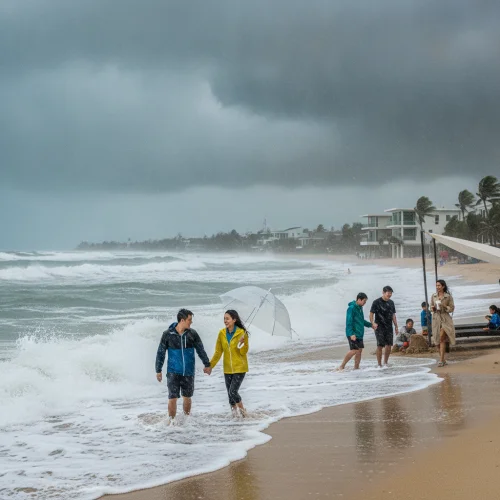
Check the Grab app for surge pricing during heavy rainstorms. Prices can triple during a downpour, making it smarter to wait in a cafe or find a metered taxi.
Use the translation feature built into the Grab app messenger. You can type instructions in English, and the driver receives them in Thai, bridging the communication gap instantly.
Keep your luggage with you in the back seat if it fits. This stops a rogue driver from driving off with your bags in the boot during a dispute over the fare.
Hold your smartphone tight when riding on the back of a GrabBike. Snatch thefts by passing motorcyclists are rare but happen most often to tourists distracted by Google Maps.
Quick Reference Table
| Item | Detail | Notes |
|---|---|---|
| Bangkok Taxi Starting Fare | 35 THB | Must insist on the meter |
| Airport Taxi Surcharge | 50 THB | Paid directly to driver on top of meter |
| Grab Payment Method | Card or Cash | Use fee-free UK cards (Monzo/Revolut) |
| Tuk-Tuk Fares | Negotiable | Agree on price before sitting down |
| Chiang Mai Songthaew | 30 THB | Pay exactly 30 THB when exiting |
| Tollway Fees | Paid by passenger | Hand cash to driver at the booth |
| Phuket Taxi Fares | 400 THB+ | Unmetered, fixed by local syndicate |
| Complaint Hotline | 1584 | Use for meter refusal or aggressive drivers |