The Law in Thailand

Navigating the Thai legal system as a UK national requires understanding that foreign lawyers cannot practice law in Thailand, meaning you must hire a locally licensed Thai attorney for any official representation. Relying on unofficial advice for property or business disputes often leads to contracts that are entirely unenforceable under the Thai Civil and Commercial Code.
This guide outlines exactly when you need a licensed Thai lawyer and when you can handle immigration or administrative matters yourself. It covers the most common legal situations UK nationals face, including property disputes, visa complications, and criminal charges, while detailing realistic legal fees. You will also learn the precise limits of British consular assistance in Thailand, ensuring you know exactly who to contact during a legal emergency.

When to Hire a Thai Lawyer Versus DIY
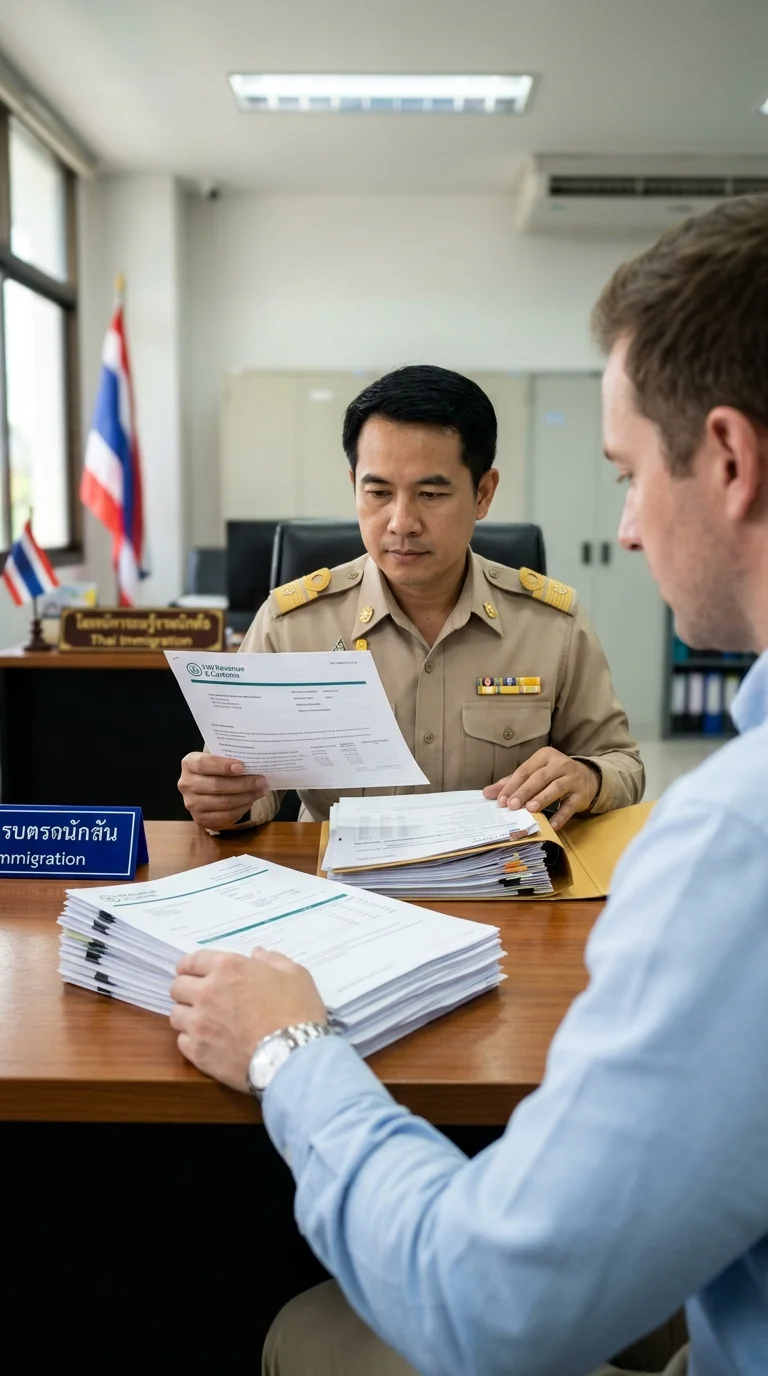
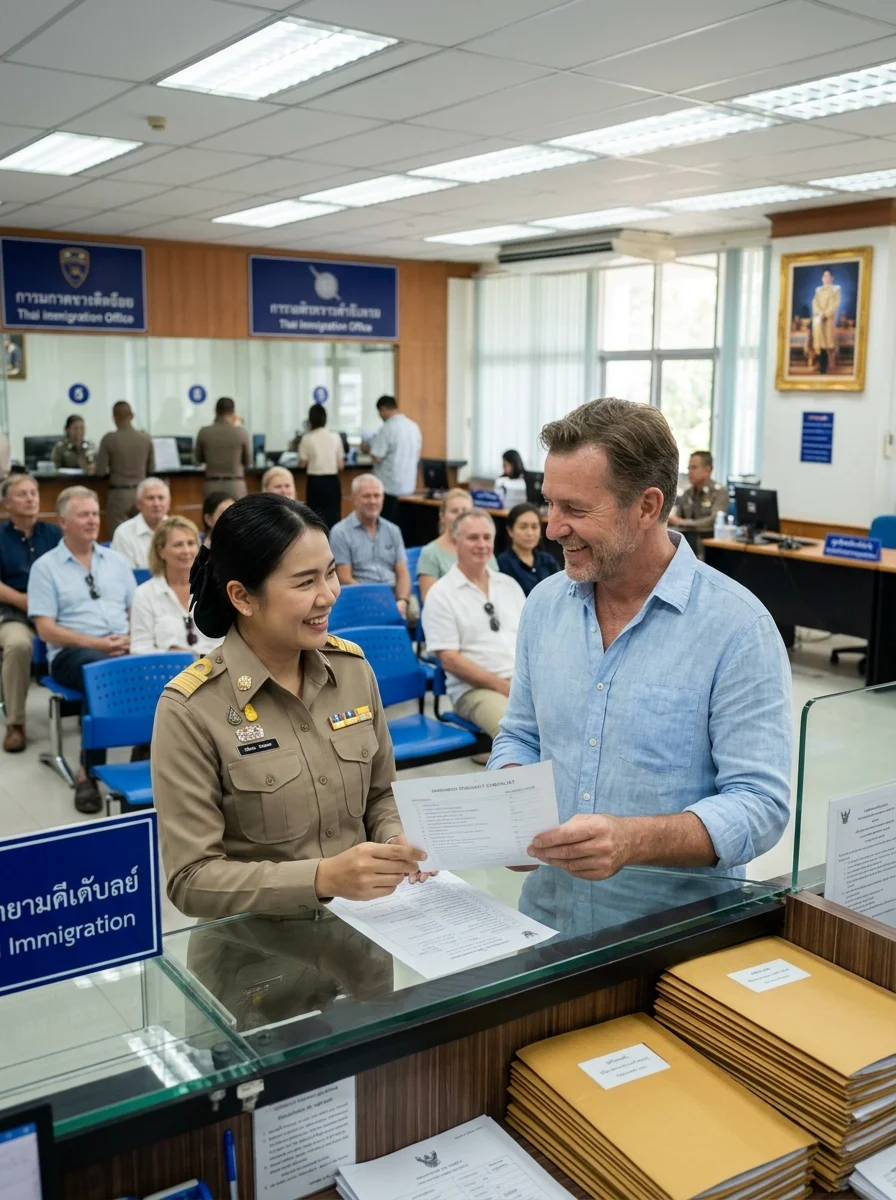
Understanding when to manage your own paperwork and when to instruct a licensed professional is the foundation of a secure life in Thailand. Routine immigration matters like the 90-day report or a standard Non-Immigrant O retirement visa extension rarely require legal counsel. You can complete these tasks directly at your local immigration office, such as Chaeng Watthana in Bangkok, by paying the standard 1,900 THB (£42) fee and presenting your documents. Hiring an agent for these tasks is a convenience, not a legal necessity. However, the moment your situation involves drafting contracts, you cross a critical threshold. Thai law governs all commercial and civil agreements within its borders. Attempting to set up a Thai Limited Company, drafting a property lease, or negotiating a commercial dispute without a registered Thai lawyer leaves you entirely unprotected. UK nationals frequently assume that a standard English template contract downloaded online will hold up in a Thai court. It will not. A certified Thai lawyer ensures your documents align with the Civil and Commercial Code, protecting your financial interests. Always request a lawyer's Thai Lawyers Council registration number before proceeding. Handle routine visa extensions yourself, but immediately retain a registered Thai lawyer for any property, business, or contractual agreements.
Need to extend your Thai visa? Discover exactly how UK nationals can extend tourist, exemption, and Non-Immigrant visas, including costs and requirements.
| Legal Situation | Recommended Approach | Typical Outcome |
|---|---|---|
| 90-Day Reporting | DIY / Self-Service | Processed free online or in person |
| Standard Visa Extension | DIY / Self-Service | Approved upon meeting financial criteria |
| Property Purchase / Lease | Hire a Thai Lawyer | Secure contract compliant with Thai law |
| Business Registration | Hire a Thai Lawyer | Legal corporate structure established |
Navigating Property and Business Disputes
Sponsored
Securing real estate or launching a business as a foreigner demands rigorous legal oversight to navigate Thailand's strict ownership restrictions. Foreign nationals cannot own land outright in Thailand. This fundamental rule leads many UK expats into complex, legally dubious workarounds. Buying property often involves setting up a Thai Limited Company or registering a 30-year leasehold at the local Land Office. Both routes require a lawyer to conduct deep due diligence on the property title, ensuring you are buying a legitimate Chanote (Nor Sor 4) title deed rather than a restricted agricultural plot. Property disputes frequently arise when developers fail to deliver off-plan apartments or when informal land agreements with Thai spouses break down. Resolving these disputes through the Thai court system takes years and requires substantial legal funding. Similarly, business registration demands strict compliance with the Foreign Business Act. Setting up a company typically costs between 30,000 THB and 50,000 THB (£665 to £1,110) in legal and government fees. Your lawyer must structure the shareholder agreement to protect your investment while adhering to the rule that Thai nationals must hold the majority shares. Never rely on nominee shareholders, as this practice is illegal and heavily penalised. Conduct comprehensive due diligence through an independent legal representative before transferring any funds for property or business investments.
Managing Visa Complications and Appeals
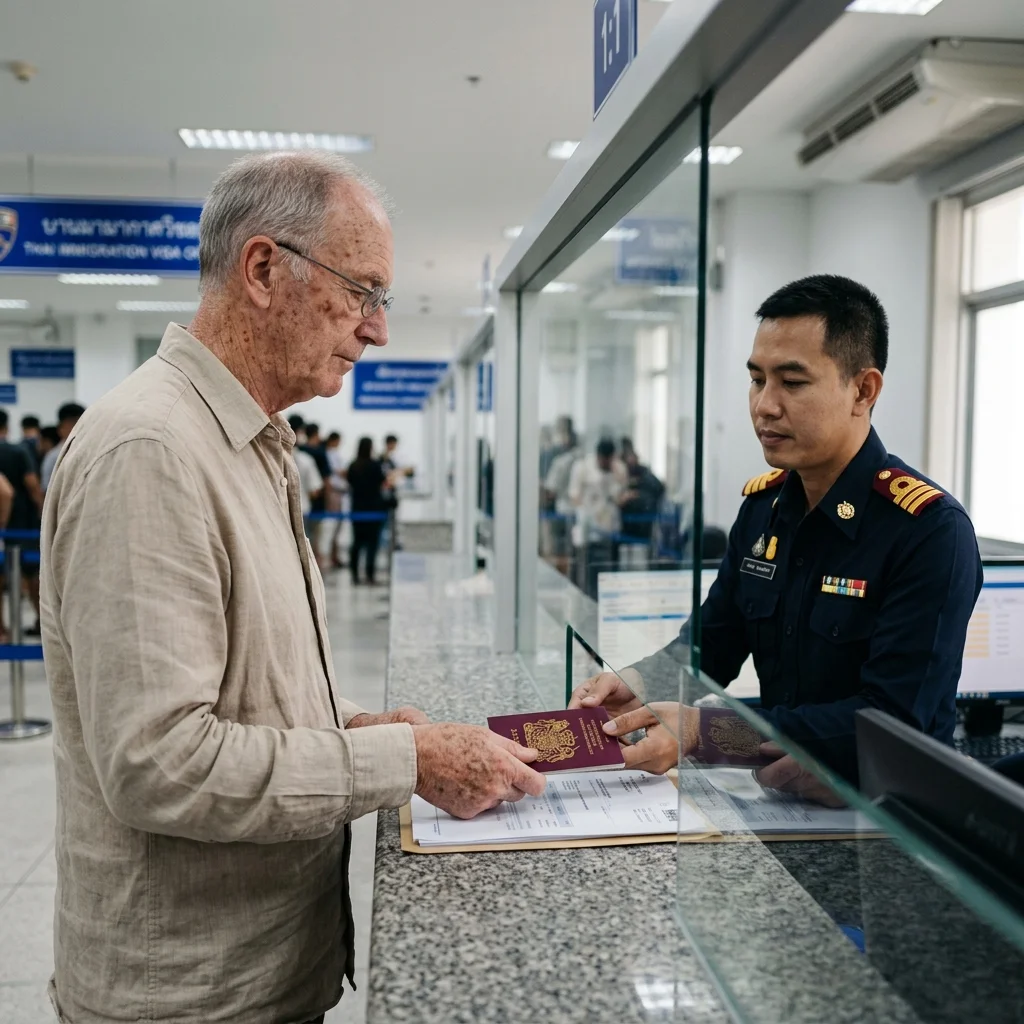
Resolving overstays, visa rejections, or complex immigration appeals requires immediate legal intervention to prevent deportation or blacklisting. While standard visa applications are administrative, an overstay or a rejected extension quickly escalates into a serious legal matter. Overstaying your visa in Thailand incurs a fine of 500 THB (£11) per day, capped at 20,000 THB (£440). If you surrender yourself at an immigration checkpoint with a short overstay, you simply pay the fine and leave. However, if the police catch you with an expired visa before you reach the airport, you face immediate arrest, detention at the Immigration Detention Centre (IDC), and deportation. A Thai lawyer is essential if you are detained, as they can negotiate your processing and assist with flight arrangements. Furthermore, if your long-term visa extension is rejected due to insufficient financial evidence, you have a brief window to appeal the decision. Lawyers charge around 15,000 THB to 25,000 THB (£330 to £555) to manage complex appeals or rectify blacklisting issues. They understand the specific discretionary powers held by senior immigration officers. Your lawyer will compile the necessary bank statements, medical certificates, or employment records to satisfy the precise demands of the Immigration Bureau. Contact an immigration lawyer immediately if your visa is rejected or if you are detained for any overstay violation.
Marriage, Divorce, and Family Law
Family law in Thailand operates under vastly different principles than in the UK, making local legal counsel vital for marital disputes. Registering a marriage at a local Thai district office (Amphur) is an administrative process costing roughly 40 THB (£0.90). You will need an affirmation of freedom to marry from the British Embassy, which currently costs £50, followed by translation and legalisation at the Ministry of Foreign Affairs. While getting married is inexpensive, navigating a divorce is legally complex. If both parties agree, an uncontested administrative divorce at the Amphur takes a single day and costs very little. However, a contested divorce requires a formal court judgment. UK nationals often struggle with the division of assets, known as Sin Somros, which includes property acquired during the marriage. Child custody disputes are particularly sensitive and require a lawyer who specialises in Thai family court proceedings. Legal fees for a contested divorce typically start at 50,000 THB (£1,110) and can escalate significantly based on court appearances. Pre-nuptial agreements are highly recommended before marrying a Thai national, but they must be registered at the exact same time as the marriage to be legally binding under Thai law. Secure a legally binding pre-nuptial agreement at the time of marriage to protect your assets in the event of a future divorce.
The Role and Limits of the British Embassy
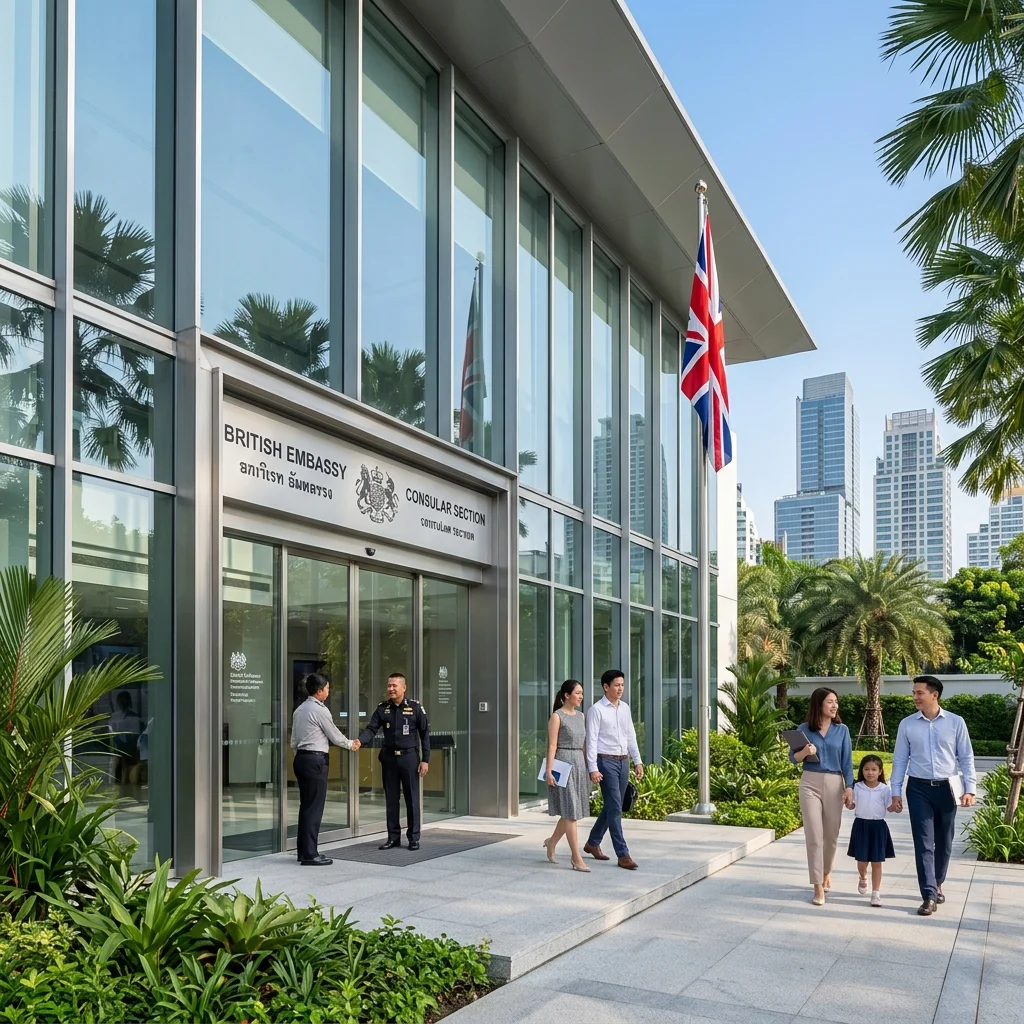
The British Embassy provides essential emergency support but has strict limitations regarding legal advice and financial assistance. Many UK nationals fundamentally misunderstand what consular staff can do when legal trouble strikes. The British Embassy in Bangkok cannot offer legal advice, get you out of prison, or interfere in ongoing Thai judicial proceedings. They will not pay your legal fees, post bail, or translate documents for you. If you are arrested, you have the right to contact the embassy. Consular staff aim to contact you within 24 hours of being notified of your arrest. They can provide a list of local English-speaking lawyers, inform your family in the UK if you grant permission, and ensure you are treated in accordance with internationally recognised standards. If you require medical attention in detention, they can raise this with prison authorities. For broader legal issues, the embassy maintains an online directory of registered Thai legal practitioners and translation services. Accessing this list is completely free and serves as the safest starting point for finding reputable counsel. Understanding these boundaries prevents dangerous delays when you need immediate, actionable legal representation on the ground. Rely on the British Embassy for welfare checks and vetted lawyer directories, but hire private Thai counsel for actual legal defence.
Handling Criminal Matters and Legal Emergencies
Facing criminal charges in Thailand requires immediate action, deep pockets, and an expert local defence lawyer to avoid prolonged detention. The Thai criminal justice system operates on a different standard of evidence and procedure than the UK system. Common criminal issues for expats include road traffic accidents resulting in injury, defamation charges, and drug offences. Thailand has incredibly strict criminal defamation laws, meaning an angry online review about a hotel can result in actual jail time. If arrested, you will be taken to a local police station. You are entitled to a lawyer and an interpreter during questioning, though the police are not obligated to provide an English-speaking lawyer for free. Bail is never guaranteed in Thailand. For serious offences, the court may deny bail entirely, citing a flight risk, resulting in immediate transfer to a remand prison. Bail bonds typically range from 100,000 THB to 500,000 THB (£2,220 to £11,100), depending on the severity of the charge. You must pay this in cash or via a guarantor. The Lawyers Council of Thailand does offer legal aid, but accessing this as a foreigner is exceptionally difficult and slow. Private representation is your only realistic option. Exercise extreme caution regarding online comments and secure an English-speaking criminal defence lawyer immediately if questioned by Thai police.
Legal Fees and Budgeting
Budgeting for legal assistance in Thailand requires understanding how local firms structure their fees. Unlike the UK, where hourly billing is universal, many Thai law firms prefer fixed-fee arrangements for standard procedures like company registration or uncontested divorces. For complex litigation, hourly rates apply and vary wildly depending on the firm's location and reputation. A high-tier international law firm in central Bangkok will charge significantly more than a provincial Thai practice in Chiang Mai. Always request a detailed fee proposal upfront. This document should explicitly separate professional legal fees from official government disbursements, such as Land Office taxes or court filing charges. Be prepared to pay a substantial retainer fee before the lawyer begins any work. Translation costs also add up quickly, as every English document submitted to a Thai court must be translated and certified. Expect to pay around 400 THB to 800 THB (£9 to £18) per page for certified translation services.
| Item | Cost (THB) | Cost (GBP approx) | Notes |
|---|---|---|---|
| Initial Consultation (1 hour) | 2,000 - 5,000 | 44 - 110 | Often deducted if you hire the firm |
| Property Due Diligence | 15,000 - 30,000 | 330 - 665 | Varies based on property type |
| Company Registration | 30,000 - 50,000 | 665 - 1,110 | Excludes government capital fees |
| Contested Divorce Retainer | 50,000+ | 1,110+ | Additional fees per court appearance |
| Certified Translation (per page) | 400 - 800 | 9 - 18 | Required for all foreign documents |
Common Legal Mistakes and How to Avoid Them

Using a visa agent for complex legal disputes is a critical error. Agents lack legal qualifications, leaving you completely unprotected if a contract is breached. Always hire a registered lawyer for property or business matters.
Signing a Thai-only contract without a certified translation happens far too often. You cannot enforce verbal promises if the written Thai text contradicts them. Demand a certified dual-language contract before signing anything.
Assuming UK divorce laws automatically apply to assets held in Thailand creates massive financial vulnerability. Thai courts follow the Civil and Commercial Code regarding marital property division. Instruct a lawyer who understands cross-border asset management.
Expecting the British Embassy to act as your legal counsel leads to dangerous delays during emergencies. Consular staff cannot provide legal advice or represent you in court. Keep the contact details of a private Thai lawyer saved in your phone.
Practical Tips for Legal Success

Verify your lawyer's credentials before paying any retainer fees. You can check their registration status directly with the Lawyers Council of Thailand.
Keep digital copies of your passport and visa stamps on your phone at all times. Thai police can demand to see your original identification, and having copies helps verify your legal status quickly.
Never sign a police report that you do not fully understand. Insist on a competent English interpreter before making any official statement to law enforcement.
Structure your property investments with extreme caution. Ensure your legal counsel conducts thorough due diligence on the land title rather than relying on the developer's promises.
Document all business agreements in writing immediately. Verbal agreements carry very little weight in the Thai legal system and are notoriously difficult to prove in court.
Secure a legally binding pre-nuptial agreement if you plan to marry. This must be registered at the exact same time as your marriage certificate to be valid under Thai law.
Respect Thailand's strict criminal defamation laws. Avoid posting negative reviews or critical comments about individuals or businesses on social media platforms.
[DISCLAIMER: Visa rules and fees are subject to change. Always verify current requirements with the official Thai Immigration Bureau at immigration.go.th or the Royal Thai Embassy before applying.]
Legal Help Quick Reference
| Item | Detail | Notes |
|---|---|---|
| Lawyer Requirement | Registered Thai Attorney | Foreigners cannot practice law in Thailand |
| Embassy Support | Welfare checks, lawyer lists | Cannot provide legal advice or pay bail |
| Visa Overstay Fine | 500 THB per day | Capped at 20,000 THB; risk of deportation |
| Property Ownership | Land ownership restricted | Requires strict legal structuring via lease/company |
| Bail Bonds | 100,000 - 500,000+ THB | Required in cash or via a guarantor |
| Translation Needs | Mandatory for court | Must be translated to Thai and certified |
| Document Legalisation | Ministry of Foreign Affairs | Required for UK documents used in Thailand |