Relocation - Planning Guide
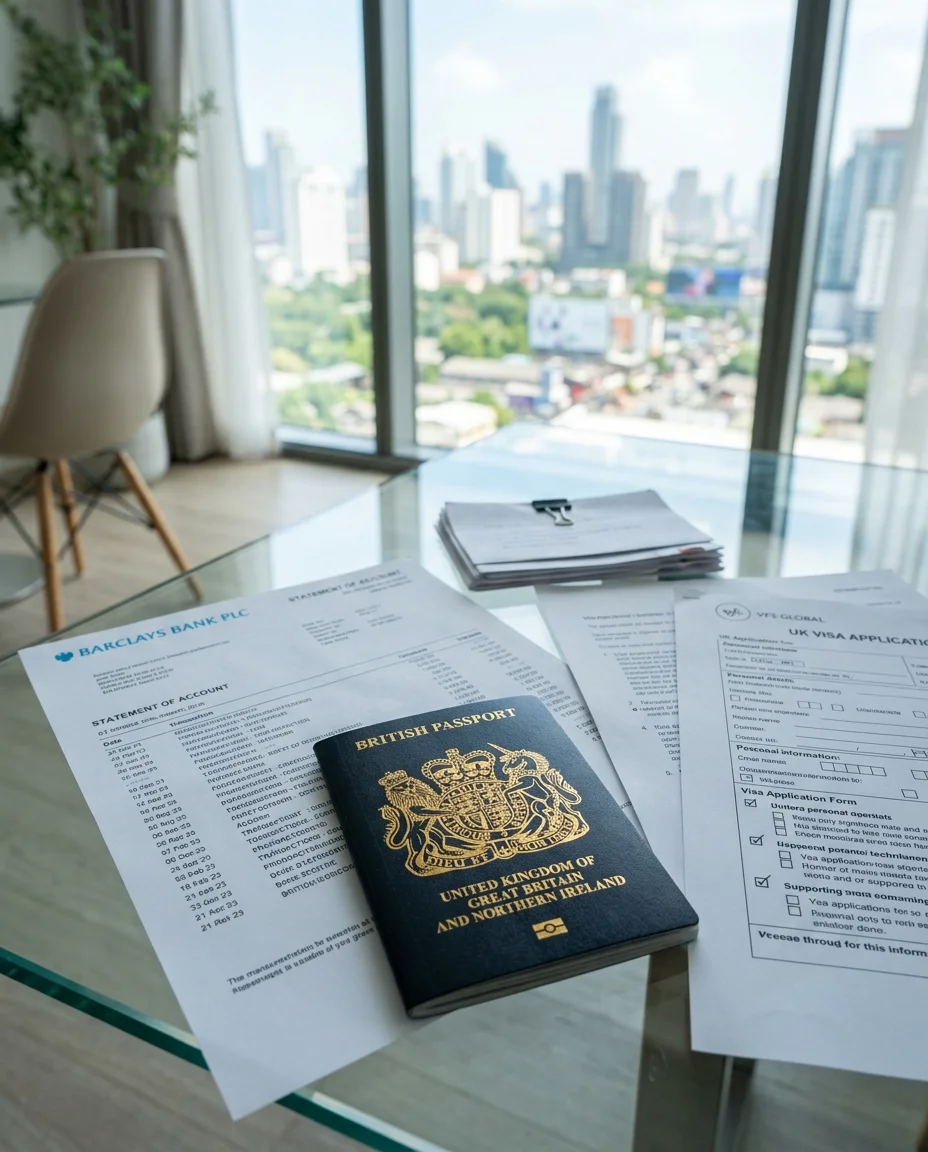
Securing a long-term Thai visa requires demonstrating either a minimum monthly income of 65,000 THB (£1,400) or holding 800,000 THB (£17,300) in a Thai bank account, depending on your route. A complete relocation from the UK, including visa approval, securing a lease, and shipping belongings, typically takes between four and six months of active planning.
This guide outlines the exact timeline, upfront costs, and legal steps required to move from the UK to Thailand. It breaks down visa selection, housing deposits, healthcare requirements, and banking setup to help you structure your relocation plan. This page is for British nationals committing to a permanent or long-term move, rather than digital nomads planning a short stint. It will give you the foundational knowledge to begin executing your transition immediately.

Securing Your Legal Right to Stay
Choosing the correct visa is the single most important decision that dictates your timeline, tax status, and required capital. UK nationals cannot simply arrive on a 60-day exemption and convert this easily into a long-term residency permit. You must apply for the appropriate Non-Immigrant Visa through the Thai E-Visa system before leaving the UK. Retirees over 50 generally apply for the Non-Immigrant O-A visa. This route demands proof of 800,000 THB (£17,300) in a Thai bank account or a monthly pension of 65,000 THB (£1,400). Working professionals require a Non-Immigrant B visa. This is sponsored by a Thai employer who must also process your Work Permit. If you are a high-earner or wealthy pensioner, the Long-Term Resident (LTR) visa offers a 10-year stay. However, it requires showing an annual income of at least $80,000 USD (£63,000) alongside significant investments. Processing times at the Royal Thai Embassy in London currently take four to six weeks, assuming your financial documentation is flawless. Once approved, you have a specific window to enter the country and activate your stay. Decide on your legal route first, as every other step relies on your visa status.
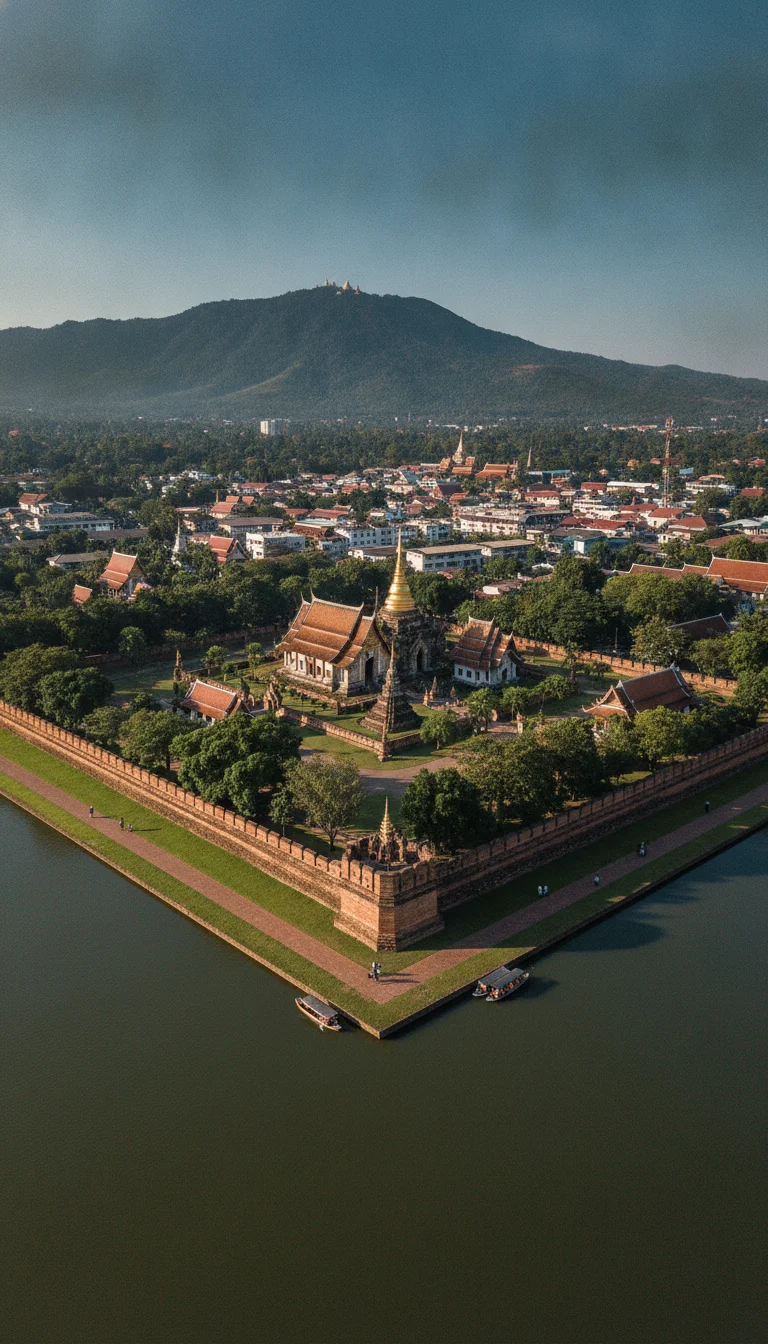
Discover the best places to retire in Thailand as a UK national. Compare living costs, healthcare, and lifestyle in Chiang Mai, Hua Hin, Phuket, and more.
| Visa Route | Primary Requirement | Duration | Notes |
|---|---|---|---|
| Non-Immigrant O-A | 800k THB (£17,300) or 65k THB (£1,400)/mo | 1 Year (Renewable) | Requires mandatory Thai health insurance. |
| Non-Immigrant B | Employment offer from Thai company | 1 Year (Renewable) | Must be tied to an active Work Permit. |
| Long-Term Resident (LTR) | $80k USD (£63,000) annual income or investment | 10 Years | Offers tax benefits and fast-track airport lanes. |
| Destination Thailand (DTV) | 500k THB (£10,800) in savings | 5 Years (180 days/entry) | Designed for remote workers with foreign income. |
Setting Up Banking and Transferring Capital
Sponsored
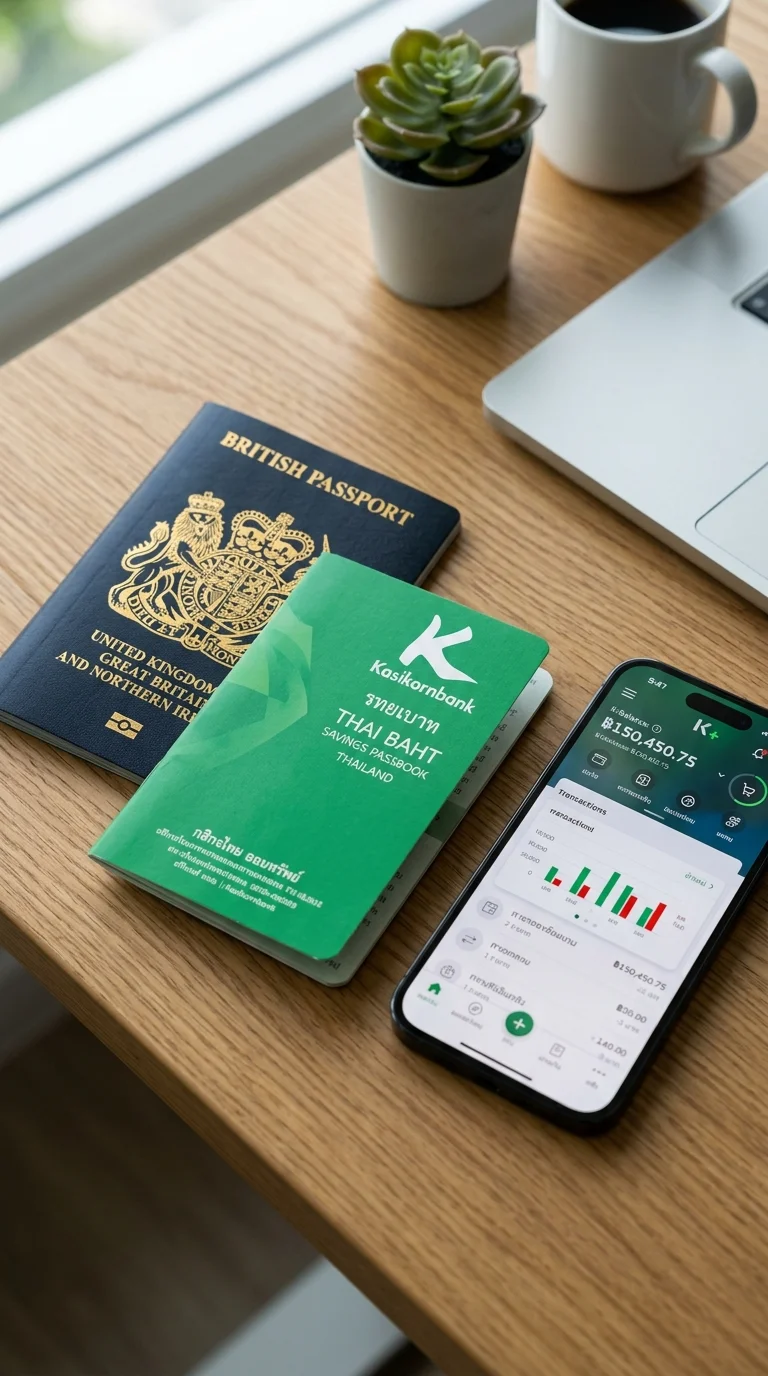
Establishing a local financial footprint is critical for paying rent, setting up utilities, and meeting ongoing visa renewal requirements. UK nationals cannot open a standard Thai bank account from abroad. You cannot open one while on a tourist stamp either. You must present a valid Non-Immigrant visa, your passport, and often a residency certificate from Immigration or the British Embassy to open an account with major institutions like Kasikornbank, Bangkok Bank, or SCB. Initial deposits are low, typically around 500 THB (£11). However, you will immediately need a reliable way to move your GBP savings into THB without losing heavily on exchange rates. High street UK banks charge prohibitive fees. They also offer poor interbank rates for international wire transfers (SWIFT). You should set up a dedicated foreign exchange service before you leave the UK to handle large transfers, such as your 800,000 THB (£17,300) retirement deposit or housing advance. Once your Thai account is active, you will receive a debit card and access to the PromptPay system. This is used for almost all daily transactions via QR code. Open your Thai bank account within your first week of arrival to avoid delays in securing a long-term lease.
| Banking Institution | Expat Accessibility | Mobile App Quality | Notes |
|---|---|---|---|
| Kasikornbank (KBank) | High | Excellent (English support) | Often requires a lease agreement to open. |
| Bangkok Bank | High | Good | Easiest for receiving international SWIFT transfers. |
| Siam Commercial Bank (SCB) | Medium | Excellent | Strict on requiring a work permit for accounts. |
| Krungsri | Medium | Good | Offers specific expat branch services in Bangkok. |
Securing Long-Term Accommodation
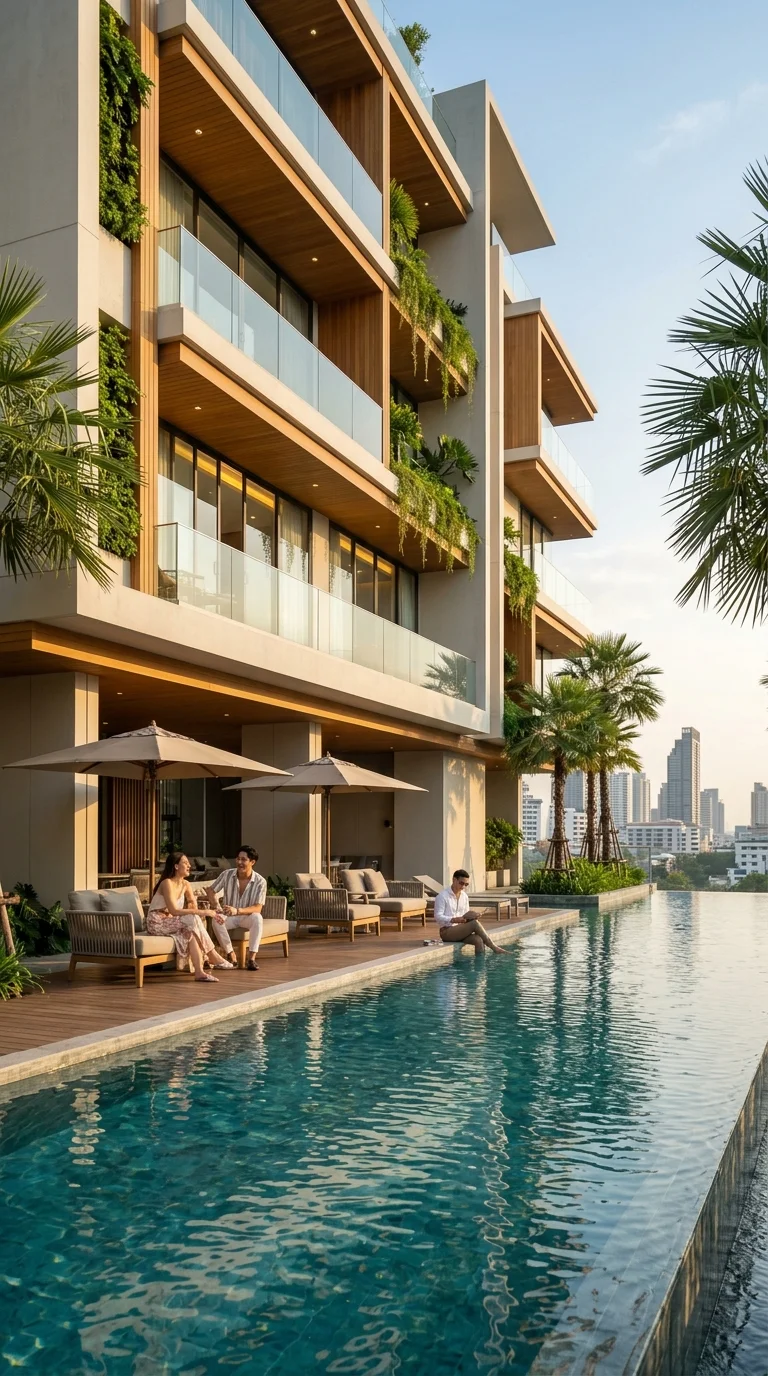
Finding a permanent home requires understanding the local rental market's specific deposit structures and lease terms. Most landlords in Thailand require a standard one-year contract. Six-month leases are occasionally negotiable at a 10% to 15% premium. You will need to pay two months' rent as a security deposit plus the first month's rent upfront in cash or via local bank transfer. For a mid-range, one-bedroom apartment in central Bangkok or popular expat areas in Chiang Mai, expect to pay between 15,000 THB and 35,000 THB (£325 to £760) per month. This means you must have up to 105,000 THB (£2,280) liquid upon arrival just to secure the keys. Do not sign a long-term lease from the UK based solely on photographs. Instead, book a serviced apartment for your first month. You should physically inspect properties, checking for water pressure, air conditioning noise, and proximity to the BTS Skytrain or MRT. Ensure the lease clearly states that the landlord will register your address (the TM30 form) with Thai Immigration. This is a legal requirement for your stay. View properties in person and have your deposit funds ready in your Thai bank account before making an offer.
| Housing Type | Average Monthly Rent (THB) | Pros | Cons |
|---|---|---|---|
| City Apartment | 15,000 - 40,000 THB | Pool, gym, high security, near transit | Smaller floor plans, strict building rules. |
| Serviced Apartment | 25,000 - 60,000 THB | Bills included, flexible terms, cleaning | More expensive long-term, fewer personal touches. |
| Moo Baan (Gated House) | 30,000 - 80,000+ THB | Large space, parking, family-friendly | Requires a car, located far from city centres. |
| Traditional Townhouse | 10,000 - 25,000 THB | Cheap, integrates into local community | No shared facilities, complex maintenance. |
Healthcare and Medical Insurance Requirements
Securing comprehensive health insurance is a mandatory condition for several visa categories and an absolute necessity for all expats. Thailand does not have a reciprocal healthcare agreement with the UK. Your NHS entitlement ceases once you become a non-resident. While government hospitals provide cheap care, they suffer from long wait times and language barriers. Most British expats rely on the private healthcare sector. This sector offers excellent, highly efficient facilities in major cities like Bangkok, Phuket, and Chiang Mai. A standard inpatient private health insurance policy for a healthy 50-year-old UK national typically costs between 40,000 THB and 80,000 THB (£860 to £1,730) annually. If you are applying for the Non-O-A retirement visa, Thai law mandates you hold a policy providing at least 3,000,000 THB (£65,000) in coverage. When selecting a provider, ensure the policy covers treatment at premium facilities like Bumrungrad or Bangkok Hospital. You should also check if they offer direct billing. Direct billing ensures you do not have to pay large sums out of pocket and claim later. Purchase your international health insurance policy before boarding your flight to ensure you are covered from the moment you land.
| Healthcare Option | Cost Expectation | Quality of Care | Best For |
|---|---|---|---|
| Premium Private Hospital | High | Exceptional (Western standards) | Complex surgeries, serious emergencies, specialists. |
| Mid-Tier Private Hospital | Medium | Very Good | Routine check-ups, minor injuries, general illness. |
| Government Hospital | Low | Good (but long waits) | Budget-conscious expats with Thai language skills. |
| Local Clinic | Very Low | Basic | Prescriptions, minor ailments, medical certificates. |
Final Setup and British Embassy Registration
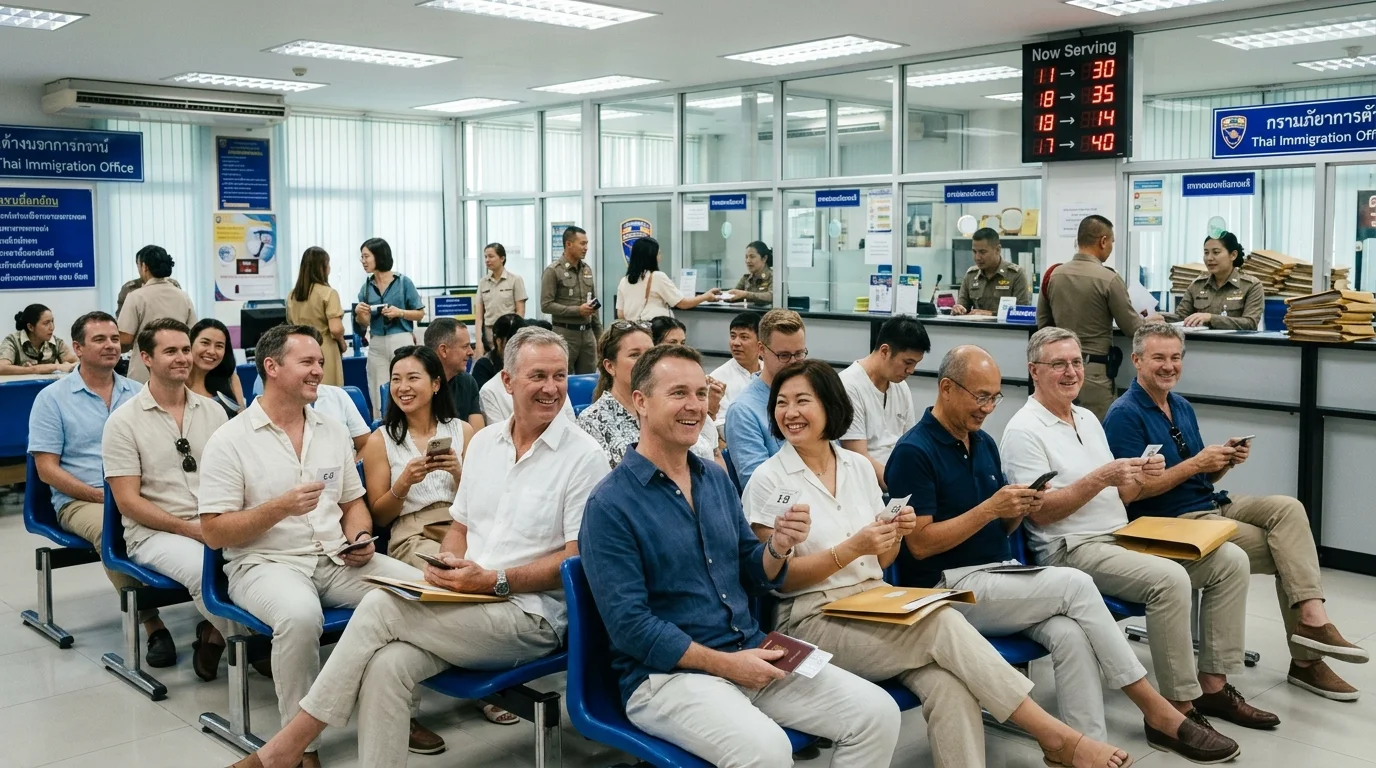
Completing your administrative setup involves navigating local utilities, mobile networks, and registering your presence with the British Embassy. Setting up a mobile phone is immediate. You can buy a tourist SIM at Suvarnabhumi Airport and later convert it to a post-paid monthly contract for about 600 THB (£13) once you have your work permit or long-term visa. Utilities like electricity are usually billed directly by the Metropolitan Electricity Authority (MEA) or Provincial Electricity Authority (PEA) at government rates. These run between 1,500 THB and 4,000 THB (£32 to £86) per month depending heavily on air conditioning usage. Avoid buildings that add a surcharge to the government electricity rate. While the British Embassy in Bangkok no longer requires mandatory registration, you should sign up for foreign travel advice email alerts. Keep your passport details updated online. You will also need to engage with your local Thai Immigration office to complete your 90-day reporting. This is a process where you confirm your current residential address every three months. Keep a dedicated folder of your passport copies, visa stamps, and lease agreement, as you will need them constantly during your first month.
| Setup Item | Provider / Authority | Monthly Cost (THB) | Required Documents |
|---|---|---|---|
| Mobile Phone Contract | AIS, TrueMove, DTAC | 500 - 1,000 THB | Passport, Work Permit or Long-Term Visa. |
| Home Internet | 3BB, AIS Fibre, True | 600 - 1,200 THB | Passport, Lease Agreement. |
| Electricity | MEA (Bangkok) / PEA (Regional) | 1,500 - 4,000 THB | Set up by landlord; pay via banking app. |
| 90-Day Reporting | Thai Immigration | Free | Passport, TM30 Receipt, TM47 Form. |
Costs and Budgeting
Budgeting for a life in Thailand requires looking beyond the cheap street food and calculating the true cost of an expat lifestyle. While the cost of living is significantly lower than in the UK, imported goods, western-style accommodation, and private healthcare quickly elevate your monthly expenditure. A single British expat living comfortably in a central Bangkok apartment should budget approximately 75,000 THB (£1,630) per month. This covers a modern one-bedroom apartment, comprehensive health insurance, weekly supermarket shops, regular dining out, and BTS transport. If you choose to live in Chiang Mai or Isaan, this baseline drops closer to 45,000 THB (£970). You must also factor in annual expenses like visa renewals. These cost 1,900 THB (£41) per extension. You also need to maintain the capital required for emergency flights back to the UK. Keep a buffer of at least three months' living expenses in a highly accessible account to manage unexpected currency fluctuations.
| Item | Monthly Cost (THB) | Monthly Cost (GBP approx) | Notes |
|---|---|---|---|
| 1-Bed Apartment Rent (Bangkok) | 20,000 THB | £435 | Excludes utilities; based on central locations. |
| Utilities (Water, Electric, WiFi) | 3,500 THB | £76 | Heavily dependent on air conditioning use. |
| Groceries (Mix of Local/Import) | 12,000 THB | £260 | Buying UK brands increases this significantly. |
| Dining Out & Entertainment | 15,000 THB | £325 | Based on a mix of local food and western restaurants. |
| Health Insurance | 5,000 THB | £110 | Averaged monthly cost for a standard inpatient plan. |
| Local Transport (BTS/Grab) | 4,000 THB | £86 | Does not include car finance or heavy taxi usage. |
| Total Estimated Baseline | 59,500 THB | £1,292 | Minimum recommended budget for a comfortable life. |
Common Mistakes When Relocating

Arriving on a tourist stamp expecting to convert it into a retirement visa locally. This forces you to use expensive agents to bypass strict banking timelines. Apply for your Non-Immigrant visa from the UK before departure.
Signing a twelve-month lease without inspecting the immediate area. You risk being trapped next to an unannounced construction site or loud venue. Book a short-term rental initially and walk the neighbourhood before signing.
Failing to confirm the landlord will file the TM30 address registration. Without this, you cannot open a bank account or extend your visa. Demand your contract mandates the landlord completes this within 24 hours of arrival.
Relying on a UK debit card for cash withdrawals. You will lose money to poor exchange rates and the 220 THB (£4.70) ATM fee. Open a Thai bank account quickly and transfer funds in bulk.
Essential Tips for Your Move
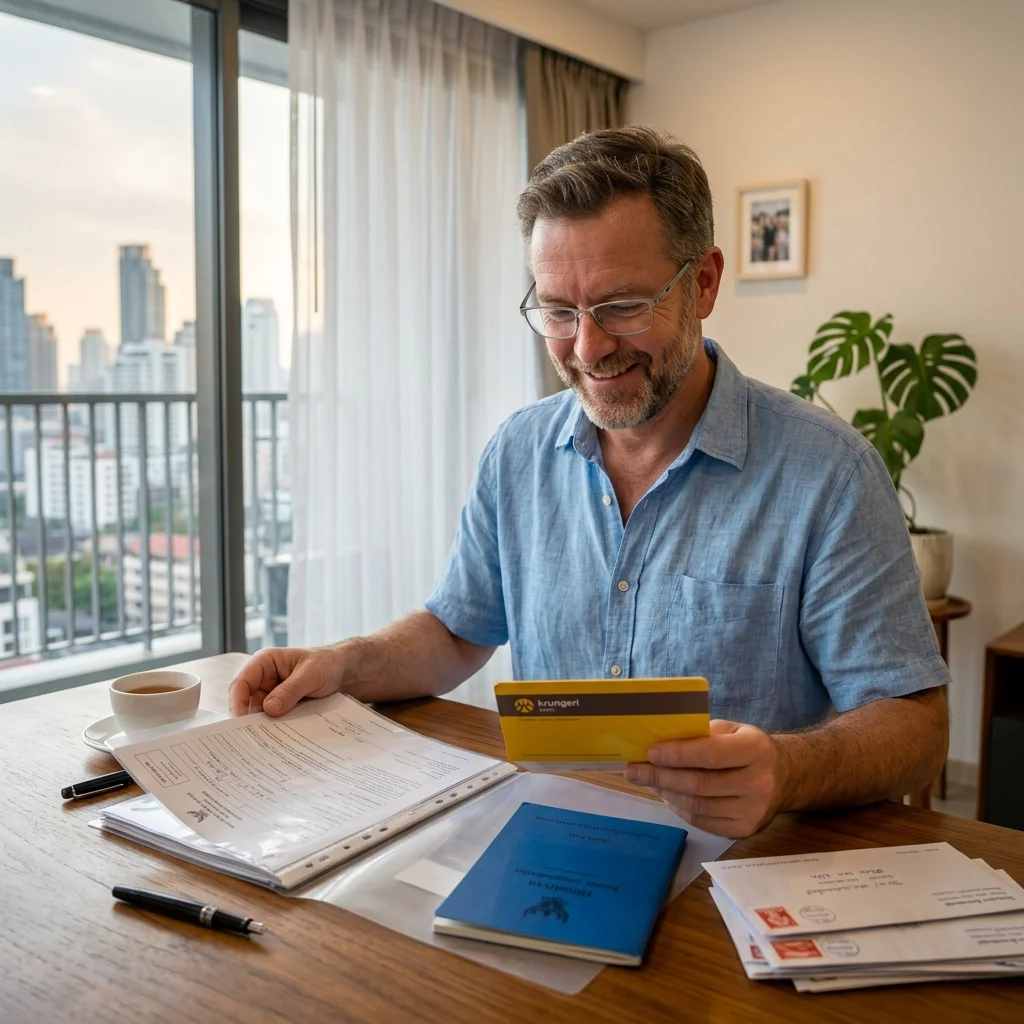
Legalise your UK documents before flying to Bangkok. The Thai government requires birth and marriage certificates to be stamped by the Foreign, Commonwealth & Development Office (FCDO) to be valid for dependent visa applications.
Bring an unlocked dual-SIM smartphone from the UK. This allows you to keep your British number active for banking OTPs while using a cheap Thai SIM for local 5G data.
Stock up on your specific UK prescription medications. While Thai pharmacies are excellent, certain specific brands or compounds common in the NHS are unavailable or heavily restricted locally.
Join local LINE application groups immediately upon arrival. LINE is the dominant communication app in Thailand, used for everything from contacting your landlord to ordering drinking water deliveries.
Prepare a pristine portfolio of passport photos in various sizes. Thai bureaucracy still relies heavily on physical paperwork, and you will need dozens of photos for immigration, banking, and hospital registrations.
Download the Grab and Bolt applications before you land. These ride-hailing services ensure you pay fixed, fair prices for transport from Suvarnabhumi Airport rather than negotiating with traditional taxis.
Keep a reserve of crisp, unblemished Bank of England notes. Thai currency exchanges often reject GBP notes with minor tears or pen marks, leaving you unable to convert emergency cash.
Relocation Quick Reference
| Item | Detail | Notes |
|---|---|---|
| Primary Visa Routes | Non-B (Work), Non-O-A (Retirement), LTR (Wealth) | Apply via E-Visa portal in the UK before flying. |
| Financial Requirement | 800k THB (£17,300) deposit or 65k THB (£1,400) monthly | Specific to the standard retirement route. |
| Average Monthly Cost | 75,000 THB (£1,630) in Bangkok | Drops to 45,000 THB (£970) in regional cities. |
| Standard Lease Term | 12 months | Requires two months' deposit plus first month upfront. |
| Healthcare | Mandatory private insurance | Expected cost 40k-80k THB (£860-£1,730) annually. |
| Best Expat Areas | Sukhumvit (BKK), Nimman (Chiang Mai), Rawai (Phuket) | Depends entirely on lifestyle and work location. |
| Language Barrier | High outside major commercial hubs | Learning basic Thai numbers and polite phrases is vital. |