Bangkok to Chiang Mai Train
The Special Express No. 9 sleeper train covers the 430-mile route from Bangkok to Chiang Mai using state-of-the-art Chinese-built CNR carriages equipped with individual touchscreens and USB ports. At just over 1,000 THB (£22) for a bed, it remains one of Southeast Asia's most cost-effective and culturally immersive overland routes.
Operated by the State Railway of Thailand (SRT), this overnight rail link connects the capital to the northern mountains. It serves as both a practical transit option and a rite of passage for travellers heading north. The route caters to a broad spectrum of passengers, from backpackers seeking budget second-class berths to older couples securing private first-class cabins. While flying takes just over an hour, the 12 to 13-hour train journey saves a night of hotel accommodation and delivers a far more grounded perspective of the Thai landscape.

The Departure Stations
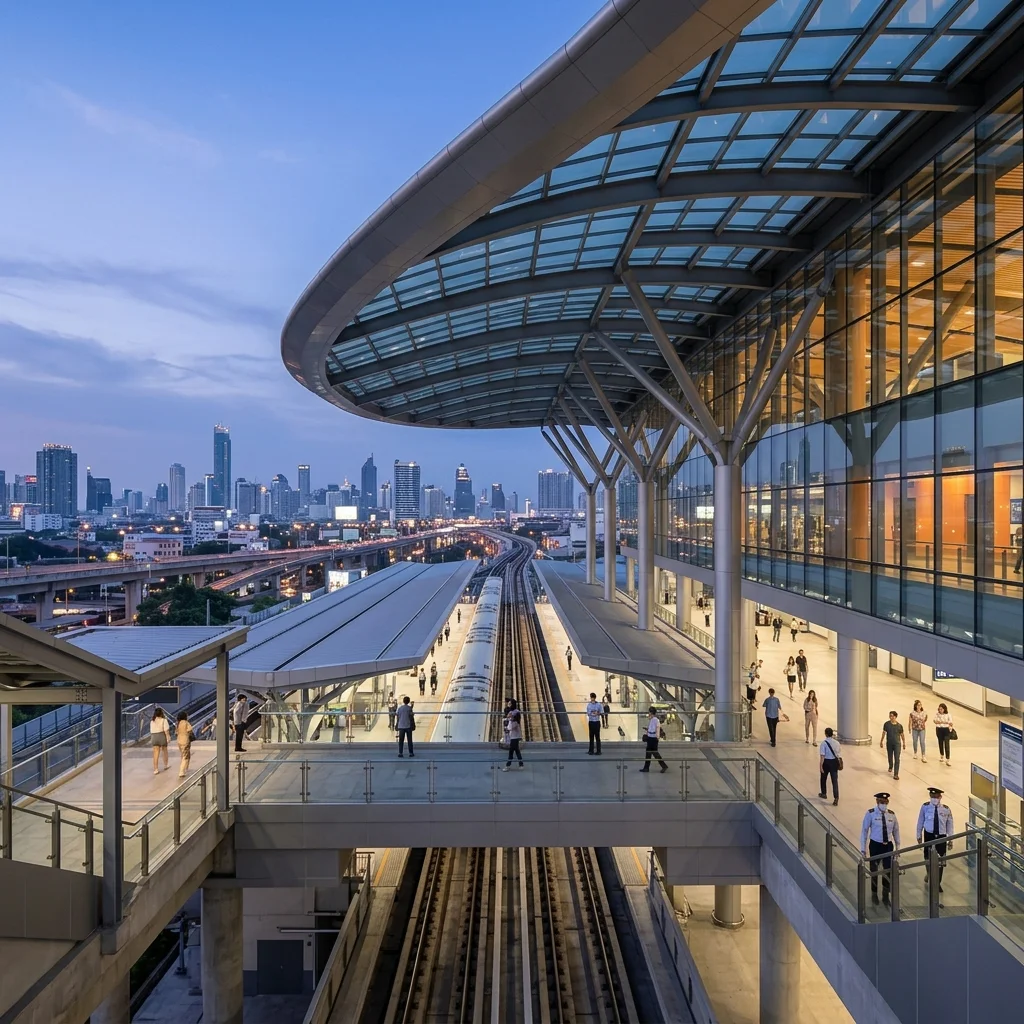
The start of your journey depends heavily on which train number you book. Most long-distance sleeper services, including the popular Special Express No. 9 and No. 13, now depart from Krung Thep Aphiwat Central Terminal, a cavernous, air-conditioned transit hub in northern Bangkok that recently replaced the older Hua Lamphong station. This modern facility operates much like an airport, with designated waiting zones, digital departure boards, and automated ticket gates that open exactly 20 minutes before boarding. A handful of slower, older trains still originate from the classic, dome-roofed Hua Lamphong station in the city centre. Navigating Krung Thep Aphiwat is straightforward for English speakers, though the sheer scale of the building requires a brisk ten-minute walk from the MRT Blue Line entrance to the long-distance platforms. Food courts and convenience stores are located on the ground floor, allowing you to stock up on supplies before heading to the departure gates. Ensure you check your ticket carefully to confirm your exact departure point, as turning up at the wrong station will result in a missed departure.
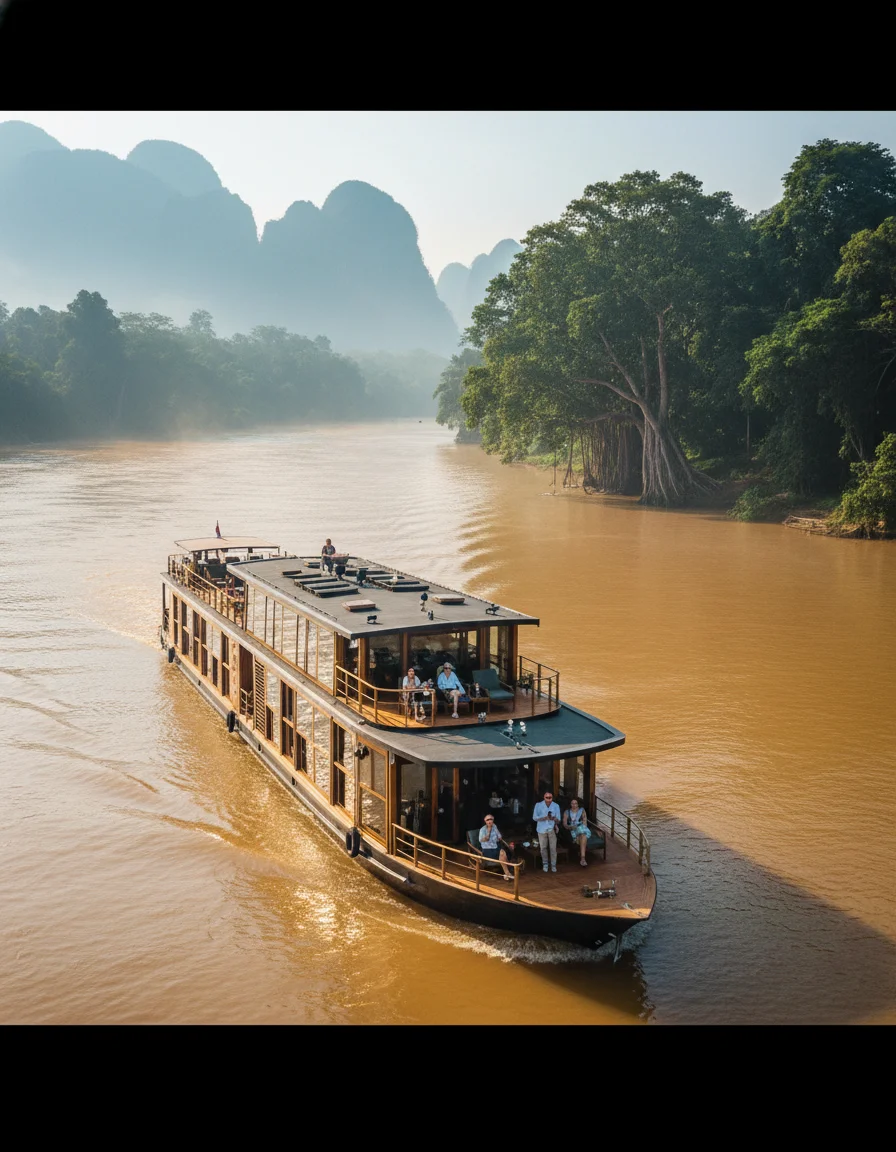
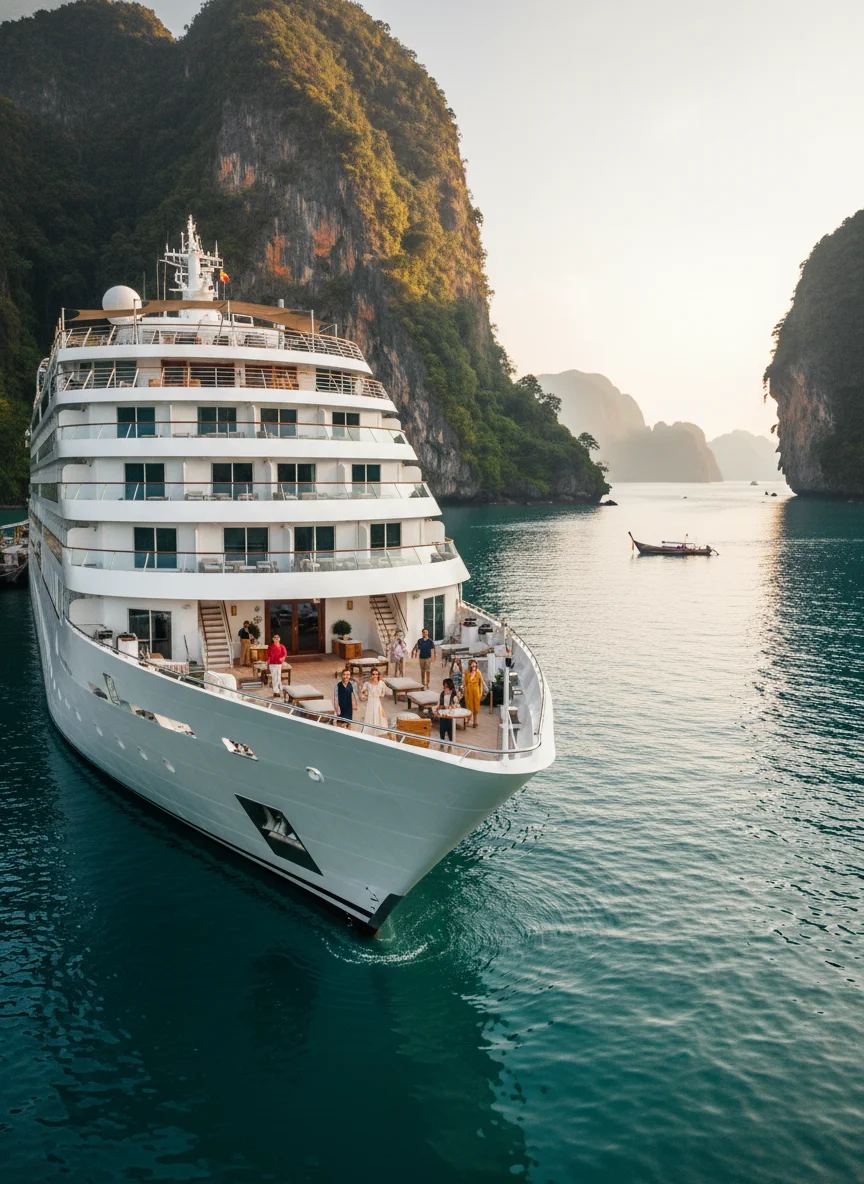
Plan your premium Mekong River cruise from Thailand to Vietnam. Compare ships, routes, costs, and water levels for a highly structured Southeast Asian voyage.
Train Classes and Carriages
Sponsored
Choosing the right carriage class determines the comfort and privacy of your overnight transit. First-class sleeper cars, available only on specific Special Express trains like No. 9, offer private lockable cabins for two people, complete with a washbasin, air-conditioning, and fresh linen. Second-class sleepers are the most popular choice across the network, featuring an open-plan carriage where facing daytime seats convert into upper and lower bunks. The lower bunk is noticeably wider, features a window, and suffers less from the harsh air-conditioning, making it the superior option for a comfortable night. Both sleeper classes provide privacy curtains, individual reading lights, and clean bedding prepared by the train attendant shortly after departure. Second-class seated carriages are also available, though spending 13 hours upright is generally not recommended unless you are on a severely restricted budget. Always opt for air-conditioned second class over the older fan-cooled carriages unless you specifically want open windows for photography, as the fan carriages become incredibly dusty during the journey. Book a lower bunk in an air-conditioned second-class carriage for the best balance of comfort and value.
| Class Category | Configuration | Best For | Notes |
|---|---|---|---|
| First Class Sleeper | Private 2-berth cabin | Couples and security-conscious | Sells out up to 90 days in advance |
| Second Class Sleeper (AC) | Open carriage, upper/lower bunks | Solo travellers and backpackers | Lower bunks cost slightly more |
| Second Class Sleeper (Fan) | Open carriage, upper/lower bunks | Budget travellers | Windows open, gets dusty |
| Second Class Seated | Reclining seats | Extreme budget travel | No flat bed provided |
The Journey Experience
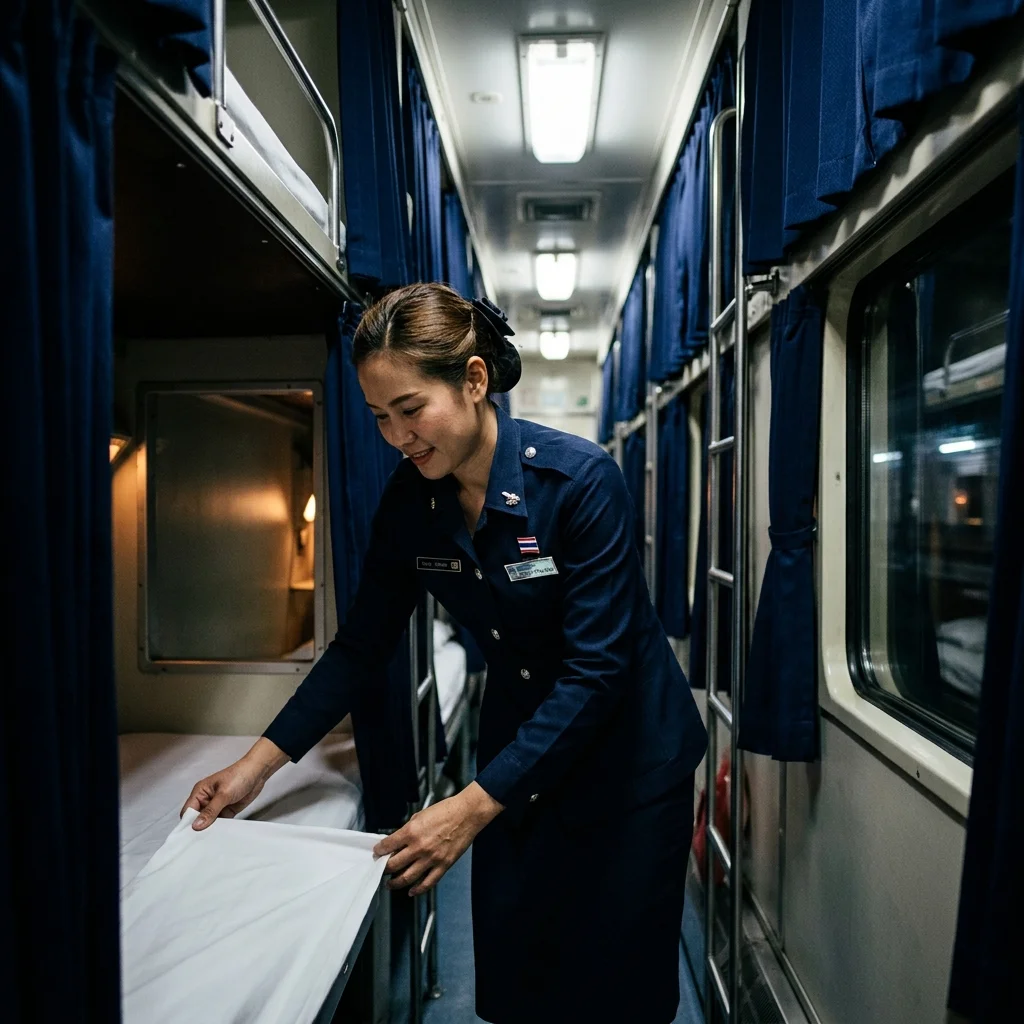
The 12 to 13-hour transit shifts distinctly from a lively evening atmosphere to a quiet, rhythmic sleep experience. Trains typically depart Bangkok between 18:00 and 20:00, rolling through the outer suburbs as the sun sets over the urban sprawl. Around 20:00, attendants move swiftly down the aisles, expertly converting daytime seats into flat beds with fresh sheets, blankets, and pillows. The carriages remain brightly lit throughout the night for security reasons, though the heavy privacy curtains block most of the glare. The rhythmic clatter of the tracks and the gentle swaying of the carriage induce sleep for many, though light sleepers might struggle with the frequent stops at provincial stations like Nakhon Sawan and Phitsanulok in the early hours. The real reward comes at sunrise, usually around 06:00, when the train begins its ascent into the northern highlands. The final three hours wind through dense teak forests, deep valleys, and the mountains of Doi Khun Tan National Park, offering views that you entirely miss when flying. Bring an eye mask to ensure a full night of sleep beneath the harsh cabin lights.
Dining and Food Options
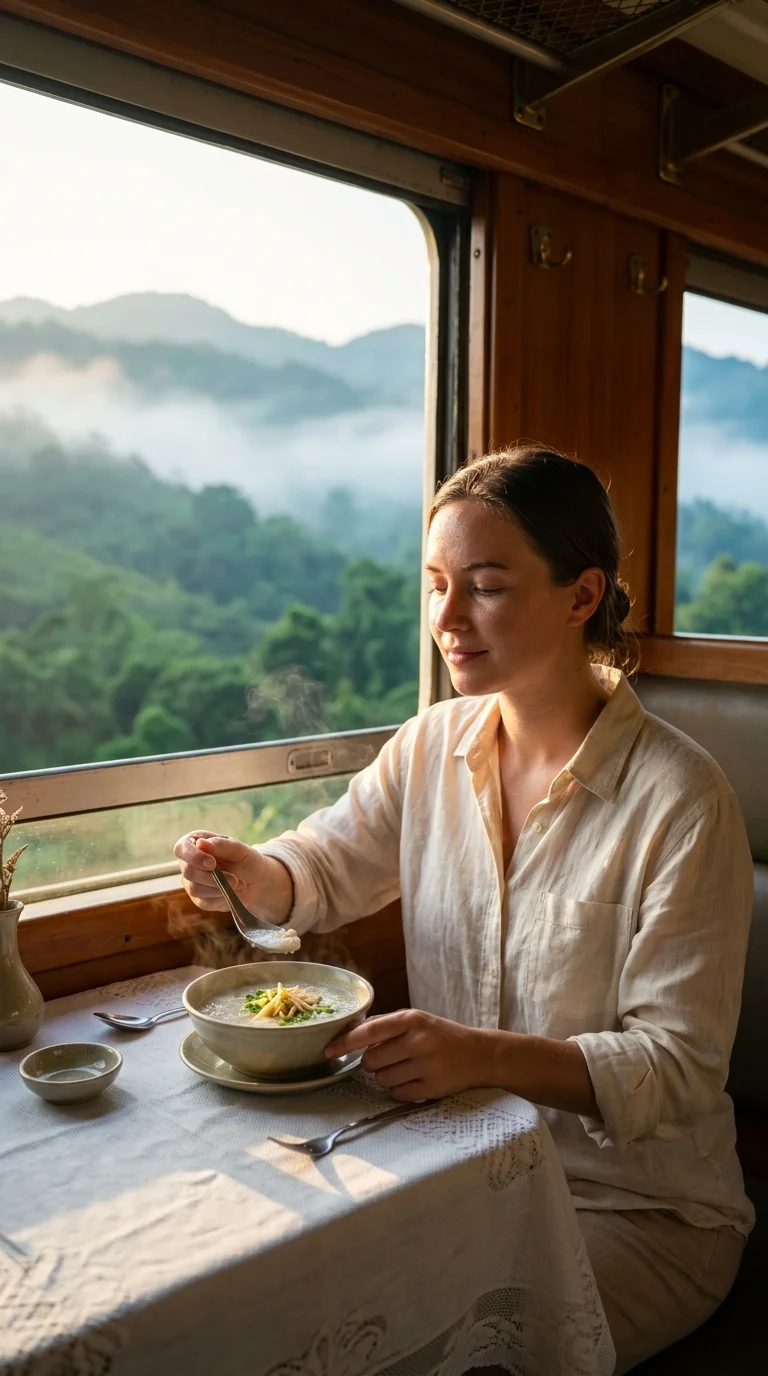
Food availability varies significantly depending on the age and type of train you board. The newer CNR trains, such as the No. 9, feature a dedicated dining car serving microwave-heated meals, snacks, and non-alcoholic drinks in a brightly lit, cafeteria-style setting. Older trains, such as the No. 13, often have more traditional restaurant cars where cooks prepare hot dishes like basil pork and fried rice to order, though these older carriages are slowly being phased out by the SRT. Alcohol is strictly prohibited on all State Railway of Thailand services, and railway police occasionally walk the aisles to enforce this rule. At major stops during the evening and early morning, local vendors briefly board the train to sell grilled meats, sticky rice, and fresh fruit directly to passengers in their seats. Bring your own snacks and plenty of bottled water to ensure you have exactly what you want during the long night, as the dining car can close early or run out of popular items.
Arriving in Chiang Mai
The journey concludes at Chiang Mai Railway Station, a relatively small and easily navigable terminus located about two miles east of the old city moat. As the train pulls into the platform, usually between 07:15 and 08:45 depending on delays, passengers are greeted by the cooler northern air and a line of waiting transport providers. Red songthaews, which operate as shared pickup truck taxis, queue directly outside the main exit and offer rides into the city centre for around 50 to 80 THB (£1.10 to £1.80) per person. Grab taxis are also readily available via the smartphone app and provide a fixed-price alternative if you prefer a private ride directly to your hotel. The station itself has basic but useful facilities, including a left-luggage office, a small coffee shop, and clean restrooms where you can wash your face and brush your teeth before heading into the city. Ignore the touts approaching you on the platform and walk directly to the official taxi rank outside the main doors.
Location and Getting There
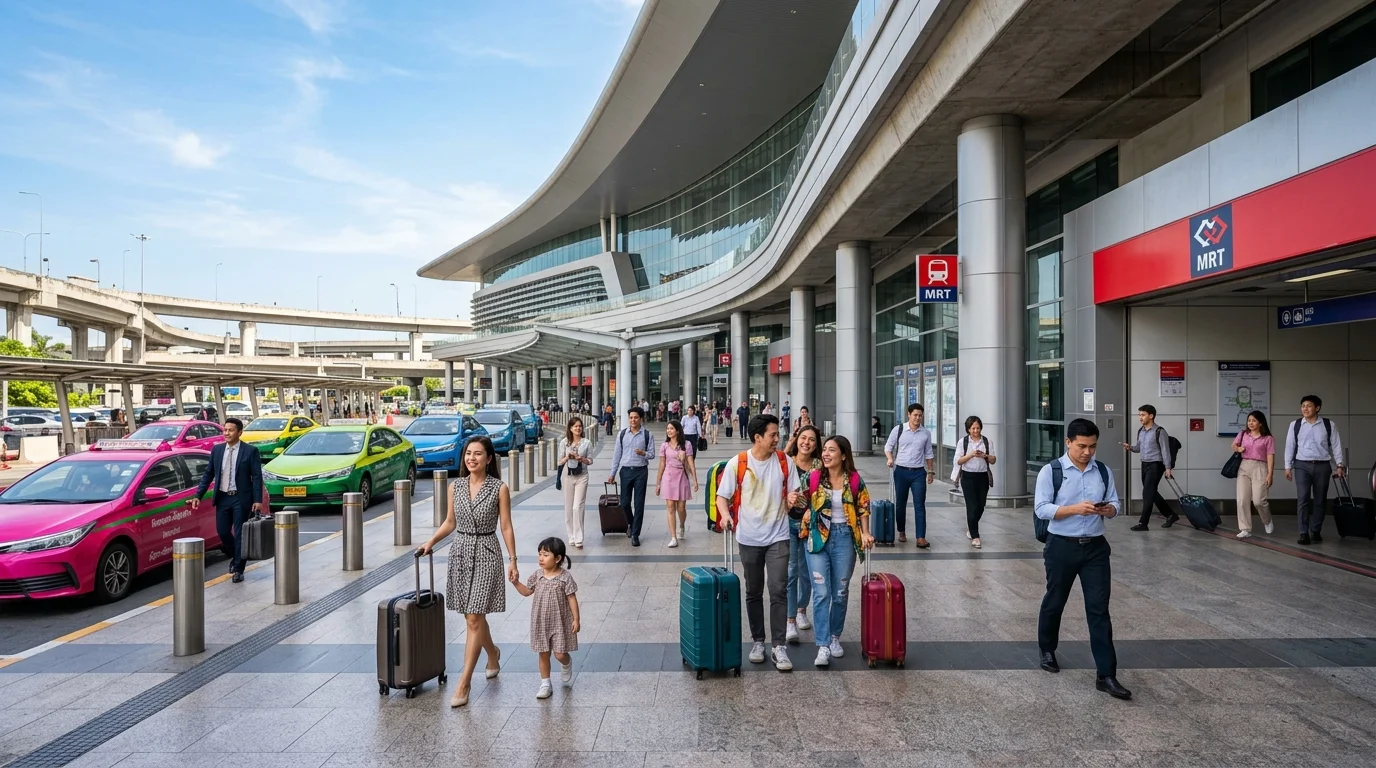
For the vast majority of departures, your journey begins at Krung Thep Aphiwat Central Terminal in the Chatuchak district of northern Bangkok. This colossal station is approximately 10 miles north of the central Sukhumvit and Silom tourist areas. The most efficient way for a UK visitor to reach the terminal is via the MRT Blue Line, alighting directly at Bang Sue station. This underground stop connects to the main terminal via an air-conditioned walkway, ensuring you avoid the heat and traffic entirely. This subway journey takes about 30 to 40 minutes from central Bangkok and costs roughly 42 THB (£0.95). Alternatively, a metered taxi from Sukhumvit takes 45 to 60 minutes depending on notorious Bangkok traffic, costing around 200 to 300 THB (£4.50 to £6.70) plus expressway toll fees. If your specific train departs from the older Hua Lamphong station, it is also served by its own dedicated MRT Blue Line stop right in the city centre, making access equally straightforward.
Costs and Booking
Securing a ticket requires advance planning, as sleeper berths frequently sell out weeks ahead of departure. Tickets go on sale up to 90 days in advance on the official State Railway of Thailand (SRT) D-Ticket website. While this official portal is the cheapest option, the interface can be temperamental and frequently rejects foreign credit cards. Many UK travellers prefer using reliable third-party agents like 12Go Asia, which charge a modest handling fee but offer a much smoother booking process, English-language support, and guaranteed ticket issuance. Expect to pay around 1,000 to 1,200 THB (£22 to £27) for a second-class air-conditioned sleeper. Lower bunks command a slight premium over upper bunks due to the window view and extra width. First-class private cabins cost approximately 1,700 to 2,000 THB (£38 to £45) per person. Prices remain relatively static year-round, though availability plummets during the high season from November to February and around the Thai New Year (Songkran) in April. Always book electronic tickets that you can display on your phone to avoid the hassle of printing.
| Ticket Type | Cost (THB per journey) | Cost (GBP approx) | Notes |
|---|---|---|---|
| First Class Sleeper (Upper/Lower) | 1,700 - 2,000 THB | £38 - £45 | Private cabin for two |
| Second Class Sleeper AC (Lower) | 1,100 - 1,200 THB | £25 - £27 | Wider bed, window view |
| Second Class Sleeper AC (Upper) | 1,000 - 1,100 THB | £22 - £25 | Narrower bed, no window |
| Second Class Seated (Fan) | 500 - 600 THB | £11 - £13 | Reclining seat only |
Who It Suits Best
This transit option is ideal for slow-travel enthusiasts, budget-conscious backpackers, and families who view the journey as part of their holiday. The second-class sleepers offer a highly social yet safe environment for solo travellers. It is not suitable for travellers on a strict, time-limited itinerary who would be better served by a 75-minute domestic flight. Those who require complete silence and absolute darkness to sleep may also struggle, as the carriages remain lit and the tracks generate constant noise throughout the night.
What to Know Before You Book
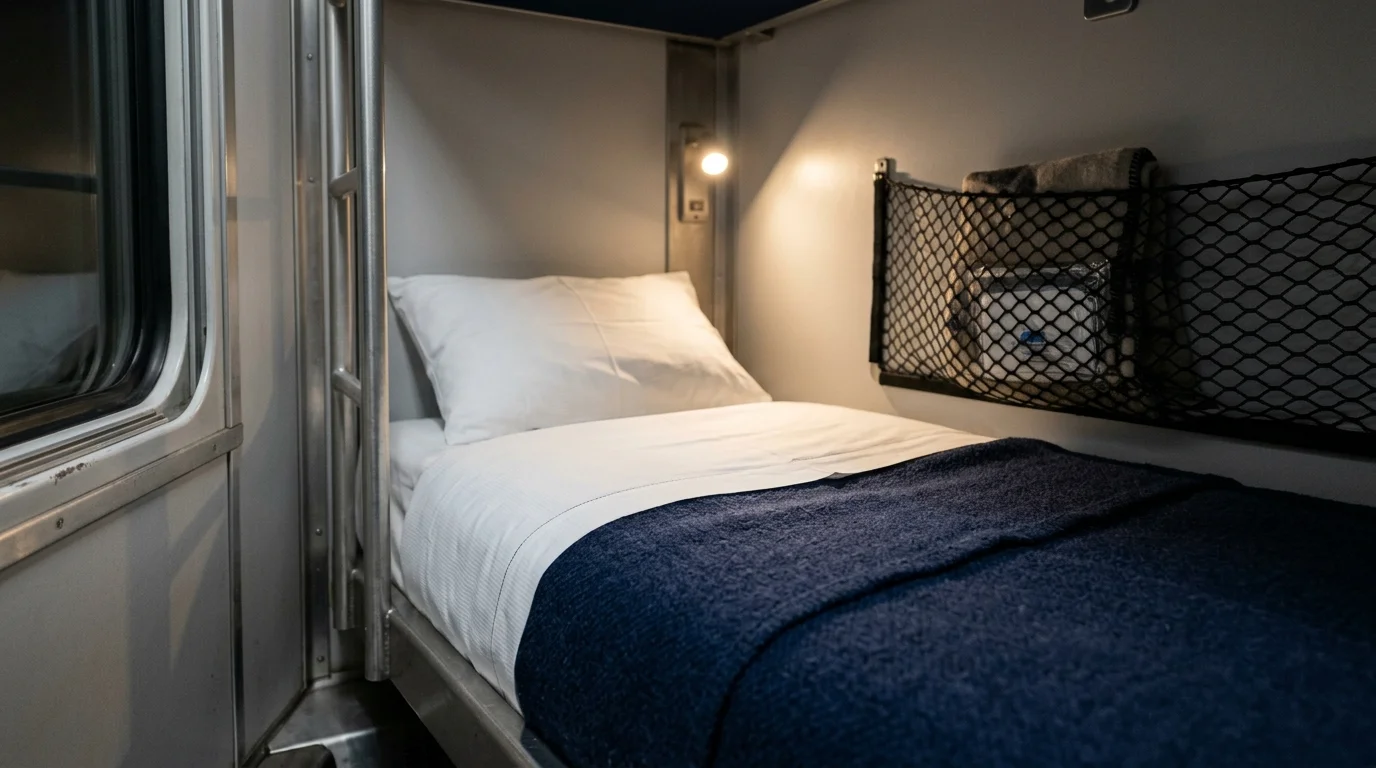
The air-conditioning in all sleeper carriages is notoriously powerful and cannot be individually adjusted. You must bring a warm jumper or fleece, as the provided blanket is often not enough to counter the icy vents.
Train delays are a routine part of the Thai railway experience. While departures from Bangkok are usually punctual, arrivals into Chiang Mai are frequently delayed by one to two hours due to single-track bottlenecks in the northern mountains.
Luggage space in second class is limited to racks near your bed. Large hard-shell suitcases over 25 kilograms will be difficult to store; travel backpacks or medium-sized soft bags are far more practical.
The upper bunks in second class do not have windows. If waking up to views of the northern jungle is important to you, you must specifically book a lower bunk well in advance.
Practical Tips
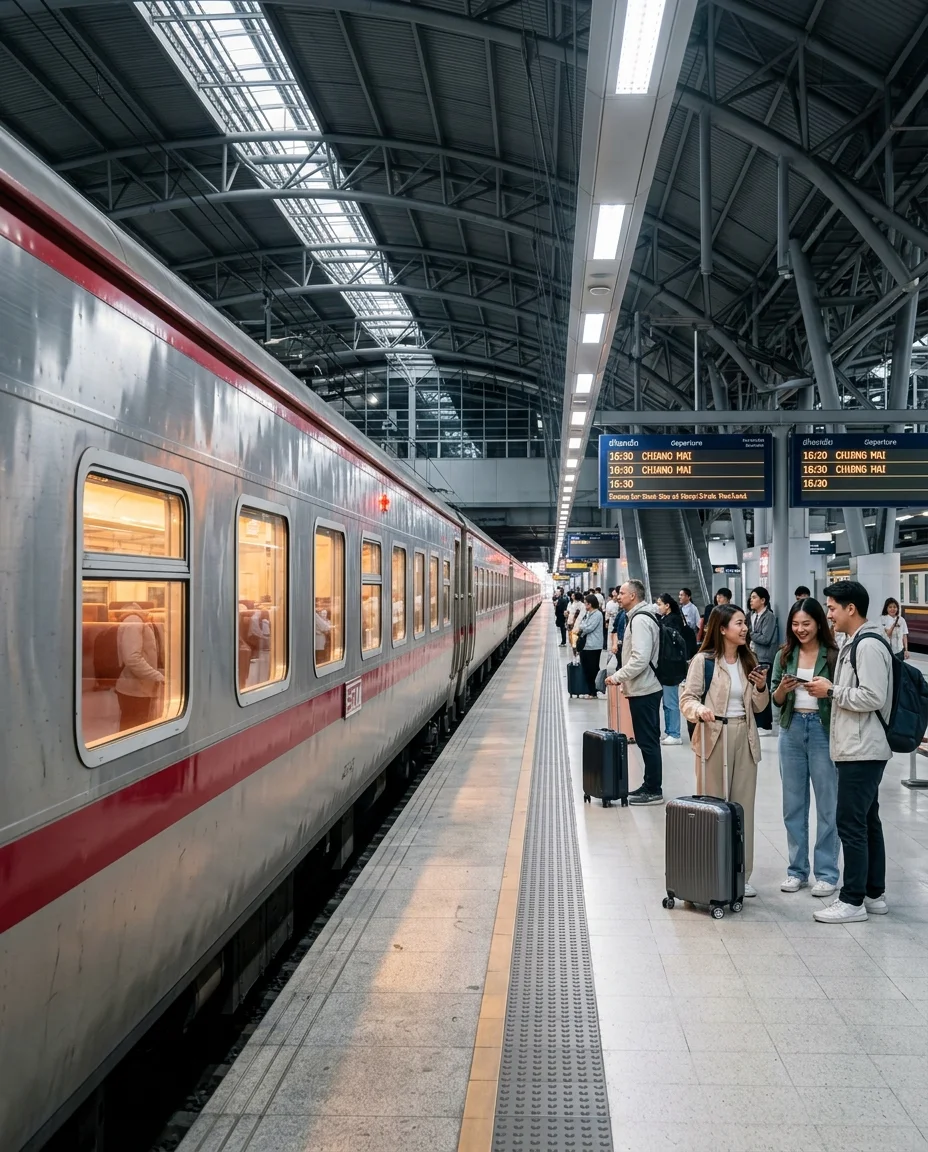
Pack a dedicated overnight bag with your toothbrush, face wash, and a change of clothes. Navigating a large suitcase in the narrow train aisles while everyone is sleeping is highly inconvenient.
Bring an eye mask and reliable earplugs or noise-cancelling headphones. The carriage lights stay on all night for security, and the metal tracks create significant noise.
Download movies, podcasts, or music to your phone before arriving at the station. While some newer trains offer Wi-Fi, the signal drops out completely as you pass through rural areas and mountain tunnels.
Buy your snacks and drinks at the convenience stores inside Krung Thep Aphiwat station before boarding. The onboard dining car options are limited and cost considerably more than standard supermarket prices.
Wear comfortable, loose-fitting clothing that you do not mind sleeping in. There are no private changing rooms in second class, so you will need to change in the small communal toilets.
Keep your valuables, passport, and wallet in a small bag that stays in your bunk while you sleep. Violent crime on the trains is exceedingly rare, but opportunistic theft can occur if expensive items are left visible.
Set an alarm for 06:00 to ensure you are awake for the final few hours of the journey. The scenery as the train climbs through the mist-covered hills towards Chiang Mai is the highlight of the trip.
Carry your own supply of toilet paper and hand sanitiser. The station and train bathrooms frequently run out of these basic supplies by the early hours of the morning.
Quick Reference Table
| Item | Detail | Notes |
|---|---|---|
| Route | Bangkok to Chiang Mai | 430 miles (690 km) |
| Operator | State Railway of Thailand (SRT) | Government-run service |
| Primary Departure Station | Krung Thep Aphiwat Central Terminal | Replaced Hua Lamphong for most express trains |
| Arrival Station | Chiang Mai Railway Station | 2 miles east of the old city |
| Journey Duration | 12 to 13 hours | Delays are common |
| Best Train Number | Special Express No. 9 | Uses newest CNR rolling stock |
| Ticket Classes | 1st Class, 2nd Class AC, 2nd Class Fan | 2nd Class AC is the standard choice |
| Advance Booking | Up to 90 days prior to departure | Highly recommended for sleepers |
| Food and Drink | Dining car and local vendors | Alcohol is strictly prohibited |
| Official Website | dticket.railway.co.th | SRT D-Ticket platform |
| Booking Platform | 12Go Asia | Easier interface for foreign cards |