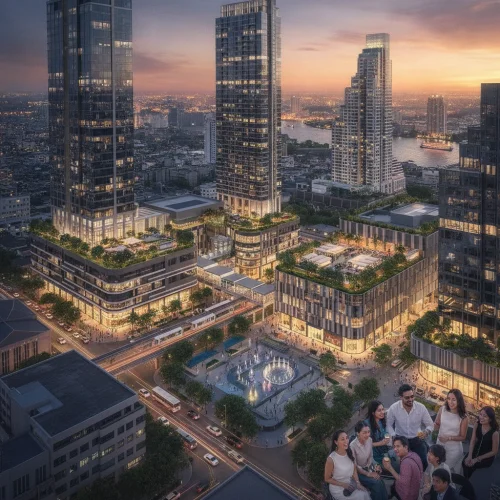
Markets in Thailand
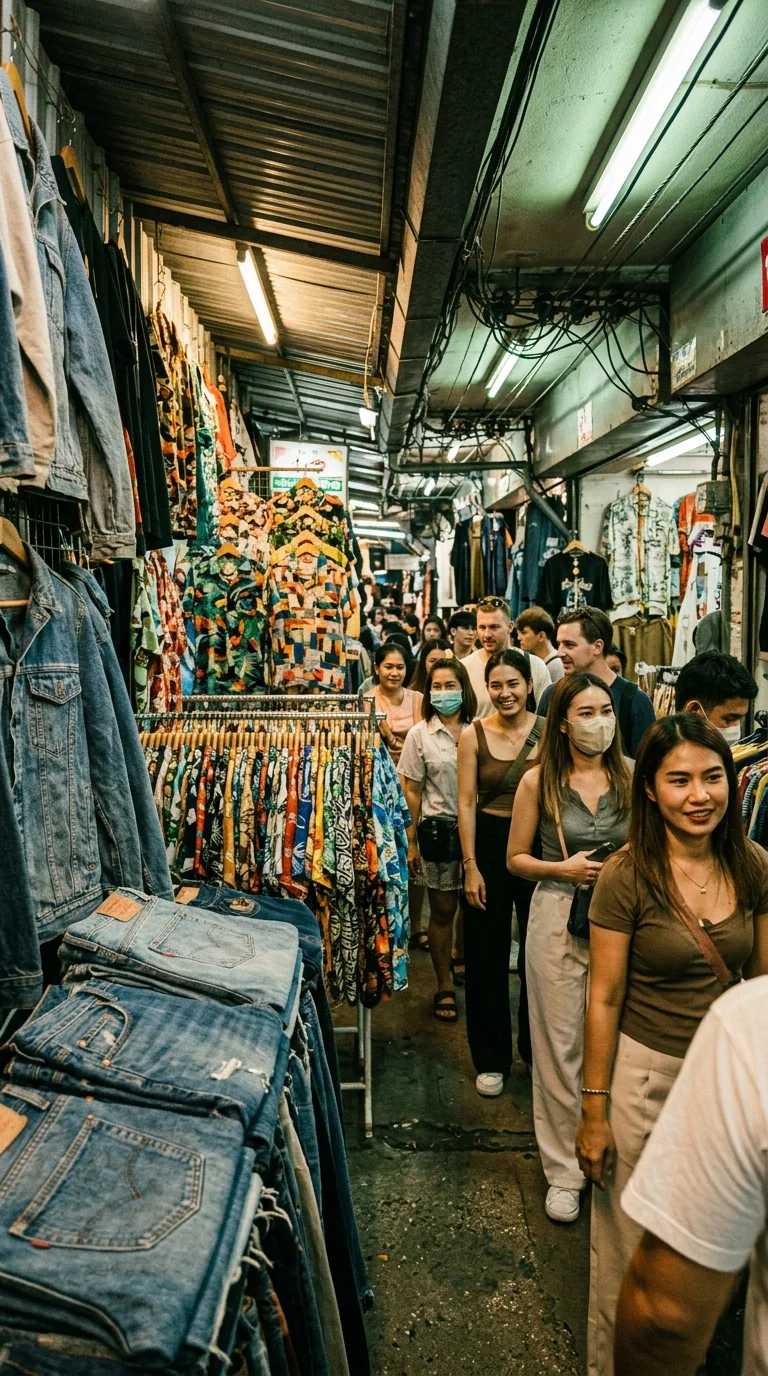
At Chatuchak Weekend Market, 15,000 individual stalls sprawl across 27 dense sections, selling everything from vintage denim to hand-carved teak under corrugated iron roofs that trap the Bangkok heat. Navigating this labyrinth requires a strategic mindset, a steady supply of iced tea, and an understanding of when to walk away from a negotiation.
This guide equips you to navigate Thailand’s vast market culture, from the sprawling weekend shopping arenas of Bangkok to the atmospheric night bazaars of Chiang Mai. You will learn how to tackle Chatuchak without burning out, distinguish between genuine local produce hubs and staged tourist performances, and master the unwritten rules of Thai bargaining. Whether you are hunting for antique textiles or simply seeking the best late-night street food, these logistics will help you plan effectively.

Conquering Chatuchak Weekend Market
Chatuchak is an endurance event that rewards early arrivals and ruthless prioritisation. Covering 35 acres, this weekend behemoth in northern Bangkok contains roughly 15,000 stalls loosely grouped into 27 sections. You will find ceramics and home decor in sections 15 to 19, vintage clothing and imported sneakers in sections 5 and 6, and wholesale plants near the MRT Kamphaeng Phet entrance. The heat builds rapidly under the corrugated tin roofs, peaking by 11:00 am. Most UK visitors try to see it all and end up exhausted within two hours. Instead, target two or three specific zones, use the central clock tower as a navigation anchor, and stop frequently for fresh coconut water or iced Thai milk tea. Prices here are generally lower than at tourist-focused night markets, but the sheer volume of identical mass-produced elephant trousers means you should inspect fabric quality carefully before buying. If you spot a specific hand-carved soap or vintage jacket you want, buy it immediately rather than planning to return later, as finding the exact same stall twice in this maze is notoriously difficult. To survive Chatuchak, arrive at 9:00 am, dress in light linen or cotton clothing, and plan your exit via the Mo Chit BTS station before the afternoon crowds become overwhelming.
Discover how to find genuine ethical elephant sanctuaries in Thailand. Learn to spot red flags, understand costs, and book a responsible, cruelty-free visit.
| Section Category | Chatuchak Zone | What to Expect |
|---|---|---|
| Vintage Clothing | Sections 5 & 6 | Second-hand band t-shirts, denim, and imported sneakers |
| Home & Decor | Sections 15 to 19 | Hand-carved teak, ceramics, and woven rattan baskets |
| Pets & Exotics | Sections 13 & 15 | Controversial animal trading zone, best avoided by sensitive visitors |
| Art & Antiques | Section 26 | Original paintings, reproduction sculptures, and local crafts |
Chiang Mai Night Bazaars and Walking Streets
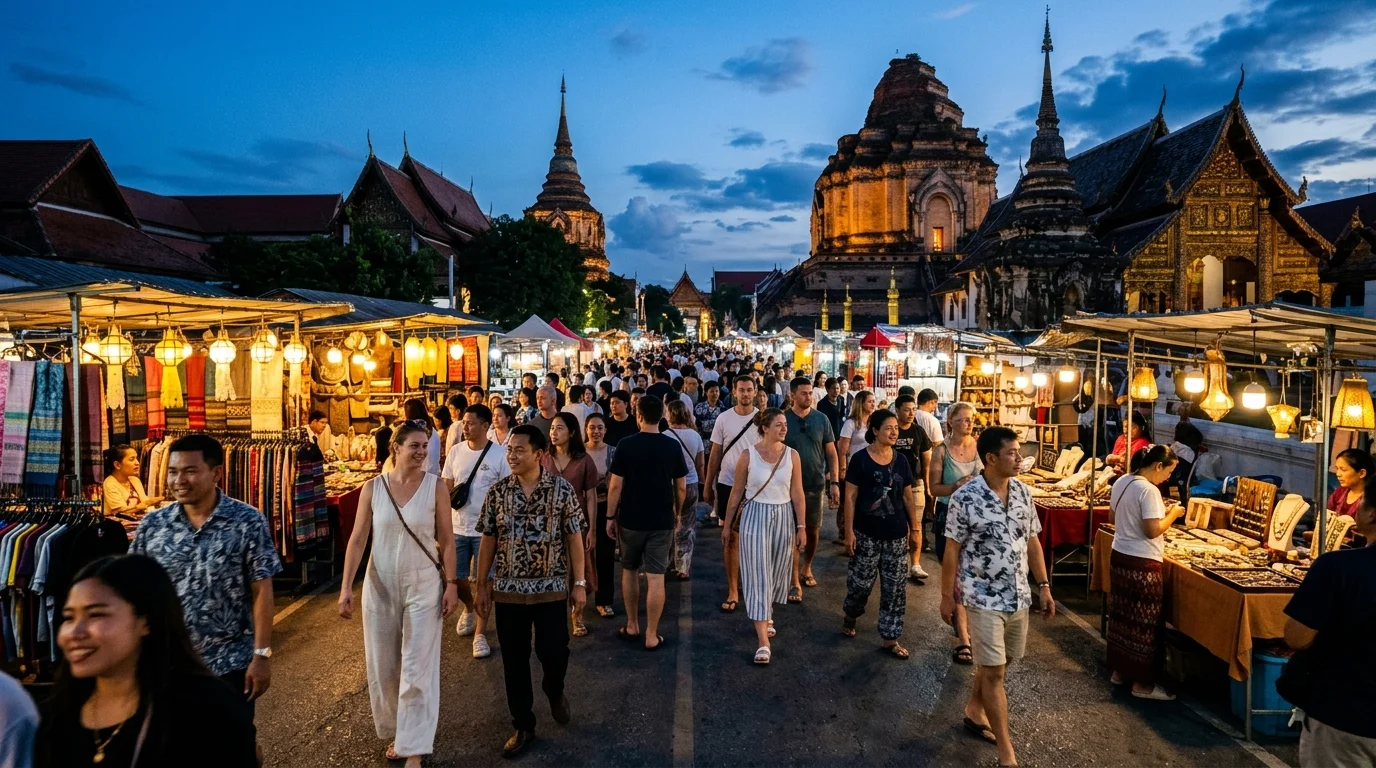
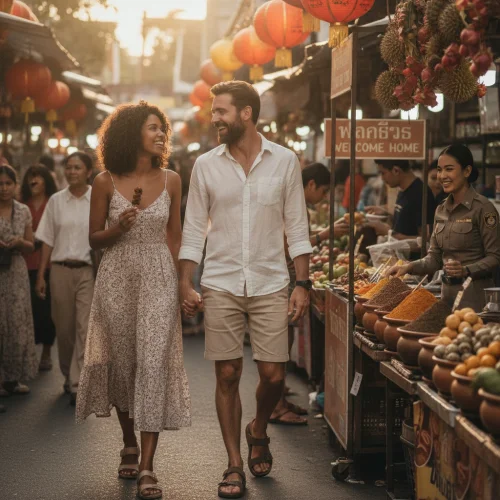
Northern Thailand operates on a different market rhythm, defined by weekend street closures that transform entire neighbourhoods into pedestrian shopping zones. The Sunday Walking Street on Ratchadamnoen Road is the cultural heavyweight of Chiang Mai, starting at Tha Phae Gate and stretching for a kilometre into the old city past Wat Chedi Luang. This is where you will find higher-quality artisan goods, from hand-dyed indigo textiles to intricate silver jewellery crafted by hill tribes, rather than the generic plastic souvenirs sold elsewhere. The Saturday Night Bazaar on Wua Lai Road offers a similar but slightly more compact experience, heavily focused on local silversmiths and metalworkers who operate studios in the area. Both markets start setting up around 4:00 pm, and the atmosphere shifts from relaxed browsing to shoulder-to-shoulder shuffling by 7:30 pm. Food is a major component, with temple courtyards converting into massive open-air dining areas where vendors sell khao soi (northern curry noodles) for 50 THB (£1.10) and grilled pork skewers for 10 THB (£0.20) each. The daily Night Bazaar on Chang Klan Road caters almost exclusively to tourists, featuring higher prices and aggressive hawkers selling counterfeit watches and factory-made bags. Focus your energy and your budget on the weekend walking streets for genuine local craftsmanship and vastly superior street food.
| Market Name | Schedule | Primary Focus |
|---|---|---|
| Sunday Walking Street | Sundays, 4pm to 10pm | Artisan crafts, indigo clothing, temple street food |
| Wua Lai Saturday Market | Saturdays, 4pm to 10pm | Silverware, local art, northern Thai snacks |
| Chiang Mai Night Bazaar | Daily, 5pm to midnight | Counterfeit goods, generic souvenirs, tourist bars |
| Warorot Market (Kad Luang) | Daily, 4am to 6pm | Fresh produce, wholesale spices, northern sausages |
The Reality of Floating and Railway Markets
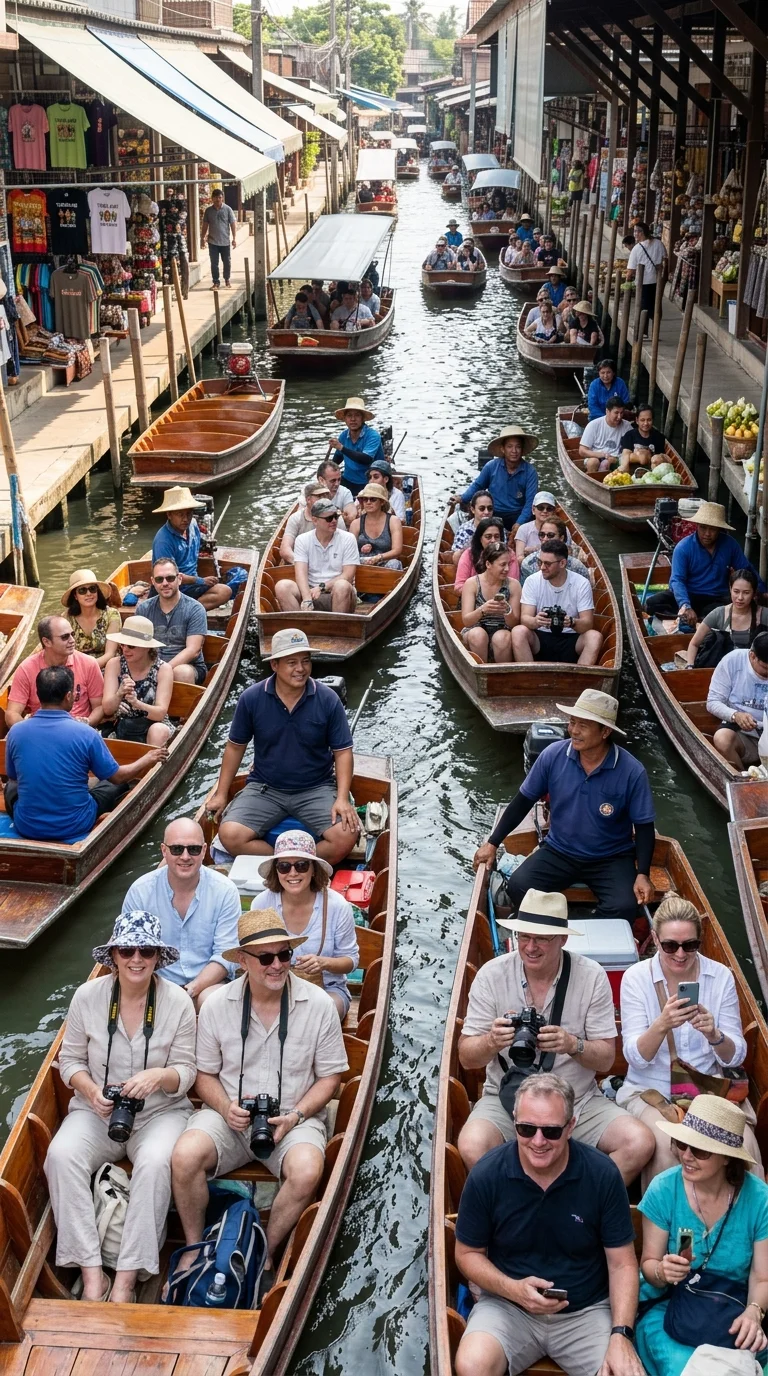
Many of Thailand’s most famous traditional markets have evolved into heavily orchestrated tourist performances. Damnoen Saduak, the floating market most frequently sold by Bangkok tour desks, is a prime example of this shift. You will pay up to 2,000 THB (£44) for a motorised boat ride through a congested canal traffic jam of other foreign tourists, past wooden stalls selling the same mass-produced trinkets found on Khao San Road at triple the price. The Maeklong Railway Market offers a similarly theatrical experience in Samut Songkhram, where vendors pull back their awnings inches from a passing commuter train. While visually striking, the produce here takes a back seat to the spectacle, and the crowds of people wielding selfie sticks on the tracks can be intensely overwhelming. For a more authentic canal-side experience, Amphawa Floating Market operates on weekends and remains highly popular with domestic Thai weekenders eating freshly grilled river prawns. Alternatively, Khlong Lat Mayom is much closer to central Bangkok and focuses heavily on excellent local food rather than expensive souvenir boats. Treat the highly advertised floating markets as photography excursions rather than genuine shopping destinations, and adjust your expectations accordingly.
| Market Type | Location Example | Experience Reality |
|---|---|---|
| Tourist Floating Market | Damnoen Saduak | Heavily commercialised, expensive boat rides, generic souvenirs |
| Local Floating Market | Khlong Lat Mayom | Authentic food focus, domestic crowds, highly accessible |
| Railway Market | Maeklong | Visually impressive train passing, extremely crowded tracks |
| Weekend Canal Market | Amphawa | Popular with Thai weekenders, excellent seafood, atmospheric |
Local Fresh Produce vs Tourist Night Markets
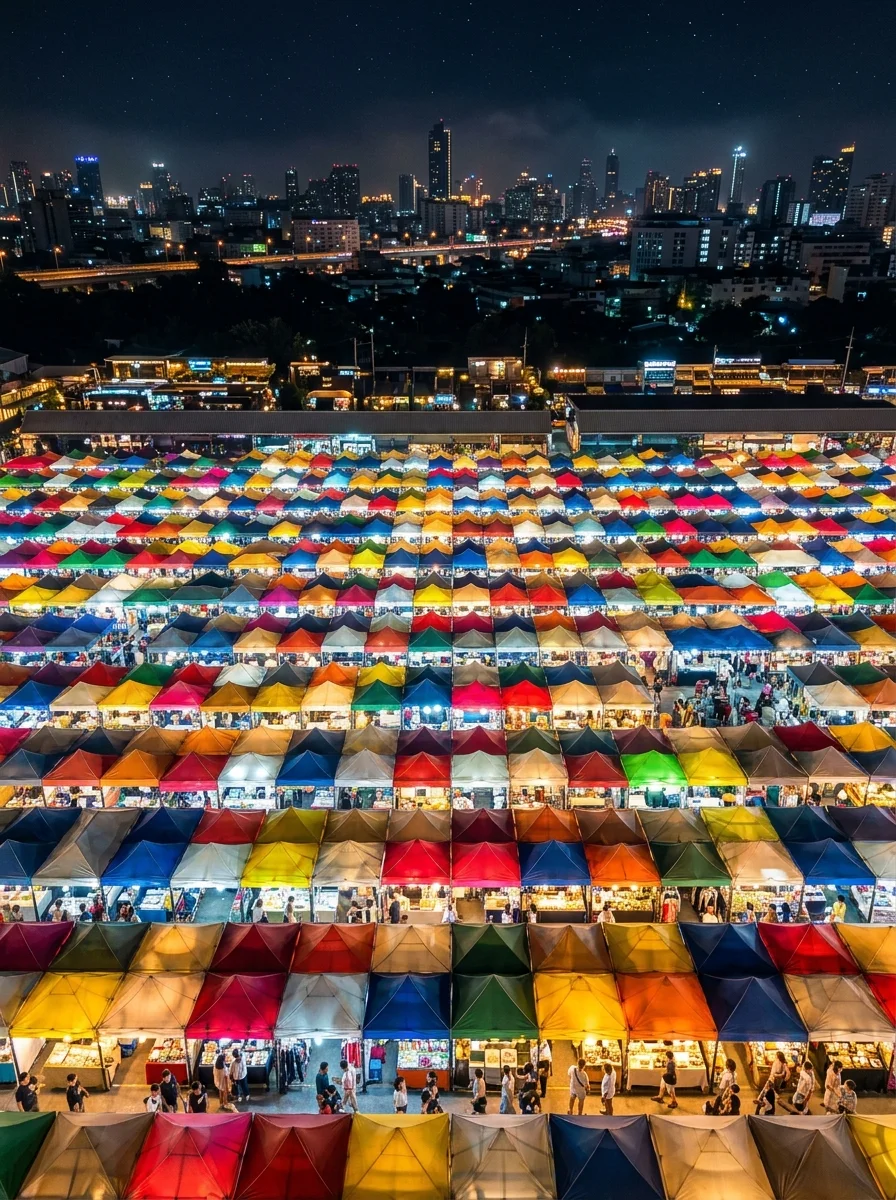
Understanding the distinction between a working local market and a lifestyle night market dictates what you should expect to spend and experience. Fresh markets like Or Tor Kor in Bangkok operate during the day and serve serious domestic cooks, restaurant owners, and wealthy locals. Ranked as one of the best fresh markets globally, Or Tor Kor is impeccably clean, brightly lit, and sells premium-grade durian, massive river prawns, and flawless mangosteens. Prices here are high by Thai standards, but the culinary quality is undisputed. In contrast, modern night markets like Jodd Fairs or the various Rot Fai (Train) markets are evening lifestyle destinations designed for socialising, eating, and drinking. These spaces are dominated by trendy street food, craft beer pop-ups, and vintage clothing stalls, catering heavily to Thai youth and Asian tourists seeking viral food trends. You will pay 150 THB (£3.30) for a tray of cheese-baked scallops or 80 THB (£1.75) for a craft soda. While fresh markets offer an unfiltered look at daily Thai culinary life and ingredient sourcing, the modern night markets provide a highly accessible, entertaining evening out with excellent food hygiene standards and live music.
| Market Category | Target Audience | Key Offerings |
|---|---|---|
| Local Fresh Market | Domestic cooks and locals | Raw ingredients, premium fruit, wholesale spices |
| Modern Night Market | Youth and international tourists | Viral street food trends, craft beer, vintage clothes |
| Traditional Night Bazaar | Tourists and bargain hunters | Counterfeit goods, generic souvenirs, cheap electronics |
| Weekend Walking Street | Locals and tourists | Artisan crafts, local textiles, regional street food |
Navigating the Mega-Night Markets of Bangkok
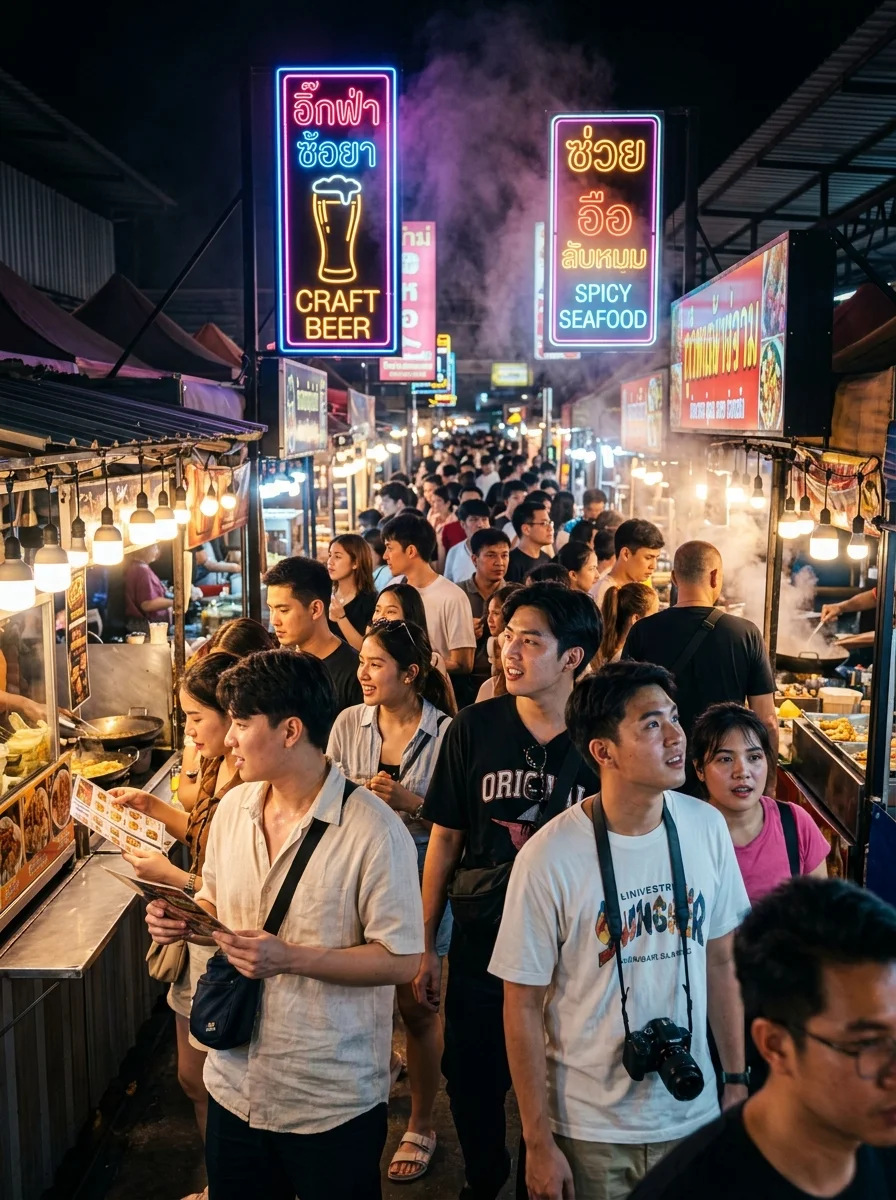
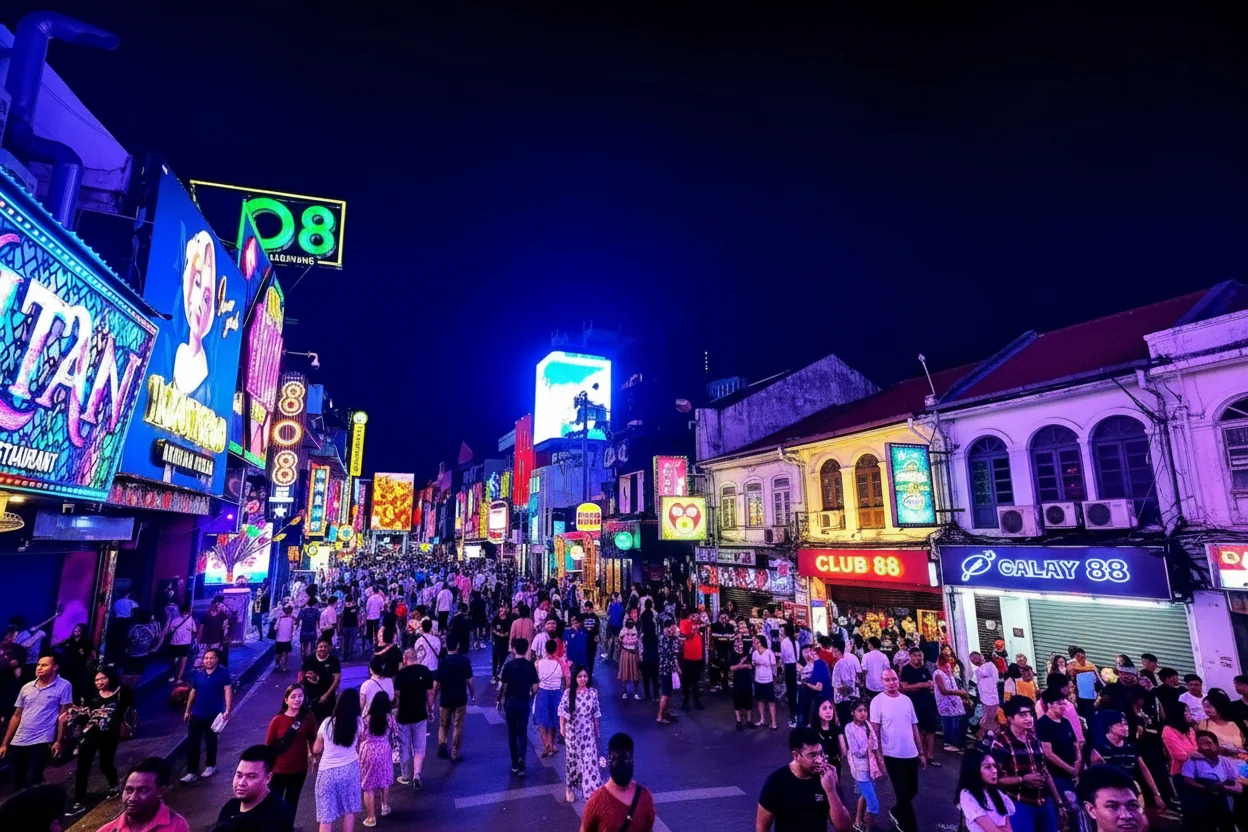
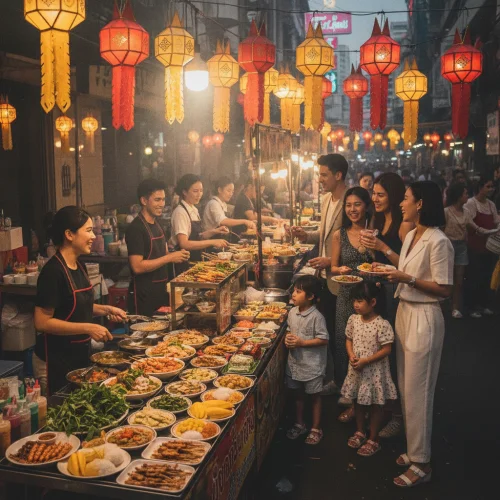
Beyond the traditional morning fresh markets, Bangkok has perfected the mega-night market concept, blending retail therapy with massive open-air dining and entertainment. Venues like Rot Fai Ratchada and the newer Jodd Fairs have transformed the evening economy, catering heavily to a younger demographic. These spaces are rigidly organised into distinct zones, usually separating vintage clothing and retro collectibles from the sprawling food courts. You will find rows of modified Volkswagen vans serving cocktails, alongside stalls selling viral food trends like towering mountains of spicy pork spine soup (leng saeb) for 250 THB (£5.50). Navigating these mega-markets requires patience, as the main arteries become shoulder-to-shoulder crush zones by 8:00 pm. The key is to arrive around 5:30 pm just as the vendors finish setting up, secure a table near the perimeter, and take turns buying food from different stalls. While you will not find the dirt-cheap prices of a rural village market here, you are paying for an electric atmosphere, excellent food hygiene, and a dense concentration of Thailand’s most creative contemporary street food in one highly accessible location.
Bargaining Etiquette and Fair Value
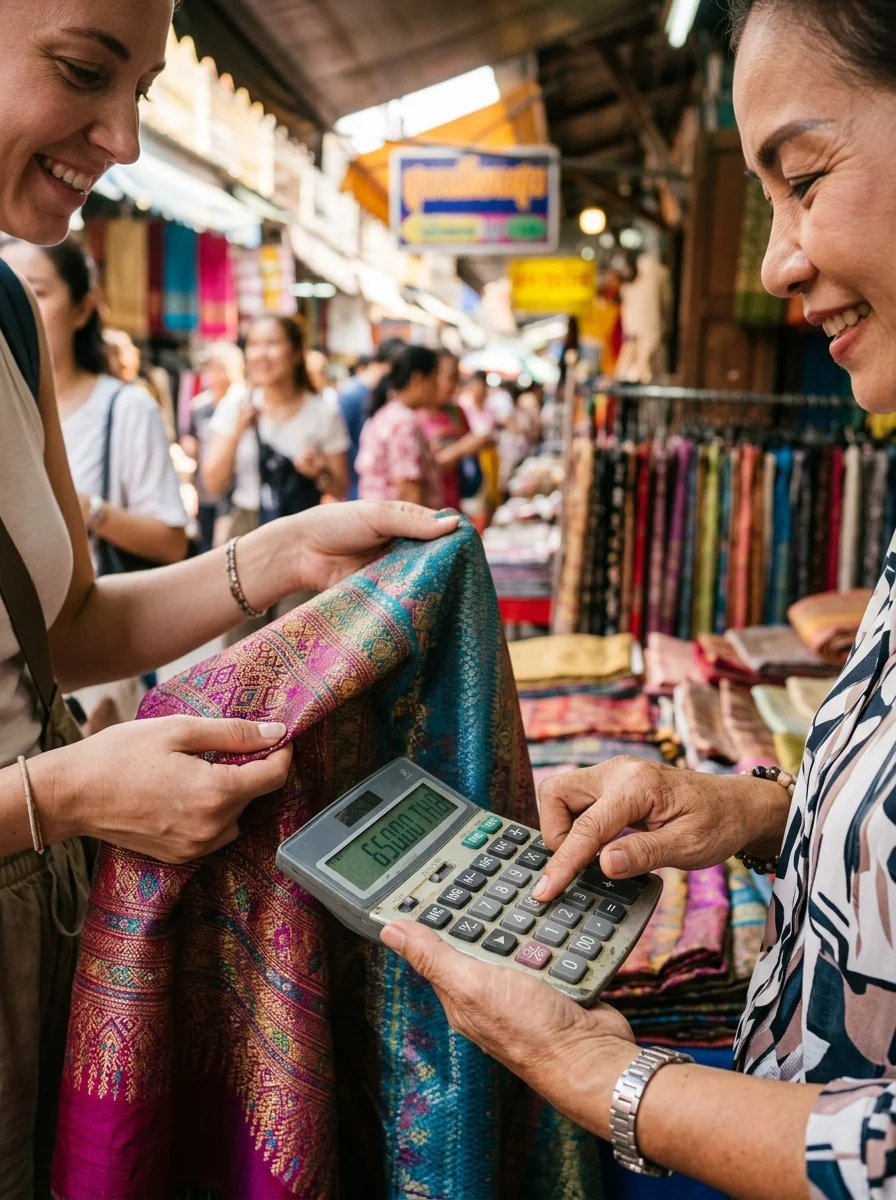
Haggling is an expected part of the Thai market experience, but it follows a specific cultural script that relies heavily on politeness rather than aggressive negotiation. You should only attempt to bargain at stalls selling clothing, souvenirs, antiques, and non-perishable goods. Food, drinks, and fresh produce have fixed prices, and trying to negotiate the cost of a 40 THB (£0.90) bowl of noodles will cause immediate offence and confusion. When you find a non-perishable item you want, ask the price and counter with an offer roughly 30 to 40 percent lower than their opening bid. The vendor will typically tap a new number on a large plastic calculator, and you will eventually meet somewhere in the middle. Smile constantly, keep your voice low, and treat the exchange as a lighthearted social game rather than a battle of wills. If a vendor refuses to budge from a specific number, it usually means you have hit their absolute bottom line. Walking away sometimes prompts a final lower offer called out to your back, but if it does not, you must decide if the item is worth their stated price. Never begin a negotiation if you have no intention of actually buying the item, as this wastes time and violates local market etiquette.
The Best Markets Across Thailand
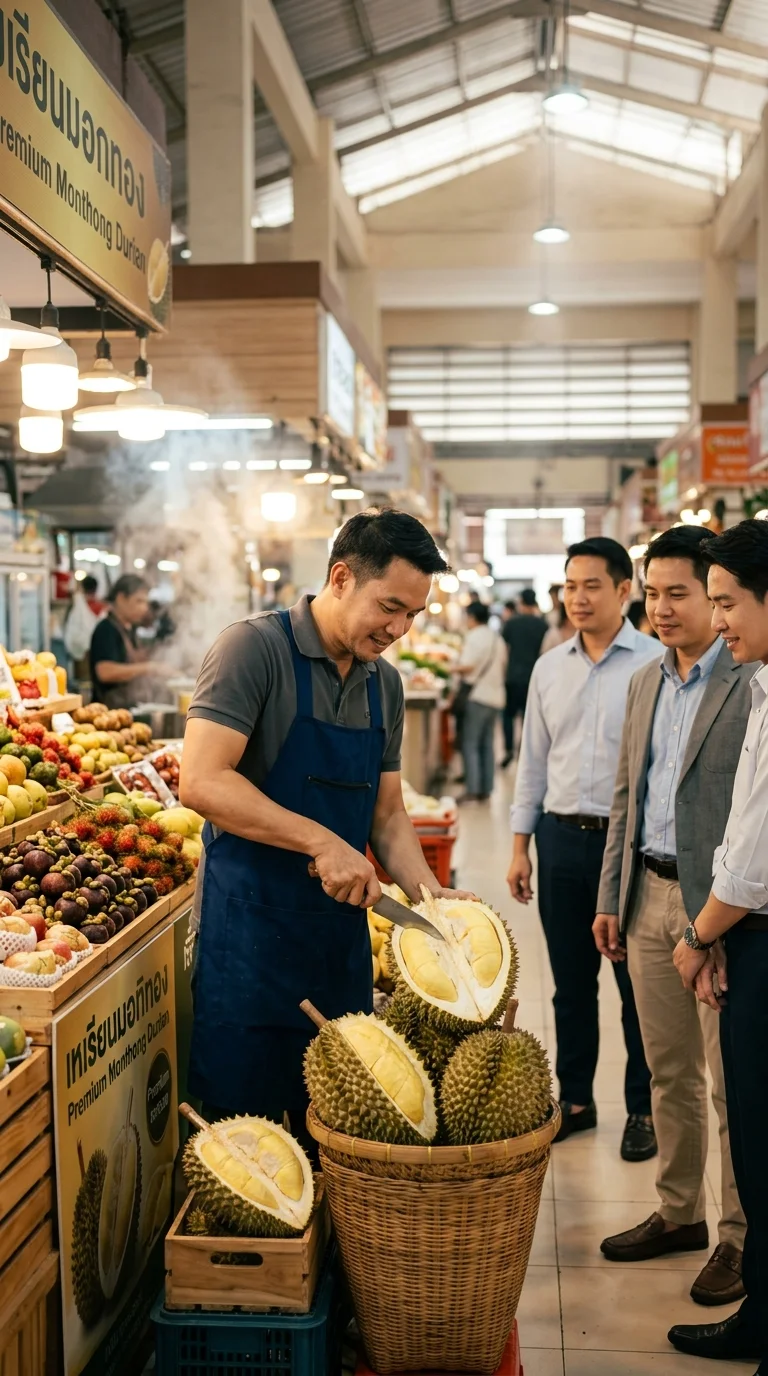
Identifying the right market depends entirely on what you want to achieve. For serious food enthusiasts, Or Tor Kor in Bangkok (accessible via Kamphaeng Phet MRT) is an essential morning visit. It offers an unparalleled selection of premium Thai fruits, curries, and seafood, with a dedicated dining area where you can sample dishes immediately. If you want the definitive modern Bangkok night market experience, Jodd Fairs in the Rama 9 district provides an energetic mix of viral street food trends, live music, and clothing stalls in a highly accessible location.
In Chiang Mai, bypass the daily commercial Night Bazaar and head straight to the Sunday Walking Street on Ratchadamnoen Road for authentic northern crafts, hill tribe silver, and hand-woven textiles. For a less commercialised floating market experience near Bangkok, Khlong Lat Mayom is a twenty-minute taxi ride from Bang Wa BTS station and focuses on incredible boat-cooked food rather than overpriced souvenirs. If you are staying in Phuket, the Sunday Walking Street Market (Lard Yai) in Phuket Old Town transforms the historic Sino-Portuguese quarter into a lively evening of southern Thai street food. Start your market education at a modern night market like Jodd Fairs before tackling the sprawling endurance test of Chatuchak.
Costs and Budgeting
Market spending in Thailand scales dramatically depending on the venue and the goods you target. A casual evening eating street food at a local neighbourhood market will rarely exceed 150 THB (£3.30) per person. Moving to a trendy lifestyle night market like Jodd Fairs pushes food and drink costs higher, where a full dinner of seafood, skewers, and a large beer will cost around 400 THB (£8.80). Shopping budgets are entirely subjective. You can buy mass-produced elephant trousers for 100 THB (£2.20) at Chatuchak, or spend 3,000 THB (£66) on hand-woven indigo jackets in Chiang Mai. Always carry smaller denomination notes, as vendors struggle to break 1,000 THB bills early in the day.
| Option | Cost (THB) | Cost (GBP approx) | Notes |
|---|---|---|---|
| Local Fresh Market Breakfast | 40 - 80 THB | £0.90 - £1.75 | Simple noodle soup or rice porridge with coffee |
| Tourist Night Market Dinner | 300 - 500 THB | £6.60 - £11.00 | Multiple street food snacks, seafood, and a large local beer |
| Standard Souvenir T-shirt | 150 - 250 THB | £3.30 - £5.50 | Negotiable price depending on the market and quantity bought |
| Premium Artisan Crafts | 1,500 - 5,000+ THB | £33.00 - £110.00 | Fixed prices for genuine hill tribe silver or hand-dyed silk |
Essential Market Preparation
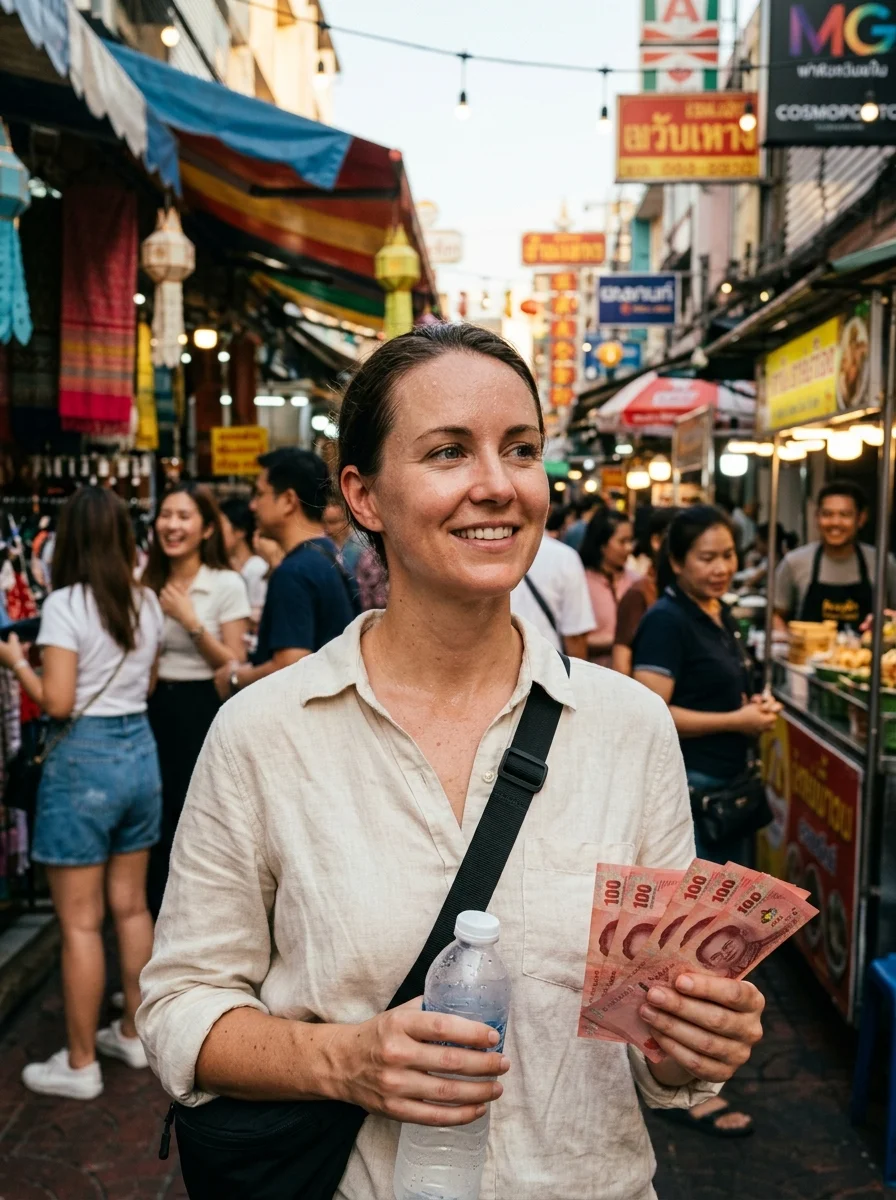
Cash remains the absolute king in Thai markets. While local residents use QR code banking apps to pay for everything, these systems require a Thai bank account, meaning UK visitors must carry physical Baht in 20, 50, and 100 denominations.
The heat inside covered markets like Chatuchak reaches dangerous levels by midday. You will sweat profusely, so wearing light, breathable clothing and constantly replacing fluids is a medical necessity, not just a comfort measure.
Pickpockets operate in heavily congested tourist markets and walking streets. Keep your cash in a secure cross-body bag worn on your front, and never leave your phone protruding from a back pocket in dense crowds.
Toilets in traditional markets are highly functional but rarely supply paper. You must carry your own pocket tissues and a small bottle of hand sanitiser if you plan on spending several hours exploring.
Market Survival Strategies
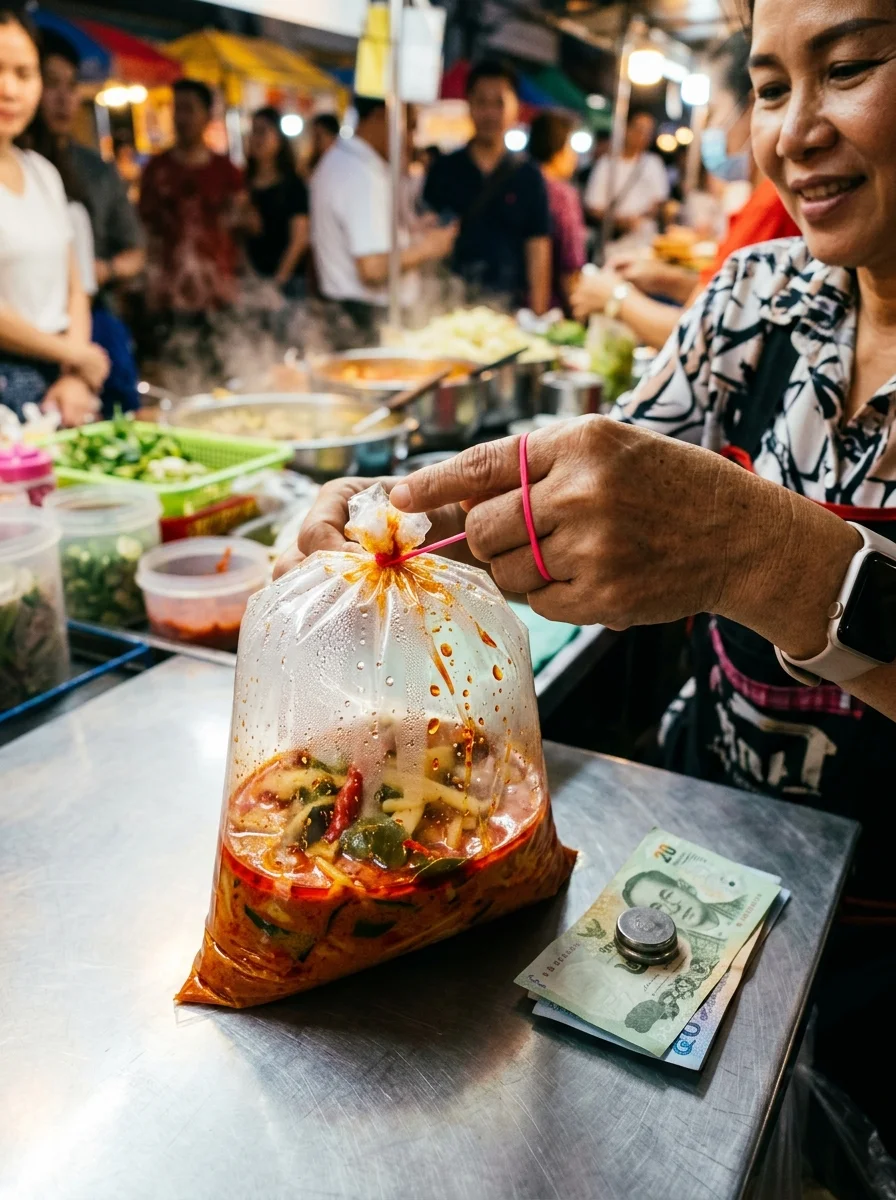
Arrive exactly when the market opens if you want to avoid the worst of the crowds. By the time the tour buses arrive two hours later, you will have already finished your shopping.
Do not assume everything sold at a market is a locally made bargain. Many stalls sell identical mass-produced goods imported from China, so closely inspect the stitching and material before paying.
Use the BTS Skytrain or MRT subway to reach Bangkok markets wherever possible. Taking a taxi to a night market during Friday evening rush hour will leave you trapped in gridlock for hours.
Eat where the local vendors are eating. A stall with a long queue of Thai residents waiting for soup is always a safer and more authentic choice than an empty stall displaying an English menu.
Carry a lightweight, reusable tote bag folded in your pocket. Plastic bag usage in Thailand is extreme, and having your own bag makes carrying multiple small purchases much easier.
Learn to say "mai ao khrap" (for men) or "mai ao kha" (for women) to politely decline aggressive touts. A smile and a firm refusal will instantly stop unwanted sales pitches without causing a loss of face.
Wear closed-toe shoes rather than flip-flops when visiting wet markets or crowded night bazaars. The floors at fresh markets run with water and fish scales, while night markets present a constant risk of having your toes crushed by crowds.
Keep your hotel business card or a screenshot of its address in Thai script on your phone. After a long evening navigating the sprawling alleys of a night market, showing a taxi driver your exact destination in their native language prevents serious navigational headaches.
Staying connected allows you to check exchange rates and call a ride when your hands are full of shopping bags.
Thailand Markets at a Glance
| Item | Detail | Notes |
|---|---|---|
| Best For Scale | Chatuchak Weekend Market | 15,000 stalls; requires a solid plan and early arrival. |
| Best For Quality Food | Or Tor Kor Market | Premium fresh produce and exceptionally clean dining areas. |
| Best For Crafts | Chiang Mai Sunday Walking Street | Excellent source for genuine northern Thai artisan goods. |
| Payment Method | Cash strictly required | Carry 100 THB notes; foreign cards and apps are useless here. |
| Bargaining | Expected on non-perishables | Never haggle over food, drinks, or very cheap items. |
| Floating Markets | Often highly commercialised | Amphawa or Khlong Lat Mayom offer better local experiences. |
| Transport | BTS Skytrain or MRT preferred | Avoid taxis around night markets due to extreme traffic. |