Long Stay Apartments in Thailand
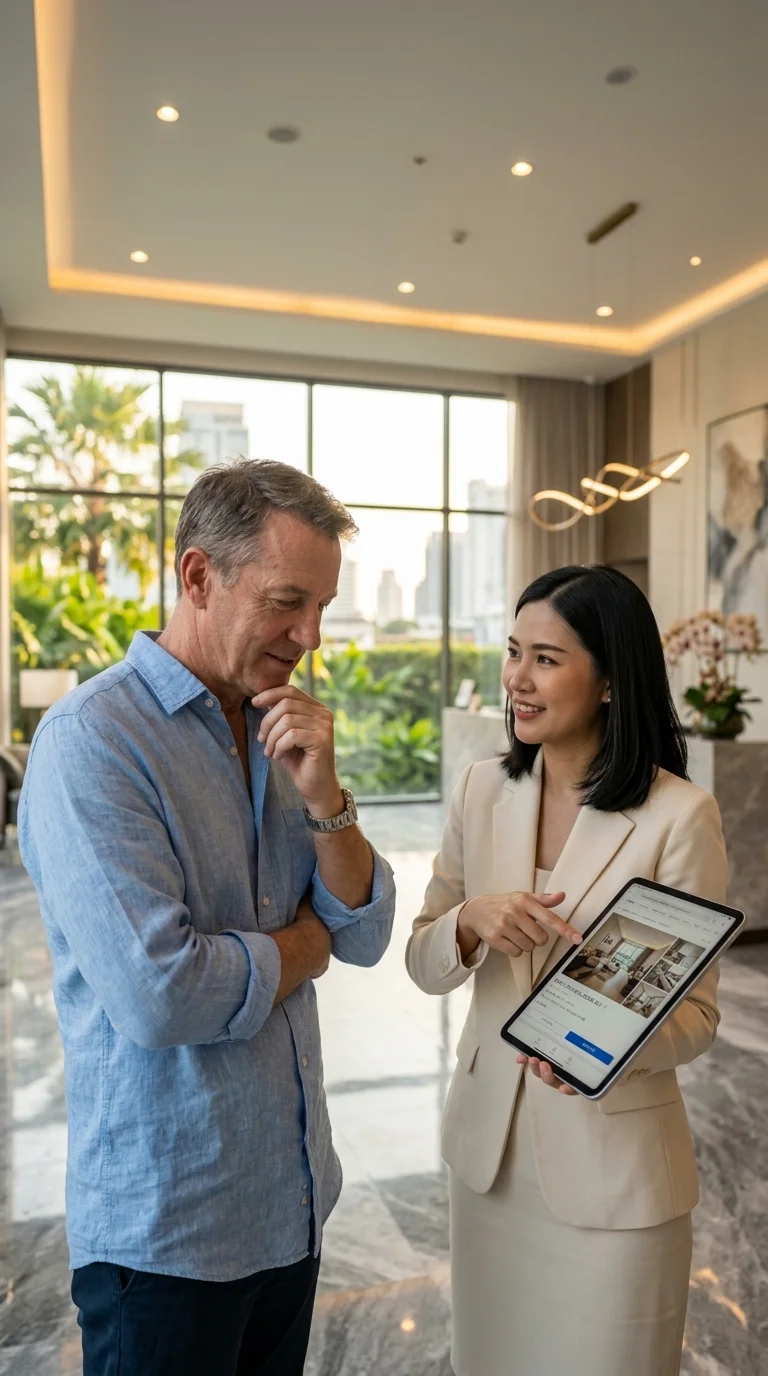
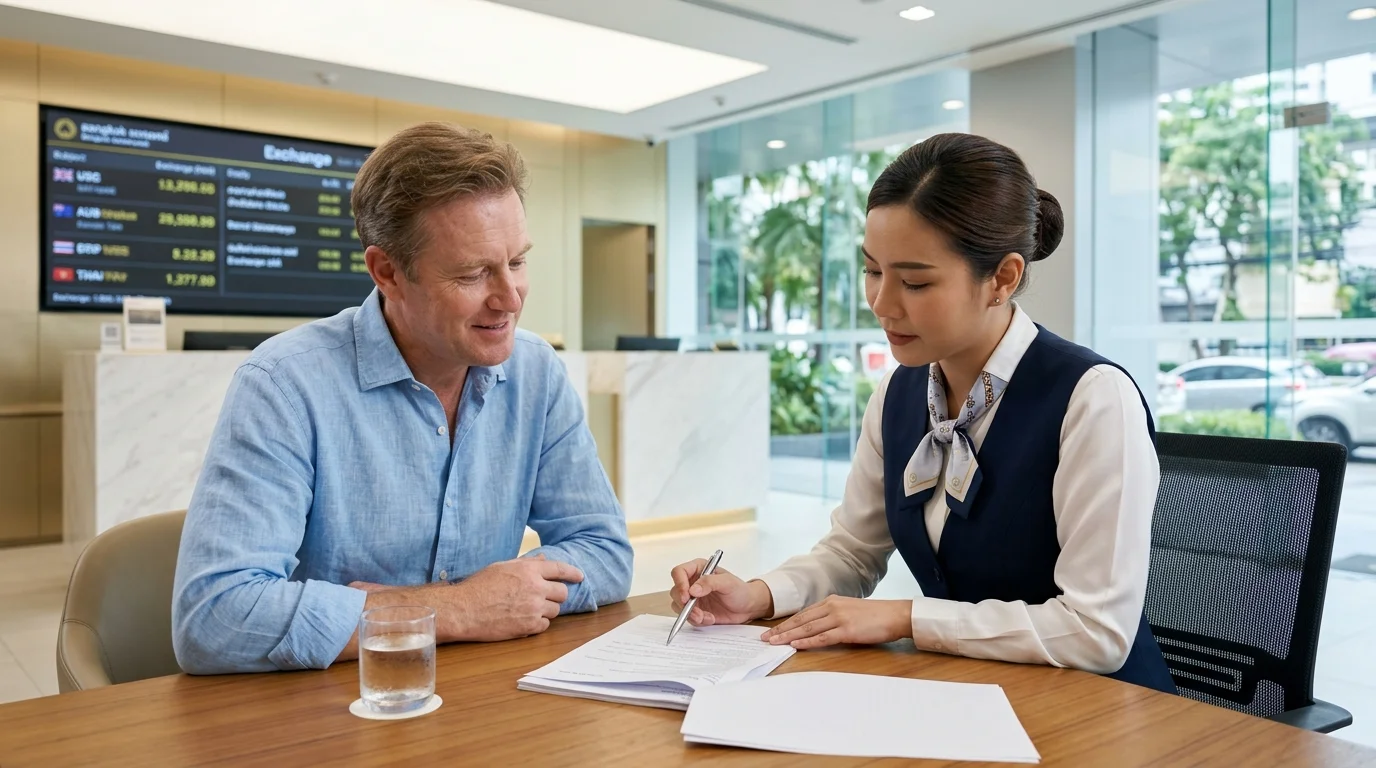
Signing a 12-month apartment lease in Bangkok typically requires two months’ rent as a security deposit upfront, paid via a local bank transfer. Foreigners can legally rent property anywhere in Thailand with just a tourist visa or exemption stamp and a passport copy.
This guide explains exactly how to secure a long-stay apartment or apartment in Thailand. We unpack the legalities of foreigner tenancy and standard lease agreements. You will learn the practical differences between serviced apartments and standard rentals, alongside expected monthly costs across Bangkok, Chiang Mai, Phuket, and Pattaya. By the end, you will know exactly what to look for, what to negotiate, and how to protect your deposit.

Foreigner Legalities and Finding a Property
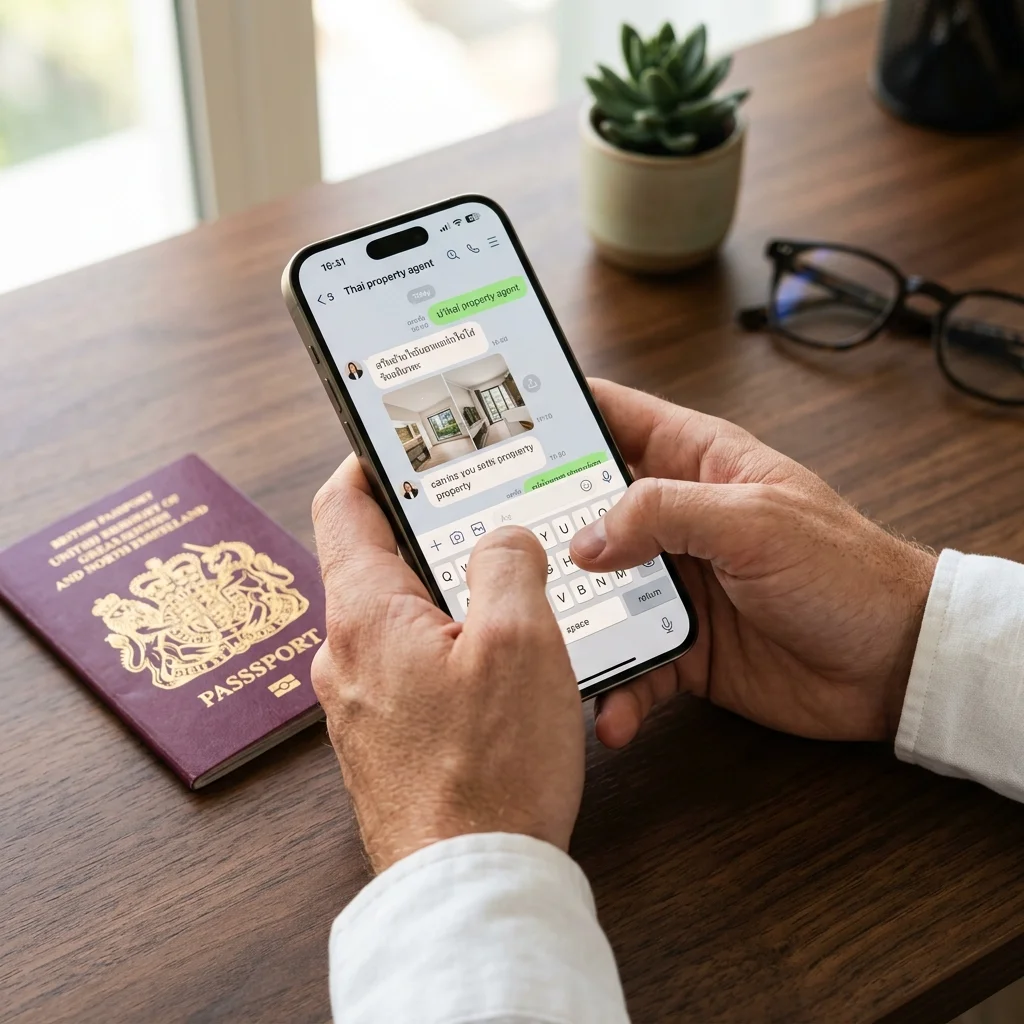
Foreigners have the absolute legal right to rent long-stay apartments and apartments in Thailand without holding a specific resident visa. The Thai legal system permits anyone with a valid passport and entry stamp to sign a residential lease agreement. That said, some cautious landlords may prefer tenants holding a Non-Immigrant visa over a standard tourist entry. Finding a property requires using local property portals like DDproperty, FazWaz, or Hipflat rather than walking into high-street estate agents, which rarely exist in the UK format. Instead, you contact freelance agents through these websites or via Line, Thailand’s dominant messaging application. Agents charge you nothing; their commission comes entirely from the landlord. It is highly advisable to view multiple units in a single building. Every standard apartment is individually owned and furnished to vastly different standards. You can also join local Facebook groups specific to your target neighbourhood, where owners frequently post direct listings. Working with a dedicated agent remains the most efficient route for navigating language barriers and negotiating terms. Always download the Line app before starting your property search, as agents will use this exclusively to arrange viewings.
Master Thailand's ferries, speedboats, and river transport. Compare routes, crossing times, and ticket costs to plan your island-hopping itinerary today.
Serviced Apartments Versus Standard Condominiums
Sponsored
Choosing between a serviced apartment and a standard apartment dictates your monthly budget, included amenities, and flexibility. Standard apartments are privately owned units within a larger building managed by a juristic office, requiring you to sign a minimum six-month or one-year lease. These units come fully furnished, but you are entirely responsible for setting up your own internet, paying government-rate utility bills, and arranging your own cleaning. Conversely, serviced apartments are single-owner buildings operating similarly to long-stay hotels. They offer rolling monthly contracts, making them ideal if you are unsure of your long-term plans. The monthly rate is significantly higher, but it includes weekly cleaning, bed linen changes, high-speed Wi-Fi, and often a capped allowance for water and electricity. Serviced apartments also bypass the need for a two-month security deposit, usually requiring just one month upfront. However, you will often pay inflated rates for electricity if you exceed the allowance, sometimes up to 8 THB (£0.18) per unit compared to the standard government rate. Choose a serviced apartment for your first month to explore neighbourhoods before committing to a standard one-year apartment lease.
| Property Type | Minimum Lease | Included Amenities | Utility Rates |
|---|---|---|---|
| Standard Apartment | 6 to 12 months | Fully furnished, gym, pool. | Government rate (direct). |
| Serviced Apartment | 1 month rolling | Weekly cleaning, Wi-Fi, linens. | Often inflated or capped allowance. |
| Older Apartment Building | 3 to 6 months | Basic furniture, shared laundry. | Often inflated building rate. |
Lease Agreements and Deposit Norms
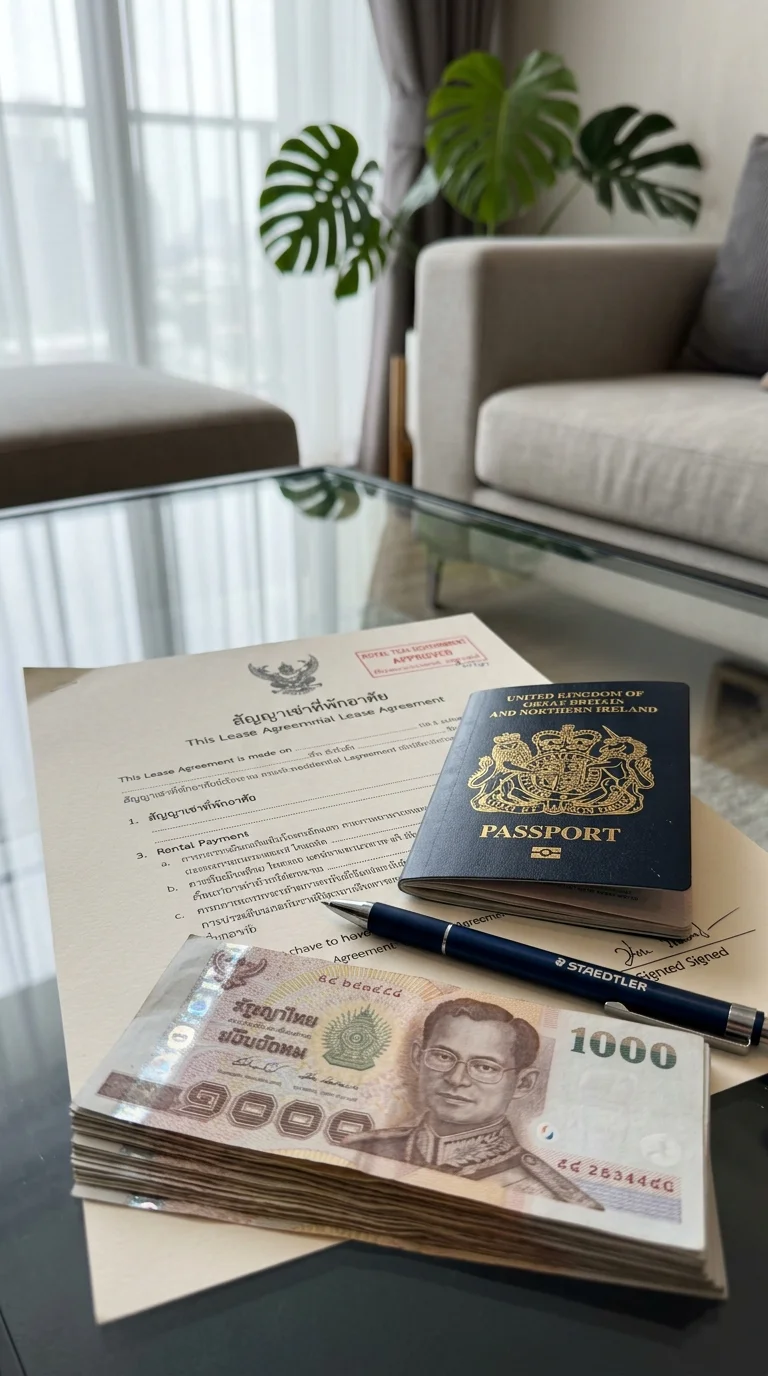
The standard long-term lease in Thailand requires a one-year commitment, accompanied by a two-month security deposit and the first month’s rent paid in advance. When you find a unit you want, you secure it by paying a holding deposit, typically equivalent to one month's rent. This is later deducted from your total move-in cost. Lease agreements are usually printed in both Thai and English, and the English translation is legally binding. The contract will explicitly state what is excluded from the monthly price. You should expect to pay for electricity, water, internet, and any premium television packages out of your own pocket. Building maintenance fees, known as common area fees, are legally the responsibility of the landlord and must be factored into the advertised rental price. An inventory check is critical before signing anything. Thai landlords are meticulous about deductions for minor damage at the end of a tenancy, so you must photograph every scratch on the floor, mark on the walls, and stain on the mattress. Never hand over cash for a deposit without receiving a formal receipt and a signed copy of the landlord’s Thai ID card or passport.
Utility Bills and Internet Connectivity
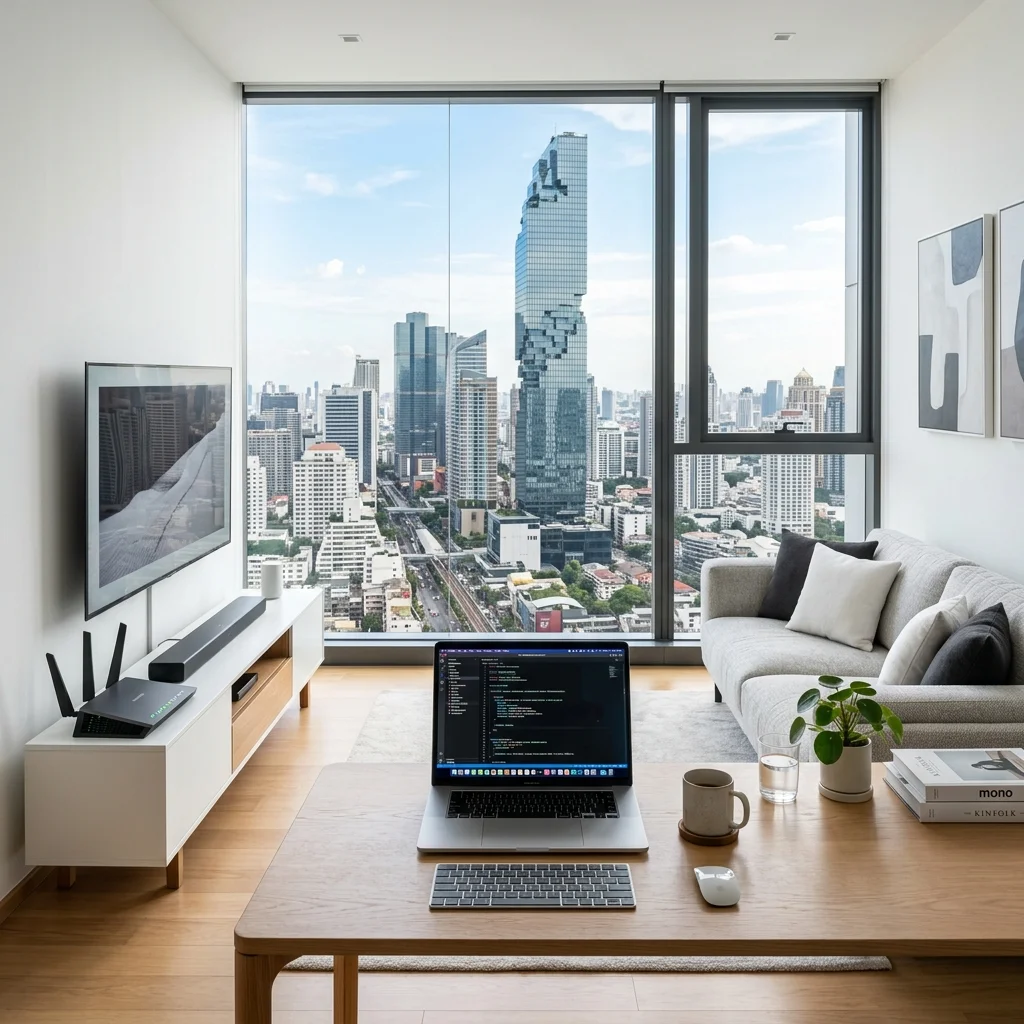
Managing utilities and internet as a remote worker in Thailand is highly efficient provided you understand how the billing systems operate. In a standard apartment, the juristic office will place your paper water bill in your mailbox monthly. This usually costs between 150 THB (£3.30) and 300 THB (£6.60). Electricity bills arrive directly from the Metropolitan Electricity Authority (MEA) or Provincial Electricity Authority (PEA). You can pay these instantly by scanning the QR code on the bill using a Thai banking app, or in cash at any 7-Eleven counter. If you run the air conditioning heavily, expect electricity bills to range from 1,500 THB (£33) to 3,000 THB (£66) per month. For internet, Thailand offers some of the fastest and cheapest home fibre connections globally. Providers like AIS, TrueMove, and 3BB offer 1 Gbps fibre packages starting around 600 THB (£13) per month. Setting up a new connection requires your passport and lease agreement, and installation is frequently completed within 48 hours. Always confirm your apartment charges the direct government electricity rate rather than an inflated building rate before signing the lease.
| Utility Type | Billing Method | Typical Monthly Cost (THB) | Typical Monthly Cost (GBP) |
|---|---|---|---|
| Electricity | Direct from MEA/PEA | 1,500 - 3,000 | 33 - 66 |
| Water | Juristic office bill | 150 - 300 | 3.30 - 6.60 |
| Home Fibre Internet | Direct from ISP (AIS/True) | 500 - 800 | 11 - 18 |
| Common Area Fee | Paid by landlord | Included in rent | N/A |
Location Dynamics across Major Hubs
Rental prices and proximity to amenities vary drastically depending on whether you settle in Bangkok, Chiang Mai, Phuket, or Pattaya. In Bangkok, the most critical factor is your walking distance to a BTS Skytrain or MRT station. Units within 500 metres of a station command a significant premium. A modern one-bedroom apartment in central Sukhumvit will cost upward of 20,000 THB (£440) per month. Chiang Mai offers a distinctly different lifestyle, focusing on low-rise apartments and houses near the Nimman or Santitham areas. Here, a comfortable one-bedroom unit averages 12,000 THB (£265). Phuket is heavily split by geography, with premium properties clustered around Bang Tao and Rawai. Because public transport in Phuket is virtually non-existent, renting a scooter or car is mandatory. This makes proximity to large supermarkets like Villa Market highly desirable. Pattaya sits in the middle, offering high-rise sea-view apartments in Jomtien or Wongamat for around 15,000 THB (£330). Ratchadaphisek — usually shortened to "Ratchada" — is a fifth popular long-stay corridor in Bangkok, sitting on the MRT Blue Line with lower rents than Sukhumvit and a large night-market food scene. A comfortable one-bedroom here typically runs 13,000–18,000 THB (£285–£395) per month, making it a common alternative for renters who want MRT access without Sukhumvit's premium. Prioritise your proximity to reliable transport and grocery stores over the building's aesthetic, as the tropical heat makes long walks impractical.
| Location | Typical 1-Bed Apartment (THB) | Transport Dynamic | Best For |
|---|---|---|---|
| Bangkok (Sukhumvit) | 20,000 - 35,000 | BTS Skytrain / MRT | City living, ultimate convenience. |
| Bangkok (Ratchada) | 13,000 - 18,000 | MRT Blue Line | Budget-conscious MRT access, local food scene. |
| Chiang Mai (Nimman) | 12,000 - 18,000 | Red trucks, scooter rental | Digital nomads, cafe culture. |
| Phuket (Bang Tao) | 25,000 - 45,000 | Car or scooter mandatory | Premium coastal lifestyle. |
| Pattaya (Jomtien) | 15,000 - 20,000 | Baht buses, scooter rental | Affordable sea views. |
Costs and Budgeting
Establishing a realistic budget for a long-stay apartment depends entirely on your location and lifestyle requirements. Budget options, typically older buildings further from transit lines or the beach, offer basic furnishings and shared laundry facilities for under 10,000 THB (£220) per month. Mid-range properties represent the best value for UK expats, providing modern gyms, rooftop pools, and 24-hour security in well-connected areas for 15,000 THB (£330) to 25,000 THB (£550). Premium apartments and luxury serviced apartments, often featuring concierge services, panoramic views, and high-end Western appliances, start from 40,000 THB (£880). These can easily exceed 100,000 THB (£2,200) in central Bangkok or Phuket's prime estates. Remember to factor in a move-in cost equivalent to three months' rent for standard leases.
| Option | Cost (THB) | Cost (GBP approx) | Notes |
|---|---|---|---|
| Budget Apartment | 8,000 - 12,000 | 175 - 265 | Older buildings, shared laundry, further from transit. |
| Mid-Range Apartment | 15,000 - 25,000 | 330 - 550 | Modern amenities, pool, gym, close to transport. |
| Premium Apartment | 40,000+ | 880+ | High-end appliances, prime location, concierge. |
| Serviced Apartment | 25,000 - 60,000 | 550 - 1,320 | Includes cleaning, utilities allowance, and Wi-Fi. |
Common Mistakes and How to Avoid Them

Accepting inflated electricity rates. Tenants who fail to check their contract often end up paying 8 THB per unit instead of the government rate. Insist the lease specifies that electricity is billed directly by the MEA or PEA.
Failing to document existing damage upon move-in. Landlords will frequently deduct money from your security deposit for pre-existing scratches. Take a detailed video walkthrough on your first day and email it to the agent as a timestamped record.
Renting purely based on online photos. Wide-angle lenses heavily distort room sizes, and photos never reveal noise from adjacent construction sites. Physically visit the unit to assess the true environment before transferring a holding deposit.
Ignoring the juristic management quality. Poorly managed buildings inevitably suffer from broken lifts, cloudy pools, and lax security. Check Google Maps reviews for the specific building to gauge resident satisfaction before committing.
Practical Tips
Open a Thai bank account as soon as you have a long-term visa and lease agreement. Paying your rent and utility bills via local bank transfer is infinitely cheaper and faster than using international transfer services monthly.
Download the Line messaging application before you start looking for properties. Every agent and landlord in Thailand uses this app exclusively for communication, sending listings, and arranging viewings.
Test the mattress during your physical viewing. Thai mattresses are notoriously firm by UK standards, and replacing one out of your own pocket is an expensive and unnecessary hassle.
Look for units with washing machines on the balcony rather than in the kitchen. This setup prevents internal water leaks and saves valuable floor space in smaller one-bedroom apartments.
Check the air conditioning units for recent service stickers. Dirty units consume drastically more electricity and fail to cool the room effectively during the peak hot season.
Negotiate the inclusion of professional cleaning in your move-out terms. Agreeing to pay a fixed 1,000 THB (£22) fee upfront prevents the landlord from claiming excessive cleaning costs from your deposit later.
Ask the juristic office about their parcel delivery policy. Most modern apartments have a dedicated mail room that signs for your Lazada or Shopee packages securely while you are out.
Quick Reference Table
| Item | Detail | Notes |
|---|---|---|
| Standard Lease Length | 12 months | 6-month leases are sometimes available at a 10-15% premium. |
| Security Deposit | 2 months' rent | Paid upfront alongside the first month's rent. |
| Property Portals | DDproperty, FazWaz, Hipflat | High-street estate agents are rare; use online portals. |
| Communication App | Line | Mandatory for speaking with agents and landlords. |
| Electricity Billing | Direct from MEA/PEA | Avoid buildings charging flat rates per unit. |
| Water Billing | Juristic Office | Usually dropped in your mailbox; very cheap. |
| Internet Speed | 1 Gbps | Fibre is widely available and installed quickly. |
| Foreigner Restriction | None for rentals | You only need a valid passport and entry stamp to sign. |