Boutique Hotels in Thailand
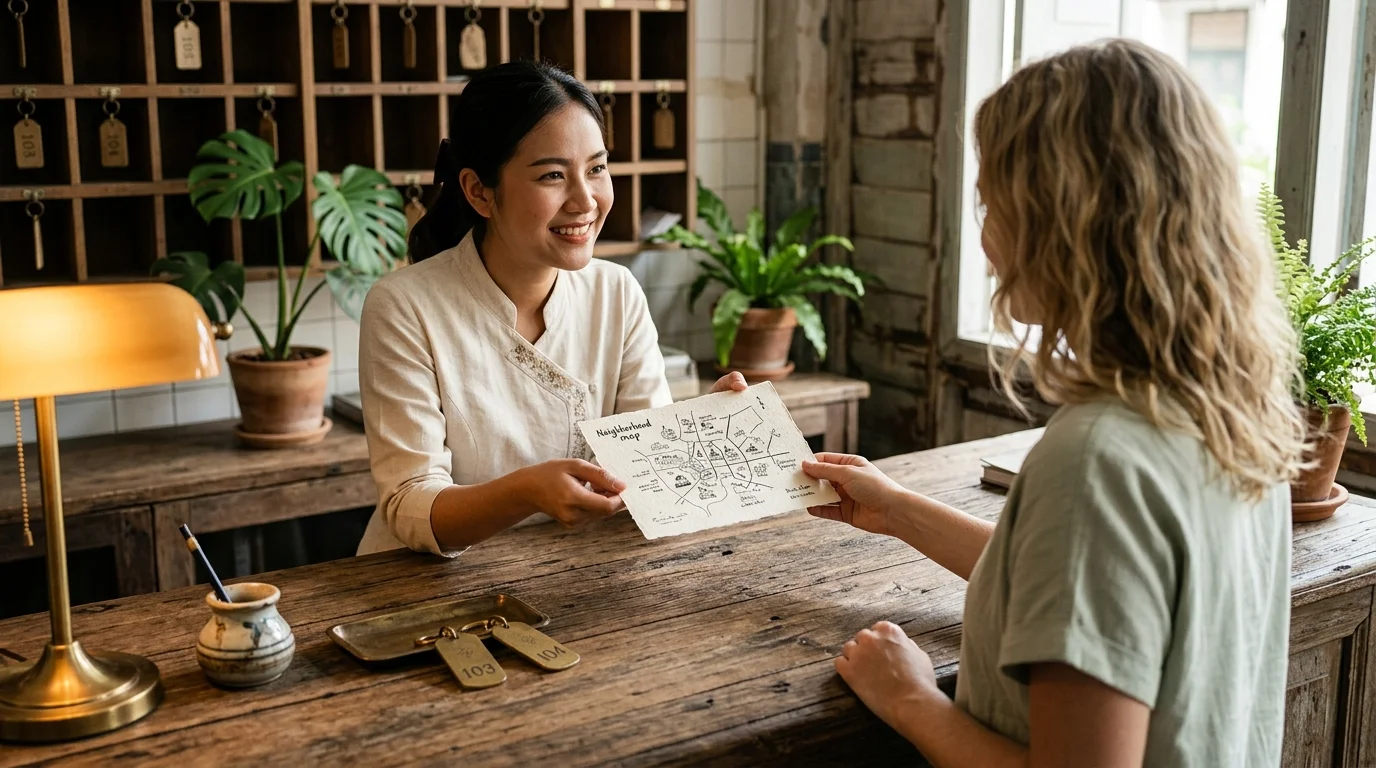
A 15-room Lanna-style teak property in Chiang Mai will cost you the same per night as a standard Hilton room in Bangkok, but you swap the 24-hour gym for breakfast cooked to order by the owner. Understanding how the Thai hospitality industry defines 'boutique' dictates whether you end up in an authentic heritage restoration or a standard concrete block with a quirky lobby.
This guide explains exactly what constitutes a boutique hotel in Thailand and how to identify genuine properties over cleverly marketed concrete high-rises. You will learn the stark differences in facilities and service between independent Thai lodgings and international chains. We cover the best locations for boutique stays across Bangkok, the north, and the islands, equipping you to balance the character of independent hotels with the reliability of larger brands before you book.
Defining Boutique in a Thai Context
The label 'boutique' in Thailand spans everything from meticulously restored 19th-century teak mansions to modern 50-room hotels that simply painted their concrete walls green. Genuine properties rarely exceed 30 rooms. These owner-operated businesses heavily reflect specific regional architecture, meaning your surroundings change drastically depending on the province. In Chiang Mai, expect Lanna-style wooden structures with steep gabled roofs. Down in Bangkok, the authentic article usually takes the form of converted heritage shophouses along the Chao Phraya River. You are paying for architectural character and highly personalised service. The staff-to-guest ratio is often high, but the physical facilities remain minimal. Expect a small courtyard plunge pool instead of a massive swimming facility, alongside a set-menu breakfast cooked in a domestic-style kitchen rather than an international buffet. The advantage here is direct access to local knowledge. Owners will happily book you a table at their favourite neighbourhood noodle stall or arrange custom transport. Always check the total room count before booking to verify if a property is genuinely independent or just heavily stylised.
Learn exactly how to buy a SIM card in Thailand. Compare AIS, DTAC, and True Move, discover standard vs tourist plans, and keep your UK number active.
Best Destinations for Authentic Thai Boutique Hotels
Sponsored
Not all Thai destinations deliver the same quality of boutique accommodation. Chiang Mai remains the undisputed capital of independent heritage hotels, where strict building regulations in the Old City prevent high-rise developments. Here, properties offer authentic Lanna architecture and deep cultural integration. Bangkok provides excellent but highly dispersed options. These are heavily concentrated in older districts like Phra Nakhon, Chinatown, and along the river. Space is at an absolute premium in these urban zones. Consequently, rooms frequently measure less than 25 square metres. Up in the northern mountains, Pai excels at rustic luxury by featuring resorts built around working rice paddies with individual bamboo villas. The southern islands present a different reality entirely. On Koh Samui and Phuket, the label is frequently hijacked by massive resorts offering exclusive wings. This makes genuine independent beachfront properties rare and expensive. For authentic island stays, smaller locations like Koh Yao Noi offer better owner-operated options built from local materials. Target northern Thailand for heritage architecture, and reserve the islands for larger resort experiences.
| Destination | Primary Boutique Style | Typical Room Size | Best For |
|---|---|---|---|
| Chiang Mai | Heritage teak, Lanna architecture | Medium (25-35 sqm) | Cultural immersion, architecture |
| Bangkok | Converted shophouses, riverfront | Small (15-25 sqm) | Urban exploration, food access |
| Pai | Rustic villas, nature-integrated | Large (35-50 sqm) | Mountain scenery, slow travel |
| Southern Islands | Modern tropical, beachfront | Varies widely | Ocean access, privacy |
Facilities and Service Expectations vs Chains
Choosing a boutique hotel in Thailand requires a deliberate sacrifice of predictable international amenities. Global chains like Marriott or Accor guarantee blackout curtains, heavily soundproofed doors, expansive fitness centres, and multiple dining venues operating around the clock. Thai boutique properties rarely possess the physical footprint to offer these. Soundproofing in restored wooden buildings is notoriously poor. You will likely hear the street dogs barking or the early morning monks chanting. Lifts are exceedingly rare in converted shophouses. This means you must be prepared to carry your luggage up steep, narrow staircases. However, what you lose in infrastructure, you gain in highly responsive, flexible service. Chain hotels operate on strict protocols regarding check-in times and breakfast hours. An independent Thai owner will often hold breakfast open if you sleep in, or arrange an early morning packed meal if you have a 6:00 AM ferry. Wi-Fi is generally excellent across both categories, but boutique properties frequently lack dedicated desk space for remote work. Pack earplugs if booking a heritage wooden property, as ambient street noise will penetrate the walls.
Finding Genuine Boutique Properties
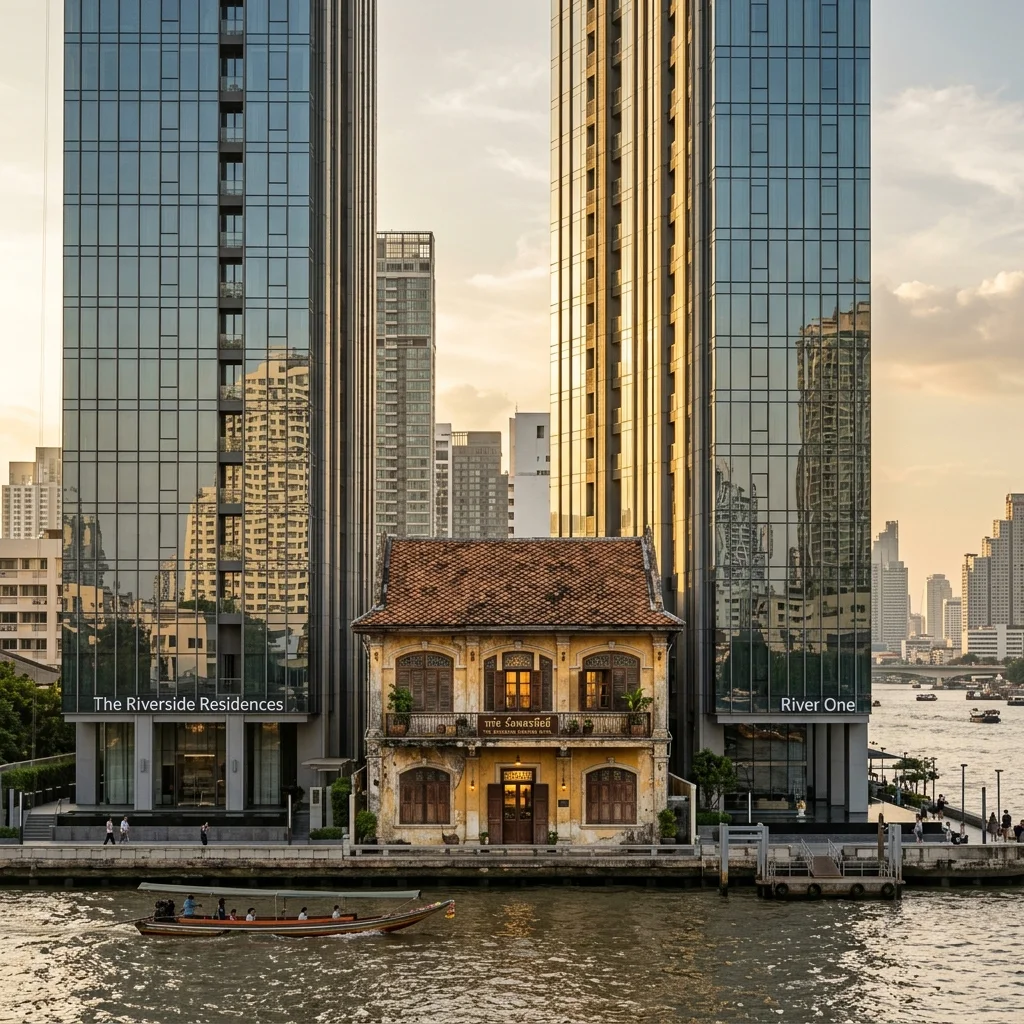
Separating a genuine independent stay from a thinly disguised corporate hotel requires careful scrutiny of booking platforms. Aggregators allow any property to add the word to their title. A hotel named "The Grand Boutique Bangkok" with 150 rooms is an oxymoron; it is simply a mid-sized hotel with patterned wallpaper. You must filter your search results strictly by property type, looking specifically for places with fewer than 30 rooms. Read the reviews specifically looking for mentions of the owner or manager by name. Genuine Thai boutique hotels live and die by their host's involvement. Guests frequently mention hosts who personally organised their transport. Take time to scrutinise the exact location on Google Maps using the Street View function. Many marketed hotels in Phuket are situated on multi-lane highways rather than the quiet side streets their photographs suggest. You should also check the hotel's own website. Authentic properties usually highlight their history, building materials, and local community ties directly on their homepage. Always verify the total room count and read reviews for personal staff interaction before confirming your reservation.
Trade-offs: Charm vs Reliability
The decision between an independent stay and a major brand ultimately comes down to your tolerance for operational quirks. Large hotel brands in Thailand are masters of consistency. They offer heavy air-conditioning, industrial-grade water pressure, and immediate maintenance support. If the AC fails in a Bangkok Hilton, they move you to an identical room in five minutes. If the single water pump breaks at a six-room boutique hotel in Koh Lanta, you might be taking bucket showers until the mechanic arrives from the mainland the next day. Furthermore, independent properties frequently enforce stricter cancellation policies because an empty room represents a massive percentage of their nightly revenue. Reception desks are rarely staffed 24 hours a day. If you lose your key at 3:00 AM, you may have to wake the owner. Conversely, large brands feel entirely disconnected from Thailand. You could wake up in a standard chain room and not know if you were in Phuket, London, or Dubai. Book international chains for the first night after a long-haul flight when you need utter predictability, then switch to boutique properties once acclimatised.
| Feature | Thai Boutique Hotel | International Chain |
|---|---|---|
| Reception Hours | Often 7:00 AM to 10:00 PM | 24 hours guaranteed |
| Problem Resolution | Dependent on owner availability | Immediate room swaps |
| Local Character | High (architecture, local food) | Low (standardised design) |
| Cancellation Terms | Strict (often non-refundable) | Flexible (often up to 24h prior) |
Costs and Budgeting
Pricing for boutique hotels in Thailand varies aggressively depending on the region and the level of historical restoration involved. Budget boutique stays start around 1,500 THB (£33) per night. You will usually find these in Chiang Mai or secondary cities like Chiang Rai. At this level, you secure a highly stylised, clean room with basic air-conditioning, but breakfast is usually just toast and local fruit. Mid-range properties form the bulk of the market, costing between 3,500 THB and 6,000 THB (£78 to £133) nightly. These properties deliver the true independent experience. Expect heritage architecture, high-thread-count linens, and elaborate, cooked-to-order Thai breakfasts. Premium boutique hotels command upwards of 10,000 THB (£222). These are typically riverside restorations in Bangkok or cliffside villas on Koh Tao. You are paying a premium for extreme privacy, antique furnishings, and prime real estate in heavily developed areas. You will generally pay 20% more for an independent property than a similarly equipped mid-scale chain hotel due to the lack of economies of scale.
| Option | Cost (THB) | Cost (GBP approx) | Notes |
|---|---|---|---|
| Budget Boutique | 1,500 - 2,500 | £33 - £55 | Simple rooms, basic breakfast, owner-operated |
| Mid-range Heritage | 3,500 - 6,000 | £78 - £133 | Historic buildings, prime locations, excellent service |
| Premium Independent | 10,000+ | £222+ | Antique furnishings, high privacy, river/ocean views |
| Standard Chain | 2,500 - 4,500 | £55 - £100 | Included for comparison; gyms, pools, buffets |
Common Mistakes and How to Avoid Them
Assuming all boutique hotels have lifts is a frequent error. You will end up dragging heavy suitcases up four flights of narrow, wooden stairs in the Bangkok heat. Always email the property to request a ground-floor room if mobility is a concern.
Booking a wooden heritage property if you are a light sleeper guarantees exhaustion. These older traditional Thai structures amplify street noise and internal footsteps to unbearable levels. Pack heavy-duty silicone earplugs or simply choose a modern concrete building with boutique styling instead.
Expecting a western buffet breakfast leads to morning disappointment. You will likely be served a set plate of eggs or a traditional Thai rice soup rather than pastries and cereals. Embrace the local breakfast offering or check the specific menu before booking.
Arriving late without notifying a small property often results in a locked door. Small hotels do not run 24-hour reception desks, leaving you stranded on the pavement at midnight. Always send your exact flight arrival time and request late check-in instructions.
Practical Tips for Booking Boutique Stays
* Contact the hotel directly through WhatsApp before booking via an aggregator. Owners will frequently offer you a cheaper direct rate or throw in free airport transfers to avoid paying platform commission fees.
* Look closely at the bathroom photos during your research. Many older, converted Thai properties feature 'wet rooms' where the shower sprays directly over the toilet, which frustrates many UK travellers.
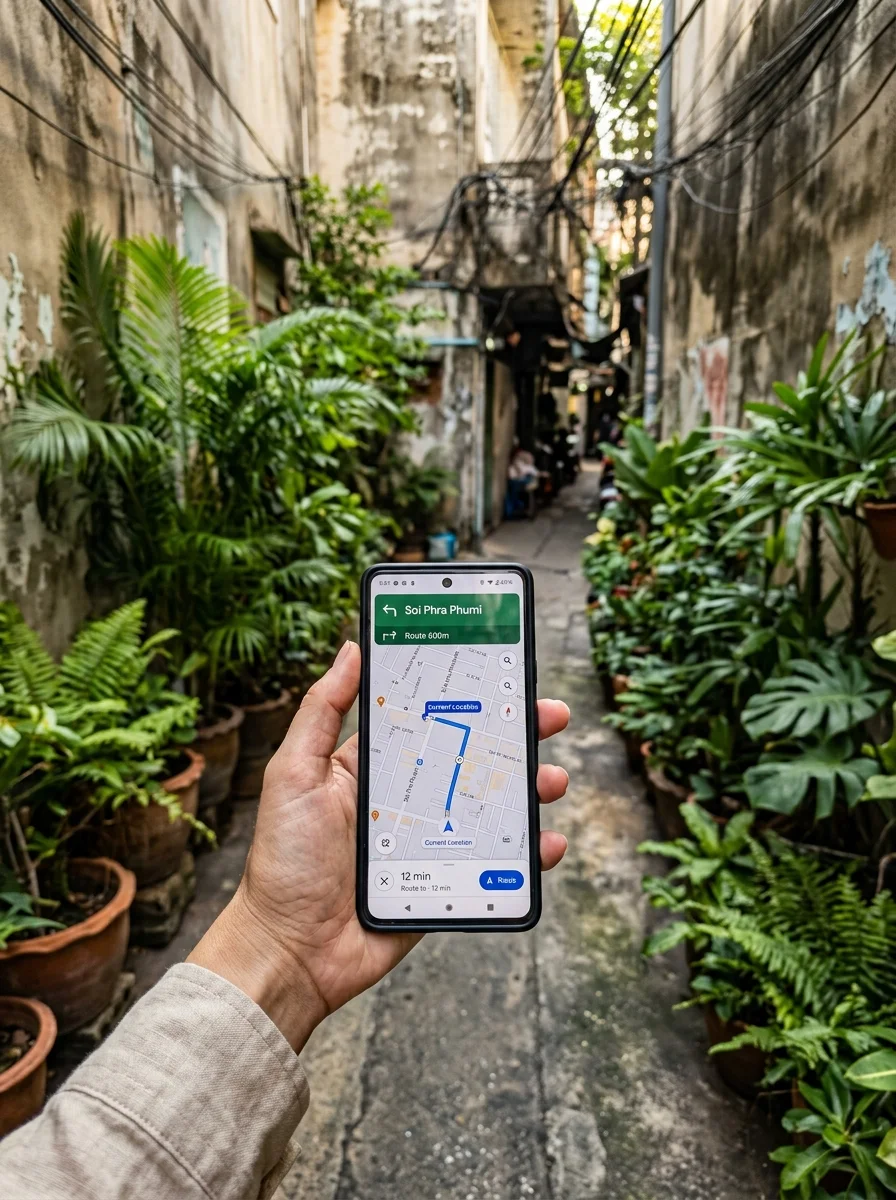
* Carry a physical printout of the hotel's name and address written in Thai script. Taxi drivers rarely know small, 10-room properties by their English name, especially in sprawling cities like Bangkok.
* Check the exact distance to the nearest BTS Skytrain or MRT station in Bangkok. Boutique hotels are often hidden deep down winding alleys (sois), meaning a miserable 20-minute walk in high humidity just to reach public transport.
* Bring your own universal travel adapter and an extension lead. Heritage properties often have severe shortages of plug sockets, usually placing the only available one far away from the bed.
* Do not rely on the hotel for currency exchange or ATM access. Unlike large resorts, independent properties deal strictly in room rates and rarely hold enough cash to break large 1,000 THB notes for your daily spending.
* Ask about mosquito management if booking a property heavily integrated into nature. Small resorts in Pai or Koh Phangan rely on netting and coils rather than the industrial fumigation used by large chains.
Quick Reference: Thai Boutique Hotels
| Item | Detail | Notes |
|---|---|---|
| Typical Room Count | 10 to 30 rooms | Anything over 50 is likely a standard hotel using the label. |
| Average Cost (Mid-range) | 3,500 - 6,000 THB (£78 - £133) | Prices drop by up to 40% during the May-October low season. |
| Best Location (North) | Chiang Mai Old City | Strict zoning laws preserve genuine Lanna teak architecture. |
| Best Location (Bangkok) | Phra Nakhon, Riverside | Highly concentrated around heritage shophouse districts. |
| Reception Hours | Usually 7:00 AM to 10:00 PM | Late arrivals must be coordinated directly with the owner. |
| Breakfast Style | Set menu, cooked to order | Usually a choice between one western plate or local rice soup. |
| Soundproofing | Generally very poor | Heritage wooden buildings amplify street and internal noise. |
| Luggage Handling | Self-service mostly | Lifts are extremely rare in converted historical buildings. |