Safety in Thailand
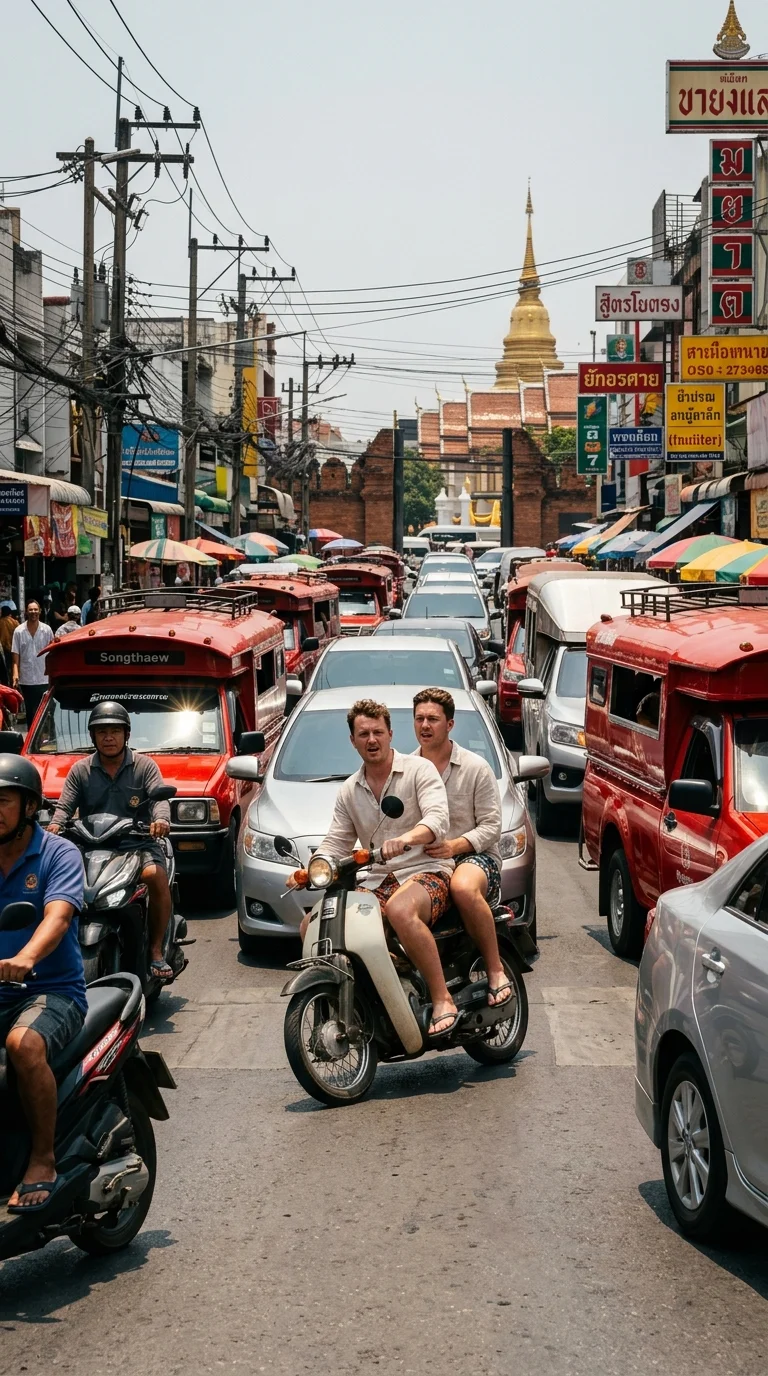
Every day, dozens of British nationals end up in Thai hospitals following motorbike accidents, often discovering their standard travel insurance will not cover the £15,000 medical bill. Understanding the specific, everyday risks on the ground prevents a minor mishap from becoming a costly emergency.
This guide details the practical realities of staying safe in Thailand. It allows you to anticipate and bypass the most common hazards before they escalate. You will discover exactly how to handle roadside scams, navigate aggressive traffic, assess water safety, and avoid prevalent health risks like dengue fever. Applying these specific strategies ensures you can confidently manage local conditions throughout your journey.

Road Safety and Scooter Accidents
Thailand's roads rank among the deadliest globally, with the vast majority of fatalities involving two-wheeled vehicles. Renting a 125cc scooter in places like Phuket or Koh Samui seems like a cheap transport solution. It often costs just 250 THB (£5.50) per day. However, local driving habits involve sudden lane changes, ignoring red lights, and driving against traffic on the hard shoulder. British tourists frequently crash due to unfamiliarity with the unpredictable flow and gravel-strewn mountain roads. If you do not hold a full UK motorcycle licence and an International Driving Permit (IDP) stamped for motorcycles, your travel insurance is entirely void. A minor scrape treated at a local clinic might cost 2,000 THB (£44). Conversely, a serious fracture requiring surgery at Bangkok Hospital Phuket can easily exceed 500,000 THB (£11,100). Always hire from reputable shops rather than leaving your passport as a deposit at a beachfront shack. Stick to four wheels via Grab or Bolt if you lack significant riding experience. Protect yourself both physically and financially by only riding if fully licenced, properly helmeted, and adequately insured.
Learn how to rent and drive a car in Thailand safely. Discover UK licence rules, IDP requirements, costs, and toll tips. Compare rental cars today.
| Destination | Primary Road Hazard | Risk Level |
|---|---|---|
| Bangkok | High-speed multi-lane highways and unpredictable lane changes. | High |
| Koh Samui | Steep, unpaved mountain roads covered in loose gravel. | Very High |
| Chiang Mai | Heavy congestion mixed with tourists navigating the moats. | Moderate |
| Krabi | Poorly lit rural roads with wandering livestock at night. | Moderate |
Common Street and Transport Scams
Sponsored
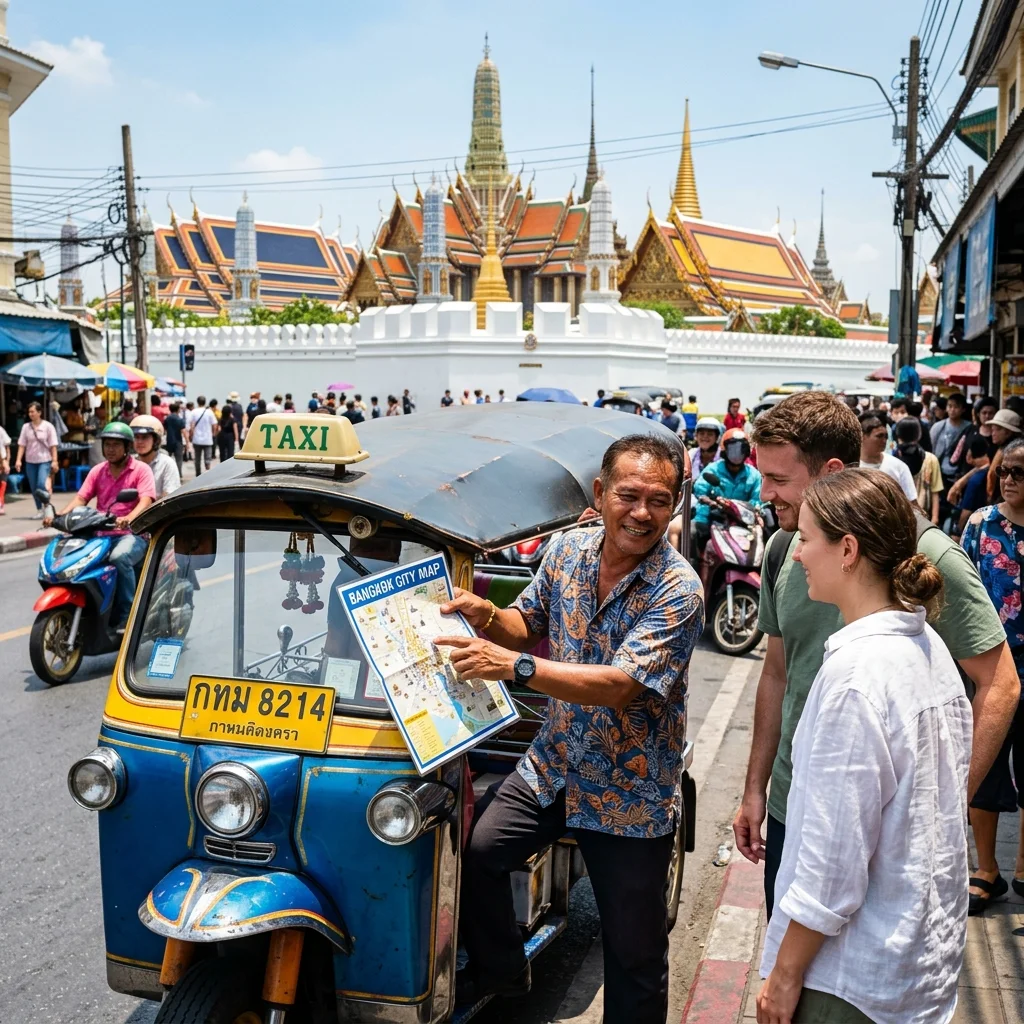
Financial deception in tourist hubs relies heavily on creating false urgency or exploiting a lack of local knowledge. The most prevalent scam involves tuk-tuk drivers near major landmarks claiming the site is closed for a Buddhist holiday. They then offer a heavily discounted tour for 40 THB (£0.88). This inevitably routes you through high-pressure tailor shops or gem stores where the driver earns fuel vouchers. Similarly, jet ski operators on Patong Beach frequently demand 30,000 THB (£665) for pre-existing scratches upon your return. Always photograph rental equipment from every angle before you hand over any cash. In taxis, drivers at Suvarnabhumi Airport or Sukhumvit Road sometimes refuse to use the meter. They might demand a flat fare of 500 THB (£11) for a journey that should cost 150 THB (£3.30). Simply exit the vehicle and find another. Using ride-hailing apps like Grab locks the fare in advance, removing the negotiation entirely. Firmly decline unsolicited transport offers and always rely on metered taxis or fixed-price apps to navigate the cities safely.
Water Safety and Marine Hazards
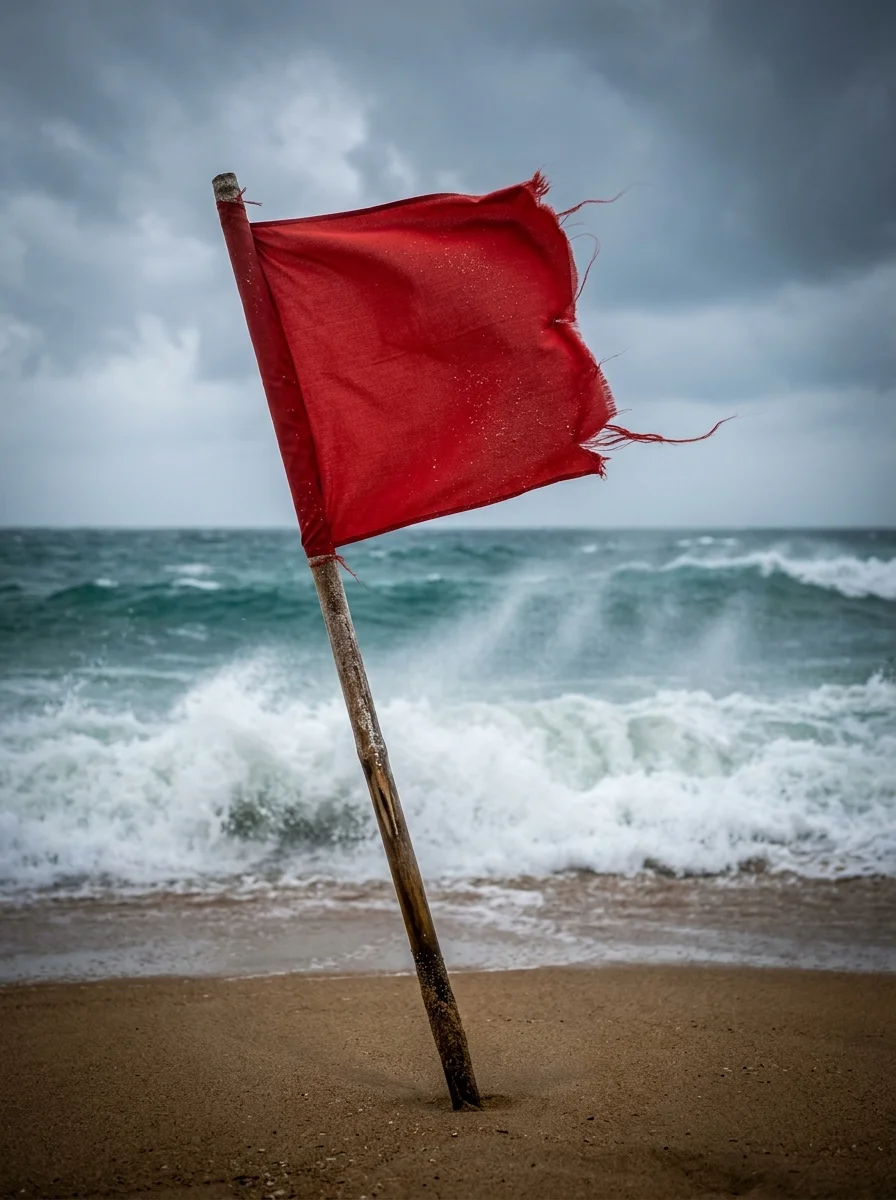
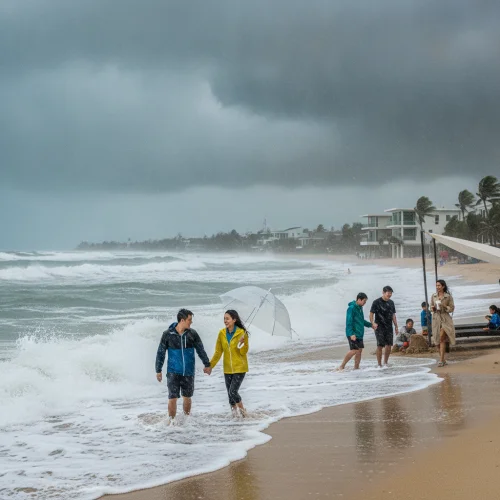
The idyllic appearance of the Thai coastline masks powerful rip currents and seasonal marine stingers that catch many swimmers off guard. During the monsoon season from May to October, the Andaman coast experiences severe undercurrents capable of pulling even strong swimmers out to sea in a matter of seconds. Lifeguard coverage remains patchy at best. Popular spots like Kata and Karon beaches do deploy red flags when conditions are lethal, yet tourists routinely ignore them. Disregarding these warnings is incredibly dangerous and frequently leads to preventable drownings. Beyond the surf, box jellyfish and Portuguese man o' war periodically wash into coastal waters. This happens particularly around Koh Samui and Koh Pha Ngan. A sting requires the immediate application of vinegar, which is often kept at beachside restaurants, followed by urgent medical attention. When booking boat tours, inspect the vessel before boarding. If there are thirty passengers and only ten life jackets, walk away immediately. Always swim on patrolled beaches, heed the warning flags, and never compromise on basic safety equipment when travelling by sea.
| Coastal Region | Primary Marine Hazard | Peak Risk Season |
|---|---|---|
| Andaman Coast (Phuket, Krabi) | Severe rip currents and rough surf. | May to October |
| Lower Gulf (Koh Samui, Pha Ngan) | Box jellyfish and marine stingers. | July to October |
| Upper Gulf (Pattaya, Hua Hin) | Heavy boat traffic and poor water quality. | Year-round |
| Inland Islands (Koh Sok Lake) | Deep water drop-offs and submerged trees. | Year-round |
Health Risks and Tropical Diseases
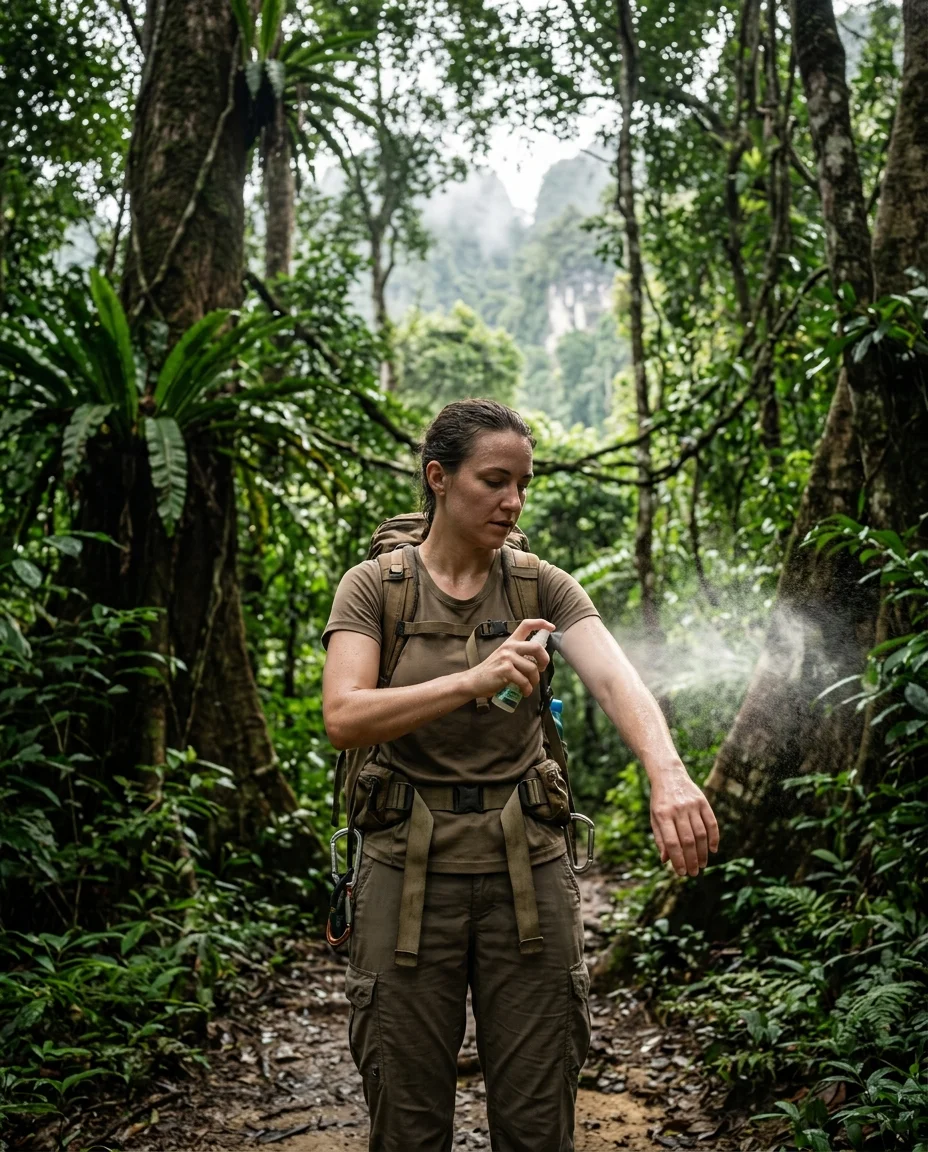
Mosquito-borne illnesses pose a persistent threat across the country, making bite prevention a mandatory daily routine. Dengue fever is prevalent in both urban centres and rural provinces. It presents with sudden high fever, severe joint pain, and a distinct rash. Because dengue-carrying mosquitoes bite during daylight hours, you must apply a repellent containing at least 50% DEET every morning. Malaria is rare in major tourist zones. It remains a risk in border regions near Myanmar and Cambodia. Tap water is entirely unsafe for consumption anywhere in the country. Always drink bottled or filtered water. This costs around 15 THB (£0.33) at 7-Eleven. Ice in established restaurants is generally produced in commercial factories and safe to consume. However, street food hygiene varies wildly. Look for vendors with high turnover and freshly cooked meals to minimise the risk of severe food poisoning. Pharmacies are well-stocked and pharmacists can dispense antibiotics for minor infections. Maintain strict hygiene standards and rigorously protect yourself against mosquito bites to avoid spending your trip in a hospital bed.
Petty Theft and Security
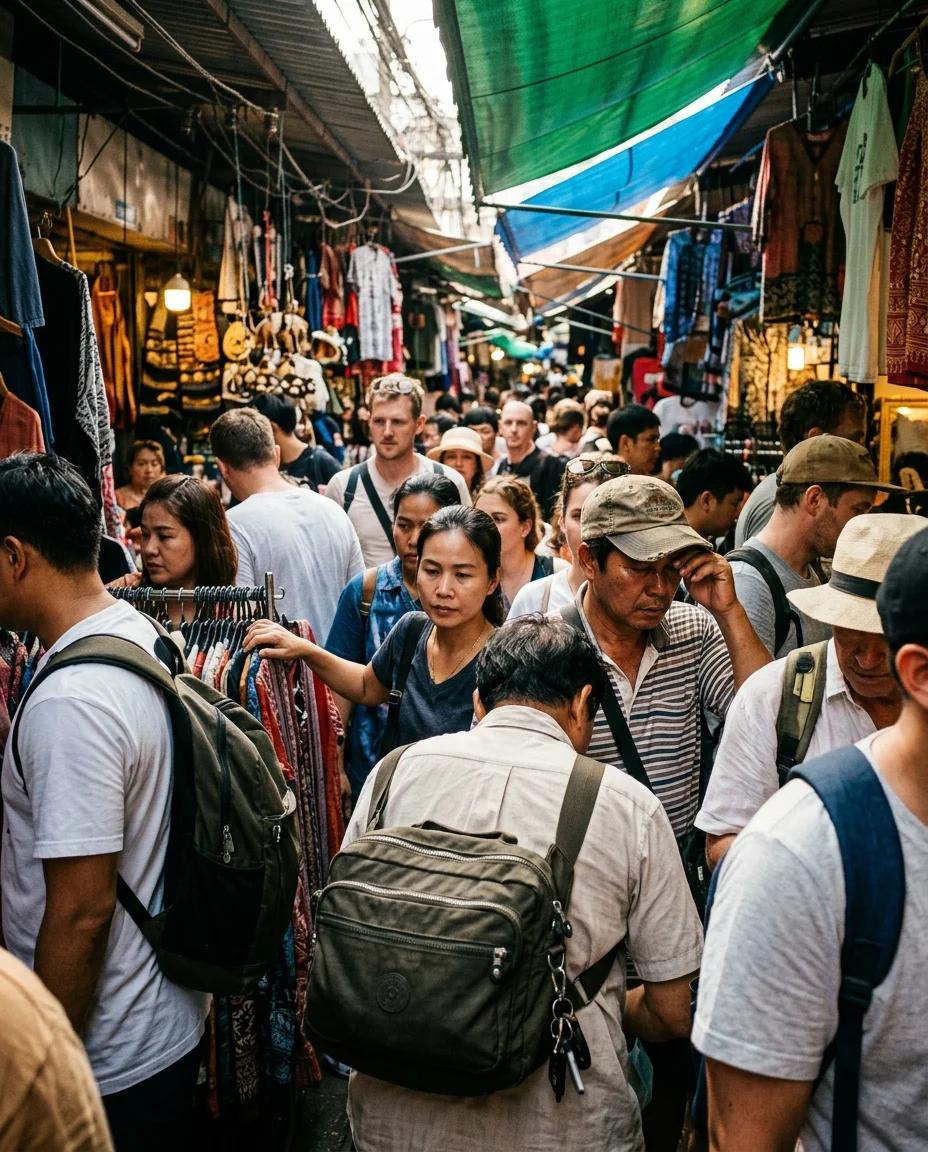
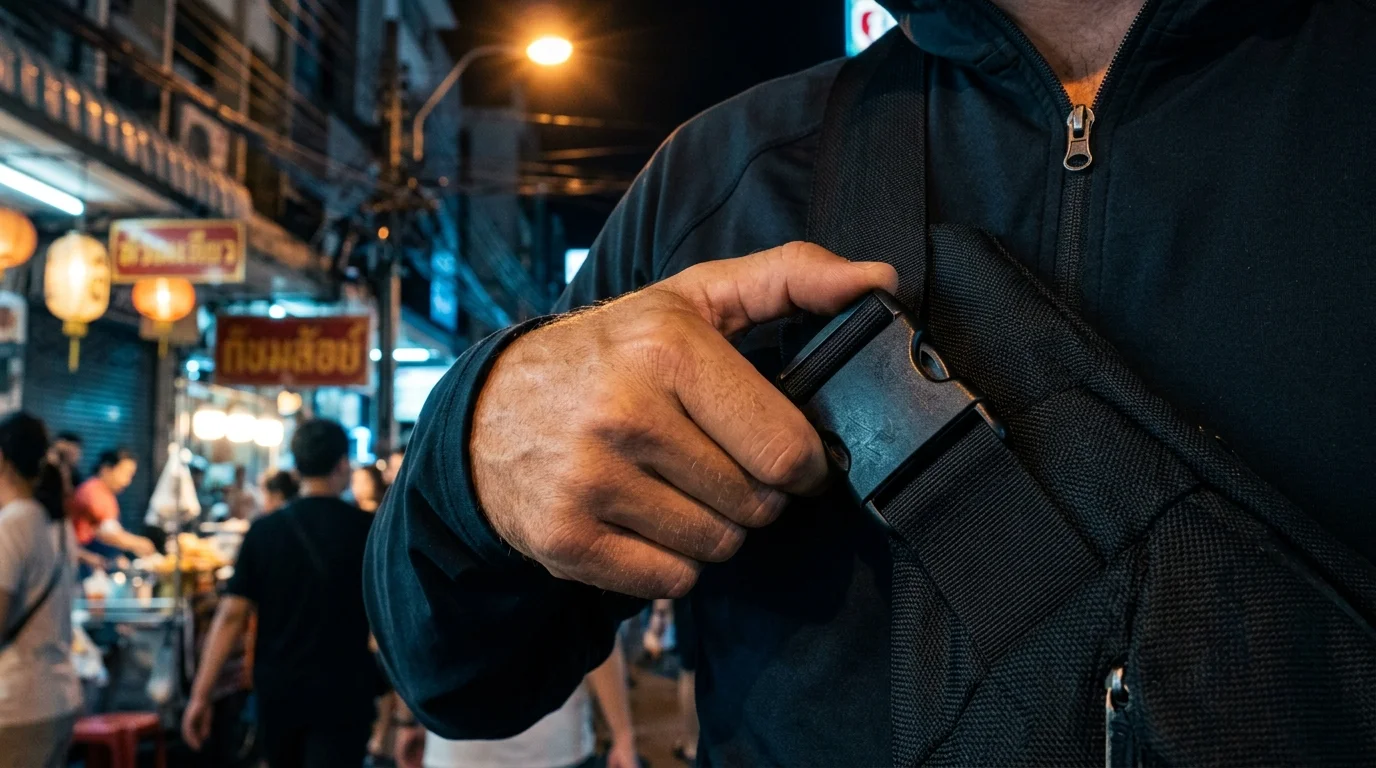
Violent crime against tourists is exceedingly rare. Opportunistic theft occurs frequently in crowded transport hubs and nightlife districts. Pickpockets operate heavily in areas like the Chatuchak Weekend Market and along the BTS Skytrain during rush hour. They typically target smartphones protruding from back pockets or loosely fastened handbags. Bag snatching by passing motorcyclists is another recognised risk, particularly in Pattaya and parts of Bangkok. Always wear cross-body bags facing away from the street to eliminate this vulnerability. When staying in budget accommodation or beachfront bungalows, secure your valuables carefully. Flimsy wooden doors and easily manipulated window latches provide little resistance to an experienced thief. Use the main hotel safe at reception for your passport, spare bank cards, and bulk cash. Carry only the currency you need for the day. This usually amounts to roughly 2,000 THB (£44) for general expenses. Keep a digital copy of your passport on your phone and email a copy to yourself. Remain vigilant in crowded spaces and actively manage your belongings to deter opportunistic thieves.
Safety and Medical Costs
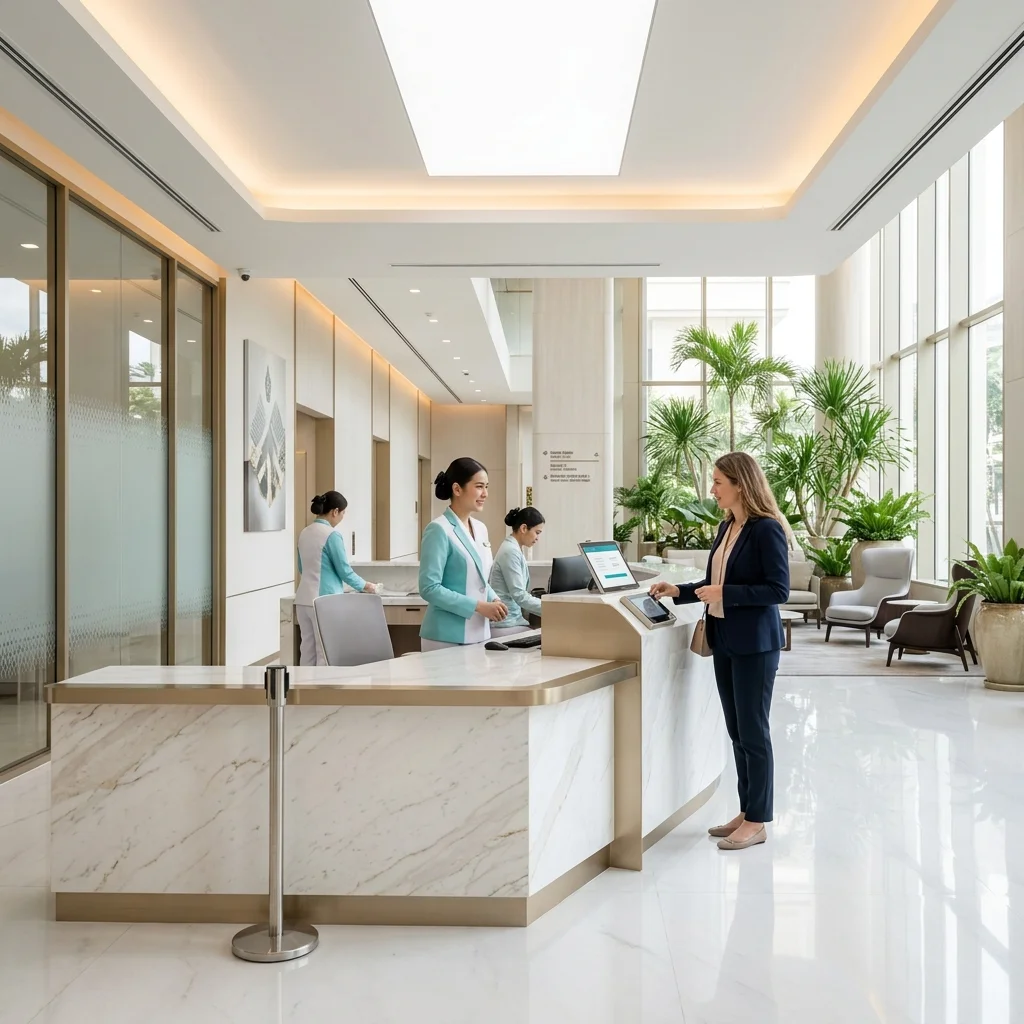
While routine medical care is affordable, emergency treatments quickly escalate into thousands of pounds. Understanding these financial realities ensures you do not underestimate the value of comprehensive insurance. A simple consultation at a local clinic for a minor stomach bug or coral scrape will set you back a manageable amount. Mid-range options include private regional hospitals. Here, treatments for moderate injuries or overnight observation present a higher but standard rate. At the premium end, international facilities like Bumrungrad in Bangkok offer exceptional care with price tags to match. Preventative safety measures represent a minimal upfront investment. For example, purchasing a high-quality helmet locally is far better than using the flimsy plastic shells provided by rental shops. Securing the right travel insurance before departure is the only reliable way to shield yourself from catastrophic out-of-pocket expenses following a serious accident.
| Option | Cost (THB) | Cost (GBP approx) | Notes |
|---|---|---|---|
| Basic Clinic Consultation | 500 - 1,000 | £11 - £22 | Suitable for minor ailments and basic prescriptions. |
| Regional Hospital Overnight | 10,000 - 20,000 | £220 - £440 | Includes standard tests, a bed, and routine treatments. |
| International Hospital Surgery | 300,000 - 800,000 | £6,600 - £17,700 | Major trauma care requiring specialised surgeons and facilities. |
| High-Quality Helmet Purchase | 2,500 - 5,000 | £55 - £110 | Essential investment if renting a scooter for an extended period. |
Common Mistakes and How to Avoid Them
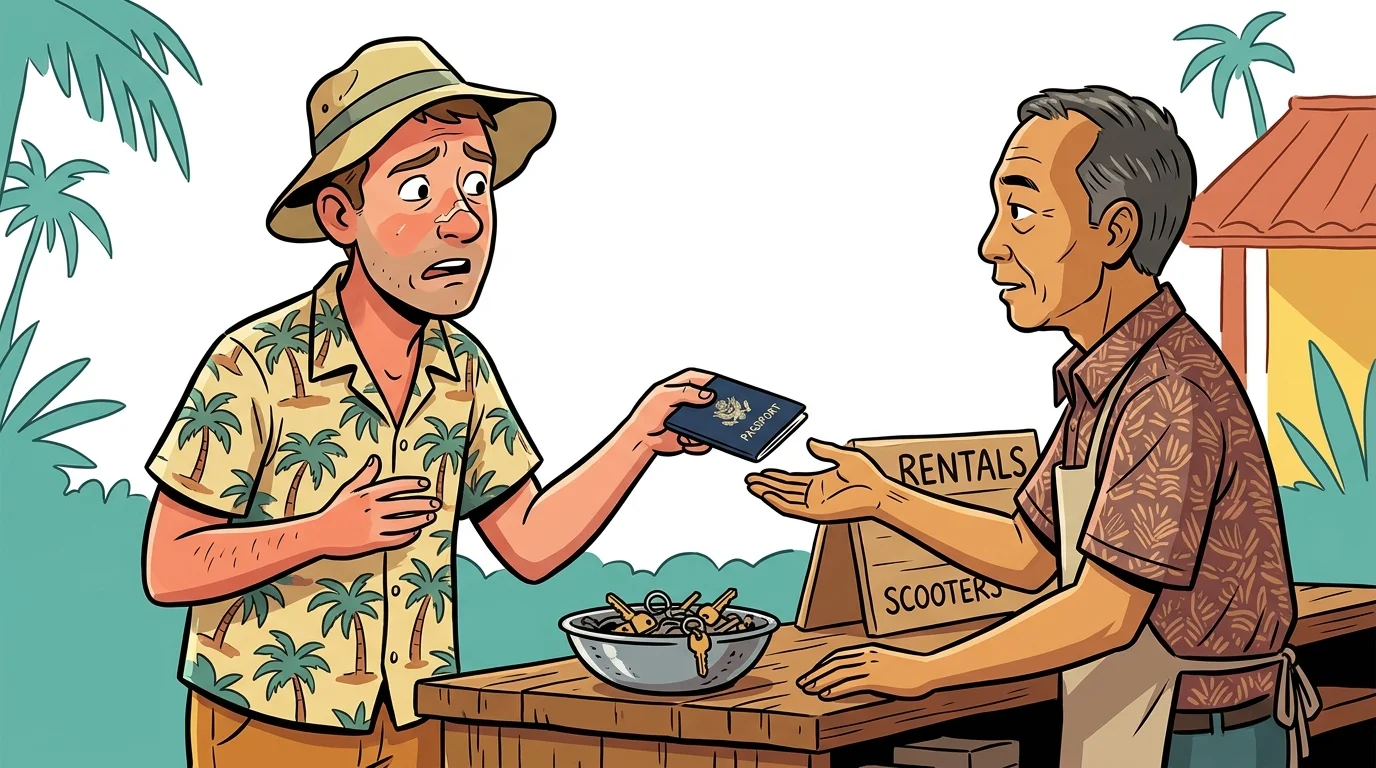
Handing over your passport as a deposit for scooter or jet ski rentals is a crucial error. The vendor holds your most vital document hostage, allowing them to extort money for pre-existing damage you did not cause. Offer a cash deposit instead, or find another vendor who accepts a simple photocopy. Assuming zebra crossings guarantee pedestrian right of way is equally dangerous. You might step into moving traffic expecting vehicles to stop, leading to a serious collision. Wait for a clear break in traffic or cross closely alongside a group of locals. Petting stray dogs or temple monkeys invites significant danger. A sudden bite or scratch exposes you to rabies, necessitating a painful and expensive series of immediate hospital injections. Admire all wildlife and street animals from a safe distance without offering food. Finally, drinking tap water in upscale hotels remains a persistent mistake. Even in luxury accommodation, the municipal pipe network harbours bacteria that cause severe gastrointestinal distress. Rely entirely on the complimentary bottled water provided in your room for drinking and brushing your teeth.
Practical Tips
Download the Tourist Police application before you arrive. This app provides a direct line to English-speaking officers who can assist during disputes or emergencies.
Photograph your rental scooter thoroughly from every angle before driving away. This digital evidence protects you against fraudulent claims for pre-existing scratches upon return.
Carry a small personal first aid kit in your daypack. Having antiseptic wipes and waterproof plasters immediately available prevents minor cuts from becoming infected in the tropical humidity.
Save the emergency number 1155 in your phone contacts. This connects you instantly to the dedicated Tourist Police rather than the general local emergency dispatch.
Dress modestly when visiting temples or rural villages. Blending in respectfully lowers your profile and reduces unwanted attention from opportunists.
Use ATMs located inside banks or shopping malls rather than those on the street. Indoor machines are significantly less likely to be compromised by card skimming devices.
Check your travel insurance policy for specific exclusions regarding alcohol. Insurers frequently deny claims for accidents or injuries sustained while you are intoxicated.
Quick Reference Table
| Item | Detail | Notes |
|---|---|---|
| Tourist Police | Dial 1155 | English-speaking operators available 24/7 for tourist-related issues. |
| Medical Emergencies | Dial 1669 | Dispatches local ambulances, though private hospital transport is often faster. |
| Tap Water | Unsafe to drink | Always use bottled water, even for brushing teeth in hotels. |
| Scooter Licences | UK Full Bike + IDP | Standard UK car licences invalidate travel insurance for two-wheeled accidents. |
| Monsoon Seas | May to October | Red flags on beaches mean lethal rip currents are active. Do not swim. |
| Mosquito Protection | 50% DEET Minimum | Apply every morning to prevent daylight-biting dengue mosquitoes. |