Spas and Treatments in Thailand
The sharp scent of camphor and lemongrass hits the air just before a therapist uses her body weight to stretch your limbs into positions you never knew they could reach. What passes as an occasional, high-priced indulgence in the UK is an everyday physical necessity here, fundamentally rooted in centuries of anatomical knowledge.
This guide decodes Thailand’s vast spa landscape, helping you navigate everything from 300 THB street-side foot rubs to multi-day wellness retreats. You will learn the stark physical differences between a heavily therapeutic traditional Thai massage and a gentle Western spa treatment, alongside practical advice on choosing the right establishment. We break down exactly what to expect on the mat, how to identify legitimate professional clinics, and what a realistic spa budget looks like for a two-week holiday.
The Thai Spa Philosophy: Therapeutic versus Relaxation
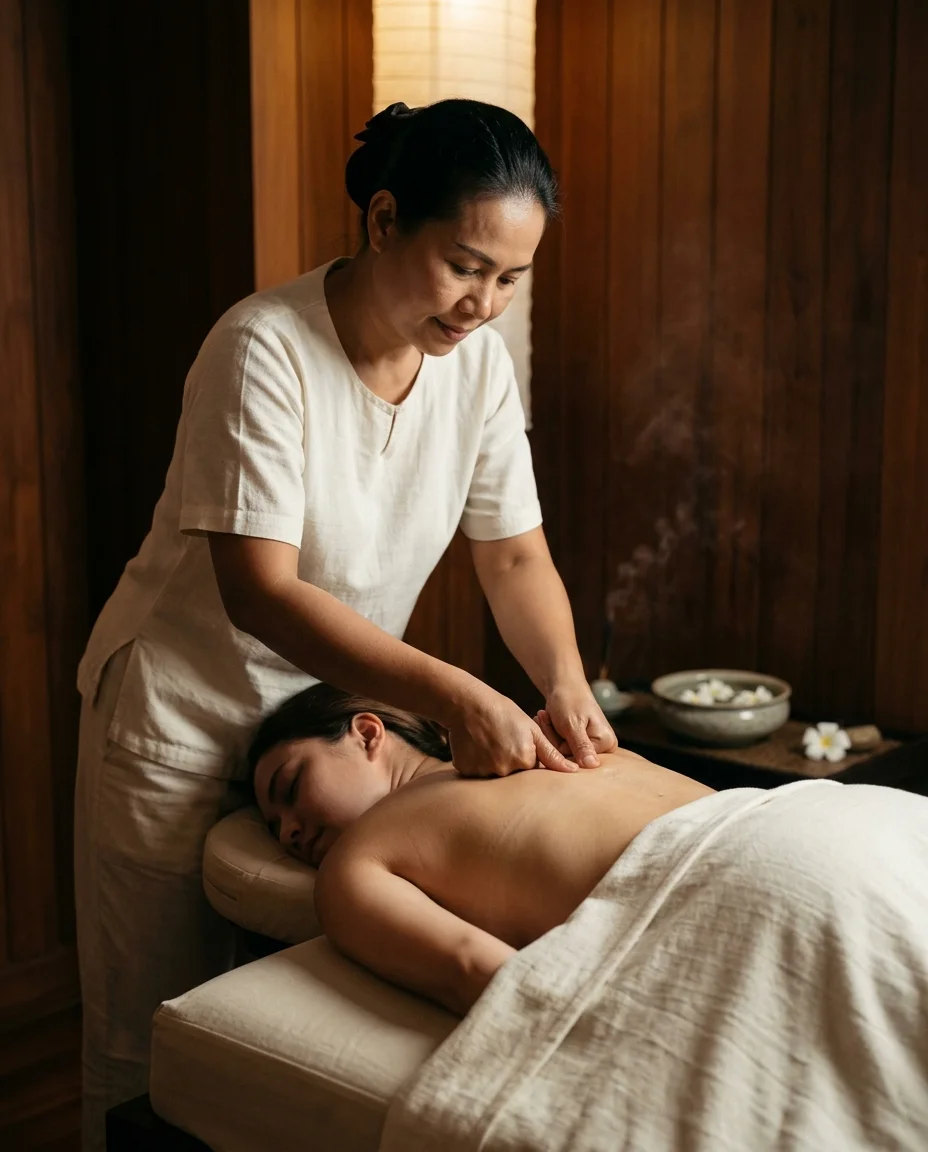
Thai massage is an active, deeply therapeutic discipline rather than a passive luxury experience. Western spa models typically focus on relaxation, using long, flowing strokes with scented oils to soothe surface muscles and lull you into a state of calm. Traditional Thai therapies operate on an entirely different premise. Practitioners work along the body's 'Sen' energy lines, applying intense, sustained pressure with their thumbs, elbows, knees, and feet. The primary goal is to release deep tissue blockages, improve joint mobility, and align the skeletal structure. You remain fully clothed in loose cotton pyjamas, and no oil is used. The process is highly interactive. Your therapist will stretch your limbs, twist your torso, and sometimes walk on your back to achieve the necessary leverage. It can be physically demanding, occasionally bordering on uncomfortable, but the resulting physical release is profound. Understanding this difference is crucial before booking. If you walk into a traditional Thai clinic expecting a gentle Swedish massage, the intense reality of the treatment will be a shock. Always communicate your preferred pressure level before the session begins to ensure a beneficial outcome.
Discover the reality of detox and wellness programmes in Thailand. Compare juice fasts, liver flushes, costs, and medical advice for UK visitors. Plan your ret…
Decoding the Treatments: From Massage to Scrubs
Beyond the famous traditional stretching, Thai spas offer a distinct menu of indigenous treatments that utilise local herbs, roots, and physical techniques. Aromatherapy oil massages bridge the gap between Thai pressure-point work and Western relaxation, using warm coconut or jasmine oils to work out knots with less skeletal manipulation. The Thai herbal compress massage is a specific local highlight that provides intense muscular relief. Therapists steam tightly bound cotton spheres filled with turmeric, lemongrass, kaffir lime, and tamarind, pressing the hot bundles directly onto sore muscles to reduce inflammation and open pores. For skin treatments, local body scrubs heavily feature raw natural ingredients rather than synthetic chemicals. Coffee grounds, tamarind paste, and sea salt are used to strip away dead skin before applying rich moisturisers. Tamarind paste acts as a natural chemical exfoliant due to its high alpha-hydroxy acid content, leaving skin remarkably smooth. Foot massages are ubiquitous and operate on strict reflexology principles, using wooden sticks to stimulate internal organ function via pressure points on the soles. Knowing which treatment suits your current physical state ensures you get exactly what your body needs.
| Treatment Type | Physical Intensity | Clothing Required | Best For |
|---|---|---|---|
| Traditional Thai Massage | High (stretching, deep pressure) | Loose pyjamas provided | Releasing tight joints and deep muscle tension |
| Aromatherapy Oil Massage | Low to Medium | Underwear only | General relaxation and easing jet lag |
| Herbal Compress Massage | Medium (heat and pressure) | Loose pyjamas or underwear | Reducing inflammation and muscle aches |
| Thai Foot Massage | Medium (sharp pressure points) | Casual clothing | Reviving tired legs after heavy walking days |
Your First Traditional Thai Massage
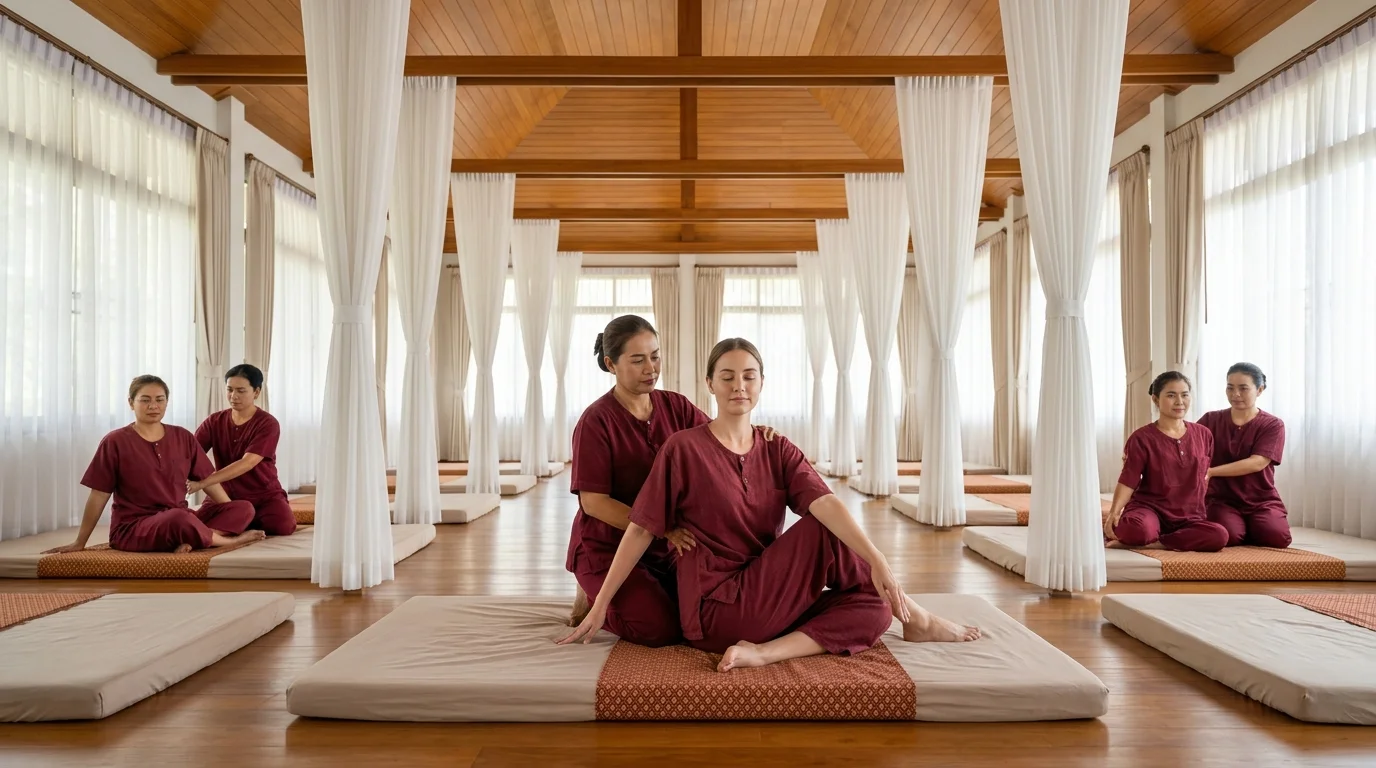
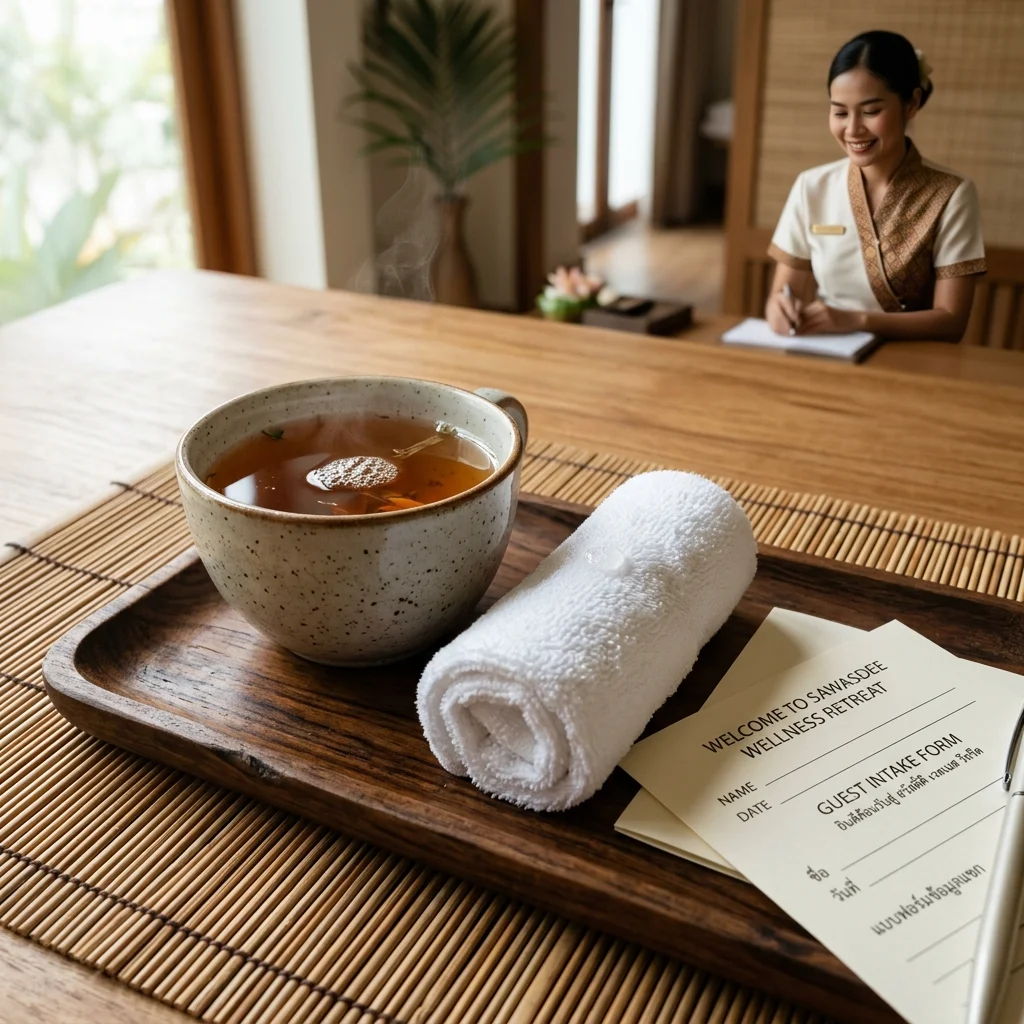
The reality of a traditional Thai massage rarely matches the quiet, solitary environment of a UK hotel spa. At a standard clinic, you will remove your shoes at the door and be handed a set of oversized, wrap-around cotton trousers and a loose top. You change in a cubicle or behind a curtain before lying on a firm floor mattress. These mattresses are often lined up in a communal room, separated only by thin drapes, meaning you will hear the low murmur of other therapists and clients. The session usually begins at your feet, with the therapist methodically working their way up your legs using rhythmic compressions to stimulate blood flow. By the time they reach your shoulders, you are usually entirely pliable. They will use their body weight to lean into your muscles, occasionally pulling your arms behind your back or using their knees to anchor your hips while twisting your spine. The sensation fluctuates between deep, targeted pain and immense relief. You must breathe through the intense stretches rather than tensing up against them. Drinking the hot ginger or bael fruit tea offered at the end of the session helps flush the released toxins from your system.
Budget Shops, Mid-Range Spas, and Luxury Hotels
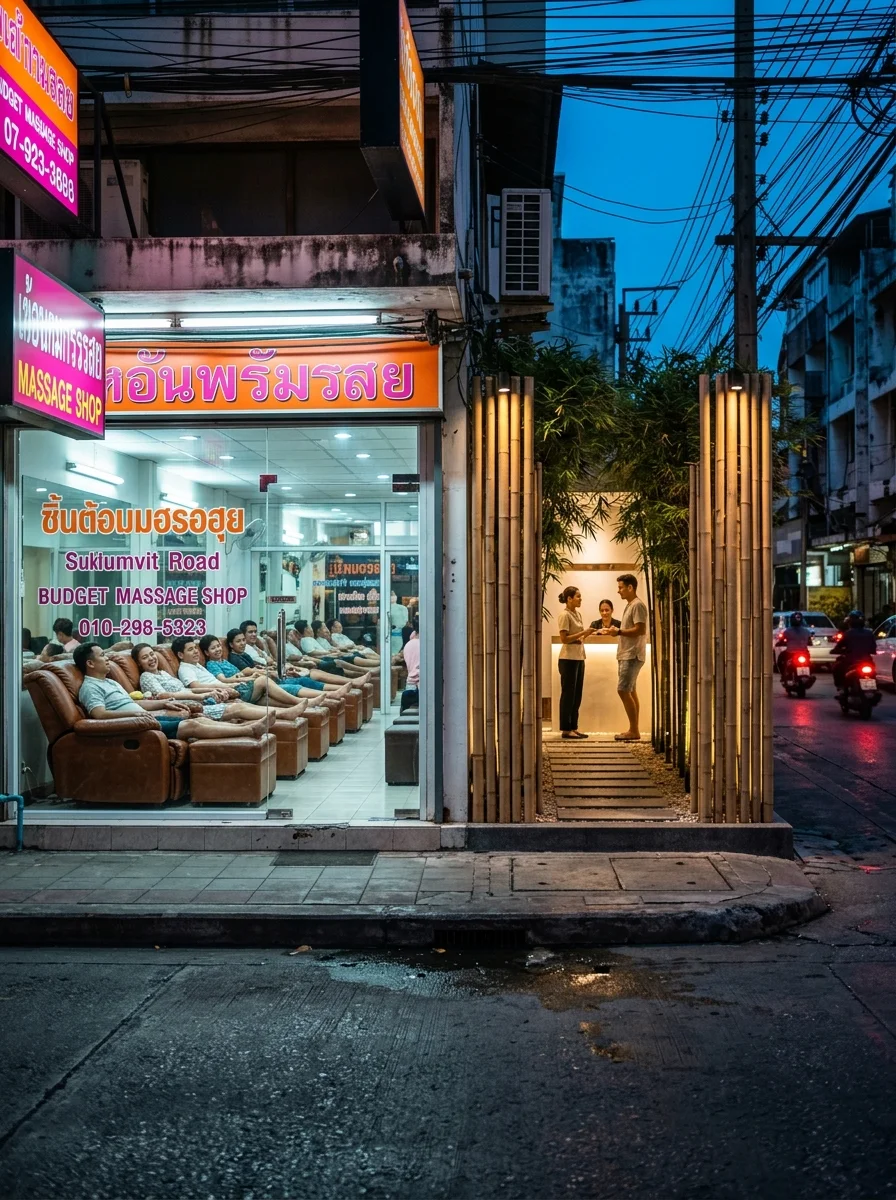
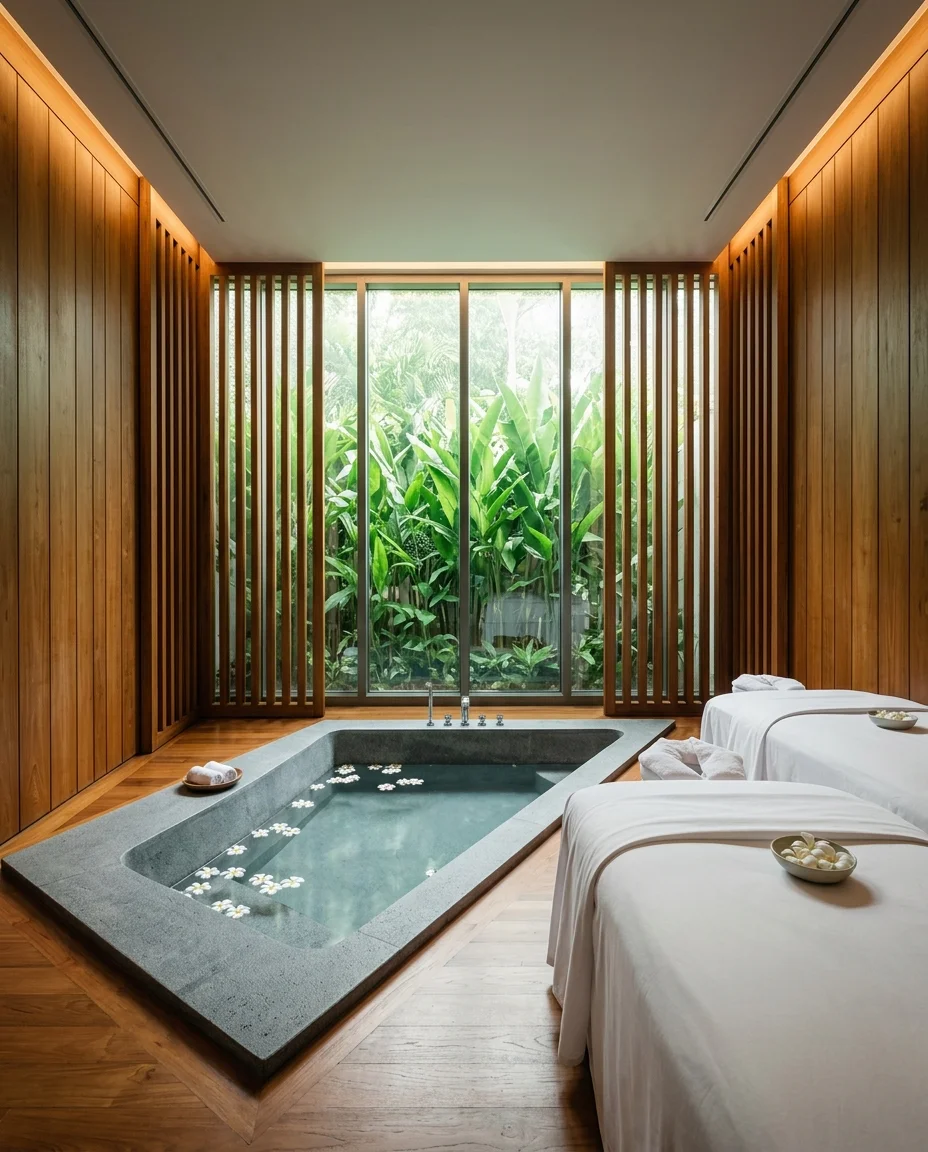
The Thai spa industry operates across three distinct tiers, each offering a vastly different environment for your money. Budget street shops charge between 200 and 300 THB (£4.50 to £6.70) per hour. These are highly functional, walk-in establishments with bright fluorescent lights, rows of reclining chairs facing the street, and a lively, informal atmosphere where therapists chat with each other while working. They are excellent for a quick foot massage after exploring temples, but lack privacy and atmosphere. Mid-range day spas, such as Health Land or Let's Relax, cost between 600 and 1,200 THB (£13.40 to £26.80) per hour. These bridge the gap brilliantly, offering private, softly lit treatment rooms, strict professional standards, and high-quality linens without the premium hotel markup. Five-star hotel spas in Bangkok or Phuket command upward of 3,000 THB (£67) per hour. Here, the experience aligns with top-tier global luxury, featuring extensive pre-treatment consultations, private steam rooms, hydrotherapy pools, and highly refined environments. Choosing the right tier depends entirely on whether you need a quick physical fix or a comprehensive sensory retreat.
| Spa Tier | Price Range (THB) | Price Range (GBP) | Environment and Vibe |
|---|---|---|---|
| Budget Street Shop | 200 - 300 | £4.50 - £6.70 | Bright, noisy, communal, practical |
| Mid-Range Day Spa | 600 - 1,200 | £13.40 - £26.80 | Private rooms, quiet, professional, clean |
| Luxury Hotel Spa | 3,000+ | £67+ | Highly exclusive, lavish facilities, silent |
| Specialised Retreat | 5,000+ per day | £111+ | Immersive, medical-grade, multi-day focus |
Spotting Legitimate Spas
Finding a strictly therapeutic massage in Thailand requires knowing what signs to look for, particularly in heavily touristed areas like Patong or lower Sukhumvit. Legitimate spas present a highly professional front. Their staff wear matching, practical uniforms—often traditional Thai silk or loose cotton tunics—and the reception area will be well-lit, displaying clear, printed price menus and industry certification certificates. The atmosphere will be calm and focused. Conversely, establishments offering additional illicit services usually signal their intent clearly from the street. If the staff are sitting outside the shop loudly soliciting passers-by, wearing casual or revealing clothing, or if the shop stays open well past midnight with heavily tinted windows, it operates outside the professional therapeutic sector. If you are offered a 'happy ending' or see neon signage advertising 'pretty massage', the focus is firmly off wellness. Stick to places that require you to book, have a dedicated reception desk, and ask you to fill out a brief health questionnaire before your session. Trusting your instincts at the door ensures you receive the professional, health-focused treatment you are paying for.
The Best Spa Destinations in Thailand
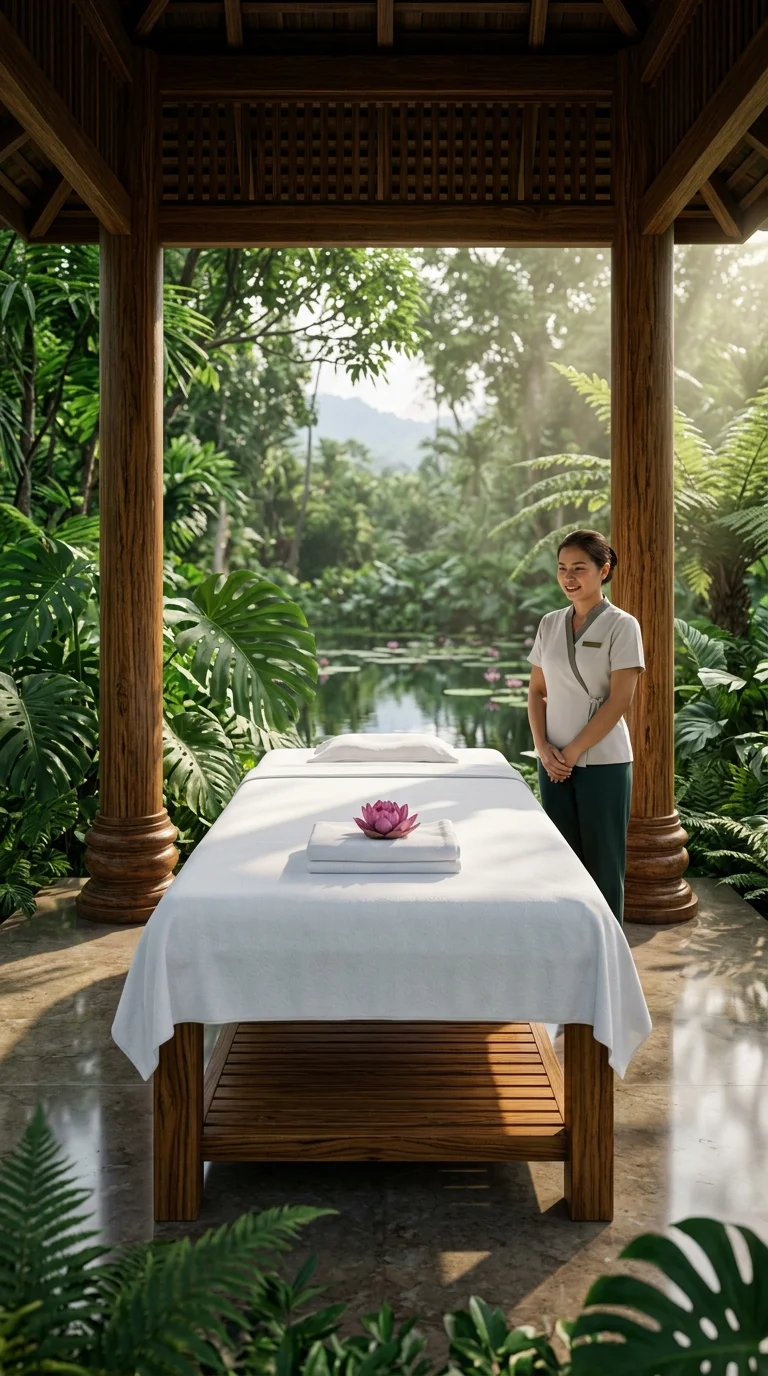
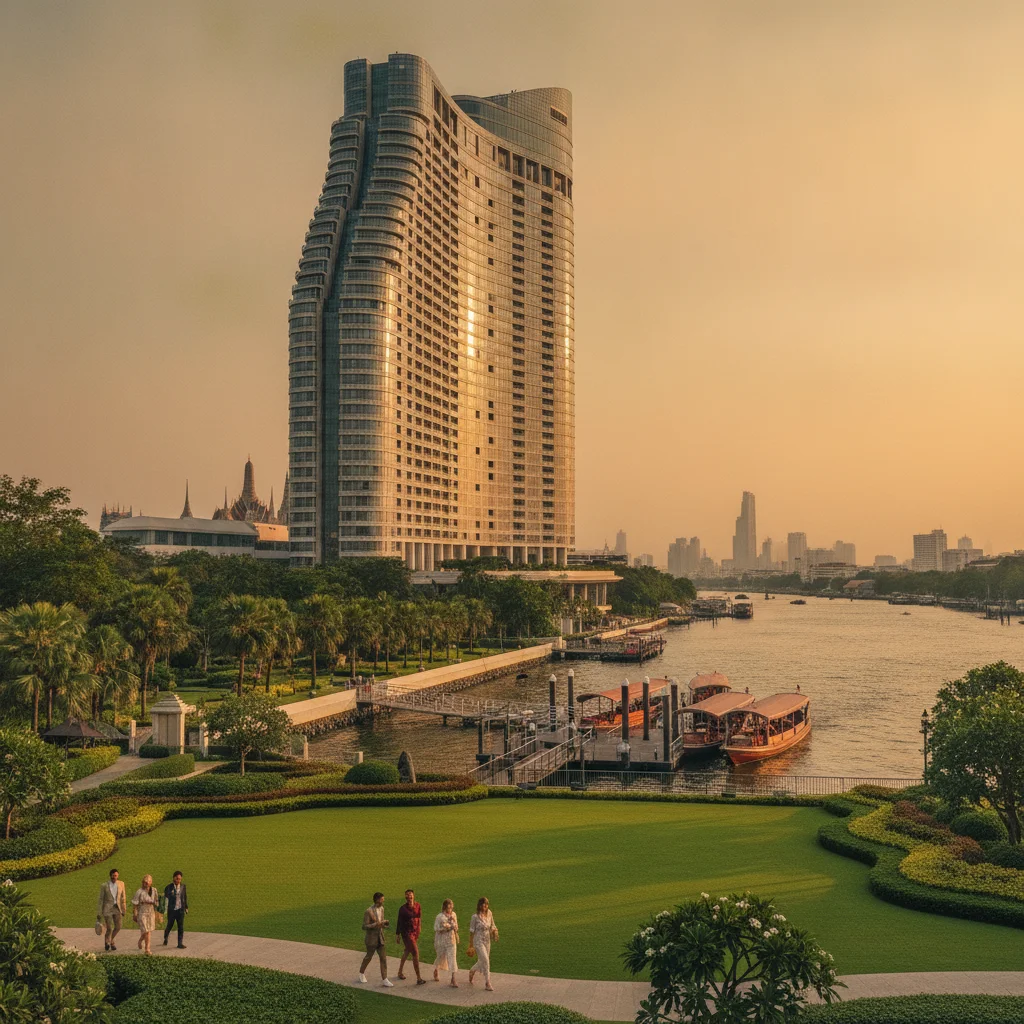
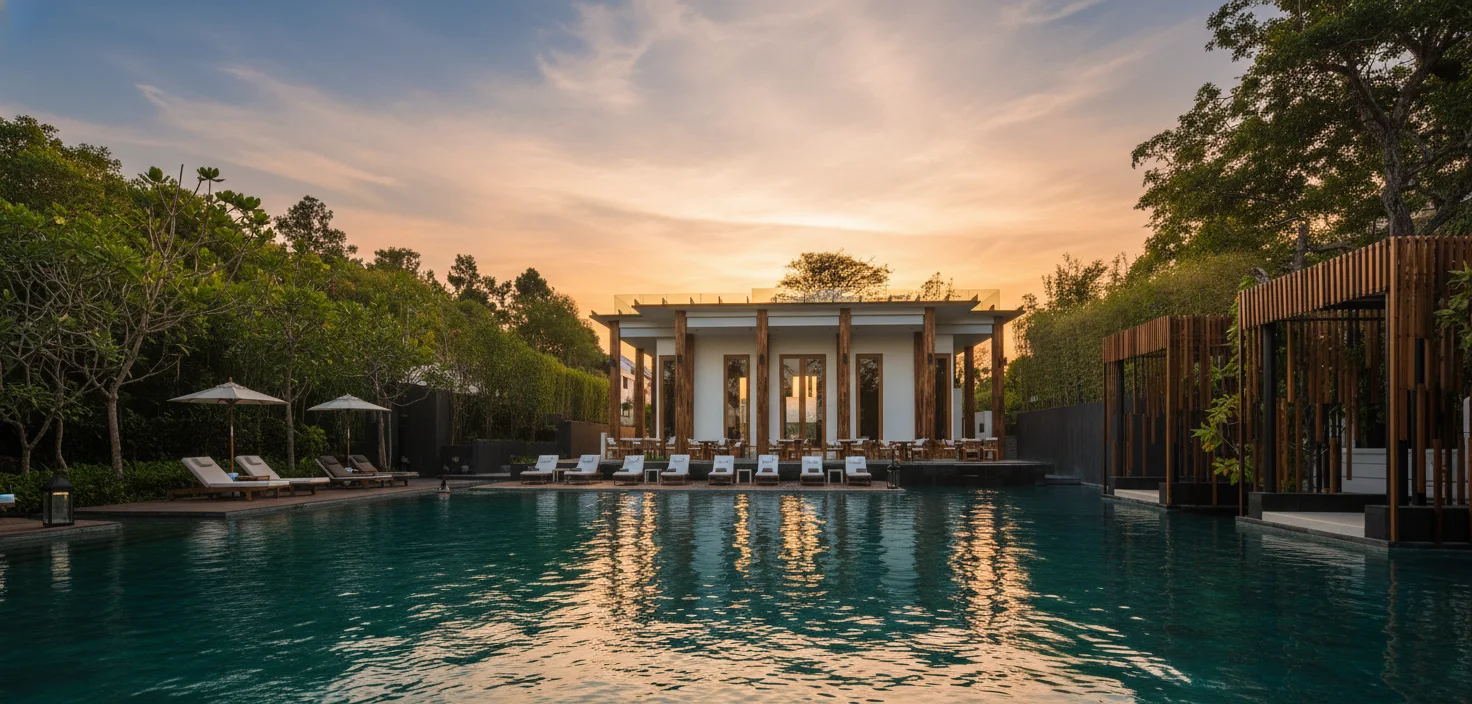
Thailand's spa landscape shifts dramatically depending on your location. Bangkok dominates the luxury and mid-range day spa market. The Sukhumvit and Silom districts are packed with reliable mid-tier branches like Asia Herb Association, known for their exceptional fresh herbal compresses made from organic farms in Khao Yai. The riverside hotels house heavyweights like The Peninsula Spa, offering elaborate half-day wellness journeys. Chiang Mai is the undisputed capital of traditional healing and garden retreats. Here, the focus is heavily therapeutic, rooted in northern Lanna traditions. Places like Fah Lanna Spa or the massage training schools inside the Old City temples offer some of the most technically precise deep-tissue work in the country, often in wooden pavilions surrounded by tropical greenery. Down south, Phuket and Koh Samui excel in resort spas. These islands focus heavily on the sensory experience, offering open-air treatment rooms overlooking the Andaman Sea or the Gulf of Thailand, where the sound of the ocean replaces piped-in spa music. For a first-timer, starting at a reputable mid-range day spa in Bangkok like Health Land provides the perfect balance of authenticity, comfort, and value.
Realistic Spa Costs and Budgeting
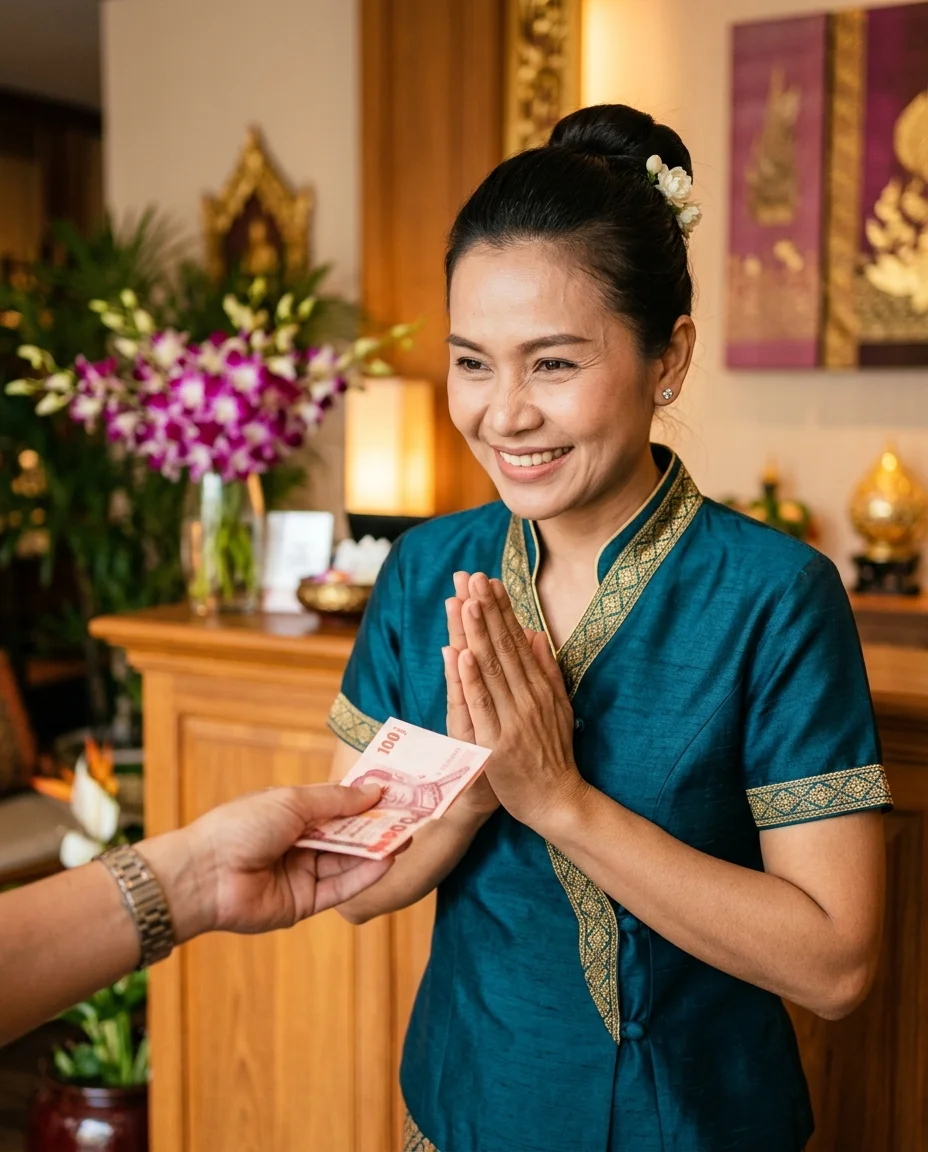
Factoring spa treatments into your Thailand budget requires deciding how often you plan to indulge. For a two-week trip, many UK visitors opt for a massage every two or three days. If you strictly use budget street shops for foot massages, you will spend barely £30 across your entire holiday. Relying on reliable mid-range day spas for full-body treatments will cost roughly £100 to £150 total for five sessions. A single luxury hotel spa day will consume that entire budget in one afternoon. Tipping is not strictly mandatory but is highly expected for good service, as therapists rely heavily on gratuities. A tip of 50 to 100 THB is standard for a budget massage, while 100 to 200 THB is appropriate at a mid-range spa, handed directly to the therapist in cash after your session.
| Option | Cost (THB) | Cost (GBP approx) | Notes |
|---|---|---|---|
| 1 Hour Foot Massage (Budget) | 250 | £5.50 | Perfect for daily recovery after sightseeing |
| 2 Hour Thai Massage (Mid-Range) | 900 | £20.00 | The sweet spot for value and professional quality |
| 90 Min Oil Massage (Mid-Range) | 1,200 | £26.80 | Slightly pricier due to the cost of quality oils |
| 3 Hour Spa Package (Luxury) | 4,500 | £100.00 | Includes scrubs, massage, and hydrotherapy access |
What to Know Before You Go
Communicating your pain threshold is essential. If the pressure is too intense, say "baow baow" (softer) immediately, otherwise the therapist will assume you are comfortable with deep tissue manipulation.
You must shower before your appointment. Turning up sweaty from a day of temple hopping is considered highly disrespectful to the therapist who has to work in close physical contact with you.
Eating a heavy meal beforehand is a terrible idea. Traditional Thai massage involves deep abdominal pressing and severe spinal twisting, which will cause severe discomfort if you have just eaten a massive plate of Pad Thai.
Cash is still required for tipping. Even if you pay for the treatment with a credit card at the reception desk, the therapist's tip must be handed to them directly in physical Thai Baht notes.
Practical Tips for Thai Spas
Book mid-range and luxury spas at least two days in advance. Popular chains like Let's Relax and Health Land fill up rapidly, especially on weekends and rainy afternoons.
Remove all your jewellery before arriving at the spa. Necklaces and rings interfere with the sweeping strokes of oil massages and can easily be left behind in communal changing rooms.
Specify if you have existing injuries on your intake form. Thai therapists are highly skilled but not clairvoyant, so they need to know if you have a bad knee before they attempt to fold your leg behind your head.
Do not plan strenuous activities immediately after a two-hour session. Your muscles will feel exceptionally loose and slightly fatigued, making a quiet dinner a much better idea than a steep hike.
Take the loose clothing provided for traditional massage seriously. Trying to receive a stretching-heavy Thai massage in stiff denim shorts or a tight t-shirt will restrict the therapist's ability to move your limbs.
Accept the post-massage tea before you leave. The hot ginger or lemongrass drink is specifically provided to help rehydrate your body and flush out the toxins released from your muscle tissue.
Quick Reference Guide to Thai Spas
| Item | Detail | Notes |
|---|---|---|
| Budget per hour (Street) | 200 - 300 THB (£4.50 - £6.70) | Walk-ins welcome, cash only |
| Budget per hour (Mid-range) | 600 - 1,200 THB (£13.40 - £26.80) | Advance booking required |
| Standard Tipping | 50 - 100 THB (Budget), 100 - 200 THB (Mid) | Hand cash directly to therapist |
| Clothing required | Loose pyjamas (provided) for Thai massage | Underwear only for oil massages |
| Pre-treatment prep | Shower thoroughly, avoid heavy meals | Arrive 15 mins early for consultation |
| Key phrase | "Baow baow" means softer | Use immediately if pressure is too high |
| Best for therapy | Chiang Mai | Deep traditional Lanna techniques |
| Best for luxury | Bangkok and Phuket | High-end hotel and resort spas |