Luxury Hotels in Thailand
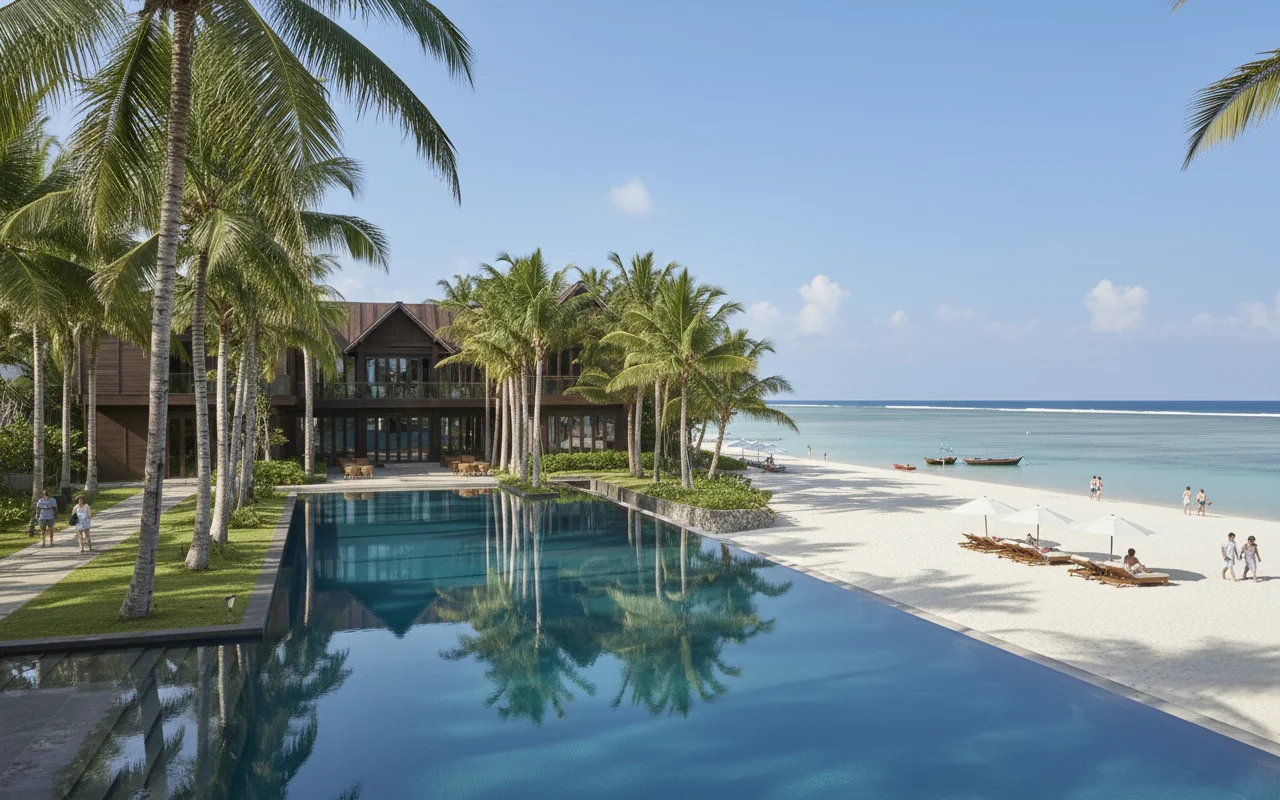
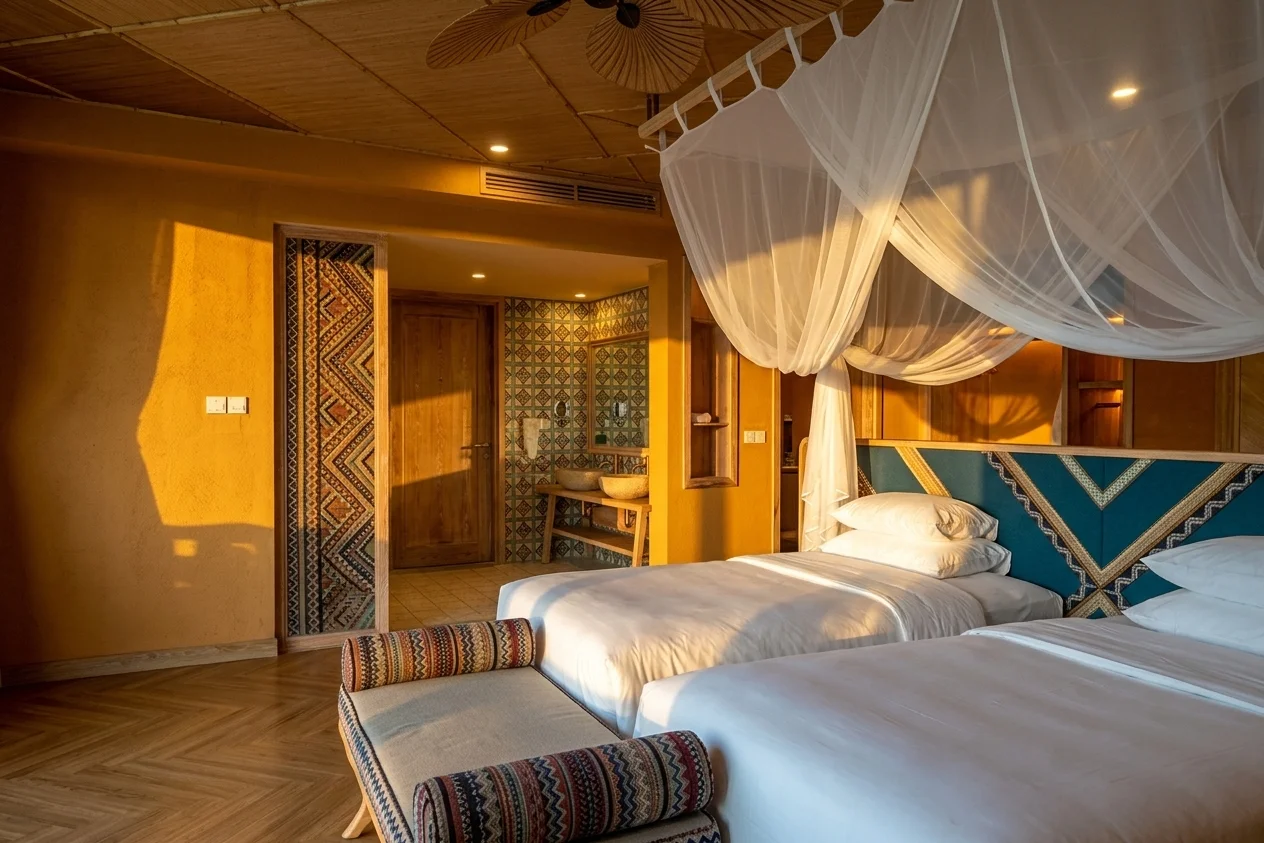
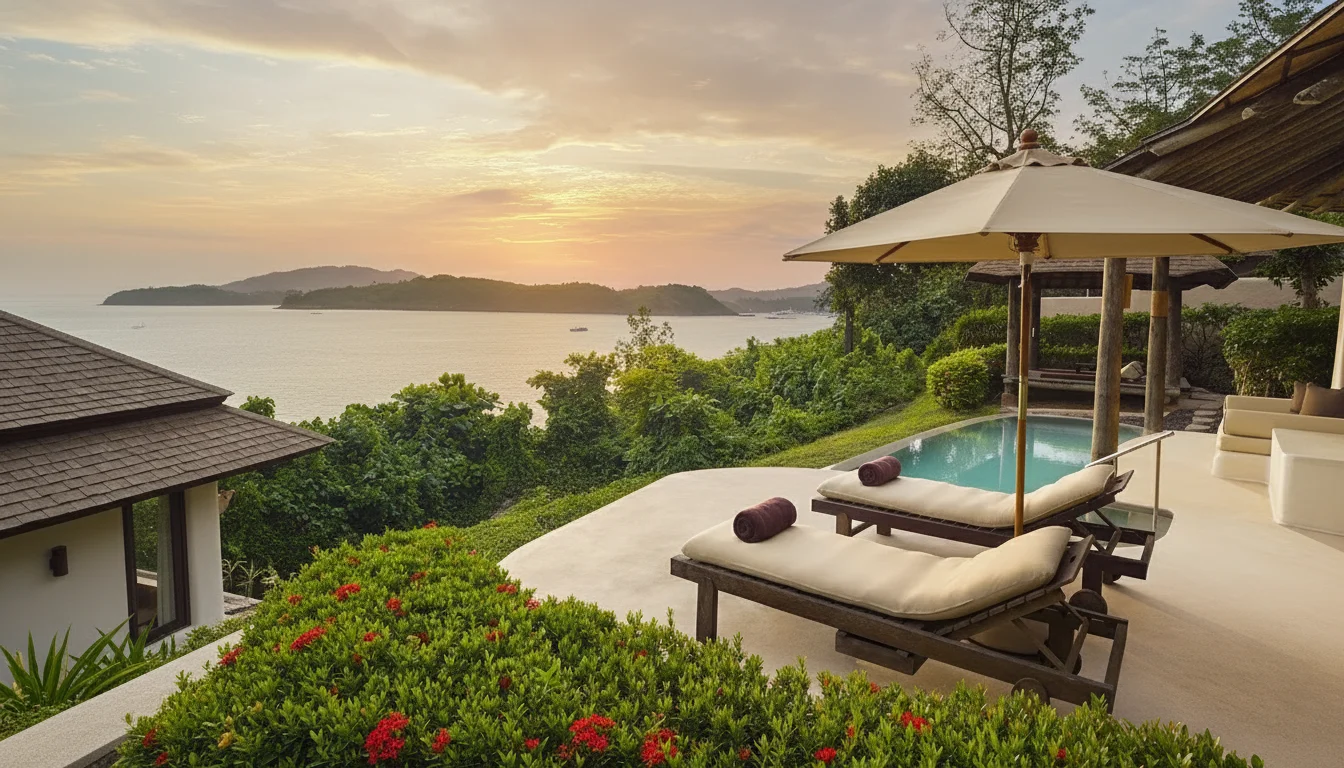
A standard entry-level room at a five-star international chain in Bangkok often delivers more square footage, higher staff-to-guest ratios, and better amenities than flagship suites in London or Paris. Moving from Western to Thai luxury means recalibrating your expectations upwards, where private butler service and daily complimentary spa treatments become the baseline rather than the exception.
This page breaks down exactly how the high-end hospitality market operates across Thailand's primary destinations, helping you choose the right style of property for your trip. You will learn the practical differences between international chains and independent boutiques, the geographical nuances of booking in Bangkok, Phuket, Koh Samui, and Chiang Mai, and how to secure the best rates. By the end, you will know exactly what a luxury budget buys in Thailand.
Defining Luxury in a Thai Context
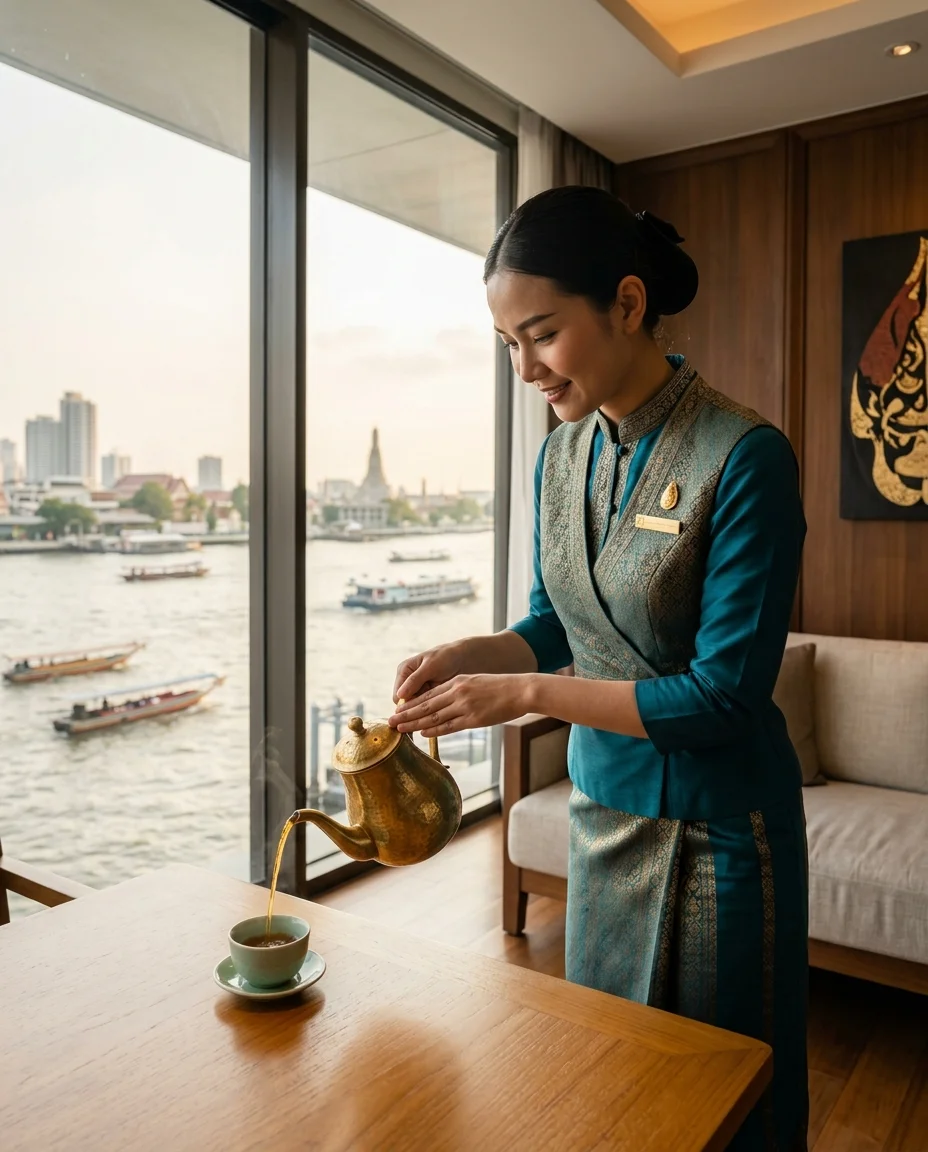
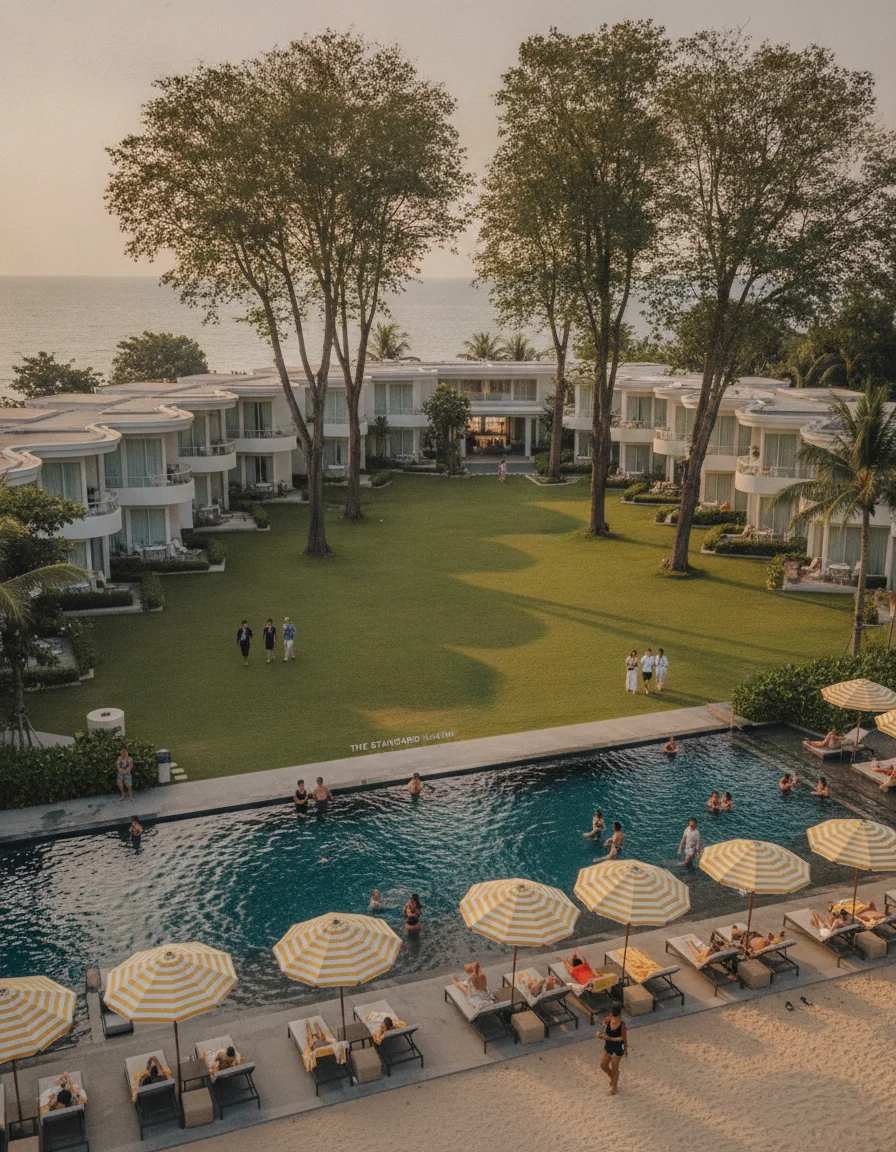
Thai luxury hospitality operates on an entirely different scale to its European equivalent. You will notice the difference immediately in the staff-to-guest ratio, which frequently exceeds three to one at top-tier properties like the Mandarin Oriental or The Siam. Space is another major differentiator. Standard luxury rooms in Bangkok typically start at 45 square metres, while entry-level resort villas in Phuket rarely fall below 120 square metres. Service culture here focuses heavily on anticipation rather than reaction. Staff will learn your name, dietary preferences, and daily schedule within your first 24 hours. The distinction between international chains like Four Seasons or Rosewood and high-end independent boutiques often comes down to facility scale versus architectural character. Chains provide massive wellness centres, multiple fine-dining outlets, and extensive kids' clubs. Boutiques like The Siam in Bangkok or Keemala in Phuket offer highly curated, design-led environments with fewer than 40 rooms, ensuring absolute privacy but fewer on-site dining choices. You will also find that Thai luxury embraces cultural touchpoints, from complimentary traditional massage sessions to intricate floral garlands upon arrival. Take advantage of the high service standards by using the concierge to handle complex dinner reservations before you arrive.
Long-stay apartments in Thailand: two-month deposits, serviced-vs-standard leases, utility billing, and rent compared across Bangkok, Chiang Mai, Phuket and Pa…
| Feature | International Five-Star Chains | Independent Boutique Luxury |
|---|---|---|
| Property Scale | 100 to 400+ rooms | Usually under 50 rooms |
| Facilities | Multiple pools, massive spas, 4+ restaurants | Intimate pools, bespoke wellness, 1-2 dining venues |
| Service Style | Highly polished, standardised, comprehensive | Highly personalized, informal but attentive, discreet |
| Target Traveller | Families, business travellers, first-time visitors | Couples, design enthusiasts, repeat visitors |
Bangkok Base Areas: Riverside vs Sukhumvit
Sponsored
Choosing where to stay in Bangkok dictates your entire experience of the capital. The Chao Phraya Riverside remains the traditional home of ultra-luxury, hosting grand-dame properties like the Peninsula, Capella, and the Mandarin Oriental. Staying here provides immediate access to private hotel shuttle boats, keeping you off congested roads while offering a resort-like atmosphere in the middle of a major metropolis. You will pay a premium for river views, and reaching the main shopping districts requires a boat transfer to the BTS Skytrain. Sukhumvit Road offers a sharper, more contemporary urban luxury experience. Properties like the Park Hyatt, Rosewood, and The Okura Prestige integrate directly into high-end shopping malls and the Skytrain network. This area suits travellers focused on modern dining, rooftop bars, and efficient transit. Rooms here tend to feature floor-to-ceiling city views, highly modern technological integration, and high-speed lifts dropping you directly into retail concourses. Book a riverside property if you want a resort feel to retreat to, or Sukhumvit if you want immediate access to the urban core.
| Area | Top Properties | Vibe and Atmosphere | Transport Access |
|---|---|---|---|
| Riverside | Mandarin Oriental, Capella, Peninsula | Resort-like, historical, relaxed pace | Private boats to BTS Saphan Taksin |
| Sukhumvit | Park Hyatt, Rosewood, Okura Prestige | Highly urban, contemporary, fast-paced | Direct covered access to BTS Skytrain |
| Siam/Ratchadamri | St. Regis, Waldorf Astoria, Siam Kempinski | Shopping-centric, central, highly polished | Walking distance to major malls and BTS |
| Sathorn | Banyan Tree, The Sukhothai, W Hotel | Business-oriented, spacious grounds (some) | Taxi or MRT Lumphini/BTS Chong Nonsi |
Southern Islands: Pool Villas vs Resort Stays
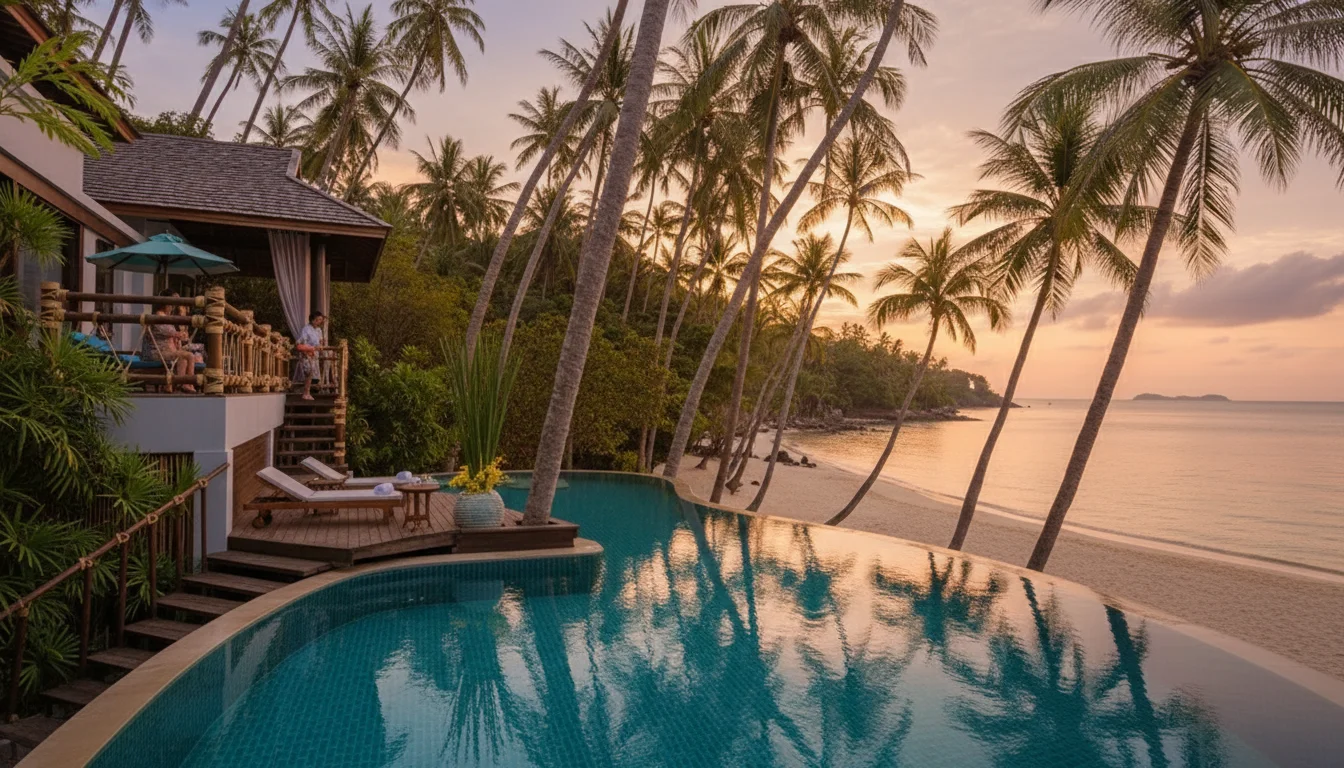
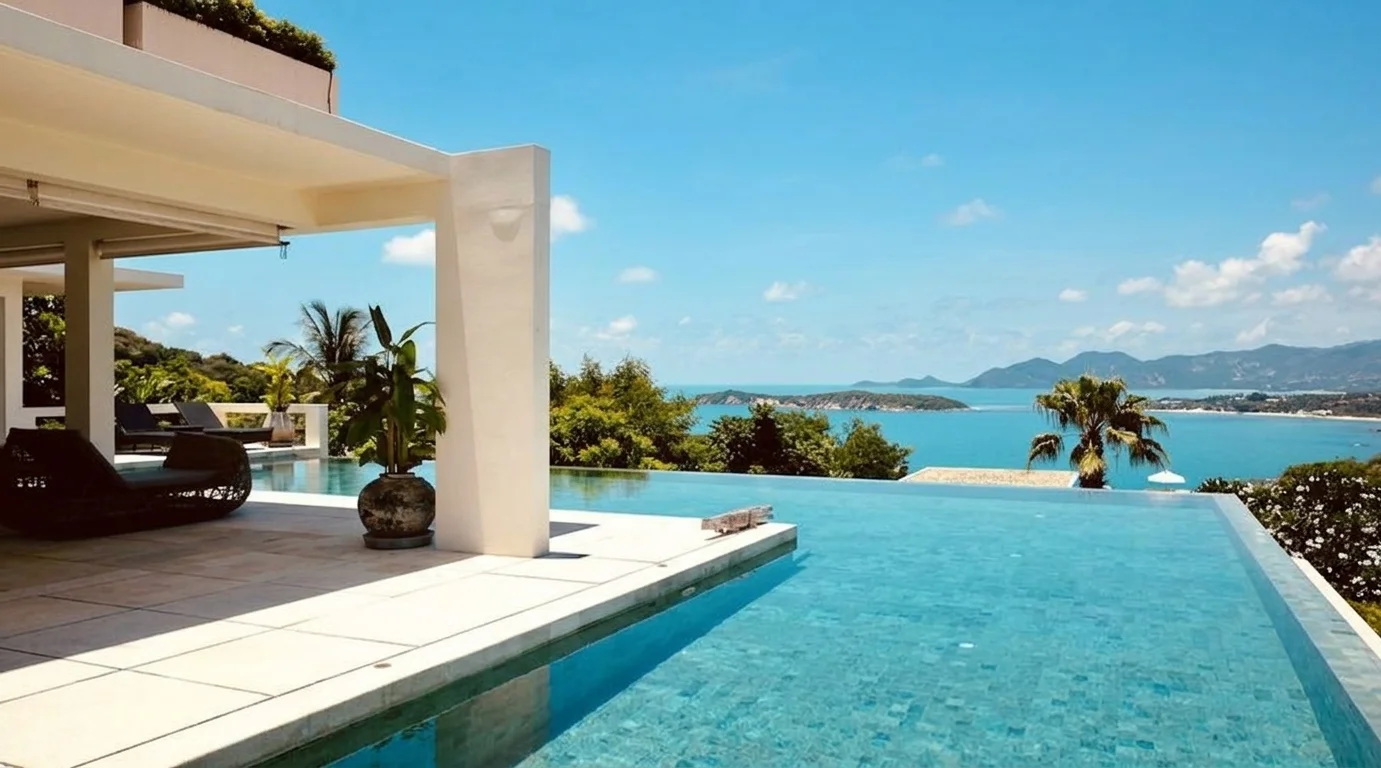
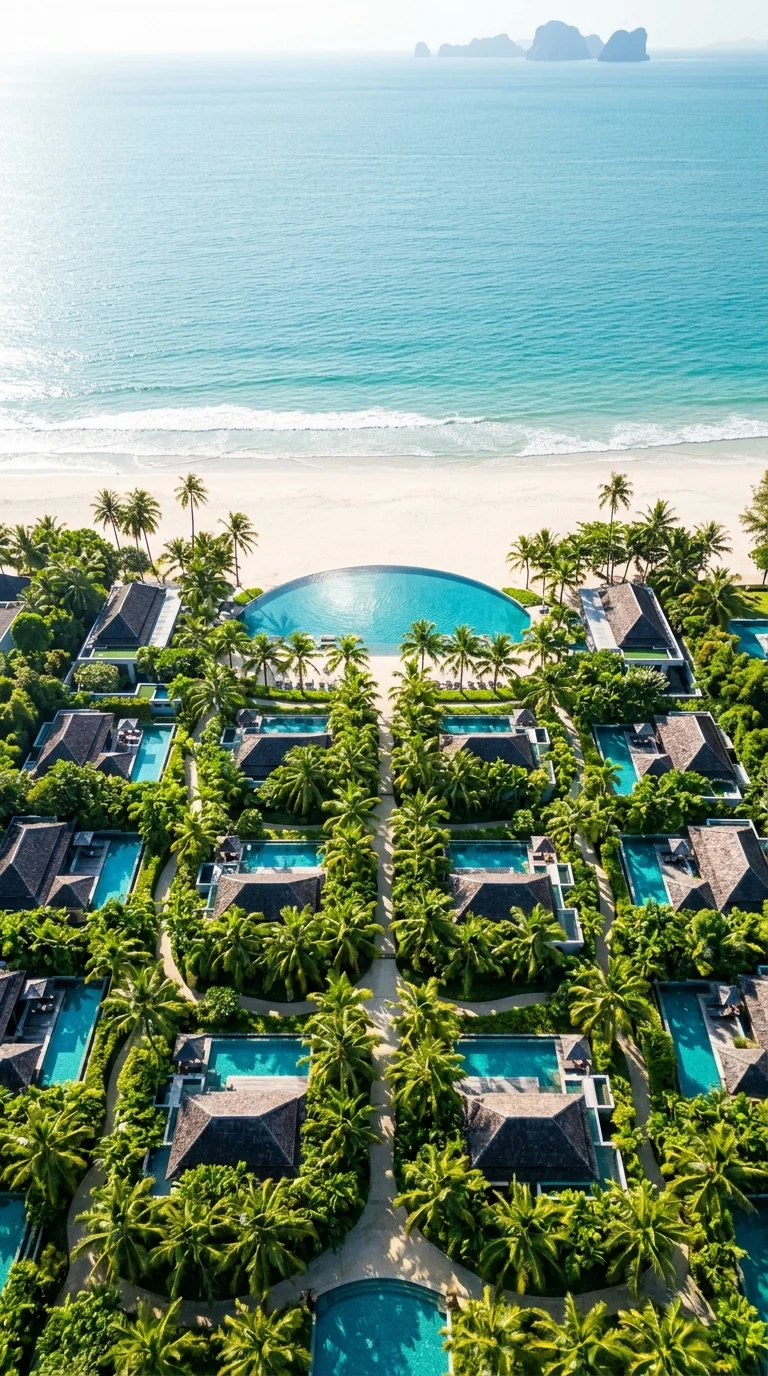
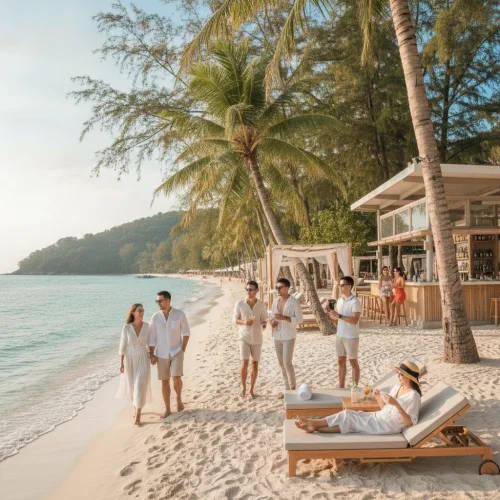
When travelling to Phuket or Koh Samui, the primary decision is whether to book a standalone pool villa or a premium room within a larger resort. Pool villas represent the highest tier of Thai island hospitality. Properties like Trisara in Phuket or Six Senses Samui offer entirely self-contained compounds where you have a private infinity pool, massive outdoor living spaces, and often a dedicated buggy driver. These are ideal for honeymooners or anyone seeking absolute privacy, as you can order floating breakfasts, arrange private barbecue dinners on your terrace, and never see another guest. Premium resort stays at places like Amanpuri or the Four Seasons Koh Samui offer standard rooms or pavilions that share main swimming pools and beach clubs. This format works much better for families or highly social travellers who want easy access to water sports, beachside cocktails, and extensive kids' facilities. Villa rates are understandably higher, often double the cost of a standard resort room, but they deliver a level of seclusion impossible to find in main resort blocks. Evaluate how much time you actually plan to spend in your room before paying the massive premium for a private pool villa.
| Accommodation Type | Average Size | Privacy Level | Best Suited For |
|---|---|---|---|
| Private Pool Villa | 120 to 300+ sq metres | Total seclusion | Honeymooners, high-profile guests, introverts |
| Premium Resort Room | 50 to 80 sq metres | Moderate (shared walls/corridors) | Active travellers, those focused on resort facilities |
| Multi-Bedroom Residence | 400+ sq metres | High (often distinct from main resort) | Large families, multi-generational groups |
| Beachfront Pavilion | 80 to 120 sq metres | High (direct beach access, visible to walkers) | Beach lovers, early risers |
Chiang Mai and the Boutique Lanna Experience
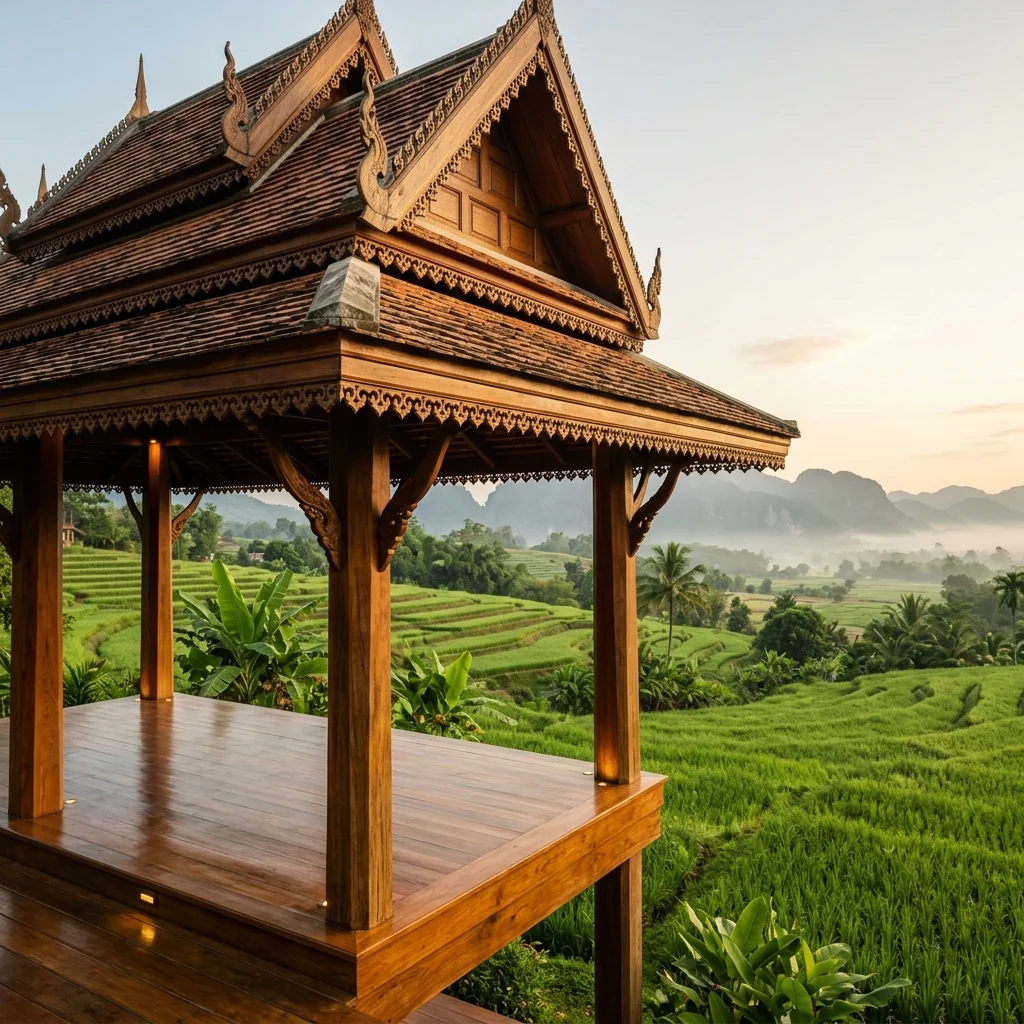
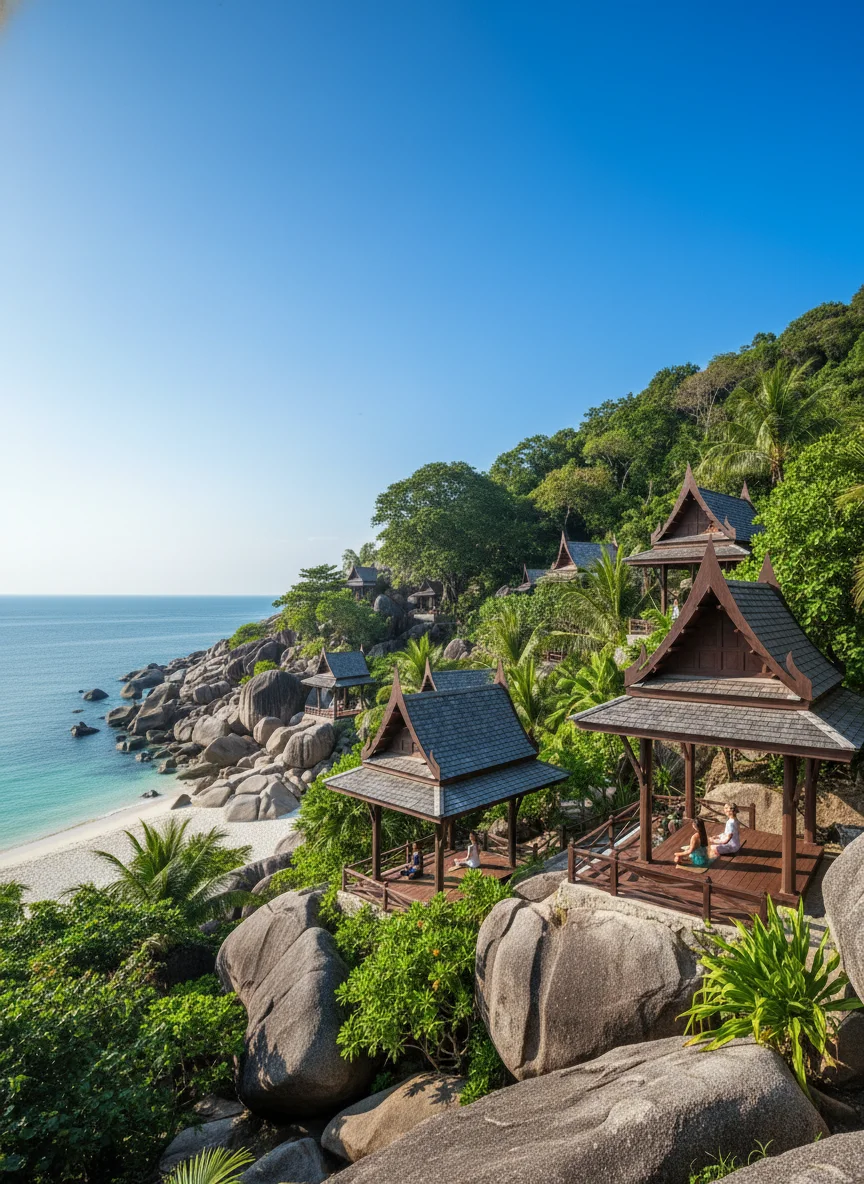
Luxury in Thailand's north swaps ocean views for cultural immersion and architectural heritage. Chiang Mai focuses heavily on the Lanna aesthetic, integrating dark teak wood, local textiles, and traditional structural designs into five-star environments. You have two distinct geographical choices here: staying inside the old city or retreating to the Mae Rim valley. Inside the city walls, properties like Rachamankha or the Tamarind Village offer highly atmospheric, intimate bases within walking distance of night markets and ancient temples. Space is restricted, so pools are smaller and grounds are tight. Moving 30 minutes outside the city to resorts like the Four Seasons Chiang Mai or Raya Heritage completely changes the experience. These properties sit on acres of land, often featuring working rice paddies, resident water buffalo, and expansive spa pavilions. The trade-off is isolation, requiring a hotel car every time you want to visit a local restaurant or market. Split your northern itinerary between three nights in a city boutique and three nights in a countryside resort to experience both sides of Chiang Mai without compromising on convenience or scenery.
Strategies for Securing the Best Rates
Booking luxury hotels in Thailand requires a tactical approach to bypass inflated retail rates. Agoda consistently dominates the Asian market, frequently undercutting Western booking platforms by 15 to 20 percent on Thai properties. However, booking directly with the hotel often yields better secondary perks. Many Thai luxury hotels will match an online price if you email their reservations desk directly, while throwing in complimentary airport transfers, spa credits, or guaranteed late check-outs. If you are targeting international chains like Marriott, Hyatt, or IHG, booking through a Virtuoso travel agent or using credit card portals like Amex Fine Hotels & Resorts is highly lucrative. These channels guarantee benefits like daily breakfast for two, $100 USD equivalent resort credit, and room upgrades upon arrival. When travelling during the green season between May and October, monitor hotel social media pages for flash sales. High-end resorts frequently release heavily discounted domestic packages during this period that foreign tourists can also purchase. Always email the property directly with a screenshot of the lowest online price to see what complimentary extras they will add to secure your direct booking.
| Booking Channel | Primary Advantage | Best Used For | Typical Perks |
|---|---|---|---|
| Agoda | Lowest base room rates in Asia | Independent Thai properties | Accumulating AgodaCash for future trips |
| Direct to Hotel | Better room allocation and flexibility | Boutique hotels, special occasions | Price matching, early check-in, welcome gifts |
| Virtuoso / Amex FHR | Guaranteed elite-level benefits | International five-star chains | Free breakfast, room upgrades, $100 resort credit |
| Hotel Loyalty App | Points accumulation and elite status | Frequent travellers loyal to one brand | Lounge access, suite upgrades, late check-out |
Costs and Budgeting
Luxury in Thailand covers a wide spectrum, and your budget will dictate whether you get a premium room or a private compound. Entry-level luxury, which includes highly rated independent five-star boutiques and older international chains, provides excellent service and comfortable rooms. Mid-range luxury steps up to flagship properties, offering massive suites, prime locations, and extensive facilities. Premium luxury enters the realm of ultra-exclusive resorts, private pool villas, and globally renowned grand-dame hotels where service is entirely customised. Prices spike by up to 80 percent during the peak season from December to February. Booking during the shoulder months of November or March yields the best balance of good weather and reasonable pricing.
| Option | Cost (THB) | Cost (GBP approx) | Notes |
|---|---|---|---|
| Entry-Level Luxury (Nightly) | 6,000 to 10,000 THB | £130 to £220 | Independent boutiques, standard rooms at older 5-star chains |
| Mid-Range Luxury (Nightly) | 12,000 to 25,000 THB | £260 to £550 | Flagship city hotels, entry-level beach resort rooms |
| Premium Luxury (Nightly) | 35,000 to 80,000+ THB | £770 to £1,750+ | Private pool villas, ultra-luxury brands (Aman, Six Senses) |
| Luxury Airport Transfer | 2,500 to 4,000 THB | £55 to £88 | Mercedes S-Class or BMW 7-Series from BKK to city centre |
Common Mistakes and How to Avoid Them
Assuming all five-star ratings are equal. Thailand has a loose domestic rating system, meaning a dated provincial hotel might hold the same five-star plaque as the Mandarin Oriental. Always verify the property's standard through recent video walkthroughs or trusted international booking portals.
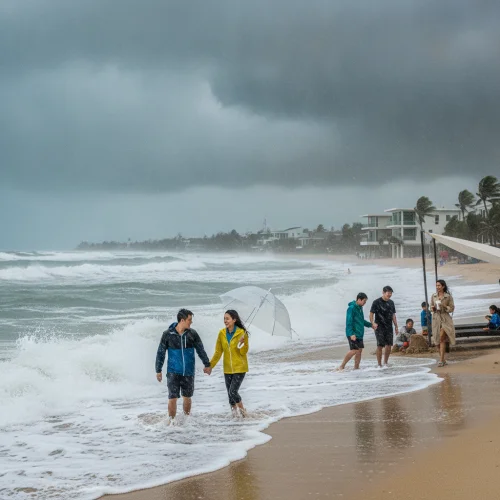
Booking non-refundable rates months in advance during the monsoon season. Weather in Thailand is highly unpredictable between July and October, and a severe storm can easily trap you inside your resort. Pay the slight premium for flexible cancellation policies so you can pivot to a different coast if necessary.
Ignoring the physical layout of island resorts. Many top-tier properties in Phuket are built on steep cliffsides, requiring a long wait for a buggy ride just to reach the breakfast room. Check the resort map before booking if you have mobility issues or dislike relying on internal transport.
Failing to specify twin beds at the time of booking. Thai luxury hotels default heavily to massive king beds, and twin-bed rooms are often severely limited in number. Request this configuration explicitly in your reservation notes rather than waiting until check-in.
Practical Tips
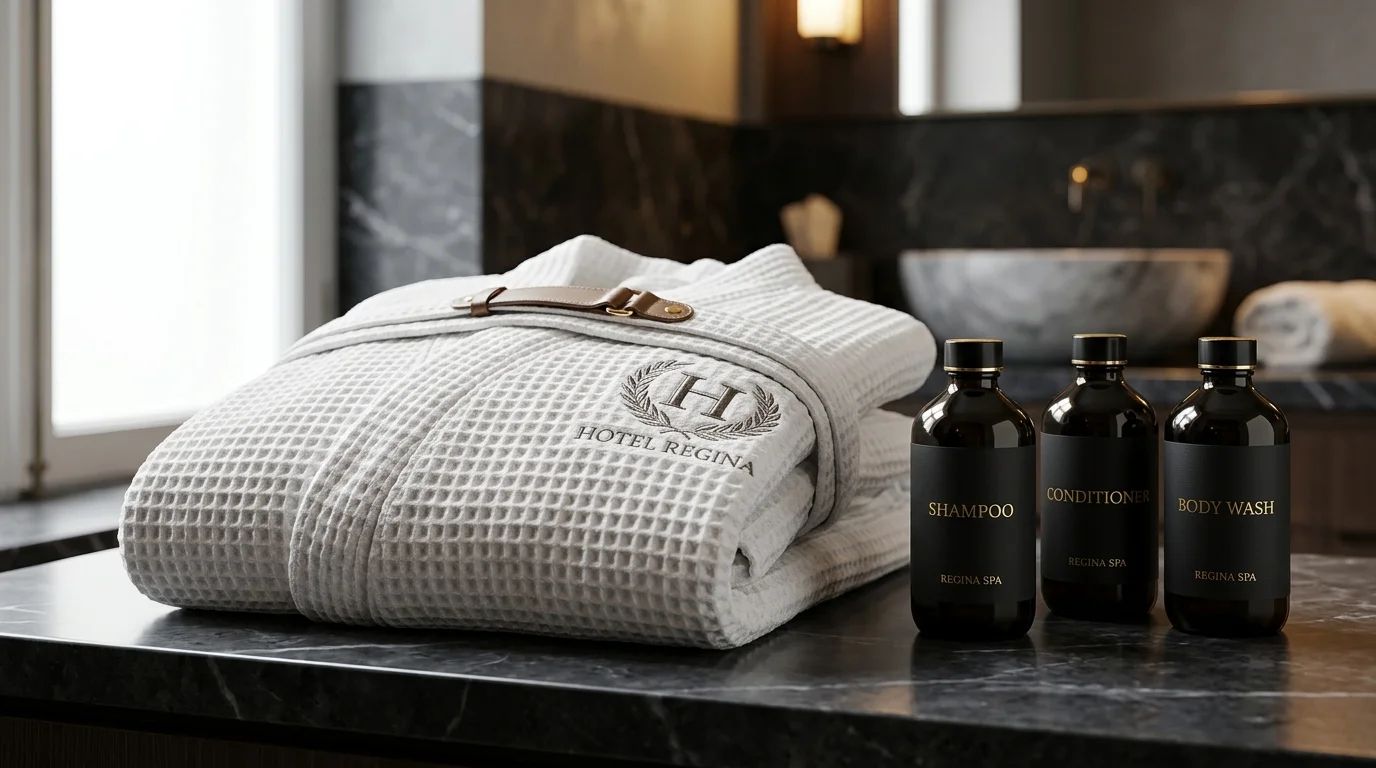
Dress codes still apply at high-end hotel bars and restaurants. Pack closed-toe shoes and collared shirts, as places like the Sky Bar at Lebua or the bamboo bar at the Mandarin Oriental will turn you away in sandals.
Leverage the concierge before you depart the UK. They can secure tables at Michelin-starred restaurants like Sorn or Gaggan Anand that are impossible to book as a regular consumer.
Do not tip standard Western percentages if a service charge is included. Luxury hotels automatically add a 10 percent service charge and 7 percent VAT to every bill, though leaving a 100 THB (£2.20) note for housekeeping daily is appreciated.
Check the hotel's policy on outside guests if you plan to host friends. Many ultra-luxury resorts restrict pool and facility access strictly to registered guests to maintain privacy.
Ask about construction notices before confirming your reservation. Thailand develops rapidly, and a new high-rise being built next door will completely ruin the serenity of your 20,000 THB-a-night stay.
Utilise hotel house cars for short local trips. Many top-tier properties maintain a luxury vehicle or private tuk-tuk to drop guests at nearby shopping centres or transit stations free of charge.
Request a room on a higher floor in Bangkok to escape the street noise. Even the most expensive double-glazed windows struggle to completely block the sound of emergency sirens and modified motorcycles at street level.
Quick Reference Table
| Item | Detail | Notes |
|---|---|---|
| Peak Pricing Season | December to February | Expect maximum occupancy and strict cancellation policies |
| Best Value Months | May to October | Green season brings heavy rain but 40-50% rate drops |
| Taxes and Fees | 17.7% total | 10% service charge plus 7% VAT added to all listed prices |
| Standard Check-in | 14:00 or 15:00 | Most luxury properties enforce this strictly unless you pay |
| Bangkok Top Tier | Mandarin Oriental, Capella, The Siam | Riverside properties command the highest premiums |
| Phuket Top Tier | Amanpuri, Trisara, Rosewood | Concentrated on the west coast and Bang Tao area |
| Samui Top Tier | Four Seasons, Six Senses, Conrad | Heavily focused on cliffside private pool villas |
| Chiang Mai Top Tier | Four Seasons, Raya Heritage | Split between old city boutiques and rural estates |