Property in Hua Hin, Thailand
Foreign nationals cannot own land freehold in Thailand, meaning most UK buyers securing a retirement villa in Hua Hin must structure the purchase through a 30-year registered leasehold on the land while owning the physical building outright. The alternative—buying a freehold apartment under the 49% foreign ownership quota—offers simpler legal tenure but requires careful due diligence due to a severe oversupply of off-plan units in the town centre.
This guide breaks down the legal routes, property types, and realistic costs of buying a retirement home or investment property in Hua Hin. It will help you navigate the choice between leasehold villas and freehold apartments, avoid oversupplied developments, and understand where genuine resale value exists. This is for UK buyers planning long-term relocation or extended winter stays, not short-term speculators looking for aggressive capital growth.

Ownership Routes and Legal Structures
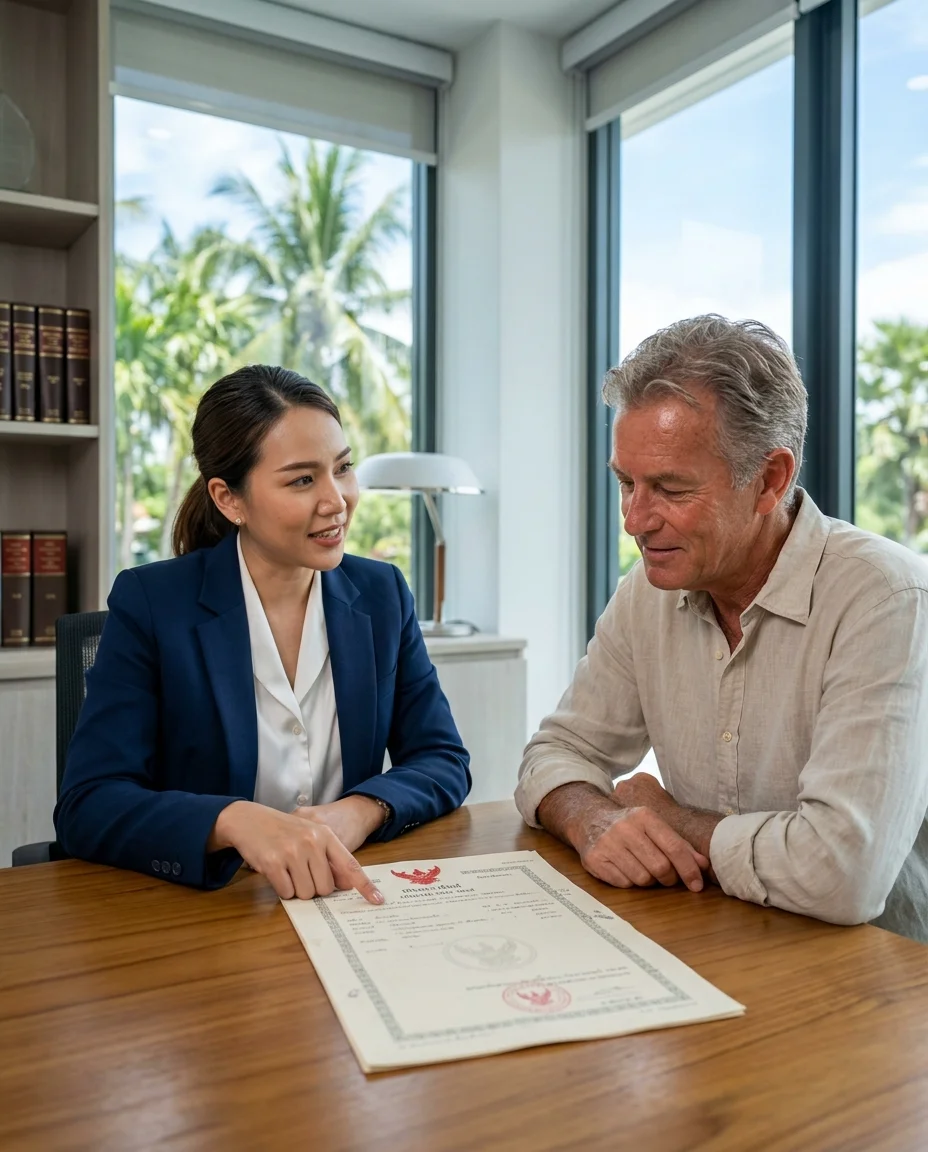
Foreign nationals buying property in Hua Hin face a strict legal divide. You can own an apartment outright under the Thai Apartment Act, but land must be leased. If you purchase an apartment, ensure the building has not exceeded its 49% foreign ownership quota. Once that quota fills, developers can only offer you a leasehold contract. For villas, the standard legal route is a 30-year registered lease on the land, recorded at the local Land Department, while you hold the freehold title to the physical structure. Some developers promote buying land through a Thai Limited Company. This route requires holding less than half the shares and appointing Thai nominees, a practice the Thai government heavily scrutinises. The safest, legally recognised method for a UK buyer securing a villa remains the registered leasehold. Lease agreements can include clauses for renewals, though only the first 30 years are guaranteed under Thai law. Always ensure the underlying land has a full Chanote title deed. Lower-tier titles like Nor Sor 3 Gor do not offer the same exact boundary measurements. Securing the correct legal structure protects your capital and ensures your retirement home remains legally yours.
Discover exactly how UK nationals can legally buy property in Thailand. Learn about foreign apartment quotas, 30-year land leases, costs, and legal risks.
| Ownership Route | Legal Status for UK Nationals | Key Limitation |
|---|---|---|
| Apartment Freehold | Full legal ownership | Limited to 49% of the total building floor space |
| Land Leasehold | Registered right of use | Guaranteed for 30 years only, renewals require negotiation |
| Building Freehold | Full legal ownership | Must be combined with a land leasehold for villas |
| Thai Limited Company | Indirect control | High compliance risk, nominee shareholders are illegal |
Hua Hin Property Markets by Area
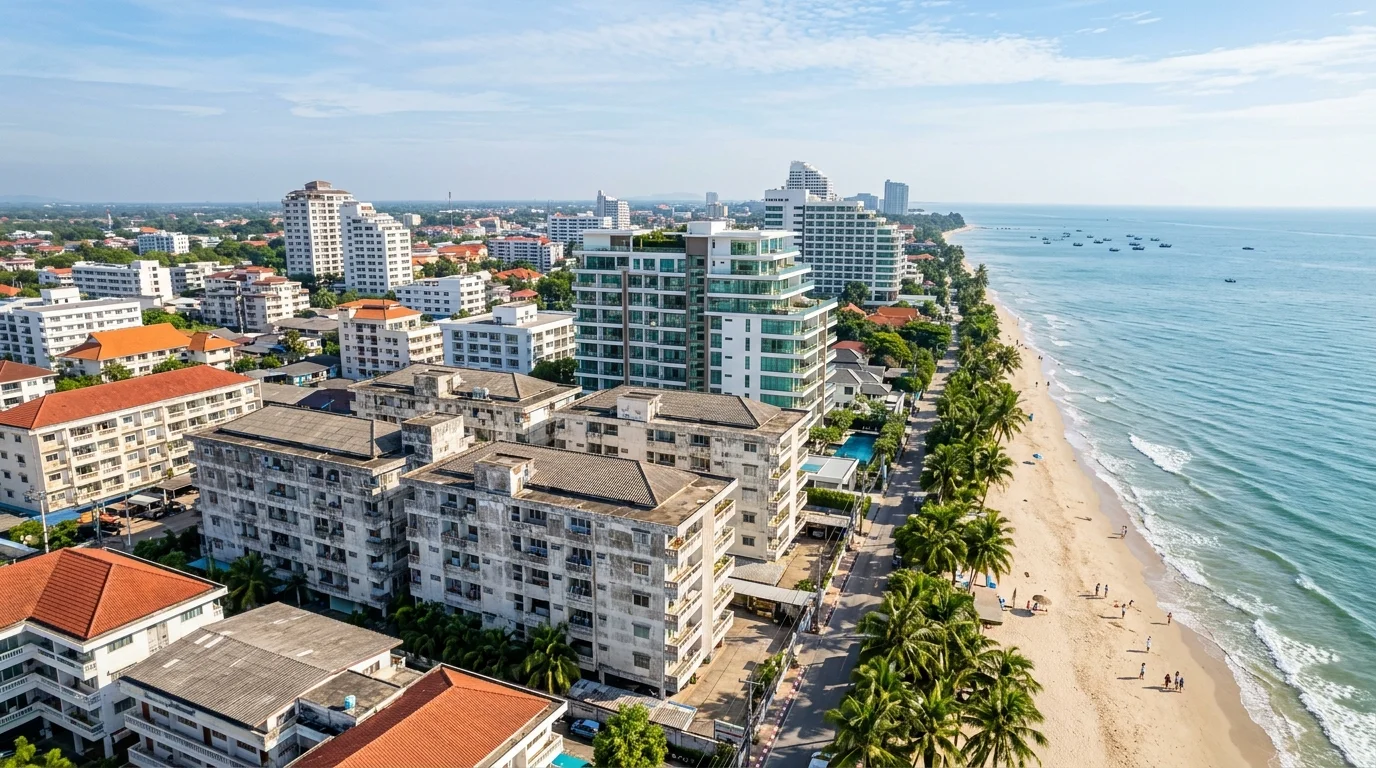
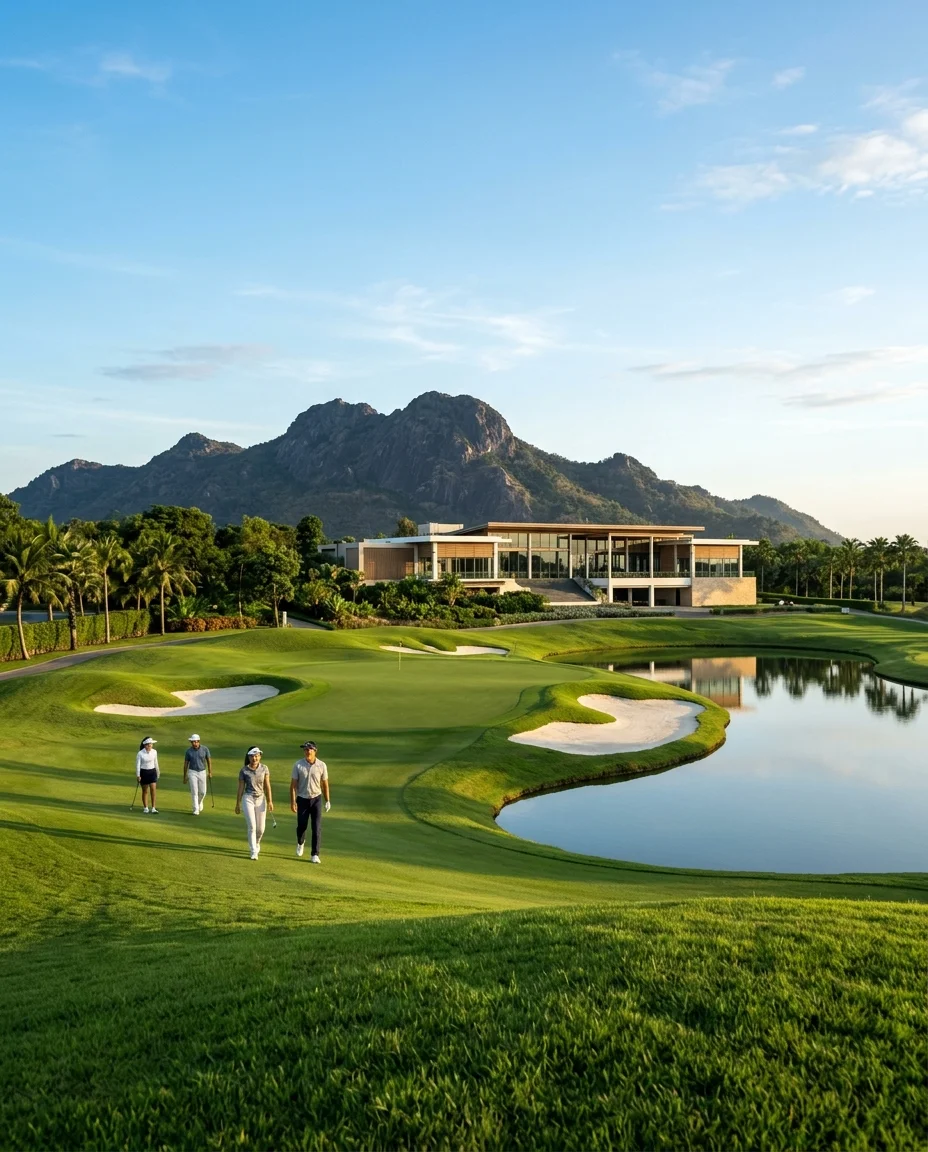
Location determines both your purchase price and your lifestyle, with distinct markets operating across the town centre, Khao Takiab, Black Mountain, and Pranburi. The town centre and Khao Takiab are dominated by high-density apartments. Here, older, larger resale units compete with modern, compact off-plan developments. A premium 2-bedroom apartment in Khao Takiab typically costs between 6,000,000 THB (£133,000) and 9,000,000 THB (£200,000). Inland, the Black Mountain area attracts active retirees looking for space. This district offers modern 3-bedroom pool villas priced from 7,500,000 THB (£166,000) to 15,000,000 THB (£333,000) depending on plot size and build quality. Further south towards Pranburi, the market shifts to newer, lower-density villa developments. These offer larger plots and better long-term value, though you sacrifice immediate access to Hua Hin’s main hospitals and supermarkets. Pranburi villas often start around 6,000,000 THB (£133,000). UK buyers must weigh the convenience of central apartments against the space and privacy of inland villas. Choosing an area aligned with your daily retirement needs prevents expensive resale mistakes later.
| Area | Dominant Property Type | Target Buyer Profile | Typical Price Range (THB) |
|---|---|---|---|
| Town Centre | Compact apartments | Convenience-focused buyers | 3m – 7m |
| Khao Takiab | Premium apartments | Lifestyle and beach access | 6m – 12m |
| Black Mountain | Pool villas | Active golfers, space seekers | 7.5m – 15m |
| Pranburi | Large plot villas | Quiet retirement, value buyers | 6m – 12m |
Pricing, Rental Yields, and Oversupply Risks
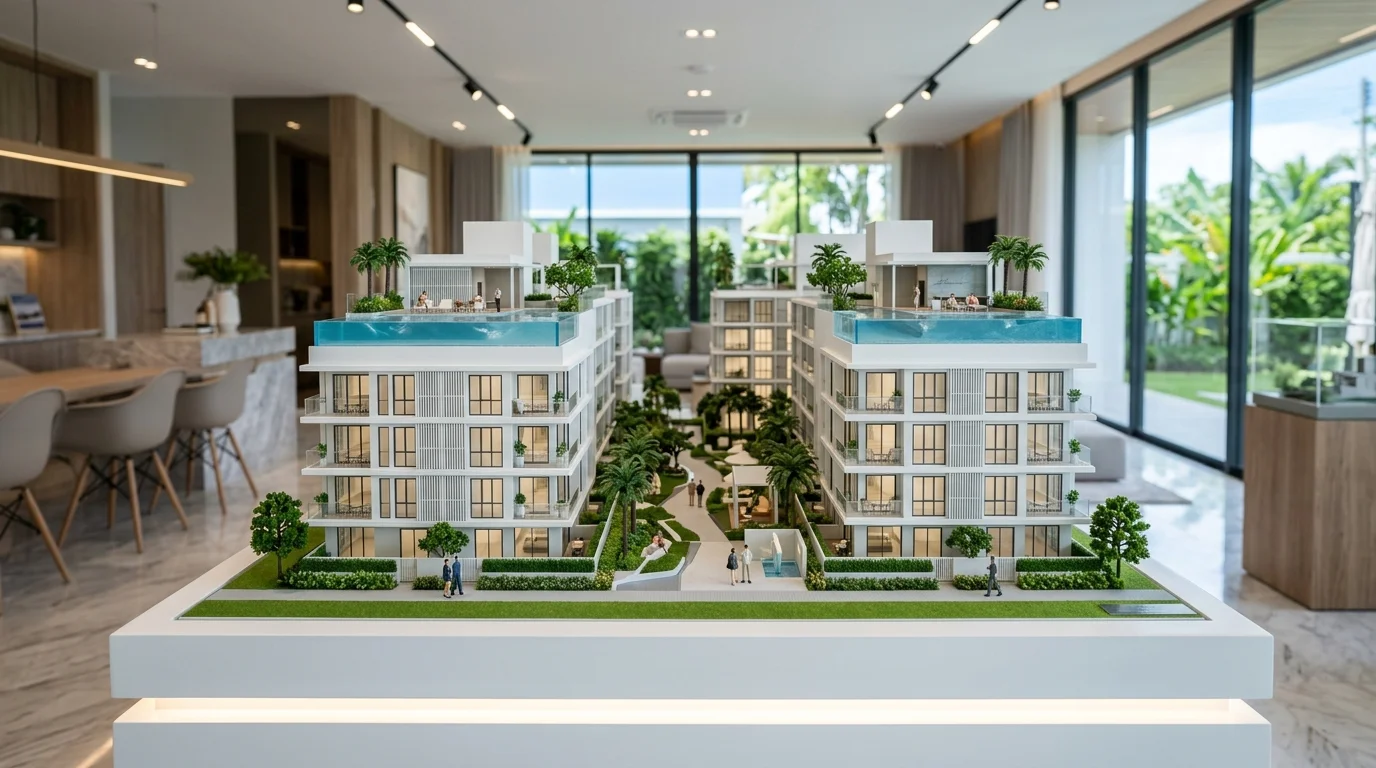
Gross rental yields in Hua Hin rarely exceed 5% for long-term expat leases. This makes the town a market suited for wealth preservation rather than aggressive investment returns. The holiday let market can occasionally push yields to 7%. However, achieving this requires managing short-term tenants and navigating the strict regulations against daily rentals in residential buildings without hotel licences. Hua Hin currently suffers from an oversupply of small, 30-square-metre apartments in the town centre. Developers continue to build these units, but they hold little appeal for the British and Scandinavian retirees who dominate the long-term rental market and demand larger living spaces. If you are buying for rental income, target 2-bedroom apartments or 3-bedroom pool villas. A well-maintained villa near Black Mountain will secure a reliable long-term tenant paying 35,000 THB (£775) to 50,000 THB (£1,100) per month. Avoid small off-plan apartments marketed purely on guaranteed rental returns. The secondary market for these units is highly illiquid. Prioritise properties that appeal to permanent residents to ensure consistent occupancy and protect your asset.
| Rental Strategy | Target Property Type | Expected Gross Yield | Key Risk Factor |
|---|---|---|---|
| Long-term Expat | 3-Bed Pool Villa | 4% - 5% | Extended vacancy between 12-month tenancies |
| Long-term Expat | 2-Bed Apartment | 4% - 5% | High monthly building maintenance fees |
| Holiday Let | 1-Bed Apartment | 5% - 7% | Illegal if rented for under 30 days without a licence |
Comparing Hua Hin with Pattaya and Chiang Mai
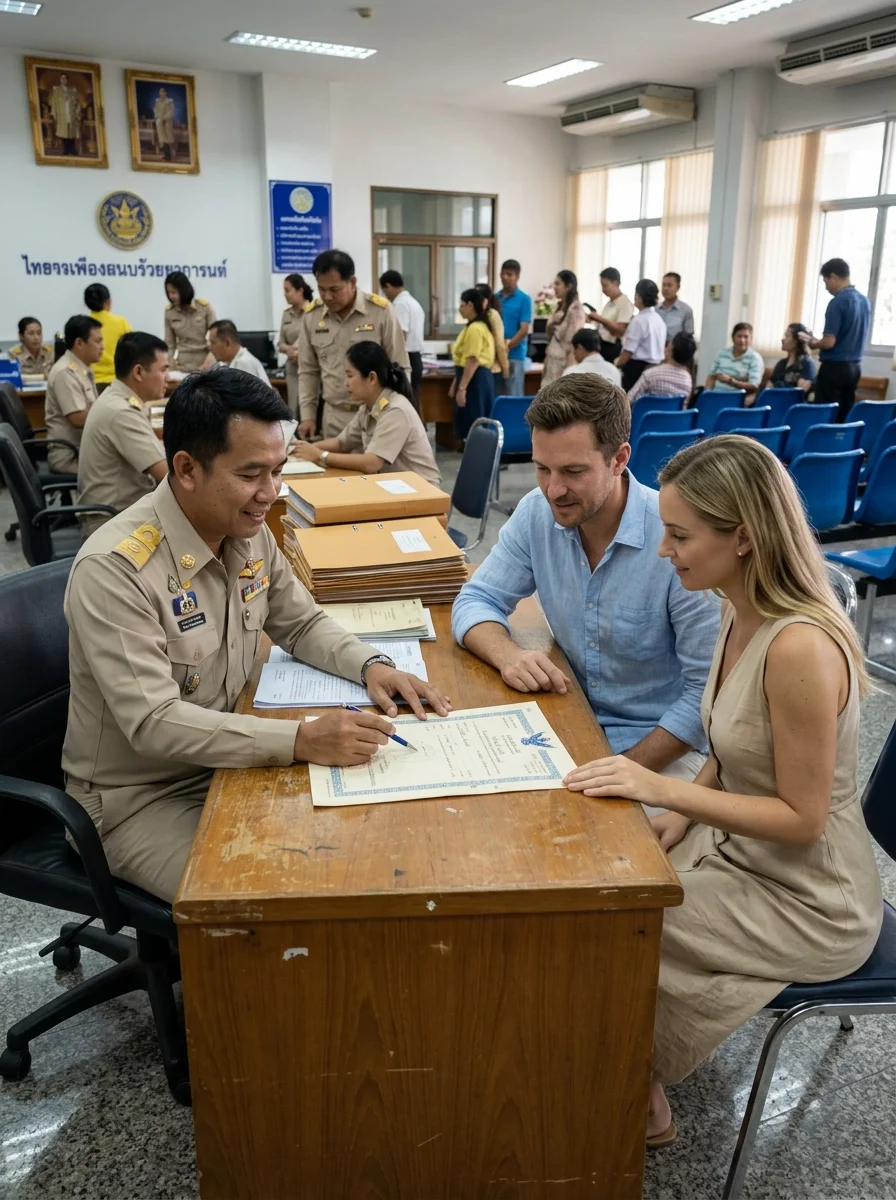
Understanding how Hua Hin compares to other expat hubs helps clarify why it attracts a specific type of buyer. Pattaya offers a highly liquid property market driven by aggressive investor demand and a massive influx of international tourists. Apartments in Pattaya trade quickly, but the environment is intensely commercial and often unsuitable for a quiet retirement. Chiang Mai attracts younger digital nomads, remote workers, and retirees seeking a cooler climate. Property in Chiang Mai is cheaper, but the severe seasonal air pollution between February and April forces many foreign owners to leave the city entirely for three months of the year. Hua Hin sits securely between these two extremes. It lacks the rapid capital appreciation of Pattaya but avoids the environmental hazards of Chiang Mai. The local market is heavily regulated by the presence of the Thai Royal Family's summer palace, which restricts high-rise construction on the beaches and curtails noisy nightlife. Buying in Hua Hin is a conservative play. You accept slower property value growth in exchange for municipal stability and a highly predictable living environment.
| Location | Market Driver | Property Liquidity | Best Suited For |
|---|---|---|---|
| Hua Hin | European retirees, Thai weekenders | Moderate | Long-term, quiet retirement |
| Pattaya | International investors, mass tourism | High | Rental yields, capital growth |
| Chiang Mai | Remote workers, cultural expats | Moderate | Budget-conscious buyers |
Resale Liquidity and the Retirement Community
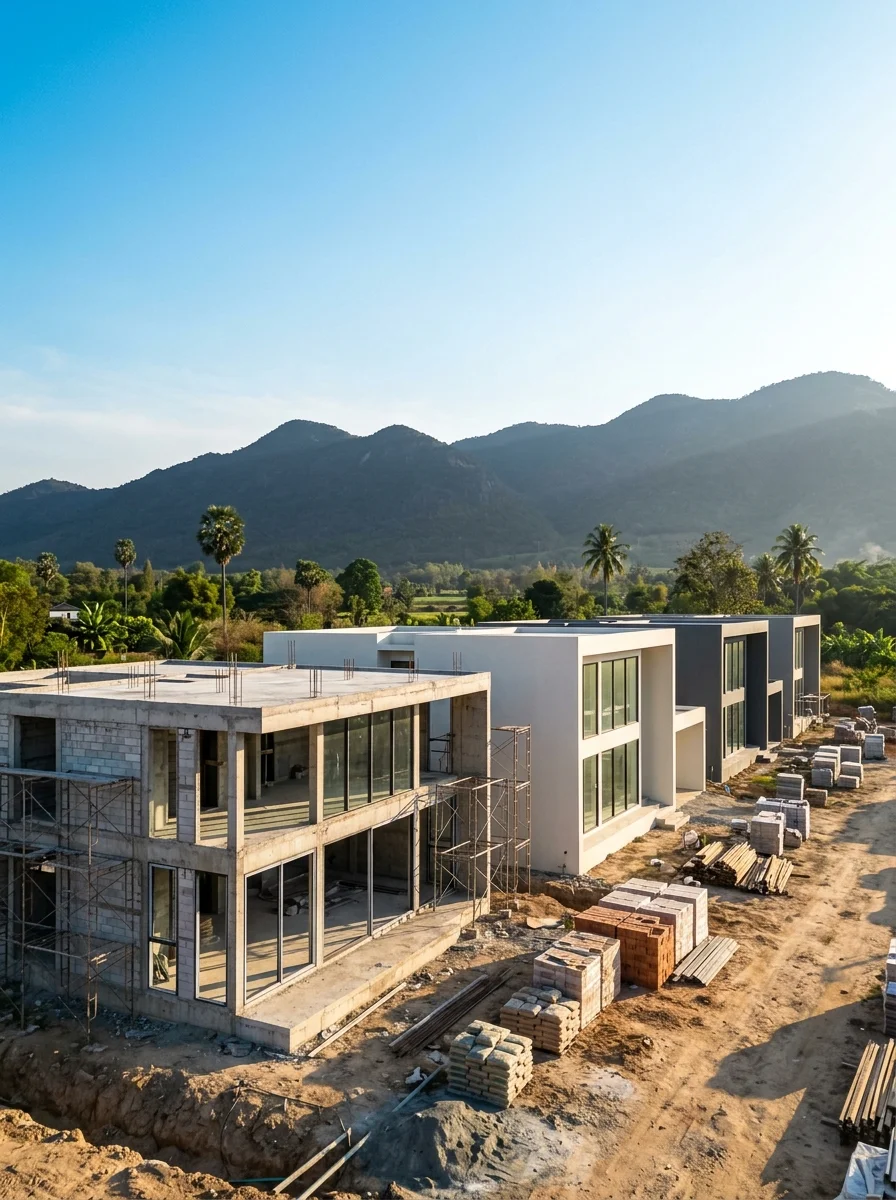
Resale liquidity in Hua Hin depends heavily on the preferences of the large, established British and Scandinavian retirement communities. Because this demographic stability shapes the secondary market, you must consider your exit strategy from day one. A well-built, single-storey pool villa with European-standard kitchens and accessible layouts will sell relatively quickly. Conversely, multi-storey properties or apartments in poorly maintained buildings can sit on the market for years. Buyers from the UK and Scandinavia are highly risk-averse. They will rigorously check sinking funds, maintenance histories, and structural integrity before purchasing your resale property. Properties in established, gated communities with strong juristic management and low monthly maintenance fees retain their value best. When inspecting a potential purchase, evaluate the width of the doors, the presence of stairs, and the amount of shaded terrace space. These practical features dictate how desirable the property will be to an ageing demographic. To guarantee future liquidity, you must buy a property that meets the exact, conservative standards of a northern European retiree.
| Property Feature | Impact on Resale Value | Buyer Demographic Appeal |
|---|---|---|
| Single-storey layout | Highly positive | Essential for ageing retirees |
| Large shaded terrace | Positive | Preferred by Scandinavian buyers |
| Multi-storey layout | Negative | Deters mobility-conscious buyers |
| High maintenance fees | Highly negative | Alienates pension-dependent buyers |
Future Values and the High-Speed Rail Link
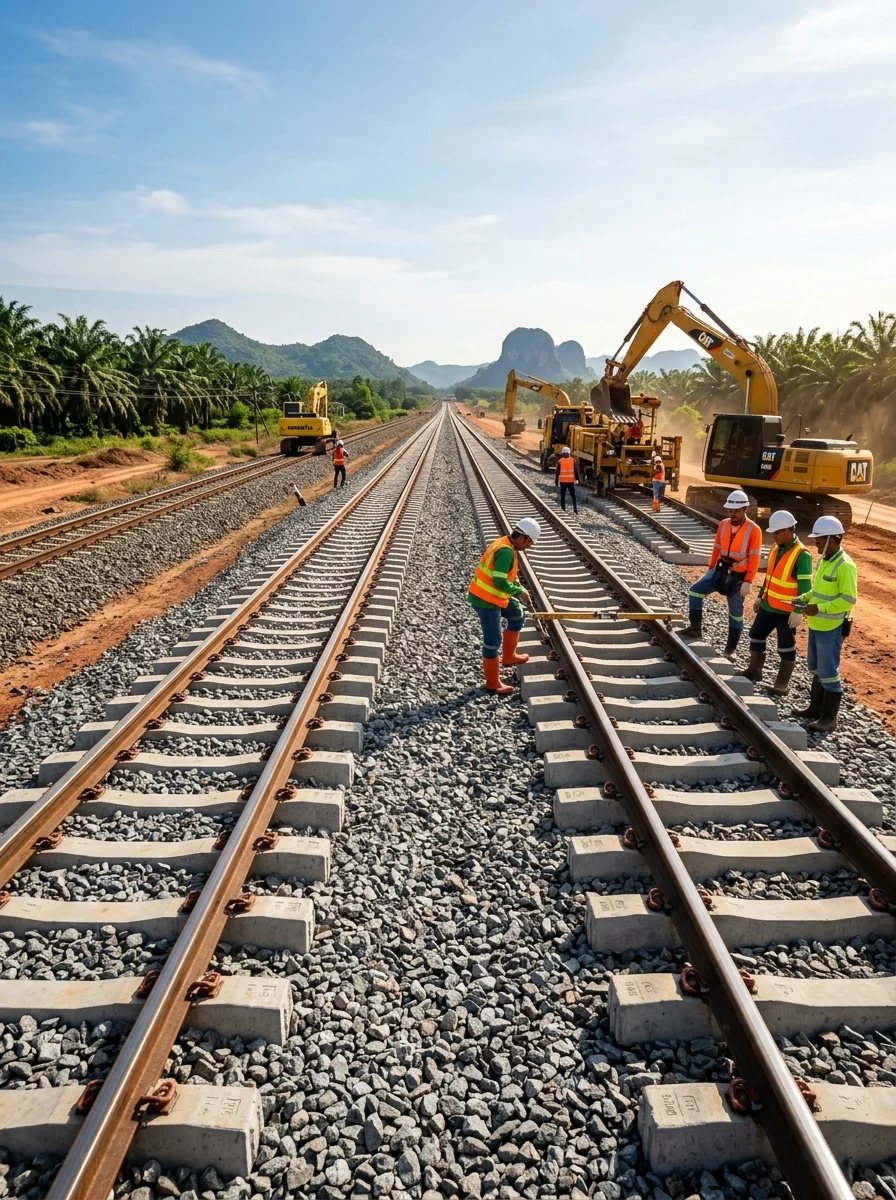
The planned high-speed rail link and the ongoing dual-track railway expansion from Bangkok are the primary drivers for long-term land value appreciation in the region. Historically, Hua Hin property values have grown at a slow, steady rate of 2% to 3% annually, lagging behind the aggressive growth seen in Bangkok and Phuket. However, reducing the travel time from Bangkok to under two hours makes the area highly attractive to wealthy Thai weekenders. These domestic buyers are increasingly purchasing premium villas and beachfront apartments. This domestic demand provides a vital secondary layer of market stability for UK buyers, ensuring the market does not rely entirely on foreign capital. While immediate capital appreciation remains modest, the infrastructure upgrades secure the town's long-term viability as a premier destination. Properties located within a 15-minute drive of the new transport hubs or major highway access points will see the most significant uplift in Land Department appraisal values. Investing near expanding infrastructure ensures your property benefits from regional economic growth over a ten-to-fifteen-year horizon.
| Infrastructure Project | Impact on Property Market | Expected Value Uplift |
|---|---|---|
| Dual-track Railway | Increased domestic tourism | Gradual, steady appreciation |
| High-Speed Rail | Commuter viability from Bangkok | High appreciation near stations |
| Highway Expansions | Better access to Pranburi | Rises in southern land appraisals |
Costs and Fees
Purchasing property in Thailand involves specific transaction taxes calculated on either the registered appraisal value or the purchase price, whichever is higher. The standard transfer fee is 2% of the appraised value, typically split equally between buyer and seller. If the seller has owned the property for less than five years, a Specific Business Tax of 3.3% applies; otherwise, a Stamp Duty of 0.5% is charged. Withholding tax is calculated on a progressive scale based on the seller's ownership duration and legal status. As a UK buyer, you will also need to budget for legal fees, which range from 30,000 THB (£665) to 80,000 THB (£1,770) depending on the complexity of the due diligence. Property agents charge a commission of 3% to 5%, but this is paid entirely by the seller. Finally, factor in annual maintenance fees and sinking fund contributions for apartments or gated villas.
| Cost Item | Rate or Amount | Paid By | Notes |
|---|---|---|---|
| Transfer Fee | 2% of appraisal value | Usually split 50/50 | Negotiable during the offer stage |
| Specific Business Tax | 3.3% of appraisal or price | Seller | Applies if owned for less than 5 years |
| Stamp Duty | 0.5% of appraisal or price | Seller | Applies if owned for 5 years or more |
| Legal Fees | 30,000 THB - 80,000 THB | Buyer | Covers title search and contract review |
| Agent Commission | 3% - 5% of purchase price | Seller | Buyers do not pay agent sourcing fees |
Common Mistakes and How to Avoid Them
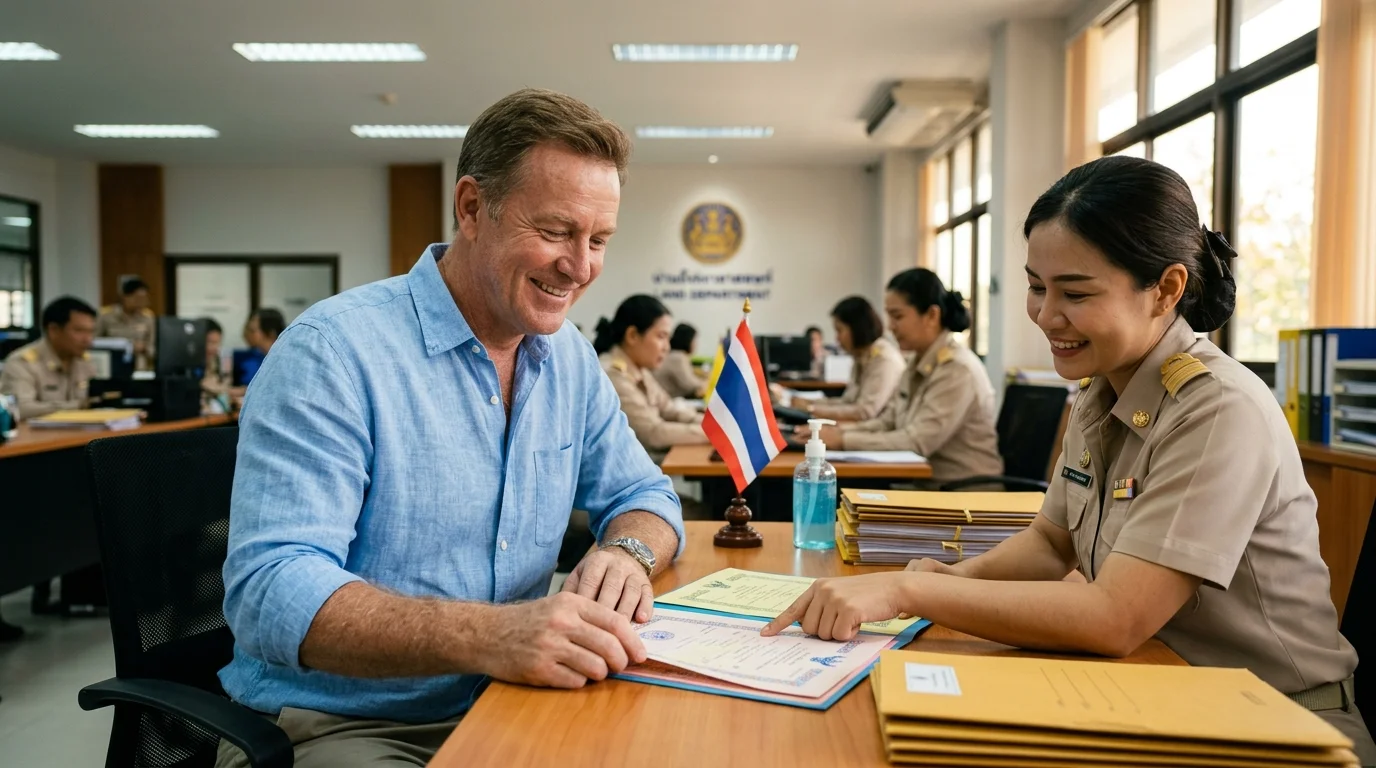
Transferring funds without generating a Foreign Exchange Transaction Form (FETF) is a critical error. Without this document, you cannot register an apartment freehold or easily repatriate funds to the UK. Always transfer funds from the UK in GBP, allowing the Thai bank to convert it and issue the FETF.
Skipping independent due diligence on off-plan developments frequently leads to lost capital. Buyers lose deposits when developers fail to secure Environmental Impact Assessment (EIA) approval before construction. Hire a lawyer to verify EIA status and the underlying land title.
Assuming a 30-year lease automatically renews leaves your retirement home vulnerable. Renewal clauses are often legally unenforceable against third parties if the landlord sells the land. Ensure your lawyer drafts a robust, legally binding succession structure.
Ignoring a building's financial health guarantees future liabilities. Buying an apartment in a complex with an empty sinking fund exposes you to immediate, costly special assessments for repairs. Always request the juristic person's accounting records before purchasing.
Practical Tips
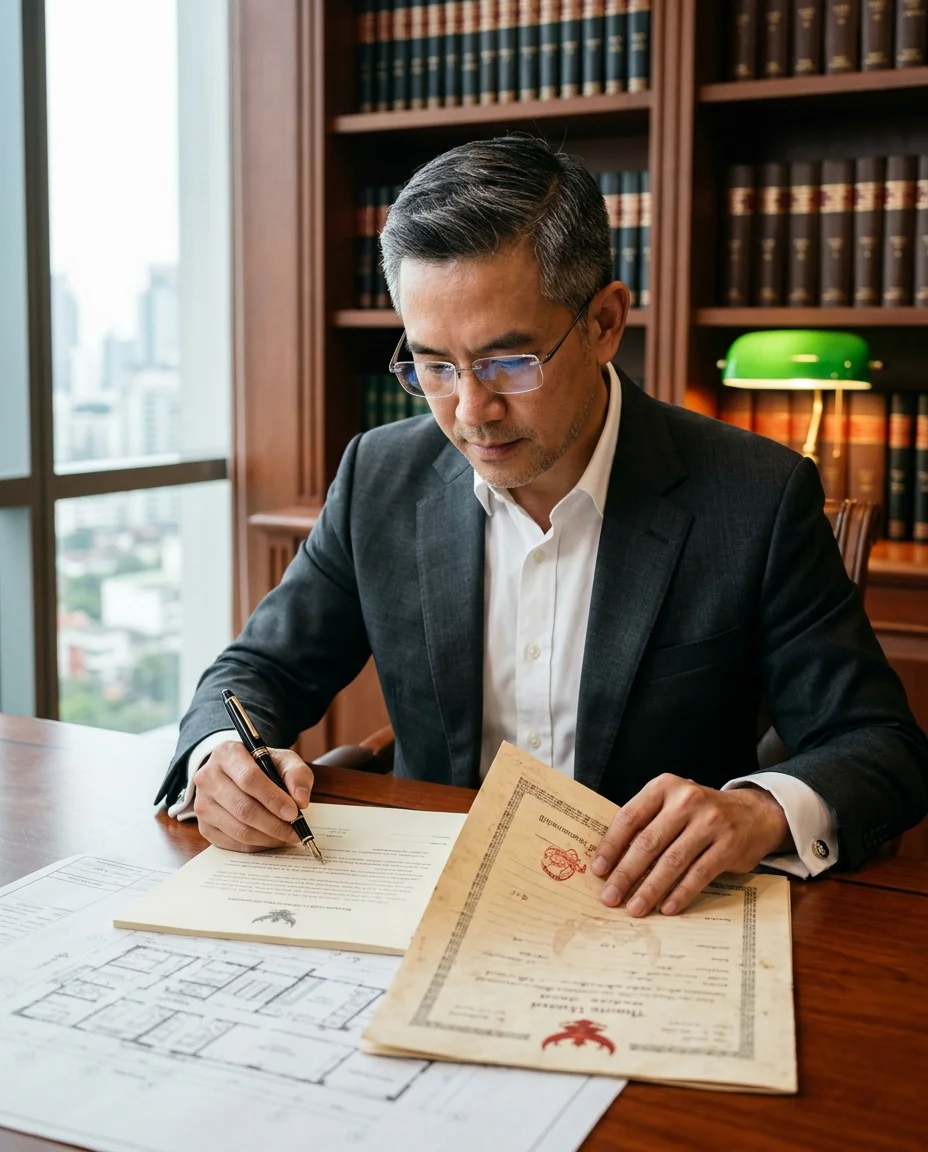
Verify the exact land title deed at the local Land Department before paying any reservation fee. Only a full Chanote (Nor Sor 4 Jor) title provides accurately surveyed boundaries marked by GPS.
Open a non-resident Thai bank account early in your property search. You will need this account to receive your international transfer and secure the necessary FETF documentation required for registration.
Check the foreign quota status of an apartment building before making an offer. If the 49% foreign freehold allocation is full, you can only acquire the unit on a leasehold basis.
Review the building rules regarding pets and short-term rentals if buying an apartment. Thai apartment laws allow individual juristic committees to strictly enforce bans on holiday lets and animals.
Calculate your annual property tax obligations under the Land and Building Tax Act. Primary residences are often exempt up to a certain value, but second homes and rental properties incur annual fees.
Inspect the physical infrastructure of the local area during the rainy season. Many older developments in Hua Hin suffer from inadequate drainage, leading to localised flooding issues that impact property access.
Draft a Thai will immediately after completing your property purchase. This ensures your leasehold rights or freehold apartment transfer smoothly to your UK beneficiaries without enduring protracted Thai probate courts.
Quick Reference Table
| Item | Detail | Notes |
|---|---|---|
| Apartment Ownership | Freehold | Must fall within the 49% foreign quota |
| Villa Ownership | Land Leasehold + Building Freehold | Standard lease is 30 years |
| Primary Title Deed | Chanote (Nor Sor 4 Jor) | The only title offering full GPS surveyed boundaries |
| Typical Transfer Fee | 2% | Usually shared 50/50 between buyer and seller |
| Fund Transfer Requirement | Foreign Exchange Transaction Form (FETF) | Funds must originate from outside Thailand in foreign currency |
| Legal Representation | Not legally required but highly advised | Essential for due diligence and lease drafting |
| Typical Timescale | 30 to 60 days | Varies based on fund transfers and due diligence speed |