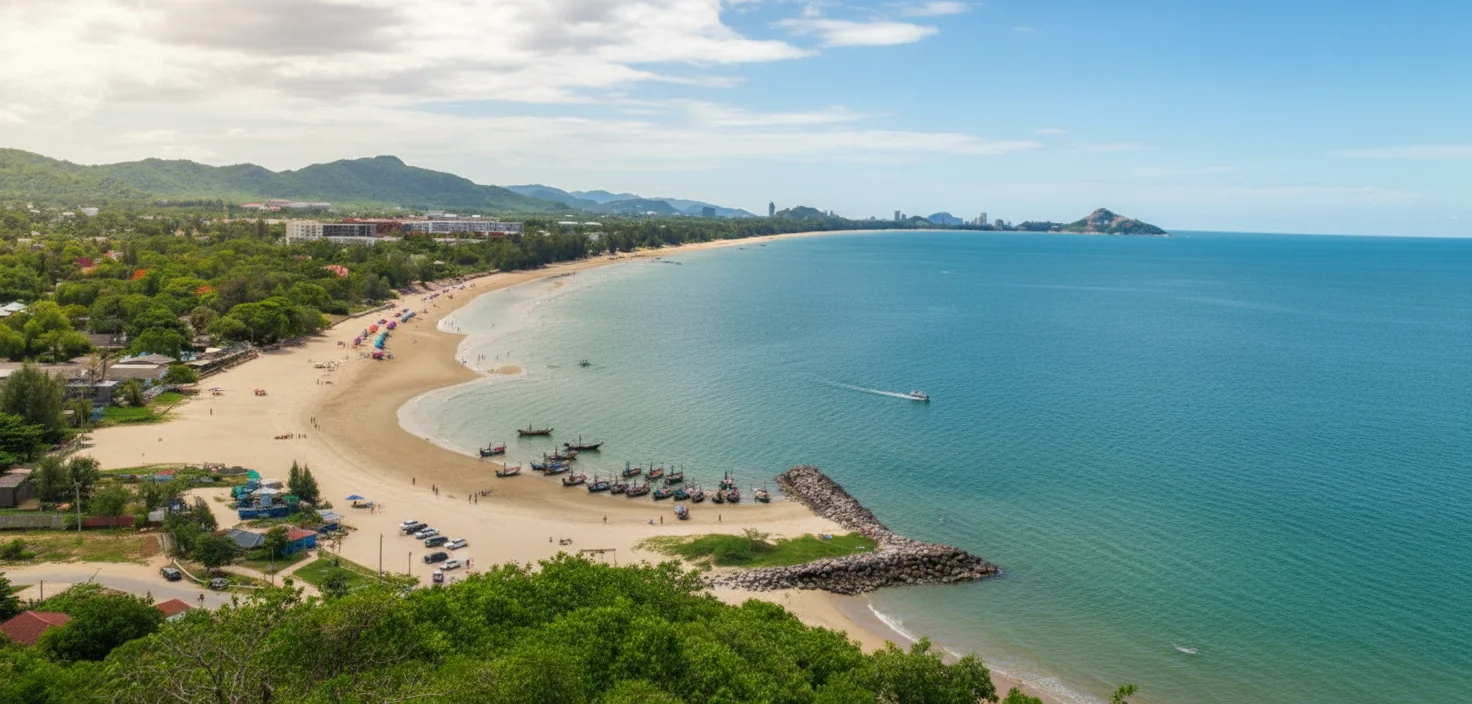
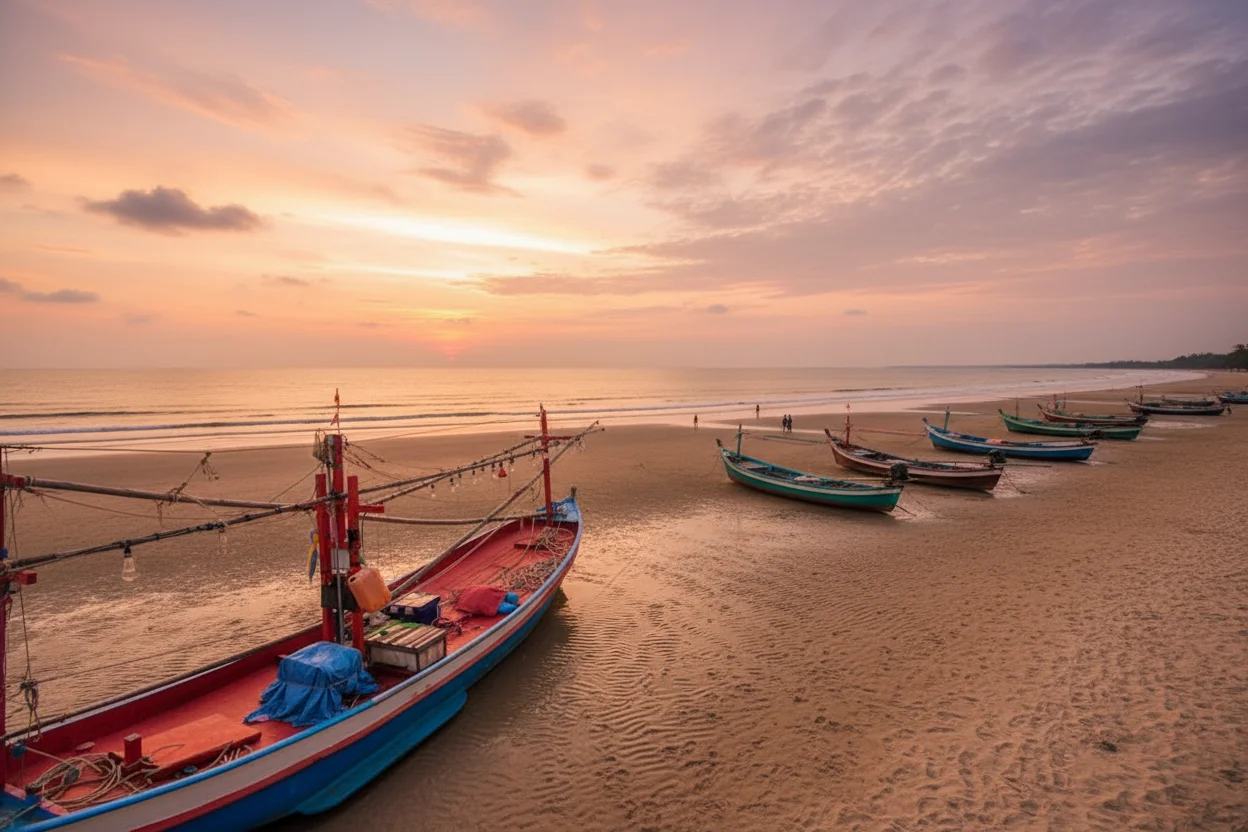
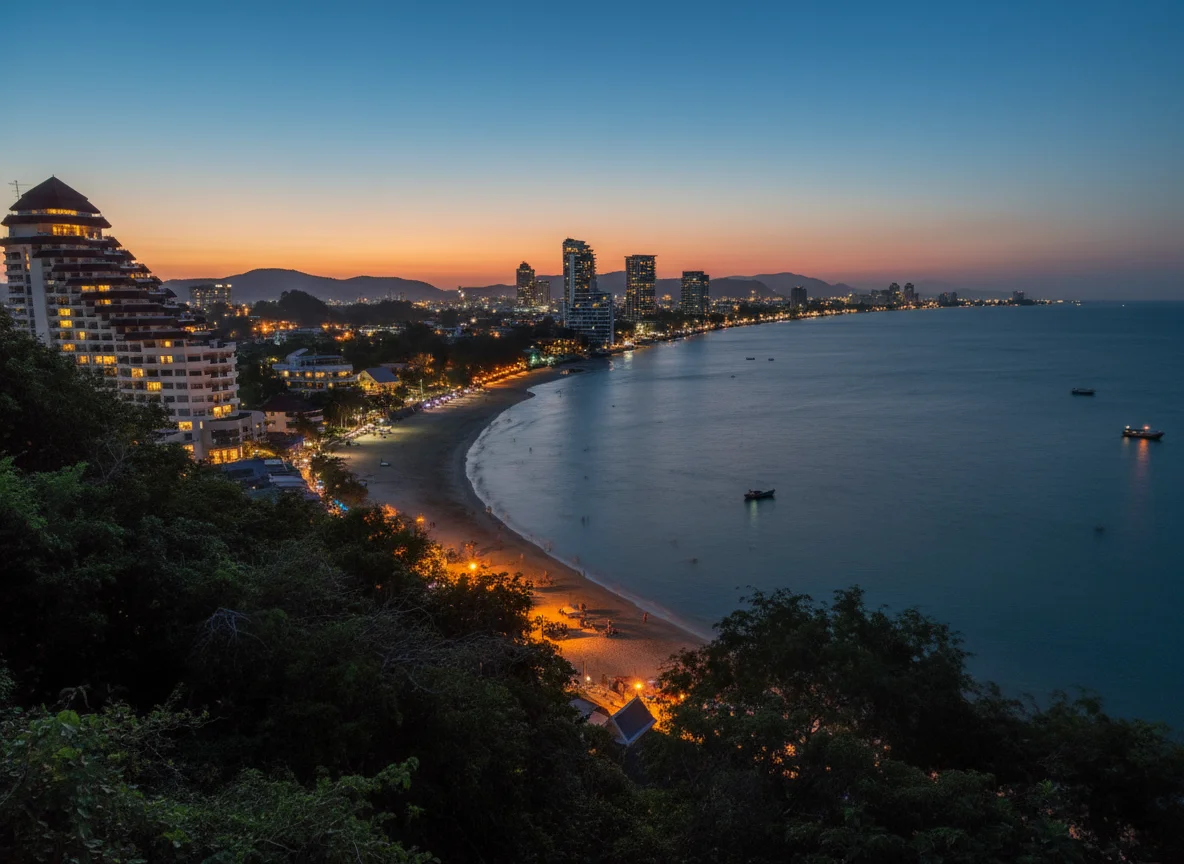
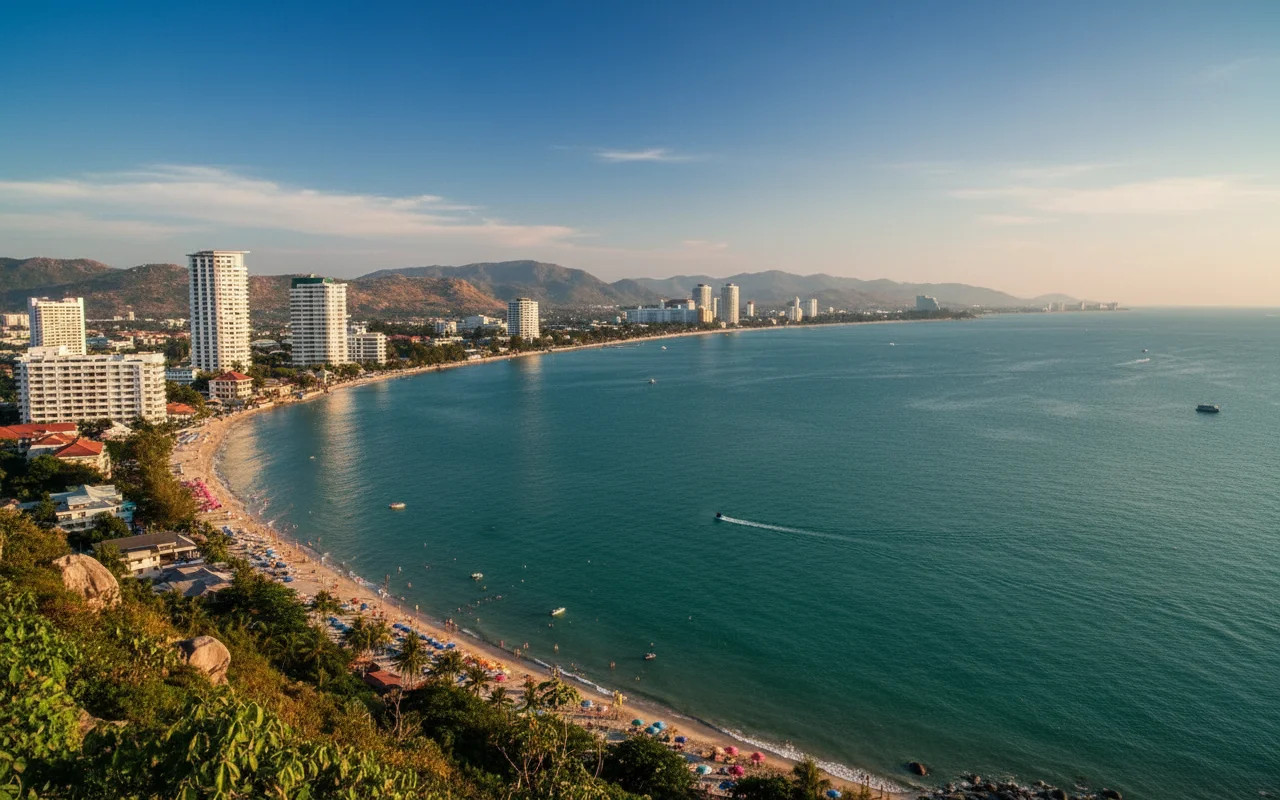
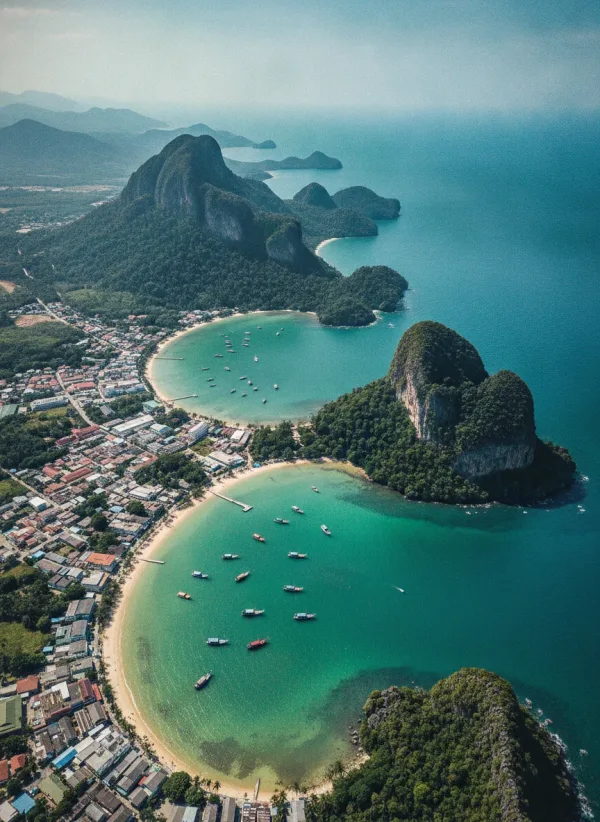
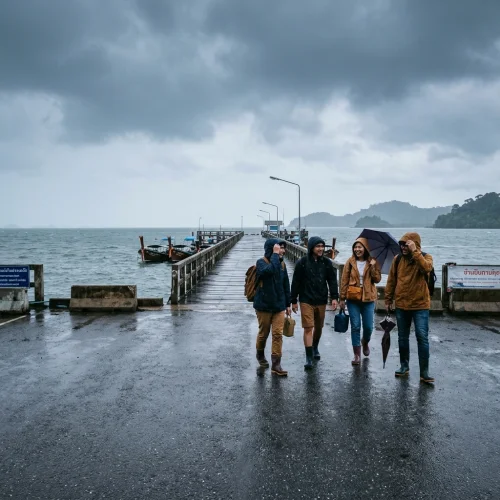
Hua Hin sits in a rain shadow provided by the Tenasserim Hills, meaning you will often watch heavy clouds dump rain on the mountains to the west while you enjoy dry skies.
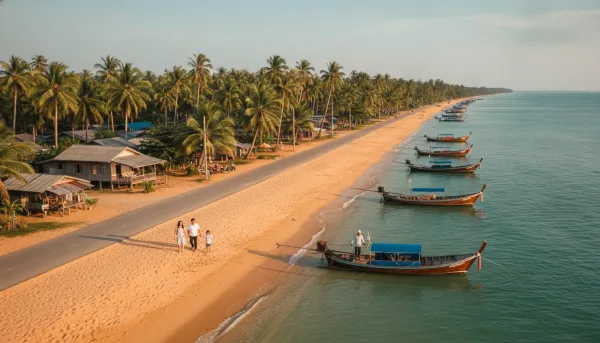
Unlike the suffocating humidity of Bangkok, the Gulf of Thailand provides a constant sea breeze that keeps the air moving, though this same wind can whip up sand that stings your ankles on the beach during December. A quality wide-brimmed straw hat from a local vendor will cost you 250 THB or 5.75 GBP and is a mandatory investment for your first afternoon on the sand to combat the intense coastal glare.
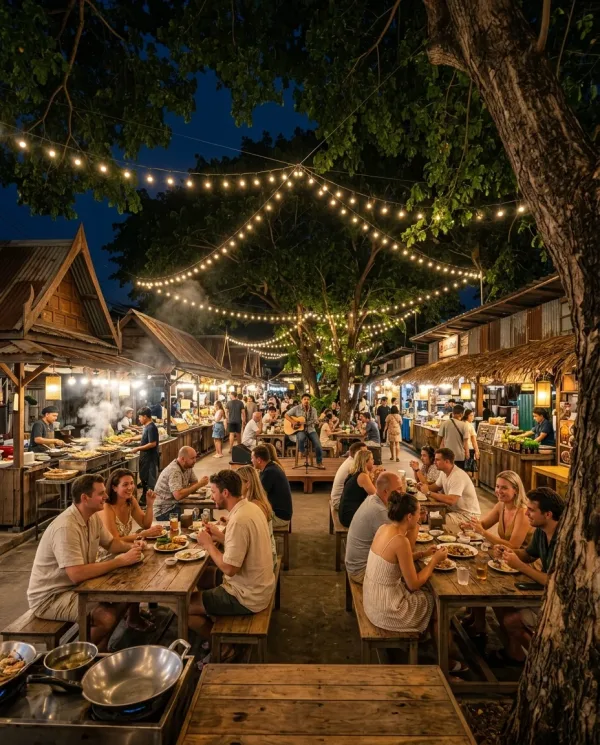
The cool season runs from mid-November to February, where daytime highs sit at a comfortable 29C to 31C and nights drop to a refreshing 23C. This is the period when you can actually walk to dinner without arriving in a pool of sweat, though the popular night markets will charge a premium, with a seafood dinner for two costing around 1,200 THB or 27.60 GBP. Transitioning into the hot season from March to May, the thermometer climbs steadily to 35C, peaking at 38C during the April Songkran festivities. The heat during these months is a physical presence that requires you to seek air-conditioning by 11:00 AM, but the cooling sea remains a perfect 28C for swimming. The rainy season arrives late here compared to the rest of the country, stretching from June through October. While other regions are seeing daily downpours in July, Hua Hin often sees only short, sharp bursts of rain, keeping the landscape green without ruining your holiday. You might pay 450 THB or 10.35 GBP for a private taxi during a sudden downpour to stay dry, but the sun usually reappears within ninety minutes to dry the pavements and clear the air.
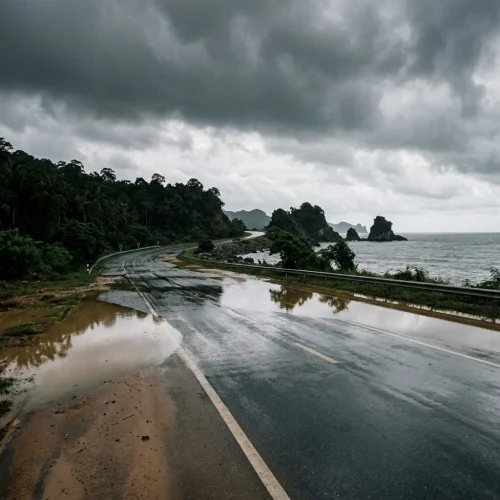
Rain in Hua Hin is rarely a day-long affair, typically manifesting as a dramatic forty-minute afternoon deluge that clears the humidity. The real exception is October and early November, when the monsoon peaks and you might face three days of grey skies and persistent drizzle. During these peak weeks, the drainage on Phetkasem Road can struggle, leading to ankle-deep water that makes crossing the street a barefoot adventure for a few hours. You can grab a plastic poncho from 7-Eleven for 50 THB or 1.15 GBP to survive the dash to a cafe, or invest in a sturdy golf-sized umbrella for 350 THB or 8.05 GBP if you plan on walking between bars. Sea swells increase during these months, occasionally bringing jellyfish closer to shore, so keep an eye out for the purple flags on the beach. If the ferry to Pattaya is cancelled due to high waves, a private car transfer will cost you roughly 2,500 THB or 57.50 GBP to make the journey by road instead.
AIR QUALITY
While Northern Thailand suffers through a thick haze from January to March, Hua Hin remains relatively clear thanks to its coastal position and the lack of industrial agriculture nearby. You might see the AQI climb into the 100 to 120 range on stagnant days in February, which turns the sky a milky white, but it rarely reaches the hazardous levels seen in Chiang Mai. If your lungs are sensitive, a pack of three N95 masks will set you back 120 THB or 2.76 GBP at any local pharmacy. The best strategy for a high-smog day is to head south toward Khao Sam Roi Yot, where the mountain air remains crisp and the visibility stays sharp for hiking.
The UV index in Hua Hin frequently hits 11 or 12, which will turn British skin into a lobster-red mess in under twenty minutes. Packing traditional denim or thick polyester is a tactical error; these fabrics trap heat and lead to an uncomfortable prickly heat rash that requires a 150 THB or 3.45 GBP tube of Calamine lotion to soothe. Opt for linen or loose cotton, and remember that even in 35C heat, temples require covered shoulders and knees. A lightweight sarong purchased at the market for 200 THB or 4.60 GBP is the perfect workaround to wrap over your shorts before entering a sacred site. Sunscreen is significantly more expensive here than in the UK due to import taxes, with a 50ml bottle of SPF 50 costing around 550 THB or 12.65 GBP, so fill your suitcase with several bottles from home before you depart.
The humidity in Hua Hin hovers around 70 percent, which saps your energy far faster than a dry heat back home. To avoid the dreaded afternoon headache, pick up a box of orange-flavored electrolyte powder from 7-Eleven for 10 THB or 0.23 GBP per sachet to mix into your bottled water. Schedule your heavy walking for the early morning before the 10:00 AM heat spike or after the 5:00 PM sunset. Mosquitos are most active at dusk, particularly near the klongs or standing water, so expect to spend about 85 THB or 1.95 GBP on a bottle of local lemongrass repellent which works far better than the chemical versions imported from Europe.
BEST TIME TO VISIT
The window between late November and mid-January is the gold standard, offering 28C days and low humidity. However, the secret sweet spot is June. While the rest of the world thinks the rainy season has started, Hua Hin remains stubbornly sunny and dry because of its unique rain shadow. During this month, you can secure a luxury villa for 3,000 THB or 69.00 GBP per night, which is nearly half the price of the December peak.