The far north of Thailand hides a deeply eccentric artistic soul behind its sleepy mountainous facade, rewarding those who push past the usual tourist trail with temples made of pure white glass and pitch-black wood.
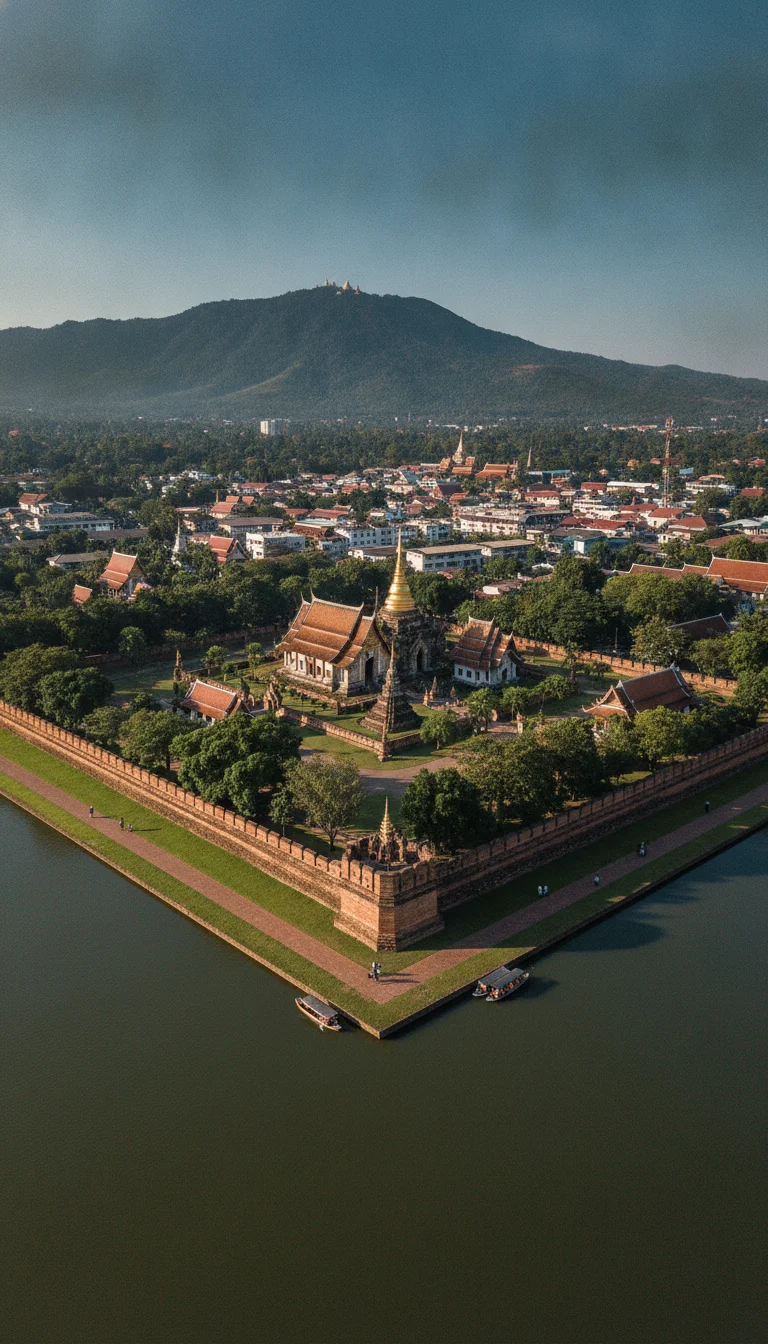
Sitting 800 kilometres north of Bangkok and just a stone's throw from the Myanmar and Laos borders, Chiang Rai operates at a markedly different rhythm to its famous southern neighbour, Chiang Mai. This province of 1.2 million people attracts art lovers, slow-travel enthusiasts, and coffee aficionados who appreciate the cooler highland climate and distinct Lanna heritage. The city itself is surprisingly compact, built around a 13th-century core that bleeds out into rolling tea plantations and mist-heavy valleys.
The truth is that the immediate city centre is aesthetically uninspiring, a grid of concrete shophouses that hardly hints at the cultural heavyweights sitting just outside the ring road. Treat the urban core purely as a comfortable, highly affordable basecamp. The real magic happens twenty minutes out of town, where radical local architects have spent decades transforming the surrounding landscape into a surreal outdoor gallery.
This guide breaks down exactly how to tackle the region, covering the most strategic neighbourhoods for your base, navigating the sprawling provincial roads, and finding the best northern Thai cuisine without paying tourist premiums. You will also find detailed, honest appraisals of local accommodation, transport costs, and the cultural sites that actually warrant your time.
How to get there
Direct domestic flight from Bangkok or VIP bus from Chiang Mai
Journey time from nearest hub
3 hours by bus from Chiang Mai, 1.5 hours by air from Bangkok
Best time to visit
November to February for cool, dry weather
Budget per day (budget / mid-range / luxury)
£25 / £55 / £120+
Ideal length of stay
3 to 4 nights
Best for
Art enthusiasts, temple fatigue sufferers, and slow-paced explorers
The Clock Tower intersection forms the commercial heart of Chiang Rai, suiting first-time visitors who want night bazaar food stalls and reliable transport links right on their doorstep. It is loud and neon-lit, but undeniably convenient for early morning departures. Just south of the centre, the Mae Kok riverside offers a completely different proposition for luxury seekers and long-stay expats, characterised by high-end resorts and quiet cycle paths that trace the water's edge. Move further north toward Mae Fah Luang University and the atmosphere shifts again to a lively student enclave, packed with cheap noodle shops and independent roasters pouring locally grown arabica. Finally, the mountainous Doi Tung region in the far north caters to nature lovers wanting remote homestays amidst royal botanical gardens. Dive into the complete areas guide to find exactly which neighbourhood matches your itinerary.
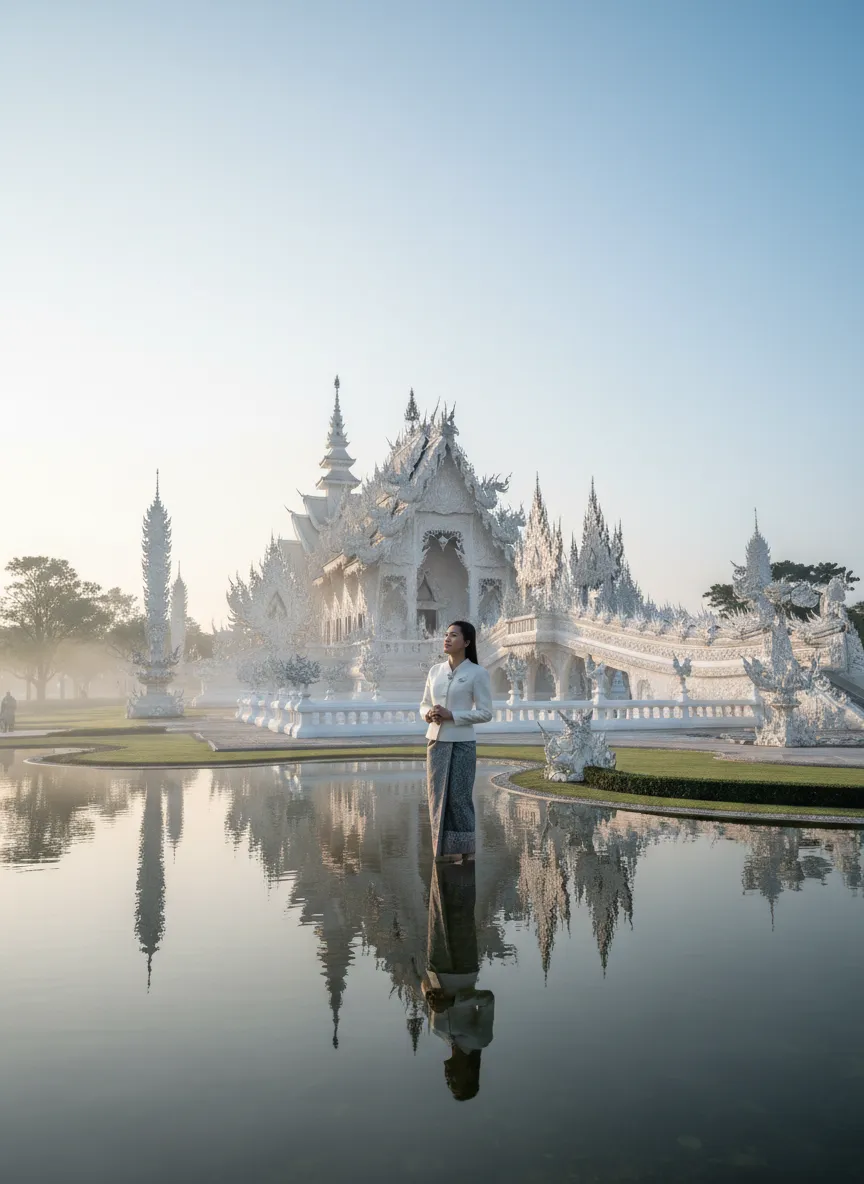
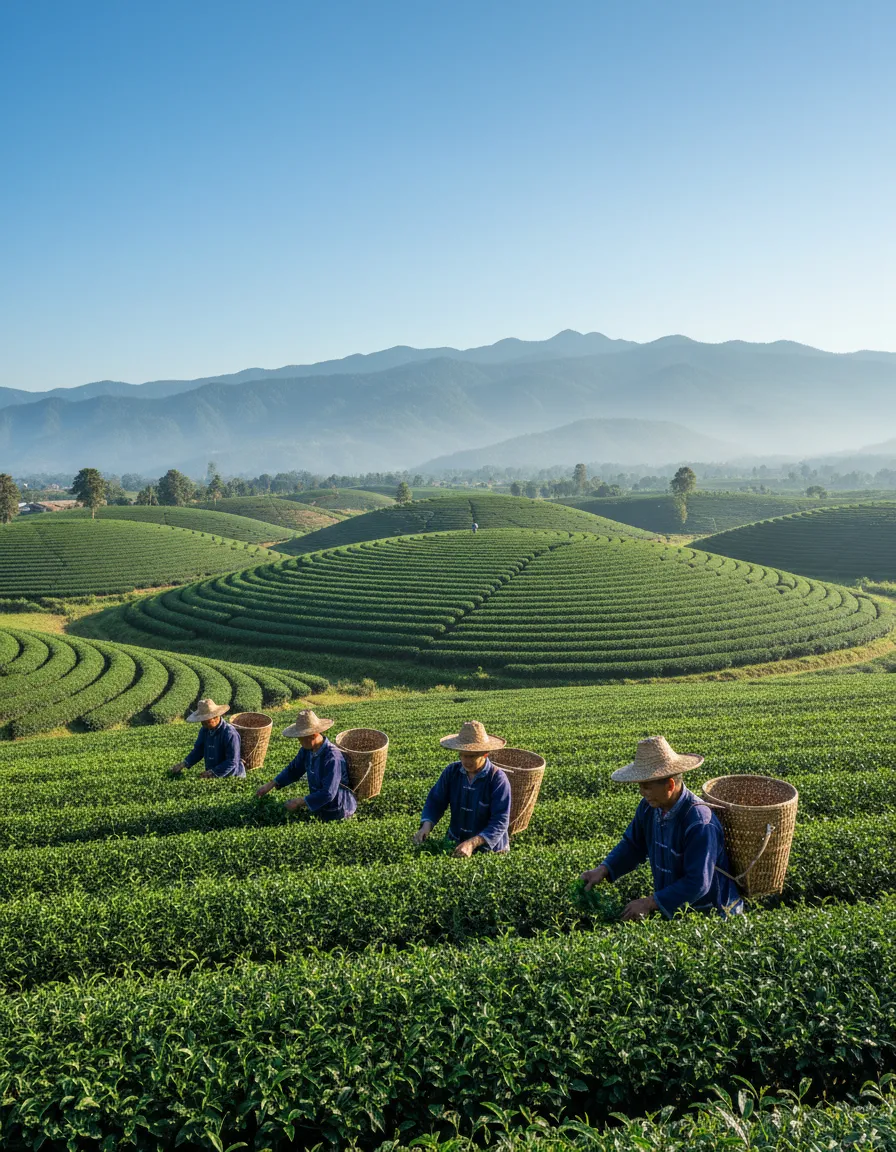
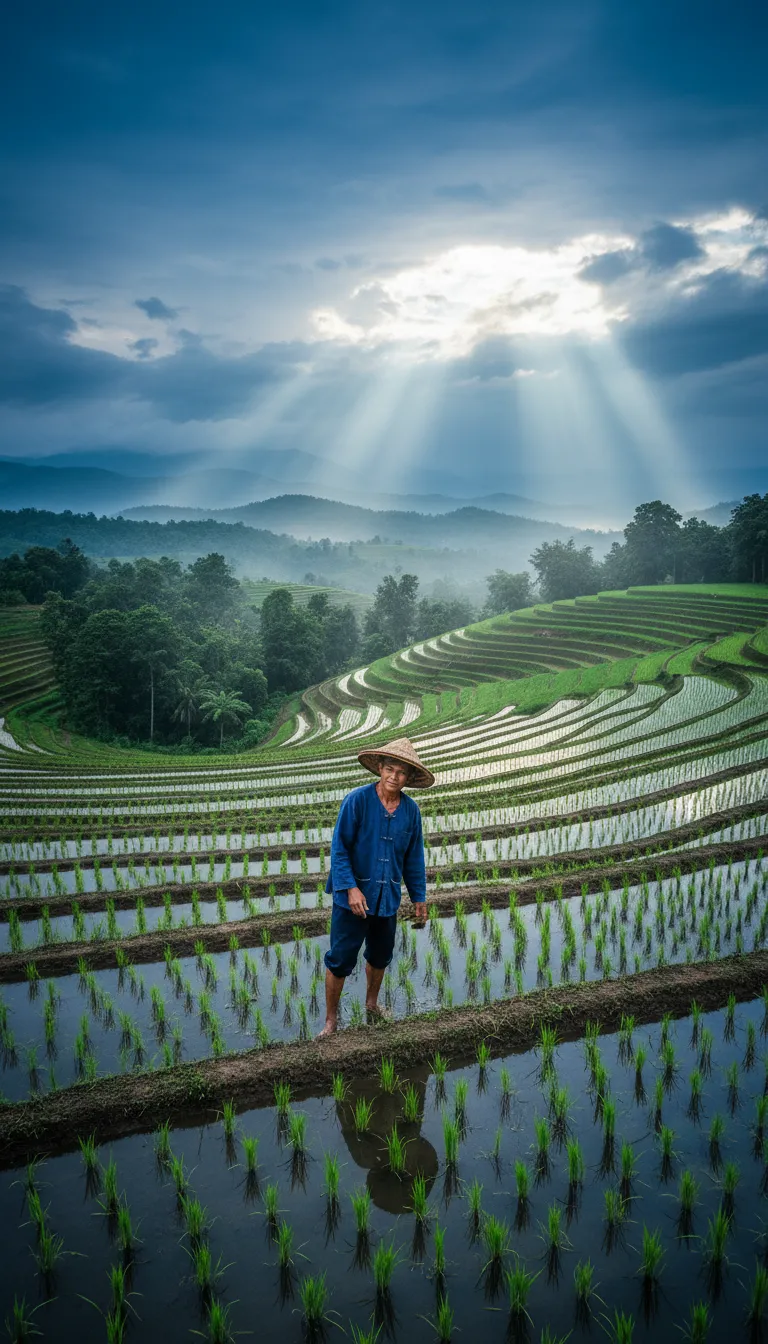
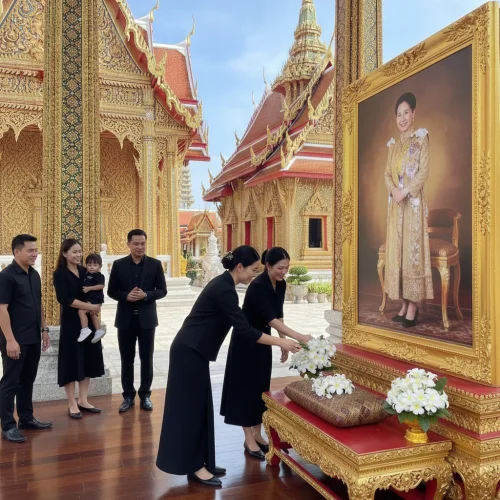
The White Temple demands a visit not just for its bizarre contemporary murals featuring pop culture icons, but to witness Chalermchai Kositpipat’s ongoing architectural obsession firsthand. Contrast this immediately with the Baan Dam Museum, a sprawling compound of dark teak pavilions filled with animal skulls that feels brilliantly unsettling. Skip the generic animal shows and instead spend an afternoon at Choui Fong Tea Plantation, drinking exceptional local matcha while looking out over perfectly manicured terraces. Finally, riding the elevator up the giant goddess statue at Wat Huay Pla Kang offers unmatched panoramic views of the provincial rice paddies. Head over to the full things to do guide for strategic timing and booking advice.
GETTING AROUND
Public transport inside the city limits is virtually non-existent, making ride-hailing apps like Grab essential for short hops across Chiang Rai. A typical ten-minute journey costs around 80 THB (£1.80). However, because the major artistic sites are spread out along the provincial highways, renting a scooter for 250 THB (£5.50) a day gives you the ultimate freedom, provided you have the correct international licence and experience. If two wheels sound unappealing, hiring a private driver for a full eight-hour day is surprisingly economical at roughly 1,500 THB (£33) and removes the stress of navigating rural roads entirely. Avoid the shared songthaews unless you have endless patience, as they only depart when completely full.
Accommodation here offers exceptional value compared to the southern islands. Budget travellers can find immaculate, design-forward hostels near the Clock Tower for as little as £10 a night, offering pod-style privacy and excellent local advice. Mid-range visitors should look toward the quieter streets just off the main walking street, where £35 to £50 secures a boutique room in a converted teak house with a private courtyard and rainfall showers. For luxury, the Mae Kok riverside is unmatched. Here, £150 upwards buys you a sprawling suite in an international heritage resort with riverside infinity pools and private boat transfers. Check out the full hotels guide for detailed reviews of every property worth your money.
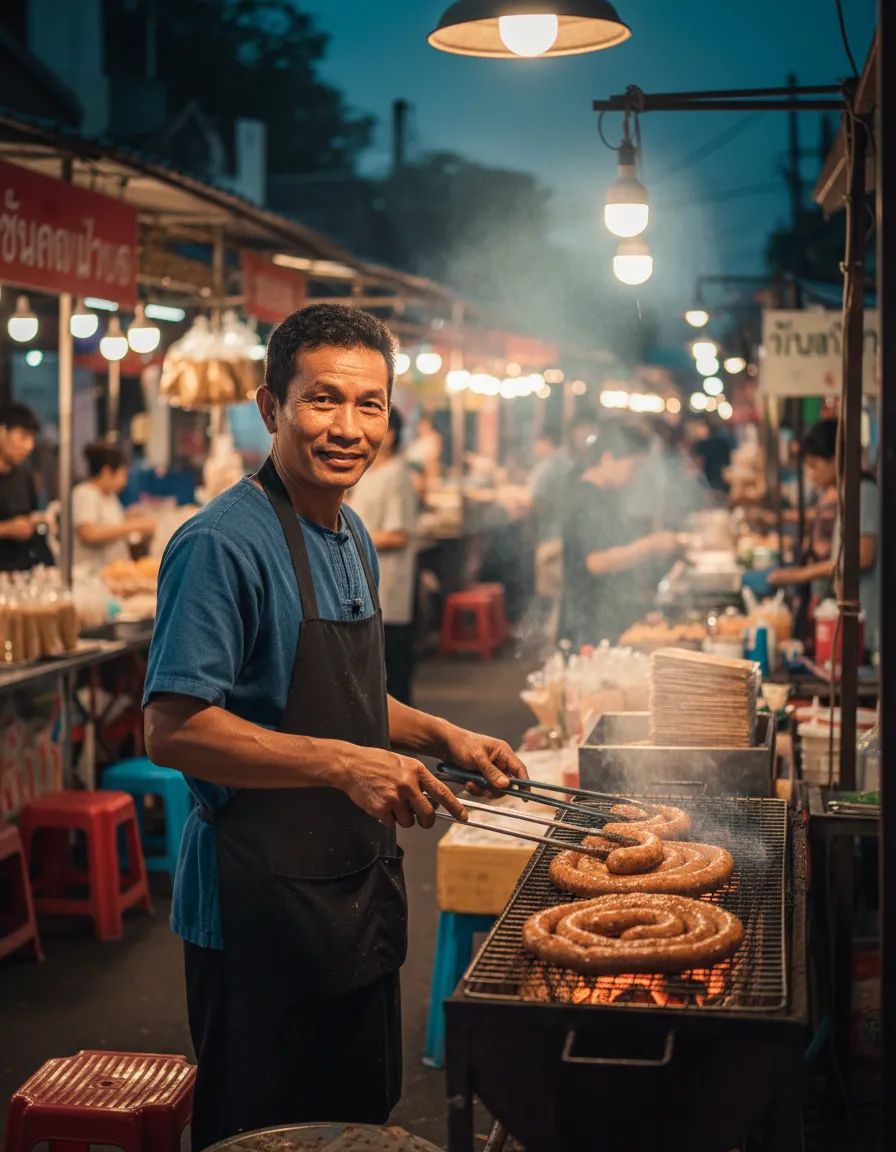
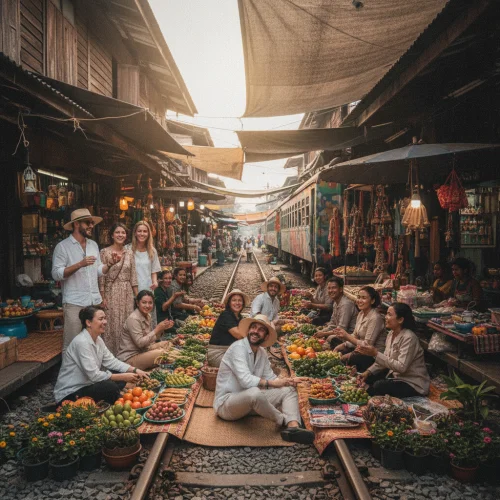
The culinary scene leans heavily into earthy, herbaceous flavours that reflect the cooler climate and Lanna heritage. You must try khao soi, but seek out the richer, spicier Chiang Rai variation which uses a slightly thinner, more coconut-heavy broth than the Chiang Mai version. A life-changing bowl at a roadside stall will set you back just 50 THB (£1.10). For dinner, head to the central night bazaar where you can order a hot pot of spicy tom sap for 150 THB (£3.30) while listening to local folk bands. The province is also Thailand's coffee capital, so expect to find exceptional drip coffee sourced directly from the nearby Doi Chang mountains on almost every corner.
ESSENTIAL TIPS
The heavy burning season hits Chiang Rai hard between late February and April, severely impacting air quality and visibility, so time your trip for November or December if clear skies matter to you. When visiting the major cultural sites, dress codes are enforced with surprising strictness; keep a lightweight sarong in your daypack to cover your shoulders and knees to avoid buying overpriced elephant pants at the entrance. Carry cash for the smaller museums and rural coffee shops, as card machines are incredibly rare outside the main hotels. Finally, do not rely entirely on ride-hailing apps late at night, as drivers simply switch off and go home after 10 PM, so ask a restaurant to call you a local cab if you plan on staying out.