Budget Hotels & Hostels
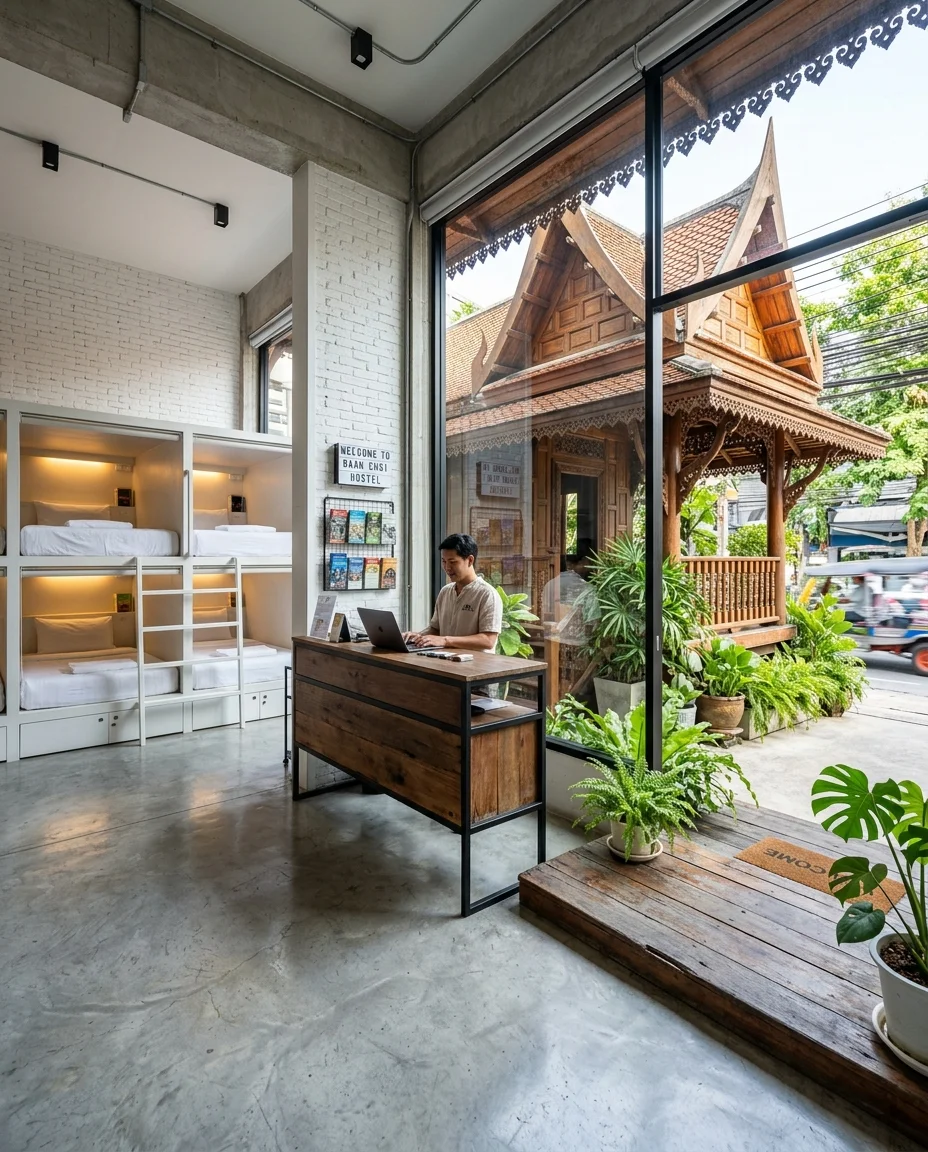
A bed in a top-rated Bangkok hostel with air-conditioning and privacy curtains costs around 450 THB (£10) a night, while a private fan room in a traditional northern guesthouse can be found for even less. Navigating Thailand’s budget accommodation market requires knowing exactly what you get for your money across different regions.
This guide breaks down the reality of staying in budget accommodation across Thailand, from high-energy island party hostels to quiet, family-run guesthouses in the north. You will learn how to identify genuine value over false economy, understand the distinct differences between local independent rooms and international chains, and set realistic daily budgets. By the end, you will know exactly which type of accommodation suits your travel style and how to secure the best rates before you arrive.

Guesthouses Versus International Hostel Chains
Choosing between a traditional Thai guesthouse and a modern hostel chain fundamentally changes your daily travel experience. Independent guesthouses, particularly common in Chiang Mai and Ayutthaya, usually offer private rooms with basic en-suite bathrooms, tiled floors, and a ceiling fan for around 400 to 600 THB (£9 to £13). They are typically run by local families. This creates a quieter environment but provides fewer opportunities to meet other travellers.
Learn exactly how to buy a SIM card in Thailand. Compare AIS, DTAC, and True Move, discover standard vs tourist plans, and keep your UK number active.
Conversely, international hostel brands dominate the islands and central Bangkok. These properties focus heavily on social infrastructure. They feature high-speed Wi-Fi, air-conditioned dorms with blackout curtains, reading lights, and secure lockers. Beds range from 350 to 700 THB (£8 to £15) depending on the location and season. The trade-off is often increased noise and a distinctly younger demographic. If you need reliable internet for work, chains usually deliver vastly superior digital infrastructure. Meanwhile, guesthouses provide a more authentic, low-key local interaction.
Takeaway: Book independent guesthouses for privacy and quiet, but stick to established hostel chains if your priority is socialising and reliable modern amenities.
Dorm Beds Versus Private Budget Rooms
Sponsored
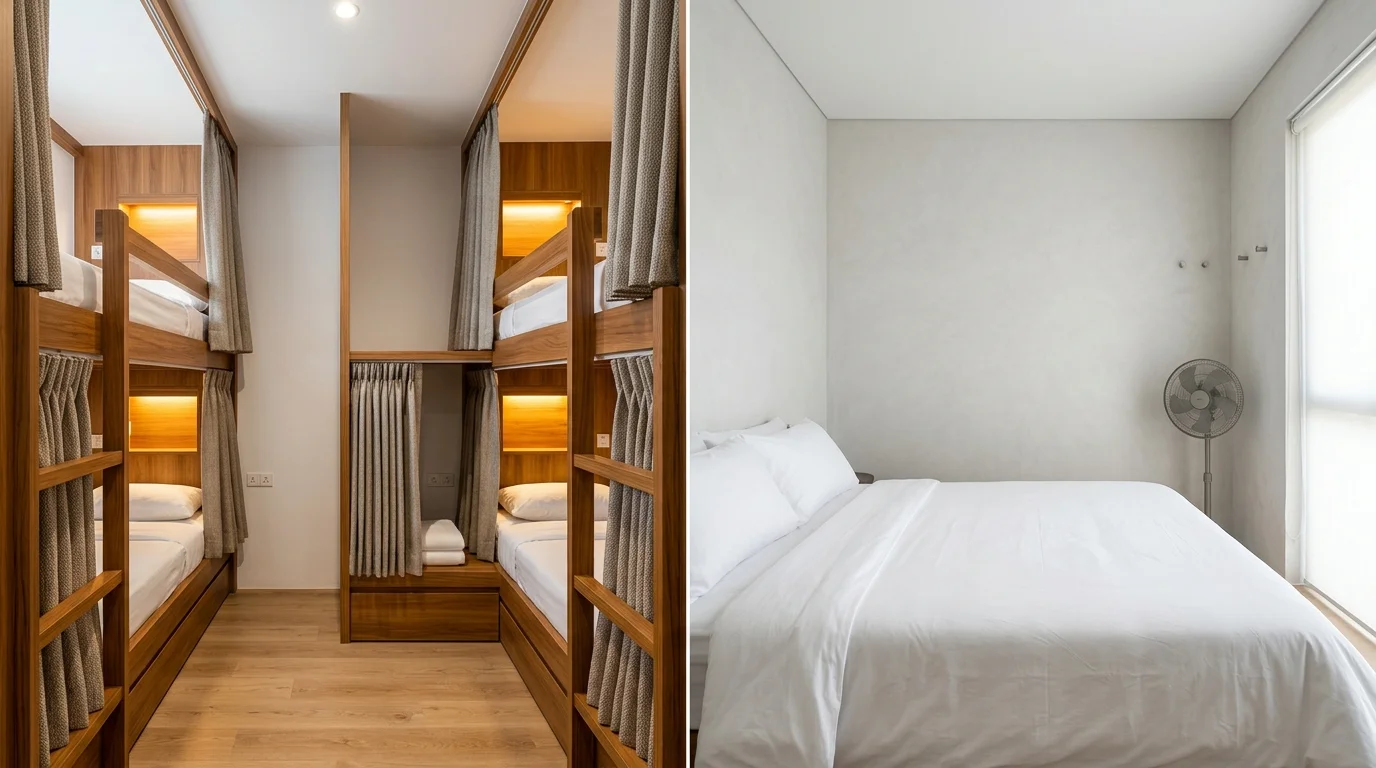
The price gap between a premium dorm bed and a basic private room in Thailand is surprisingly narrow. In Bangkok’s Sukhumvit or Silom areas, a bed in a highly rated four-to-six-person air-conditioned dorm costs around 500 THB (£11). For 700 to 900 THB (£15 to £20), you can often secure a private, albeit small, double room in a mid-range guesthouse just a few streets away.
Dorms offer superior security for solo travellers when equipped with electronic locker systems and keycard access. Private budget rooms may only provide a simple padlock on a wooden door. Furthermore, budget private rooms frequently lack air-conditioning. They rely instead on wall fans, which can be challenging during the hot season from March to May. However, they provide absolute privacy and an escape from the varying sleep schedules of dorm mates. Couples will almost always find a private budget room more economical than booking two individual beds in a high-end hostel.
Takeaway: Always check the price of a basic private room before booking two dorm beds, as the total cost is often identical.
| Room Type | Average Cost (THB) | Best For | Main Drawback |
|---|---|---|---|
| Premium AC Dorm | 400 - 600 | Solo travellers, socialising | Lack of privacy, shared space noise |
| Basic Fan Private | 350 - 500 | Extreme budget, quiet stays | Hot in summer, basic security |
| Standard AC Private | 700 - 1,000 | Couples, flashpackers | Higher cost, less social interaction |
| Pod-style Dorm | 500 - 800 | Digital nomads, privacy seekers | Can feel claustrophobic |
Room Quality and Safety at Different Price Points
Safety and room quality scale predictably with price across the Thai accommodation market. At the absolute baseline of 200 to 300 THB (£4.50 to £6.50), you receive a basic mattress. Shared bathrooms may only feature cold-water showers, and security is minimal. Lockers at this level are often flimsy wooden cupboards requiring your own padlock. Access to the building itself is rarely restricted during daylight hours.
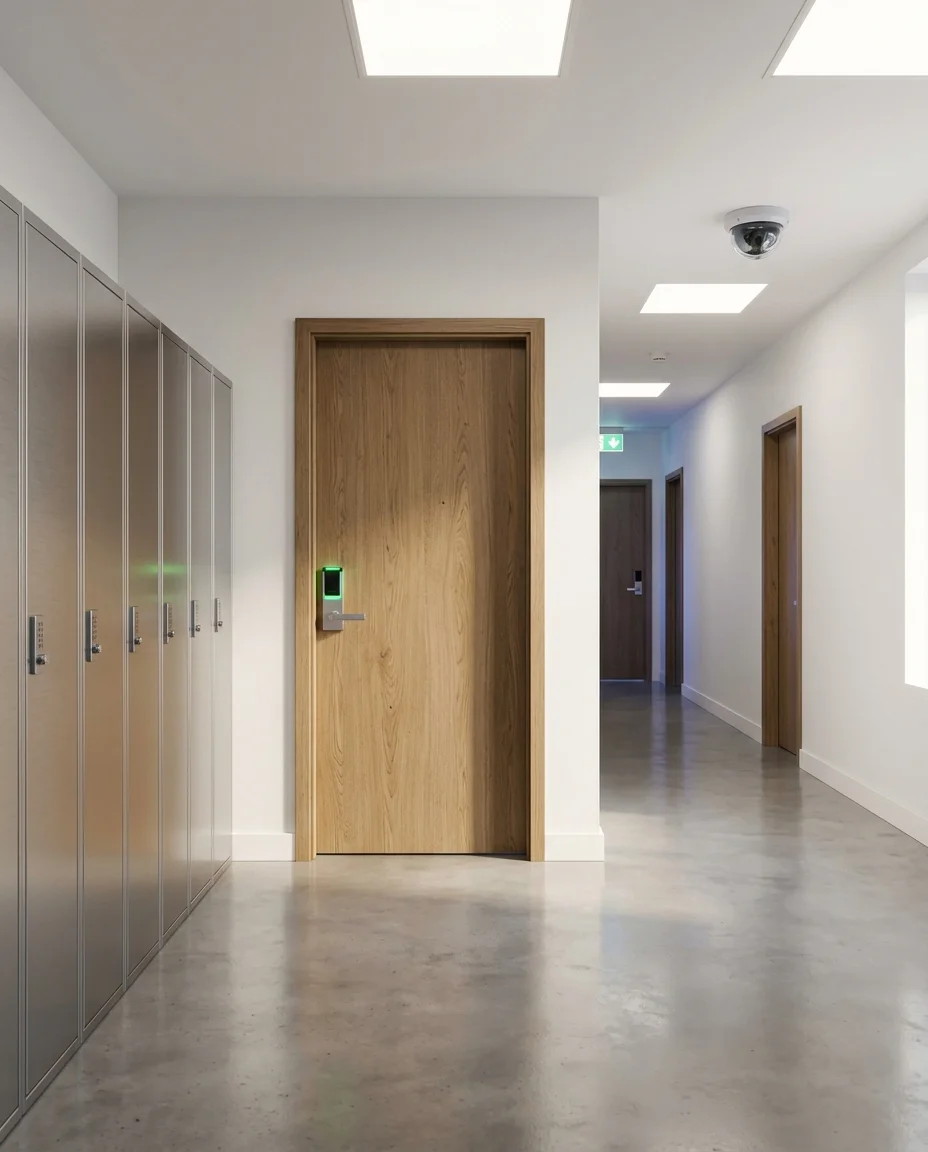
Moving into the 400 to 600 THB (£9 to £13) bracket introduces significant upgrades. Hostels in this tier generally implement keycard access for both the main entrance and individual dorm rooms. You will find proper electronic lockers, thicker mattresses, privacy curtains, and dedicated reading lights. Bathrooms at this price point are cleaned multiple times a day. They feature hot-water showers with adequate water pressure. Premium budget options exceeding 800 THB (£17) often border on boutique hotel standards. These properties provide high-end linens, orthopedic mattresses, and dedicated co-working areas with ergonomic chairs. Some even employ 24-hour security guards at the main entrance.
Takeaway: Spend the extra few pounds a night to upgrade from baseline budget to mid-tier properties for significantly improved physical security and sleep quality.
Regional Price Variations and Best Destinations
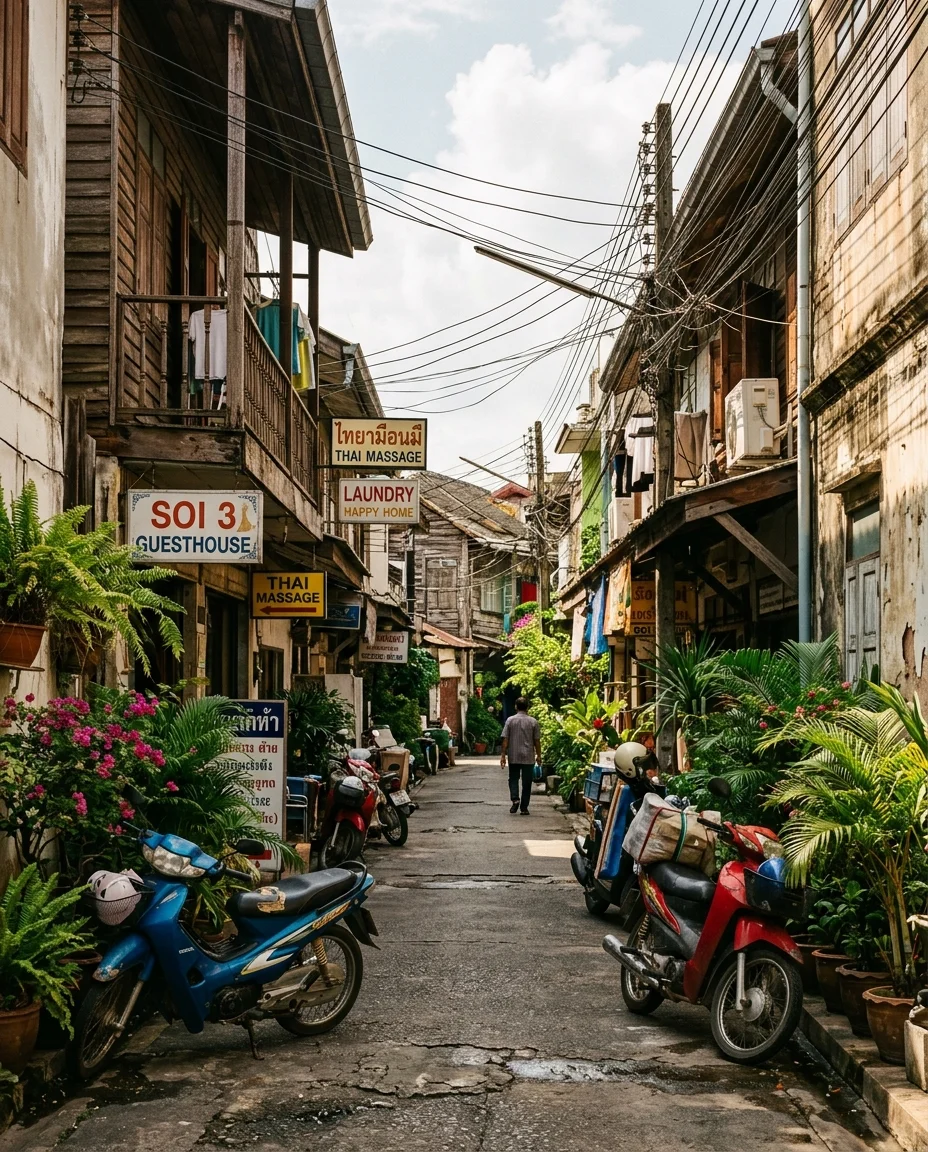
Accommodation costs drop significantly the further north you travel from the capital. Chiang Mai remains the undisputed centre for budget accommodation. Exceptional value can be found here, where 300 THB (£6.50) still secures a clean, centrally located dorm bed. The northern towns of Pai and Chiang Rai offer similar pricing, with private bungalows often available for under 600 THB (£13).
Bangkok operates on a tiered system. The Khaosan Road area provides the cheapest options, often at the expense of cleanliness and noise control. Areas like Ari and Sukhumvit command a 30 percent premium for higher-quality boutique hostels. The southern islands require the largest budget. In Phuket, Koh Samui, and Koh Phi Phi, space is limited and demand is high. A basic dorm bed that costs 350 THB (£8) in Chiang Mai will easily cost 700 THB (£15) on Koh Tao during the high season. Island properties also frequently charge extra for air-conditioning or restrict its use to nighttime hours only.
Takeaway: Front-load your trip in the north if you are on a strict budget, and prepare to double your daily accommodation allowance for the southern islands.
Finding Genuine Value Versus False Economy
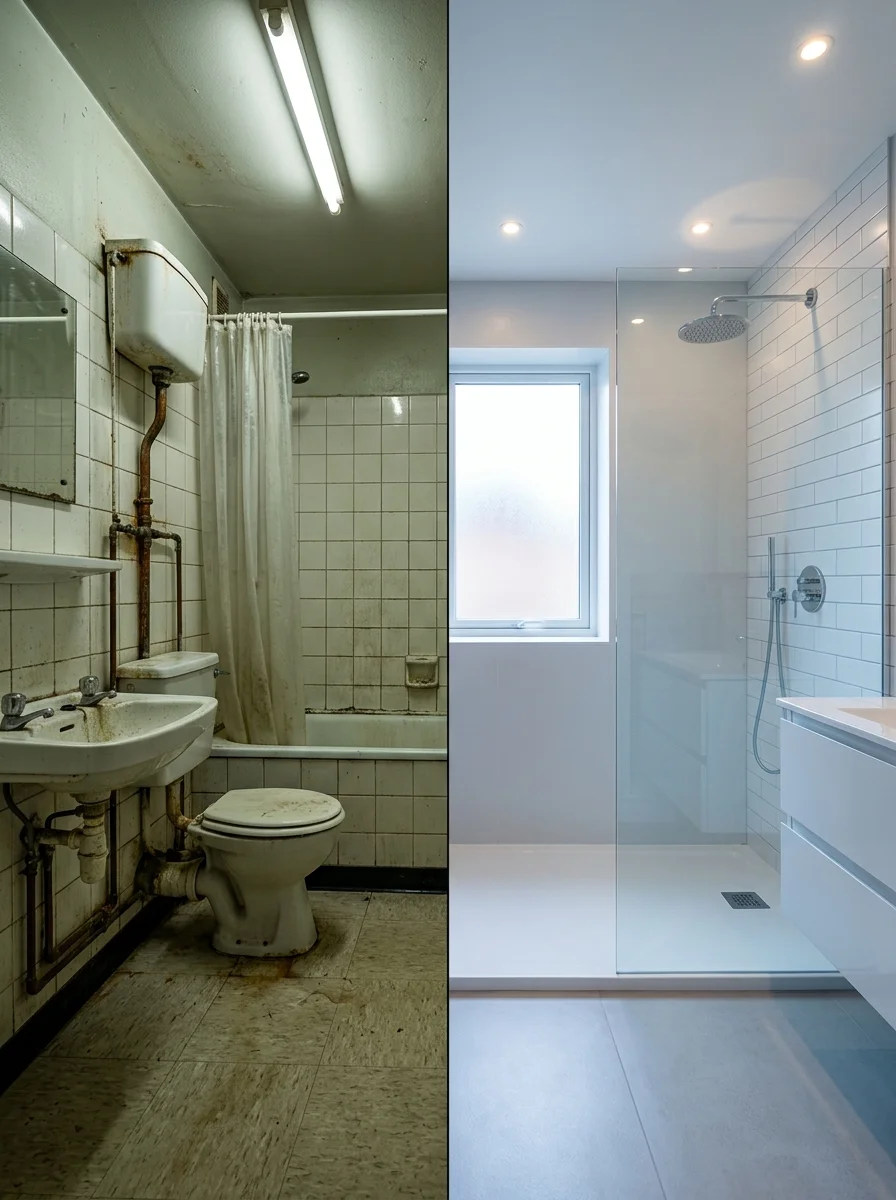
Booking the absolute cheapest bed available in Thailand frequently ends up costing you more in hidden expenses and lost time. A 200 THB (£4.50) dorm in Bangkok might seem like a bargain on paper. However, these ultra-budget properties are often located far from the BTS Skytrain or MRT subway networks. You will inevitably spend the 150 THB (£3.50) you saved on daily motorcycle taxis or Grab rides just to reach central areas.
False economy also manifests in room facilities. Budget rooms without air-conditioning force many travellers to spend their afternoons buying coffees in air-conditioned cafes just to cool down. Furthermore, ultra-cheap hostels rarely include breakfast, charge premium rates for towel rentals, and often lack secure luggage storage. Spending 500 THB (£11) on a mid-tier hostel that includes a basic breakfast, free towel use, filtered water refills, and is within walking distance of public transport delivers far better actual value.
Takeaway: Factor in the location's transport costs and included amenities before booking the lowest-priced bed on a booking platform.
Costs and Budgeting
Budgeting for accommodation in Thailand requires adjusting your expectations based on your location and travel season. A strict backpacker budget will cover basic fan-cooled dorms and traditional guesthouses. For a mid-range budget, you can easily upgrade to premium pod-style hostels or standard private rooms with air-conditioning. Premium budget options include boutique hostels featuring co-working spaces, swimming pools, and high-end mattresses.
Prices peak between December and February. Rates often rise by 30 to 50 percent on the southern islands during this period. Conversely, travelling during the rainy season from July to October yields significant discounts. This allows budget travellers to access private rooms for dorm-bed prices. Always keep a reserve fund for unexpected location changes. Island ferries occasionally get cancelled due to weather, forcing unplanned overnight stays near the pier.
| Option | Cost (THB) | Cost (GBP approx) | Notes |
|---|---|---|---|
| Basic Fan Dorm | 200 - 350 | £4.50 - £8 | Lowest price, shared bathroom, no AC |
| Premium AC Dorm | 400 - 700 | £9 - £15 | Privacy curtains, secure lockers, central |
| Standard Private Room | 600 - 1,200 | £13 - £26 | En-suite, air-con, basic furnishings |
| Boutique Private | 1,200 - 1,800 | £26 - £40 | Modern design, pool access, prime location |
Common Mistakes and How to Avoid Them
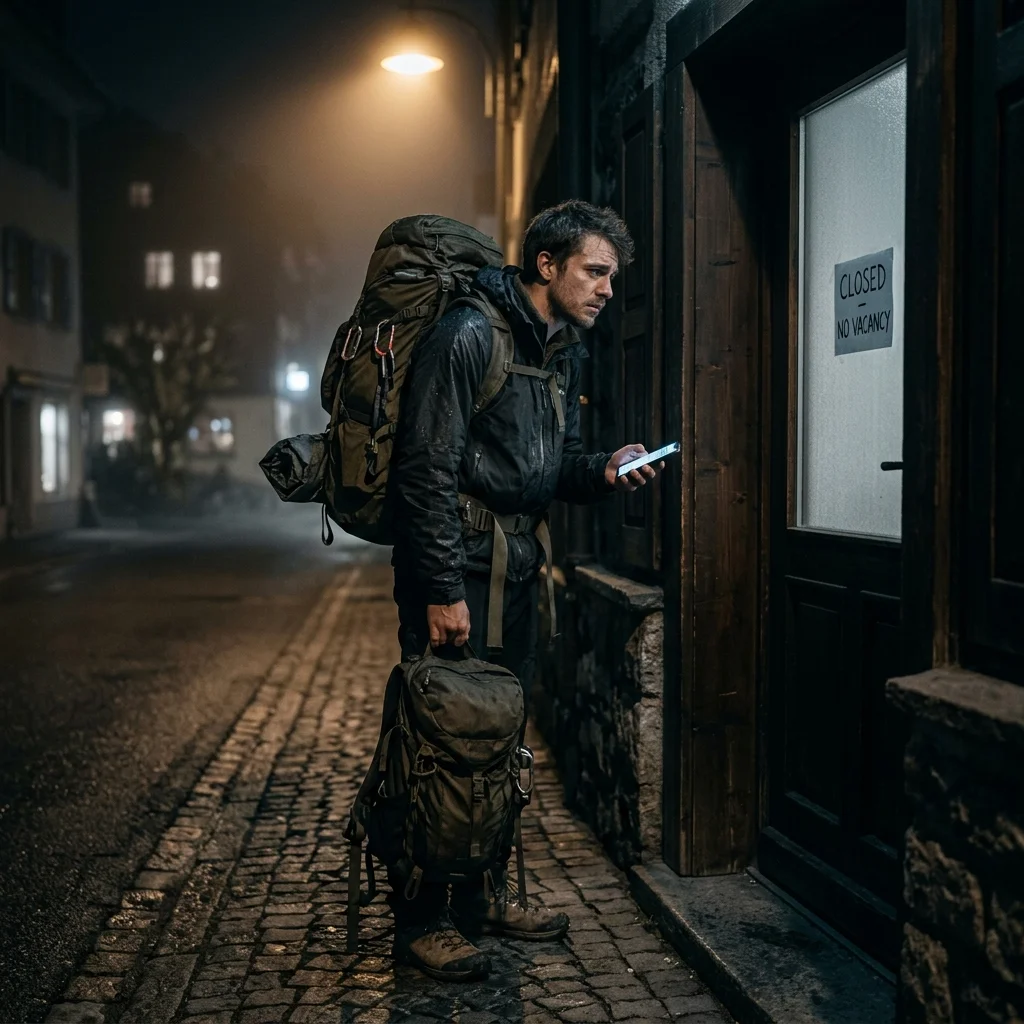
Assuming 24-hour reception is standard at all properties is a frequent error. Arriving late at a family-run guesthouse often means finding locked doors and no way to access your pre-booked room. Always email your arrival time in advance and confirm their late check-in procedure.
Booking a non-air-conditioned room during the hot season seems like an easy way to save money. The resulting lack of sleep in 35-degree nighttime heat will ruin your daily travel plans and drain your energy. Pay the extra 150 THB (£3.50) for an air-conditioned room between March and May.
Relying solely on walk-in rates on the southern islands during the high season is a massive gamble. You will likely end up paying double for whatever leftover rooms remain when you step off the ferry. Book at least your first three nights online before travelling south in December or January.
Ignoring the "party hostel" label when reading reviews leads to miserable stays for quiet travellers. Attempting to sleep while a bass-heavy sound system plays until 3 AM directly beneath your floorboards is impossible. Filter out hostels that heavily advertise pub crawls and free shot nights if you value sleep.
Practical Tips
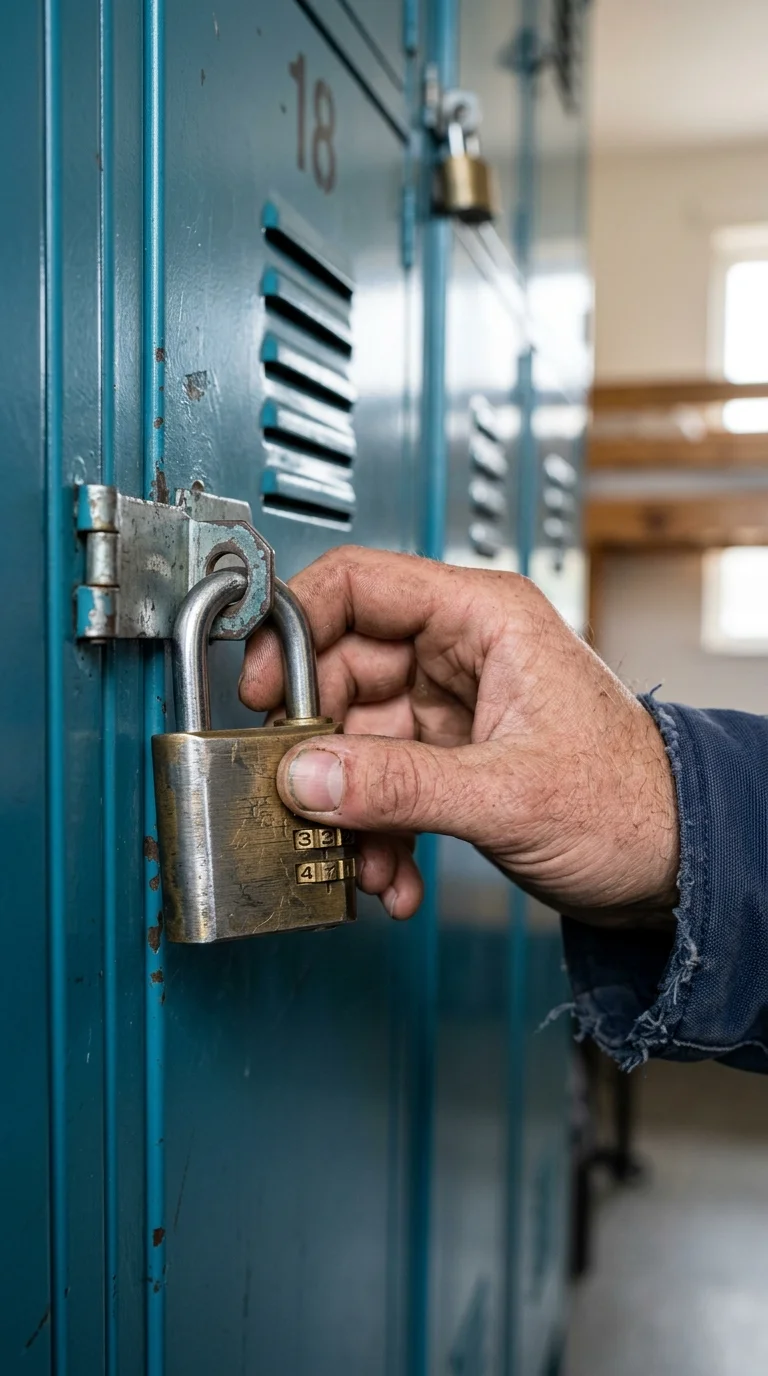
Bring a high-quality, thick-shackled combination padlock from home rather than buying one locally. The cheap brass padlocks sold in Thai convenience stores are easily bypassed and offer minimal security for your electronics.
Pack a lightweight universal sink plug in your washbag. Many budget guesthouses and older hostels remove the plugs from their sinks to prevent flooding, making it impossible to wash small items of clothing.
Carry a dedicated microfibre travel towel regardless of your accommodation type. While premium hostels provide towels, budget guesthouses often charge daily rental fees or supply heavily worn alternatives.
Request a lower bunk bed when booking your hostel dorm online. Upper bunks in Thailand frequently position you directly in the firing line of the main air-conditioning unit, making for a freezing night's sleep.
Keep a pair of clean slip-on sandals exclusively for indoor use. Almost all Thai guesthouses and many hostels operate a strict no-shoes policy indoors, but shared bathroom floors can still become wet and unhygienic.
Use earplugs and a contoured sleep mask to manage varying schedules in shared spaces. Travellers returning from late-night island parties or waking up at 5 AM for domestic flights will inevitably disrupt your rest otherwise.
Always inspect the mattress seams for bedbugs before putting your luggage on the bed. While relatively uncommon in well-rated properties, catching an infestation early prevents your entire backpack from becoming compromised.
SafetyWing covers Thailand medical costs from £1.50/day — sort it before you fly.
Quick Reference Table
| Item | Detail | Notes |
|---|---|---|
| Best Budget Location | Chiang Mai & Northern Thailand | Prices are 30-50% lower than the southern islands. |
| Most Expensive Location | Phuket, Koh Samui, Koh Phi Phi | Book well in advance during peak season (Dec-Feb). |
| Average Premium Dorm | 400 - 700 THB (£9 - £15) | Includes AC, privacy curtains, and secure lockers. |
| Average Budget Private | 600 - 1,200 THB (£13 - £26) | Usually includes en-suite bathroom and basic AC. |
| High Season | December to February | Walk-in rates disappear; pre-booking is essential. |
| Low Season | July to October | Excellent time to negotiate walk-in rates at guesthouses. |
| Key Booking Platforms | Agoda, Hostelworld | Agoda generally has stronger inventory for Asian guesthouses. |
| Standard Check-in | 14:00 (2:00 PM) | Family guesthouses rarely have 24-hour reception desks. |