Thailand Festivals Guide
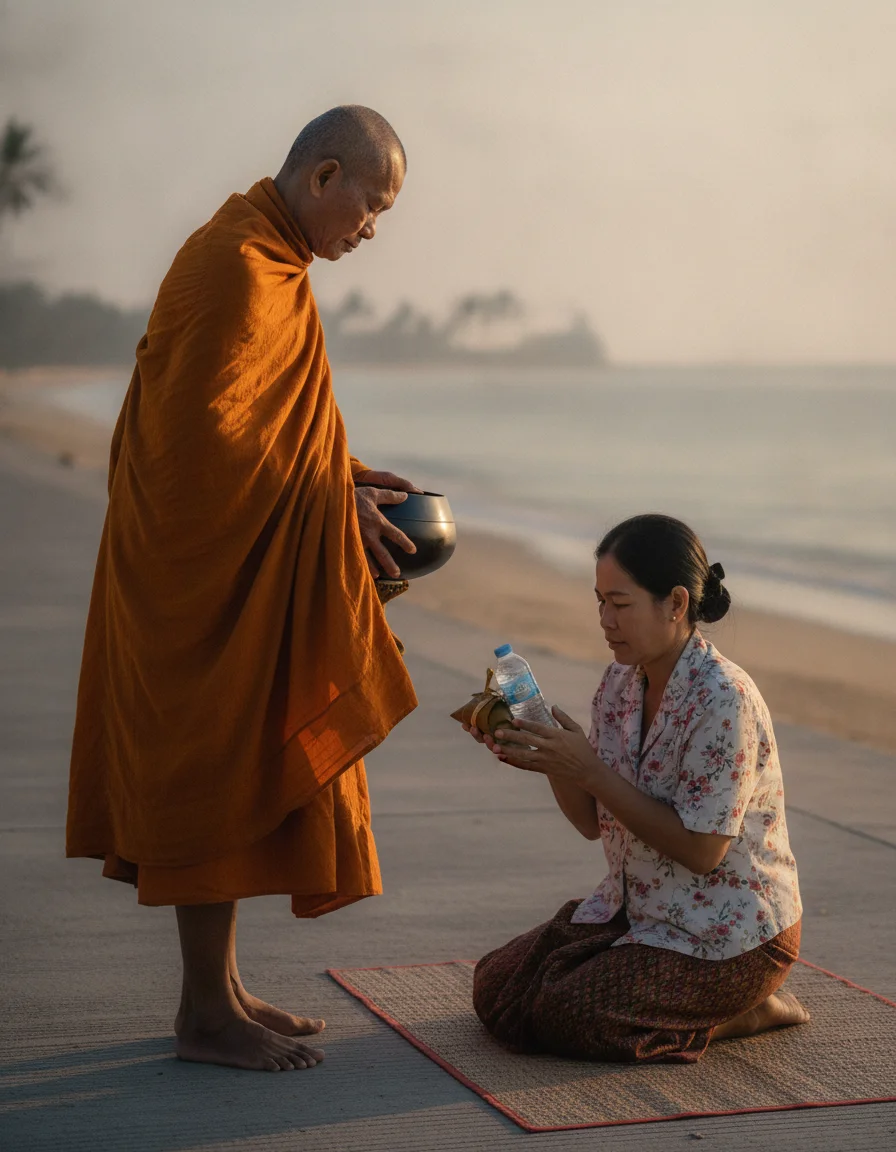
At 6:00 AM on Visakha Bucha, the thick scent of jasmine garlands mixes with the smoke of a thousand incense sticks as monks walk barefoot through dawn-lit streets to collect alms. By noon in mid-April, that same street might be a chaotic crossfire of ice-cold water guns and smeared talcum powder as the entire country shuts down to ring in the Thai New Year.
This guide breaks down the Thai festival calendar so you can time your visit to match the exact cultural experience you want. You will learn the difference between surviving the heavily marketed water fights of Songkran in Bangkok and witnessing the trance-state rituals of Phuket’s Vegetarian Festival. We cover the environmental realities of lantern releases, how royal and Buddhist holidays restrict alcohol sales, and which regional celebrations offer a genuine alternative to the heavily commercialised tourist events.
Songkran and the Thai New Year
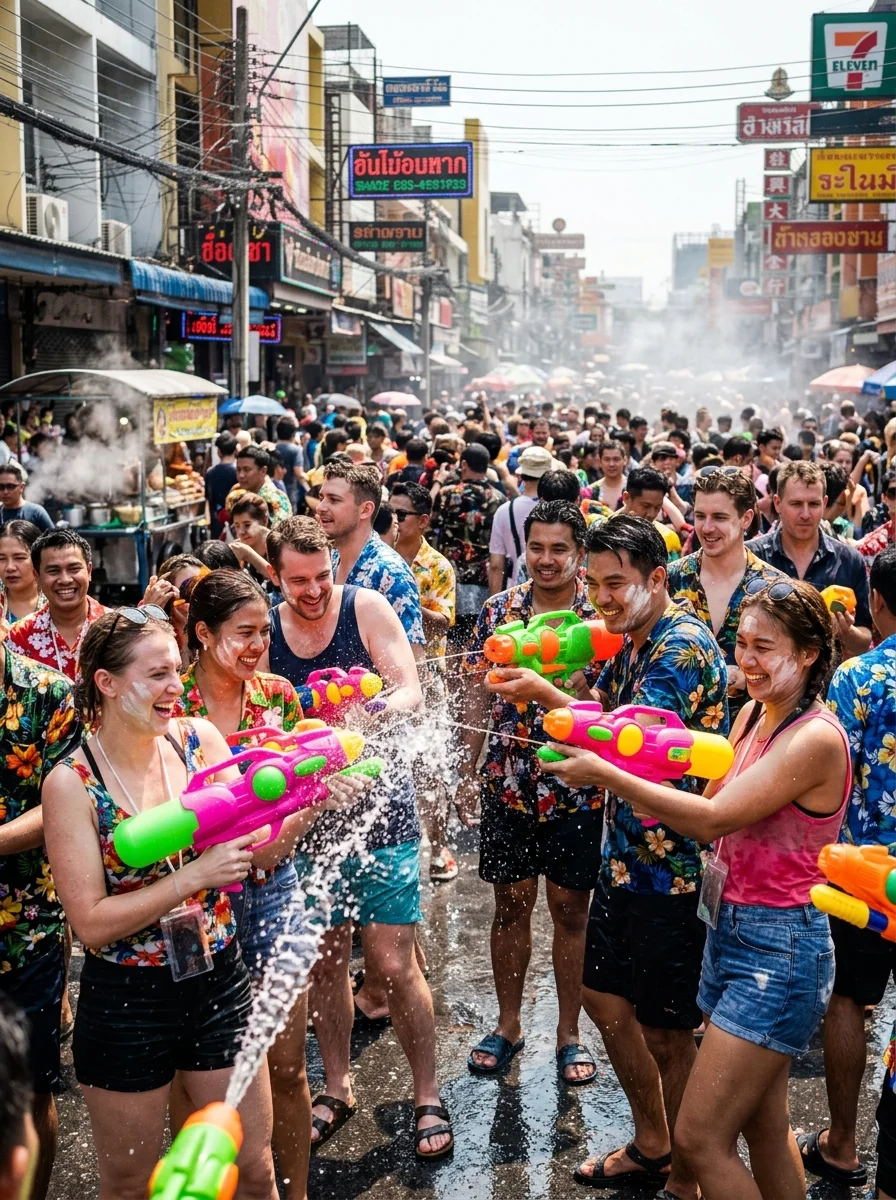
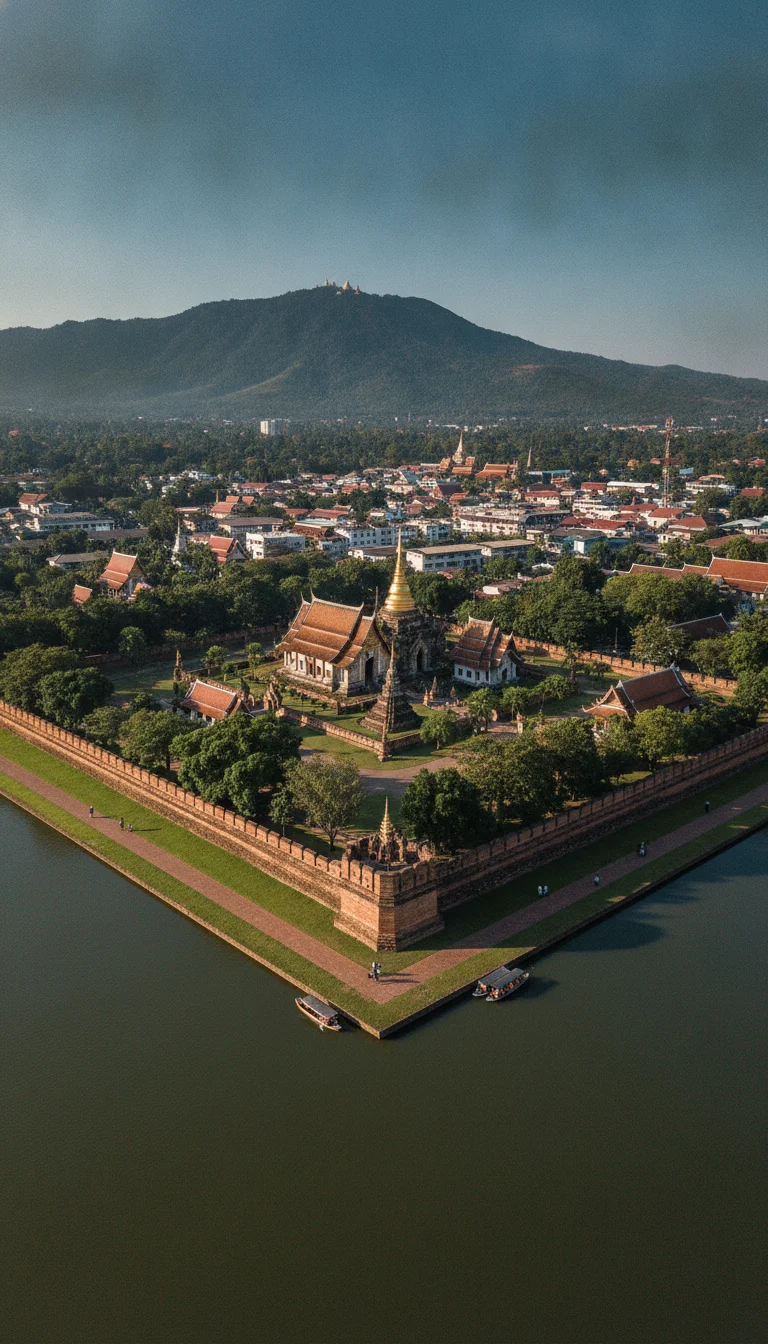
Songkran is a nationwide, three-day water fight that brings public transport to a crawl and offers no exemptions for tourists carrying expensive camera gear. Held annually from 13 to 15 April, the festival marks the Thai New Year and has evolved from a gentle pouring of scented water over elders' hands into an aggressive, joyous street party. In Bangkok, areas like Silom Road and Khao San Road become impassable zones of high-pressure water rifles, which cost around 300 THB to 800 THB (£6.50 to £17.50) from street vendors, and freezing buckets of ice water. Chiang Mai’s old city moat offers an even more intense version, where pickup trucks circle the perimeter loaded with water barrels to drench pedestrians. If you want a calmer experience, you need to head to a rural town in Isan or the north. Here, the focus remains on visiting the local temple to build sand pagodas and respectfully bathe Buddha images, though you will still get splashed by children on the walk home. Water-proofing your electronics and travel documents is not optional during this week.
Discover how to choose, budget, and book the perfect Thai cooking class. Compare Chiang Mai farm tours with Bangkok urban kitchens and master local flavours.
Buy a heavy-duty waterproof dry bag from a 7-Eleven for 150 THB (£3.20) the day before the festival begins to protect your valuables.
Loi Krathong and the Chiang Mai Lantern Release
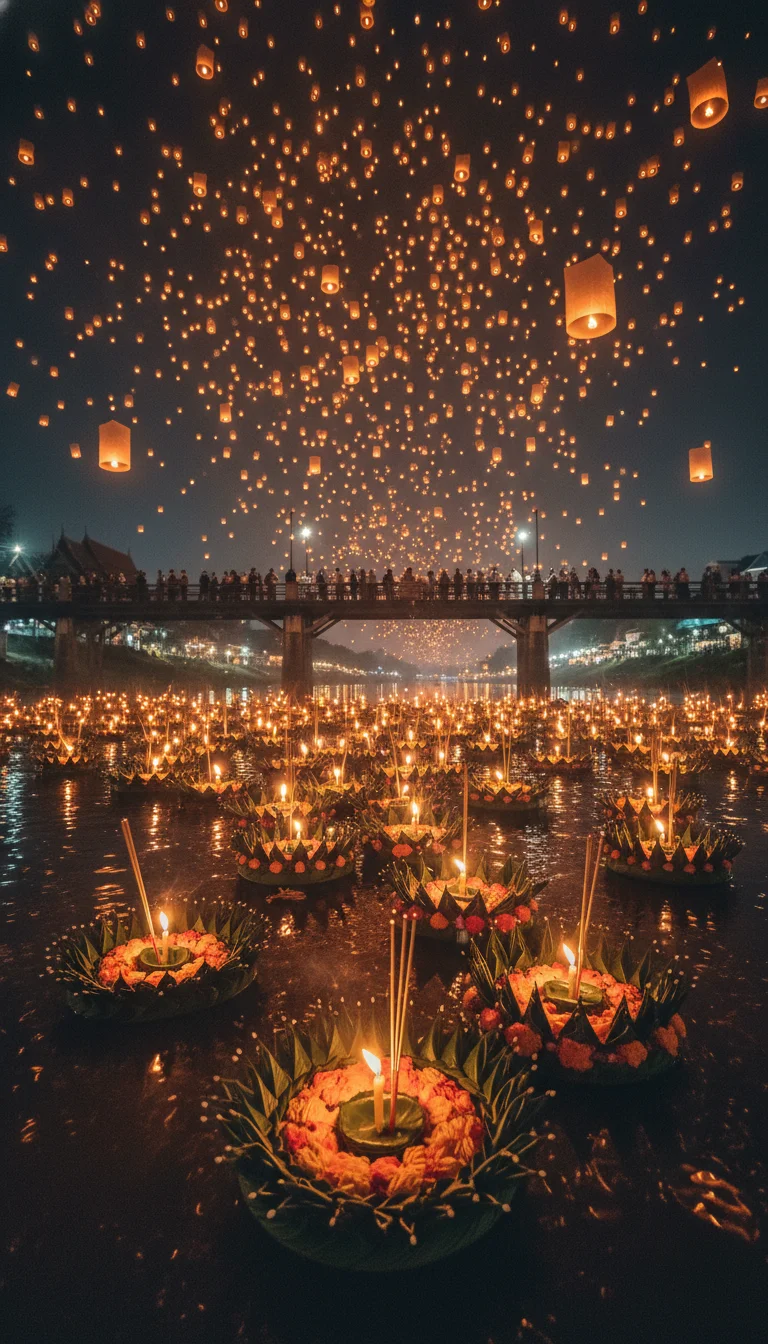
The November full moon brings Thailand’s most visually famous festivals, but participating responsibly requires understanding the heavy environmental toll of mass lantern releases. Loi Krathong is celebrated nationwide by floating small banana-trunk rafts decorated with candles, incense, and flowers onto rivers to thank the water goddess and float away bad luck. You can buy a biodegradable krathong near any major waterway, such as Asiatique in Bangkok, for about 50 THB to 100 THB (£1.10 to £2.20). In northern Thailand, this coincides with Yi Peng, where thousands of paper lanterns are launched into the night sky. While heavily promoted by tourism boards, the reality is that these wire-framed lanterns routinely cause fires, disrupt flights at Chiang Mai International Airport, and litter the surrounding countryside. Mass release events like the CAD Khom Loy Sky Lantern Festival charge tourists up to 4,600 THB (£100) for entry, heavily commercialising a formerly grassroots tradition. You can experience the authentic atmosphere simply by standing on the Nawarat Bridge in Chiang Mai for free, watching the lights reflect on the Ping River without buying an overpriced ticket.
Stick to floating a single, bread-based or natural leaf krathong on the river rather than adding to the hazardous sky lantern debris.
| Festival Experience | Location | Vibe and Authenticity |
|---|---|---|
| Silom Road Songkran | Bangkok | Highly commercial, intense crowds, loud music, non-stop water fights. |
| Chiang Mai Yi Peng | Chiang Mai City Moat | Visually impressive but heavily congested, with major environmental concerns. |
| Traditional Loi Krathong | Sukhothai Historical Park | Deeply traditional, focused on history, illuminated ruins, quieter atmosphere. |
| Phra Pradaeng Songkran | Samut Prakan | Local community focus, traditional floral parades, respectful water splashing. |
The Phuket Vegetarian Festival
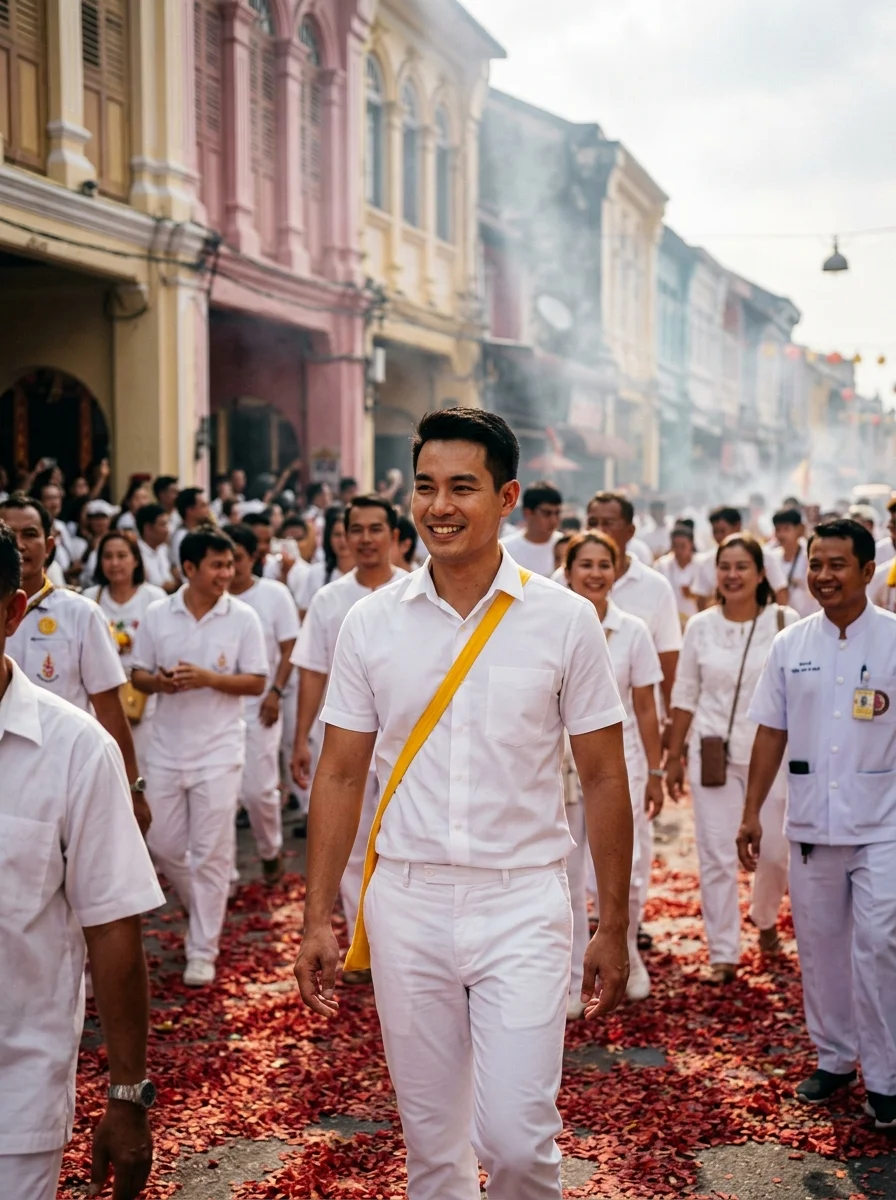
Phuket’s nine-day Vegetarian Festival in October is an intense display of religious devotion and self-mutilation that operates far outside the bounds of a standard holiday attraction. Originating from the local Chinese community, the festival involves a strict vegan diet to purify the body, culminating in massive, kinetic street processions. Devotees known as 'mah song' invite gods to possess their bodies, demonstrating their divine protection by piercing their cheeks and tongues with swords, skewers, and even bicycle frames. The streets around shrines like Jui Tui in Phuket Town are deafeningly loud, blanketed in thick smoke from millions of firecrackers thrown directly at the processions to ward off evil spirits. Food stalls lining the streets sell excellent plant-based versions of local dishes, usually marked with yellow and red flags, costing around 60 THB (£1.30) per plate. The atmosphere is loud, hot, and visually graphic, making it entirely unsuitable for young children or those sensitive to blood.
Wear cheap white clothing out of respect for the purification rituals, and bring earplugs to tolerate the relentless firecracker explosions.
The Isan Rocket Festival
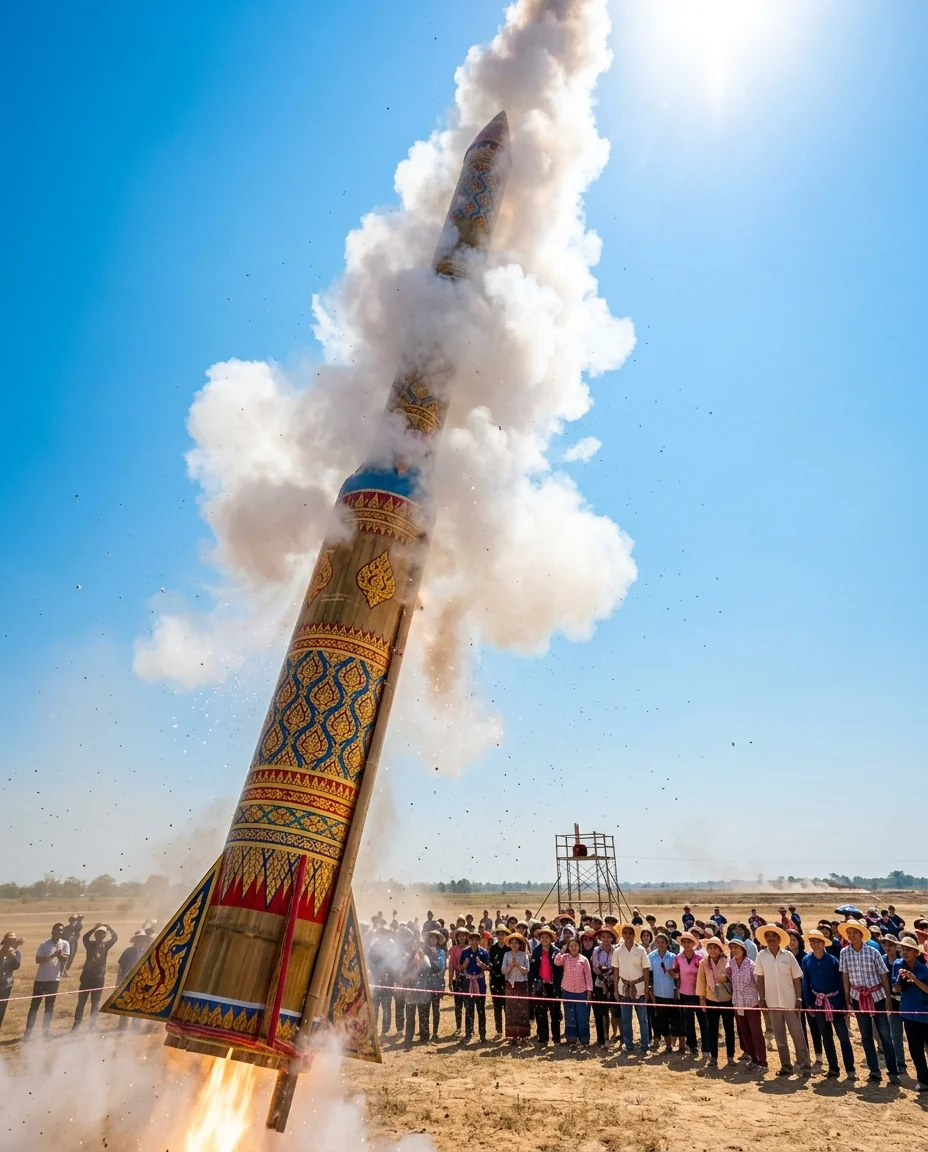
The Bun Bang Fai Rocket Festival is an unpolished, high-octane rural celebration in the northeast that rarely makes it onto standard holiday itineraries. Held just before the rainy season in May, farming communities in Isan provinces like Yasothon build massive, homemade black-powder rockets to fire into the clouds, demanding that the rain gods provide a good monsoon for the rice crop. The rockets are paraded through the town on floats accompanied by heavy drinking, traditional mor lam music, and locals dancing in the streets. Launch day is held in open fields outside town, where teams compete to see whose rocket reaches the highest altitude. Failure is punished by throwing the rocket's engineers into pools of mud. It is a genuine, rowdy community event where foreigners are welcomed enthusiastically but few English explanations are provided. Hotels in Yasothon book out months in advance, with basic rooms jumping from 500 THB to 1,500 THB (£11 to £32) per night during the weekend.
Hire a local driver in Ubon Ratchathani or Khon Kaen to take you to a smaller village launch if Yasothon's main event is too crowded.
Buddhist Holidays and Royal Birthdays
Royal birthdays and major Buddhist holidays strictly dictate when and where you can buy alcohol, directly impacting evening entertainment plans for visitors. Days like Makha Bucha in February, Visakha Bucha in May, and Asahna Bucha in July commemorate key events in the Buddha's life. On these days, a national 24-hour ban on alcohol sales is enforced by law. Bars, clubs, and entertainment venues in places like Patong and Sukhumvit will either close entirely or operate strictly as restaurants serving soft drinks. Supermarkets and convenience stores will tape off their alcohol sections. Royal holidays, such as the King's Birthday on 28 July, involve massive displays of yellow portraits and public ceremonies, particularly around the Grand Palace in Bangkok. While alcohol is generally still sold on royal holidays, government offices, immigration departments, and many banks close down. You must check the Thai calendar before scheduling visa extensions or planning a major night out to avoid arriving at a dark, locked venue.
Buy any alcohol you want for your hotel room the day before a Buddhist holiday, as the ban applies to hotel mini-bars and room service too.
Western New Year and the Temple Chanting
The 31st of December offers a stark choice between massive commercial firework displays and deeply introspective monastic traditions. In Bangkok, the area around Iconsiam and the Chao Phraya River turns into a heavily congested party zone, with crowds gathering hours in advance to watch the midnight fireworks. High-end rooftop bars in Sukhumvit charge entry fees upwards of 2,000 THB (£43) just for standing room on New Year's Eve. However, a completely different experience happens at major Buddhist temples across the country, known as 'Suad Mon Kham Pi'. Locals gather in the temple courtyards wearing white clothing, sitting on woven mats to chant sutras with the monks as the clock strikes midnight. It is a calm, meditative way to cross into the new year, focused on clearing the mind and making merit. Temples like Wat Saket in Bangkok are packed with families engaging in this quiet celebration. The temple option is entirely free and provides a sharp, authentic contrast to the loud, expensive nightclub events geared towards tourists.
Skip the expensive club covers and walk to a local neighbourhood temple at 11:30 PM to experience the communal midnight chanting.
Where to Experience Authentic Thai Festivals
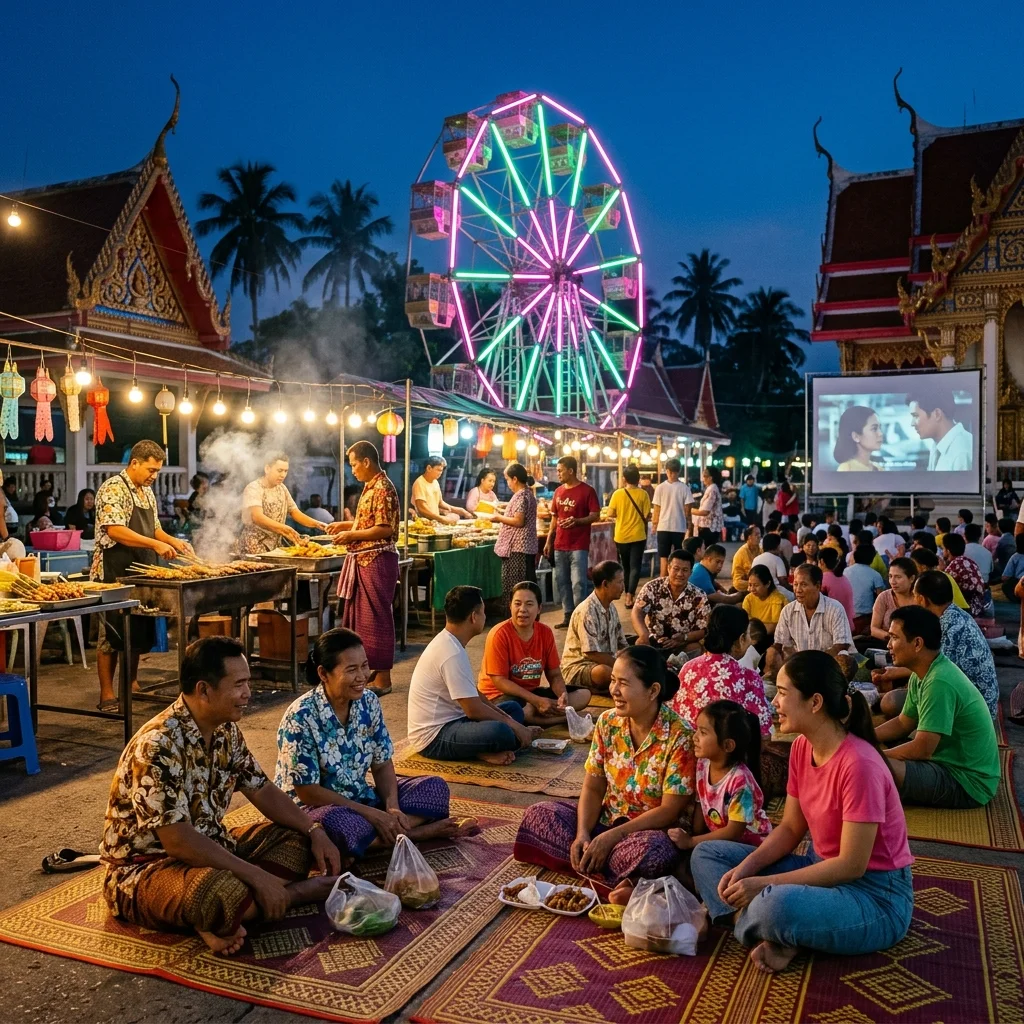
If you want to bypass the heavily commercialised tourist events, you must look to regional capitals and historic parks. For Loi Krathong, skip the ticketed lantern events in Chiang Mai and head to the Sukhothai Historical Park. The ancient ruins are illuminated by floodlights, and locals float traditional krathongs on the old city ponds, creating an atmosphere focused on heritage rather than social media photos. During Songkran, the town of Phra Pradaeng on the southern outskirts of Bangkok celebrates a week later than the rest of the country. Here, the local Mon community engages in traditional floral parades and respectful water splashing, offering a sharp contrast to the aggressive street battles of central Bangkok. For the Vegetarian Festival, Jui Tui Shrine in Phuket Town is the epicentre, but the smaller shrines in Phang Nga province provide a similar intensity with a fraction of the foreign crowds. If you want a temple fair experience that happens year-round, check the schedule for the Phra Samut Chedi fair in Samut Prakan, featuring open-air concerts and sprawling street food markets. Start with Sukhothai for Loi Krathong if you want a visually spectacular but genuinely traditional first festival experience.
Costs and Budgeting for Festival Travel
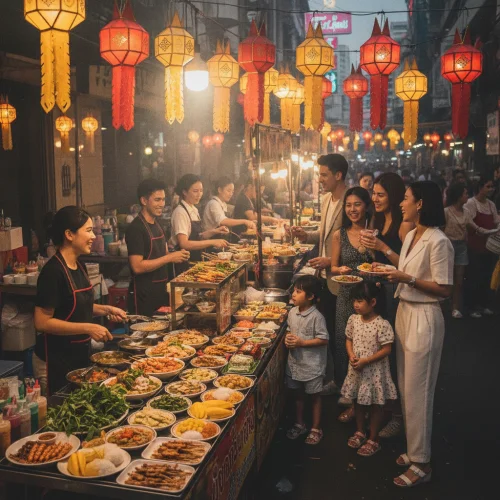
Attending public festivals in Thailand is inherently cheap, but the surrounding logistics during peak calendar dates will stretch your travel budget. Accommodation prices regularly double during Songkran in April and Yi Peng in November. A mid-range hotel in Chiang Mai that normally costs 1,200 THB (£26) will easily reach 2,500 THB (£54). Budget travellers can survive by eating from festival street stalls for 50 THB to 80 THB (£1.10 to £1.70) a meal. Premium experiences, such as VIP tickets to mass lantern releases or river cruises during Loi Krathong, cater specifically to foreigners and charge accordingly, often exceeding 4,000 THB (£86). Domestic flights also surge; a standard 1,000 THB (£21) flight from Bangkok to Phuket can triple if booked at the last minute during the October Vegetarian Festival.
| Travel Tier | Cost (THB) | Cost (GBP approx) | Notes |
|---|---|---|---|
| Budget (Daily) | 1,000 - 1,500 | £21 - £32 | Street food, public transport, walking to free public festival zones. |
| Mid-Range (Daily) | 3,000 - 5,000 | £65 - £108 | Upgraded hotel rates, domestic flights, seated restaurant meals. |
| Premium Ticketed Events | 4,000 - 6,000 | £86 - £130 | VIP entry to CAD Khom Loy lantern release or Loi Krathong dinner cruises. |
What to Know Before You Go
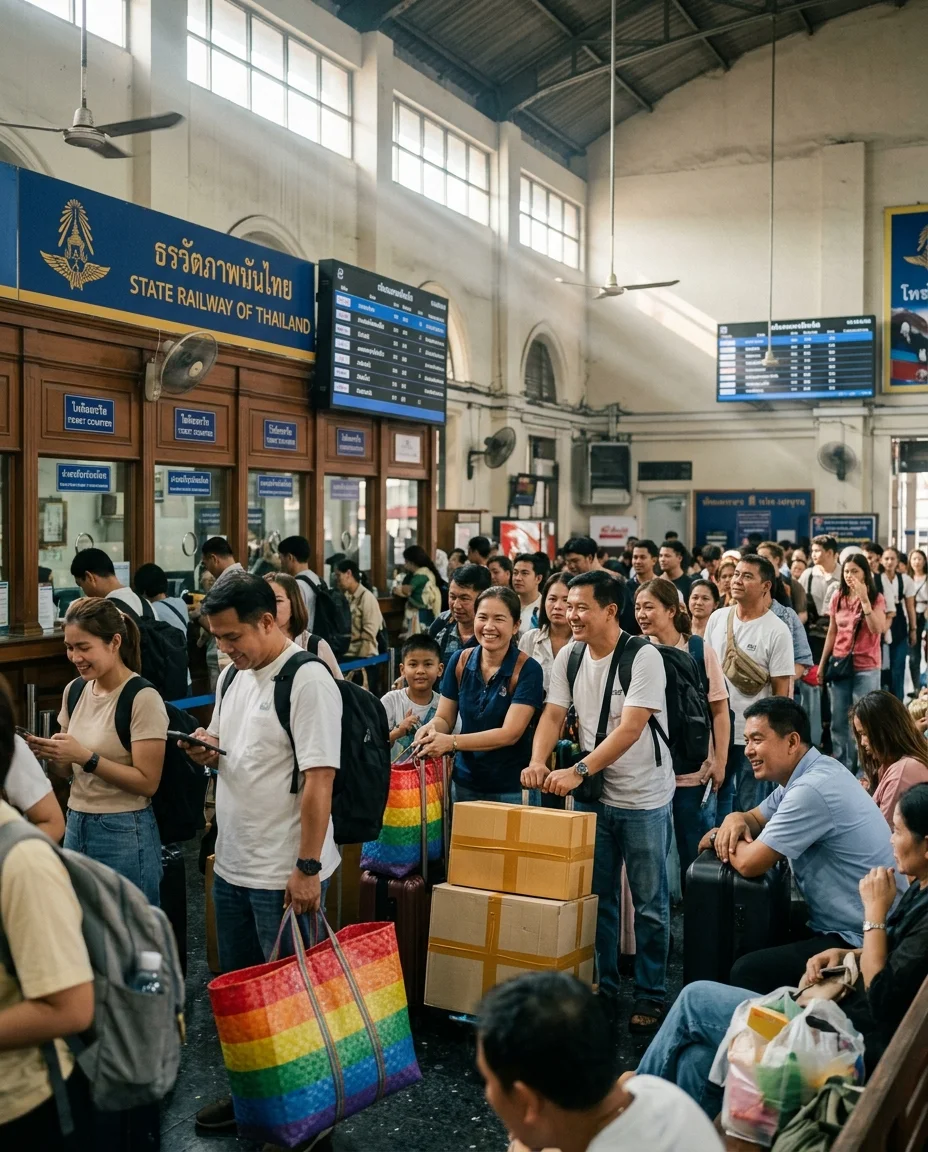
The Thai festival calendar operates on a lunar cycle, meaning the exact dates shift every year. You must verify the specific dates for festivals like Loi Krathong and Makha Bucha a few months in advance rather than relying on last year's calendar. Transport infrastructure buckles under the weight of domestic travel during major holidays. Millions of Bangkok residents return to their home provinces for Songkran and New Year, meaning trains and buses sell out weeks prior. Public drunkenness and road accidents spike dramatically during April. You should avoid riding motorcycles on rural highways during the Songkran week, as drunk driving rates are exceptionally high. Dress codes remain strictly enforced at temples regardless of the festival chaos outside. You will be denied entry to a temple to make merit during Songkran if you are wearing a wet swimsuit or a sleeveless vest.
Practical Tips for Surviving Thai Festivals
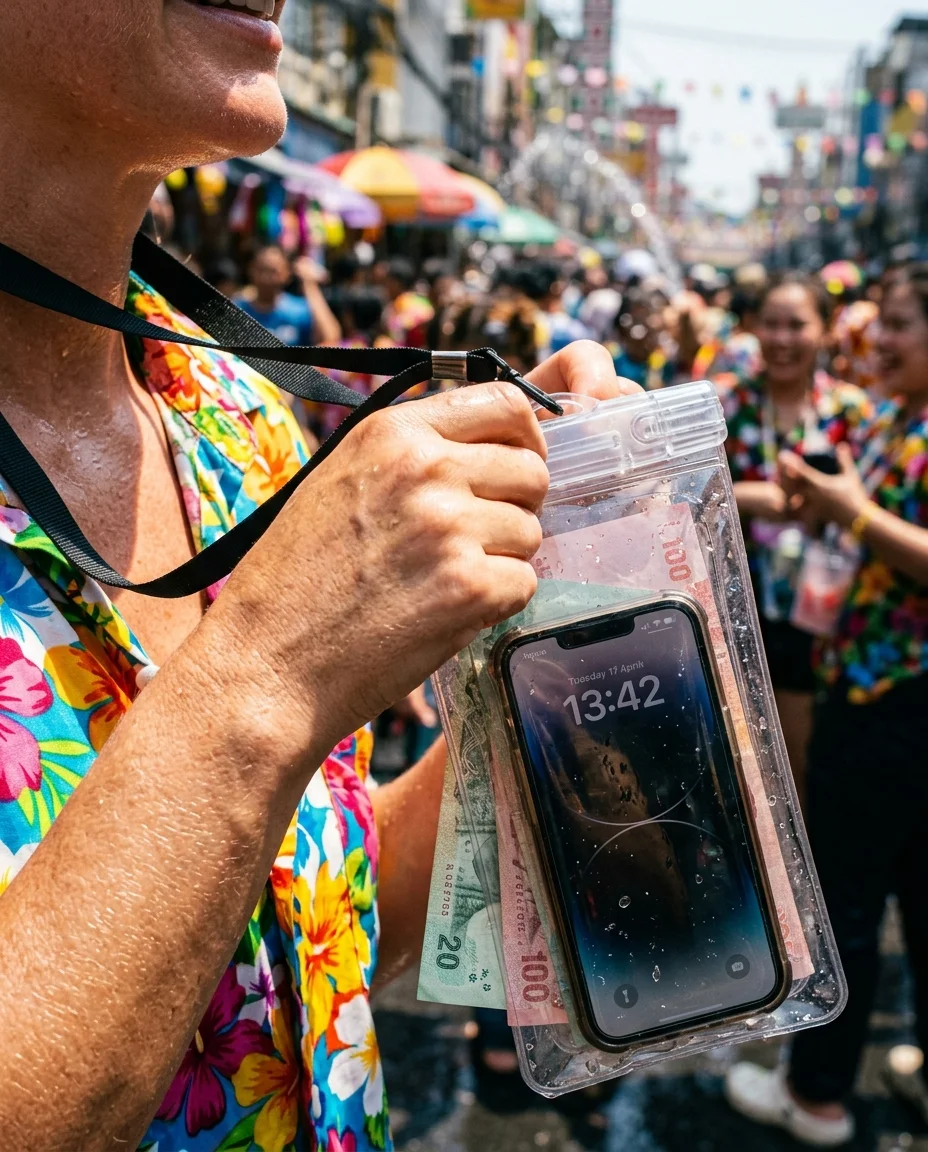
Leave your passport locked in your hotel safe during Songkran. Carrying original documents into a massive water fight guarantees they will be ruined, so carry a photocopy in a waterproof bag instead.
Do not touch or interfere with the mah song devotees during the Vegetarian Festival. They are in a deep trance state performing sacred rituals, and getting in their way for a photograph is highly disrespectful.
Book your accommodation for Chiang Mai in November at least six months ahead. The city hits maximum capacity during Yi Peng, and last-minute arrivals will be left with overpriced, poor-quality rooms far from the centre.
Download the Grab or Bolt ride-hailing apps to secure transport during holiday weekends. Metered taxis frequently refuse fares or demand flat rates when traffic is gridlocked around festival zones.
Check the royal and Buddhist calendar before planning a beach club day. You do not want to pay for a premium cabana only to discover a national alcohol ban is in effect.
Buy a cheap, brightly coloured floral shirt from a local market before mid-April. This is the unofficial uniform of Songkran, and wearing one immediately signals to locals that you are ready to participate.
Use earplugs if you plan to walk near the processions in Phuket. The volume of firecrackers detonating at street level can cause temporary hearing damage if you are exposed for too long.
Protect your trip from unexpected festival cancellations and holiday transport delays.
Festival Quick Reference Guide
| Item | Detail | Notes |
|---|---|---|
| Songkran Date | 13 - 15 April (Annually) | The entire country shuts down for water fights. |
| Loi Krathong Date | November Full Moon | Exact date shifts annually based on the lunar calendar. |
| Alcohol Bans | Buddhist Holidays | 24-hour total ban on sales at bars, supermarkets, and hotels. |
| Domestic Transport | Books out weeks ahead | Secure domestic flights and trains well before April and December. |
| Temple Dress Code | Modest attire required | Shoulders and knees must be covered, even during Songkran. |
| Weather in April | Peak heat (35°C+) | The water festival coincides with the hottest month of the year. |
| Currency | Thai Baht (THB) | Cash is essential for street vendors and temple donations. |
| Government Offices | Closed on Royal Holidays | Immigration offices will not process visa extensions on these dates. |