Healthcare in Thailand
Securing a Non-Immigrant O-A retirement visa now requires mandatory Thai health insurance with minimum coverage of 3,000,000 THB (£66,000) for inpatient care. While basic treatments are cheap, a serious medical emergency in a premier private hospital can easily exceed 1,000,000 THB (£22,000) within a week.
This guide details exactly how to navigate the Thai medical system as a UK national, covering everything from mandatory visa insurance to utilising private hospitals and sourcing prescription medication. It is designed for retirees, remote workers, and professionals actively planning their move who need to budget accurately for healthcare costs. This is not for short-term tourists relying on basic travel cover, as long-term relocation demands comprehensive local or international medical protection.

The Reality of Thai Public and Private Healthcare
Understanding the stark divide between public and private facilities is your first critical step. Public hospitals in Thailand provide excellent medical standards but suffer from severe overcrowding, long waiting times, and a lack of English-speaking administrative staff. You will queue for hours just to see a doctor for five minutes. Because of these systemic pressures, the vast majority of UK expats rely exclusively on private hospitals for everything from routine blood panels to emergency surgeries. Private facilities operate more like luxury hotels, offering immediate specialist access, dedicated international wings, and in-house translation services. You pay a premium for this environment, but the clinical efficiency is unmatched. A standard specialist consultation in a public hospital might cost 500 THB (£11), whereas the exact same doctor operating out of a private clinic later that afternoon will charge between 1,500 THB and 3,000 THB (£33 to £66). Unless you are legally employed by a Thai company and paying into the Social Security system, public healthcare is largely inaccessible for daily needs. Always base your relocation budget on private medical pricing to avoid dangerous financial shortfalls.
Discover how UK remote workers build a long-term life in Thailand. Learn about the DTV visa, finding community, co-working spaces, and realistic living costs.
| Feature | Thai Public Hospitals | Premier Private Hospitals |
|---|---|---|
| Wait Times | Often 4 to 6 hours for basic consultations | Usually under 30 minutes for specialists |
| English Proficiency | Very limited among nursing and admin staff | Excellent across all medical and support staff |
| Cost (Outpatient) | 300 THB to 500 THB (£6 to £11) | 1,500 THB to 4,000 THB (£33 to £88) |
| Facilities | Basic, functional, highly crowded wards | Luxury hotel standards, private ensuite rooms |
Navigating Premier Private Hospital Networks
Sponsored
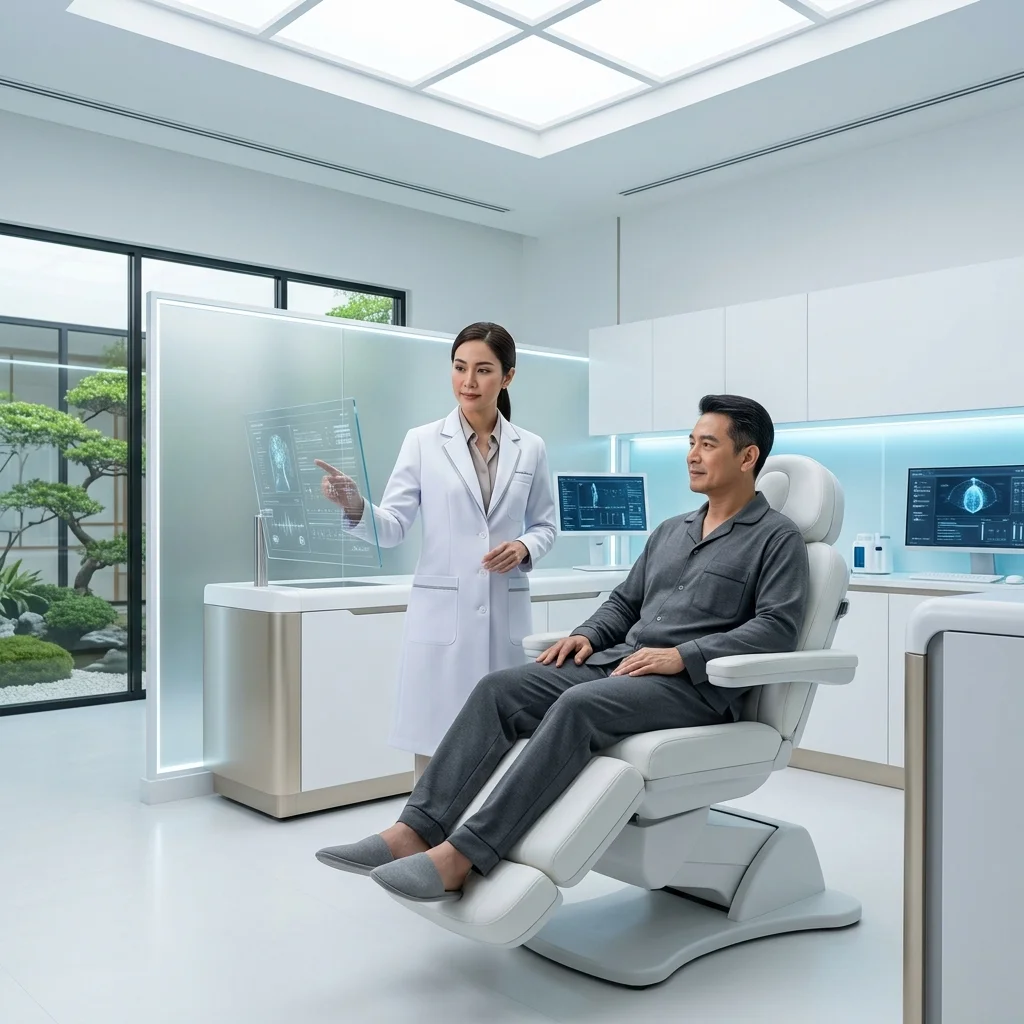
Familiarising yourself with the major hospital groups ensures you know exactly where to go when illness strikes. The Thai private medical sector is dominated by a few major players, most notably Bumrungrad International Hospital and the Bangkok Dusit Medical Services (BDMS) network. BDMS operates the Bangkok Hospital Group and Samitivej hospitals, which are the primary choices for the British expat community. Bumrungrad, located in central Bangkok, operates as a massive campus renowned for complex surgeries and specialist oncology. A standard outpatient consultation here costs around 2,500 THB to 4,000 THB (£55 to £88), excluding diagnostics and medication. Samitivej Sukhumvit caters heavily to foreign families, offering exceptional paediatric care and dedicated maternity wards. Bangkok Hospital operates an extensive network of branches across the country, making it a highly reliable default choice. When you visit these facilities, the administrative process is incredibly streamlined. You register your passport at the international desk, nurses take your vitals immediately, and you typically see a specialist within thirty minutes. Registering with your local private hospital network should be one of your very first tasks upon arrival.
| Hospital Network | Primary Expat Demographic | Key Medical Specialities | Typical Outpatient Cost (THB) |
|---|---|---|---|
| Bumrungrad International | High-net-worth expats and medical tourists | Complex oncology, cardiology, advanced surgery | 2,500 - 4,000 |
| Samitivej (BDMS) | Expat families and young professionals | Paediatrics, maternity care, family medicine | 2,000 - 3,500 |
| Bangkok Hospital (BDMS) | Retirees and general expat population | Orthopaedics, neurology, general trauma | 1,500 - 3,000 |
| Regional Private Clinics | Expats outside Bangkok | General practice, minor injuries, routine checks | 800 - 1,500 |
Expat Health Insurance and Visa Compliance

Securing the correct medical cover is not just a financial safety net but a strict legal requirement for specific immigration routes. If you are applying for the Non-Immigrant O-A retirement visa, Thai immigration law mandates you hold a health insurance policy with a minimum coverage of 3,000,000 THB (£66,000). This policy must specifically state it covers COVID-19 and general inpatient care. Many expats initially purchase local policies from providers like LMG or Pacific Cross to satisfy the visa application, which cost between 40,000 THB and 80,000 THB (£880 to £1,760) annually depending on age. However, these local policies often carry high deductibles and strict co-payment clauses. For superior protection, younger professionals and families typically opt for international providers such as Cigna Global or Bupa Global. A comprehensive international policy for a 45-year-old costs approximately 70,000 THB to 110,000 THB (£1,540 to £2,420) per year. These premium plans offer direct billing with top hospitals and global portability. Always carry your physical insurance card, as hospitals require it before admitting you for non-life-threatening procedures.
| Insurance Type | Average Annual Cost (45yo) | Main Advantages | Key Disadvantages |
|---|---|---|---|
| Thai Local Policy (e.g., LMG) | 40,000 THB (£880) | Meets Non-O-A visa requirements cheaply | High deductibles, strict co-payment rules |
| Premium International (e.g., Cigna) | 90,000 THB (£1,980) | Global coverage, high limits, direct billing | Higher upfront premium costs |
| Inpatient Only Cover | 30,000 THB (£660) | Protects against catastrophic financial loss | Outpatient visits paid entirely out of pocket |
| Comprehensive Expat Cover | 110,000 THB (£2,420) | Covers dental, vision, and routine check-ups | Most expensive tier, strict underwriting |
Regional Healthcare in Chiang Mai, Phuket, and Pattaya
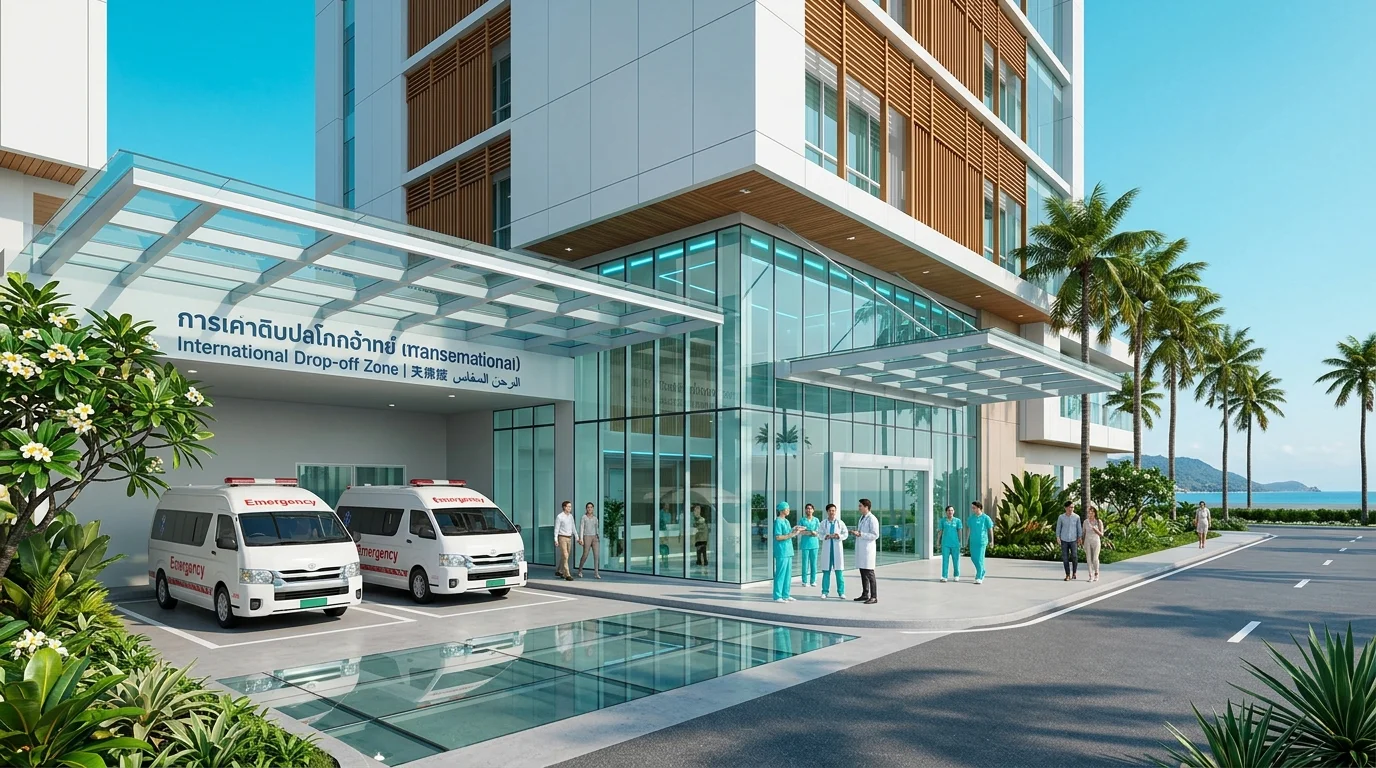
Medical infrastructure outside the capital varies significantly, requiring careful consideration if you plan to settle in a regional hub. Chiang Mai, Phuket, and Pattaya all host branches of the major private networks, ensuring high-quality care is accessible without flying to Bangkok. In Chiang Mai, expats rely heavily on Bangkok Hospital Chiang Mai and Chiang Mai Ram for comprehensive care. Complex neurological or cardiac surgeries may still require a transfer to the capital. Phuket offers excellent facilities through Bangkok Hospital Phuket and Siriroj International, catering to the large retirement and tourist populations. A standard consultation in these regional branches is slightly cheaper than in Bangkok, averaging 1,200 THB to 2,000 THB (£26 to £44). Pattaya is served by Bangkok Hospital Pattaya and Pattaya Memorial, both highly accustomed to treating older British expats managing chronic conditions. If you choose to live in deeper rural areas like Isaan, you will only have access to basic government clinics and face a multi-hour drive for specialist private care. You must evaluate the proximity of a BDMS-affiliated hospital before signing a long-term lease in any regional location.
Managing Prescriptions, Dental Care, and Emergencies

Navigating everyday medical needs in Thailand is highly convenient once you understand the local pharmacy protocols. Pharmacies are ubiquitous across the country, and large chains like Fascino and Boots stock a vast array of imported medications. Unlike in the UK, many drugs that require a prescription back home can be purchased over the counter directly from a pharmacist. This includes basic antibiotics, asthma inhalers, and certain blood pressure medications. However, strict narcotics laws mean ADHD medications and strong painkillers are tightly controlled and only available through a hospital pharmacy following a specialist consultation. Dental care is another major draw, offering exceptional quality at a fraction of UK private costs. A routine scale and polish at a modern Bangkok clinic costs around 1,000 THB to 1,500 THB (£22 to £33), while a single dental implant averages 50,000 THB to 70,000 THB (£1,100 to £1,540). In a genuine medical emergency, dialling the national 1669 hotline will dispatch a public ambulance, but operators rarely speak fluent English. Knowing exactly who to call and having the direct number of your nearest private hospital saved can literally save your life.
Accessing Mental Health and Specialist Care

Finding adequate mental health support and highly specialised outpatient care requires targeted research before you move. While Thailand excels in physical medicine, psychiatric care and clinical therapy are less culturally integrated within the public system. UK expats seeking counselling or psychiatric support generally rely on dedicated international clinics in Bangkok, such as Manarom Hospital or the psychological wings of Samitivej. These facilities employ Western-trained therapists and English-speaking psychiatrists who understand the specific stresses of relocation and cultural adjustment. A private therapy session typically costs between 3,000 THB and 5,000 THB (£66 to £110) per hour. You must ensure your international health insurance policy specifically covers outpatient mental health treatment, as many basic plans exclude it entirely. For other specialist disciplines like advanced dermatology, fertility treatments, or complex physiotherapy, the premier private networks offer dedicated standalone institutes. These specialist centres operate with multidisciplinary teams, allowing you to consult a surgeon, a physiotherapist, and a dietician in a single afternoon. Securing a referral is rarely necessary in the private sector, granting you immediate control over your ongoing health management.
Monthly Relocation and Healthcare Budget
Establishing a realistic monthly budget is vital before committing to your Thai relocation. The cost of living varies wildly depending on your lifestyle and location, with central Bangkok demanding a significantly higher budget than regional cities like Chiang Mai. You must account for your visa maintenance, comprehensive health insurance, and out-of-pocket medical expenses alongside standard living costs. Renting a modern apartment provides access to gym and pool facilities, which helps maintain your health. Imported food and Western dining will quickly inflate your grocery bills, whereas relying on local markets keeps costs heavily reduced. Utilities are severely impacted by air conditioning usage, especially during the hot season from March to May. You should treat health insurance as a fixed, non-negotiable utility rather than an optional luxury. The figures below represent a comfortable, middle-tier lifestyle for a single UK expat living in a major Thai city, factoring in regular private medical consultations.
| Item | Monthly Cost (THB) | Monthly Cost (GBP approx) | Notes |
|---|---|---|---|
| Rent (1-Bed Apartment) | 15,000 - 30,000 | £330 - £660 | Higher end applies to central Bangkok |
| Utilities (Water, Power, Internet) | 2,500 - 4,500 | £55 - £99 | Heavily dependent on daily air conditioning use |
| Groceries & Dining | 12,000 - 20,000 | £264 - £440 | Mix of local markets and occasional Western dining |
| Transport (BTS/MRT & Taxis) | 3,000 - 5,000 | £66 - £110 | Assuming public transit and occasional Grab rides |
| Comprehensive Health Insurance | 6,000 - 10,000 | £132 - £220 | Pro-rated monthly cost of an annual premium |
| Out-of-Pocket Healthcare | 2,000 - 4,000 | £44 - £88 | Routine pharmacy visits or minor dental care |
| Visa Maintenance | 1,000 - 2,000 | £22 - £44 | Pro-rated costs of extensions and reporting |
Common Healthcare Mistakes and How to Avoid Them

Assuming travel insurance covers long-term relocation is a dangerous financial error. Travel policies limit trip duration and will void coverage when you apply for a long-stay Thai visa. Buy dedicated expat insurance before arriving.
Relying on public hospitals to save money often leads to severe frustration. The language barrier and extreme waiting times make navigating the government system virtually impossible for non-Thai speakers. Budget for private healthcare consultations to ensure accurate diagnosis.
Failing to declare pre-existing conditions on local Thai insurance applications will result in denied claims. Thai insurers are notoriously strict and will investigate your medical history upon receiving a large claim. Declare everything upfront to secure valid protection.
Calling the public ambulance service during a crisis wastes critical time. Public dispatchers rarely speak English and will take you to the nearest crowded government facility. Save the direct emergency number of your chosen private hospital instead.
Practical Healthcare Tips for UK Expats

Register with a local private hospital immediately upon arrival in your chosen city. Having your passport and details on file drastically speeds up admission during an emergency.
Keep a physical copy of your health insurance card in your wallet at all times. Private hospitals will demand proof of ability to pay before admitting you for non-critical procedures.
Request generic medications when receiving a prescription from a private hospital doctor. Hospitals often prescribe expensive imported brands by default, but cheaper local equivalents are almost always available.
Use the direct billing networks associated with your specific insurance policy. Choosing a hospital outside this network means you must pay entirely out of pocket and endure a lengthy reimbursement process.
Schedule complex dental work during your initial relocation phase to save money. Thai private dentistry is exceptional, allowing you to complete major procedures for a fraction of UK prices.
Download your chosen hospital’s official mobile application to manage your care. Major networks offer apps that let you book appointments, view test results, and access teleconsultation services.
Check the legal status of your regular UK prescriptions before packing them. Certain common medications are classed as restricted narcotics in Thailand and require special permits to import legally.
Thailand Relocation and Healthcare Reference
| Item | Detail | Notes |
|---|---|---|
| Primary Visa Route | Non-Immigrant O-A (Retirement) or LTR | Non-O-A strictly requires valid health insurance |
| Minimum Insurance Cover | 3,000,000 THB (£66,000) inpatient | Mandatory for Non-O-A visa approval and renewal |
| Average Monthly Budget | 41,500 THB - 75,500 THB (£913 - £1,661) | Covers comfortable living, rent, and medical needs |
| Healthcare Preference | Premier Private Hospitals | Public hospitals are avoided due to language barriers |
| Top Hospital Networks | BDMS (Bangkok Hospital, Samitivej), Bumrungrad | Offer English-speaking specialists and direct billing |
| Prescription Medications | Widely available over the counter | Antibiotics and inhalers do not require prescriptions |
| Emergency Number | Direct private hospital line | Avoid 1669 unless you speak fluent Thai |
| Dental Care | High quality, extremely cost-effective | Scale and polish averages 1,000 THB (£22) |