The Expat Community in Thailand

An estimated 41,000+ British nationals live in Thailand, according to the Institute for Public Policy Research (IPPR), creating distinct community hubs that vary drastically depending on your chosen city and visa type. Understanding the social mechanics of these specific enclaves dictates whether you build lasting connections or remain isolated in a transient bubble.
This guide breaks down the reality of the British expat community in Thailand across major hubs like Bangkok, Chiang Mai, Phuket, Pattaya, and Hua Hin. You will learn how to navigate social networks, avoid transient relationships, and choose a location that matches your demographic. This is for UK nationals planning a long-term move who want to build genuine local and expat networks. It is not for short-term tourists seeking holiday nightlife recommendations.

Choosing Your Expat Base and Community Profile
Your choice of city dictates the age profile and daily lifestyle of your immediate peer group. Bangkok attracts working professionals and families clustered around Sukhumvit, Sathorn, and Ekkamai. This dense urban environment offers a fast-paced corporate network that heavily revolves around evening industry events and private members' clubs. Conversely, Chiang Mai draws digital nomads and younger remote workers on Destination Thailand Visas (DTV) to the Nimmanhaemin area. This demographic exists alongside a quieter, established retiree base residing in the outer suburban houses of Hang Dong. Phuket provides a highly developed, family-oriented environment heavily populated by international school parents and business owners, particularly around Bang Tao and Chalong. Pattaya and Hua Hin traditionally cater to British retirees holding Non-Immigrant O-A visas. However, Hua Hin leans towards a quieter, golf-centric lifestyle while Pattaya maintains a highly active, pub-based social scene. Finding your tribe requires matching your life stage to the city's dominant demographic. A family relocating to Pattaya will face a fundamentally different social integration process than one moving to the international school hubs of eastern Bangkok. You must prioritise a location where your daily routine naturally intersects with people in similar life circumstances.
Plan your retirement in Thailand with our complete UK expat guide. Discover visa requirements, financial rules, health insurance, and relocation steps.
| Location | Dominant UK Expat Profile | Typical Accommodation | Primary Social Hubs |
|---|---|---|---|
| Bangkok | Corporate professionals, families | High-rise apartments, gated estates | Networking events, sports clubs |
| Chiang Mai | Digital nomads, quiet retirees | Serviced apartments, suburban houses | Co-working spaces, cafes |
| Phuket | Business owners, families | Pool villas, resort complexes | Beach clubs, school networks |
| Pattaya | Retirees, single men | Apartments, townhouses | British pubs, golf societies |
| Hua Hin | Couples, affluent retirees | Private estates, beachfront apartments | Golf clubs, dining scenes |
Visa Routes and Demographic Divides
Sponsored
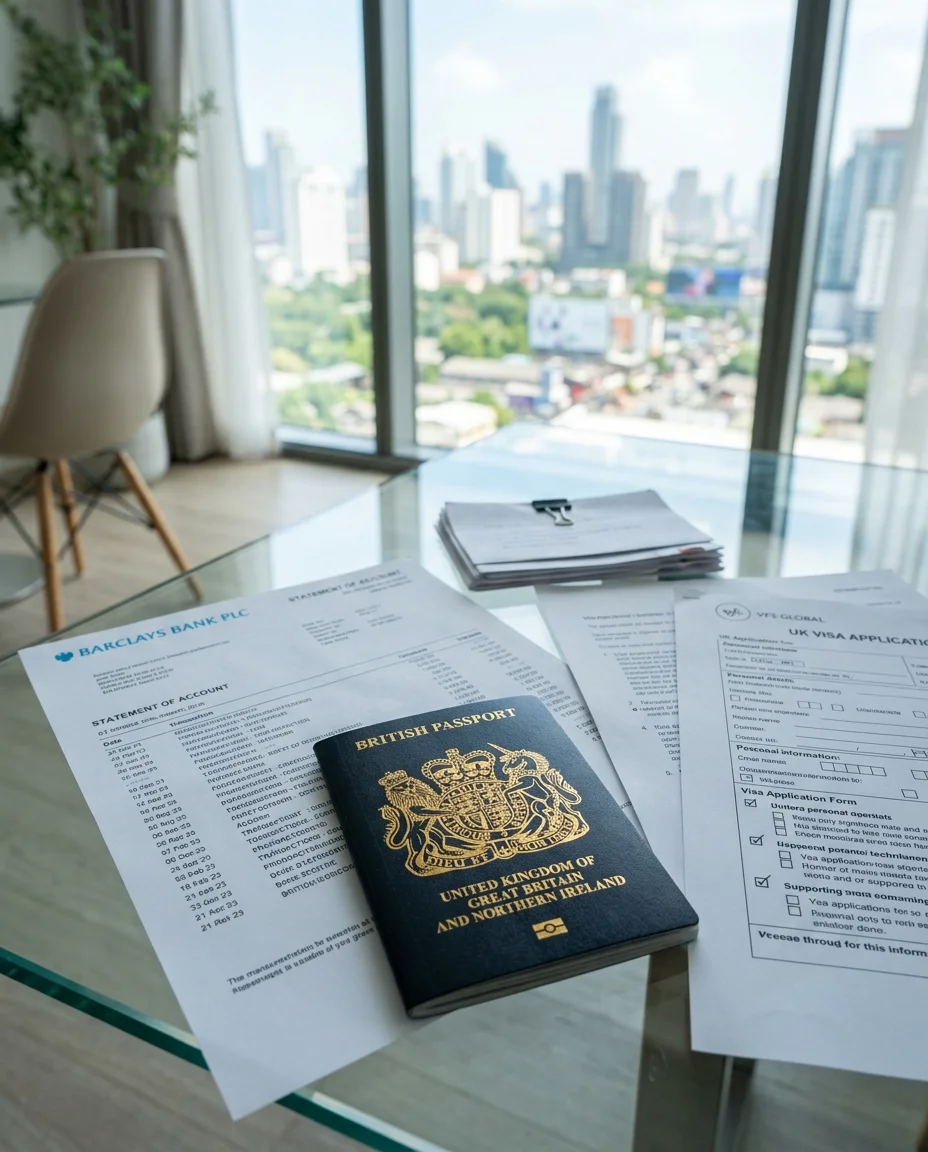
Your legal status in Thailand directly influences which social circles you naturally enter. Retirees on Non-Immigrant O or O-A visas must prove 800,000 THB (£17,600) in savings, and they typically integrate into established, older communities. These groups organise around daytime activities, golf societies, and local British pubs. Digital nomads and remote workers entering on the new DTV visa gravitate toward co-working spaces, tech meetups, and transient social events. These younger groups often rotate locations every few months. Families holding Non-Immigrant B visas usually base their entire social infrastructure around their children’s international schools. They connect primarily through parent-teacher associations and weekend sports leagues. This fragmentation means you rarely see a 30-year-old remote worker socialising in the same circles as a 65-year-old retiree, even if they live in the same district. Bridging these divides requires active effort. The natural rhythm of your visa category pushes you toward your immediate peers. Recognising this dynamic early prevents frustration when trying to build a diverse friend group. Choose your initial networking events based on the demographic your visa naturally aligns with to secure early, reliable friendships.
Finding Accommodation Within Expat Hubs
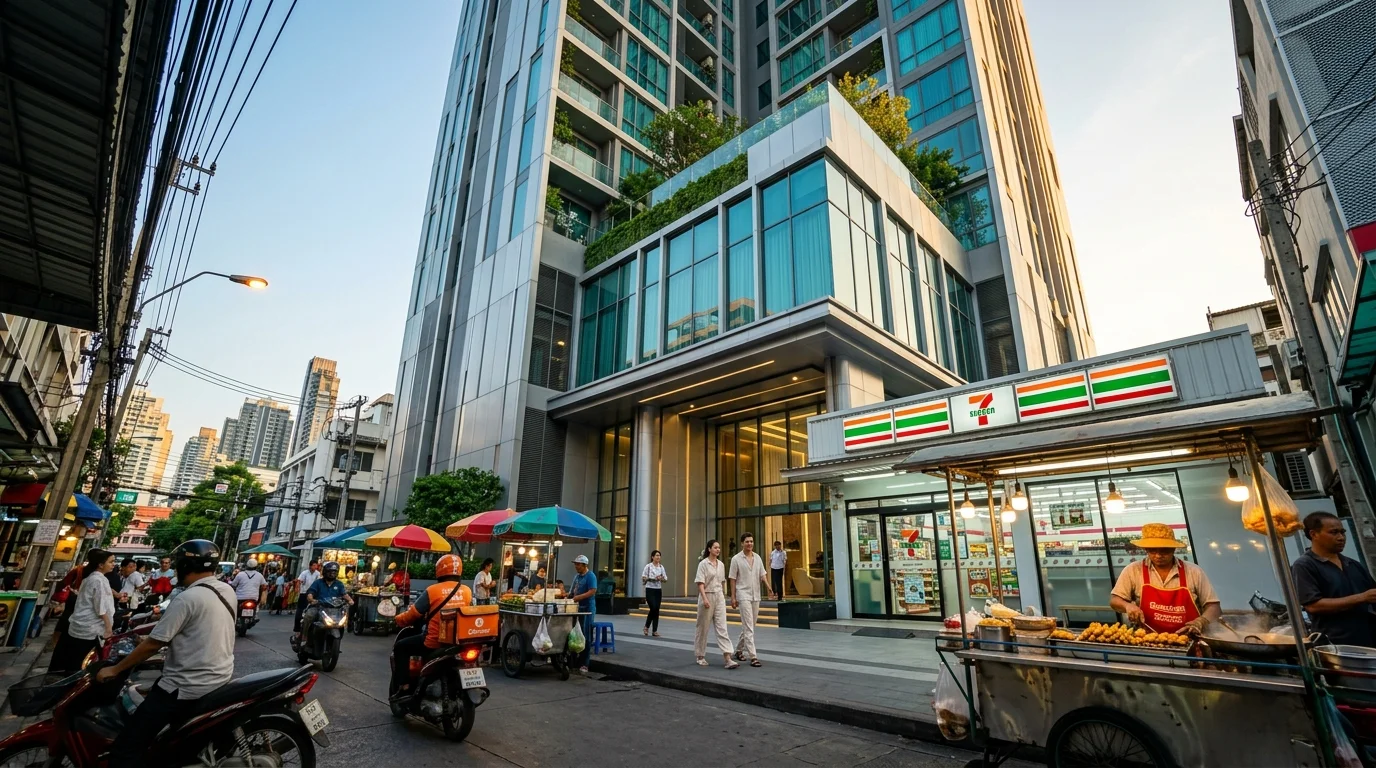
Securing long-term housing dictates your daily interactions and determines how easily you integrate into the local community. British expats typically rent apartments in major cities. These leases require a standard two-month security deposit and one month of rent paid upfront. A modern high-rise building equipped with a juristic management office provides an exceptionally soft landing for arriving newcomers. Staff often speak English and assist with complex utility setups. However, these modern complexes can occasionally feel socially isolating. Residents rarely interact in the elevators or private gyms, making it difficult to meet neighbours naturally. If you seek a stronger community feel, consider renting a house in a gated estate. These developments are particularly popular among families residing in Bangkok's Bang Na district or Chiang Mai's Hang Dong area. Such estates feature shared clubhouses and communal parks where expat and affluent Thai families mingle daily. Avoid signing a 12-month lease before you have explored a neighbourhood on foot during both day and night. Book a short-term serviced apartment for your first month to ensure your chosen district aligns with your social needs.
Meeting People and Initial Setup
Establishing your social network should begin the moment you secure your long-term accommodation and open a local bank account. Facebook groups remain the dominant platform for expat communication in Thailand. Specific pages like "Bangkok Expats" or "Chiang Mai Nomad Girls" serve as essential directories for advice on setting up utilities or finding reliable Wi-Fi providers. British pubs play a surprisingly practical role beyond drinking. They often act as informal community centres where newcomers can ask questions about reliable plumbers, visa agents, or landlord disputes. Organised sports provide the fastest route to regular social contact. Rugby, football, and running clubs like the Hash House Harriers operate in almost every major province. Meetup.com events cater heavily to professional networking, board game groups, and language exchanges. When attending these initial gatherings, focus on gathering practical local knowledge rather than forcing immediate deep friendships. Treat your first three months as a reconnaissance period to identify which groups align with your actual interests. Join three different types of social clubs in your first month to rapidly expand your initial network.
| Social Channel | Best For | Typical Commitment | Example Groups |
|---|---|---|---|
| Facebook Groups | Rapid advice, buying/selling | Low | Bangkok Expats, Phuket Community |
| Sports Clubs | Regular routine, teamwork | High | Hash House Harriers, local football |
| British Pubs | Informal networking, advice | Medium | Robin Hood (BKK), The Sportsman |
| Meetup/Eventbrite | Professional networking, hobbies | Low to Medium | Tech meetups, language exchanges |
Building Genuine Connections Versus The Expat Bubble
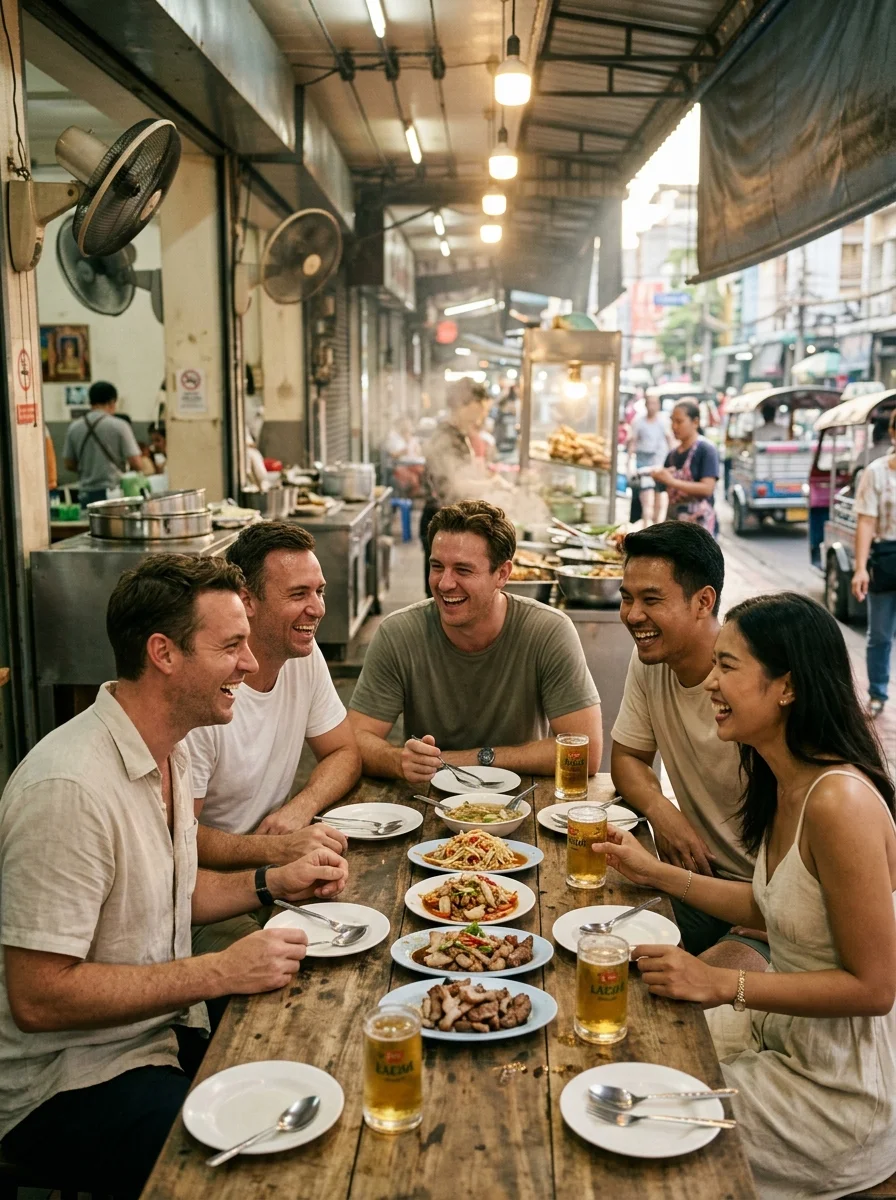
The transient nature of expat life in Thailand makes building deep, lasting friendships a significant challenge. Many newcomers fall into the trap of surface-level socialising. These conversations rarely progress beyond complaining about traffic, discussing 90-day reporting rules, or comparing the cost of living. Because a large percentage of expats leave within two years, long-term residents often develop "expat fatigue" and hesitate to invest emotional energy into new arrivals. To break past this barrier, you must move away from generic expat mixers. Focus instead on shared, sustained interests that require ongoing commitment. Volunteering at local animal shelters, joining amateur theatre groups, or committing to long-term Thai language courses naturally filters out transient visitors. This connects you with people rooted in the country. Living entirely within an expat bubble provides extreme comfort but ultimately limits your personal growth. It leaves you vulnerable to isolation when your immediate circle inevitably moves on. You must actively cultivate relationships with long-term residents and local Thais to ensure your social foundation outlasts the typical expat lifecycle.
Integration with Thai Communities
Integrating with the local Thai community transforms your relocation from an extended holiday into a sustainable life. Language acts as the primary barrier. Relying solely on English restricts your interactions to Thais working in the service industry or international corporate sectors. Committing to learning basic conversational Thai opens doors to genuine friendships with your neighbours, local market vendors, and Thai colleagues. Integration levels vary wildly by location. Expats in rural Isan integrate deeply out of necessity, whereas residents of central Sukhumvit can easily live for decades without speaking a word of Thai. Cultural nuances heavily influence relationship building. You must understand concepts like "kreng jai" (consideration for others) and the importance of saving face in public interactions. Failing to adapt to these social norms often leads to misunderstandings and isolates you from the host culture. Building trust with Thai friends takes time and consistency. It often develops through shared food, quiet observation, and demonstrating genuine respect for local customs. Enrol in a structured Thai language school during your first year to demonstrate commitment to your host country.
Costs and Budgeting
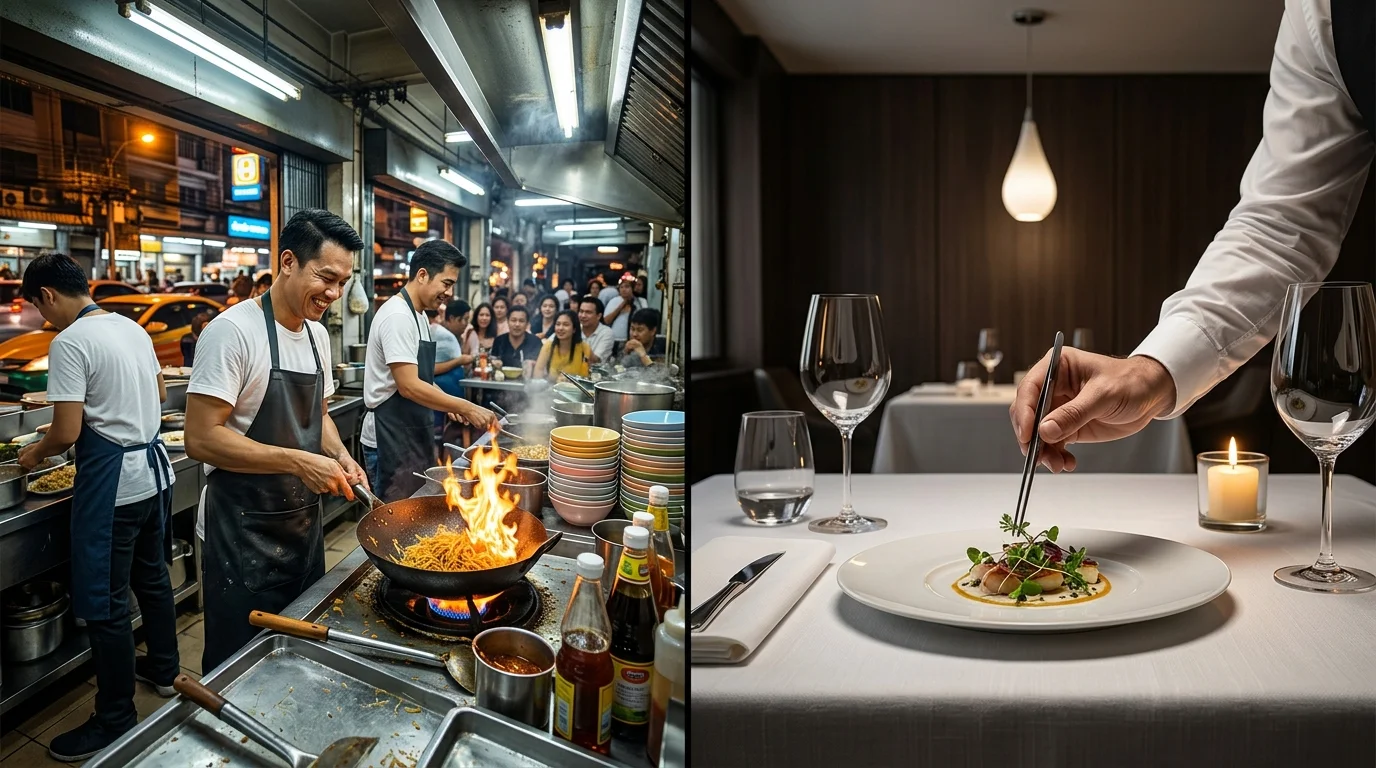
Funding an active social life in Thailand requires careful budgeting, as expat-oriented entertainment carries a premium. While local street food and Thai markets keep basic living costs low, socialising in British pubs, attending international networking events, and joining sports clubs quickly inflates your monthly outgoings. A pint of imported beer in a Bangkok pub costs around 280 THB (£6.20). Conversely, a local beer in a Thai restaurant sits at 100 THB (£2.20). Gym memberships and sports club fees range from 1,500 THB (£33) to 4,000 THB (£88) monthly. If you have children, factor in the substantial costs of international school social events and extracurricular activities. Ongoing visa maintenance, such as transport to immigration for 90-day reporting, adds minor but regular costs. You should allocate a dedicated networking and entertainment budget for your first six months. Attending multiple events is necessary to establish your community footprint.
| Item | Monthly Cost (THB) | Monthly Cost (GBP approx) | Notes |
|---|---|---|---|
| Expat-focused entertainment | 8,000 - 15,000 | £175 - £330 | Pubs, western dining, mixers |
| Sports/Social club memberships | 1,500 - 4,000 | £33 - £88 | Gyms, tennis, rugby clubs |
| Local Thai socialising | 3,000 - 6,000 | £65 - £130 | Thai restaurants, local markets |
| Transport for networking | 2,000 - 4,000 | £45 - £88 | BTS/MRT, Grab taxis |
| Thai language classes | 4,000 - 8,000 | £88 - £175 | Group lessons, 2-3 times weekly |
Common Mistakes and How to Avoid Them

Relying entirely on Facebook groups for legal and visa advice is a critical error. This exposes you to outdated information and illegal workarounds that can result in deportation or blacklisting. Always verify social media advice by consulting registered Thai immigration lawyers or the official Thai embassy website.
Trapping yourself in the Sukhumvit bubble or equivalent expat enclaves limits your experience. This artificially inflates your cost of living and prevents you from understanding true Thai culture. Force yourself to explore local neighbourhoods and eat at regional markets at least twice a week.
Dismissing the importance of learning the Thai language is a widespread failure. You will remain permanently dependent on translation apps and bilingual friends for basic tasks like dealing with landlords or hospital staff. Commit to learning the Thai alphabet and basic conversational phrases within your first six months.
Treating every new expat acquaintance as a lifelong friend leads to inevitable disappointment. Because the community is highly transient, investing heavily in short-term visitors results in constant emotional turnover. Focus your social energy on expats who have renewed their visas at least once and show intent to stay.
Practical Tips

Download the LINE messaging application immediately upon arrival. This is the absolute standard for all communication in Thailand, used by landlords, businesses, and both Thai and expat social groups.
Keep a supply of physical business cards even if you are not currently working. Thai business culture still heavily relies on exchanging cards at networking events, and it provides an easy way to share contact details quickly.
Join your local branch of the British Chamber of Commerce Thailand (BCCT). They host regular networking evenings across Bangkok, Pattaya, and Phuket that are invaluable for meeting established UK professionals.
Sign up for a local gym or fitness class rather than exclusively using your apartment's private facility. This forces you to interact with people outside of your immediate residential building and breaks up the isolation of remote work.
Accept invitations to Thai weddings or family events if a local friend or colleague asks you. These are massive community gatherings that provide unparalleled insight into Thai social structures and hospitality.
Avoid engaging in political discussions regarding the Thai monarchy or government at social events. Thailand has strict Lèse-majesté laws, and casual pub debates can lead to severe legal consequences or immediate social ostracisation.
Register with the British Embassy in Bangkok via their official channels. This ensures you receive critical updates regarding UK expat community notices, voting rights, and emergency protocols.
Quick Reference Table
| Item | Detail | Notes |
|---|---|---|
| Primary Expat Locations | Bangkok, Chiang Mai, Phuket, Pattaya, Hua Hin | Choose based on visa type and lifestyle needs |
| Dominant Visa Routes | DTV, Non-B (Work), Non-O (Retirement/Family) | Visa category heavily dictates your social circle |
| Typical Lease Terms | 12 months standard | 6-month leases available but command higher rent |
| Minimum Bank Balance | 800,000 THB (Retirement) / 500,000 THB (DTV) | Required for specific long-term visa extensions |
| Average Monthly Social Budget | 10,000 - 20,000 THB (£220 - £440) | Varies heavily based on alcohol consumption |
| Healthcare Options | Private international hospitals | Comprehensive health insurance is essential |
| Primary Communication App | LINE | Essential for all social and business contacts |
| Language Considerations | Basic Thai highly recommended | English widely spoken only in central expat hubs |