Koh Tao, a compact Gulf of Thailand island, offers more than diving. Enjoy sophisticated dining, like 80 THB massaman curries, and rugged bays.
About Koh Tao
The global obsession with getting cheap scuba certification has overshadowed almost everything else this 21-square-kilometre rock actually gets right.
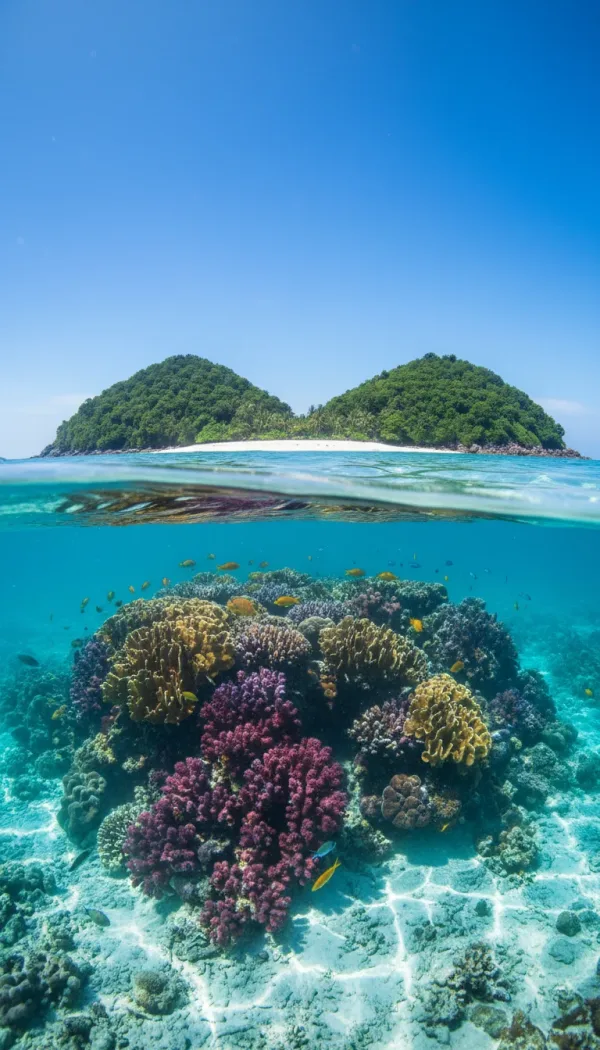
Marooned in the Gulf of Thailand about 70 kilometres east of the mainland, Koh Tao is the smallest and most rugged of the Samui archipelago's main trio. It draws a dedicated crowd of marine enthusiasts, digital nomads, and backpackers willing to endure the choppy ferry crossing. The island operates on a much tighter, more intimate scale than its neighbours, defined by steep granite hills and deeply indented bays rather than endless sweeping coastlines.
The diving industry dominates the culture here to an almost obsessive degree. If you have absolutely no interest in putting on a mask, you might occasionally feel like you crashed a private club. Yet that same singular focus has saved the island from the sprawling, disjointed overdevelopment that plagues larger Thai destinations. You get a surprisingly sophisticated dining scene and strong infrastructure without the high-rise concrete.
Whether you are staying for a quick holiday or settling in for a season of remote work, this guide breaks down everything required to make the island work for you. Read on for a completely unvarnished look at the best coastal pockets, transport realities, eating out, and realistic daily costs.
Region
Gulf of Thailand
How to get there
Flight to Koh Samui or Surat Thani, followed by a high-speed ferry
Journey time from nearest hub
1.5 to 2 hours by ferry from Koh Samui
Best time to visit
February to April for the calmest seas and clearest visibility
Budget per day (budget / mid-range / luxury)
£35 / £80 / £200+
Ideal length of stay
4 to 6 days
Best for
Scuba divers, confident scooter riders, and barefoot minimalists
AREAS & NEIGHBOURHOODS
The island essentially divides into three distinct hubs. Mae Haad is the busy, functional port town where ferry fumes mix with excellent cheap cafes. It is perfect for running errands, but not ideal for your whole stay. Just north, Sairee Beach serves as the undisputed focal point of Koh Tao. This long stretch of sand is backed by a dense grid of dive centres, beach clubs, and restaurants that stay loud well past midnight. It suits anyone who wants everything on their doorstep. Down on the southern tip, Chalok Baan Kao provides a much quieter, shallow bay. This area appeals heavily to expats and families seeking distance from the late-night crowds. Scattered around the rugged eastern coast are isolated coves like Tanote Bay, offering total seclusion for anyone willing to tackle the steep access roads. Discover exactly which beach fits your trip in the full areas guide.
TOP EXPERIENCES
Getting underwater is the obvious priority. Skipping the crowded introductory dive factories for a smaller, eco-focused school yields a far better encounter with the local turtles and blacktip reef sharks. Above the surface, hiking up to the John-Suwan Viewpoint at the southern tip requires scrambling over sun-baked boulders, but the resulting dual-bay perspective is the best geographical overview you can get. Kayaking out to the painfully photogenic offshore islet of Koh Nang Yuan is practically mandatory. Timing your paddle for late afternoon neatly dodges the aggressive midday day-tripper boats. Find the complete breakdown in the full things to do guide.
GETTING AROUND
Transport across Koh Tao is notoriously uncompromising. There are no public buses and taxis operate like a cartel, routinely charging 400 THB (£9) for a simple ten-minute hop between bays. Renting a scooter is the most practical solution, costing around 200 to 250 THB (£4.50 to £5.50) per day, but it requires genuine skill. The interior roads are famously steep, often dusted with loose sand, and entirely unforgiving to nervous beginners. If you cannot confidently handle a bike, your best strategy is to base yourself right in Sairee or Mae Haad where almost everything remains comfortably walkable.
WHERE TO STAY
Accommodation leans heavily towards the rustic and the practical, though genuine comfort is increasingly easy to find. Budget travellers and solo backpackers usually cluster in the fan-cooled hostels and basic bungalows around Sairee, where a bed costs roughly £10 to £15 a night. Mid-range visitors will find excellent value in boutique cliffside resorts around Chalok Baan Kao for about £50 to £80, securing air-conditioning and sea-facing balconies. True luxury is limited to a handful of steep, isolated resorts on the eastern edge, demanding upwards of £150 per night for private plunge pools. Uncover the best specific options in the full hotels guide.
FOOD & DRINK
For a rock historically populated by transient backpackers, the culinary standard punches well above its weight. Koh Tao is known for highly authentic southern Thai curries and an unexpected abundance of excellent vegan cafes, driven by the health-conscious diving community. You will find the sharpest, most unapologetically spicy massaman curries in the tiny, family-run shophouses tucked up the hill from Mae Haad. A massive plate here sets you back just 80 THB. Seafood is another staple, best eaten directly on the sand at Sairee, though expect to pay around 400 THB for a whole barbecued snapper.
ESSENTIAL TIPS
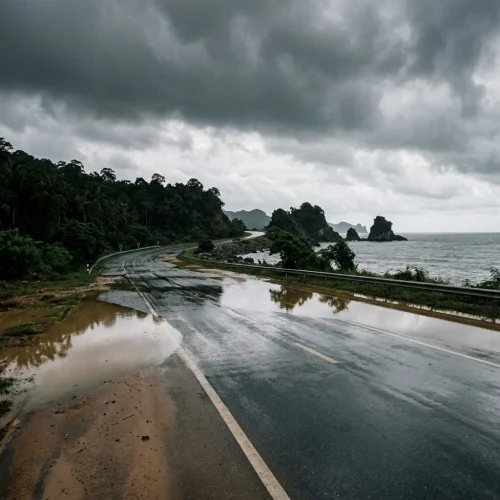
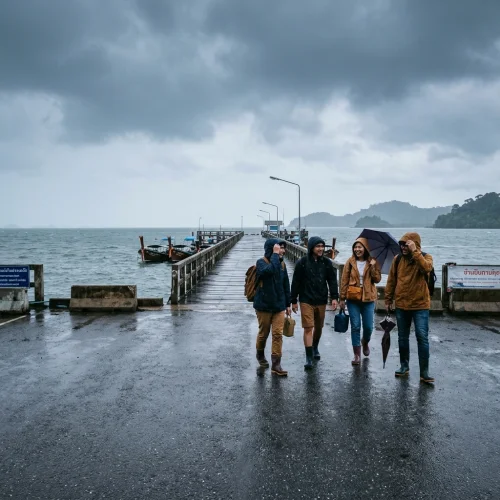
Tap water here is absolutely not safe to drink. The island struggles with plastic waste, so bringing a filtered refillable bottle is both a health precaution and a major environmental favour. Power cuts remain a regular feature of island life, especially during heavy rain, so keeping a power bank charged saves you from sudden digital darkness. The local clinics are well-equipped for minor scrapes, but serious medical issues require a speedboat transfer to Koh Samui. Pack a comprehensive first aid kit and ensure your travel insurance explicitly covers riding a scooter. Minor exhaust burns are a daily occurrence.
Discover the real Koh Tao beyond the dive schools. Learn about sea spirits, Burmese morning markets, and the unwritten rules of island life in Thailand.
While the diving industry heavily dominates Koh Tao's culture, the island offers more than just diving. You might feel like you've crashed a private club if you have no interest in diving, but there's also a surprisingly sophisticated dining scene and strong infrastructure.
How can I get to Koh Tao?
To reach Koh Tao, you can fly to either Koh Samui or Surat Thani. From there, you will need to take a high-speed ferry to the island.
When is the best time to visit Koh Tao?
The best time to visit Koh Tao is from February to April. During these months, the seas are calmest and visibility for activities like diving is clearest.
What is a realistic daily budget for visiting Koh Tao?
A budget traveller can expect to spend around £35 per day in Koh Tao. Mid-range visitors might budget about £80 daily, while luxury stays can cost upwards of £200 per night.
What is the ideal length of stay for a trip to Koh Tao?
The ideal length of stay for a visit to Koh Tao is typically between 4 to 6 days.
Who is Koh Tao best suited for?
Koh Tao is best suited for scuba divers, confident scooter riders, and barefoot minimalists. It draws a dedicated crowd of marine enthusiasts, digital nomads, and backpackers.
How can I have a better diving experience in Koh Tao?
To have a better diving experience in Koh Tao, it is recommended to skip crowded introductory dive factories. Instead, choose a smaller, eco-focused school, which can lead to a far better encounter with local marine life like turtles and blacktip reef sharks.
What is the best time to kayak to Koh Nang Yuan?
The best time to kayak to the offshore islet of Koh Nang Yuan is in the late afternoon. This timing helps to neatly dodge the aggressive midday day-tripper boats.
Is it safe to rent a scooter in Koh Tao?
Renting a scooter in Koh Tao requires genuine skill due to the famously steep interior roads, which are often dusted with loose sand and unforgiving to nervous beginners. If you are not confident riding a bike, it's best to base yourself in walkable areas like Sairee or Mae Haad.
Is tap water safe to drink in Koh Tao?
No, tap water in Koh Tao is absolutely not safe to drink. It is recommended to bring a filtered refillable bottle, which serves as both a health precaution and an environmental favor due to the island's struggle with plastic waste.
This page is provided for general information only. While we aim for accuracy, details can change — please verify anything important independently before relying on it.
STAY UP TO DATE
Join our community to get the newest Thailand destination
guides, travel advice, and expat resources delivered straight to your inbox.