Koh Tao dances to its own meteorological rhythm, sitting squarely in the Gulf of Thailand where the monsoon arrives months later than it does in Phuket or Bangkok.
The ever-present coastal wind here is a double-edged sword; it provides a glorious natural air-conditioning effect that keeps the island cooler than the mainland, but it also coats absolutely everything you own in a fine, sticky layer of sea salt. Accept that your hair will have permanent beach texture, and you will fall right into the island's groove.
The year kicks off with the Cool season from late December through February, though that term is strictly relative. Expect daytime highs around 29°C and nighttime lows dropping to a wonderfully sleepable 23°C. This is peak diving weather, where the ocean is glass-flat and the humidity sits at a highly manageable 70 percent.
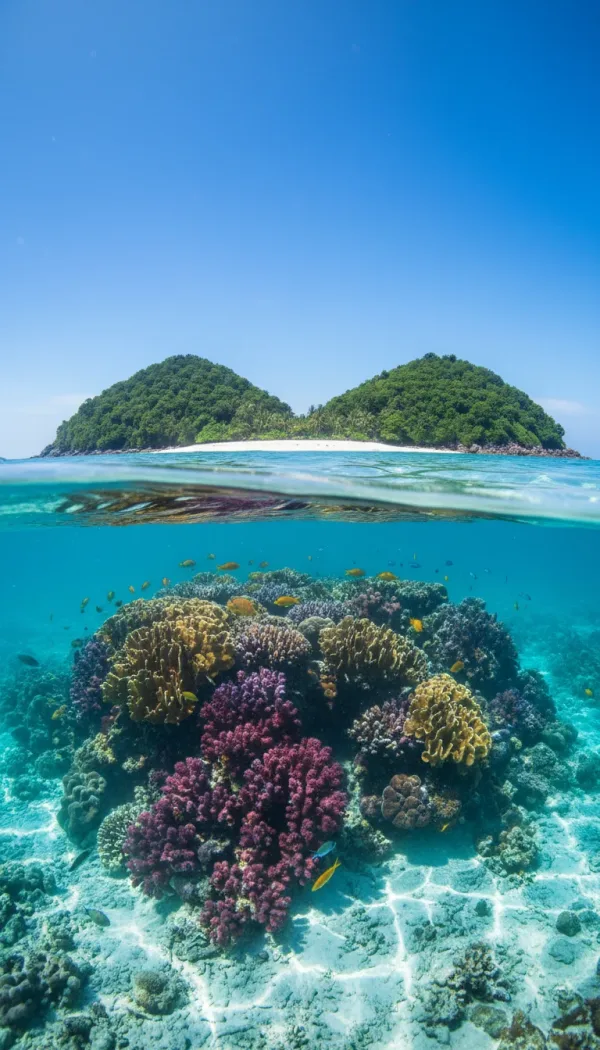
By March, the Hot season takes over, dominating the forecast until late May. Temperatures routinely spike to 35°C, but it is the lack of wind that really gets you. The April heat is a wet, heavy blanket that turns a five-minute walk to the beach into a major cardiovascular event. Thankfully, the ocean warms up to bathwater levels of 30°C, making endless underwater exploration the perfect remedy for the soaring mercury.
From June to September, the island sits in a transitional phase with occasional evening showers, before the true Gulf Rainy season arrives. Spanning October to early December, this period sees temperatures dip to 27°C but humidity skyrocket to 85 percent. It is wonderfully moody and atmospheric, provided you embrace the fact that your flip-flops will occasionally act as miniature boats.
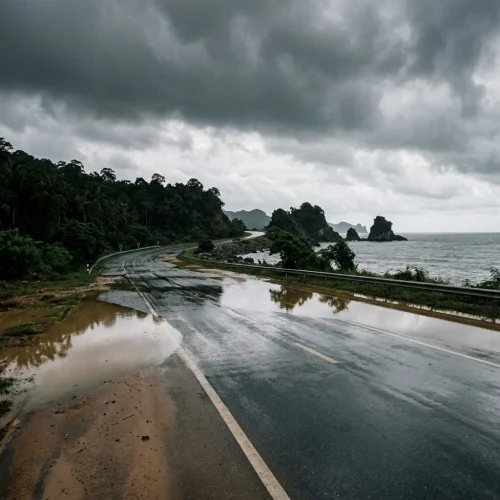
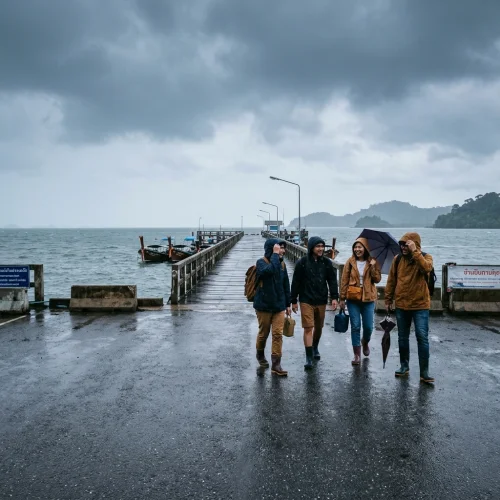
Forget the quick afternoon showers of Bangkok; when the true Gulf monsoon hits Koh Tao in November, it means business. You are looking at multi-day stretches of relentless, torrential rain where the skies turn the colour of bruised iron and 150mm of water can fall in a single afternoon. Sea swells frequently exceed two metres during this peak storm window, which regularly grounds the Lomprayah catamarans and leaves travellers stranded on either the island or the mainland for 24 to 48 hours. Always leave a two-day travel buffer before any international flights in November. When the heavens do open, do not bother with a flimsy umbrella that the coastal wind will immediately turn inside out. Instead, nip into the nearest 7-11 and grab a heavy-duty PVC poncho for 150 THB (GBP 3.45). It is certainly not high fashion, but it guarantees you can still wade out to your favourite beachside curry house while staying entirely dry from the waist up.
AIR QUALITY
Thanks to its isolated maritime position, Koh Tao largely escapes the brutal agricultural smog that chokes northern Thailand. The AQI here rarely creeps above 50, meaning you will enjoy crisp, blue skies for the vast majority of the year. During late March and April, shifting winds occasionally drag a faint, smoky haze over from the mainland, slightly dulling the horizon. If you have asthma, picking up a 3M N95 mask from the local pharmacy for 85 THB (GBP 1.95) provides instant peace of mind. Should the air look a bit dusty, simply book a scuba trip; the air from a tank twenty metres below the surface is always perfectly filtered.
Packing for a tropical rock requires strategy, not just a stuffed suitcase. Leave your jeans and polyester blends in the UK. At 80 percent humidity, synthetic fabrics cling like clingfilm and denim takes three business days to dry. Instead, load up on loose, breathable linen and merino wool, which naturally resists the inevitable sweat-induced odours. The UV index here routinely hits 11 (extreme) by midday, so sun protection is entirely non-negotiable. Bring your favourite reef-safe SPF 50 from home, as a standard bottle of Nivea sunscreen on the island will set you back an extortionate 550 THB (GBP 12.65). For visiting the island’s modest temples in 35°C heat, skip the heavy trousers. Pack a lightweight sarong in your day bag to quickly wrap around your waist or shoulders; it satisfies the dress code instantly and takes up far less space than a pair of socks.
The combination of intense equatorial sun and endless saltwater activities makes dehydration a stealthy threat here. Do not wait for a headache to strike. Start every morning by dissolving a Royal-D electrolyte sachet—available at any 7-11 for just 10 THB (GBP 0.23)—into your water bottle. The midday heat drains your energy fast, so adopt the local rhythm: dive or explore before 11 AM, retreat to a hammock or an air-conditioned cafe during the afternoon furnace, and emerge again at 4 PM. Koh Tao’s lush, boulder-strewn hills are prime mosquito territory at dawn and dusk, but a liberal spray of local pink-bottle Sketolene keeps them completely at bay.
BEST TIME TO VISIT
The ultimate Goldilocks window is February. You get 29°C days, zero rain, and underwater visibility exceeding 30 metres. However, if you want the island’s best-kept secret, aim for late August. While the Andaman coast of Thailand is drowning in monsoon storms, Koh Tao is shielded by its Gulf position, offering brilliant sunshine, calm seas, and half the crowds of the traditional winter peak.