Phuket Vegetarian Festival
The Phuket Vegetarian Festival is a Nine Emperor Gods Celebration. This intense nine-day Taoist celebration in Phuket features spirit mediums performing extreme acts of self-mortification, including piercing their cheeks with swords and walking over hot coals, to channel the Nine Emperor Gods. Attending these public street processions is entirely free of charge, offering an unfiltered glimpse into a deeply spiritual local tradition most commonly dated to 1825, though some local accounts place its origins in the late 18th century.
The Phuket Vegetarian Festival, known locally as the Nine Emperor Gods Festival, is a major annual Taoist event held during the ninth Chinese lunar month. Run by the network of historic Chinese shrines across Phuket, most notably the Jui Tui Shrine in Phuket Town, it stands as the island's most intense cultural celebration. The event suits culturally curious travellers, photographers, and culinary enthusiasts who wish to experience authentic spiritual devotion and plant-based Thai-Chinese cuisine. It is not suitable for those sensitive to loud noises, smoke, or graphic displays of physical self-mortification.

The Sacred Shrines and Festival Geography
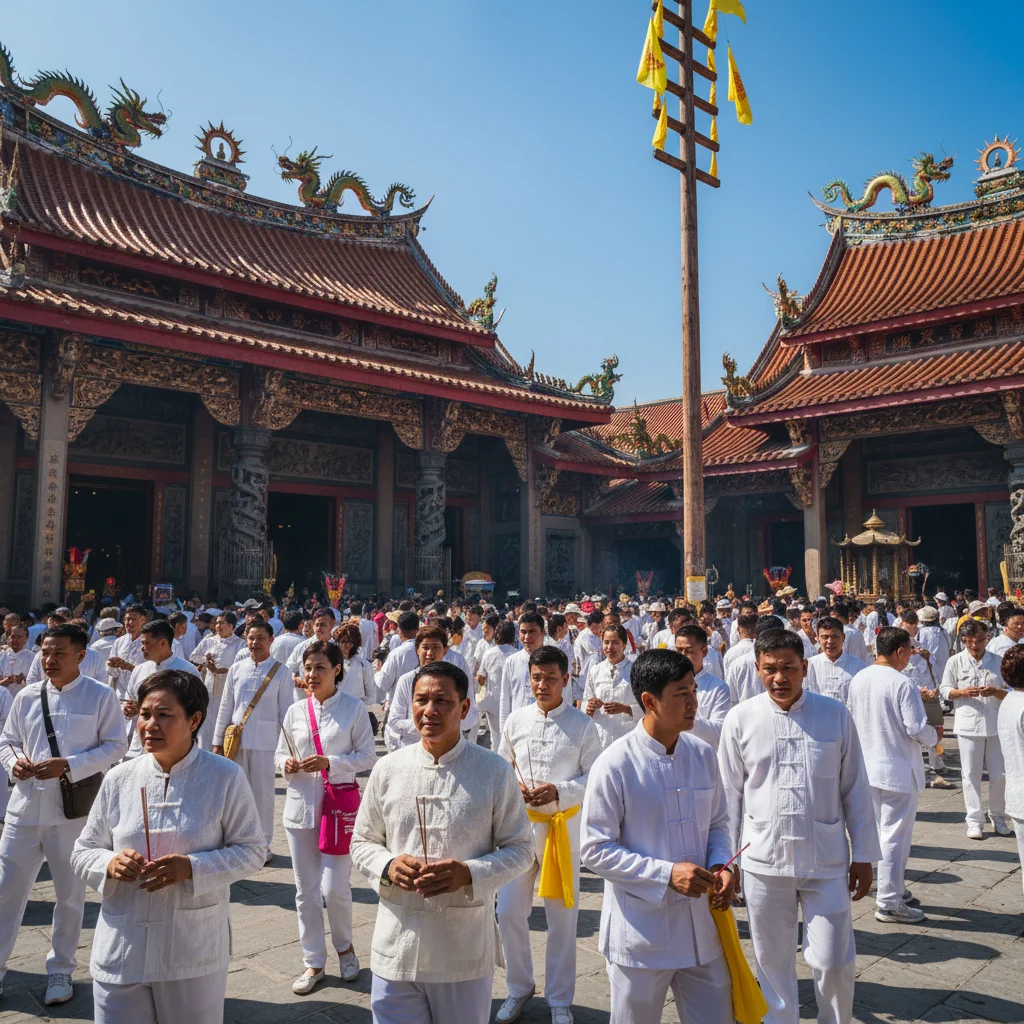
The geographical focal point of the festival is a network of historic Chinese shrines scattered across Phuket, with Jui Tui Shrine on Ranong Road serving as the principal hub. This ancient shrine, characterised by its intricate red-and-gold carved pillars and ceramic roof dragons, becomes a hive of activity where the nine days of rituals are coordinated. Other major participating shrines include the Bang Neow Shrine on Phuket Road, the Lim Hu Tai Su Shrine, and the Kathu Shrine, which is historically revered as the original birthplace of the festival. On the afternoon before the festival begins, each shrine raises a massive wooden pole, known as the Go Teng pole, in its outer courtyard. Devotees gather to watch the raising ceremony, which serves to summon the Nine Emperor Gods down from the heavens to initiate the annual celebration. Yellow and red triangular flags bearing the Chinese character "Jay" are hung along every street in Phuket Town, transforming the local landscape into a dedicated sacred zone. Worshippers burn bundles of incense at large bronze cauldrons near the shrine entrances, creating a thick, sweet-scented haze that drifts across the entire town.
Discover Phuket's diverse landscapes and origins. Plan your trip to this captivating island destination with our expert guide. Click to explore!
The Ma Song Mediums and Street Processions
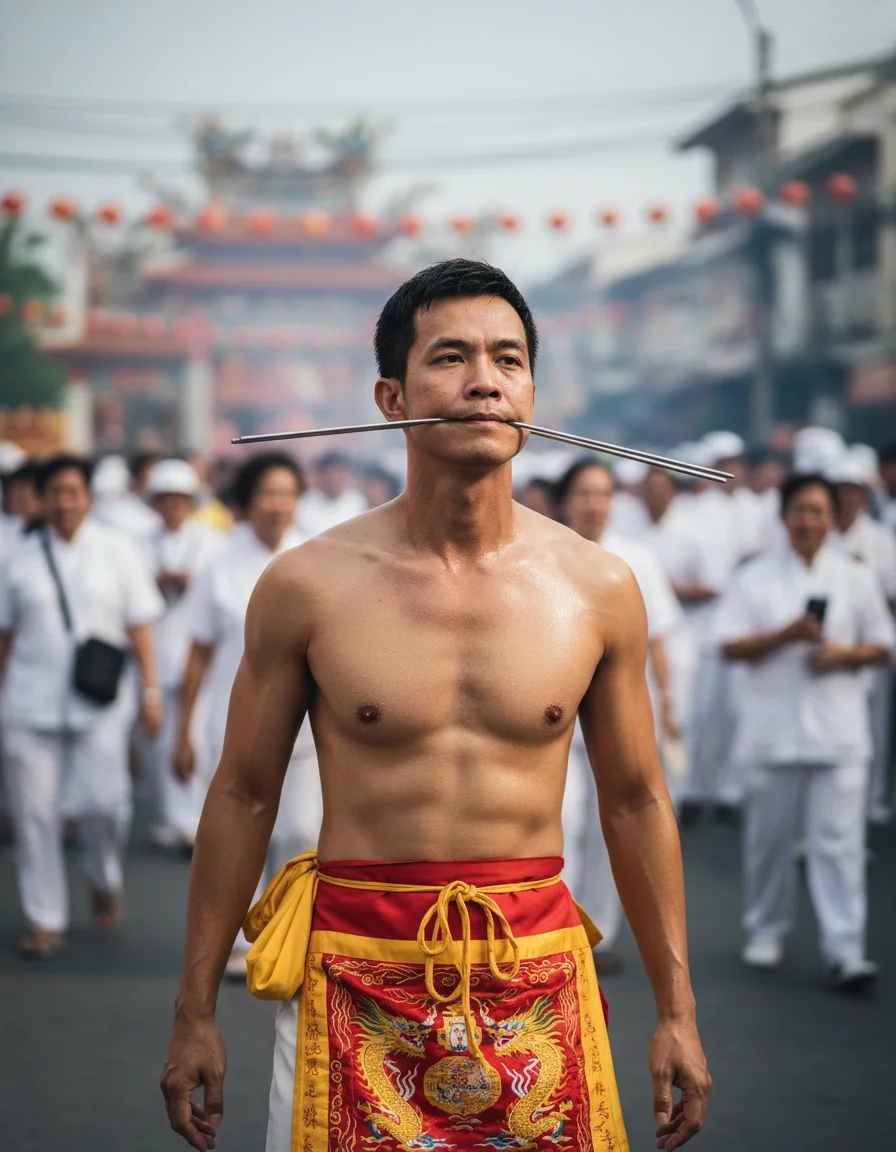
The early morning street processions represent the most visually extreme aspect of the entire event, as the Ma Song mediums walk through the streets to absorb evil spirits on behalf of the community. These individuals, whose title translates to "entrusted horses," enter a deep trance state under the supervision of shrine priests before undergoing various forms of physical mortification. They pierce their cheeks, tongues, and skin with items ranging from traditional needles and swords to modern objects like metal pipes, bicycle frames, or umbrellas. This ritual is believed to protect the local community from bad luck and bring good fortune for the coming year. As the Ma Song parade through the historic streets of Phuket Town, local residents line the pavements, setting up small altars decorated with fruit, incense, and tea. Devotees bow their heads and receive blessings from the passing mediums, who distribute holy threads and sacred charms. The air remains thick with the sound of drums, gongs, and the continuous explosions of firecrackers thrown at the palanquins carrying the deities.
The Jay Dietary Traditions and Street Food
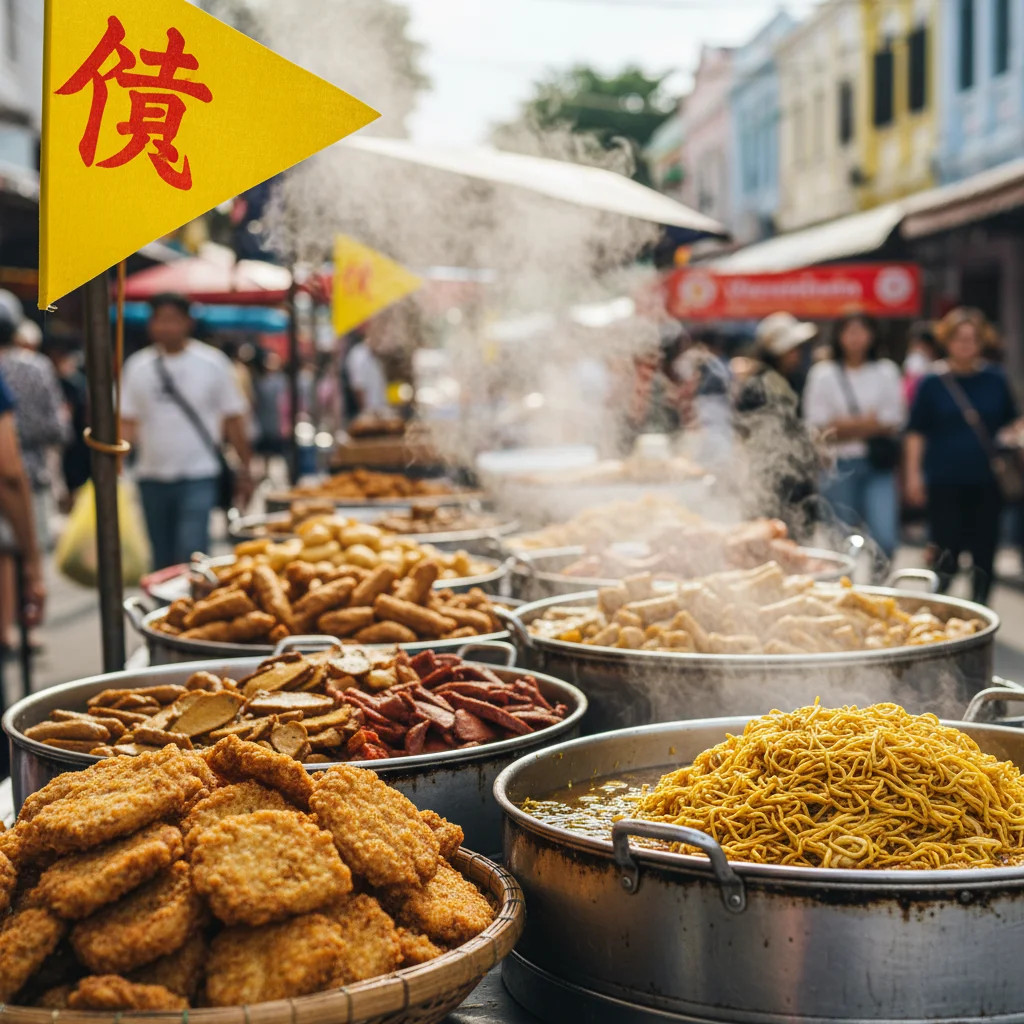
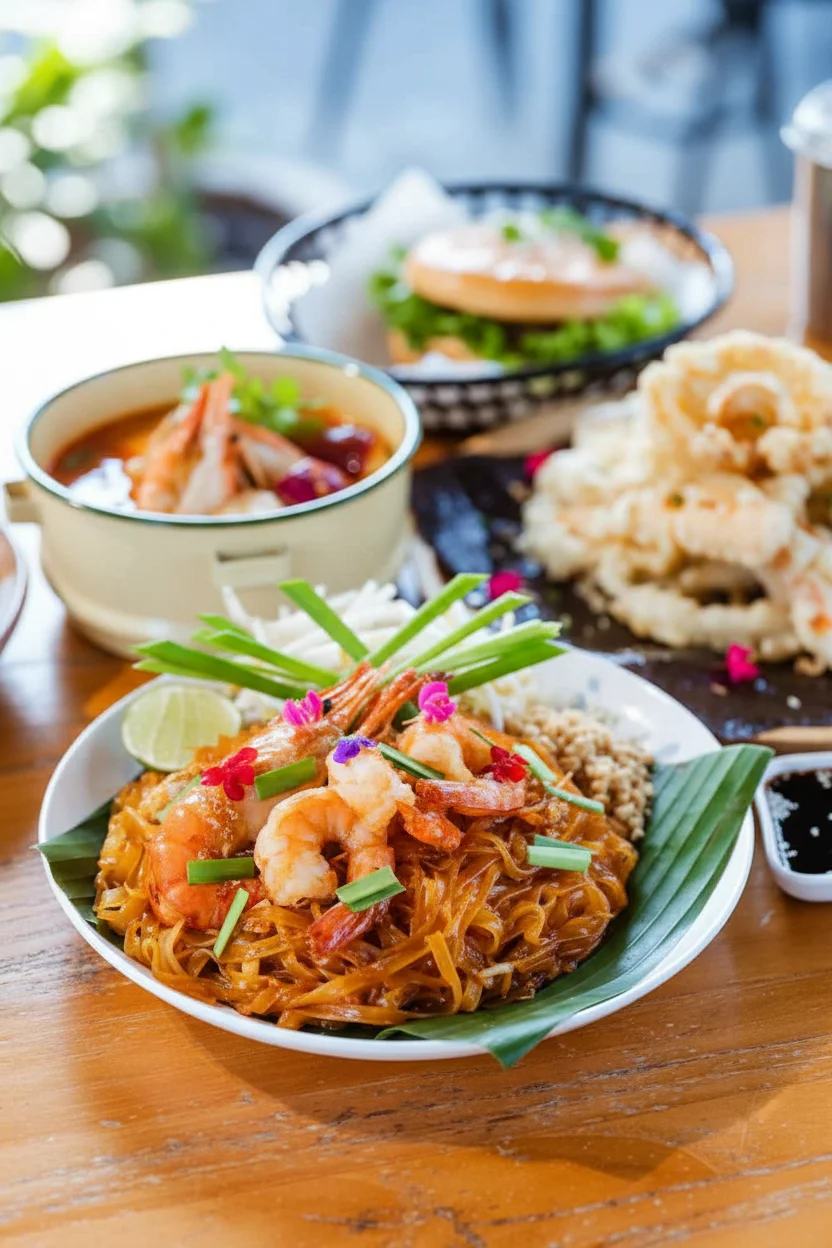
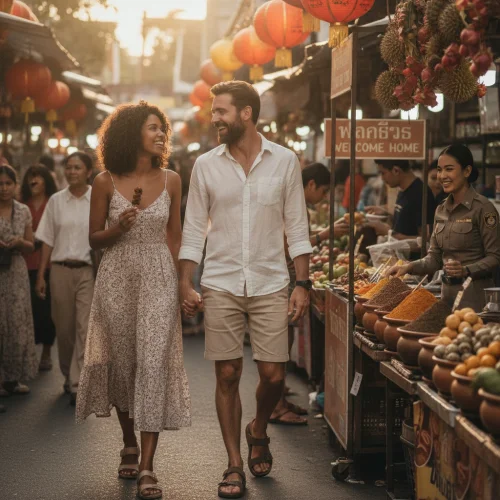
Eating "Jay" food is a fundamental requirement for purification during the nine days of celebration. This diet is strictly vegan, excluding all animal products, dairy, eggs, and five specific pungent vegetables: garlic, onions, leeks, chives, and tobacco. Ranong Road, which runs directly past the Jui Tui Shrine, transforms into a vast pedestrian food market containing hundreds of temporary stalls serving local specialities. You can sample deep-fried taro cakes, yellow stir-fried Hokkien noodles, and pink noodle soup made with fermented tofu. Many stalls serve highly realistic mock meats crafted from soy and mushroom proteins, designed to look and taste like pork, chicken, or fish. The food is exceptionally affordable, allowing visitors to graze continuously throughout the day.
| Dish Name | Primary Ingredients | Average Price (THB) | Average Price (GBP) |
|---|---|---|---|
| Mee Hokkien Jay | Yellow wheat noodles, cabbage, soy sauce, mushrooms | 50 - 80 THB | £1.15 - £1.85 |
| Tao Jae | Deep-fried taro cakes with sweet chili peanut dip | 40 - 60 THB | £0.90 - £1.40 |
| Yen Ta Fo Jay | Pink soup, rice noodles, morning glory, tofu skin | 60 - 80 THB | £1.40 - £1.85 |
| Look Chin Jae | Grilled mock-meat skewers made from mushroom protein | 15 - 30 THB | £0.35 - £0.70 |
Firewalking and Purification Rituals
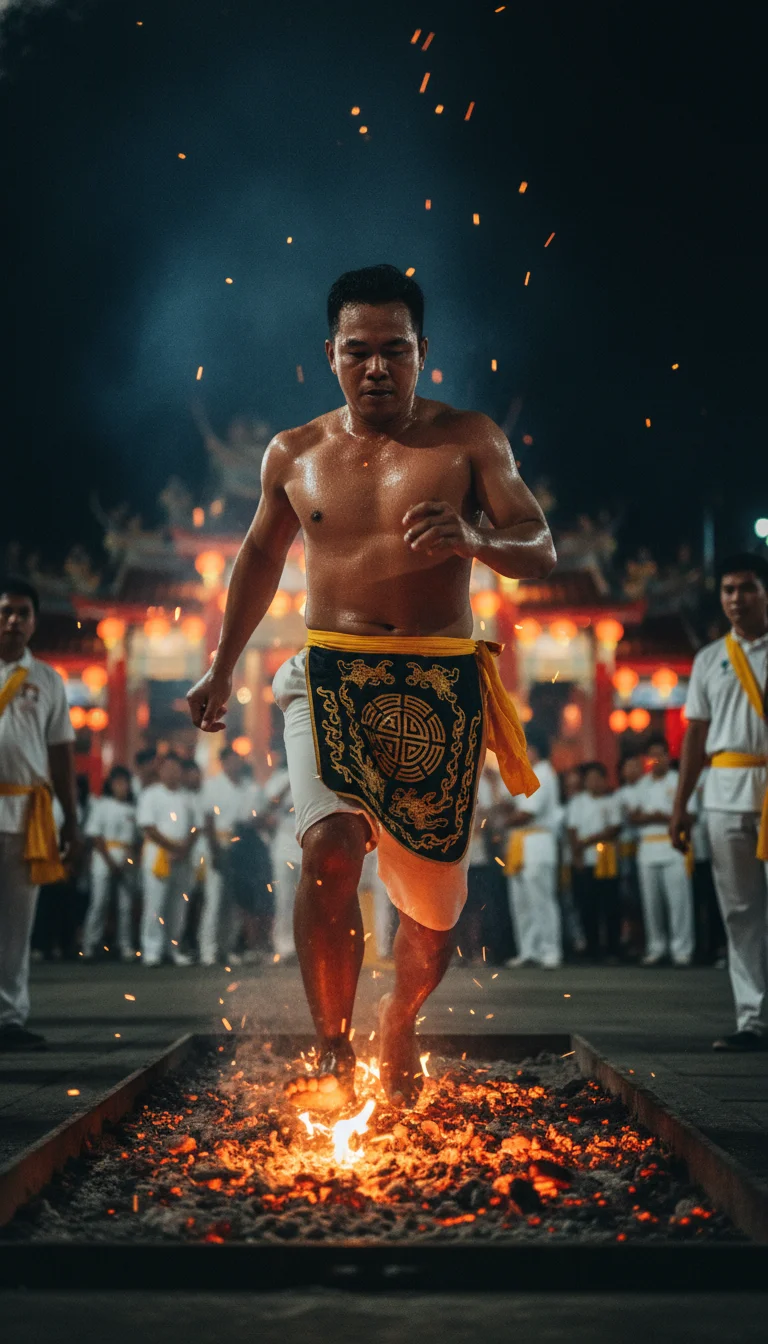
Firewalking represents a dramatic test of spiritual purity conducted during the final nights of the event. At shrines like Bang Neow and Kathu, assistants construct large rectangular pits filled with burning charcoal embers. Once the coals reach a glowing orange heat, the Ma Song mediums run across the bed barefoot to demonstrate their spiritual devotion and immunity to physical harm. Worshippers believe that only those who have strictly followed the ten purity rules can complete the walk without suffering severe burns. Spectators gather hours in advance, packing the shrine courtyards to catch a glimpse of this sacred cleansing rite. The atmosphere is tense, quiet, and filled with heat, contrasting sharply with the loud noise of the daytime street processions.
The Closing Ceremony and Farewell to the Gods
The final night of the festival culminates in a massive, deafening street parade to send the gods back to heaven. On the ninth night, starting around 21:00, the processions converge on Phuket Town and head toward Sapan Hin bridge on the coast. The streets of Phuket Town are covered in thick smoke and ankle-deep layers of red firecracker paper. Thousands of devotees carry the deity statues amidst an absolute barrage of fireworks and firecrackers thrown by the crowds. It is an intense sensory overload that continues long past midnight. Once the palanquins reach Sapan Hin, the priests perform a quiet ceremony to release the Nine Emperor Gods back to the sea, bringing the festival to a peaceful, spiritual close.
Navigating Phuket Town and Reaching the Shrines
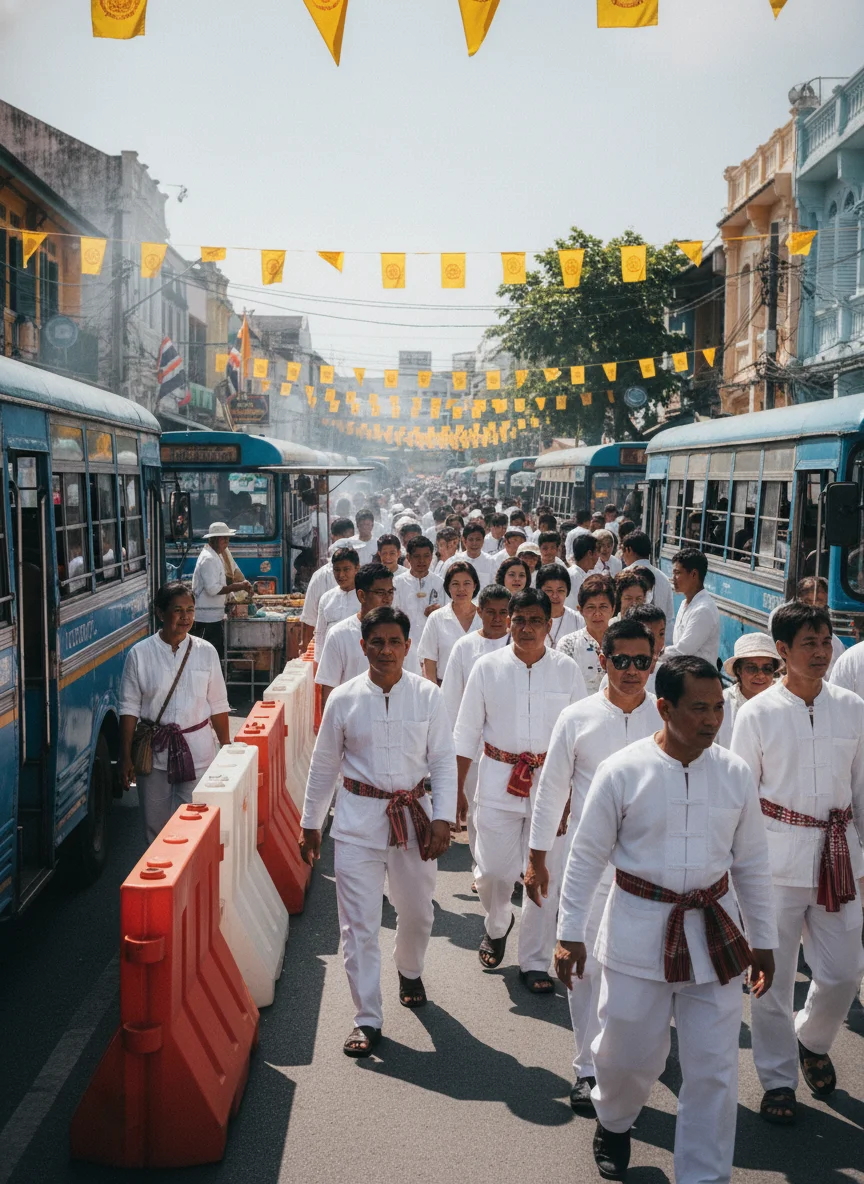
Phuket Town, located on the southeast side of Phuket island, hosts the main events of this annual celebration. Jui Tui Shrine sits on Ranong Road, a short walk from the historic Sino-Portuguese district. From Phuket International Airport, situated approximately 32 kilometres north, you can take an airport smart bus to Phuket Town for 100 THB (£2.30) taking around 1 hour and 30 minutes. Alternatively, a private taxi or ride-hail app like Grab costs between 600 THB to 800 THB (£13.80 to £18.40) and takes 45 to 60 minutes depending on traffic. During procession mornings, major roads in Phuket Town close completely from 06:00 to 11:00. Local songthaews (passenger pickup trucks) run from beach resorts like Patong or Kata to Ranong Road for 40 THB (£0.90) but services stop before the late-night ceremonies begin.
Festival Expenses and Accommodation Budgets
Attending the public parades, visiting shrines, and observing ceremonies is completely free of charge. Your main expenses will be accommodation, local transport, food, and purchasing white clothing to match the local custom. Budget hotels in Phuket Town start from 800 THB (£18.40) per night during this period, while mid-range boutique heritage hotels cost around 1,500 THB to 3,000 THB (£34.50 to £69.00) per night. Prices rise during the high season transition in October, so book months in advance. A set of simple white cotton trousers and a white shirt can be purchased at local markets around Ranong Road for 250 THB to 400 THB (£5.75 to £9.20) in total. Street food dishes are exceptionally cheap, ranging from 40 THB to 80 THB (£0.90 to £1.85) per portion.
| Option | Cost (THB per night) | Cost (GBP approx) | Notes |
|---|---|---|---|
| Budget Guesthouse | 600 - 1,000 | £13.80 - £23.00 | Standard fan or AC room, walking distance to shrines |
| Heritage Boutique Hotel | 1,800 - 3,500 | £41.40 - £80.50 | Mid-range restored Sino-Portuguese building |
| High-End Resort | 4,500 - 9,000 | £103.50 - £207.00 | Premium beachfront stay, requires taxi transfer to town |
| Local Street Food & Outfits | 150 - 300 | £3.45 - £6.90 | Covers white clothing set and three vegetarian meals per day |
The Ideal Festival Visitor
This event is perfectly suited for cultural adventurers, photographers, and independent travellers looking for a raw, deeply spiritual experience that contrasts sharply with highly commercialised tourist festivals. It is an exceptional trip for vegan and vegetarian travellers who want to explore an extensive variety of plant-based culinary creations. However, it is entirely unsuitable for families with young children, sensitive travellers, or anyone uncomfortable with graphic physical piercing, deafening firecrackers, and heavy smoke. If you prefer peaceful, relaxing beach holidays with quiet evenings, you should avoid staying in Phuket Town during these nine days.
Essential Facts Before Attending the Festival
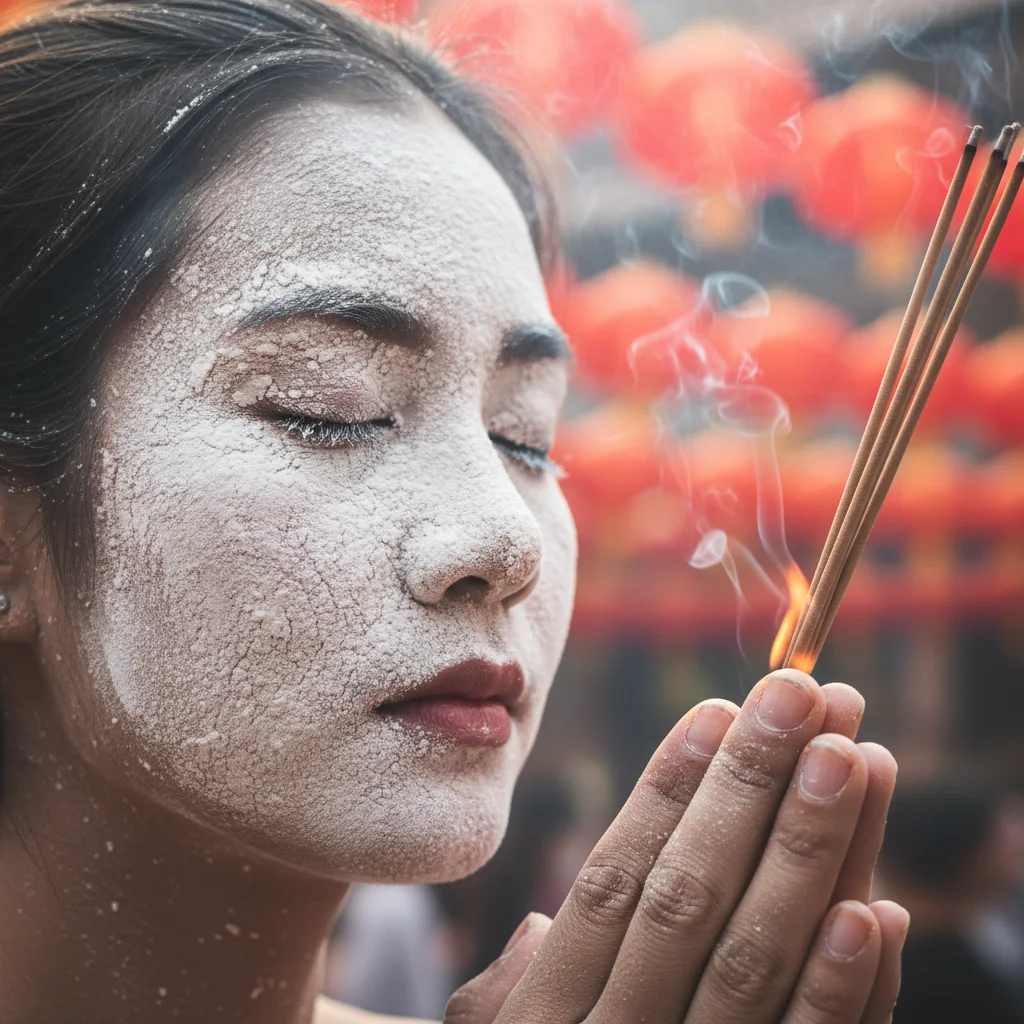
There are four crucial factors you must understand before committing to this trip. First, the self-mortification displays are highly graphic and occur without warning during public morning processions. This means you will see people with large objects through their cheeks, which can be distressing for unprepared onlookers. Second, the noise level from firecrackers is continuous, intense, and loud enough to cause physical discomfort. You must bring high-quality earplugs and protective eyewear to guard against flying sparks and constant explosions. Third, finding a taxi on parade mornings is exceptionally difficult due to widespread road closures across Phuket Town. You should stay in the town centre to ensure you can walk to key events without relying on vehicles. Finally, all visitors are expected to follow the strict ten purity rules, including wearing white clothing and abstaining from alcohol. Keeping to these codes shows respect to the local community hosting this sacred event.
Practical Tips for Your Festival Visit
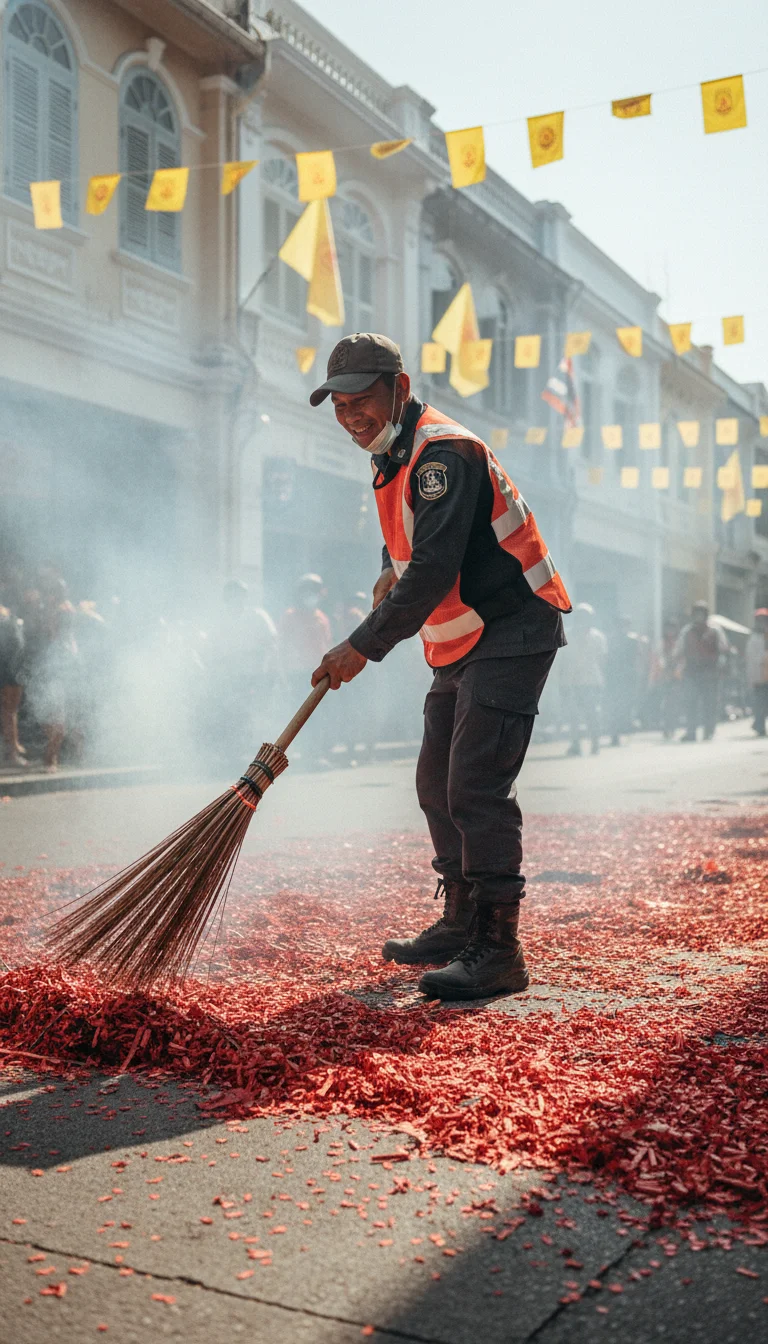
Follow these essential steps to ensure a safe and respectful experience.
Buy Your White Clothing Early
Purchase your white shirts and trousers from local markets on the first day of your arrival. This ensures you find the correct size before the stalls sell out to the thousands of arriving worshippers.
Wear Protective Eyewear and Earplugs
Pack wrap-around sunglasses and high-quality earplugs before leaving your hotel room each morning. These protect your eyes from flying firecracker debris and shield your hearing from deafening explosions.
Carry a Damp Face Mask
Keep a lightweight cotton face mask or bandana soaked in water in your pocket. You will need this to breathe comfortably through the thick sulfurous smoke clouds that fill Ranong Road.
Book Accommodation in Old Town
Secure a hotel room within a ten-minute walk of Jui Tui Shrine at least three months in advance. This allows you to witness the early morning rituals without facing gridlocked traffic or closed roads.
Observe the Processions from the Pavement
Stand back on the elevated pavements rather than stepping into the middle of the street during the parades. This keeps the path clear for the Ma Song mediums and prevents accidental collisions with heavy shrine palanquins.
Carry Small Cash Notes
Keep plenty of 20 THB and 50 THB paper notes in a waterproof pouch. Street food vendors cannot easily change large 1,000 THB notes when serving hundreds of customers during busy hours.
Ask Permission Before Close-Up Photos
Use a zoom lens or ask for a nod of consent before taking close-up portraits of the mediums. Respecting their trance state ensures you do not disrupt their spiritual focus or cause accidental injury.
Phuket Vegetarian Festival Reference Guide
| Item | Detail | Notes |
|---|---|---|
| Event Name | Phuket Vegetarian Festival (Nine Emperor Gods Festival) | Annual nine-day Taoist celebration |
| Location | Phuket Town, Phuket, Thailand | Major hubs along Ranong Road and Jui Tui Shrine |
| Event Type | Cultural Festival and Religious Event | Deeply spiritual Taoist tradition |
| Dates | Ninth Chinese lunar month (usually October) | Dates vary annually based on the lunar calendar |
| Main Shrines | Jui Tui, Bang Neow, Kathu, Sui Boon Tong | Over 40 Chinese shrines participate across the island |
| Admission Cost | Free of charge | Public processions and shrine access are open to all |
| Recommended Dress Code | All-white clothing | Denotes purity; available cheaply at local stalls |
| Food Served | Strict "Jay" vegan food | No animal products, dairy, garlic, onions, or chives |
| Nearest Airport | Phuket International Airport (HKT) | Approximately 32 km north of Phuket Town |
| Key Hazards | Loud firecrackers, heavy smoke, graphic piercings | Earplugs and eye protection are highly recommended |