Phuket Island
Phuket Island is so massive that it is connected to the Thai mainland by the 660-metre Sarasin Bridge rather than relying on ferry access. This expansive landmass plays host to the annual Vegetarian Festival, where devotees pierce their cheeks with swords and walking sticks in a spectacular display of spiritual devotion.
Phuket Island, measuring approximately 540 square kilometres, lies in the Andaman Sea off the southwest coast of Thailand. As the country's largest island, it serves as a primary international gateway, attracting millions of visitors annually with its diverse coastal topography and urban infrastructure. The island accommodates various travel styles, offering distinct micro-regions that range from party-centric coastal strips to quiet northern hideaways. It particularly suits families seeking convenient holiday resorts, digital nomads looking for developed infrastructure, and luxury travellers demanding high-end privacy.

Coastal Geography and Regional Character
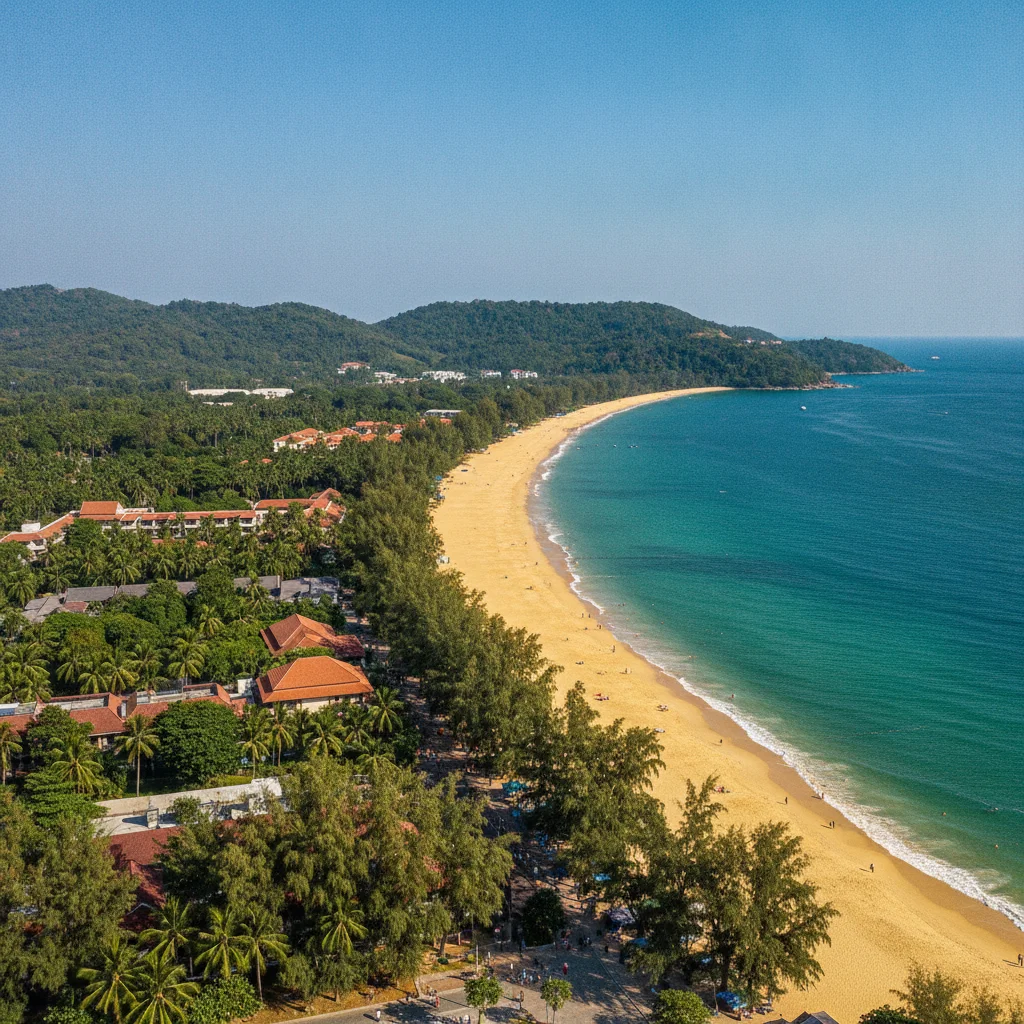
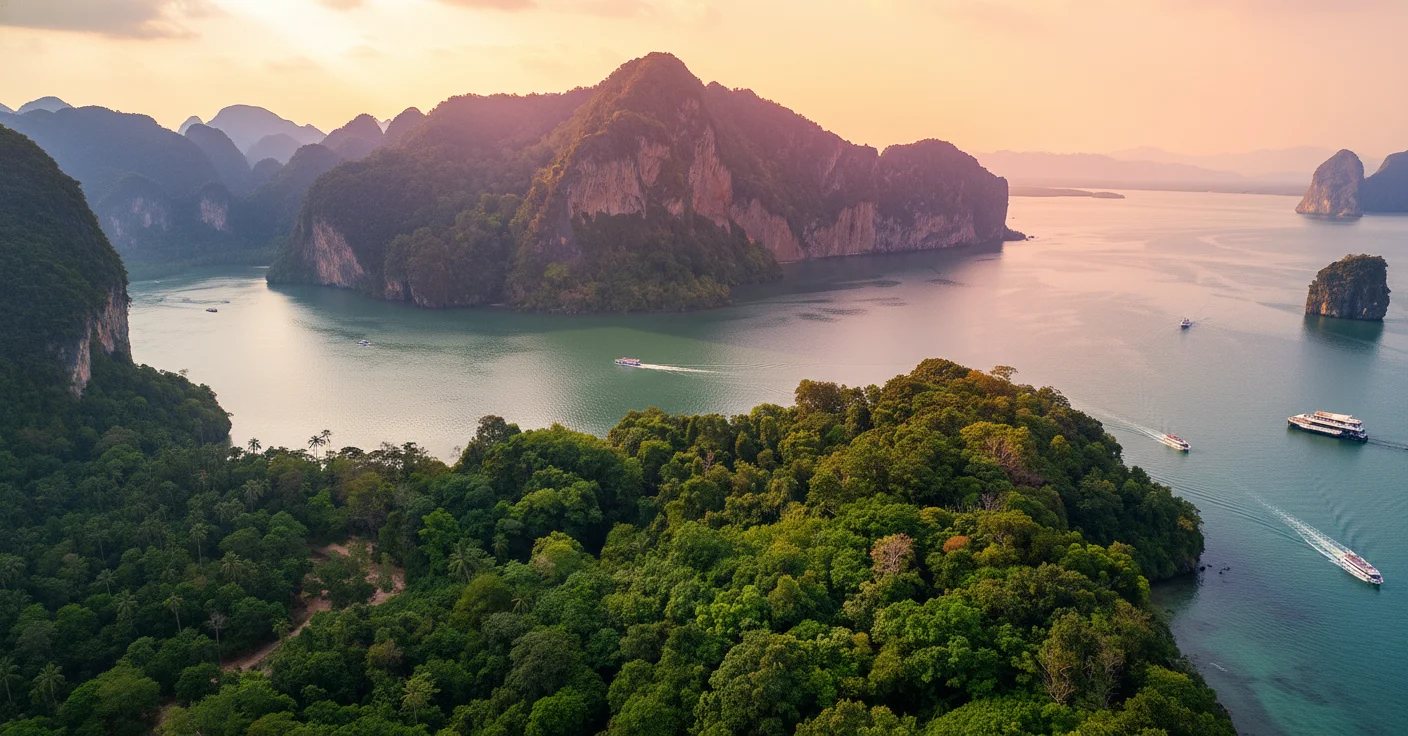
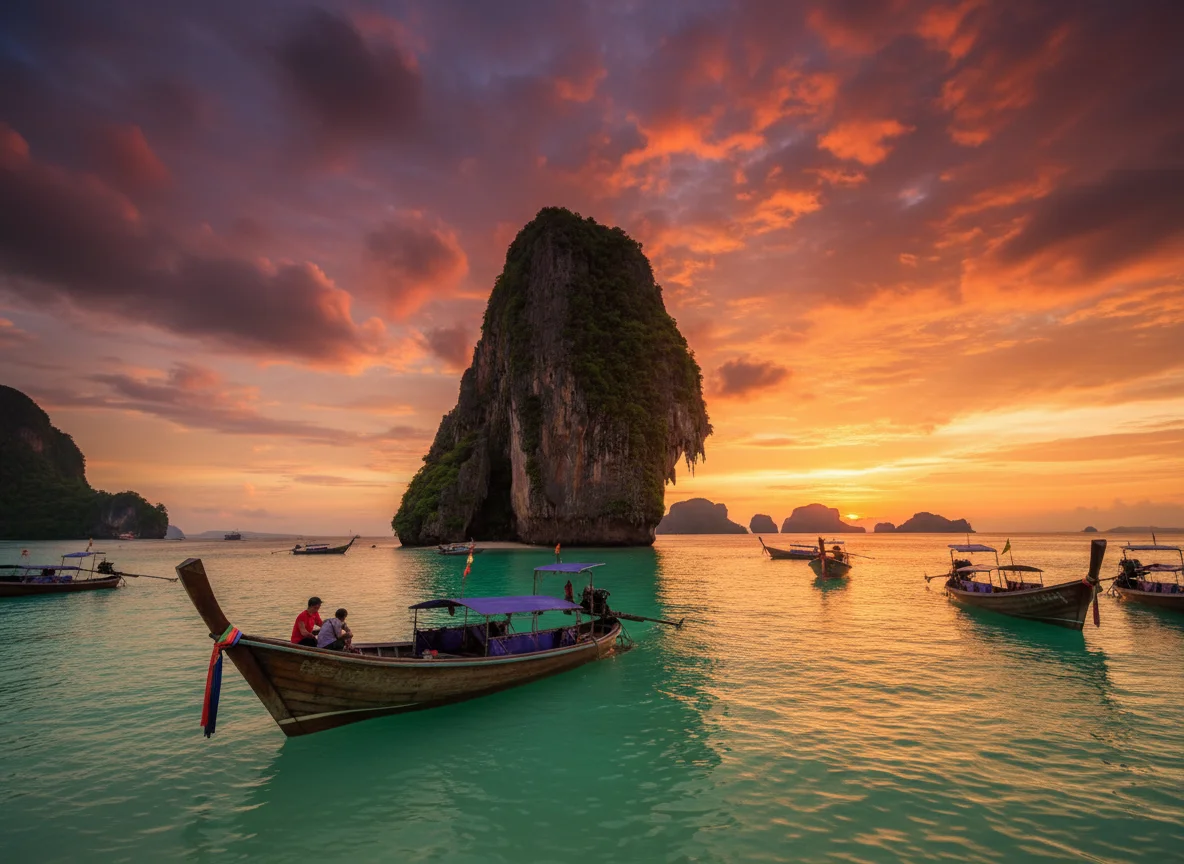
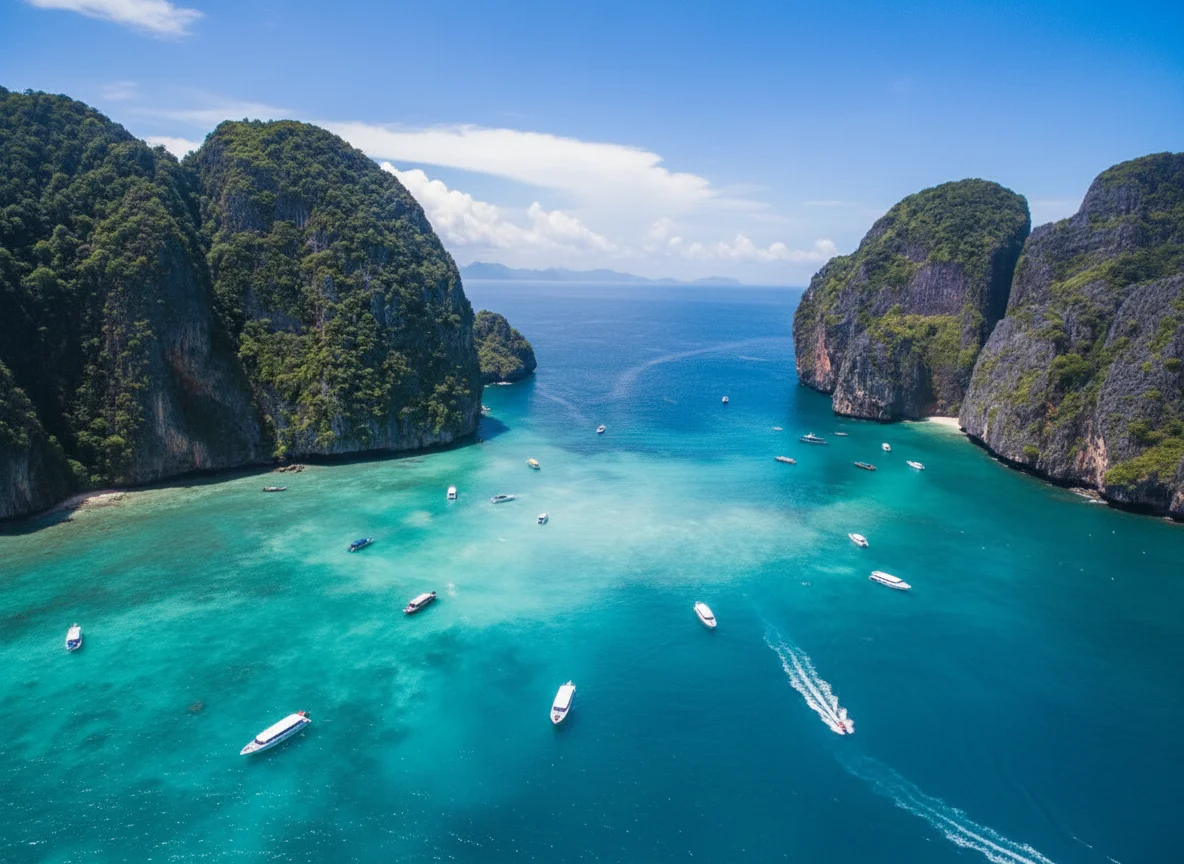
Phuket Island presents a highly fragmented geography where dramatic granite cliffs separate distinct coastal communities, each possessing its own social ecosystem. The western seaboard hosts the most famous sandy expanses, including the heavily developed resort zone of Patong, which sits 35 kilometres south-west of the airport. Further south lie the wide, family-oriented bays of Karon and Kata, which offer calmer atmospheres while retaining substantial commercial options. In stark contrast, the muddy east coast is characterised by mangrove forests, working piers like Ao Po, and the administrative hub of Phuket Town. Navigating between these regional pockets requires crossing the mountainous interior ridges via steep, winding roads like the Route 4029 highway. While the coastal strips cater heavily to international tourism, the interior remains dotted with rubber plantations and suburban residential developments. You will find that travel times between beaches can be surprisingly long, often taking 45 minutes by vehicle even for short distances of ten kilometres. This physical division means that your choice of base will dictate your daily budget, as taxis between bays are expensive. The island is also bordered by 32 smaller satellite islands, such as Koh Racha and Koh He, which help shield the eastern shores from the open swell of the Andaman Sea during the monsoon.
Discover Phuket City's historic Sino-Portuguese old town, rich Baba-Nyonya culinary heritage, and practical travel tips for your UK holiday.
Study the island's geography before booking your stay, as choosing the wrong west-coast bay can dramatically alter your daily transport costs and overall experience.
Major Resort Beaches of the West Coast
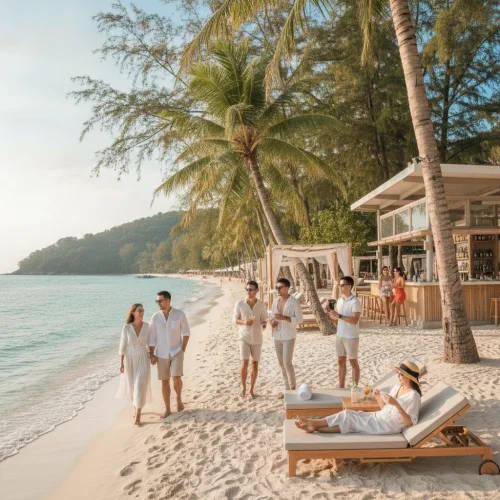
The sandy western fringe of the island is divided into distinct beach communities that cater to entirely different demographics and lifestyle preferences. Patong Beach serves as the energetic epicentre of mass tourism, dominated by the nightlife of Bangla Road and a four-kilometre crescent of sand packed with jet-skis and sun loungers. If you head five kilometres south over the headland, Karon Beach offers a much wider, less crowded shoreline famed for its squeaking sand, which is caused by high silica content. Further south still, Kata Beach is split into Kata Yai, a premier spot for families and beginner surfers, and the quieter Kata Noi, which is dominated by luxury resorts. In the northern half of the island, Kamala Beach provides a more laid-back coastal experience popular with retirees, while Bang Tao Beach features the sprawling Laguna complex, a self-contained enclave of high-end hotels and golf courses. These northern beaches feature much quieter coastal strips where the development is set back behind local pine trees rather than built directly onto the sand. Further north near the airport, Mai Khao Beach offers eleven kilometres of virtually empty sand where you can walk for hours without encountering large tour groups.
Choose the northern beaches for a peaceful retreat or the southern bays if you prefer having dozens of restaurants and convenience stores within walking distance.
Prominent Landmarks and Cultural Monolithic Sites
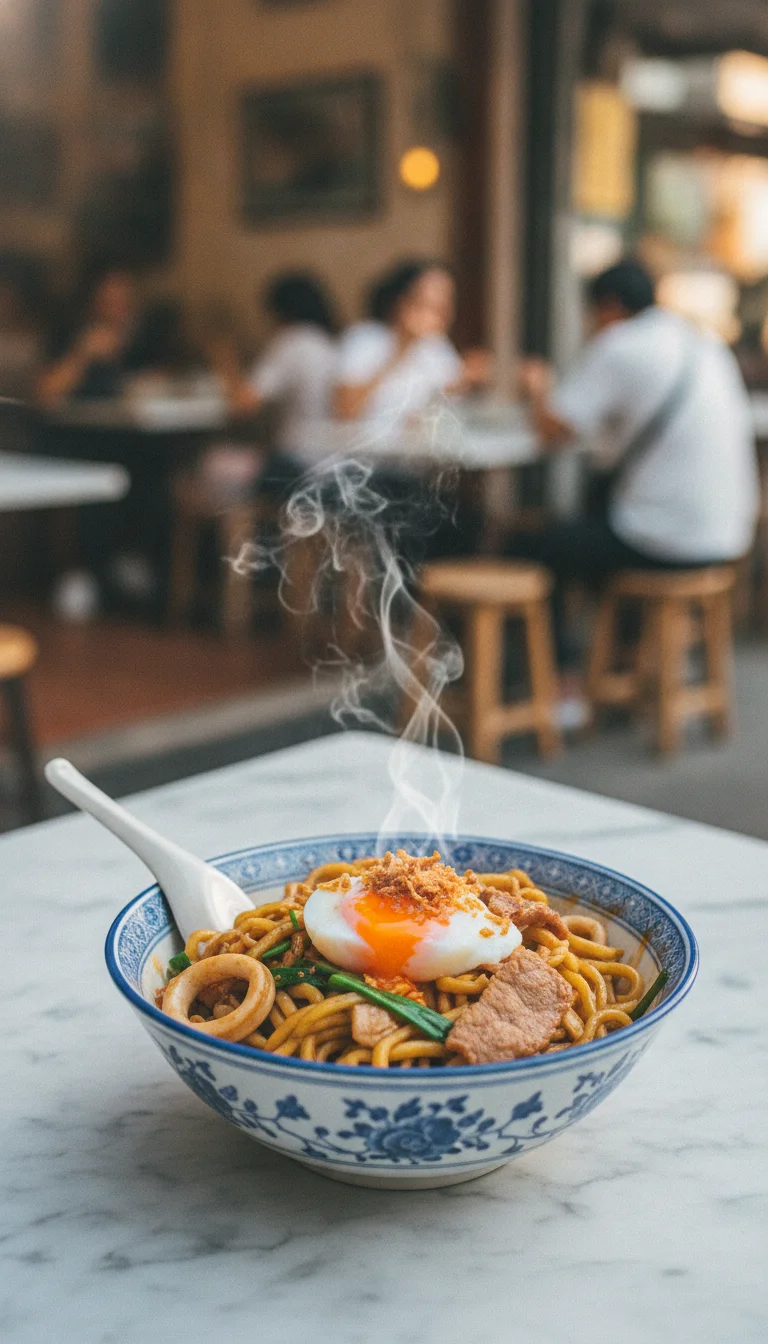
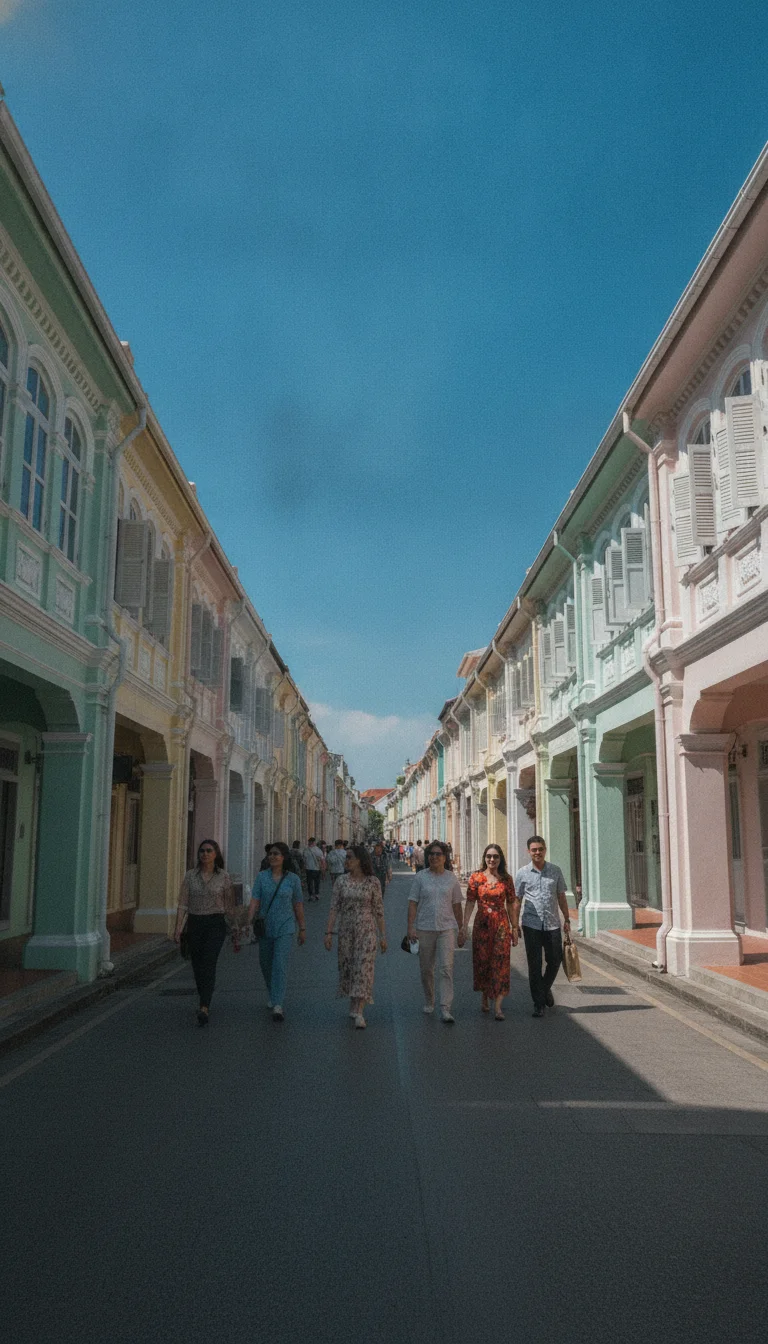
The cultural identity of the island is anchored by monumental religious sites and panoramic coastal viewpoints that reflect its deep Theravada Buddhist heritage and maritime history. The most visible landmark is the Big Buddha, a 45-metre-tall white marble statue situated atop Nakkerd Hill near Chalong, which cost over 30 million THB (£681,800) to construct from public donations. Visitors can access this site for free daily between 06:00 and 18:30, though appropriate dress covering shoulders and knees is strictly enforced. Down on the southern tip, Promthep Cape offers the island's most famous sunset vantage point, situated 30 kilometres south of Phuket Town. Here, crowds gather on the rocky headland to watch the sun drop behind Koh Kaeo Noi island. For historical architecture, the Old Phuket Town conservation zone along Thalang Road displays beautifully preserved Sino-Portuguese shophouses dating back to the 19th-century tin mining boom. These structures house heritage museums like the Peranakanitat Museum, costing 200 THB (£4.55) for entry. Wat Chalong, the largest temple complex, features an ornate three-storey pagoda housing a splinter of bone from Lord Buddha, attracting thousands of local devotees daily.
Arrive at the Big Buddha by 08:00 to avoid the mid-day heat and the heavy tour buses that clog the narrow winding access road.
Gastronomy and the Coastal Food Scene
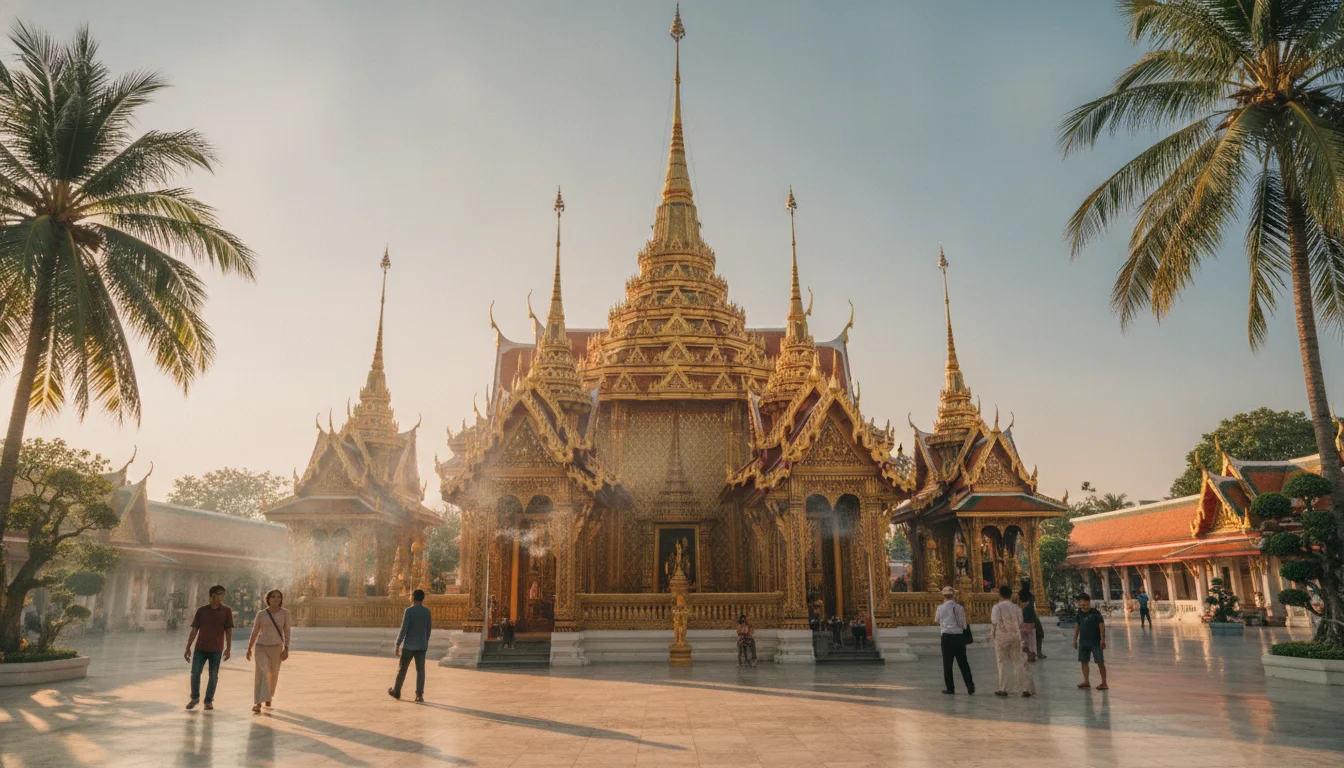
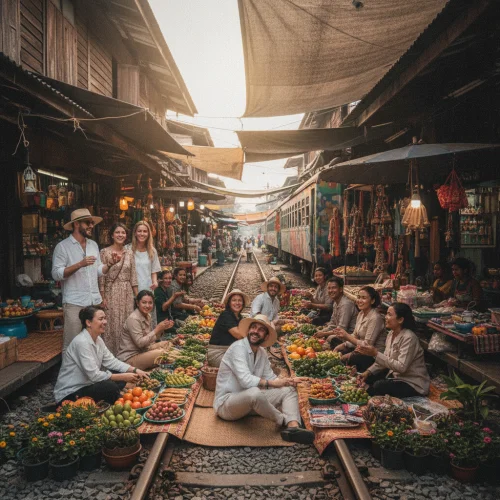
Phuket's culinary landscape is a highly distinct fusion of southern Thai spices, Hokkien Chinese heritage, and coastal seafood traditions. The signature local dish is Hokkien noodles, which you can sample at the legendary Mee Ton Poe restaurant near the Surin Clock Tower in Phuket Town for 60 to 90 THB (£1.36 to £2.05) per bowl. Southern massaman curry is another staple, characterized by its deep cardamom and cinnamon notes, often served with local roti flatbread at places like Aroon Poojana on Thalang Road. For fresh marine produce, head to the Rawai Beach Sea Gypsies Fish Market on the southern coast. Here, you purchase live fish, tiger prawns, or mud crabs directly from the fishermen's stalls and take them across the road to local restaurants like Khun Pha, which will cook them to your liking for roughly 100 THB (£2.27) per kilogram. The island also features high-end dining, including Michelin-starred venues like PRU at the Trisara resort, where multi-course tasting menus start at 6,500 THB (£147.72) per person. Do not miss trying moo hong, a sweet stewed pork belly dish flavored with black pepper and garlic, which is a staple of local Baba-Nyonya home cooking in the old quarter's cafes.
Visit the Rawai seafood market around 16:00 when the fishing boats land their fresh catches, ensuring you get the best selection before the evening crowds arrive.
Accommodation Options from Coast to Town
The island's accommodation market is highly stratified, offering options that cater to distinct budget brackets and travel styles across its various districts. In Phuket Town, budget travellers will find exceptional value in restored heritage guesthouses and clean hostels, with beds starting at 400 THB (£9.09) per night. Mid-range visitors, particularly families, tend to gravitate toward Kata and Karon beaches, where large resort properties like the Katathani Phuket Beach Resort offer multiple swimming pools and direct beach access for 3,500 to 7,000 THB (£79.54 to £159.09) per night. For ultra-luxury seekers, the exclusive headlands of Layan, Bang Tao, and Kamala host legendary sanctuaries like Amanpuri and Trisara. These high-end properties offer private pool villas, secluded beaches, and dedicated butler service, with nightly rates frequently exceeding 35,000 THB (£795.45) during the peak dry season. If you prefer a more bohemian atmosphere, Rawai in the south features numerous boutique pool villas popular with long-term digital nomads. Many of these modern villas can be leased on a monthly basis starting at 45,000 THB (£1,022.73), which includes high-speed Wi-Fi and pool maintenance.
Booking accommodation at least four months in advance is essential if you plan to visit during the peak season of December and January, when rates double.
Coastal Marine Activities and Excursions
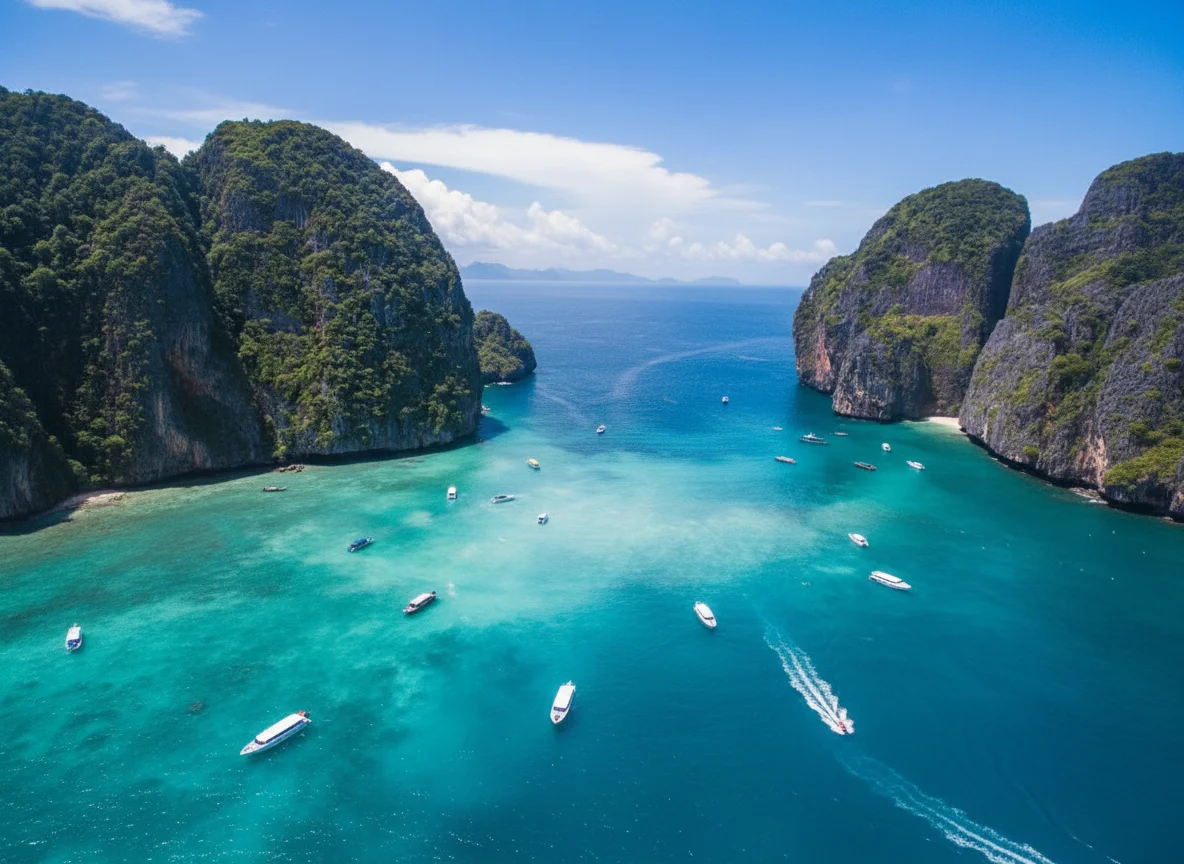
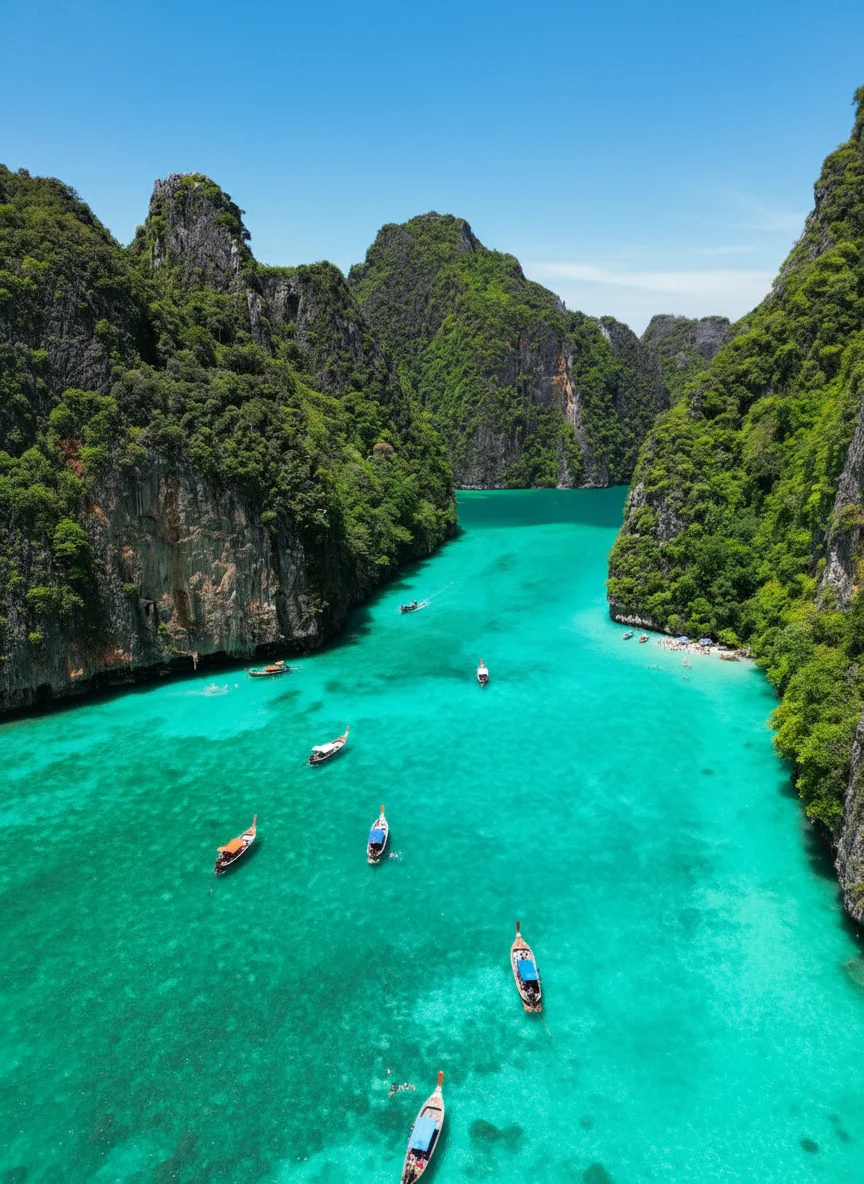
Phuket serves as the primary maritime launchpad for exploring the dramatic limestone karsts and islands of the Phang Nga Bay and the wider Andaman Sea. Daily speedboats depart from Royal Phuket Marina and Bang Rong Pier, carrying visitors to the iconic Phi Phi Islands or the steep cliffs of James Bond Island for roughly 1,500 to 3,500 THB (£34.09 to £79.54) per person. For those wishing to remain on the main island, surf schools operate on Kata Beach from May to October, offering lessons for approximately 800 THB (£18.18) per hour. Scuba diving is also highly popular, with day trips departing from Chalong Pier to top-tier sites like Racha Yai and the King Cruiser Wreck, costing around 3,800 THB (£86.36) for a two-dive package including equipment. If you prefer land-based activities, hiking trails lead to viewpoints like Black Rock or the steep path up to Karon Viewpoint, which displays the famous three-bay sweep. You can also explore the protected rainforest at Khao Phra Thaeo National Park in the north-east, where entry costs 200 THB (£4.55).
Choose licensed tour operators that depart before 07:30 to experience popular offshore spots like Maya Bay before the mass-tourism day-tripper boats arrive.
Phuket Activity and Experience Comparison
| Activity | Typical Cost (THB) | Best Location / Provider | Key Notes |
|---|---|---|---|
| Phi Phi Islands Day Trip | 1,800 - 3,500 THB (£41 - £80) | Departures from Rassada or Royal Phuket Marina | Includes speed boat, lunch, and snorkelling gear |
| Surf Lesson | 800 - 1,000 THB (£18 - £23) | Kata Beach surf schools | Best during the May to October monsoon wave season |
| Scuba Diving (2 Dives) | 3,800 - 4,500 THB (£86 - £102) | Departures from Chalong Pier | Includes boat, equipment, and lunch; certification required |
| Peranakan Museum Entry | 200 THB (£4.55) | Thalang Road, Old Phuket Town | Historic building displaying local tin-mining culture |
Getting There and Getting Around
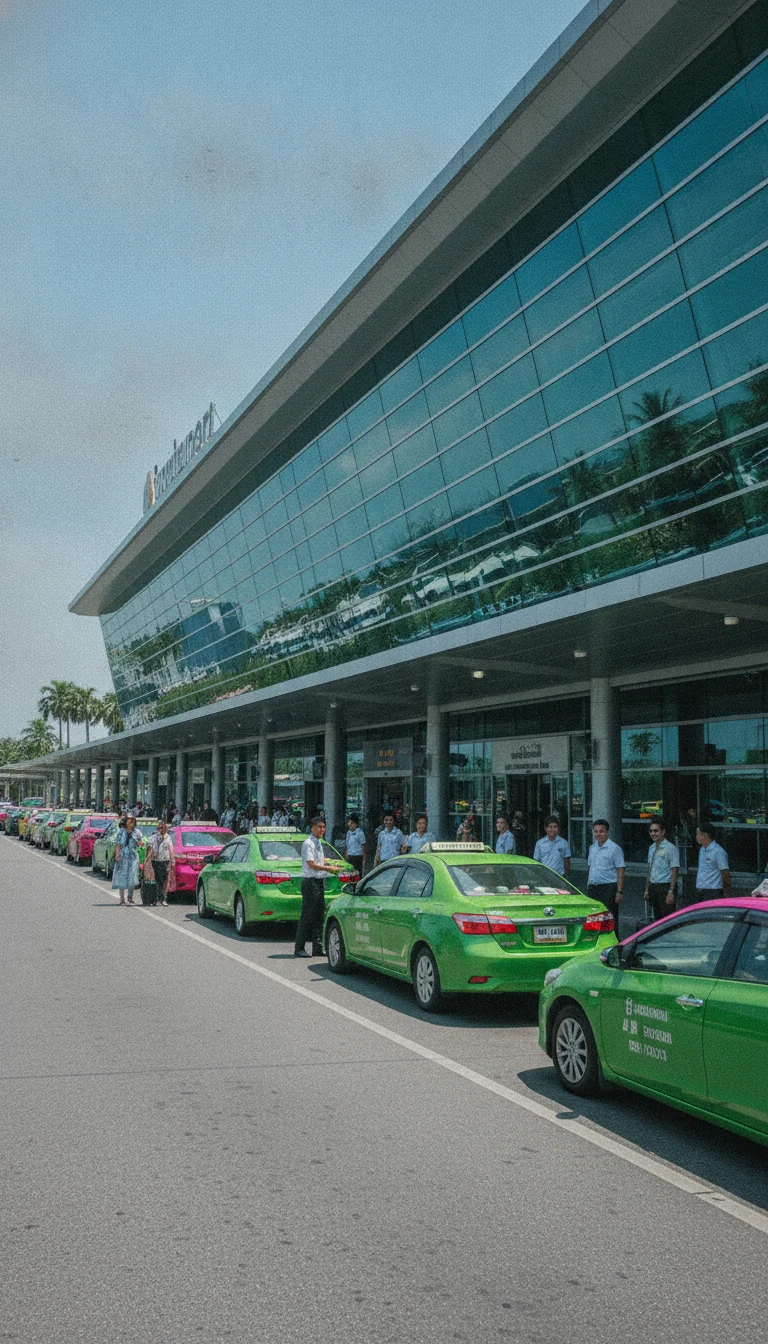
Reaching Phuket from Bangkok is straightforward, with domestic flights departing from both Suvarnabhumi (BKK) and Don Mueang (DMK) airports. Airlines like Thai Vietjet and AirAsia operate hourly flights to Phuket International Airport (HKT), taking 1 hour and 20 minutes, with one-way prices starting around 1,200 THB (£27.27). Alternatively, overnight air-conditioned buses depart from Bangkok's Southern Bus Terminal, taking 12 hours and costing approximately 700 to 1,000 THB (£15.91 to £22.73). Once on the island, the Phuket Smart Bus is a highly economical option, running hourly from the airport down the west coast to Rawai for a flat fare of 100 THB (£2.27). For short trips between beaches, local open-air songthaew buses cost 40 to 50 THB (£0.91 to £1.14), while private tuk-tuks are notoriously expensive, often charging a minimum of 200 THB (£4.55) even for a five-minute journey. Ride-hailing apps like Grab and Bolt are widely available and offer transparent pricing.
Costs and Budgeting
Phuket is widely regarded as one of Thailand's most expensive destinations, primarily driven by inflated transport costs and premium beachside real estate. A budget traveller can survive on 1,200 to 1,800 THB (£27.27 to £40.91) per day by staying in hostels, eating at local food courts, and using the Phuket Smart Bus. A mid-range traveller should budget between 3,000 and 6,000 THB (£68.18 to £136.36) per day, allowing for a comfortable three-star hotel, regular sit-down meals, and occasional ride-hailing trips. High-end visitors spending on luxury pool villas, fine dining, and private yacht charters can easily exceed 15,000 THB (£340.91) daily. Despite the premium prices, Phuket still offers excellent value compared to European beach resorts, especially when it comes to high-quality dining and luxury accommodation.
Phuket Daily Budget Estimates
| Item | Budget (THB) | Mid-Range (THB) | Notes |
|---|---|---|---|
| Double Room (Night) | 500 - 800 THB (£11.36 - £18.18) | 1,500 - 3,500 THB (£34.09 - £79.54) | Budget is hostel/guesthouse; mid-range is beach resort hotel |
| Street Food Meal | 50 - 80 THB (£1.14 - £1.82) | 150 - 300 THB (£3.41 - £6.82) | Mid-range includes local seafood or casual western options |
| Large Chang Beer | 80 - 100 THB (£1.82 - £2.27) | 120 - 180 THB (£2.73 - £4.09) | Prices vary significantly between local shops and beach clubs |
| Scooter Rental (Day) | 250 - 300 THB (£5.68 - £6.82) | 400 - 600 THB (£9.09 - £13.64) | Larger bikes (like Honda PCX 150) cost more; deposit required |
| Airport Taxi (One-Way) | 100 THB (£2.27) via Smart Bus | 800 - 1,000 THB (£18.18 - £22.73) | Private taxi rates depend on beach destination distance |
Who It Suits
Phuket is ideal for families who require reliable infrastructure, western amenities, and safe swimming beaches with active lifeguard patrols. It is also highly suited to luxury travellers seeking premier private villas and digital nomads who value high-speed internet and coworking spaces in Rawai or Phuket Town. However, it is not the right choice for backpackers seeking raw, untouched landscapes or travellers looking for a low-cost, sleepy island experience. Those seeking complete isolation will find the western beaches far too commercialised and busy.
What to Know Before You Go

Be aware of the notorious "tuk-tuk mafia" that controls the island's private transport cartel. This informal network keeps local taxi and tuk-tuk rates artificially high, meaning even short beach-to-beach trips can cost more than a meal. Always carry an International Driving Permit (IDP) alongside your UK driving licence if you plan to rent a scooter. Local police set up daily roadblocks at major intersections like the Chalong Circle to fine tourists who lack the correct paperwork. Understand the beach safety flag system, especially during the monsoon season from May to October. Strong rip currents along the west coast cause multiple drownings annually when tourists ignore red warning flags. Plan your visit around the Vegetarian Festival in October if you want to witness extreme local culture. This event features intense spiritual rituals and street processions that completely transform the atmosphere of Phuket Town.
Practical Tips
Download the Bolt and Grab apps before arriving at Phuket International Airport.
These apps provide transparent fare estimates that help you avoid paying highly inflated rates demanded by airport taxi stands.
Purchase a Rabbit Card if you plan to use the Phuket Smart Bus frequently.
This reloadable card streamlines payment and offers discounted fares on the coastal transit route.
Rent scooters only from reputable agencies that do not require leaving your passport as collateral.
Some unscrupulous operators use minor pre-existing scratches to extort massive damage fees when you return the vehicle.
Wear modest clothing that covers your shoulders and knees when visiting Wat Chalong.
This is the island's most sacred Buddhist temple, and entering with beachwear is considered highly disrespectful.
Avoid swimming at Patong Beach directly after heavy tropical downpours.
The urban drainage systems often overflow directly into the bay, temporarily reducing coastal water quality.
Visit the Sunday Walking Street Market on Thalang Road after 17:00.
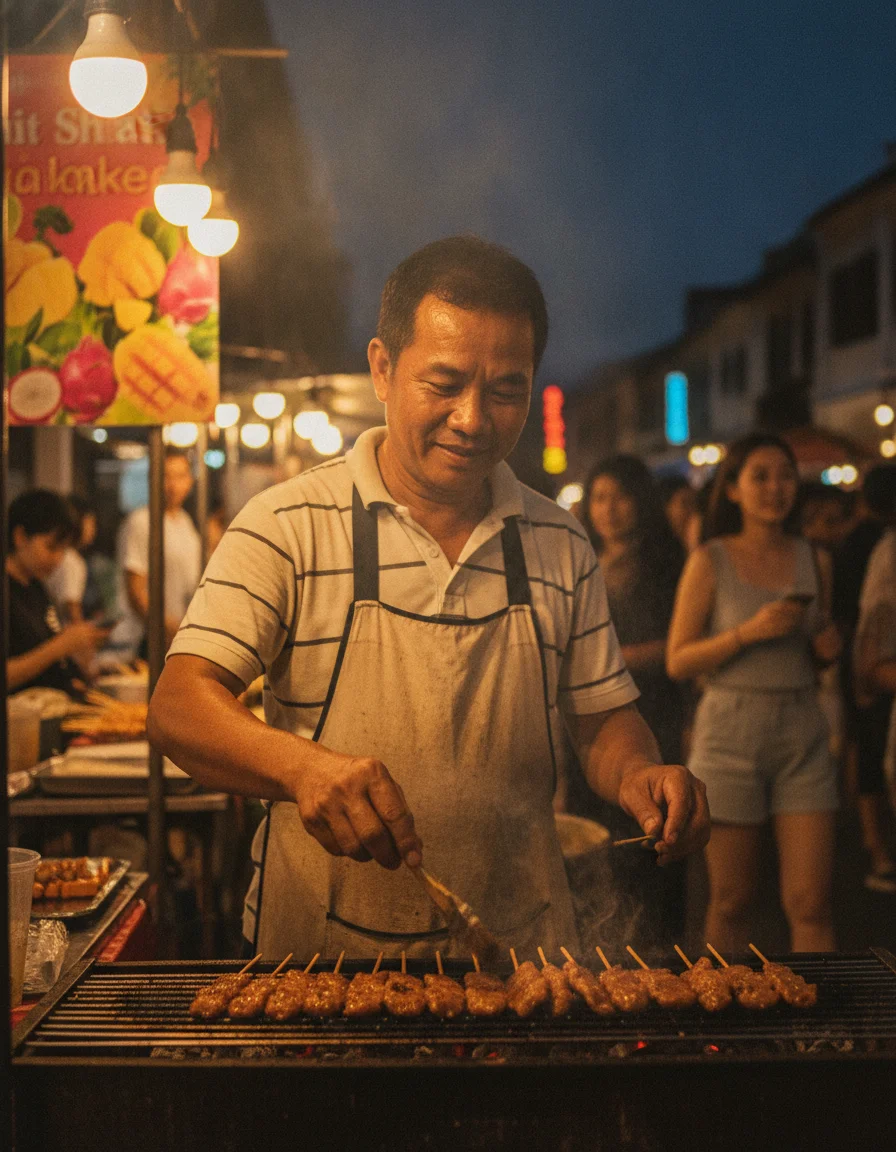
This weekly event offers the best opportunity to sample authentic southern Thai street snacks at reasonable local prices.
Carry cash in small denominations when dining at beachside seafood stalls.
Many of the traditional vendors do not accept credit cards, and getting change for 1,000 THB notes can be difficult.
Plan ahead to ensure you do not get caught short of cash during regional holidays.
Banks and exchange booths in the smaller northern villages often close or run out of physical currency during major national festivals.
Phuket Island Quick Reference Guide
| Item | Detail | Notes |
|---|---|---|
| Location Name | Phuket Island | Thailand's largest island, located in the Andaman Sea |
| Province | Phuket | An independent island province consisting of the main island and 32 smaller islets |
| Region | Southern Thailand | Known for its distinct culinary traditions and maritime culture |
| Nearest Major City | Phuket Town | Located on the south-east coast, serving as the cultural and administrative hub |
| Nearest Airport | Phuket International Airport (HKT) | Located in the north of the island, serving both domestic and long-haul flights |
| Distance from Bangkok | Approximately 840 kilometres | Easily reachable via a 1-hour and 20-minute domestic flight |
| Typical Visit Duration | 5 to 10 days | Allows ample time to explore different beaches, historic towns, and offshore islands |
| Best Time to Visit | November to April | The dry northeast monsoon season brings calm seas and clear sunny weather |
| Average Daily Budget | 2,500 THB (£56.82) | Highly variable depending on whether you choose budget or luxury districts |
| Primary Transport | Scooters, ride-hailing apps, and the Smart Bus | Public transport is limited compared to Bangkok, making app-based taxis popular |
| Notable Landmarks | Big Buddha, Wat Chalong, Promthep Cape | These locations offer a mix of religious significance and panoramic views |