Big Blue Diving - Koh Tao
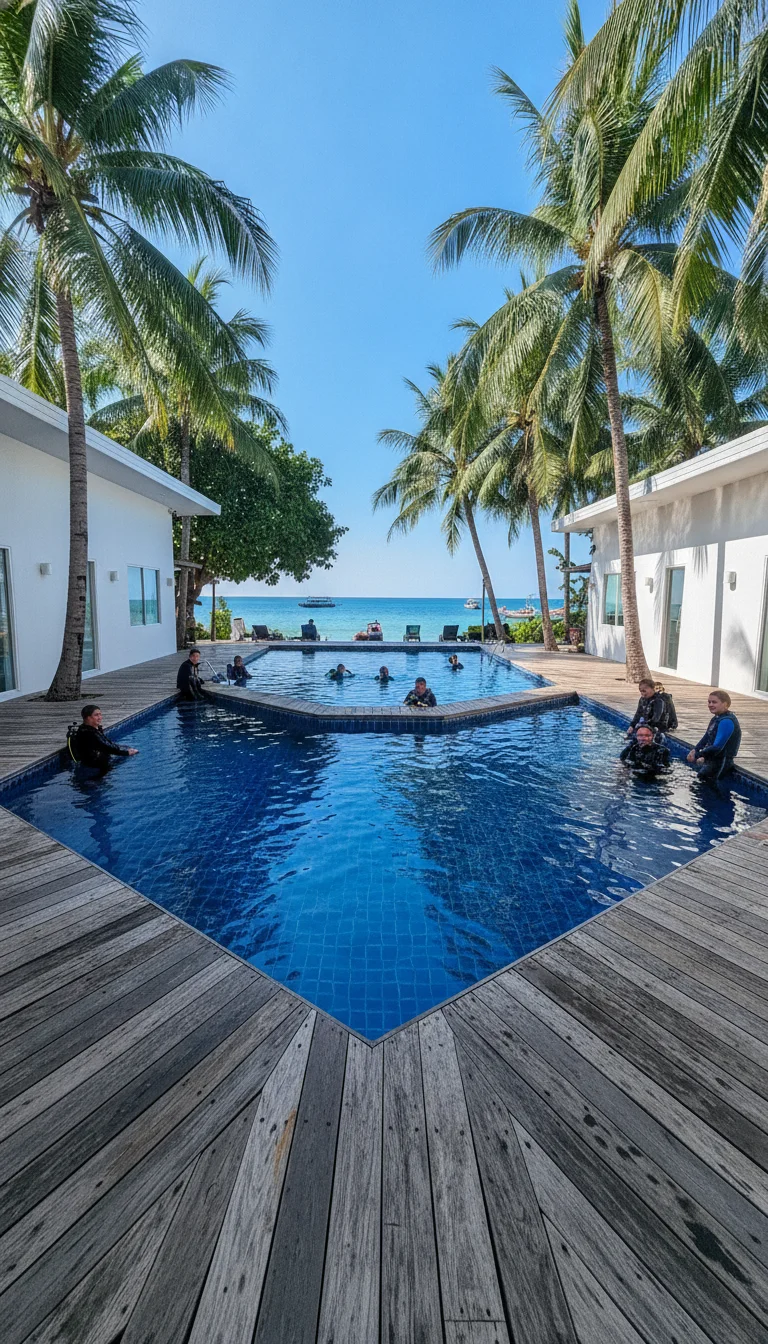
Big Blue Diving School operates as one of Koh Tao’s most established maritime institutions, featuring a purpose-built 4-metre deep training pool directly overlooking the Gulf of Thailand. You can progress from a complete novice to a professional Divemaster while staying on-site at their expansive Sairee Beach campus.
Founded in 1991, Big Blue Diving has evolved into a comprehensive marine academy and resort that dominates the northern end of Sairee Beach. The operation caters to a diverse international demographic, ranging from budget-conscious backpackers in shared dormitories to holidaymakers in private air-conditioned bungalows. It functions as both a high-volume SSI Diamond Instructor Training Centre and a PADI Five Star resort, providing a structured yet social environment. Whether you are seeking a four-day introductory course or a multi-month professional internship, the facility provides all necessary logistics, including a dedicated boat fleet and on-site dining. It sits comfortably between the massive "dive factories" and the smaller boutique shops, offering a professional but communal atmosphere.
Marine Training and Instructional Facilities
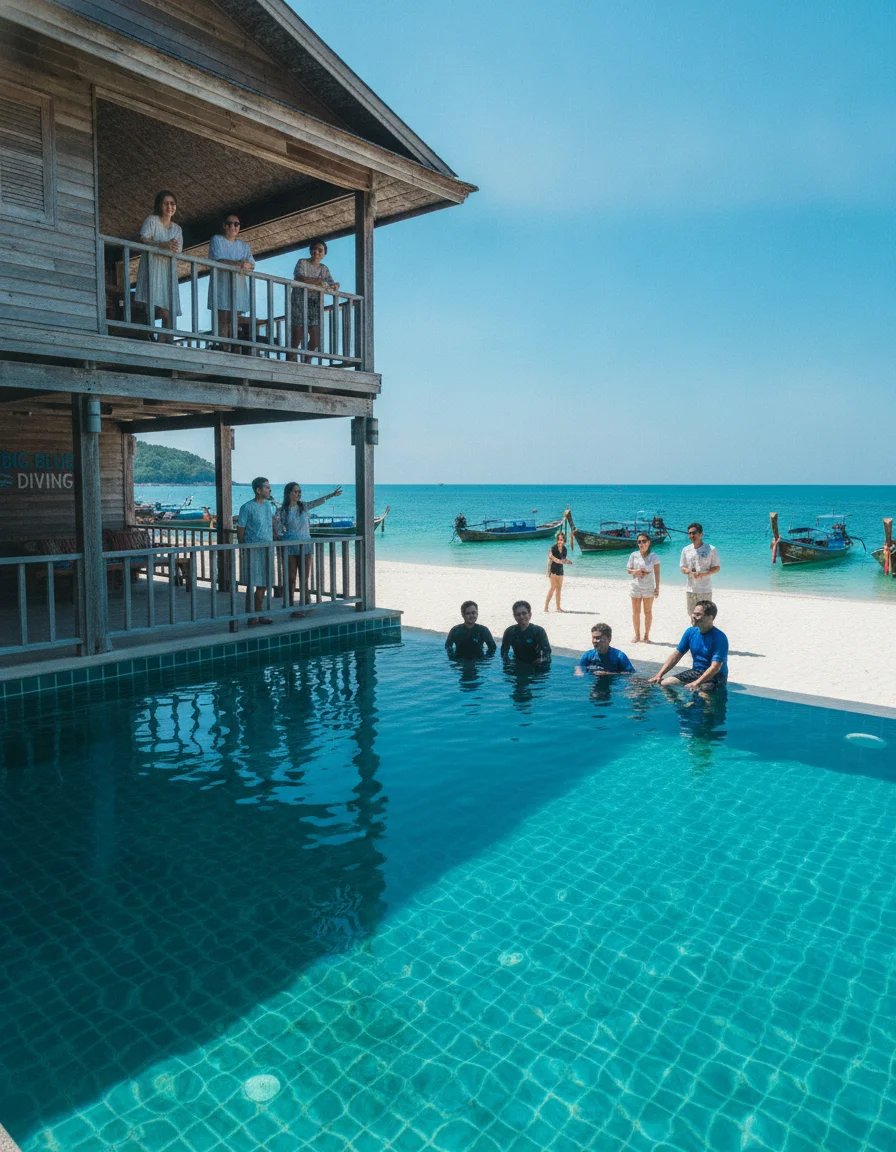
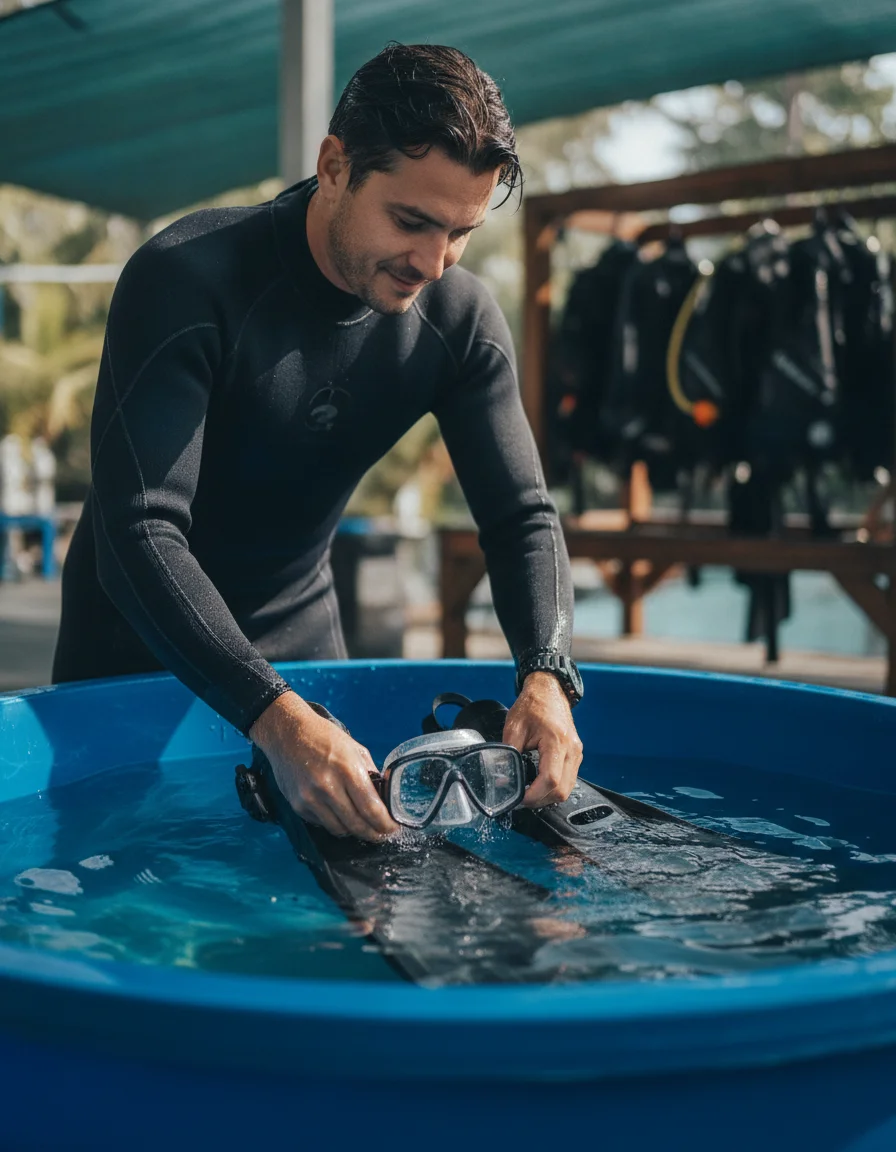
The facility centres around a dedicated deep-water training pool designed specifically for confined water skills sessions. Unlike many smaller schools that use shallow hotel pools or the ocean shore, this 4-metre deep tank allows you to master buoyancy and ear equalisation in a controlled environment before heading to the open sea. Surrounding the pool are several air-conditioned classrooms equipped with flat-screen monitors for theory presentations and exam sessions. The equipment room is organised with modern Scubapro and Aqualung regulators, BCDs, and a high-capacity compressor system that ensures clean air fills for every cylinder. You will find dedicated gear washing stations and secure storage lockers for personal equipment, which is a significant advantage for those bringing their own kit from the UK. The layout ensures that the transition from theory to pool to boat is efficient and physically manageable. The school also maintains a dedicated retail space where you can purchase masks, computers, and reef-safe sunscreen.
Plan your PADI course at Crystal Dive Koh Tao. Detailed info on training pools, HTMS Sattakut wreck dives, and IDC career paths for UK travellers.
Practical takeaway: Use the deep pool sessions to build confidence in your buoyancy before your first ocean descent.
Certification Pathways and Technical Specialities
The academic curriculum spans from the entry-level Open Water Diver programme to advanced technical shipwreck penetrations. For beginners, the four-day Open Water course is the primary draw, typically conducted in small groups to ensure personalised instructor attention. If you are already certified, the Advanced Adventurer course offers five different adventure dives, including deep diving and navigation. A standout feature of the curriculum is the Wreck Diver speciality, which utilises the HTMS Sattakut, a former US World War II landing ship tank sunk just off the coast of Koh Tao. This 48-metre long wreck sits at a depth of 30 metres and serves as a premier training ground for those interested in maritime history and technical diving. For those looking to change careers, the Divemaster and Instructor programmes are rigorous, involving months of practical application and marine conservation modules. The school also offers a distinct Marine Conservation programme, teaching divers about coral reef ecology and restoration.
Practical takeaway: Book the HTMS Sattakut speciality dive if you want to experience the premier shipwreck site in the Gulf of Thailand.
The Fleet and Diving Logistics
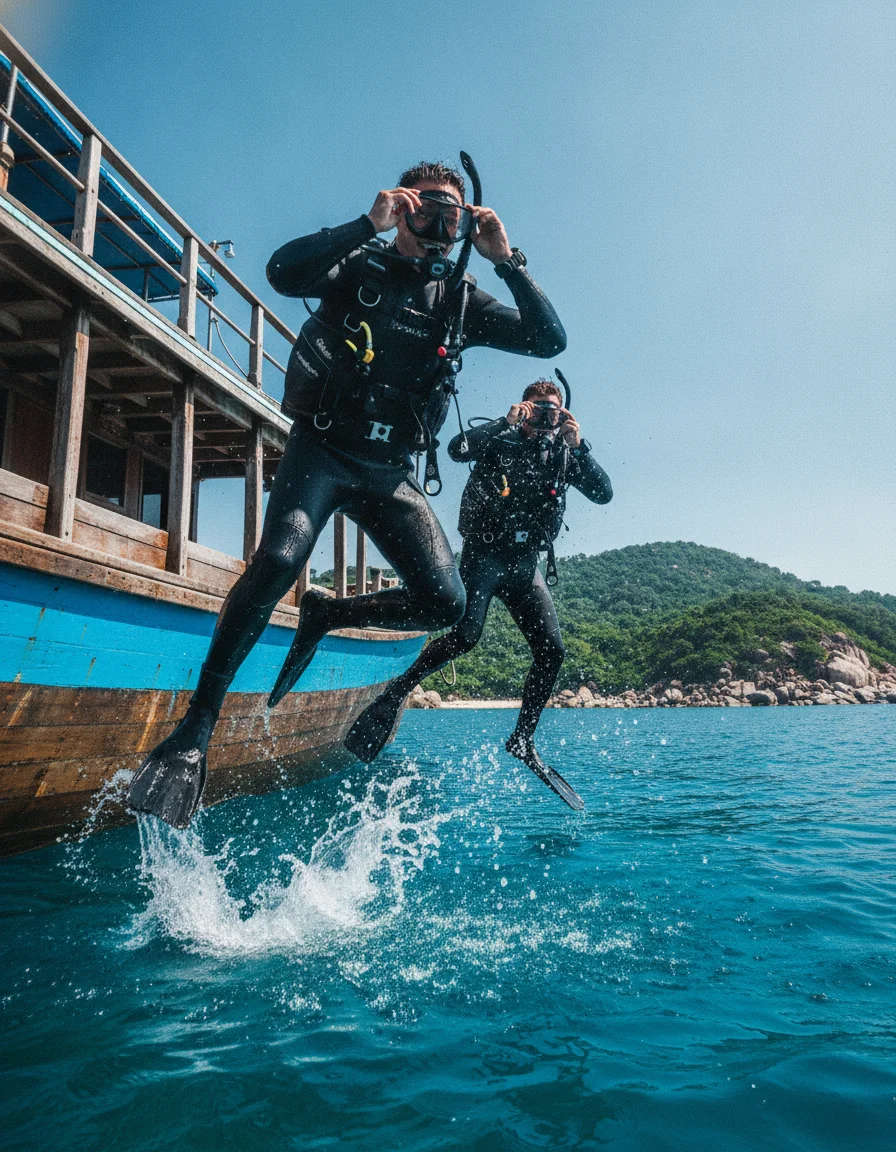
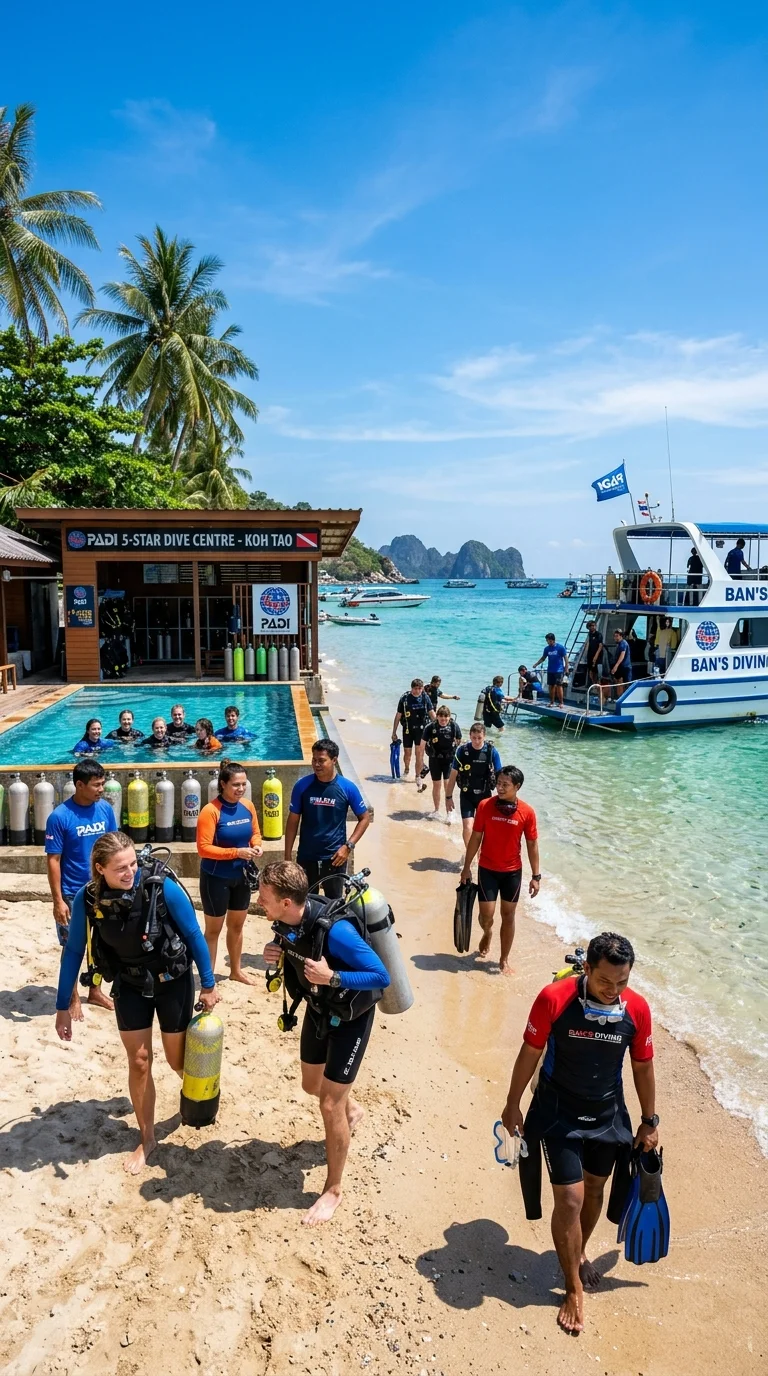
Big Blue operates three large, purpose-built dive vessels that depart directly from the pier or via a small transfer boat from the beachfront. These boats are significantly larger than the converted fishing vessels used by smaller shops, providing ample space for gear preparation, sun decks for surface intervals, and on-board refreshments. The vessels are equipped with oxygen kits, first aid supplies, and marine radios to meet international safety standards. Dives are scheduled twice daily, with morning trips usually targeting deeper sites like Chumphon Pinnacle or Southwest Pinnacle for experienced divers. Afternoon trips focus on shallower coral gardens like Mango Bay or Japanese Gardens, which are ideal for students and photographers. The logistics team manages all tank hauling and equipment loading, meaning you only need to focus on your dive briefing and buddy checks. Because the boats are spacious, they can accommodate larger groups during the peak winter months without feeling overcrowded.
Practical takeaway: Check the daily boat schedule on the whiteboard by the equipment room to see which dive sites are planned for the following day.
On-Site Accommodation and Lodging Options
The resort offers a tiered accommodation structure designed to house students of all budget levels within the same complex. For gap-year travellers and solo divers, the fan-cooled dormitories provide a clean, social environment with shared bathroom facilities and individual lockers. If you prefer more privacy and comfort, the air-conditioned bungalows located in the garden area feature private en-suite bathrooms, hot water showers, and small verandas. These units are built with traditional Thai architectural influences, using dark wood and tiled roofs that blend into the surrounding palms. For families or groups, the larger poolside rooms offer immediate access to the training area and a higher standard of furnishings. Staying on-site removes the need for morning commutes, as you are rarely more than a two-minute walk from the dive centre and the breakfast area. The proximity to the beach also means you can transition from your final dive of the day to your room in minutes.
Practical takeaway: Opt for an air-conditioned room if you are visiting during the humid months of April or May to ensure better rest between dive days.
The Big Blue Restaurant and Social Hub
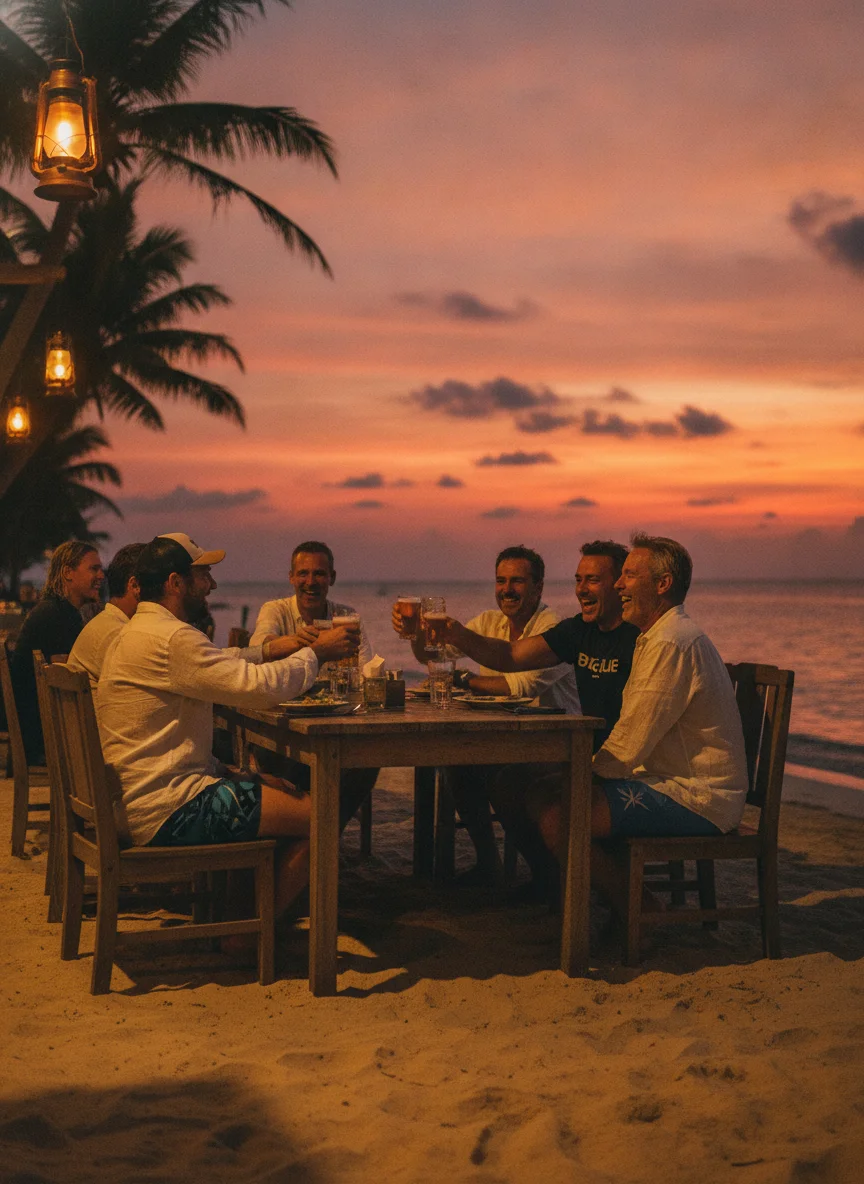
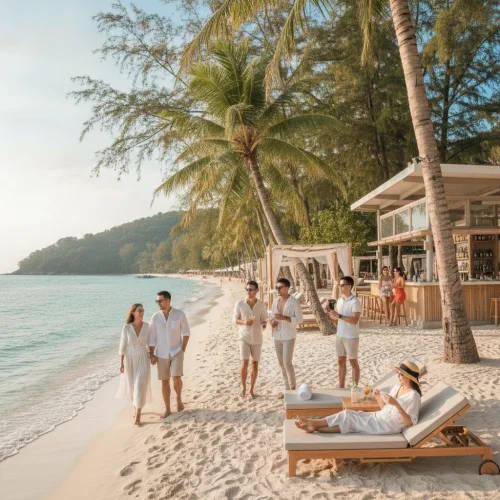
The beachfront restaurant and bar serve as the social heart of the school, where students and instructors congregate after the final boat returns. The menu is a mix of traditional Thai staples like Pad Krapow and international comfort foods such as wood-fired pizzas and burgers. Because the restaurant faces west, it is a primary spot for watching the sunset over the Gulf of Thailand with a cold beverage. The atmosphere is consistently social but professional, avoiding the chaotic party vibe found further south on Sairee Beach. You will often find "Logbook Happy Hour" sessions where instructors help students fill out their dive logs and identify the marine life seen during the day. This communal dining experience is a key reason why many UK visitors choose Big Blue over larger, more anonymous resorts like Bans Diving Resort. It fosters a community where you can easily find a buddy for your next dive or a group for dinner.
Practical takeaway: Try the daily Thai specials at the restaurant for an authentic and cost-effective post-dive meal.
Location and Arrival Instructions
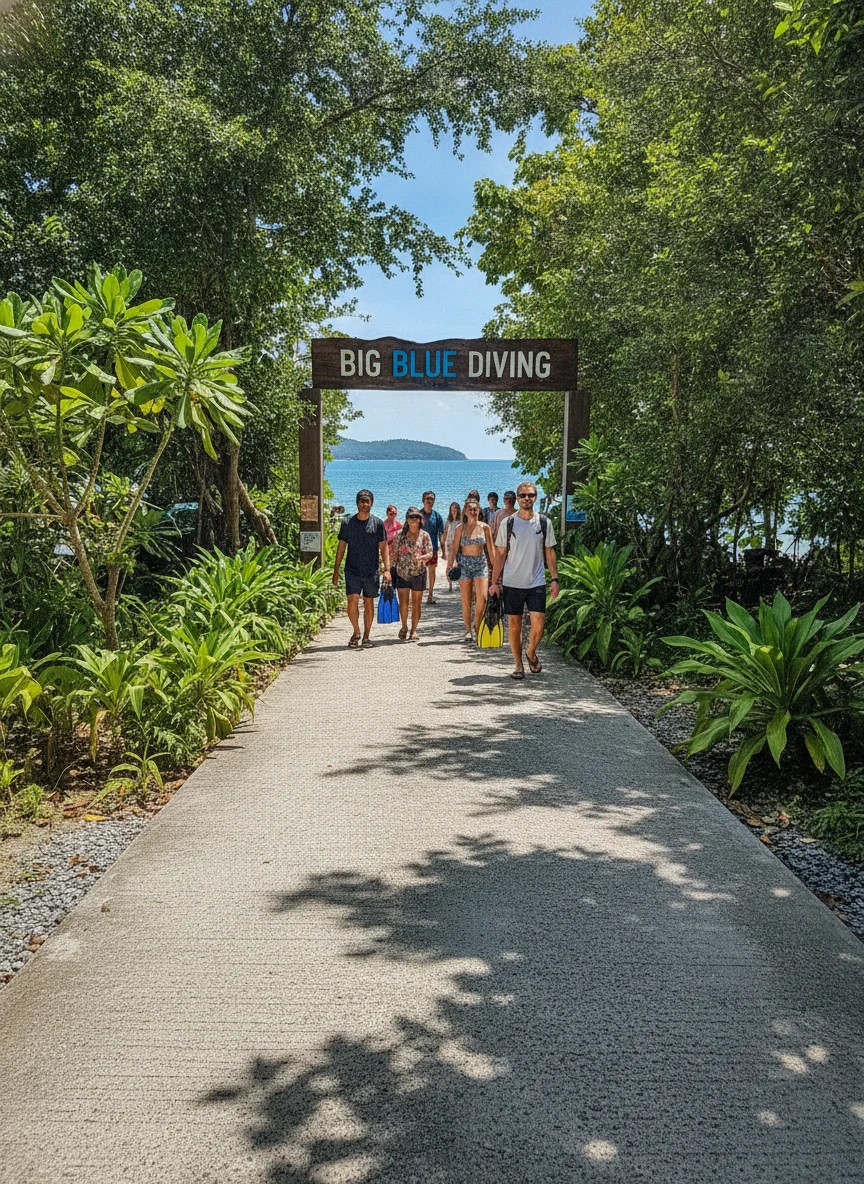
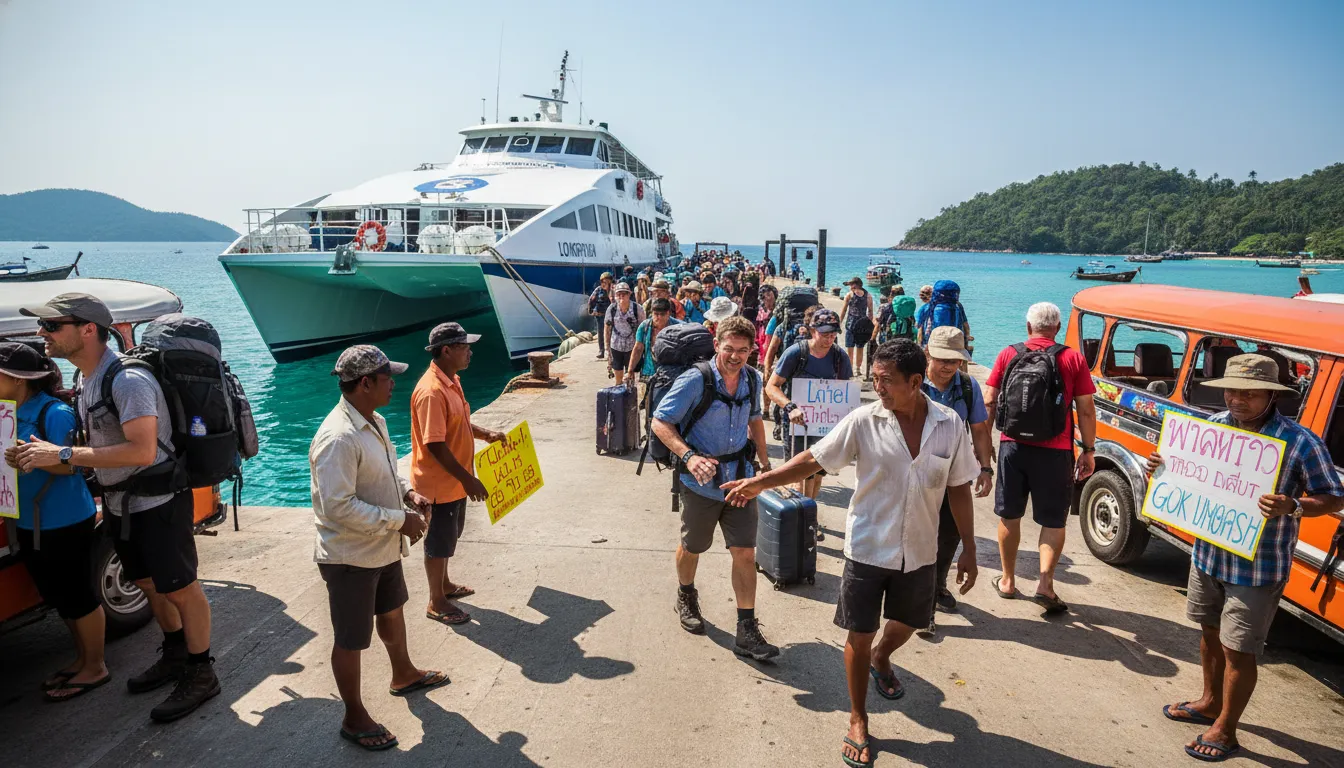
Big Blue Diving is located at the northern end of Sairee Beach, the most popular coastal stretch on Koh Tao. This position offers a quieter environment than the central beach area while remaining within a ten-minute walk of the main village’s shops and pharmacies. To reach Koh Tao from the UK, you typically fly into Bangkok and take a domestic flight to Koh Samui, followed by a high-speed ferry. Alternatively, a more budget-friendly route involves a bus or train from Bangkok to Chumphon, then a ferry to the island. The journey from Mae Haad Pier to Big Blue takes about ten minutes by taxi, costing roughly 100 THB to 200 THB (£2.25 to £4.50). Once at the resort, the beach, dive boats, and dining are all accessible on foot. You are also within walking distance of several hiking trails that lead to the island's northern viewpoints.
Costs and Booking
Pricing at Big Blue Diving is competitive and transparent, with course fees typically including all necessary equipment rentals and certification processing. A standard SSI or PADI Open Water course costs between 9,500 THB and 11,000 THB (£216 to £250), depending on seasonal promotions and accommodation bundles. For certified divers, single fun dives are priced around 1,000 THB (£23), with significant discounts available for multi-dive packages of 10 or more. Professional-level training, such as the Divemaster programme, involves higher fees ranging from 30,000 THB to 35,000 THB (£680 to £795), plus mandatory materials and application fees. It is advisable to book at least three to four weeks in advance during the peak summer (July-August) and winter (December-February) months to ensure availability in the dorms or bungalows.
| Option | Cost (THB) | Cost (GBP approx) | Notes |
|---|---|---|---|
| Open Water Diver Course | 11,000 | 250 | Includes equipment and 4 dives |
| Advanced Adventurer | 9,500 | 216 | 5 adventure dives over 2 days |
| Single Fun Dive | 1,000 | 23 | For already certified divers |
| 10-Dive Fun Package | 8,000 | 182 | Bulk discount for certified divers |
| Divemaster Internship | 35,000 | 795 | Excludes PADI/SSI fees and materials |
| Private AC Bungalow | 1,500 | 34 | Per night, seasonal rates vary |
Who It Suits Best
Big Blue Diving is ideal for gap-year travellers and career-breakers seeking a structured, social environment to earn their certifications. The emphasis on marine conservation also makes it a top choice for environmentally conscious divers who want to understand the reef ecosystem. It is well-suited for solo travellers, as the communal dining and group courses make it easy to meet people. However, those seeking a secluded, ultra-luxury resort experience may find the social nature and dormitory options too active. It is not recommended for travellers who prefer to avoid group-based activities or large-scale operations.
Essential Considerations Before Your Arrival
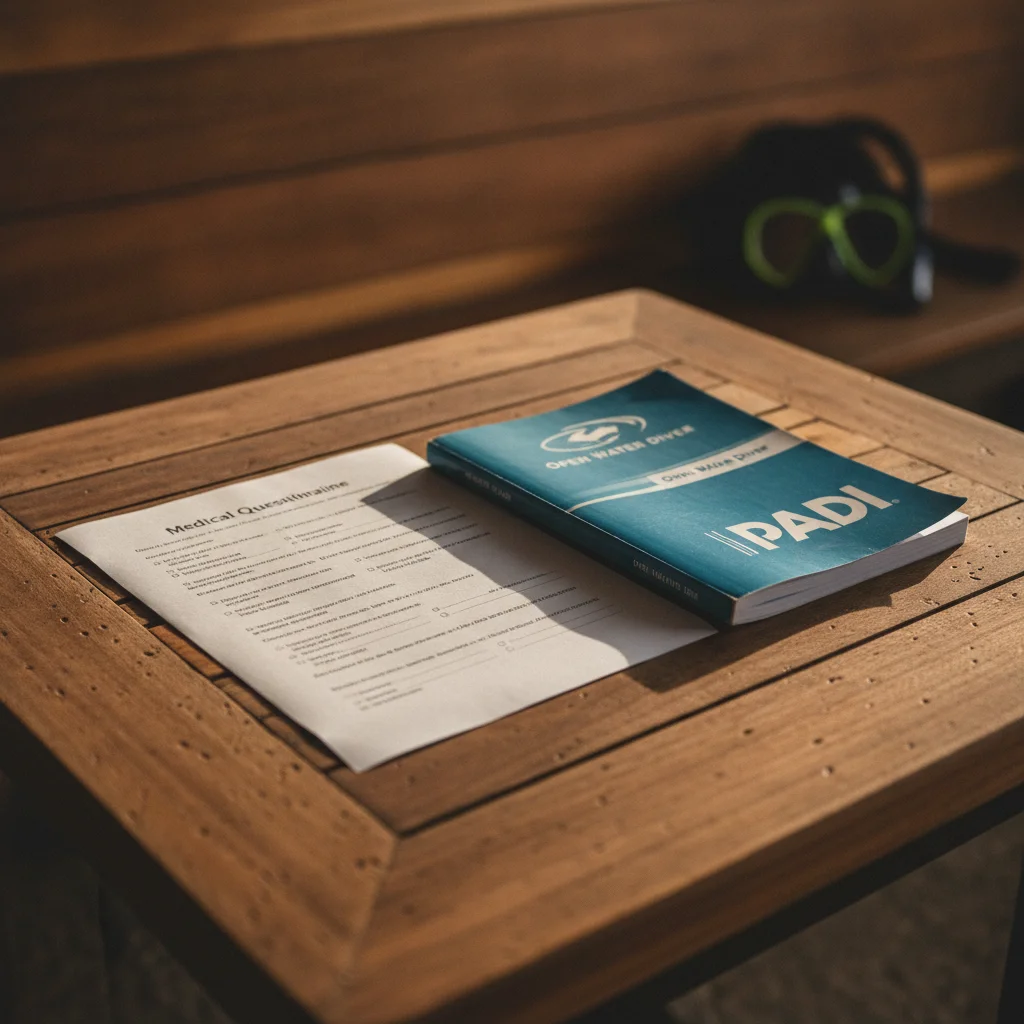
You must complete a medical questionnaire before you are allowed to dive. If you have history of asthma or heart conditions, you will need a doctor's sign-off from home or a local clinic in Koh Tao. Seasonality significantly affects underwater visibility and surface conditions. The months of October and November often bring the monsoon, which can lead to cancelled boat trips and reduced clarity. Group sizes for courses can increase during the peak months of January and July. If you prefer a more private experience, you should enquire about "VIP" small-group upgrades or visit during the shoulder months of May or June. Physical fitness is a factor as you will be carrying heavy gear and climbing boat ladders. Ensure you are well-rested and hydrated, as diving while fatigued increases the risk of decompression sickness.
Practical Tips for Your Visit
Pack a Rash Guard
The sun is intense on the boat decks, and a UV-rated rash guard provides better protection than sunscreen alone while being safer for the coral.
Book Your HTMS Sattakut Dive Early
The wreck dive is highly popular and has limited capacity, so reserve your spot on the boat as soon as you arrive.
Bring a Reusable Water Bottle
The school provides free water refills to reduce plastic waste, helping you stay hydrated during long days at sea.
Use Reef-Safe Sunscreen Only
Traditional sunscreens contain chemicals that bleach coral reefs, and the school strictly encourages eco-friendly alternatives.
Carry Cash for Small Purchases
While the dive centre accepts cards for large payments, the local cafes and taxis nearby usually require Thai Baht.
Manage Your Equalisation Early
If you struggle with ear pressure, start equalising as soon as your head goes under the water in the training pool.
Download the SSI or PADI App
Most theory work is now digital, so downloading the relevant app and course materials before you leave the UK will save time on-site.
Visit the Fish Identification Board
The restaurant has a board showing common local species; checking this after your dive helps you learn what you saw.
Secure your course and beachfront accommodation at Big Blue Diving by booking directly through their online portal today.
Quick Reference Table
| Item | Detail | Notes |
|---|---|---|
| Property Name | Big Blue Diving School | Established in 1991 |
| Location | Sairee Beach, Koh Tao | Northern end of the beach |
| Property Type | Scuba Dive School & Resort | SSI & PADI affiliated |
| Category | Professional Training Academy | Mid-range social resort |
| Capacity | 40+ rooms/dorms | Mix of private and shared |
| Check-in/out | 14:00 / 11:00 | Flexible for dive schedules |
| Pool | 4m Deep Training Pool | On-site purpose built |
| Restaurant | Big Blue Restaurant & Bar | Beachfront dining |
| Nearest Airport | Koh Samui (USM) | Followed by ferry |
| Distance to Beach | 0 metres | Directly on Sairee Beach |
| Official Website | bigbluediving.com | Direct bookings recommended |
| Booking Platform | Agoda / Direct | Best for bungalow bookings |