Destination Thailand Visa
The Destination Thailand Visa (DTV) grants UK remote workers and freelancers five years of valid entry, allowing continuous stays of up to 180 days at a time. Securing this visa requires an upfront application fee of 10,000 THB and strict proof of a 500,000 THB minimum bank balance.
This guide explains exactly how to apply for the DTV through the London embassy’s E-Visa portal, detailing the financial thresholds, insurance requirements, and permitted legal activities. It will help you decide if this five-year visa suits your remote working arrangement better than the Long-Term Resident (LTR) visa or the Thailand Elite programme. This route is strictly for digital nomads, freelancers, and cultural students drawing income from outside Thailand; it does not permit local employment with a Thai company.

Understanding the Destination Thailand Visa
The Destination Thailand Visa is a five-year multiple-entry visa explicitly designed for digital nomads, freelancers, and individuals undertaking approved cultural activities. Unlike the standard 60-day tourist visa exemption which strictly prohibits any form of work, the DTV legally permits remote employment for foreign companies while you reside in Thailand. You receive a 180-day stamp upon every entry. This can be extended once per entry for an additional 180 days at a local immigration office. Consequently, a UK national can live in Thailand for almost a full year before executing a mandatory border run. The critical distinction lies entirely in your income source. You must be employed by a company registered outside of Thailand, or operate as a freelancer with an established international client base. If you intend to work for a Thai employer, you still require a standard Non-Immigrant B visa and a local work permit. The DTV bridges the gap between short-term tourism and permanent relocation. It serves as a highly accessible alternative to the stringent requirements of the Long-Term Resident (LTR) visa. Holding this visa does not grant you permanent residency. The DTV provides legal coverage for remote work inside Thailand without the heavy financial burden of the Thailand Elite programme. The DTV provides legal coverage for remote work inside Thailand without the burden of securing a local work permit.
Need a lawyer in Thailand? Discover when UK expats genuinely need legal help, how to find reputable Thai attorneys, typical costs, and embassy limitations.
| Feature | Destination Thailand Visa (DTV) | Long-Term Resident (LTR) | Standard Tourist Exemption |
|---|---|---|---|
| Validity Period | 5 Years | 10 Years | 60 Days |
| Remote Work Permitted | Yes, legally covered | Yes, legally covered | No, strictly prohibited |
| Minimum Income | None specified (requires 500k THB balance) | $80,000 USD per year | None |
| Maximum Stay Per Entry | 180 Days | Unlimited within validity | 60 Days |
Eligibility and Financial Requirements
Sponsored
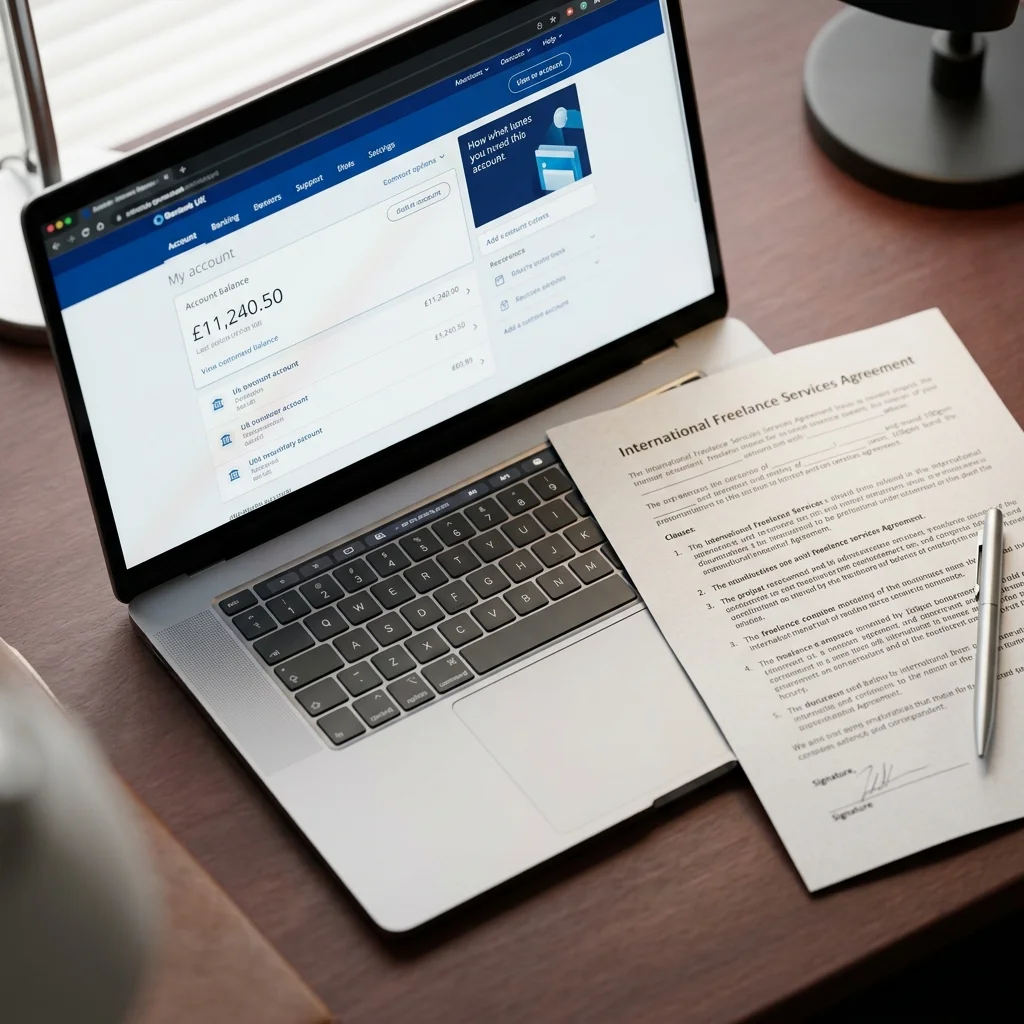
To qualify for the DTV as a UK applicant, you must demonstrate a consistent financial safety net alongside proof of legitimate remote employment. The Thai Embassy in London heavily scrutinises your financial standing before approving this specific visa category. You must hold a minimum bank balance of 500,000 THB (approximately £11,000) at the exact time of application. This balance must be clearly visible in your UK bank account statements. Ideally, you should maintain this sum for at least three to six months to prove absolute financial stability. Alongside your banking records, you must provide a formal employment contract or a comprehensive portfolio of freelance contracts verifying your status as a remote worker. Your employer must be located entirely outside Thailand. Furthermore, the submitted documents should explicitly state that you are permitted to conduct your professional duties remotely. Applicants must also hold valid health insurance covering the entire duration of their initial stay in Thailand, or provide evidence of sufficient supplementary funds to cover potential medical expenses. The financial threshold here is significantly lower than the LTR visa, which demands a verifiable annual income of $80,000. Self-employed individuals must supply company registration documents from Companies House or official HMRC tax returns to satisfy the consular officers. Ensure your bank statements clearly show the equivalent of 500,000 THB and your employment contracts explicitly mention remote working capabilities.
| Visa Type | Upfront Financial Requirement | Ongoing Income Requirement | Best Suited For |
|---|---|---|---|
| DTV | 500,000 THB bank balance | Proof of remote employment | Freelancers and remote workers |
| LTR Visa | Comprehensive health insurance | $80,000 USD annually | High-earning corporate employees |
| Thailand Elite | 900,000 THB membership fee | None | Retirees and frequent travellers |
The E-Visa Application Process
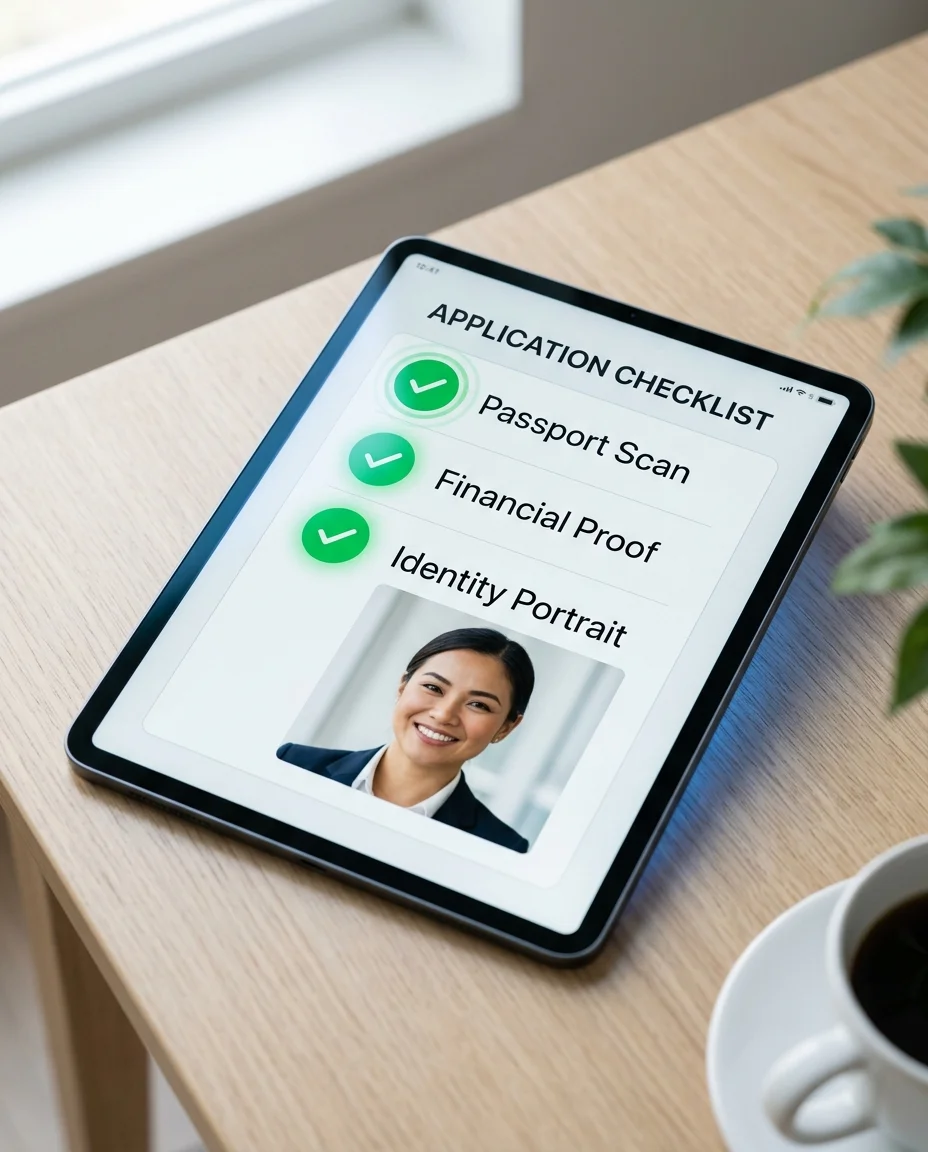
UK nationals must submit their DTV application entirely online through the official Thai E-Visa portal managed by the Royal Thai Embassy in London. You no longer need to physically visit the embassy in South Kensington to secure this visa. The process begins by creating a secure account on the official Thai E-Visa website and selecting the Destination Thailand Visa category from the dropdown menu. You will be prompted to upload digital copies of your passport biodata page, a recent passport-sized photograph taken within the last six months, and all your supporting financial and employment documents. Every uploaded file must be perfectly legible, well-lit, and strictly formatted as a PDF or JPEG to avoid automatic rejection by the portal system. Once the necessary documents are uploaded, you must pay the non-refundable application fee of 10,000 THB (£220) via the integrated secure payment gateway. Processing times at the London embassy currently range from two to four weeks. This timeline heavily depends on the volume of applications and the specific time of year you apply. If the consular officers require additional proof of your freelance income or a clearer bank statement, they will request it directly via the portal email system. Monitor your registered email address daily after submission, as failing to respond to a document request promptly will result in your application being cancelled.
| Application Step | Required Action | Estimated Timeline |
|---|---|---|
| 1. Account Creation | Register on Thai E-Visa portal | Immediate |
| 2. Document Upload | Submit PDFs of passport, bank statements, and contracts | 1 to 2 Hours |
| 3. Fee Payment | Pay 10,000 THB fee via secure gateway | Immediate |
| 4. Embassy Processing | Wait for consular review and potential follow-up requests | 2 to 4 Weeks |
Permitted Activities and Visa Conditions
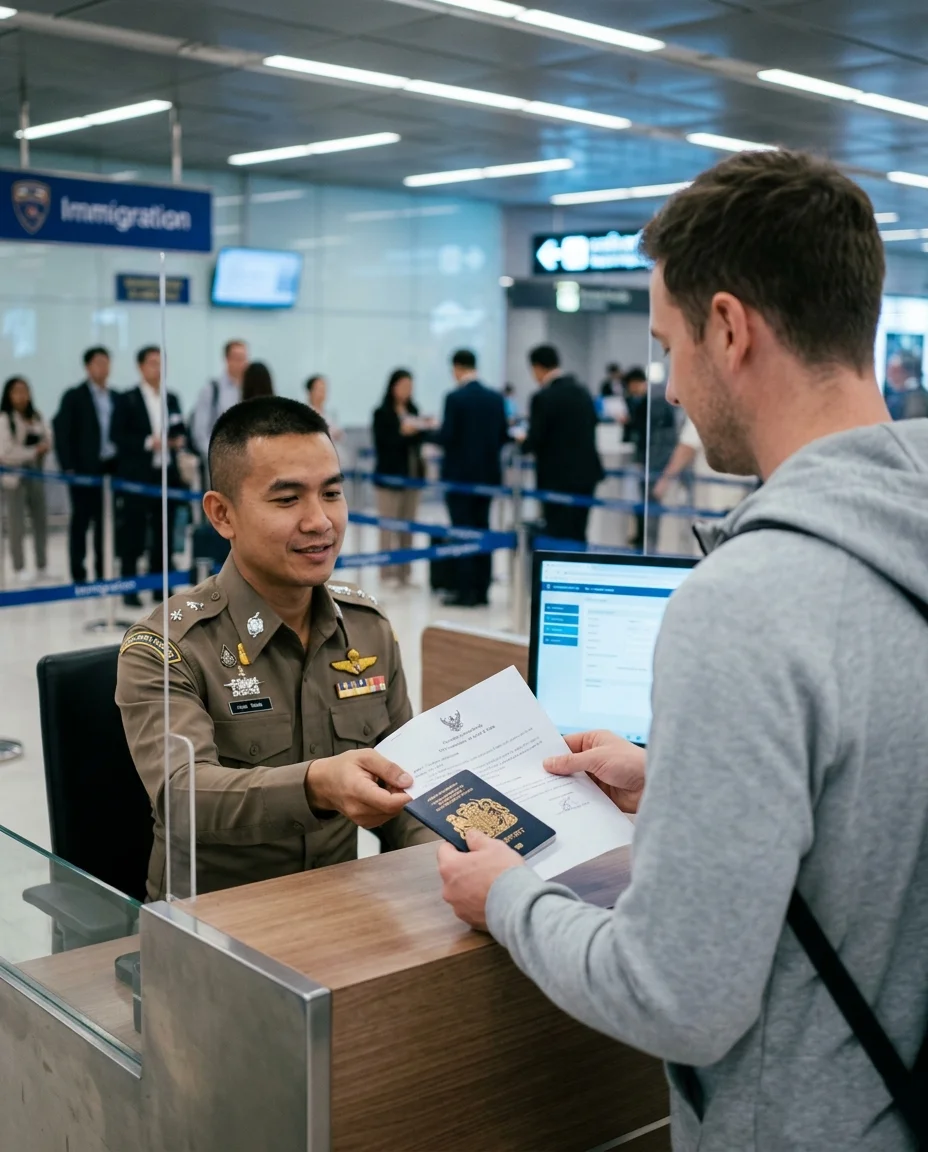
Entering Thailand on a DTV strictly limits your economic activities to remote work for overseas entities or specific approved cultural pursuits. The legal framework of this visa is exceptionally clear. You cannot engage in any local employment, sell goods to the domestic Thai market, or receive a salary from a company registered within Thailand's borders. If you operate as a digital nomad, your clients and revenue streams must remain entirely international. Alternatively, the DTV also caters to individuals travelling to Thailand to study Muay Thai, attend accredited Thai culinary schools, or receive extensive medical treatment. If applying under these non-employment categories, you must provide an official acceptance letter from a certified hospital, martial arts gym, or educational institution. When you arrive at Suvarnabhumi or Phuket International Airport, the immigration officer will stamp your passport for exactly 180 days. You must leave the country before this stamp expires, or proactively apply for a 180-day extension at a local immigration office. The visa itself remains valid for a full five years. This means you can leave and re-enter Thailand multiple times without needing to apply for a new visa, provided your UK passport remains valid. Always carry a printed copy of your E-Visa approval and your onward travel plans when passing through Thai immigration checkpoints.
| Activity Type | Permitted on DTV | Additional Documentation Required |
|---|---|---|
| Remote Work (UK Employer) | Yes | Employment contract stating remote permissions |
| Freelancing (Global Clients) | Yes | Portfolio of contracts and business registration |
| Local Thai Employment | No | Requires Non-Immigrant B Visa and Work Permit |
| Studying Muay Thai | Yes | Acceptance letter from certified training facility |
Renewals, Extensions, and Border Runs
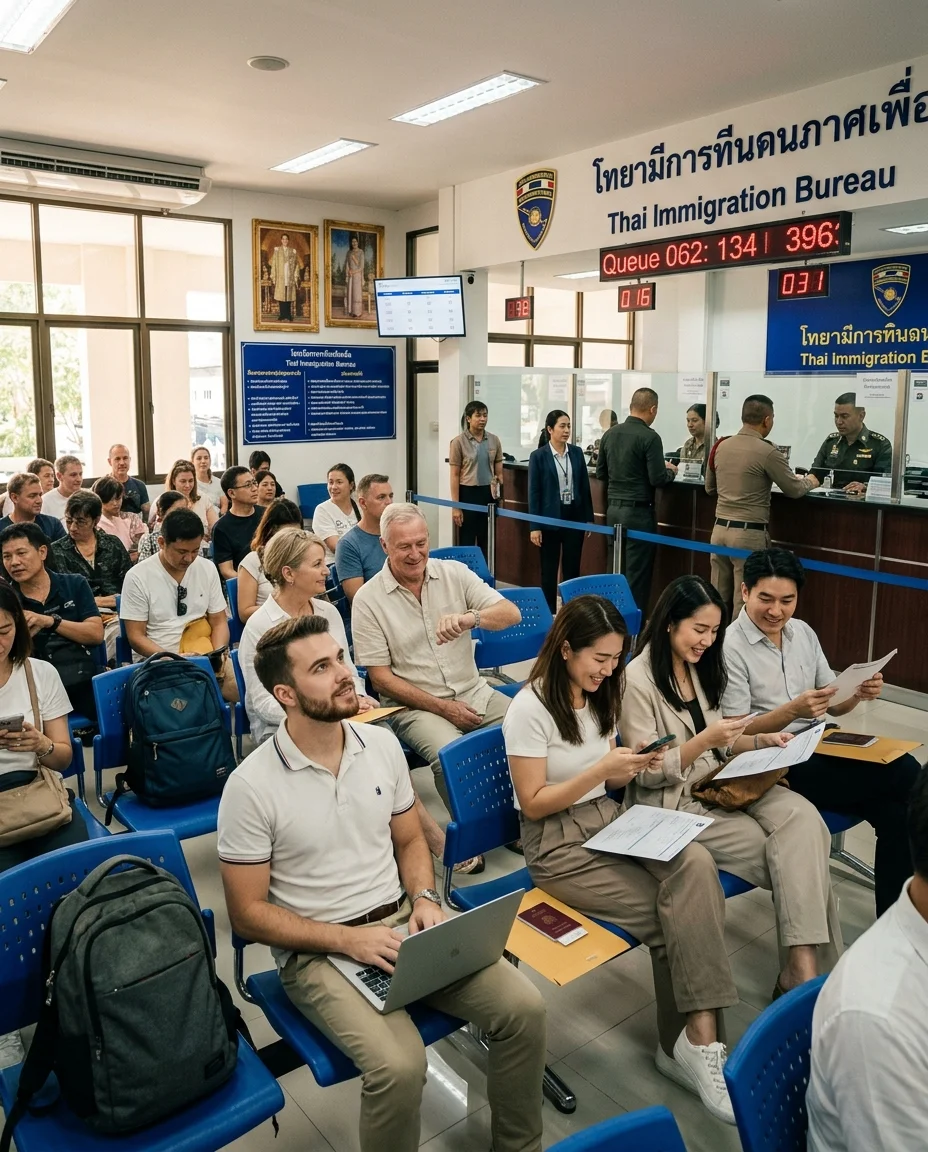
Managing your stay on a five-year DTV requires careful attention to your entry stamps to avoid severe overstay penalties. Your visa allows multiple entries. However, each continuous stay is legally capped at exactly 180 days. When approaching the end of your initial period, you have two distinct legal options to continue residing in the country. First, you can visit a local Thai Immigration Bureau office, such as the massive government complex at Chaeng Watthana in Bangkok, to apply for a one-time extension. This administrative process costs 1,900 THB (approximately £42). It requires you to complete a TM.7 form, submit recent passport photos, and potentially present your original financial documents for a second review. Once this extended 360-day period concludes, you must physically depart Thailand. Because the visa allows multiple entries over five years, you can simply fly to a neighbouring country like Malaysia or Vietnam for a short weekend trip. Upon re-entering Thailand, the immigration officer will issue a fresh 180-day stamp. This resets the entire cycle. This operational flexibility makes the DTV incredibly powerful for long-term remote workers seeking a stable base in Southeast Asia. Set a reliable calendar reminder two weeks before your stamp expires to either schedule your extension appointment or book an outbound flight.
| Extension Option | Maximum Additional Stay | Official Government Fee | Location |
|---|---|---|---|
| In-Country Extension | 180 Days (once per entry) | 1,900 THB | Local Thai Immigration Office |
| Border Run (Fly Out/In) | 180 Days (fresh entry stamp) | Flight costs only | International Airport Checkpoint |
| Land Border Crossing | 180 Days (fresh entry stamp) | Transport costs only | Approved Land Border Checkpoint |
Costs and Budgeting
Securing your DTV involves several upfront and ongoing expenses beyond the core application fee. The official consular charge for a five-year multiple-entry DTV is 10,000 THB (£220). You must pay this online during your E-Visa submission. This fee is strictly non-refundable. If the embassy rejects your application due to insufficient documentation, you will not get your money back. Should you choose to use a visa agent or legal service in the UK to prepare your complex paperwork, expect to pay an additional 15,000 to 25,000 THB (£330 to £550) in professional service fees. Supporting documents also incur unavoidable costs. Obtaining certified bank statements, translating business documents, or securing comprehensive travel health insurance can add a further 5,000 to 10,000 THB (£110 to £220) to your initial outlay. Once you are settled in Thailand, extending your 180-day stay at a local immigration office costs a standard government fee of 1,900 THB (£42). Budgeting accurately ensures your application process proceeds without stressful financial delays.
| Item | Cost (THB) | Cost (GBP approx) | Notes |
|---|---|---|---|
| Official DTV Application Fee | 10,000 THB | £220 | Paid online via the E-Visa portal; non-refundable |
| Visa Agent Fees (Optional) | 15,000 - 25,000 THB | £330 - £550 | Varies depending on the complexity of your freelance portfolio |
| Document Preparation | 5,000 - 10,000 THB | £110 - £220 | Includes medical certificates, insurance, and certified translations |
| In-Country Extension Fee | 1,900 THB | £42 | Paid directly at the local Thai Immigration office |
Common Mistakes and How to Avoid Them
Failing to maintain the 500,000 THB balance is the most frequent error UK applicants make. The embassy instantly rejects applications showing sudden, unexplained deposits just days before submission. You must maintain this minimum balance in a recognised UK bank account for at least three consecutive months. Uploading documents in the wrong file format causes the E-Visa portal to discard your evidence. Processing stalls completely while consular staff wait for corrected files. Ensure every required scan is saved as a clear PDF under 3MB. Applying with a Thai employment contract invalidates your DTV eligibility entirely. The embassy refuses these applications because domestic employment legally requires a Non-Immigrant B visa instead. Only submit business contracts from international entities detailing your remote status. Assuming the five-year validity allows a five-year continuous stay leads to severe overstay fines. Immigration penalises overstayers 500 THB daily. They will eventually deport repeat offenders. Always exit the country before your 180-day stamp expires.
Practical Tips
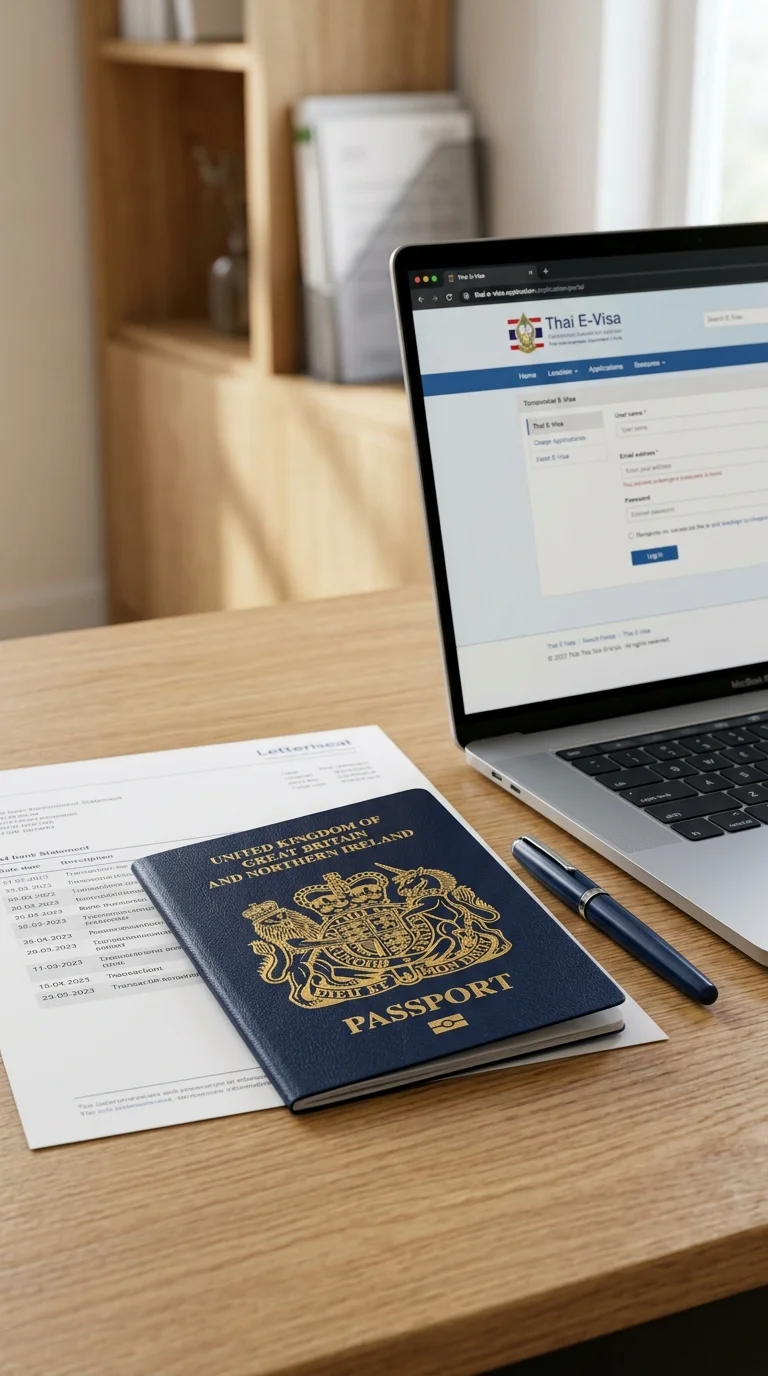
Convert your GBP bank balance to THB on a printed cover letter using the official embassy exchange rate. This prevents consular officers from rejecting your financial proof due to daily currency fluctuations.
Print out your approved E-Visa document and carry it with your physical passport when flying from Heathrow or Gatwick. Border officials and airline check-in staff frequently demand to see the physical paperwork before allowing you to board.
Register your UK limited company documents with the Foreign, Commonwealth & Development Office (FCDO) if you are self-employed. Thai immigration often requests apostilled corporate documents to prove your freelance business is a legitimate overseas entity.
Book a fully refundable onward flight out of Bangkok or Phuket within 180 days of your arrival. Immigration officers at the airport may deny you entry if you cannot prove you intend to leave before your initial stamp expires.
Translate any non-English employment contracts into English using a certified translation service. The London embassy will not process foreign-language documents, which will immediately stall your application timeline.
Set up a dedicated business bank account in the UK to separate your freelance income from personal spending. This makes it significantly easier to prove your remote earning capacity when submitting your financial portfolio.
[DISCLAIMER: Visa rules and fees are subject to change. Always verify current requirements with the official Thai Immigration Bureau at immigration.go.th or the Royal Thai Embassy before applying.]
Quick Reference Table
| Item | Detail | Notes |
|---|---|---|
| Visa Category | Destination Thailand Visa (DTV) | Multiple-entry visa valid for 5 years |
| Target Audience | Remote workers, freelancers, cultural students | Must be employed by a non-Thai company |
| Maximum Stay Per Entry | 180 Days | Can be extended once per entry |
| Application Route | Royal Thai Embassy London E-Visa Portal | 100% online process; no in-person visit required |
| Official Application Fee | 10,000 THB (£220) | Non-refundable fee paid via secure online gateway |
| Financial Requirement | 500,000 THB minimum balance (£11,000) | Must be held in a bank account for 3 to 6 months |
| Extension Options | 180 Days (1,900 THB fee) | Apply at any local Thai Immigration Bureau office |
| Processing Time | 2 to 4 Weeks | Depends heavily on embassy volume and document clarity |