Phuket vs Krabi
Choosing your ideal base on Thailand's southwest coast often comes down to a direct head-to-head between the country's largest island and its most famous mainland adventure province. Whether you are planning a winter holiday, looking to retire, or researching a digital nomad base, the choice between Phuket and Krabi defines the entire tone of your stay. While one offers a highly developed urbanised environment connected to the mainland by the 660-metre Sarasin Bridge, the other presents dramatic vertical topography with limestone cliffs soaring 300 metres above the sea. This comparison examines the practical realities of daily budgets, infrastructure, property markets, and lifestyle options to help you decide which Andaman destination fits your requirements.

Phuket
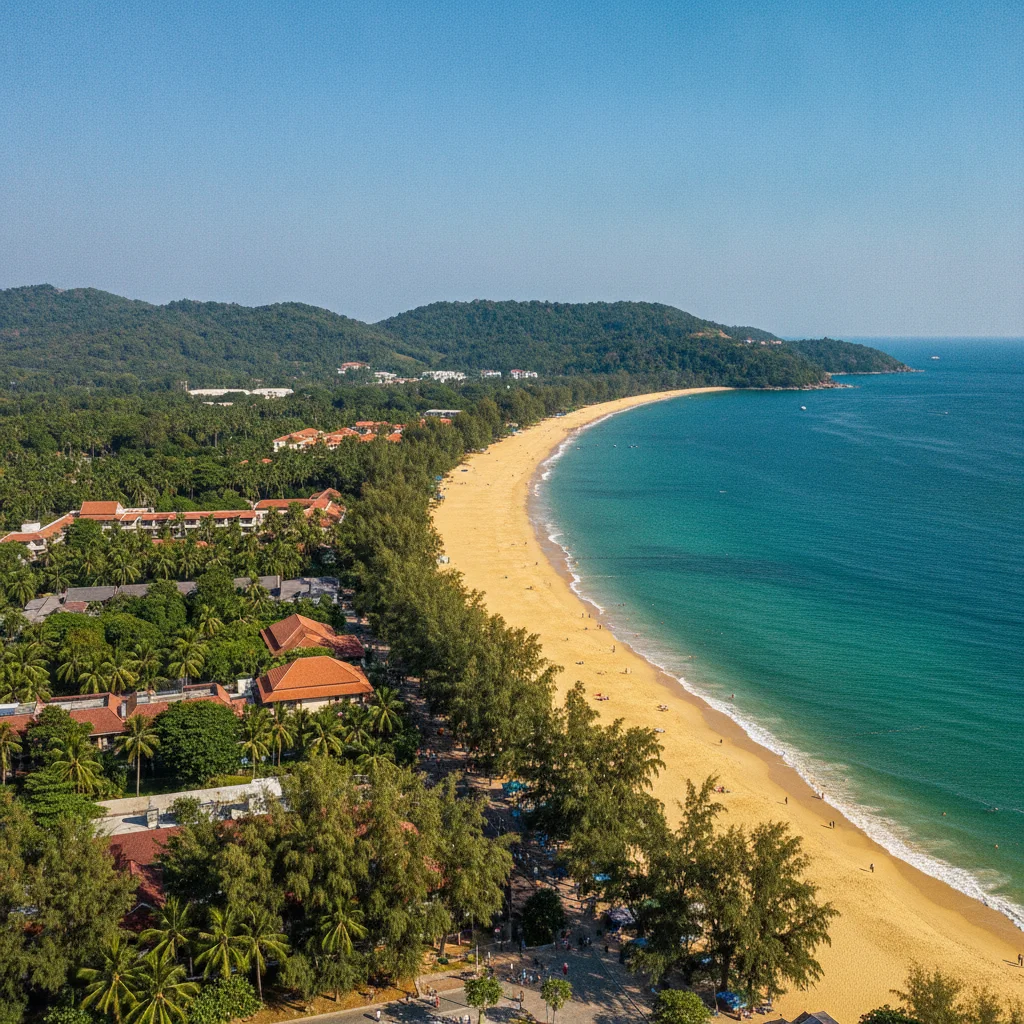
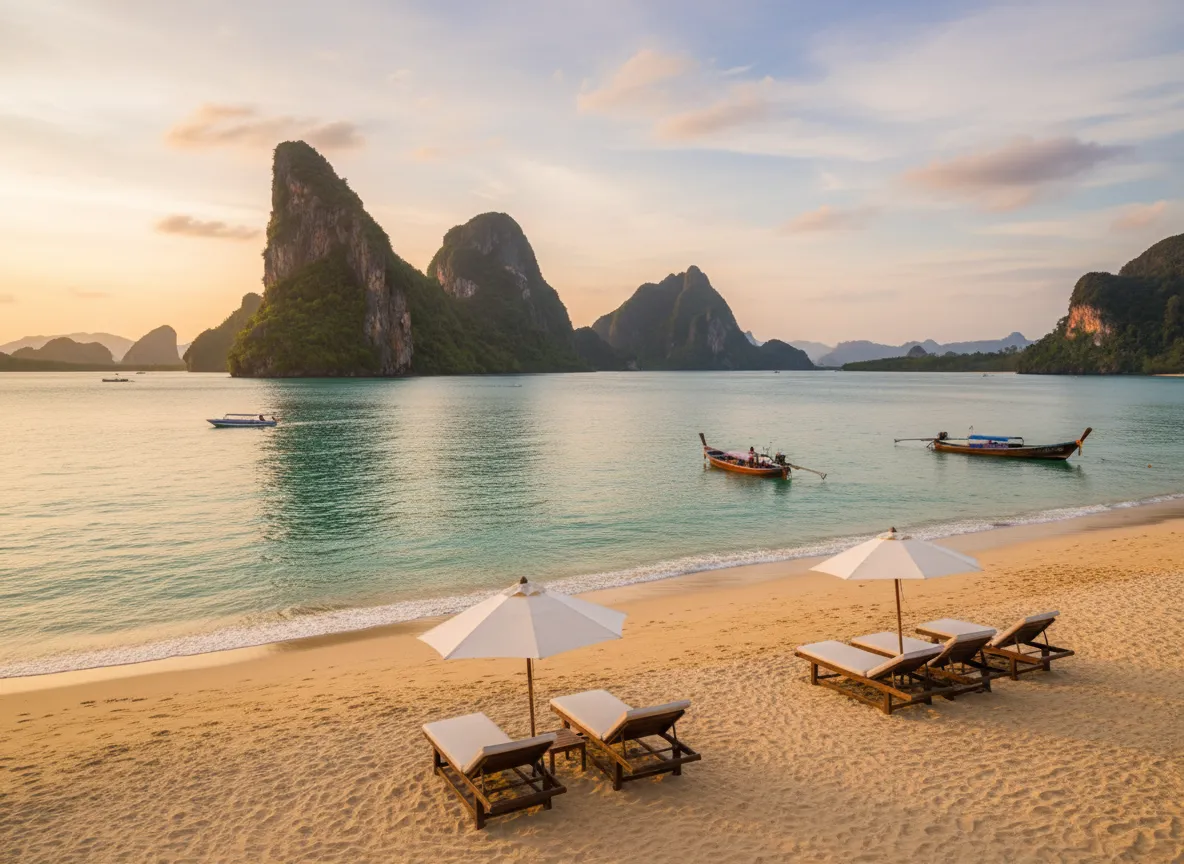
Phuket is Thailand's largest and most heavily developed island province, positioning itself as a premium, highly urbanised destination that caters to everything from budget backpackers to ultra-luxury holidaymakers. The local atmosphere is highly regional, contrasting the intense party scene of Patong with the quieter, family-centric resort areas of Kata and Karon, alongside the peaceful northern coast of Mai Khao. Visitors can expect to spend between 1,200 THB and 15,000 THB per day, with mid-range accommodation options like the Katathani Phuket Beach Resort costing around 3,500 to 7,000 THB per night. Dining options are similarly diverse, ranging from cheap 50 THB Hokkien noodle dishes at Mee Ton Poe in Old Phuket Town to high-end dining at the Michelin-starred PRU restaurant. It is highly suited to families requiring western amenities, digital nomads who need reliable coworking spaces, and retirees looking for established expatriate networks. Conversely, it is poorly suited to travellers seeking untouched landscapes or low-cost, sleepy coastal villages. The single most critical practical fact that distinguishes Phuket is its highly inflated transport network, which is dominated by a private tuk-tuk cartel that drives short-journey fares to a minimum of 200 THB. Long-term property seekers will find an active market here, with monthly villa rentals in Rawai starting around 45,000 THB. The island is highly accessible via Phuket International Airport, which hosts direct long-haul flights and regular domestic connections.
Krabi Province
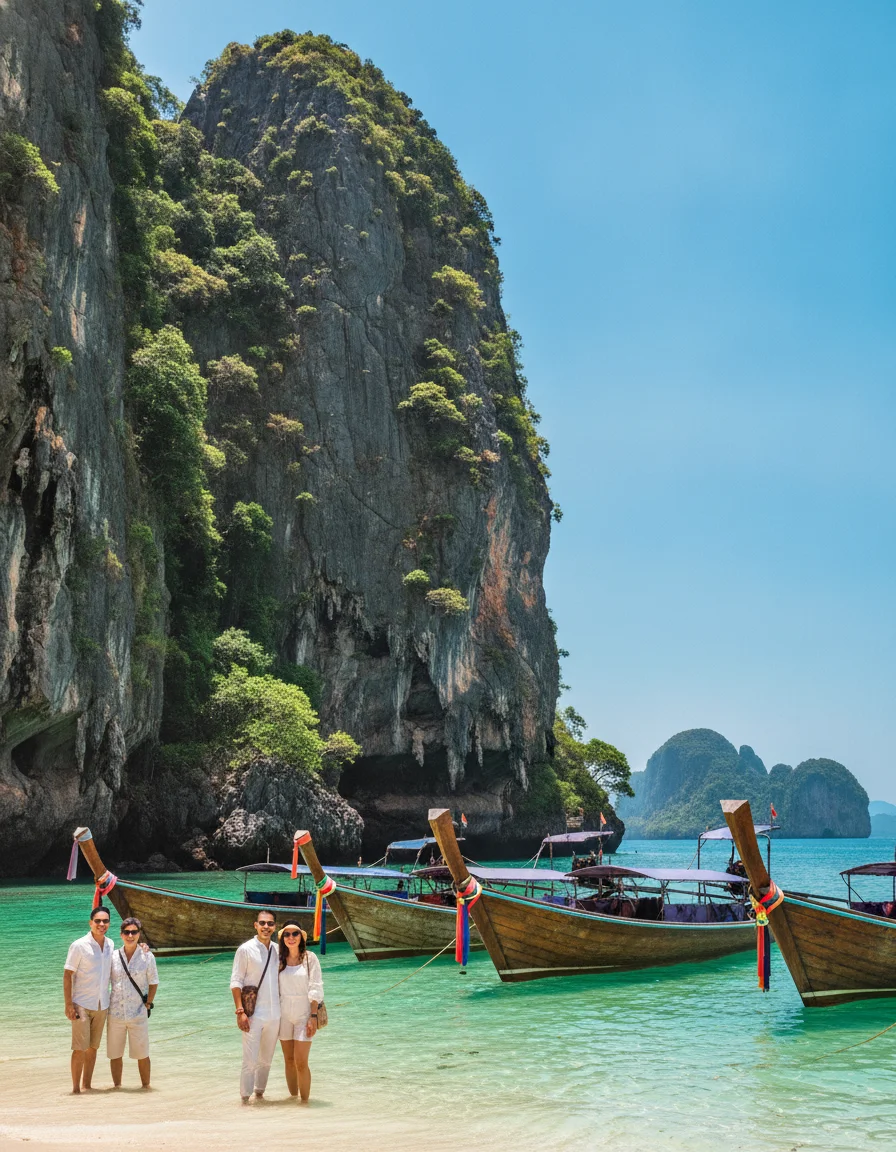
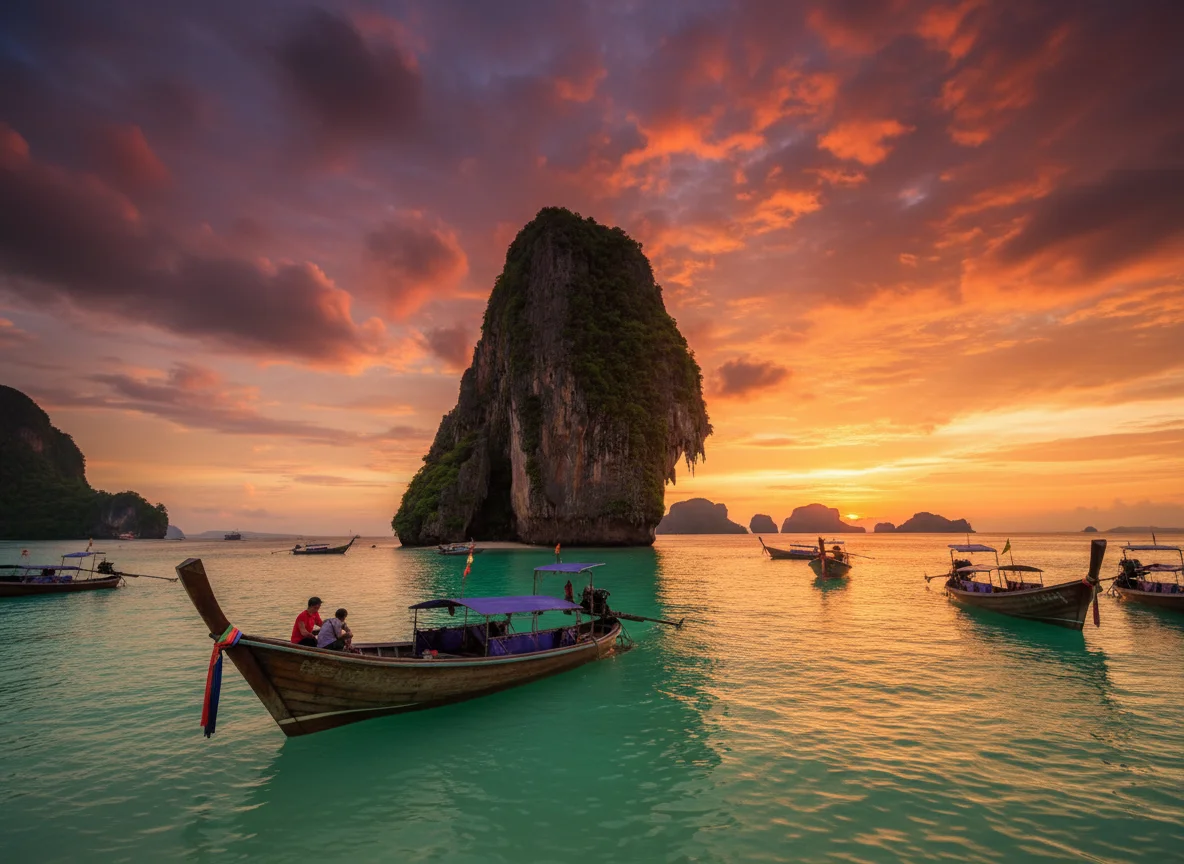
Krabi Province is a mainland territory on the southwest coast defined by its dramatic limestone karst topography, catering mostly to nature lovers, active outdoor sports enthusiasts, and budget-to-mid-range travellers. The province transitions from quiet administrative zones in Krabi Town to active beachfront corridors in Ao Nang, offering a much slower and more relaxed pace of life compared to its island neighbour. Expect daily budgets to range from 1,200 THB for budget travellers to 12,000 THB or more for luxury stays at high-end pavilions like Rayavadee, which starts from 22,000 THB per night. Standard mid-range resorts, such as Centara Anda Dhevi, sit at approximately 3,200 THB per night, while local street food classics like southern gaeng som curry cost around 120 THB. It is an exceptional destination for rock climbers heading to the sheer cliffs of the Railay Peninsula, active couples, and travellers who enjoy structured island-hopping day tours. However, it will not suit individuals seeking high-octane mega-clubs, luxury shopping malls, or extensive historical ruins. The most critical practical distinction of Krabi is its heavy reliance on marine transport, meaning access to famous spots like Railay requires a 100 THB longtail boat ride from Ao Nang that is highly dependent on calm weather conditions. For those looking to stay long-term, the cost of living remains considerably lower than Phuket, though the general infrastructure and healthcare options are far less developed. The physical geography also demands fitness, exemplified by the taxing 1,260-step climb to the mountain peak of Wat Tham Suea.
Master your Krabi arrival with our expert guide to longtail boats, airport transfers, and local costs. Learn how to skip the Ao Nang tuk-tuk traps.
Landscape and Atmosphere
Phuket behaves as a high-energy island province where modern urban development meets coastal resort life. The island's western side is fragmented into distinct beach enclaves, ranging from the loud nightlife of Patong to the family-oriented shorelines of Kata and Karon. Farther north, the pace slows in Kamala, Bang Tao, and the empty sands of Mai Khao. In contrast, Krabi Province is a mainland territory offering a slower, rural pace. It transitions from quiet administrative zones along the Krabi River to the active tourist corridors of Ao Nang Beach. For those seeking complete isolation, the Railay Peninsula is accessible only by boat due to the massive cliffs cutting it off from the mainland. While Phuket feels like a connected, fast-paced city on the water, Krabi maintains the quiet atmosphere of a sleepy farming and fishing community, defined by sheer vertical limestone karst formations rising 300 metres above mainland plains.
Beaches Water Sports and Activities
The marine environments of both destinations offer excellent coastal scenery, but they serve different styles of water-based activities. Phuket is a premier regional hub for deep-sea diving, with multiple operators departing from Chalong Pier for day trips. Two-dive packages typically cost between 3,800 THB and 4,500 THB. The island's western beaches provide wide bays, with beginner-friendly surf lessons available at Kata Beach for 800 THB per hour. Krabi's beaches are famous for their relationship with the surrounding limestone formations, but the finest sand and swimming spots are found on offshore islands. The classic four-island tour costs approximately 800 THB per person, taking visitors to Tup, Mor, and Chicken Island. Private longtail boat charters can be arranged for 2,800 THB, allowing you to bypass the crowds at your own pace. While Phuket offers long stretches of accessible resort sands, Krabi requires you to get on the water to experience its most remarkable marine environments.
Nightlife Dining and Entertainment
Phuket is famous for its high-octane nightlife, concentrated heavily along Bangla Road in Patong. For those who prefer a laid-back evening, the southern district of Rawai offers beachfront bars and local fish markets. Shopping is also a major draw, featuring massive multi-storey malls and the popular Sunday Walking Street Market. Phuket is also home to golf courses and high-end gastronomy like the Michelin-starred PRU restaurant at the Trisara resort, where menus start at 6,500 THB. Krabi trades this commercial nightlife for outdoor adventure. The province is a global destination for rock climbers on the Railay East and West peninsulas. If you prefer hiking, the Tubkaek Hang Nak Hill Nature Trail rewards walkers with expansive views. Dining in Krabi is simpler; local restaurants like Krua Thara near Ao Nang specialize in local seafood, offering stir-fried mud crab for 350 THB and southern specialities like gaeng som for 120 THB.
Accessibility and Local Transport
Phuket is highly accessible via Phuket International Airport, which handles direct long-haul flights from across Europe and frequent domestic connections from Bangkok starting at 1,200 THB. Once on the island, local transport is expensive. Taxis and private tuk-tuks operate under a local cartel system, setting high minimum fares of 200 THB even for short journeys. The local Smart Bus offers a budget-friendly alternative with a 100 THB flat fare, but the island's mountainous terrain means that traveling just 10 kilometres between beach bays can take 45 minutes. Krabi is served by Krabi International Airport, located 12 kilometres east of Krabi Town. Shared minivans from the airport to Ao Nang or Krabi Town cost between 150 and 200 THB, while public songthaews run regularly for 60 THB. Scooter rentals are readily available for 250 THB per day. The major transport complication in Krabi is its heavy reliance on marine transport, making travel highly dependent on calm weather conditions.
Cost of Living Property and Relocation
For those planning a long-term relocation, retirement, or a digital nomad stint, the choice involves balancing modern conveniences against living costs. Phuket has a massive, highly established expatriate community centered around Rawai and Kamala. The island features high-end infrastructure, including multiple international schools, western supermarkets, and high-quality private hospital networks. This convenience comes with a higher price tag; monthly villa rentals in Rawai start at 45,000 THB, and overall living expenses are the highest in the country outside of Bangkok. For property buyers, realistic purchase prices for modern two-bedroom villas in Phuket's prime areas like Bang Tao often range from 12 million to 25 million THB. Krabi offers a quieter, more integrated lifestyle that appeals to retirees who prefer a lower cost of living, where similar villas start around 6 million to 10 million THB. The local expatriate community is smaller, with most long-term residents living around Krabi Town or Ao Nang. While basic infrastructure is reliable and high-speed internet is widely available, the province lacks the large international schools and highly specialized medical facilities found in Phuket.
Weather Safety and Practical Considerations
Both destinations experience identical seasonal monsoon cycles, but their physical geography influences how the weather affects your safety. The dry season runs from November to April, offering calm seas and ideal conditions. During the wet season from May to October, the southwest monsoon brings heavy rain. In Phuket, this is the main surfing season, but the west-coast beaches frequently experience dangerous rip currents, resulting in red flag warnings that prohibit swimming. In Krabi, the monsoon season introduces significant travel limitations because the province is highly dependent on boat transport. High swells can cause frequent cancellations of the ferries running to the Phi Phi Islands from Klong Jilad Pier. Safety considerations in Krabi also include wildlife management, particularly the aggressive, habituated macaque monkeys at tourist hotspots like the Tiger Cave Temple. Additionally, the famous 1,260-step climb to the summit of Wat Tham Suea is a punishing physical challenge that requires caution.
Comprehensive Direct Comparison
| Phuket | Krabi Province | |
|---|---|---|
| High Season Lodging Cost | Mid-range Katathani resort from 3,500 to 7,000 THB per night; luxury Amanpuri villas exceeding 35,000 THB. | Mid-range Centara Anda Dhevi from 3,200 THB; luxury Rayavadee pavilion villas starting from 22,000 THB. |
| Transport Links | Phuket International Airport with direct flights; 12-hour overnight bus from Bangkok. | Krabi International Airport; shared minivans to Ao Nang; Klong Jilad Pier ferries. |
| Signature Outdoor Experience | Scuba diving excursions from Chalong Pier; surfing lessons on western beaches like Kata for 800 THB per hour. | Rock climbing on Railay Peninsula cliffs; 1,260-step climb at Wat Tham Suea temple. |
| Culinary Profile | Hokkien noodles for 50 THB at Mee Ton Poe; Michelin-starred fine dining at PRU starting from 6,500 THB. | Southern gaeng som curry for 120 THB; fresh mud crab and tiger prawns at Ao Nang markets. |
| Target Demographics | Families requiring Western standards, digital nomads needing coworking spaces, and luxury travellers. | Adventure travellers, rock climbers, active outdoor couples, and low-key beach holidaymakers. |
| Standout Topography | Fragmented granite cliffs and mountainous interior ridges spanning a massive 540 square kilometres. | Sheer vertical limestone karst formations rising 300 metres above mainland plains and the sea. |
| Notable Practical Drawback | High local transport costs driven by the expensive private taxi and tuk-tuk cartel. | Strong reliance on marine longtail boats which are highly vulnerable to monsoon weather disruptions. |
| Long-Term Living Appeal | High-end infrastructure with international schools, major hospital networks, and Rawai villa rentals from 45,000 THB monthly. | Lower cost of living but simpler infrastructure; limited highly specialised medical facilities compared to Phuket. |
The Decisive Verdict
For short-term holidaymakers and property investors seeking premium convenience and immediate beach access, Phuket is the superior choice. This recommendation is grounded in the fact that the island offers a highly developed western-style infrastructure, including major hospital networks, international schools, and a mature real estate market where premium monthly villa rentals in Rawai start at 45,000 THB.
For active travellers, outdoor enthusiasts, and budget-conscious retirees seeking raw natural beauty and a slower pace of life, Krabi Province is the clear winner. This recommendation is justified by Krabi's lower overall cost of living, simpler mainland lifestyle, and world-class physical activities, such as climbing the sheer 300-metre limestone cliffs on the Railay Peninsula or scaling the 1,260 steps of Wat Tham Suea.